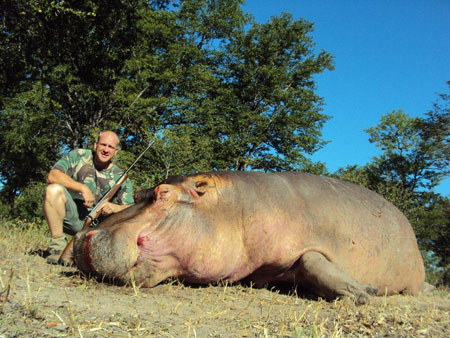
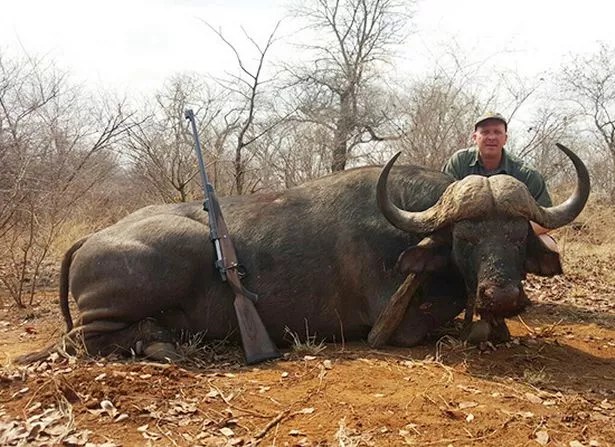
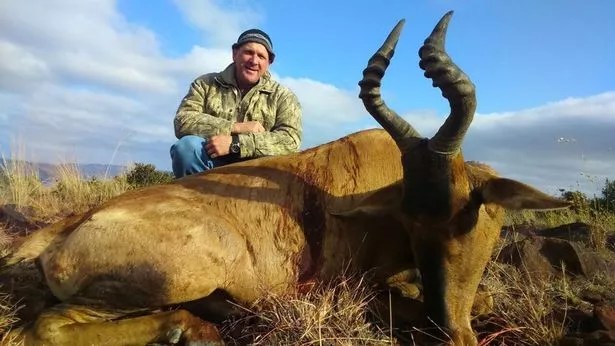
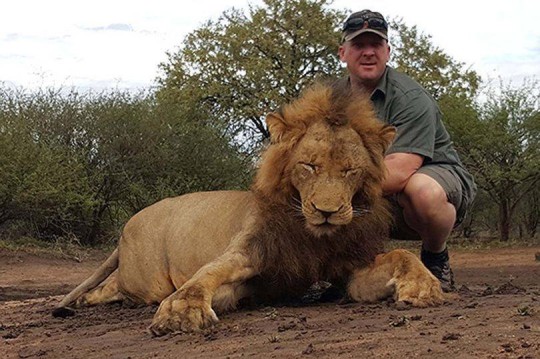
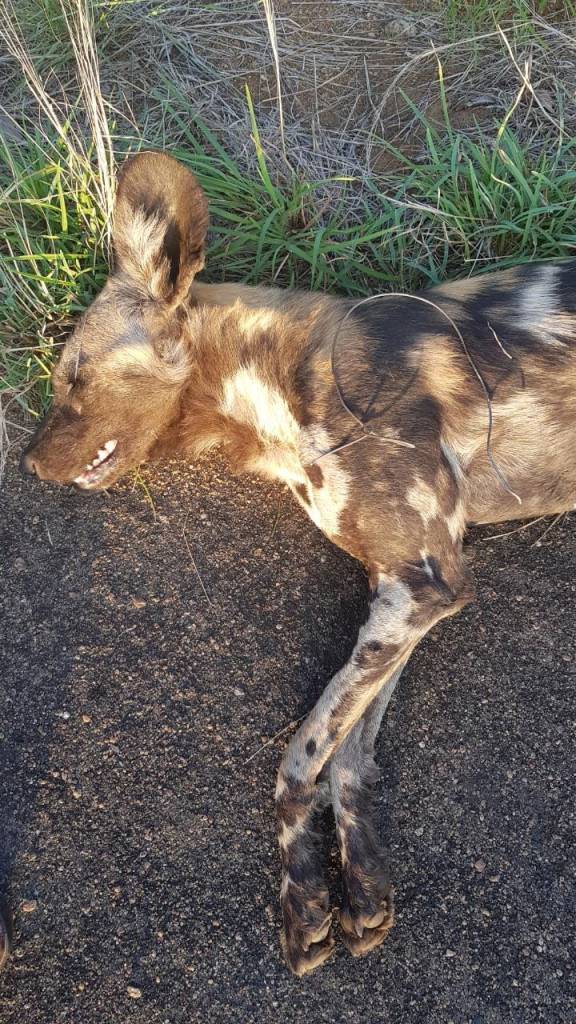
Trophy Hunting in Botswana: A Tale Of Declining Wildlife, Corruption, Exploitation And Impoverishment

In May 2019, Botswana’s President Masisi justified the decision to recommence trophy hunting by emphasising that local communities will be guaranteed more than just menial jobs and enjoy sustainable wildlife management’s economic benefits.
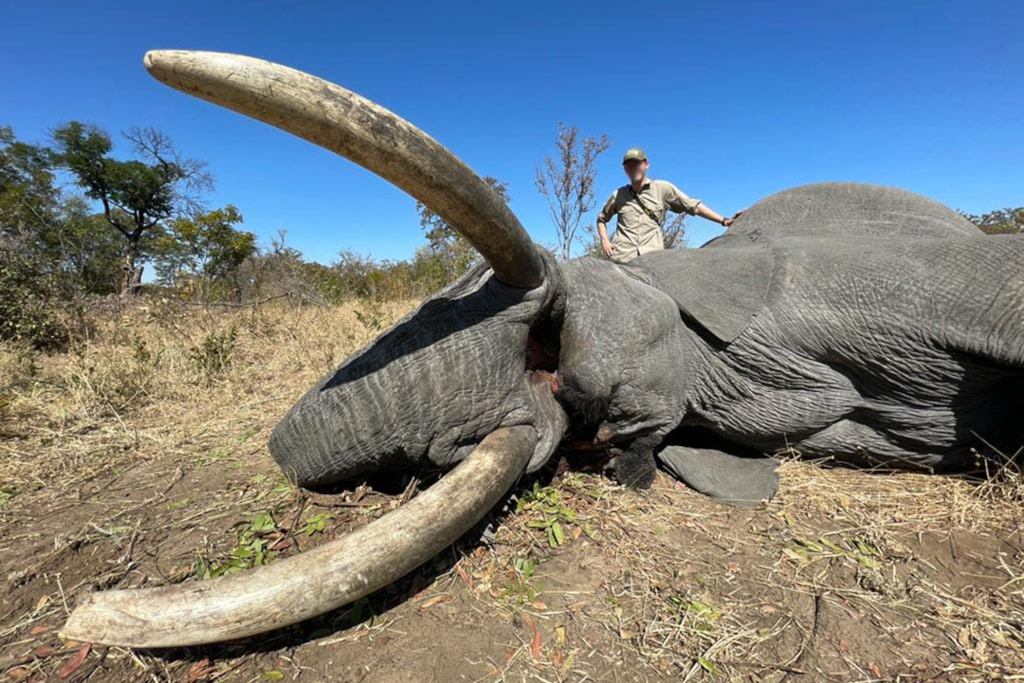
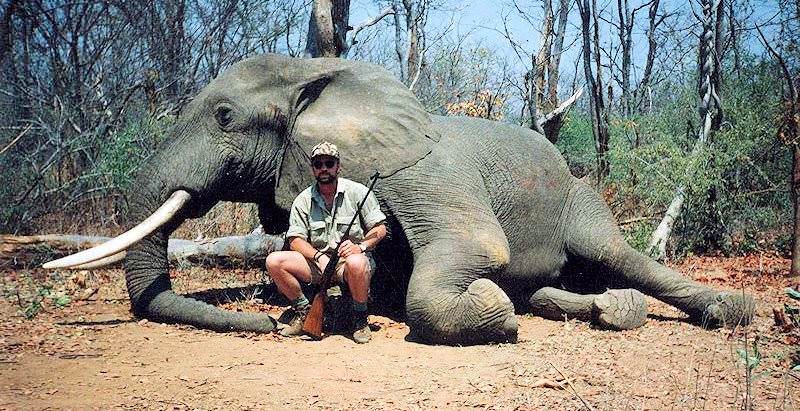
A Bull Elephant shot in Botswana – a so-called ‘100 pounder’.

As the passage of the Hunting Trophies (Import Prohibition) Bill moves to the Committee Stage of the House of Lords, a suite of amendments has been tabled for deliberation. These amendments include amending the Bill from a blanket ban to a case-by-case assessment of trophies imported into the United Kingdom based on whether they contribute to the conservation of wildlife and human economic upliftment.

For example: Amendment Clause 2(d) states that hunting imports may only be granted if:

“a hunting area where the hunting operator can demonstrate that financial or non-financial benefits of trophy hunting materially contributes to the conservation of the trophy hunted species, including habitat protection, anti-poaching measures, and support for community livelihoods.”
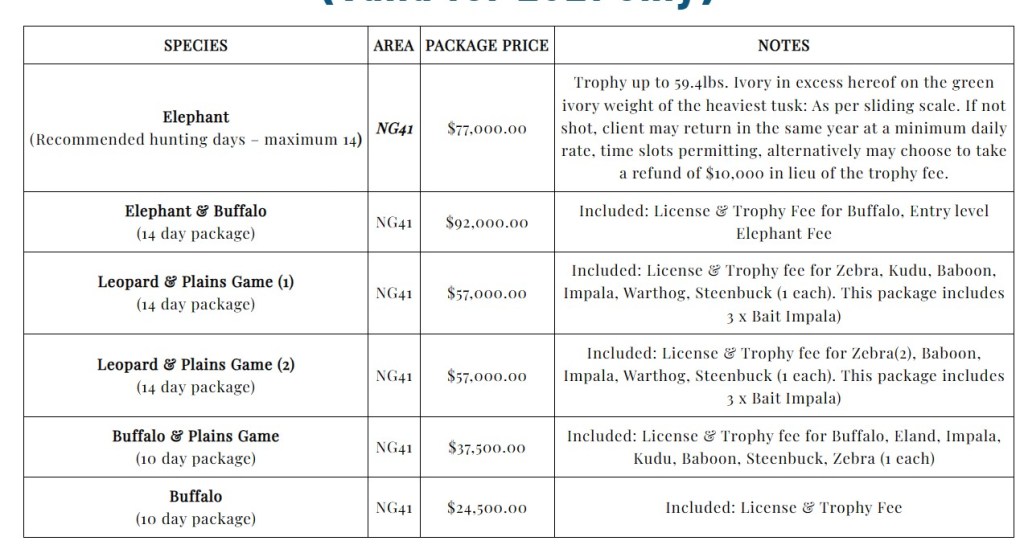
A Shopping List For Trophy Hunters

At face value, this appears to be equitable. Ignoring the obvious ethical dispute, if trophy hunting can be proven to benefit the conservation of wildlife and human livelihoods, then perhaps it may be a case to consider.  However, the problem in the majority of trophy hunting cases, and in most countries where trophy hunting takes place, the activity not only is wholly unable to benefit wildlife and human communities, but precipitates the opposite.

Botswana, one of the major destinations for trophy hunters, is a particular case in point.

The southern African nation has been promoted by some in the House of Lords as an example of a trophy hunting ‘success.’ So much so that a high-level delegation of government officials from Botswana, including a minister, an ambassador and a wildlife department head of authority were invited to the House of Lords in June 2023 to make a case for the benefits of trophy hunting in their country. Yet, serious questions surround Botswana’s ability to adequately regulate trophy hunting and provide any meaningful benefits for communities living among and alongside wildlife.

Field investigations, in-person interviews and literature, financial audit, international policy document reviews have been undertaken over the course of a year to assess the validity that Botswana can provide meaningful and tangible benefits to its wildlife and people. This is a summary of the results:

  • On an international level, the country has been flagged for non-compliance under the Convention on International Trade of Endangered Species of Wild Fauna and Flora (CITES) due to its failure to submit annual reports, which provide crucial information for validating offtake of elephants for trophies for the international trophy trade. This indicates that the wildlife conservation in Botswana is not adequately managed.
  • Hunting quotas are not based on scientific data. A total quota of 356 Elephants and 74 Leopards are on the Wildlife Hunting Quota List for 2023. These figures are regarded as abnormally high. The list also includes Zebra, Buffalo, Ostrich, Wildebeest, Kudu, Eland, Gemsbok, Warthog, Baboon, and Lechwe.
  • There is evidence of widespread unethical hunting practices including over-use of already overly high quotas, fraudulent practices, corruption, baiting, and hunting near and within photographic tourism zones. As well as the deployment of aerial support to search for large tuskers and killing Elephant bulls near artificial waterholes.
  • Trophy hunting activities in Botswana are forcing communities, which are expected to rely on the proceeds of trophy hunting, into a perpetual cycle of impoverishment and economic disenfranchisement. Trophy hunting obstructs the development of more meaningful activities like photographic tourism while the proceeds from trophy hunting are so miniscule that individual community members are practically receiving nothing.
  • There is also widespread evidence of corruption and mismanagement of funds generated by the Community-Based Natural Resource Management (CBNRM) system in areas centred on trophy hunting as the main economic activity. The mismanagement and corruption are directly linked to trophy hunting.
  • The current government has revoked scientific research permits of organisations that have been committed to providing peer reviewed scientific data on the conservation status and ecology of Elephants and suppress those that have dared to voice concern over unsustainable and unethical hunting practices.
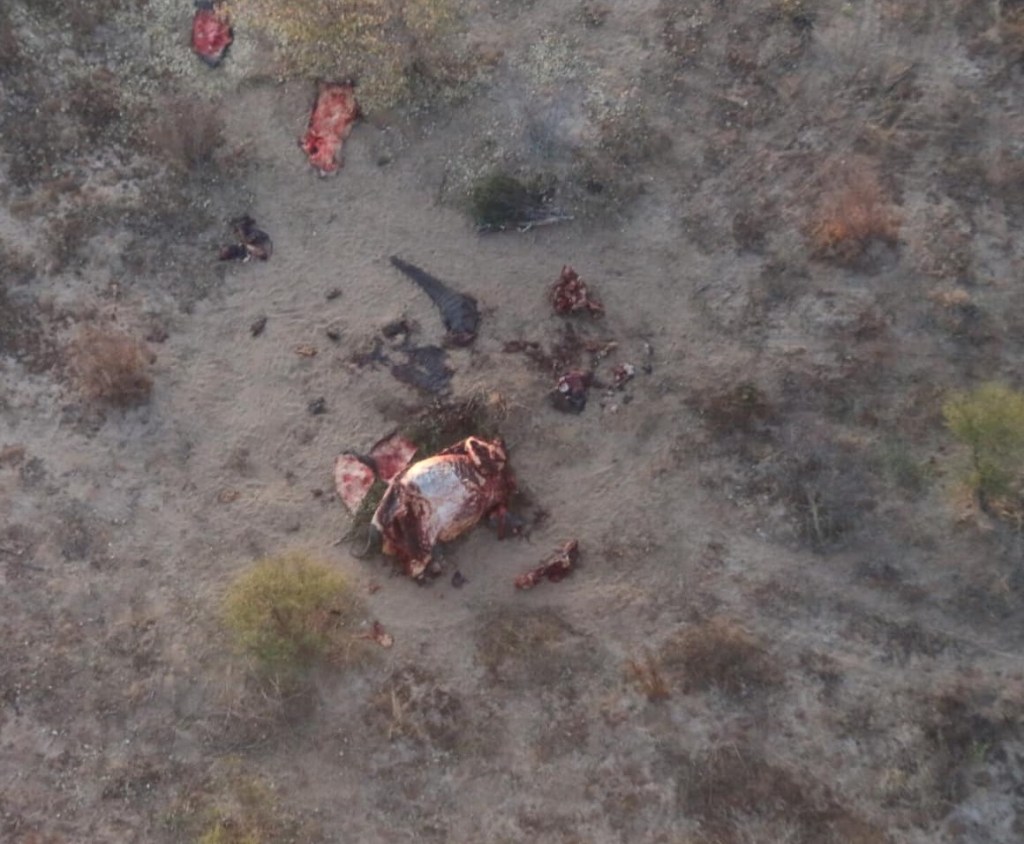
An aerial photograph of a butchered Elephant, shot by trophy hunters in Botswana.

The adult Elephant Bull (above) has been stripped of its body-parts. The trunk has been hacked off. There are large portions of the Elephant’s skin cut off. All four feet have been removed – presumably to make foot / table stools (the Botswana president, Mokgweetsi Masisi, (in)famously gave Elephant foot stools to the presidents of neighbouring countries at an Elephant Management meeting in Kasane in 2019). The tusks and skull have been taken to a taxidermy. These body parts represent the prize – the trophy – that the hunter was after, and which will be displayed on a wall in their home in Europe or America or Asia. There is also some flesh cut off on the flanks of one side, possibly to provide some meat for the trackers and skinners as a ‘tip’.

It has been claimed in Botswana that trophy hunting is only undertaken in ‘marginal’ wilderness areas that are not deemed viable for photographic tourism. It is also claimed that attempts to convert trophy hunting areas not viable for photographic tourism into photographic tourism areas is a challenge. Areas that are deemed not viable for photographic tourism are remoteness, lower densities of wildlife and monotonous natural landscapes. In these spaces, trophy hunting becomes a necessary evil as the sole provider of revenue for remote communities living within and alongside wildlife.

And yet, this Elephant was shot in a hunting concession (NG41) that is neatly wedged between two national parks – Moremi Game Reserve and Chobe National Park. These two parks are globally renowned for photographic tourism and are consequently brimming with tourists wanting to photograph what Botswana showcases best – wildlife. The fact that that this Elephant was shot right in the middle of these tourist hotspots makes a mockery of the claim that trophy hunting in Botswana only takes place in marginal areas.
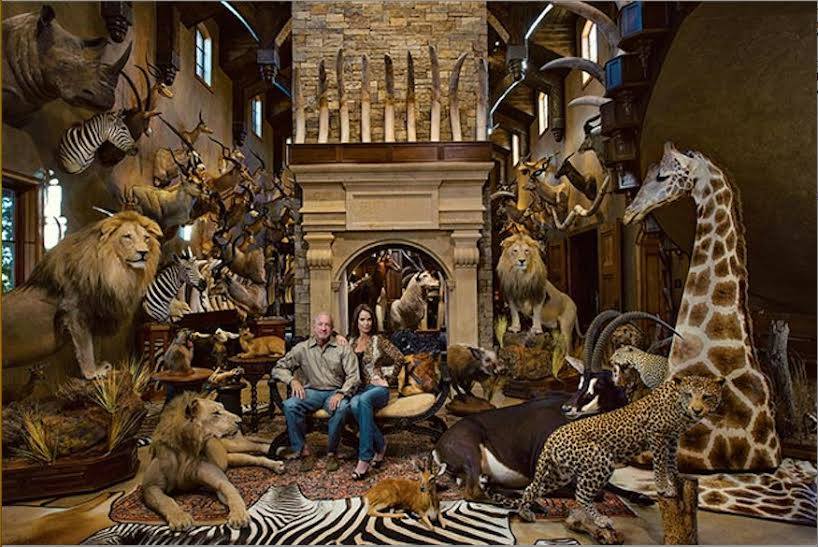
The Wall Of Death: A Hunter’s ‘Trophy’ Room

The standard narrative from hunters and their proponents is that trophy hunting is an essential conservation tool that, if conducted ‘ethically’, preserves endangered wildlife and provides revenue for impoverished communities living in marginalised areas where photographic tourism is absent. Yet as this case shows, as they all do, that narrative is a false one. Stripped of its protective fairy-tale veil, the true face of trophy hunting lays bare, a narcissistic bloodlust of a few depraved individuals who care little for ethics, community upliftment or wildlife conservation. ~ Adam Cruise.
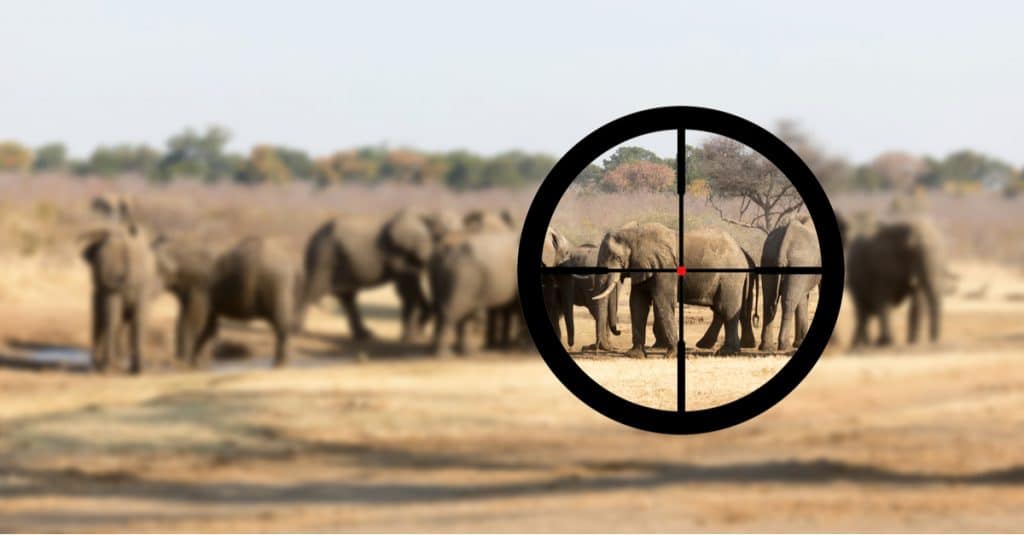
In The Trophy Hunter’s Sights: Botswana’s Elephants

WHAT YOU CAN DO TO HELP WILDLIFE:

You can support ‘Protect All Wildlife’ by donating as little as £1 – It only takes a minute but it can last a lifetime for an animal in need. Please donate below.

Everyone who donates will receive a Certificate of Appreciation as a thank you for helping animals in need.

The Mission of Protect All Wildlife is to prevent cruelty and promote the welfare of ALL animals.

We believe EVERY animal should be treated with respect, empathy, and understanding. We raise awareness to protect and conserve wild, captive, companion and farm animals.

It is vital that we protect animals against acts of cruelty, abuse, and neglect by enforcing established animal welfare laws and, when necessary, take action to ensure that those who abuse animals are brought to justice.

Protect All Wildlife are involved in many projects to protect animals’ rights, welfare, and habitats. Money contributed to Protect All Wildlife supports ALL of our worthy programmes and gives us the flexibility to respond to emerging needs. Your donations make our work possible.

Therese Coffey: We Will Do All We Can To Help Trophy-Hunting Ban Become Law

The Environment Secretary offered assurances about the Hunting Trophies (Import Prohibition) Bill in a letter to campaigners.

The Government has pledged to do “all we can” to ensure a ban on trophy hunting imports becomes law amid fears pro-hunting peers could “wreck” the reforms.

Environment Secretary Therese Coffey said the Government will not support any further amendments to the Hunting Trophies (Import Prohibition) Bill.

The proposed legislation would prohibit bringing into the country body parts from species deemed of conservation concern.

The Bill, introduced by Conservative MP Henry Smith, has already cleared the House of Commons.

But a group of peers have raised concerns and tabled amendments that threaten to derail the proposals.

Time is running out to consider the Bill and it will fall if it does not receive royal assent before the current parliamentary session stops ahead of the King’s Speech on November 7.

Ms Coffey, in a letter to the Humane Society International/UK dated August 17, wrote: “It is a manifesto commitment to ban the import of hunting trophies from endangered animals and we are working hard to deliver.

“The Bill passed the Commons in March, with the Government’s support, and we will do all we can to support its progress through the House of Lords working with Baroness Fookes.

“I can confirm that we will not be supporting any further amendments to the Bill. I expect committee stage to progress next month.”

Conservative peer Lady Fookes is the Bill’s sponsor in the House of Lords.

Claire Bass, senior director of campaigns and public affairs at Humane Society International/UK, said: “There is a small and vocal group of pro-hunting peers doing their best to wreck this Bill, but we need the Government to remain focused on the almost 90% of the public who want this ban on the import of hunting trophies.

“The timing for this Bill is indeed extremely tight but we were encouraged to receive a letter from Environment Secretary Therese Coffey yesterday.”

No Friday sittings to consider private members’ bills are expected in the House of Lords in September, according to the Government whips’ office in the Lords.

With the party conference recess running until October 16, there are expected to be just two possible Friday sittings before the parliamentary session ends.

Mr Smith, MP for Crawley, said he is speaking with the Government in a bid to secure more parliamentary time for his Bill.

Conservative peer Lord Mancroft, who opposes the proposals, said amendments have been tabled in a bid to “clean up” or clarify parts of the “badly drafted” Bill.

He acknowledged it is “very possible” the amendments could halt the Bill’s progress and rated its chances as “less than 10%”.

Mr Smith said the planned legislation is about UK import policy, adding opponents have pressed “spurious arguments” about how trophy hunting helps conservation.

A House of Lords briefing paper on the Bill stated: “According to figures from the Cites (Convention on International Trade in Endangered Species of Wild Flora and Fauna) trade database, 190 hunting trophies from Cites-listed species were imported into the UK in 2020 (the most recent complete year for which figures are available).”

By Richard Wheeler – The Independent

Please Help Rescue Animals In Need DONATE HERE

An Open Letter To Carl Knight – Last Of The Great White Hunters (Satire)

Dear Carl Knight,

When I got wind of your courageous exploits, I felt I had to congratulate you. For a start, you are British. We adore the British – they are our second favourite colonialists. The first, obviously, are the Dutch. They gave us the Afrikaners who in turn gave us apartheid. What’s not to love about apartheid, right? Was that the reason your parents moved to South Africa in 1980?

Your efforts to encourage tourism to South Africa in these fraught times are laudable, indeed. It’s not easy these days to find a Brit who is interested in anything other than Brexit and that tawdry harlot, Meghan Markle. 

Even though you’re only 46 and hail from Epsom, Surrey, you have your very own company operating out of Johannesburg. It’s called Take Aim Safaris. At first I thought it might be another of those bunny-fondling outfits that think the best way to shoot animals is with a camera. Ha! Poor fools. Unlike you, sir, they have clearly never cradled a 300 Winchester Magnum in one arm and a high-class prostitute in the other.

And you named your eldest son Hunter! You wouldn’t expect a man who enjoys shooting animals in the face to have a sense of humour. Well done.

You spotted a gap in the market. As the plague is still very much with us, people are understandably reluctant to travel. That’s until you reminded them that with fewer hunters around, wild animals have been breeding like, well, wild animals. You can barely walk anywhere in South Africa right now without bumping into an elephant.

So you fired off a newsletter to 3,000 of your clients around the world encouraging them to come here and kill a bunch of stuff for sport. And what a sport it is! Okay, maybe not so much for the animals, but they don’t pay taxes and won’t be missed.

You wrote, “Big elephant and trophy buffalo + hippo, croc are plentiful. The areas are well rested, the animal movement is fantastic.” Let’s see how fantastically they move with a 5.56-caliber bullet lodged in their brain haha.

“I have quota available on the big cats: leopard and lion plus elephant bulls at unbeatable prices.” This is great news. I have never trusted an animal that can’t change its spots. Leopards are duplicitous, violent brutes and I am delighted to hear that they are now on special. Lions, too, will pretend to befriend you, then have your throat out just for the sport of it. They are cats, after all. Did you know this? Or do you simply judge everything with four legs according to the price tag on its hairy ass? Fair enough.

Some of your prices do seem a bit steep. $8 for a guinea fowl? Leave a trail of breadcrumbs into your oven and they’ll cook themselves. $150 for a mongoose? Can’t be much left, especially if you’re using hollow-point ammo. And $75 for a vervet monkey? Daylight robbery, that is. Porcupines are priced right at $300. Even though it’s more of an execution than a hunt, you could still get a quill in the eye if you were very drunk and had to fall on him.

In a recent interview with African Hunting Gazette, you said you shot your first leopard at 16. Impressive! I hadn’t even had my first blowjob by that age and there you were on a wild killing spree. Have you had your first blowjob yet? No matter. It’s the killing that’s important.

I love that you hunted for a Christian drug rehab in the Northern Cape when you were younger. You gave them more meat than they knew what to do with. That’s a David Lynch movie, that is. Produced by Oliver Stone. Featuring a young Sylvester Stallone as you.

You’ve hunted all over – Mozambique, Botswana, Zimbabwe … you even shot a bear in Russia. I suppose he didn’t understand when you shouted, “Hands up! Don’t move or I’ll shoot!” You also said Namibia is a great place to hunt. 

“Namibia reminds me of South Africa 30 years ago with its low human population and massive open spaces.” Yep, there was hardly anyone living in South Africa in 1991. An easy mistake to make, what with 40 million people being tucked away out of sight. As for the massive open spaces, well, you had the Group Areas Act to thank for that.

The magazine asked what’s your favourite animals to hunt and you said, “Dagga Boys!” What? That was the name of my gang when I was growing up. But you were talking about something else. “Such an exciting hunt … it’s kill or be killed when you’re hunting buffalo.” So you engage in hand-to-hoof combat with these brutes? Respect, bro.

Our president is also into buffalo in a big way. Mainly for breeding purposes, though. No, I don’t mean … never mind.

Your greatest trophy was the buffalo you hunted with your dad in Mozambique. “It was, and remains, the fulfillment of a father and son dream hunt in a perfect environment.”

My greatest trophy was for tennis in Standard 8. It was tiny but I was very proud. My father never taught me how to hunt. Instead, he taught me how to play pool. The thrill just wasn’t the same, although people did die in some of the pubs he took me to. 

You talk fondly of the “38-inch bull in Mozambique that put me firmly on a path I’m still on”. That’s, like, just over a metre? What kind of small-ass bull is that? You might as well have kicked him to death. Anyway, what do I know. I’m sure you believe your wife when she tells you that size isn’t everything.

So the hippo-humpers are saying that many of the animals on your list are endangered. This is nonsense. There are around 400 000 African elephants left in the wild. If you shot a hundred a day, they would last for ten years. That’s not exactly endangered in my book.

There are also 20 000 lions roaming about off their leashes. That’s more than enough lions for everyone. You can get through five a day at least, maybe more if they stop hiding up trees and in cardboard boxes. Sure, their numbers have plummeted by over 40% in the last three generations as a result of hunting, but our national IQ has dropped 40 points in three years as a result of bad education and too much CNN and you don’t see us shooting our stupid people, do you? Damn, this stuff is strong. 

Where was I? Oh, yes. You charge £10,000 to shoot an elephant? That, my friend, is a small fortune in my pathetic currency. And £14,500 to put a bullet into the back of a lion’s head? That’s way too much. Are you on drugs? Tell you what. I’ll give you R10 000 for two baby elephants, three monkeys and a crocodile. You do mix-and-match packages, right? And you do pay your taxes, right?

I see you have lived in Joburg for almost your entire life. It’s completely understandable, then, that you would want to kill everything in sight. And you’ve been organising assassinations ever since 2008? Nice work if you can get it.

I see those gerbil-suckers over at MailOnline have been questioning your ethics. How very dare they. You told them, “We eat what we hunt … we love and conserve animals.” I’ve often wondered what elephant tastes like. Tough, I imagine. Do you make carpaccio out of the leopards? That would be a winner among the Italians.

You also told the running dogs of the media that “I have broken no laws”. Good one, mate. You and me and Jacob Zuma know it’s impossible to break laws in this country. Well, you can break them alright, but there ain’t jackshit gonna happen to you.

That bastion of truth, The Mirror, asked how you felt about the dwindling number of wild animals in SA. You said they were lying, which they obviously were, and said, “In South Africa we have over 20,000,000 wild animals bred and conserved here. The birth rate per annum is around 3,000,000.” You might want to check your science, son. I think you’re talking about our people, here.

By the way, my friend Ted said you look like a bit of a cunt. You’ll be pleased to know that I had one of the servants horsewhip him soundly. Your name is Knight, for heaven’s sake. You’re a member of the realm. And I do mean member.

I liked the way you wrapped up your interview with that hunting magazine: “For my family and I, there is no life without God.” There’s a rich vein of irony in there somewhere. 

Did you know that if your Boris Johnson had kept his word and implemented the ban on trophy imports pledged in his election manifesto and repeated in the Commons last year, you’d be back in Surrey organising weasel hunts by now?

Our president also has trouble keeping his promises. Politicians, eh? Long may they lie.

An original article written by Ben Trovato

Ben Trovato is the author of thirteen books, although you wouldn’t think so if you had to see his living conditions. His notorious trilogy of letters illuminated the darkest recesses of the human psyche, while his self-help guide went a long way towards boosting divorce and suicide rates. He also wrote a book that almost turned golf into a blood sport and brought out a survival manual that caused more harm than good. With a background in print and television journalism, Trovato’s popular newspaper columns have earned him a wicked reputation and a fatty liver.He can often be found surfing instead of meeting his deadlines. Trovato lives alone with two regrets and a hangover.

South African Government Withdraws Regulations Aimed To Protect Endangered Wildlife Species

JOHANNESBURG – The South African government moved to withdraw regulations on threatened species that would have protected vulnerable wildlife from being hunted.

Forestry, Fisheries and Environment Minister Barabara Creecy announced the decision to drop the amended protected species regulations in a government gazette notice – one day before it was supposed to be implemented

The legislation that was intended to be enforced in April was set to widen the number of species that should be protected by stricter wildlife laws.

However, the Wildlife Ranching South Africa and Professional Hunters Association of South Africa challenged the Forestry, Fisheries and Environment Department on the amended list.

After considering various issues raised by the associations, the department decided to withdraw the implementation of the newly-revised legislature.

Forestry, Fisheries and Environment Minister Barabara Creecy announced the decision to drop the amended protected species regulations in a government gazette notice – one day before it was supposed to be implemented.

After the two organisations legally challenged the motion to protect a bigger range of wildlife, Creecy reached an out-of-court settlement with the parties.

Her reasons for withdrawing the regulations protecting terrestrial and freshwater species were not clearly explained, nor did she mention the associations’ issues with the regulations.

In addition, Creecy also retracted revised legislation that would have clamped clamped down on the Trophy Hunting of Leopards and Elephant management

The revised legislation would have clamped down on the trophy hunting of Elephants

——–((((((()))))))——-

WHAT YOU CAN DO TO HELP WILDLIFE:

You can support ‘Protect All Wildlife’ by donating as little as £1 – It only takes a minute but it can last a lifetime for an animal in need. Please donate below.

Everyone who donates will receive a Certificate of Appreciation as a thank you for helping animals in need.

The Mission of Protect All Wildlife is to prevent cruelty and promote the welfare of ALL animals.

We believe EVERY animal should be treated with respect, empathy, and understanding. We raise awareness to protect and conserve wild, captive, companion and farm animals.

It is vital that we protect animals against acts of cruelty, abuse, and neglect by enforcing established animal welfare laws and, when necessary, take action to ensure that those who abuse animals are brought to justice.

Protect All Wildlife are involved in many projects to protect animals’ rights, welfare, and habitats. Money contributed to Protect All Wildlife supports ALL of our worthy programmes and gives us the flexibility to respond to emerging needs. Your donations make our work possible.
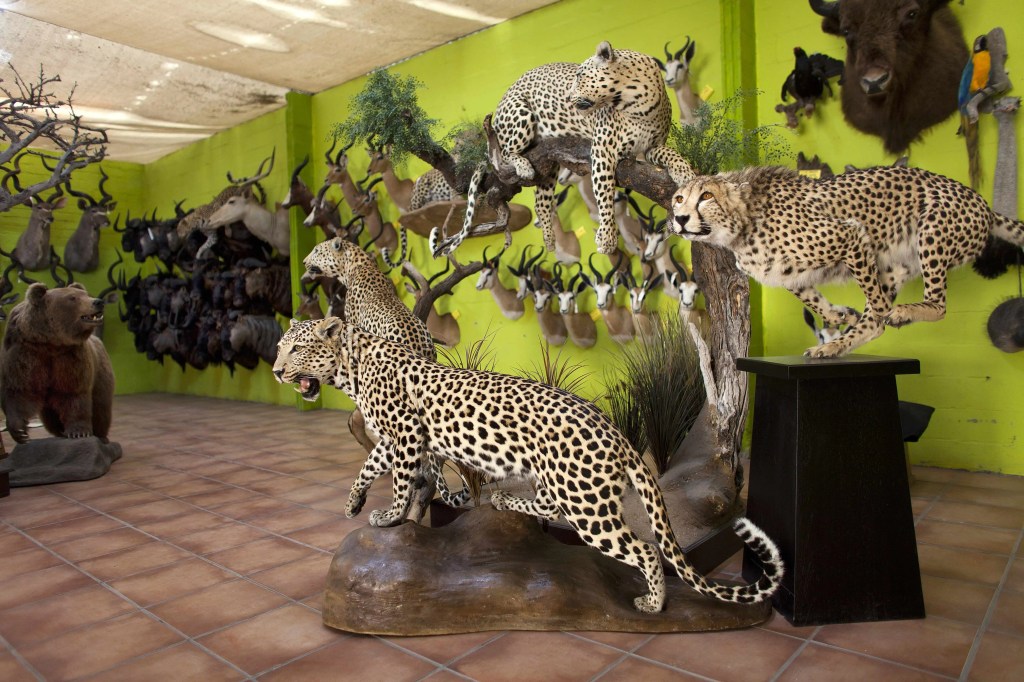
Best Animal And Nature Images 0f 2022 Revealed As Wildlife Photographer Of The Year Announced

A buzzing ball of cactus bees was awarded the top prize at the prestigious Wildlife Photographer of the Year competition.

The winners of the Natural History Museum’s prestigious Wildlife Photographer of the Year competition were announced at an awards ceremony in London today.

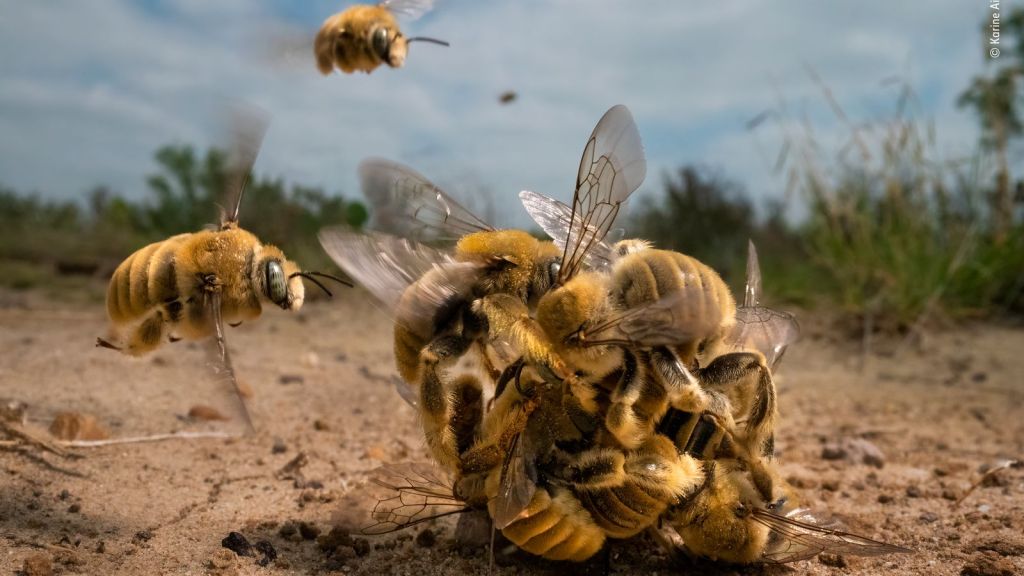
American photographer Karine Aigner was announced as this year’s Wildlife Photographer of the Year for her remarkable image of a buzzing ball of cactus bees spinning over the hot sand on a Texas ranch (top image).

Entitled “The Big Buzz”, her winning shot was taken close up at bee-level and shows all except one of the male insects intent on mating with the single female at the centre.

Organisers of the contest pointed out that, like most bees, the insects pictured are threatened by habitat loss, pesticides and climate change, along with farming practices that disrupt their nesting grounds.

All The Winners Of Wildlife Photographer Of The Year 2022

10 Years and under winner

Battle stations by Ekaterina Bee, Italy

Ekaterina Bee, Wildlife Photographer of the Year

Ekaterina Bee watches as two Alpine ibex spar for supremacy. It was near the end of a spring day trip with her family that Ekaterina spotted the fight. The two ibex clashed horns and continued to trade blows while standing on their hind legs like boxers in a ring. In the early 1800s, following centuries of hunting, fewer than 100 Alpine ibex survived in the mountains on the Italy–France border. Successful conservation measures mean that, today, there are more than 50,000.

Location: Pian della Mussa, Piedmont, Italy

11-14 Years Winner

Out of the fog by Ismael Domínguez Gutiérrez, Spain

Ismael Domínguez Gutiérrez reveals a monochromatic scene as an osprey sits on a dead tree, waiting for the fog to lift. When Ismael arrived at the wetland, he was disappointed not to be able to see beyond a few metres – and certainly he had no hope of glimpsing the grebes he wanted to photograph.

But as the fog began to lift, it revealed the opportunity for this striking composition. Ospreys are winter visitors to the province of Andalucía. Here the many reservoirs offer these widespread fish-eating raptors shallow, open water that is clearer than many rivers and lakes.

Location: Embalse de Los Hurones, Cádiz, Spain

15-17 Years Winner

The beauty of baleen by Katanyou Wuttichaitanakorn, Thailand

Katanyou Wuttichaitanakorn, Wildlife Photographer of the Year

Katanyou Wuttichaitanakorn is intrigued by the contrasting colours and textures of a Bryde’s whale, which surfaces close by. Following government tourism guidelines, the tour boat Katanyou was travelling on turned off its engine as the whale appeared close by.

This meant that Katanyou had to steady his hands to capture this close-up composition as the boat rocked in the swell. Bryde’s whales have up to 370 pairs of grey-coloured plates of baleen growing inside their upper jaws. The plates are made of keratin, a protein that also forms human hair and nails, and are used to filter small prey from the ocean.

Location: Upper Gulf of Thailand, Phetchaburi, Thailand

Animals in their Environment winner

Spectacled bear’s slim outlook by Daniel Mideros

Daniel Mideros takes a poignant portrait of a disappearing habitat and its inhabitant. Daniel set up camera traps along a wildlife corridor used to reach high-altitude plateaus. He positioned the cameras to show the disappearing natural landscape with the bear framed at the heart of the image.

These bears, found from western Venezuela to Bolivia, have suffered massive declines as the result of habitat fragmentation and loss. Around the world, as humans continue to build and farm, space for wildlife is increasingly squeezed out.

Location: Peñas Blancas, Quito, Ecuador

Animal Portraits winner

Puff perfect by José Juan Hernández Martinez, Spain

José Juan Hernández Martinez witnesses the dizzying courtship display of a Canary Islands houbara.

José arrived at the houbara’s courtship site at night. By the light of the moon, he dug himself a low hide. From this vantage point he caught the bird’s full puffed-out profile as it took a brief rest from its frenzied performance. A Canary Islands houbara male returns annually to its courtship site to perform impressive displays.

Raising the plumes from the front of its neck and throwing its head back, it will race forward before circling back, resting just seconds before starting again.

Location: La Oliva, Fuerteventura, Spain

Behaviour: Invertebrates Winner

The big buzz by Karine Aigner

Karine Aigner gets close to the action as a group of bees compete to mate. Using a macro lens, Karine captured the flurry of activity as a buzzing ball of cactus bees spun over the hot sand. After a few minutes, the pair at its centre – a male clinging to the only female in the scrum – flew away to mate. The world’s bees are under threat from habitat loss, pesticides and climate change. With 70% of bee species nesting underground, it is increasingly important that areas of natural soil are left undisturbed.

Location: South Texas, USA

Behaviour: Birds Winner

The listening bird by Nick Kanakis, USA

Nick Kanakis gains a glimpse into the secret life of wrens. Nick spotted the young grey-breasted wood wren foraging. Knowing it would disappear into the forest if approached, he found a clear patch of leaf litter and waited. Sure enough, the little bird hopped into the frame, pressing its ear to the ground to listen for small insects. This prey-detecting technique is used by other birds, including the Eurasian blackbird. Grey-breasted wood wrens are ground-dwelling birds, often heard but not seen. They broadcast loud, melodious songs and rasping calls while hidden in the undergrowth.

Location: Tatamá National Park, Risaralda, Colombia

Behaviour: Mammals winner

The great cliff chase by Anand Nambiar, India

Anand Nambiar captures an unusual perspective of a snow leopard charging a herd of Himalayan ibex towards a steep edge. From a vantage point across the ravine, Anand watched the snow leopard manoeuvre uphill from the herd. It was perfectly suited for the environment – unlike Anand, who followed a fitness regime in preparation for the high altitude and cold temperatures. Snow leopards live in some of the most extreme habitats in the world. They are now classed as vulnerable. Threats include climate change, mining, and hunting of both the snow leopards and their prey.

Location: Kibber Wildlife Sanctuary, Himachal Pradesh, India

Oceans: The Bigger Picture Winner

New life for the tohorā by Richard Robinson, New Zealand

Richard Robinson captures a hopeful moment for a population of whales that has survived against all odds. Hindered by poor visibility, Richard used a polecam to photograph the whales gradually moving towards his boat. Pushing his camera to its limits in the dark water, he was relieved to find the image pin-sharp and the moment of copulation crystallised in time.

When ready to mate, the female southern right whale rolls onto its back, requiring the male to reach its penis across the female’s body. Known by the Māori as tohorā, the New Zealand population was hunted to near extinction in the 1800s, so every new calf offers new hope. Shot under New Zealand Department of Conservation permit #84845-MAR

Location: Deas Head, Auckland Islands, New Zealand

Plants and Fungi Winner

The magical morels by Agorastos Papatsanis, Greece

Agorastos Papatsanis composes a fairy tale scene in the forests of Mount Olympus. Enjoying the interplay between fungi and fairy tales, Agorastos wanted to create a magical scene. He waited for the sun to filter through the trees and light the water in the background, then used a wide-angle lens and flashes to highlight the morels’ labyrinthine forms. Morels are regarded as gastronomic treasures in many parts of the world because they are difficult to cultivate, yet in some forests they flourish naturally.

Location: Mount Olympus, Pieria, Greece

Natural Artistry winner

Heavenly flamingos by Junji Takasago, Japan

Junji Takasago powers through altitude sickness to produce a dream-like scene. Junji crept towards the preening group of Chilean flamingos. Framing their choreography within the reflected clouds, he fought back his altitude sickness to capture this dream-like scene. High in the Andes, Salar de Uyuni is the world’s largest salt pan. It is also one of Bolivia’s largest lithium mines, which threatens the future of these flamingos.

Lithium is used in batteries for phones and laptops. Together we can help decrease demand by recycling old electronics.

Location: Salar de Uyuni, Daniel Campos Province, Bolivia

Behaviour: Amphibians and Reptiles Winner

The bat-snatcher by Fernando Constantino Martínez Belmar, Mexico

Fernando Constantino Martínez Belmar waits in darkness as a Yucatan rat snake snaps up a bat. Using a red light to which both bats and snakes are less sensitive, Fernando kept an eye on this Yucatan rat snake poking out of a crack. He had just seconds to get the shot as the rat snake retreated into its crevice with its bat prey. Every evening at sundown in the Cave of the Hanging Snakes, thousands of bats leave for the night’s feeding. It is also when hungry rat snakes emerge, dangling from the roof to snatch their prey in mid-air.

Location: Kantemo, Quintana Roo, Mexico winner

Underwater Winner

Shooting star by Tony Wu, USA/Japan

Tony Wu watches the electrifying reproductive dance of a giant sea star. As the surrounding water filled with sperm and eggs from spawning sea stars, Tony faced several challenges. Stuck in a small, enclosed bay with only a macro lens for photographing small subjects, he backed up to squeeze the undulating sea star into his field of view, in this galaxy-like scene. The ‘dancing’ posture of spawning sea stars rising and swaying may help release eggs and sperm, or may help sweep the eggs and sperm into the currents where they fertilise together in the water.

Location: Kinko Bay, Kagoshima Prefecture, Japan

Urban Wildlife Winner

House of bears by Dmitry Kokh, Russia

Dmitry Kokh presents this haunting scene of polar bears shrouded in fog at the long-deserted settlement on Kolyuchin. On a yacht, seeking shelter from a storm, Dmitry spotted the polar bears roaming among the buildings of the long-deserted settlement.

As they explored every window and door, Dmitry used a low-noise drone to take a picture that conjures up a post-apocalyptic future. In the Chukchi Sea region, the normally solitary bears usually migrate further north in the summer, following the retreating sea ice they depend on for hunting seals, their main food. If loose pack ice stays near the coast of this rocky island, bears sometimes investigate.

Location: Kolyuchin Island, Chukotka, Russia

Wetlands – The Bigger Picture Winner

The dying lake by Daniel Núñez, Guetamala

Daniel Núñez uses a drone to capture the contrast between the forest and the algal growth on Lake Amatitlán. Daniel took this photograph to raise awareness of the impact of contamination on Lake Amatitlán, which takes in around 75,000 tonnes of waste from

Guatemala City every year. “It was a sunny day with perfect conditions,” he says, “but it is a sad and shocking moment.” Cyanobacteria flourishes in the presence of pollutants such as sewage and agricultural fertilisers forming algal blooms. Efforts to restore the Amatitlán wetland are underway but have been hampered by a lack of funding and allegations of political corruption.

Location: Lake Amatitlán, Villa Canales, Guatemala

Photojournalism Winner

Ndakasi’s passing by Brent Stirton, South Africa

Brent Stirton shares the closing chapter of the story of a much-loved mountain gorilla. Brent photographed Ndakasi’s rescue as a two-month-old after her troop was brutally killed by a powerful charcoal mafia as a threat to park rangers. Here he memorialised her passing as she lay in the arms of her rescuer and caregiver of 13 years, ranger Andre Bauma. As a result of unrelenting conservation efforts focusing on the daily protection of individual gorillas, mountain gorilla numbers have quadrupled to over 1,000 in the last 40 years.

Location: Senkwekwe Center, Virunga National Park, Democratic Republic of the Congo

Photojournalist Story Award Winner

The Cuban connection by Karine Aigner

A Cuban bullfinch is positioned alongside a road so that it becomes accustomed to the hubbub of street life and therefore less likely to be distracted during a competition. These birds are highly prized for their sweet voice and feisty spirit. Karine Aigner explores the relationship between Cuban culture and songbirds, and the future of a deep-rooted tradition. For hundreds of years, some Cubans have caught and kept songbirds and held bird-singing contests.

Throughout a turbulent period of economic sanctions and political unrest, these small, beautiful birds have provided companionship, entertainment and friendly competition within the community. Now with regular travel and emigration between Cuba and North America, the tradition of songbird contests has crossed an ocean. As songbird populations plummet, US law enforcement is cracking down on the trapping, trading and competing of these birds.

Location: USA and Cuba

Rising Star Portfolio Award Winner

A theatre of birds by Mateusz Piesiak, Poland

Placing his remote camera on the mud of the reed bed, Mateusz seized the opportunity to capture the moment when a passing peregrine falcon caused some of the dunlins to fly up. Mateusz carefully considered camera angles to produce a series of intimate photographs exploring the behaviour of birds.

Winner of the Young Wildlife Photographer of the Year award when he was 14, Mateusz explored his locality during the Covid-19 lockdown. “Even a small pond or park in the city centre turned out to be a very good place for photographing wildlife.” Throughout this portfolio Mateusz focuses on local birds, researching and preparing for images that were in his mind “for days, months or even years” before he finally managed to realise them.

Location: Poland

Portfolio Award Winner

Under Antarctic ice by Laurent Ballesta, France

Laurent Ballesta endures below-freezing dives to reveal the diversity of life beneath Antarctica’s ice. An underwater photographer and biologist, Laurent has led a series of major expeditions, all involving scientific mysteries and diving challenges, and all resulting in unprecedented images. He has won multiple prizes in Wildlife Photographer of the Year, including the grand title award in 2021. His expedition to Antarctica, exploring its vast underwater biodiversity, took two years to plan, a team of expert divers, and specially developed kit. His 32 dives in water temperature down to -1.7˚C (29°F) included the deepest, longest dive ever made in Antarctica.

Living towers of marine invertebrates punctuate the seabed off Adelie Land, 32 metres (105 feet) under East Antarctic ice.

Here, at the centre, a tree-shaped sponge is draped with life, from giant ribbon worms to sea stars.

Location: Adélie Land, Antarctica

Protect All Wildlife, Wednesday 12 October 2022.

How you can help animals in need:

Support ‘Protect All Wildlife’ by donating as little as £1 – It only takes a minute but it can last a lifetime for an animal in need.

CERTIFICATE OF APPRECIATION

Drought Forces Zimbabwe To Relocate 2,500 Wild Animals To New Reserves

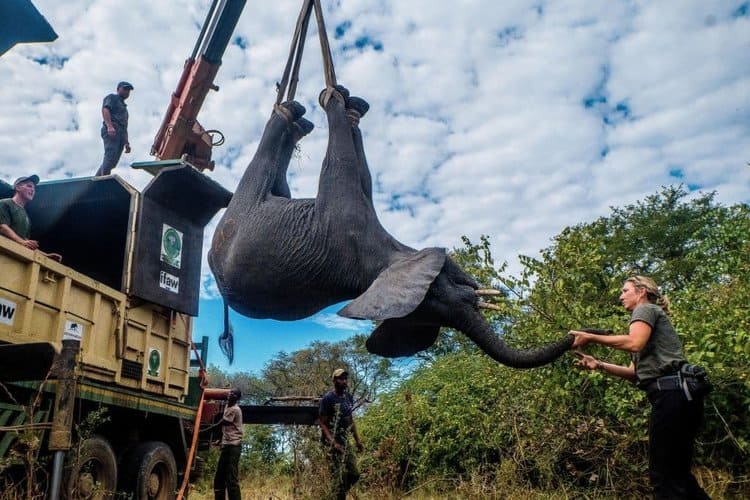
The effects of climate change are outpacing poaching as the No. 1 threat to wildlife. In Zimbabwe, officials are now moving more than 2,500 wild animals from a reserve in the southern part of the country further north due to an ongoing drought. Rangers are relying on trucks, cranes and even helicopters to move the animals from the drought-stricken area.

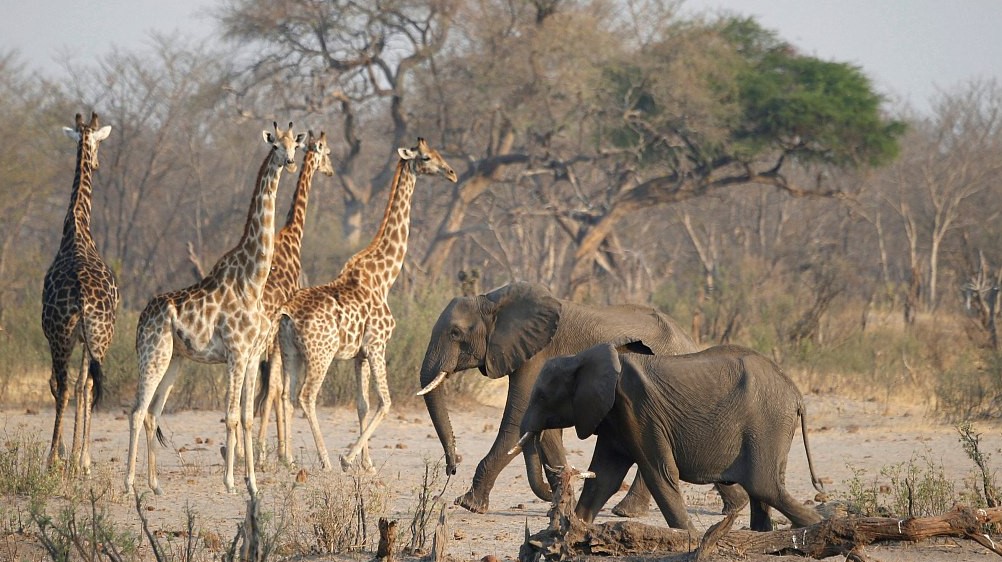
“Project Rewild Zambezi,” the operation has been dubbed, involves moving animals to the Zambezi River valley, which will also help improve wildlife populations in that area. It is one of the largest live animal relocation projects in southern Africa, with more than 2,000 impalas, 400 elephants, 70 giraffes, 50 each of buffalo, wildebeest, zebras, and elands, 10 lions and 10 wild dogs, among other animals, being moved north.

The animals are being relocated from the Save Valley Conservancy to the Sapi, Matusadonha and Chizarira conservancies in the north. According to officials, the project is necessary to avoid a crisis.

“We are doing this to relieve pressure. For years we have fought poaching and just as we are winning that war, climate change has emerged as the biggest threat to our wildlife,” Tinashe Farawo, spokesperson for the Zimbabwe National Parks and Wildlife Management Authority, told The Associated Press. “Many of our parks are becoming overpopulated and there is little water or food. The animals end up destroying their own habitat, they become a danger unto themselves and they encroach neighboring human settlements for food resulting in incessant conflict.”

One other option was to cull some of the animals to reduce competition for resources among the wildlife, but Zimbabwe has not had a culling since 1987. Conservationists argue that culling is a cruel and unnecessary solution.

The “Project Rewild Zambezi” is one of the largest in Zimbabwe. The country’s last mass relocation of wildlife occurred from 1958 to 1964, as hydro-dam construction led to rising water that ultimately created Lake Kariba. More than 5,000 animals had to be relocated at the time.

Drought is becoming an increasing threat in Zimbabwe and across Africa, reducing food and water available for wildlife, including vulnerable rhinos and giraffes. But hunting and poaching have also taken their toll. In Sapi Reserve, a UNESCO site, wildlife populations quickly declined from the 1950s until 2017, when it was taken over by the non-profit Great Plains Foundation. Relocating animals from areas affected by drought will also help in the foundation’s efforts to rewild and restore populations in Sapi Reserve.

What you can do to help wildlife:

Support ‘Protect All Wildlife’ by donating as little as £1 – It only takes a minute but it can last a lifetime for an animal in need.

We believe EVERY animal should be treated with respect, empathy, and understanding. We raise awareness to protect and conserve wild, captive, companion and farm animals. It is vital that we protect animals against acts of cruelty, abuse, and neglect by enforcing established animal welfare laws and, when necessary, take action to ensure that those who abuse animals are brought to justice.

Protect All Wildlife are involved in many projects to protect animals’ rights, welfare, and habitats. Money contributed to Protect All Wildlife supports ALL of our worthy programmes and gives us the flexibility to respond to emerging needs. Your donations make our work possible. Thank you for your support.

Everyone who donates will receive a Certificate of Appreciation as a thank you for supporting wildlife.

CERTIFICATE OF APPRECIATION

Federal Judge Restores A Wide Swath Of Endangered Species Act Protections That Were Gutted By The Trump Administration.

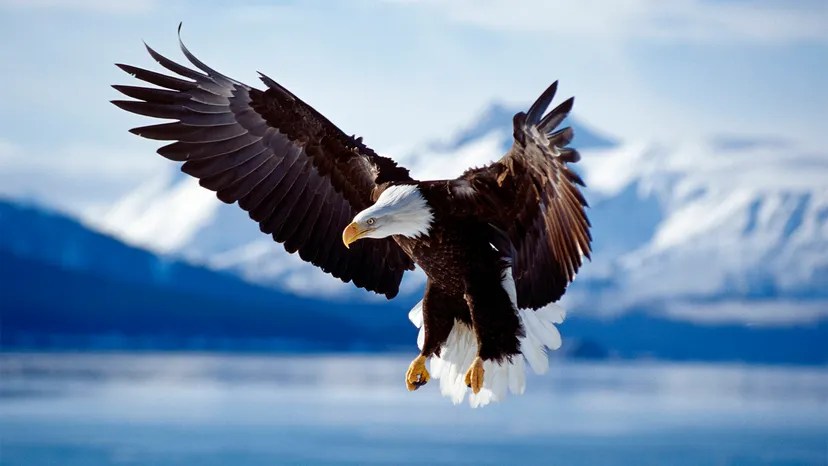
BALD EAGLES ARE A FAMOUS ENDANGERED SPECIES ACT SUCCESS STORY. CREDIT ANDY MORFFEW

A federal judge in California has overturned a 2019 Trump administration move to gut the landmark Endangered Species Act, vacating that administration’s changes and restoring protections for hundreds of species.

The ruling by U.S. District Judge Jon Tigar in Northern California comes as the Biden administration is working on replacement rules for the Trump rollbacks and means the protections will be restored while the review process continues.

“The court spoke for species desperately in need of comprehensive federal protections without compromise,” Earthjustice attorney Kristen Boyles said in a statement from the plaintiffs emailed to EcoWatch. “Threatened and endangered species do not have the luxury of waiting under rules that do not protect them.”

Earthjustice represented the Center for Biological Diversity, Defenders of Wildlife, Sierra Club, Natural Resources Defense Council, National Parks Conservation Association, Wild Earth Guardians and the Humane Society of the United States in a lawsuit to block the Trump regulations passed in 2019. The lawsuit targeted five regulations in particular. 

These regulations did the following, according to EcoWatch and the Sierra Club:

  1. Removed the “blanket rule” giving threatened species the same protections as endangered species.
  2. Made it harder to protect species from the climate crisis by giving the government more wiggle room in how it interpreted the phrase “foreseeable future.”
  3. Made it easier to delist species.
  4. Allowed regulators to consider the economic impact of offering protections to a species.
  5. Made it harder to list new species and protect their critical habitat. 

When President Joe Biden took office, the U.S. Fish and Wildlife Service and National Marine Fisheries Service said they would work on new regulations. However, this process can take months to years. In the meantime, the services asked the court to remand the case in December of 2021, according to the plaintiffs. However, the judge decided to vacate the Trump regulations instead. 

“Regardless of whether this Court vacates the 2019 [Endangered Species Act] Rules, they will not remain in effect in their current form,” Tigar wrote in his ruling.

The plaintiffs applauded Tigar’s decision, which restores protections to hundreds of species. 

“Trump’s gutting of endangered species protections should have been rescinded on day one of the Biden presidency,” Center for Biological Diversity endangered species director Noah Greenwald said in the statement. “With this court ruling, the Services can finally get on with the business of protecting and recovering imperiled species.”

An Interior Department spokesperson said the agency was now reviewing the ruling. 

What you can do gto help animals in need:

Support ‘Protect All Wildlife’ by donating as little as £1 – It only takes a minute but it can last a lifetime for an animal in need. Thank you.

We believe EVERY animal should be treated with respect, empathy, and understanding. We raise awareness to protect and conserve wild, captive, companion and farm animals. It is vital that we protect animals against acts of cruelty, abuse, and neglect by enforcing established animal welfare laws and, when necessary, take action to ensure that those who abuse animals are brought to justice.

Protect All Wildlife are involved in many projects to protect animals’ rights, welfare, and habitats. Money contributed to Protect All Wildlife supports ALL of our worthy programmes and gives us the flexibility to respond to emerging needs. Your donations make our work possible. Thank you for your support
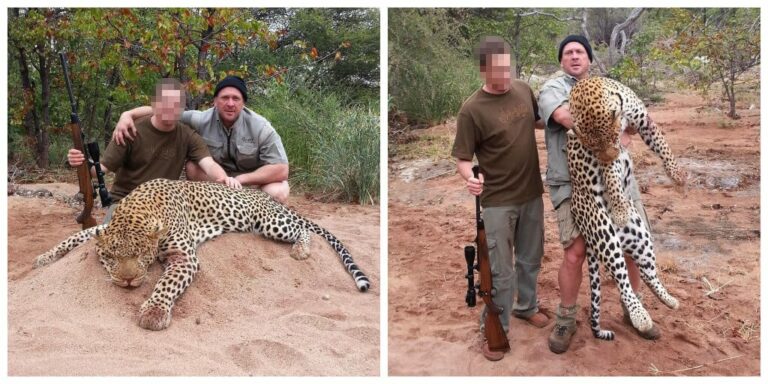
Go back

Your message has been sent

Warning
Warning
Warning
Warning
Warning
Warning.

Human-Wildlife Conflict Driving African Wild Dogs To Extinction

The African wild dog (also known as Painted Dogs) has become one of the most critically endangered species in Africa.

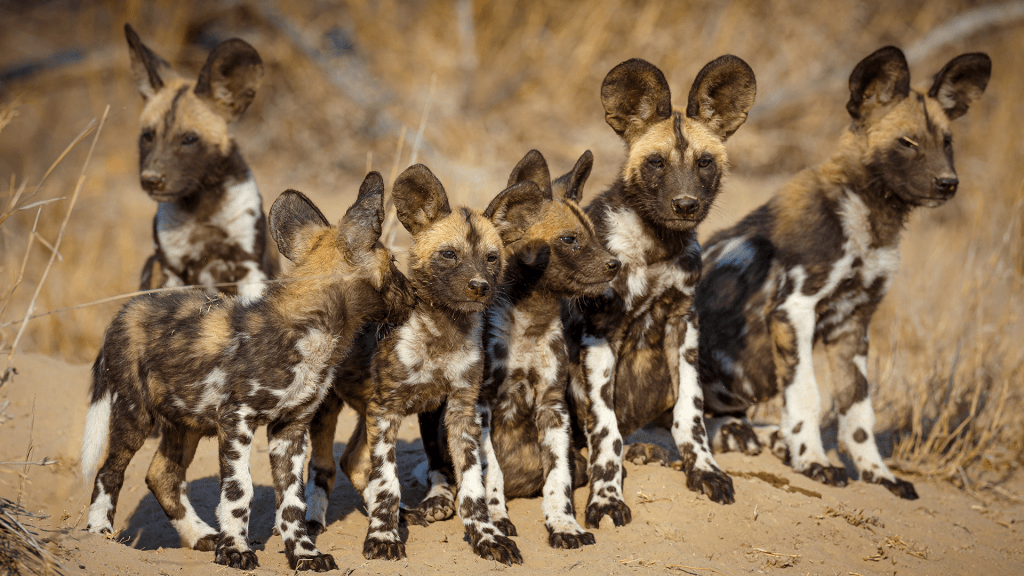
A PACK OF WILD DOGS CREDIT: PHOTO BY CHAD COCKING

At one time, nearly 500 000 wild dogs roamed the continent, but now only an estimated 7 000 of them remain.

With massively reduced numbers from the encroachment of farming activities, there is lack of genetic variation and a new strand of canine distemper threatens the species further.

The African Wildlife Foundation says habitat fragmentation and human-wildlife conflicts have nearly driven African wild dogs to extinction.

We need your pledge to raise awareness about the threats to these colourful carnivores now,” the foundation said in a statement.

“There are only about 6 600 remaining in the wild, but AWF is working to increase their numbers by expanding undisturbed wilderness areas where dogs can roam, collaborating with farmers to protect livestock, and more.

“African wild dogs are efficient hunters, with a hunt success rate of almost 80%. This makes them the third most productive hunter in the wild.”

The African wild dogs are said to be one of the top three most efficient hunting animals in Africa and are found in most parts of the continent aside from the drier deserts in the north, and the denser forests of the southern tip.

As some of the most social and vocal animals roaming the earth today, the African wild dog was an essential species to maintaining biodiversity in the African plains.

The African wild dog has been listed as an endangered species since 1990, and the species may soon be listed as critically endangered.

Their shrinking range is now located in the southern half of the continent.

In Zimbabwe, poachers are endangering the wild dogs in the Hwange National Park.

With limited employment opportunities and sporadic rainfall that negatively impacts farming yields, bush meat hunting has gained popularity over the past several years as a means to make a living.

As a result, poachers use wire snares, which kill animals indiscriminately. Wild dogs are particularly vulnerable to injury or death by snares because they cover a lot of ground while hunting and travel more than 12 miles per day on average.

A WILD DOG CAUGHT IN A SNARE. PHOTO BY KRUGER NATIONAL PARK

In addition to snares, poachers sometimes poison water sources with cyanide.

They are normally targeting Elephants for their ivory but kill a variety of other species in the process, including the African wild dog.

The range of the African wild dog, as described by the International Union for Conservation of Nature, is shrinking daily as humans attain more land and are pushing the animals into smaller, less desirable territories.

What you can do

Support ‘Protect All Wildlife’ by donating as little as £1 – It only takes a minute but it can last a lifetime for an animal in need. Thank you.

We believe EVERY animal should be treated with respect, empathy, and understanding. We raise awareness to protect and conserve wild, captive, companion and farm animals. It is vital that we protect animals against acts of cruelty, abuse, and neglect by enforcing established animal welfare laws and, when necessary, take action to ensure that those who abuse animals are brought to justice.

Protect All Wildlife are involved in many projects to protect animals’ rights, welfare, and habitats. Money contributed to Protect All Wildlife supports ALL of our worthy programmes and gives us the flexibility to respond to emerging needs. Your donations make our work possible. Thank you for your support.
Go back

Your message has been sent

Warning
Warning
Warning
Warning
Warning
Warning.