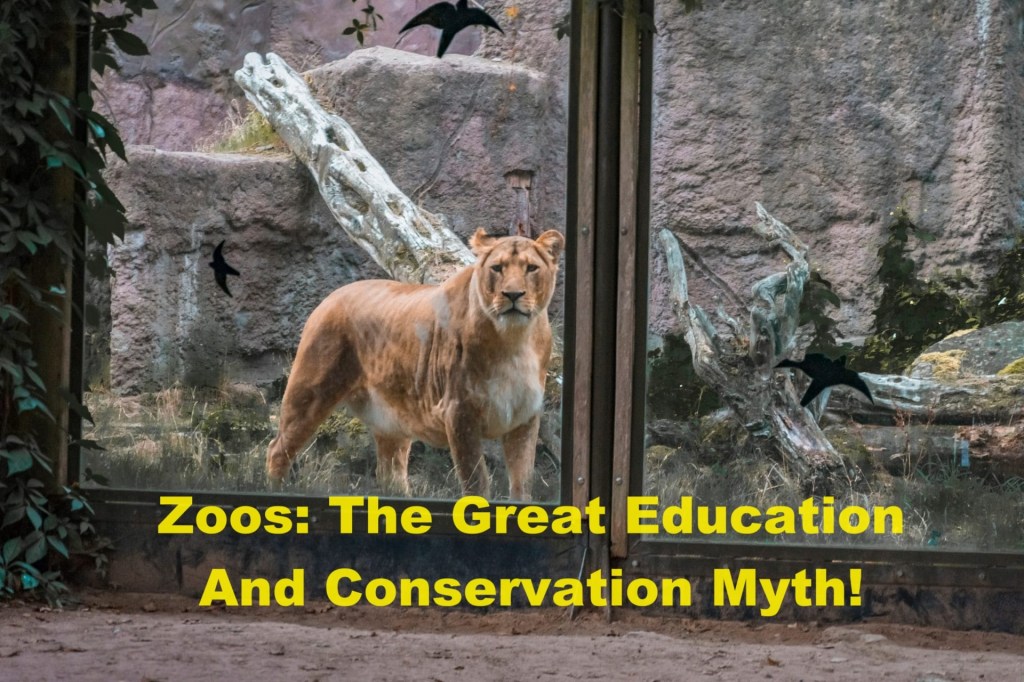
Zoos: The Great Education And Conservation Myth

Zoos: the great education and conservation myth!

Here, Andy Davidson lists the hard-hitting facts, revealing what zoos really spend their money on, and how you’re better off spending yours elsewhere if you care about conservation. 

If you’re planning to a visit a zoo this weekend, ask yourself this question. How much of your ticket fee is being used for conservation? Let’s say you pay £15 for your ticket. You may be surprised to hear that the answer is as little as 45p to £1. 

Zoo expenditure is vastly different to the expenditure of conservation organisations based in the wild. For example, Chester Zoo spent £40 million on the construction of ‘the islands’, an expansion of more enclosures to the zoo site. Other Western zoos over a ten-year period have spent £400 million on updating enclosures for a mere 200 elephants. 
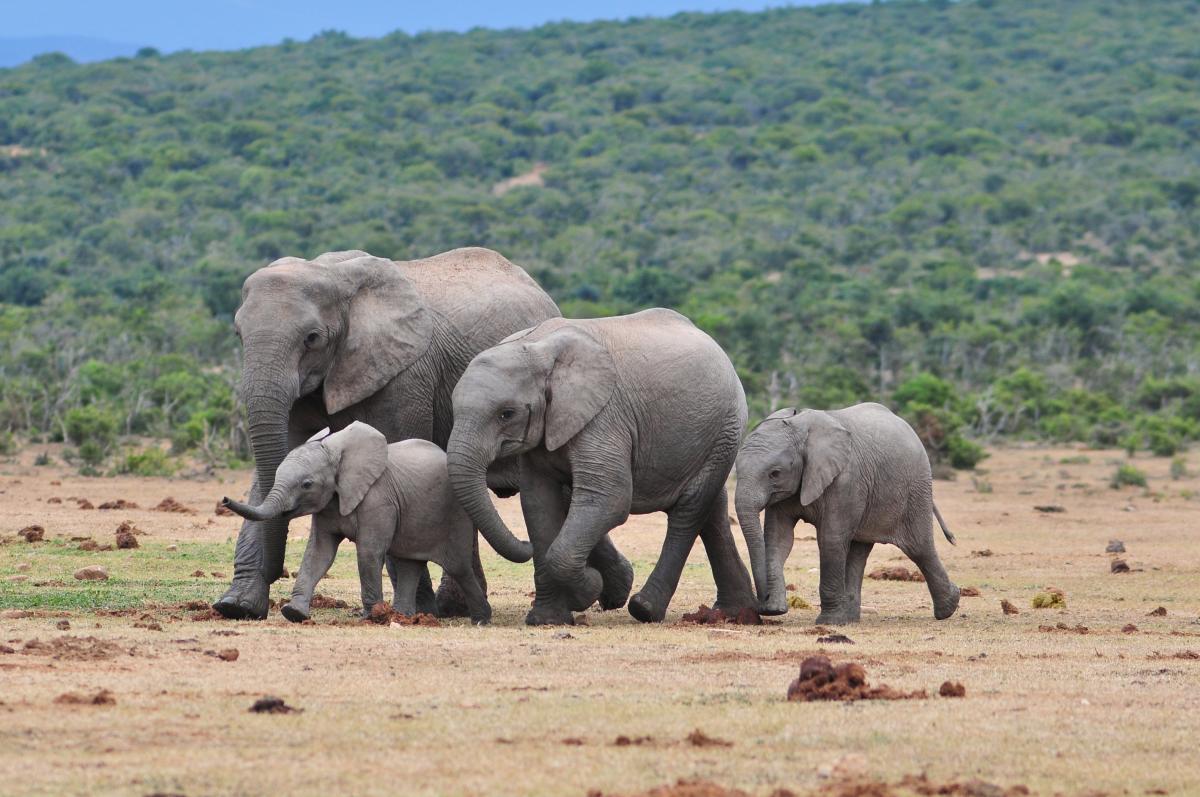
family of elephants in the wild

The Kenya Wildlife Service (KWS) and South African National Parks are conservation organisations that protect animals in their natural habitats.  KWS has an annual budget of £13-14 million with which they protect 2.6 million hectares of that country’s National Parks. On that land are 33,000 Elephants, 2200 Lions and many vitally important habitats that are home to thousands of species of both plant and animal. The annual budget for the South African National Parks is £58 million and this consists of 19 national parks which make up 6% of the total land of South Africa. Just one of these parks houses 600 elephants. 

The money used by Western zoos to update elephant enclosures for 200 Elephants could have kept Kenya Wildlife Service going for 14 to 15 years.

Sound shocking? It is. That’s why the chief consultant to the UN Great Ape Survival Project said he was uneasy at the mismatch between lavish spending at zoos and the scarcity of resources available for conserving threatened species in the wild. 

Where Is Your Money Going? 

Since the 1800s, the zoo has not fundamentally changed. Well known and entertaining animals such as Elephants, Chimps and Giraffes are front and centre and baby animals give zoos a boost in visitors.

The main driver for zoos is boosting public visitation, a goal that has far reaching implications into all zoo management decisions. Conservation, research and education are not their primary goals, making it impossible to term zoos as research or education organisations. In fact, zoos are places of entertainment, where animal welfare is governed by financial feasibility and entertainment value.  

90% of species encaged by European zoos are not threatened from extinction. Over 90% of zoo animals are born in captivity.  These animals are then paired across zoos to ensure genetic diversity. Gender cannot be predicted and genes are sometimes over represented leading to what the zoos call a ‘surplus of animals’. 3000-5000 of these animals in European zoos are killed each year. On the 8th of February 2014, Copenhagen Zoo (in)famously killed Marius, a healthy 18-month-old male Giraffe.

Afterward, zoo officials performed a three-hour-long demonstration of how to butcher a giraffe before a large crowd of visitors, including many children. The meat was then fed to the zoo’s four Lions. The four Lions, including two young Lions, were killed to make way for a new male. The Giraffe was killed because she could not produce anymore young.

Marius, a healthy male Giraffe, lies dead after he was euthanized at Copenhagen Zoo. Visitors, including children, were invited to watch while the he was dissected. Photo: Peter Hove Olesen.

Even for threatened species such as Pandas, breeding campaigns rarely work. 400 Pandas have been bred by zoos, yet only five have been released into the wild: three survived. It’s not hard to see that captive breeding is not feasible.  Animals not brought up in the wild are less likely to survive there if reintroduced.  For example, captive populations of Red Junglefowl (wild ancestors of chickens) differ significantly in response to predators after just a handful of generations in captivity.  And, a 2008 study by the University of Exeter found that the odds of animals such as Tigers and Wolves surviving freedom is only 33 percent. Animals in captivity do not usually have the natural behaviours needed for success in the wild.

But it’s not just endangered species that are being bred. A 2014 analysis of the European Endangered Species Breeding Programmes, conducted by the European Association of Zoos and Aquaria, showed that half of the animals being bred were not classed as endangered in the wild, while 25% were not threatened at all. In fact, all zoos only accommodate a tiny fraction of the 22,000 + species threatened with extinction.

With only 3% of budgets being spent on conversation projects, we can see why wildlife continues to disappear. Zoos show little interest in tackling the root causes of wildlife destruction. Species-rich habitats are being converted to pasture and feed crops as the human appetite for meat swells. Many of the places expected to see the greatest shift in land use from forest to livestock are in 15 ‘megadiverse’ countries, which harbour the largest number of species. As wildlife disappears, zoos ignore the problem. Instead, they contribute to it by feeding millions of customers meat. 

The Education Myth

Zoos rebranded in the 1970s as the public became informed to the suffering of zoo animals. UK legislation in the form of 1981 Zoo Licensing Act forced zoos to promote ‘public education and awareness in relation to conservation’. Advocates will say zoos inspire the next generation of conservationists.

This has been categorically debunked by a number of studies, while little information is required to meet the standards of legislation. A 2014 academic study in the Conservation Biology Journal surveyed 2800 children following visits to London Zoo. 62% of the 2800 children were deemed to show no change in learning or, worse, experienced negative learning during their trip to the zoo. It was concluded that the zoo’s impact on children’s belief in their ability to actively do something about conservation was ‘weak’.

In what way could this sad image of a Bear be considered educational?

Do children need to see the animals up close to learn about them?  Many children seem to have an encyclopedic knowledge about dinosaurs, far more so than Lions and Tigers. Perhaps the general public wish to see exotic animals up close as we attach closeness to care. But why, then, do they tap on the windows and show disappointment when the Lions are asleep? This is a misplaced, harmful interest, surely. 

A Lion Is Taunted By Zoo Visitors At Animal City In Lebanon

In reality there is nothing sufficient in the mainstream that educates the public about animals and their conservation. Zoos, school, television – they all fail in this respect. The evidence is very clear: the World Wildlife Fund report that the planet’s fish, bird, mammal and reptile populations plunged 52 per cent from 1970 to 2010.  That’s a stunning 52% of all fish, bird, mammal and reptile life lost in 40 years.

Human encroachment is destroying wildlife, but zoos do not consider that information entertaining and, as mentioned, entertainment is the only real driver of ticket sales. Paul Boyle, senior vice president for conservation and education at the Association of Zoos and Aquariums, says “People leave their homes, and the intent is not to save animals in Africa—it’s to have a family outing.”

The Imprisonment Of Animals

An Oxford University study based over four decades of observing animals in captivity and in the wild found that animals such as Polar Bears, Lions, Tigers, Cheetahs show the most evidence of stress and/or psychological dysfunction in captivity. In the same study, 80% of carnivores show abnormal repetitive behaviour. This is a major problem for zoos as these animals are the most popular with visitors.

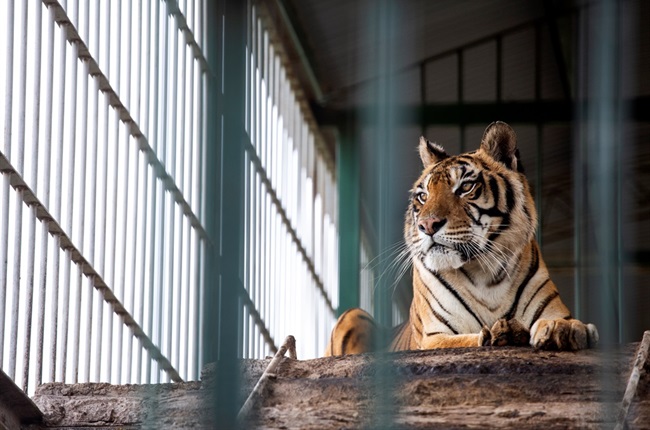
There are approximately 3200 Tigers left in the wild. In the United States alone, there are over 5000 Tigers in captivity.  This is not the result of successful breeding programmes. These Tigers are being born in captivity and they die in captivity. They are the star attraction. It’s hard to imagine a zoo without a Tiger. One particular zoo in the US houses dozens of Tigers. They let visitors handle cubs and have their picture taken while talking up their conservation programmes, despite the fact that their average Tiger enclosure is about 18,000 times smaller than the animals’ natural roaming range. It is simply impossible for these poor Tigers to express instinctive behaviour.  

Tourists watch a Tiger cub play with a stuffed toy during a petting and photo opportunity at Myrtle Beach Safari. Photo Credit: Steve Winter, Nat Geo Image Collection.

In two extensive studies, it was found that the lifespan of Elephants is more than halved by living in zoos.  A government-funded study of Elephants in UK zoos found that 54% of the Elephants showed behavioural problems during the daytime. In 2016 18 African Elephants, a species designated as threatened within their natural habitats in Swaziland, were captured and transported to three zoos in the US to entertain the public there.

Despite the best intentions of zoo employees to create a happy environment for an animal, zoos are fundamentally unable to recreate the wild setting. Cheetahs cannot run at maximum speed, Elephants cannot walk hundreds of miles (except in circles), birds cannot migrate and fly long distances. Animals are unable to hunt, choose who to spend time with and find their suitable home. Another problem is privacy and noise levels. Human interaction is not normal and constant noise can cause problems. Animals often become depressed and obsessive.

Sometimes zoos are nothing but cages on concrete. Here in the UK, zoos have higher welfare standards, yet its employees and its visitors are still blissfully ignorant to the damage we cause to them. Zoos are well-versed in spreading misinformation and exaggerating the small areas of conservation they achieve to placate the public, ensuring visitor numbers stay high.

Today, the decisions relating to the conservation of animals fall under the power of Western organisations and trusts, not with local communities in Africa or the Amazon. So not only does the money firmly stay within the West, but so does the decision making process. Wildlife can only be saved by empowering their protection in their natural habitats.

If you really care about putting an end to poaching, saving wildlife and keeping wild animals where they belong then pound for pound, your donation should be going to conservation organisations that protect animals in their natural habitats. You won’t receive anything in return and you will have to find somewhere else to visit on your Saturdays, BUT you will be directly saving wild animals. They are the FUTURE: zoos are the PAST.

An Original Article By Andy Davidson, Vegan Society.

Stereotypic behaviors, also known as “zoochosis” are performed sometimes for hours each day, sometimes endlessly. It is unnatural & indicates underlying stress. Credit: In Defence Of Animals

WHAT YOU CAN DO TO HELP WILDLIFE

You can support ‘Protect All Wildlife’ many projects by donating as little as £5 – It only takes a minute but it can last a lifetime for an animal in need. Please donate below.

Donate Here: Please Help Animals In Need

Everyone who donates will receive a Certificate of Appreciation as a thank you for helping animals in need.

The Mission of Protect All Wildlife is to prevent cruelty and promote the welfare of ALL animals.

We believe EVERY animal should be treated with respect, empathy, and understanding. We raise awareness to protect and conserve wild, captive, companion and farm animals.

It is vital that we protect animals against acts of cruelty, abuse, and neglect by enforcing established animal welfare laws and, when necessary, take action to ensure that those who abuse animals are brought to justice.

Protect All Wildlife are involved in many projects to protect animals’ rights, welfare, and habitats. Money contributed to Protect All Wildlife supports ALL of our worthy programmes and gives us the flexibility to respond to emerging needs. Your donations make our work possible.
Donate Here: Please Help Animals In Need

Please Don’t Turn Away, Please Don’t Pass Me By.

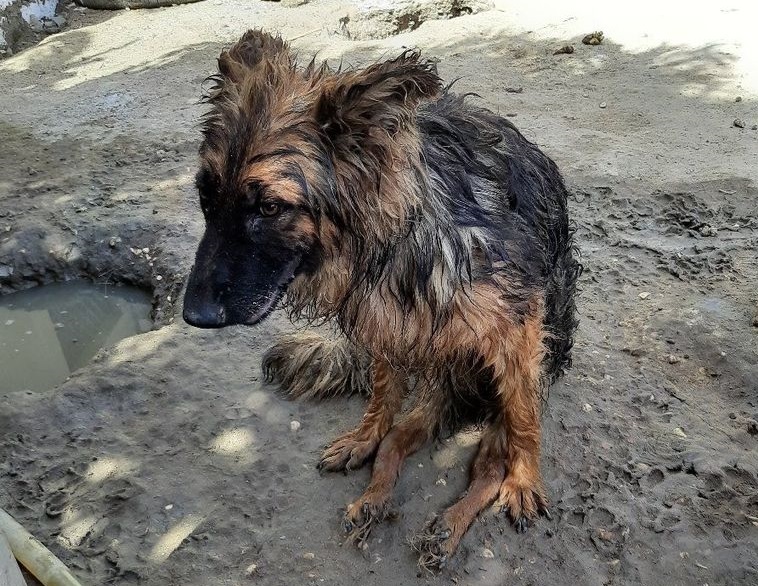
Lara was rescued from her nightmare ‘life’ in Egypt along with five other dogs.

“I may not be easy on the eyes right now, but I beg of you, please don’t pass me by.

I know my appearance may be unsettling, but beneath these scars lies a resilient spirit, yearning for a life filled with warmth and compassion. Together, we can defy the odds and create a future where my past no longer defines me.”

Lara now thanks to Miracle’s Mission

Your donation today is more than just a financial contribution—it is an act of empathy, an expression of love, and a beacon of hope. Your kindness will forever be etched in my heart, reminding me that there are still people who care.

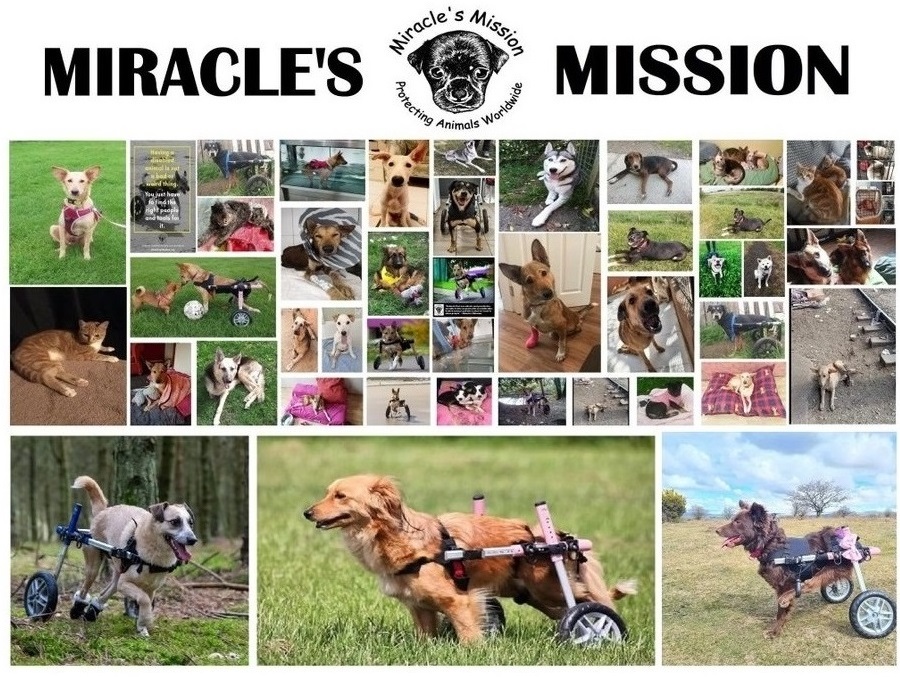
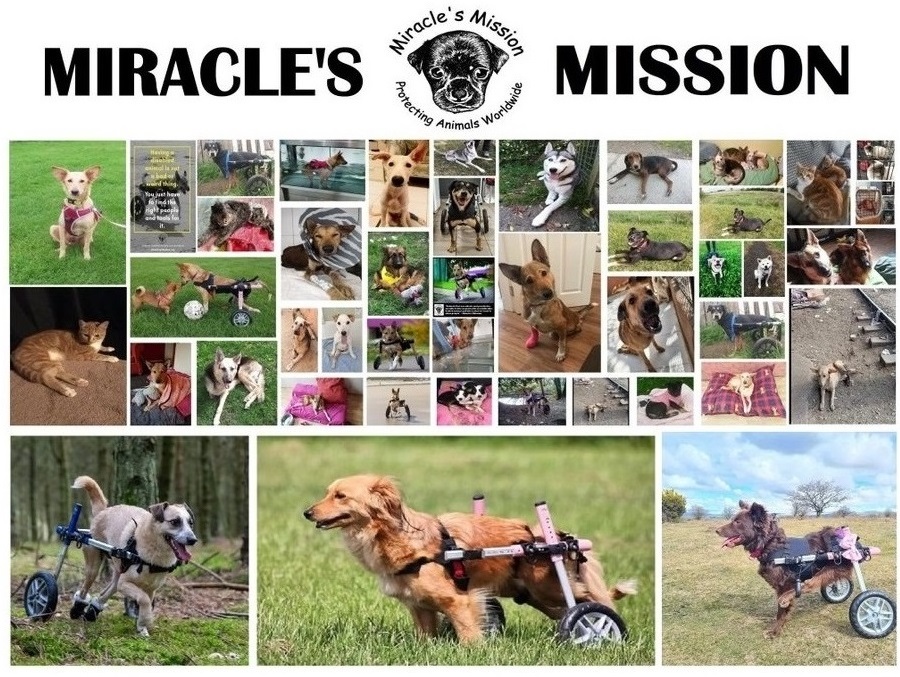
Just some of the animals rescued and rehabilitated by Miracle’s Mission.

Please, don’t turn away. I implore you to donate now and be the difference in my life. With your support, we can prove that even in the face of darkness, there is still light and there is still hope.

Donate now and help me rewrite my story and that of other rescues. Together, let’s pave the way for a future filled with love, compassion, and the opportunity to experience the joy that every living being deserves.

With heartfelt gratitude,

Ella, Max, Princess and Danny ~ And All Of The Other Survivors Of Abuse.

ELLA, MAX, PRINCESS AND DANNY ~ ALL RESCUED BY MIRACLE’S MISSION

WHAT YOU CAN DO TO HELP RESCUE ANIMALS

You can support our work by donating as little as £5 – It only takes a minute but it can last a lifetime for an animal in need.

CLICK ON THE LINK BELOW TO DONATE

PLEASE HELP THE RESCUE ANIMALS AT MIRACLES MISSION

Everyone who donates will receive a Certificate of Appreciation as a thank you for helping rescue animals in need.

OUR MISSION STATEMENT

‘Animals that use wheels and prosthetics can live as good a  quality of life as fully able-bodied animals and this is what we want to show people’ ~ Victoria Bryceson, founder of Miracle’s Mission.

We do not receive financial support from the government or other institutions. We rely solely on donations from generous animal lovers. 

Animal rescues cost a lot of money to run. While we get donations and funding through events like charity runs etc, the costs are EXTREMELY high. We need to pay for food, heating and other bills, as well as any staff costs and expenses like petrol for home visits. 

The average cost to feed a dog for one month typically costs somewhere from £16 to £50, depending on the breed. Microchipping costs about £10 to £15. The average cost of essential vaccinations is £64. A routine vet appointment costs between £40-£60, surgery can cost anywhere over £1000. Physiotherapy, Hydrotherapy – the average cost is £50 for a 30-minute session. Prosthetics and dog wheels etc can cost up to £500.

Please help Miracle’s Mission continue to rescue, rehabilitate & rehomeMANY MORE sick, injured & disabled animals by kindly donating ANY amount, large or small, today. Thank you.

Please donate at: https://gofund.me/135fb40a

They Spent Years Locked In A Train Carriage In Argentina. Now The Four Tigers, Known As The ‘Train Tigers’, Can Feel The Grass Beneath Their Feet.

The train carriage that was ‘home’ to four Bengal Tigers. Credit: Four Paws/Nicolas Cabona.

The four Bengal Tigers, who lived 15 years in a train carriage in Argentina, have now been at their new home in South Africa for two years.

FAMILY OF FOUR

In 2007, a travelling circus abandoned the 18-year-old male and 15-year-old female Tiger in a train carriage in San Luis province in the west of Argentina. The circus asked a local farmer to temporarily take care of them, but never returned. The animals remained in the train carriage and had two babies.

The farmer didn’t inform the authorities of the situation given that it is illegal to keep wild animals privately in Argentina and simply tried to take care of them as best he could.

PRISON. Credit: Four Paws/Hristo Vladev

In 2021, Argentinian authorities became aware of the bad living conditions of the Tigers and began looking for solutions for the animals.

FOUR PAWS TO THE RESCUE

By February 2022, through the bars of their cages, the four Tigers had watched the sunrise over the meadow more than 5,000 times. Freedom had always been right in front of them, yet so far away.

The cages were barely larger than the size of two parking spaces and were part of an old train carriage – unfit for any animal. In the beginning, it was only two of them. Then two cubs were born, who are 10 years old today. They were trapped behind bars in dirty conditions, with little space to move on a train wagon – which has been stood still since then.

Animal welfare organization Four Paws rescued Sandro, Mafalda, Messi and Gustavo from their cages and transferred them to LionsRock Big Cat Sanctuary.

Veterinarians of Four Paws spent weeks on-site to prepare the Tigers with positive reinforcement so that the transfer would be as safe as possible for the animals.

“These Tigers spent over 15 years in the same 75m² space, surrounded by the same landscape and without any stimulation of their instincts or natural behaviour. Our team needed to be around them so they would stay calm in our presence and during the transfer,” Four Paws veterinarian Amir Khalil, who led the rescue mission, said.

The Tigers had to be taken out of their cages, moved into transport crates and on a truck to the airport, flown from Argentina to South Africa, and taken off the airport on trucks to their new home. The total journey took more than 70 hours.

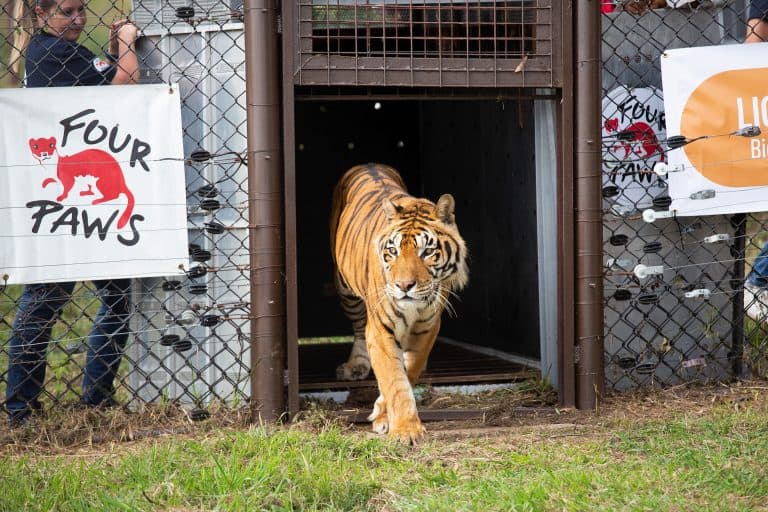
At LionsRock, Mafalda took a little time before leaving her transport crate, but the three other Tigers started to explore the new surroundings almost immediately, Four Paws said.

Mafalda hesitantly enters her new life of freedom. Credit: Four Paws

“These Tigers have never felt grass or earth under their paws. It’s the first time they can see the sky above them, not just metal bars and a roof,” Khalil said.

“Now they have hundreds of square meters full of new feelings, tastes and smells. It is overwhelming for them to be in a completely new environment, but animals are quick at adapting to better living conditions,” he added.

Messi and Sandro enjoying their freedom. Credit: Four Paws/Daniel Born

“The road to rehabilitation for these animals now begins,” Hildegard Pirker, who manages LionsRock Big Cat Sanctuary, said

There are only around 3,900 Tigers left in the wild, Four Paws said, adding that due to a lack of regulations, Tigers are kept in captivity and traded around the world for human entertainment and killed for their skin, fur, bones, and teeth.

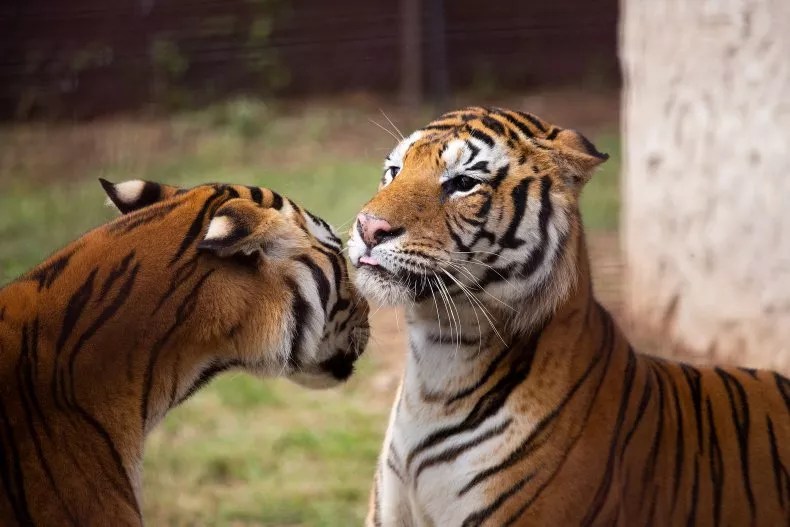
The Train Tigers of Argentina – two years on. Credit: Four Paws.

WHAT YOU CAN DO TO HELP WILDLIFE

You can support ‘Protect All Wildlife’ by donating as little as £1 – It only takes a minute but it can last a lifetime for an animal in need. Please donate below.

Everyone who donates will receive a Certificate of Appreciation as a thank you for helping animals in need.

The Mission of Protect All Wildlife is to prevent cruelty and promote the welfare of ALL animals.

We believe EVERY animal should be treated with respect, empathy, and understanding. We raise awareness to protect and conserve wild, captive, companion and farm animals.

It is vital that we protect animals against acts of cruelty, abuse, and neglect by enforcing established animal welfare laws and, when necessary, take action to ensure that those who abuse animals are brought to justice.

Protect All Wildlife are involved in many projects to protect animals’ rights, welfare, and habitats. Money contributed to Protect All Wildlife supports ALL of our worthy programmes and gives us the flexibility to respond to emerging needs. Your donations make our work possible.

Mike Towler Rescued Cropper The Fox And Found His New Best Friend

When Mike Towler first met Cropper the Fox he had been in a tangle with a dog and came off worse. Cropper had been rescued by The Fox Project in Tunbridge Wells. Not only was he badly injured, he was also suffering from toxoplasmosis, a dangerous parasitic infection. He was in no shape to be returned to the wild. There were only two choices: euthanise Cropper or find him a home. That is where Mike came in.

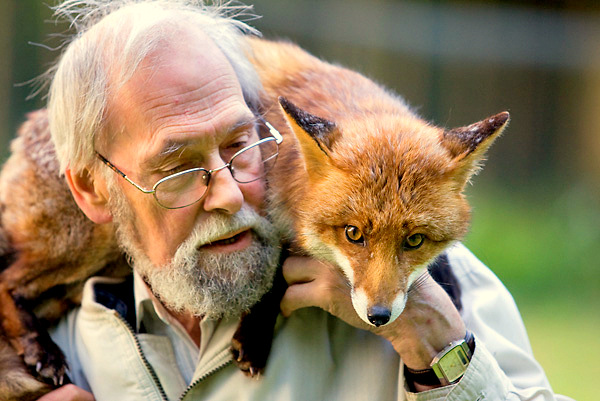
Mike Towler with rescued red fox in garden. Kent, UK, May 2009.
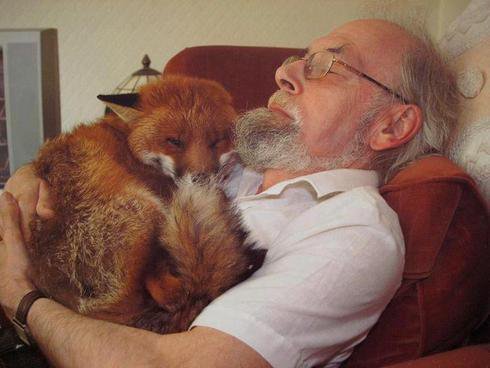
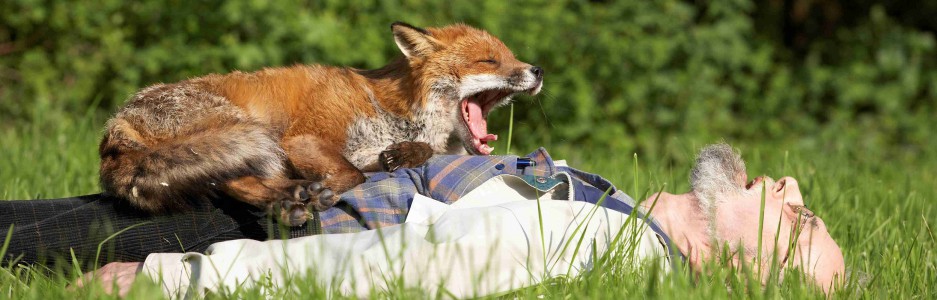
Mike Towler with Cropper, the rescued Red Fox in his garden.

Mike Towler gave Cropper a home. A retired engineer, he has been described as a man on a mission. Mike is fascinated by Fox behaviour and spends a great deal of time with them. In addition to nursing injured Foxes back to health, he also takes in orphaned Fox cubs and raises them until they can be released back into the wild. He does this by releasing them into his nine-acre garden. A few remain to be fed each night, some stay in the area for several years, while others take off to establish their own territories further afield.

CROPPER 2
Mike and Cropper having a nap

When Cropper was nursed back to health by Mike’s patience, love and determination, Cropper became a member of Mike’s family. Cropper would eat food from the dog’s dish and curl up with the cats, but mostly, he would spend time with Mike. The two would even go for walks together and Mike would roll him over and give him belly rubs

After six happy years with Mike, Cropper passed away in 2007. However, another Fox, Jack, who had been suffering similar ailments, has moved in with Mike. Jack enjoys watching TV with Mike and even reluctantly tolerates a bath in the sink.

In addition to Foxes, Mike is also friends with a couple of Badgers. One of the Badgers, a female he named Benji, eats from a bowl while he holds it and allow him to pet her.

Mike warns that rescuing Foxes takes a great deal of patience and understanding, and a strong awareness of Fox behaviour. He says that Fox urine is especially odorous and difficult to remove.

Mike and Cropper Relaxing

Further Reading

My Friends The Foxes

Mike Towler and Cropper

A Day In The Life Of Jack

On Patrol With The Fox Ambulance

The National Fox Welfare Society

Charity Auction Of Art To Help Disabled Animals

This is your chance to bid on beautiful original artworks in our ‘Charity Auction To Help Disabled Animals’.

This is a sealed bid auction, so all you need to do is decide which item you would like to bid for and send us your bid with the LOT NUMBER and name by email to protectallwildlife@btinternet.com by 21:00 on the 30th of June. We will email you to let you know if your bid is the highest. Postage costs will be calculated when the auction ends. If you need any more information etc please email Paul at protectallwildlife@btinternet.com.

All funds raised help support the Miracle’s Mission Centre for Disabled Animals and their work in the rescue, treatment and rehoming of sick, injured and disabled animals .

Happy bidding and good luck 🐾.

Lot 1

This is an ORIGINAL watercolour, pastel and pencil study of a Badger by wildlife artist Milo. This STUNNING piece is on high grade art paper measuring 59 x 42 cms.

A Badger by Milo ~ 2020.

Lot 2

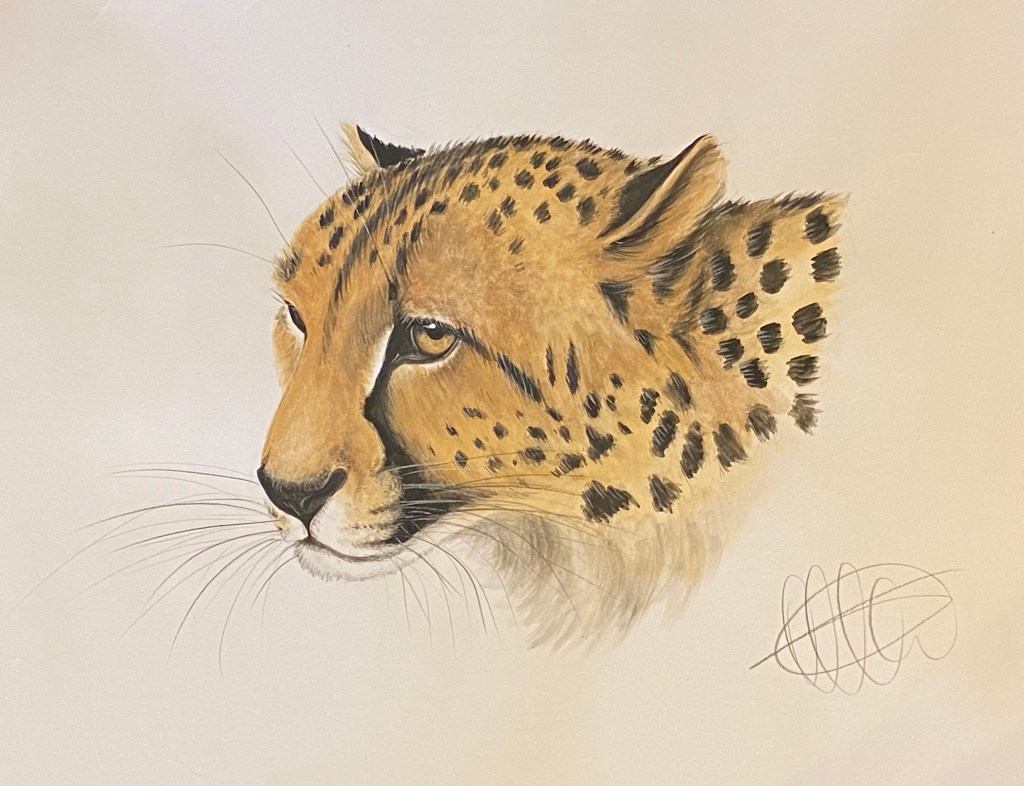
This is an ORIGINAL watercolour, pastel and pencil study of a Cheetah by wildlife artist Milo. This STUNNING piece is on high grade art paper measuring 59 x 42 cms.

A Cheetah by Milo ~ 2020.

Lot 3

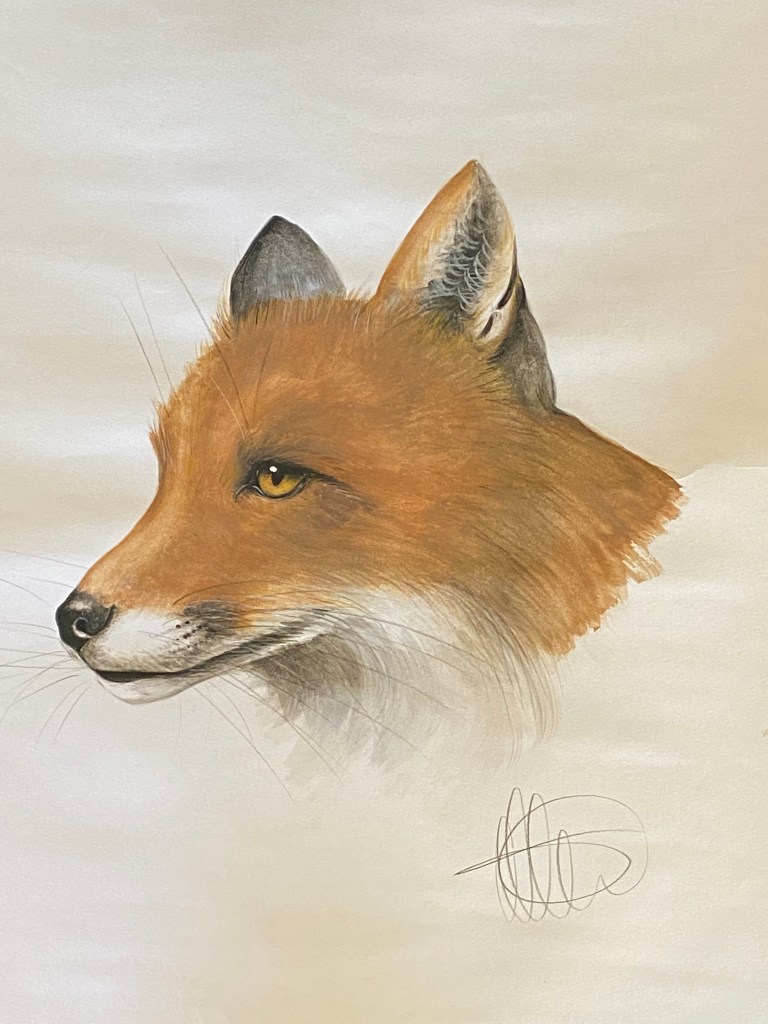
This is an ORIGINAL watercolour, pastel and pencil study of a Fox by wildlife artist Milo. This STUNNING piece is on high grade art paper measuring 42 x 59 cms. (#19).

Lot 4

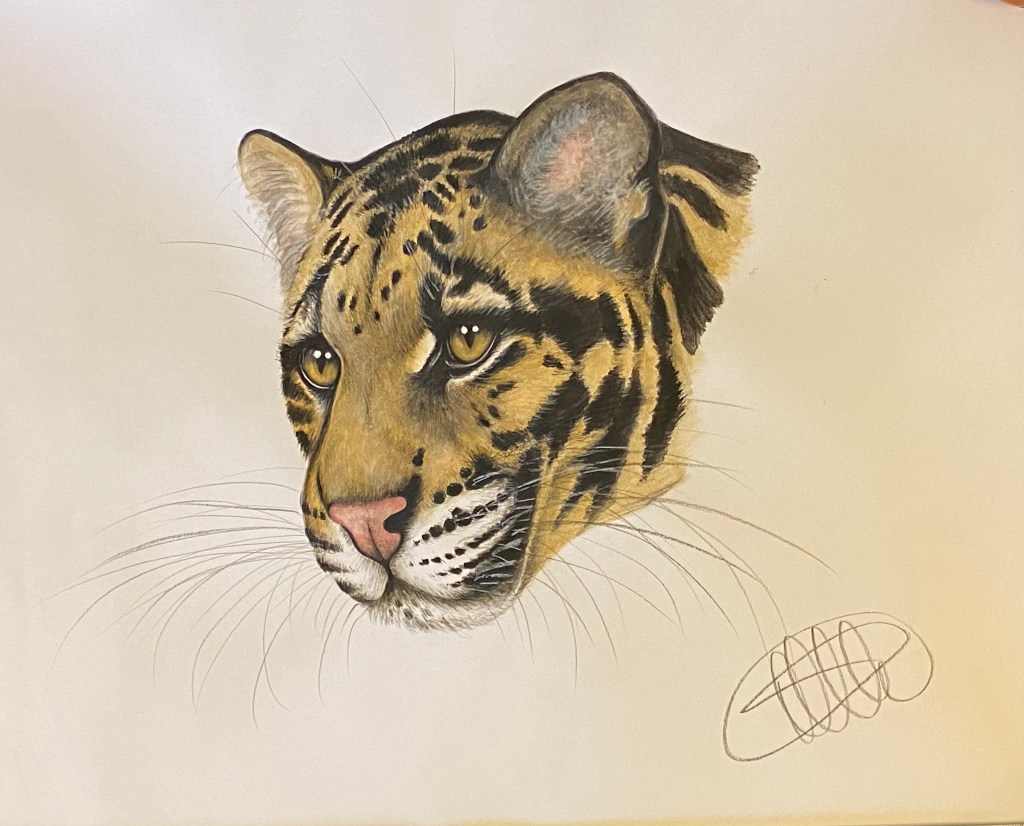
This is an ORIGINAL watercolour, pastel and pencil study of a Clouded Leopard by wildlife artist Milo. This STUNNING piece is on high grade art paper measuring 57 x 42 cms. (#34).

A Clouded Leopard by Milo ~ 2020

Lot 5

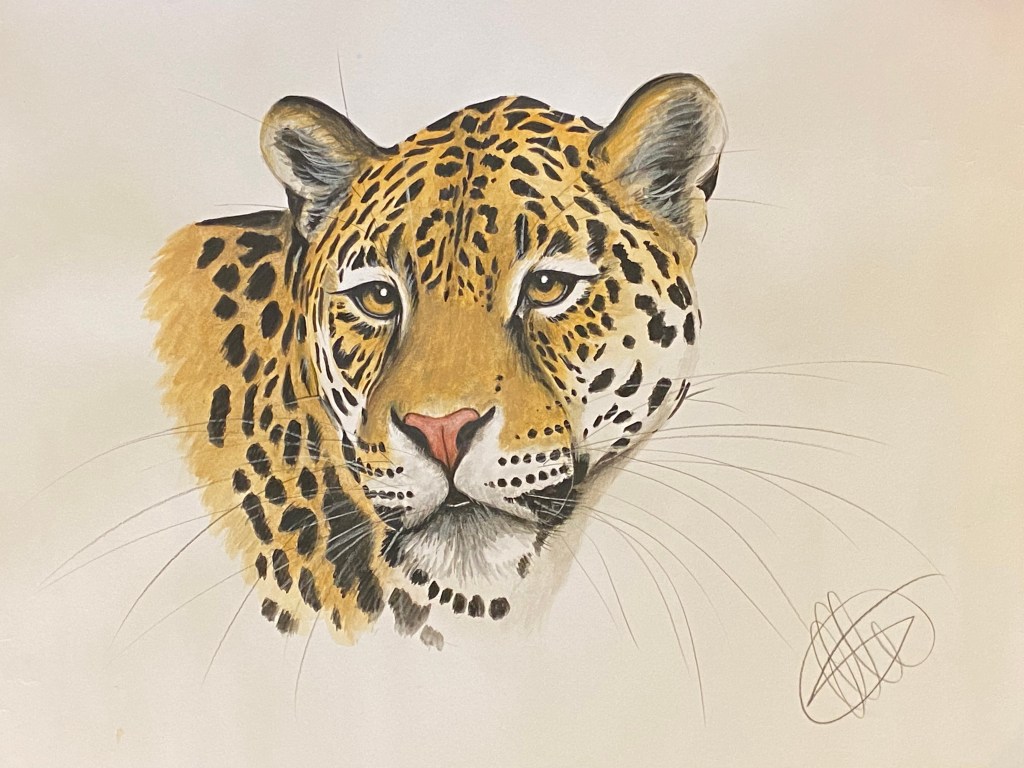
This is an ORIGINAL watercolour, pastel and pencil study of a Jaguar by wildlife artist Milo. This STUNNING piece is on high grade art paper measuring 57 x 42 cms. (#8

A Jaguar by Milo ~ 2020.

Lot 6

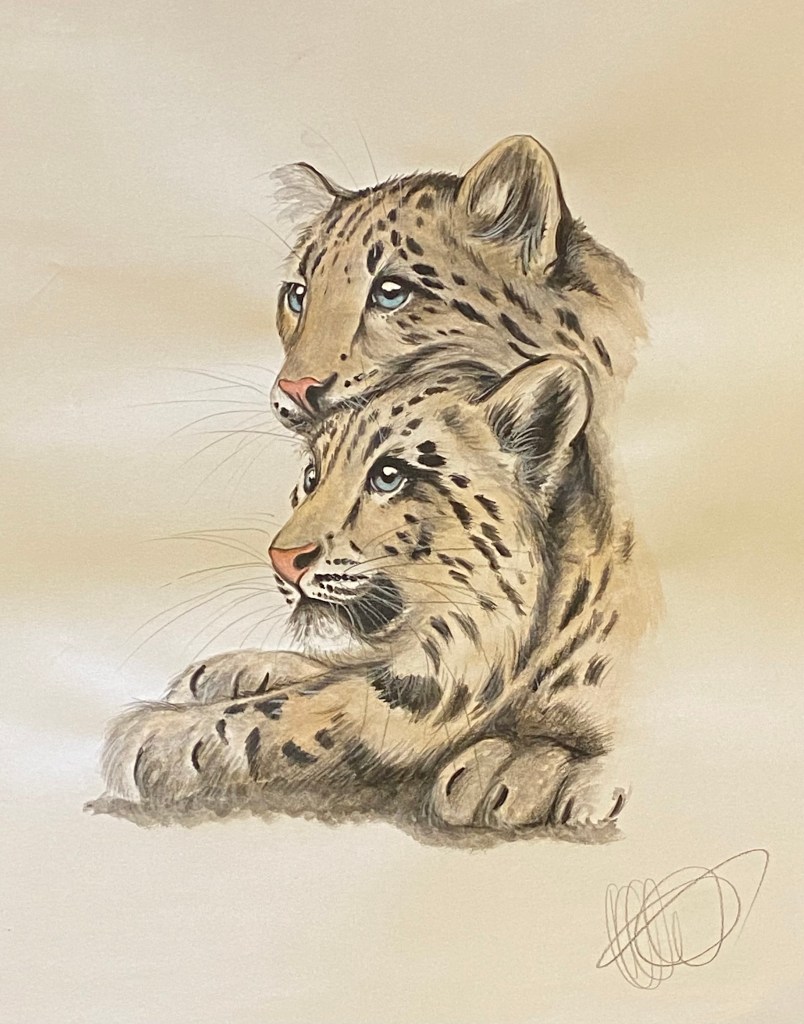
This is an ORIGINAL watercolour, pastel and pencil study of a pair of Snow leopard cubs by wildlife artist Milo. This STUNNING piece is on high grade art paper measuring 42 x 59cms. (#26).

A pair of Snow Leopard cubs by Milo ~ 2020.

Lot 7

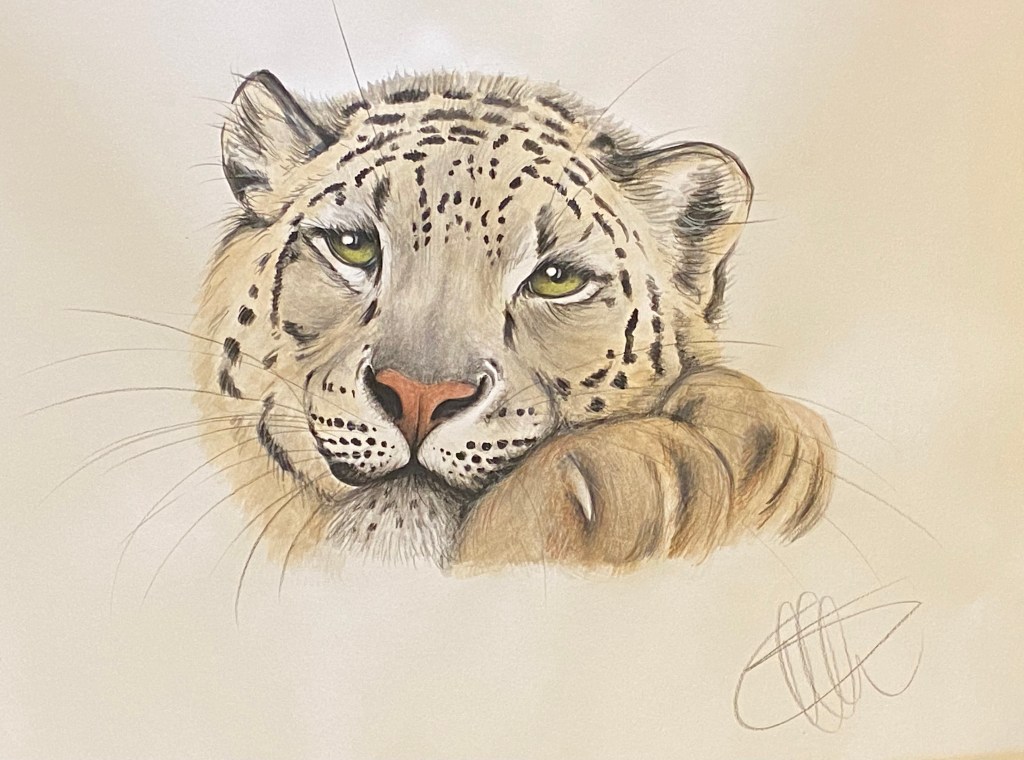
This is a stunning ORIGINAL watercolour, pastel and pencil study of a Snow Leopard by wildlife artist Milo. This STUNNING piece is on high grade art paper measuring 59×42 cms. (#7).

A Snow Leopard by Milo ~ 2020

Lot 8

This lot is ‘A Mother’s Love’, an adorable original watercolour, pastel and pencil of a Lioness and her cubs by wildlife artist Milo. This BEAUTIFUL piece is on high grade art paper measuring 30.5×27.6 cms. (#17).

A Mother’s Love by Milo ~ 2012

Lot 9

Who can resist ‘Those Eyes’? This delightful original watercolour, pastel and pencil study of a baby Orangutan is by Milo and is on high grade art paper measuring 59×42 cms. (#12).

‘Those Eyes’ by Milo ~ 2021.

Lot 10

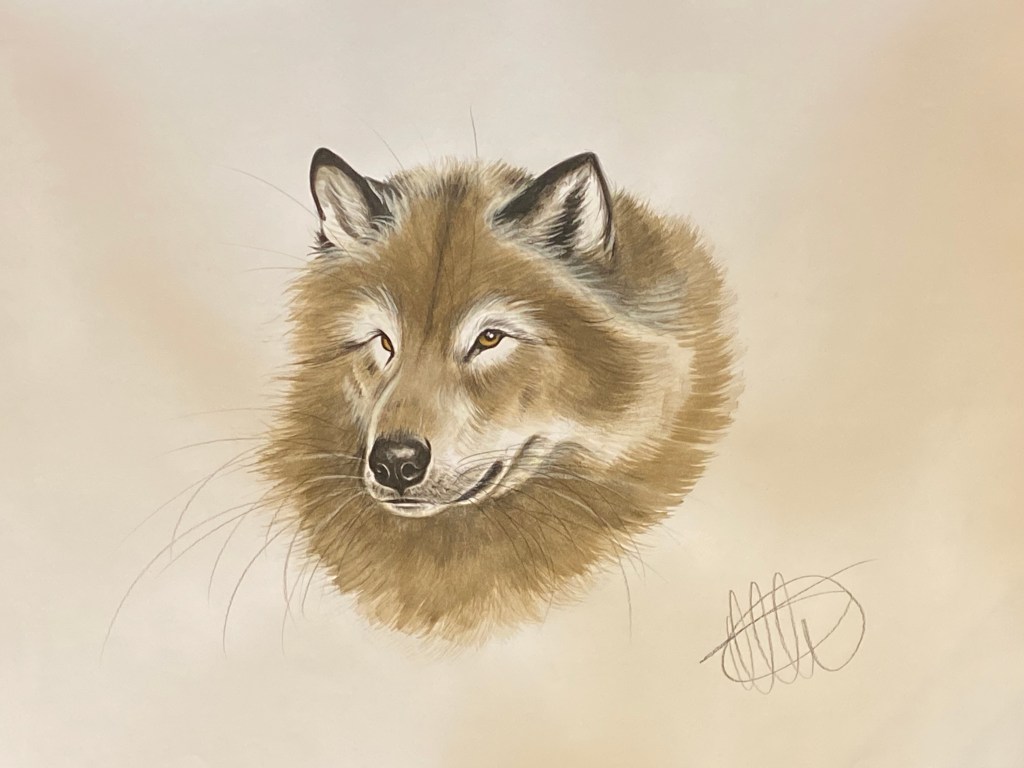
This is a stunning ORIGINAL watercolour, pastel and pencil study of a Wolf by wildlife artist Milo. This beautiful piece is on high grade art paper measuring 59×42 cms. (#13).

A Wolf by Milo ~ 2021.

Lot 11

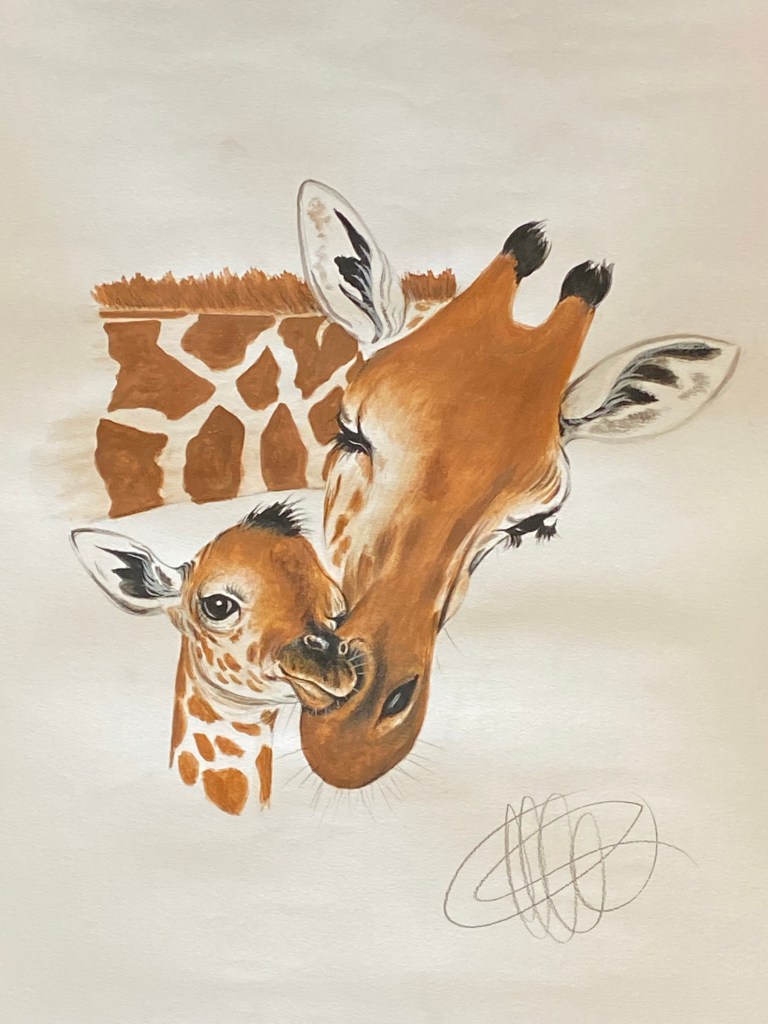
‘A Mother’s Love’ is an ORIGINAL watercolour, pastel and pencil study of a Giraffe and her baby by wildlife artist Milo. This STUNNING piece is on high grade art paper measuring 42 x 59 cms. (#18).

‘A Mother’s Love’ (Giraffe & Baby) by Milo ~ 2021.

Lot 12

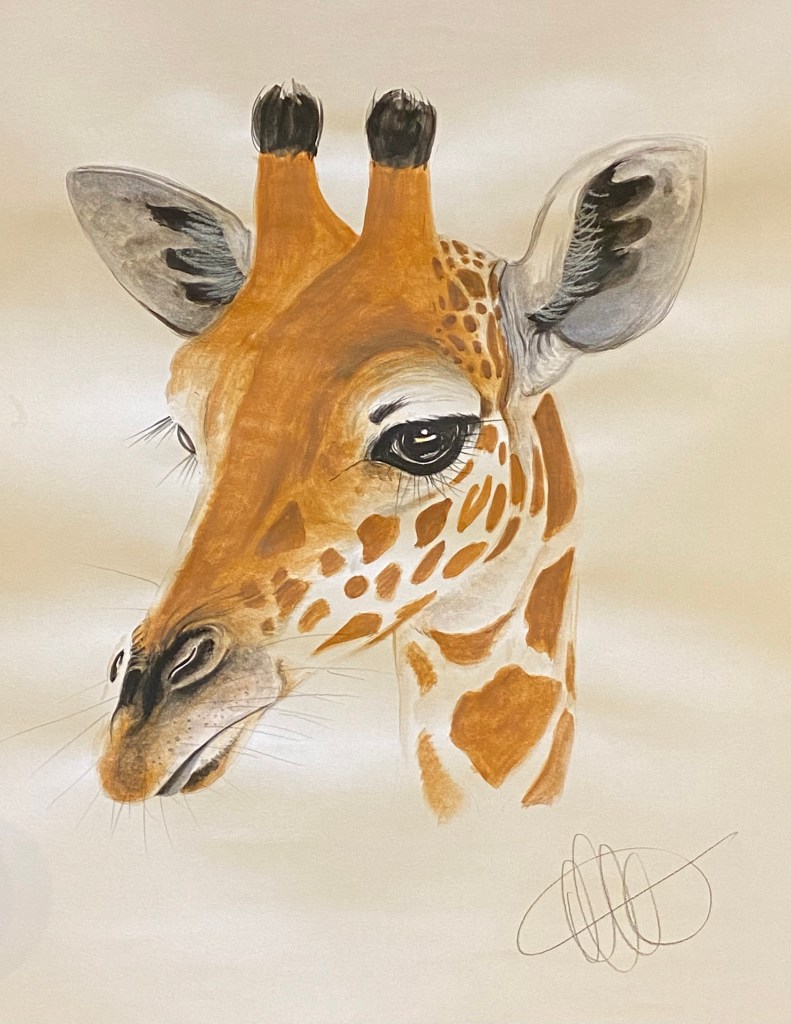
This is an ORIGINAL watercolour, pastel and pencil study of a Giraffe by wildlife artist Milo. This BEAUTIFUL piece is on high grade art paper measuring 42 x 59 cms. (#25).

A Giraffe by Mido ~ 2020.

Lot 13

This is an ORIGINAL watercolour, pastel and pencil study of an Amur Leopard by wildlife artist Milo. This BEAUTIFUL piece is on high grade art paper measuring 59 x 42 cms. (#27).

An Amur Leopard by Milo ~ 2021.

Lot 14

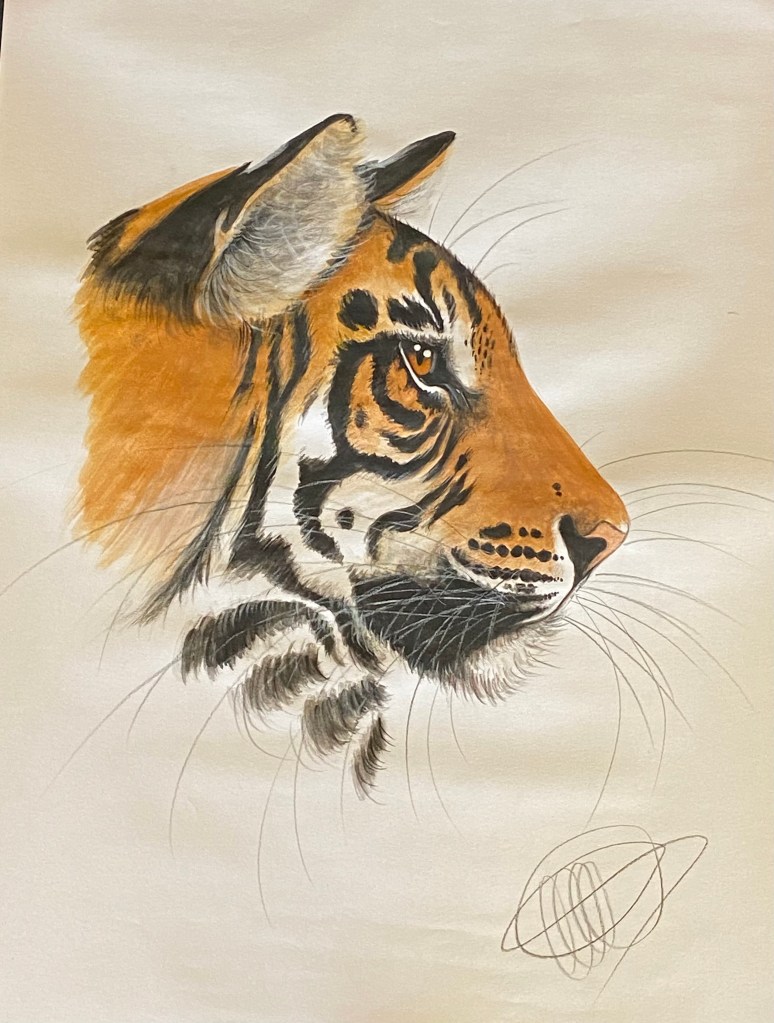
This is an ORIGINAL watercolour, pastel and pencil study of a Sumatran Tiger by wildlife artist Milo. This BEAUTIFUL piece is on high grade art paper measuring 59 x 42 cms. (#1).

A Sumatran Tiger by Milo ~ 2019.

Lot 15

This is an ORIGINAL watercolour, pastel and pencil study of a beautiful pair of Cheetah cubs by wildlife artist Milo. This BEAUTIFUL piece is on high grade art paper measuring 59 x 42 cms. (#16).

A pair of Cheetah cubs by Milo ~ 2020.

Lot 16

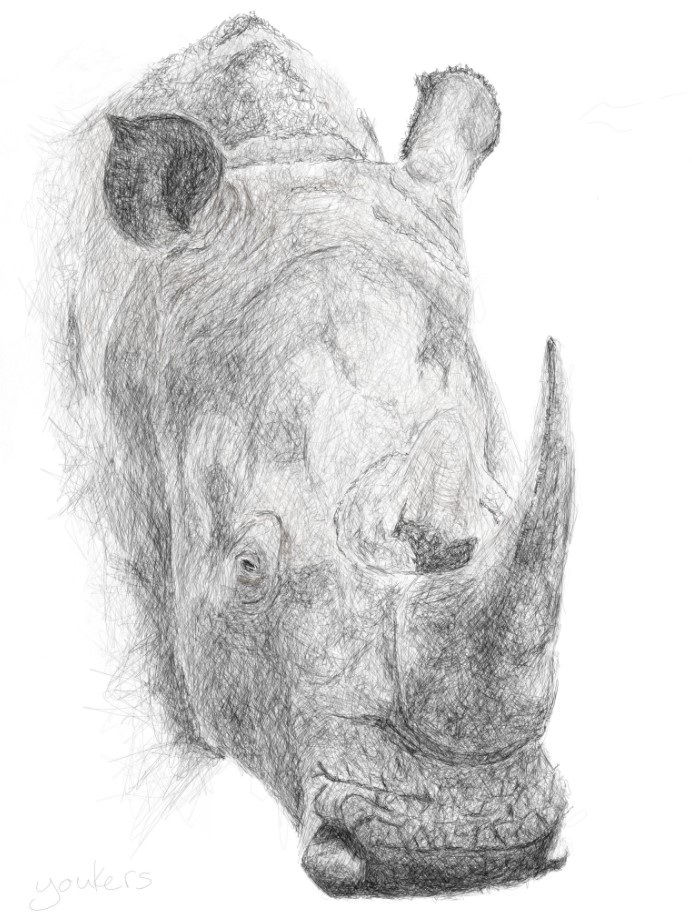
This is an ORIGINAL pencil study of a Rhino by Dane Youkers . This beautiful piece measures 28 x 36 cms .

A Rhino by Dane Youkers ~2022.

Lot 17

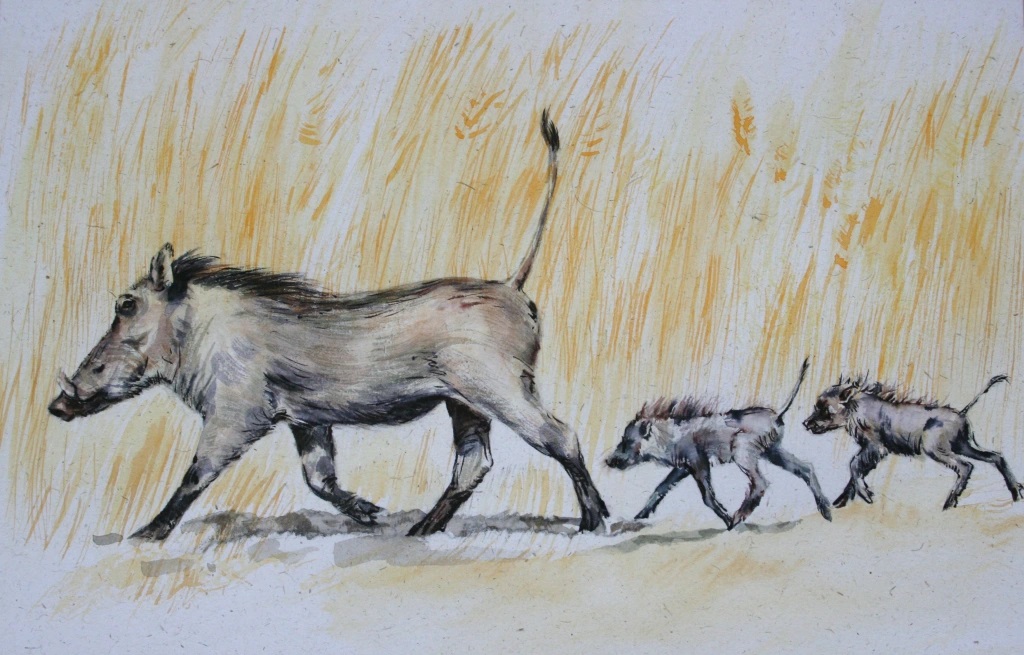
‘Tails Erect’ by Wildlife Artist Carol Barrett. This ORIGINAL study of Warthogs is in watercolour and ink and is on Rhino Dung Paper! It is mounted and measures 40 x 30 cm.

‘Tails Erect’ by Carol Barrett.

Lot 18

This is an ORIGINAL watercolour study of a Badger by Diane Antoine. This beautiful piece measures 30 x 21 cms .

‘The Badger’ by Diane Antoine ~2020.

Lot 19

This is an ORIGINAL pencil study of a Wolf (artist unknown). This beautiful piece measures 30 x 21 cms .

A Wolf In Thought

Lot 20

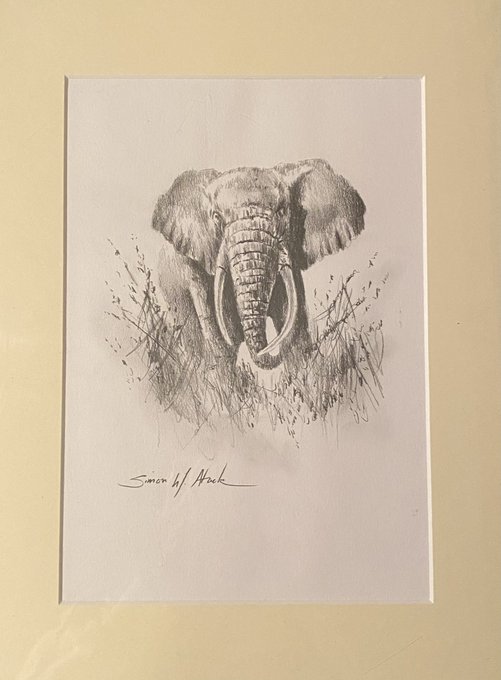
This is an ORIGINAL study of an Elephant in pencil by Simon W. Atack. This BEAUTIFUL piece measures 30 x 21 cms and is mounted.

The Leader Of The Herd by Simon W. Atack.

Lot 21

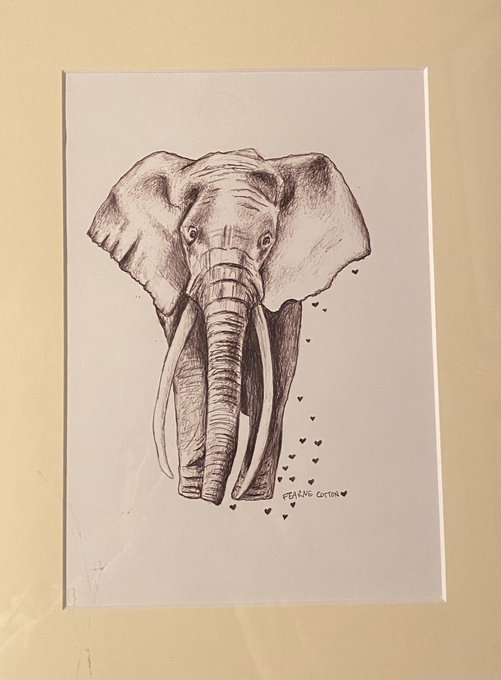
This is an ORIGINAL study of an Elephant in pencil by presenter and author Fearne Cotton. This BEAUTIFUL piece measures 30 x 21 cms and is mounted.

Super Tusker by Fearne Cotton.

Lot 22

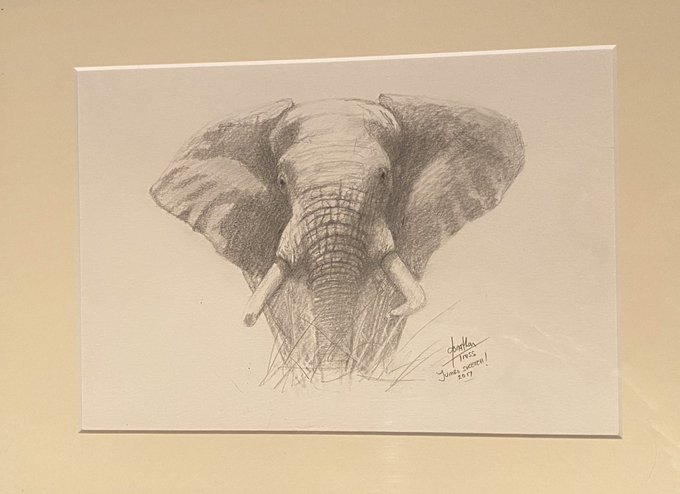
This is an ORIGINAL study of an Elephant in pencil by Jonathan Truss. This BEAUTIFUL piece measures 30 x 21 cms and is mounted.

Jumbo Sketch by Jonathan Truss.

Lot 23

‘Gentle Elephant’ is an ORIGINAL watercolour study by Anne Jolivet. This BEAUTIFUL piece measures 30 x 21 cms .

‘Gentle Elephant’ by Anne Jolivet ~ 2021.

Lot 24

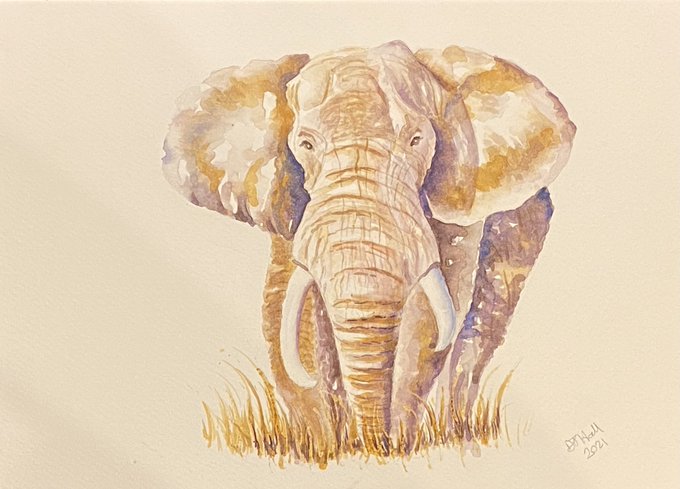
This is an ORIGINAL watercolour study of an Elephant by Debra J. Hall. This BEAUTIFUL piece measures 30 x 21 cms .

An Elephant by Debra J. Hall ~ 2021.

Lot 25

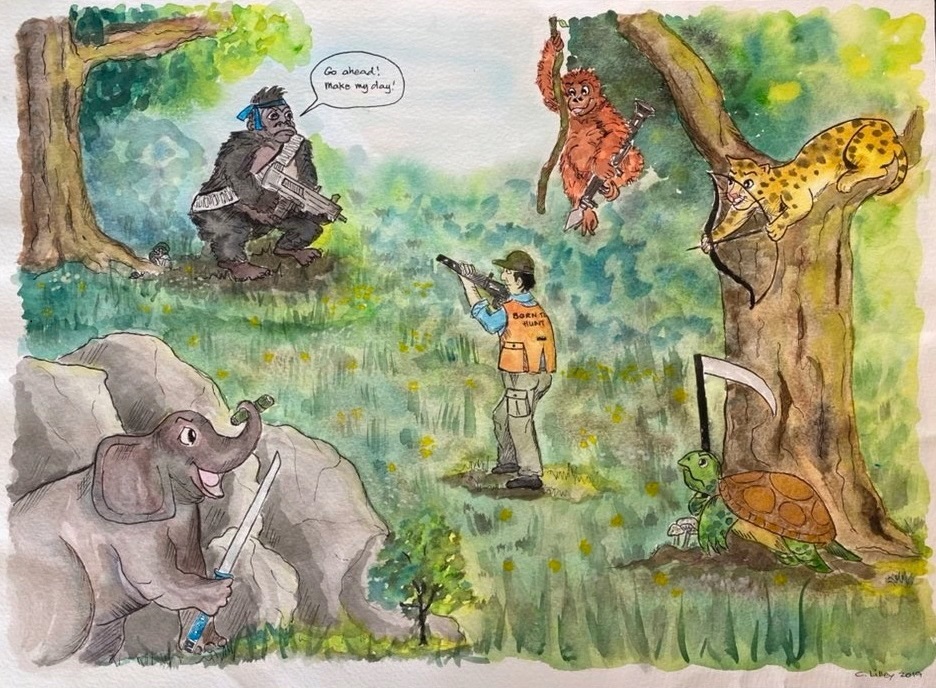
‘The Animals Fight Back’ ORIGINAL watercolour Charito Lilley. This thought-provoking piece measures 40 x 30 cms

‘The Animals Fight Back’ by Charito Lilley ~ 2019.

Lot 26

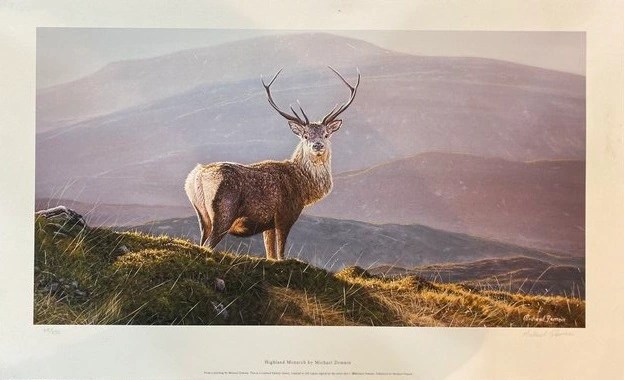
This is a Limited Edition (No. 46/250) print is ‘Highland Monarch’ by Michael Demain. This stunning print measures 56 x 34 cms.

‘Highland Monarch’ by Michael Demain.

Lot 27

A beautiful print of Tiger cubs by Jan Ferguson. This piece measures 41 x 31 cms.

‘Tiger Cubs’ by Jan Ferguson.

Lot 28

A stunning Limited Edition print (No. 7/100) titled ‘Endangered Nobility’ by Kim Thompson. This beautiful study of the noble Lion measures 60 x 42 cms.

‘Endangered Nobility’ by Kim Thompson ~ 2011.

Lot 29

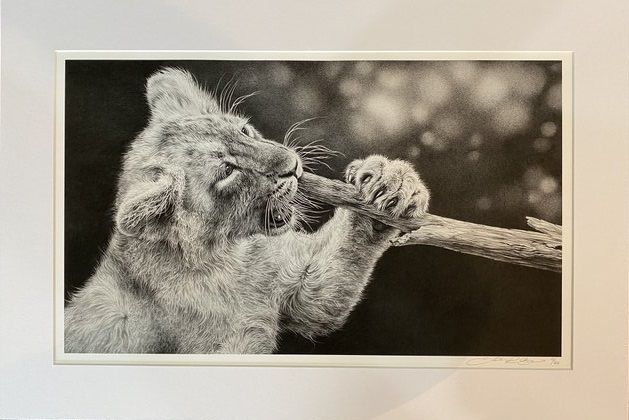
‘Mischief Maker’ is a beautiful Ltd Edition study of a playful Lion cub by Julie Rhodes. It is mounted and measures 56 x 38 cms.

‘Mischief Maker’ by Julie Rhodes.

Lot 30

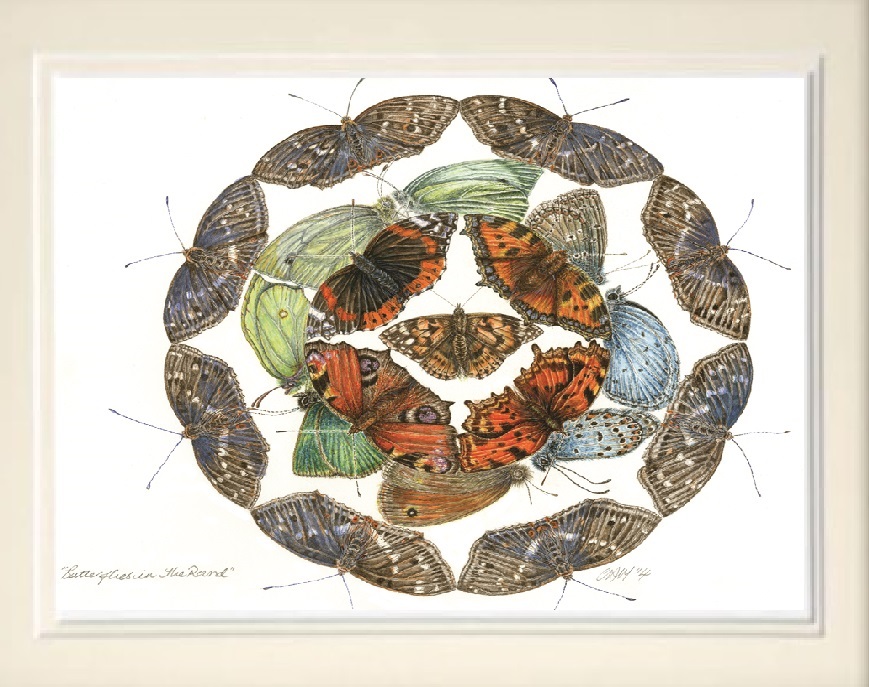
The beautiful Butterflies In The Round by Cath Hodsman. This Limited Edition print measures 51 x 41 cms.

‘Butterflies In The Round’ by Cath Hodsman.

Lot 31

Street artist Sonny Sundancer’s gigantic painting of an Amur Leopard overlooked the city of Vladivostok, Russia and was part of his worldwide ‘To The Bone’ project aimed at raising awareness about endangered species.

This STUNNING piece of his work is caught brilliantly in this VERY Limited Edition of only 45 prints (No. 29/45) and measures 50 x 35 cms.

Amur Leopard street art by Sunny Sundancer ~ 2017.

Lot 32

In a very Limited Edition of only 75 prints (No. 6/75), this beautiful study of a Sumatran Tiger is by Nick Day. It measures 38 x 41 cms.

A Sumatran Tiger by Nick Day ~ 2015.

Lot 33

This is a stunning Limited Edition print of a commission for The Miracle’s Mission Rehabilitation Centre. This beautiful piece measures 30 x 21 cms.

THE MIRACLE’S MISSION REHABILITATION CENTRE

Thank you for taking the time to look at our auction and happy bidding.

If you would like to make a donation to our fundraiser to help support our work you can do so at Fundraiser To Help Disabled Animals. Thank you.

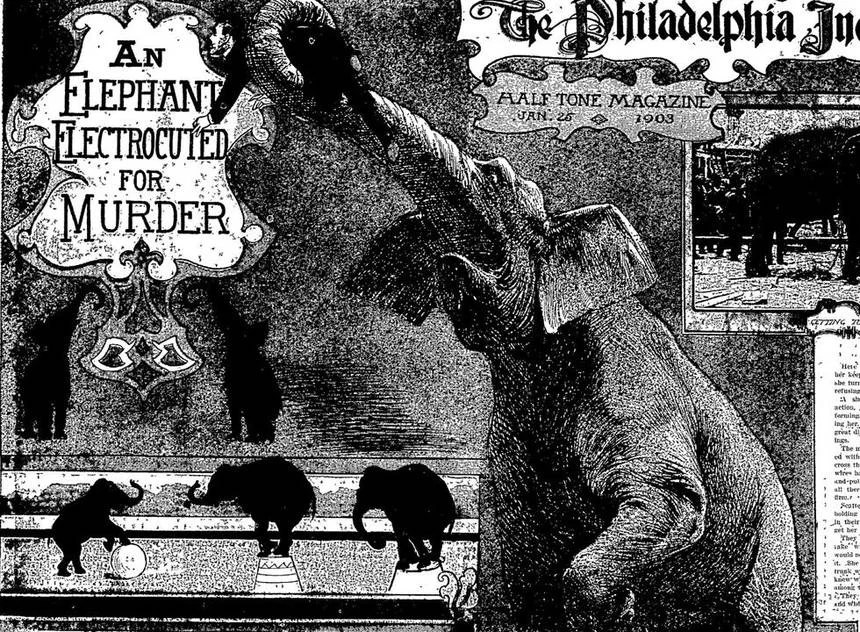
Theme Park History: The Dark Story Of Thomas Edison And The Electrocution Of Topsy The Elephant For Murder

Topsy The Elephant

Much has been written about the controversial movie Blackfish, the 2013 film that vilified SeaWorld for use of captive orcas. Many in the theme park community have attacked the movie as a hit piece, while others in the anti-animal captivity community used it as a call to arms. But for all the discussion and passion that the movie generated, history tells us that this issue is as old as the industry itself. If told completely, this story shines a different kind of light on the culture of the times, and also on an iconic figure in American history. Once upon a time, a 110 years before Blackfish and Tilikum there was another movie, and an Elephant named Topsy.

Sometime around 1875, Topsy was smuggled as a baby out of Asia and brought into America to perform in the Forepaugh circus. Billed as the first “American born elephant,” she became the star of the show. Like many circus performers at the time, she was subject to harsh treatment during training sessions. Trainers of the time were vicious towards the animals in their attempts to control them, prodding the elephants with sharp hooks between the eyes and in the head. Beatings, hot pokers, and even guns were also common methods of training. By most accounts, Topsy was one of the fan favorites. Behind the scenes though, she endured years of harsh treatment. Her crooked tail was a point of emphasis with promoters. In reality, it was the result of a particularly severe beating. Over the years, her temper became shorter and shorter, and she attacked several handlers and was reportedly responsible for the deaths of three of them. In 1902, one particular (alcoholic) trainer named James Fielding Blount foolishly met his end. After a night of heavy drinking, Blount went into the elephant tent and offered Topsy a drink of whiskey. Her refusal angered Blount, who reportedly then stuck a lit cigar on the tip of her trunk. He was then promptly thrown down and crushed.

After this highly-publicized incident, Topsy was then sold to Coney Island amusement operator Paul Boynton. When Boynton sold his operation to the founders of Luna Park, Topsy and her trainer were part of the sale. Luna Park was under construction at the time, so for a brief time she was put to work hauling loads of building material. After a new site for the “Trip to the Moon” attraction was cleared, the workers tried, but simply couldn’t move the massive structure to its new location. Topsy was called upon to do the job. With the help of a few horses, she pushed the building nearly a mile to its new location. Police arrested one of her handlers that day after observing “excessive” use of a sharp object to prod the elephant. Her trainers reportedly kept a pitchfork handy. He was tried for animal cruelty but later was acquitted because the amount of prodding was deemed acceptable. Subsequent incidents and moments of aggression occurred, all under the watchful eye of the press. The final straw came when trainer Whitey Ault got drunk and decided to ride Topsy down Surf Avenue. When Whitey was arrested and taken to the station, Topsy followed them down the street and then tried to go into the police station behind them. Whitey was fired for this incident, leaving nobody on the staff that could handle Topsy. With costs of her care high and no one to take care of the elephant, Luna Park owners Thompson and Dundy tried to get rid of her. However, all the bad press over the past year had tarnished the elephant’s reputation. No zoo would take her, no show would have her. They tried to raffle her off, then to give her away for free, but had no success. After exhausting many options, the decision was then made to euthanize Topsy.

Topsy

Killing a 10-foot tall, three-ton elephant in 1903 wasn’t a simple proposition, let alone doing so in a quick and humane way. They didn’t have a gun big enough to quickly do the job, and even though it had been done to other elephants before, the idea of hanging her was thrown out.

edison-elephant-hp-orig
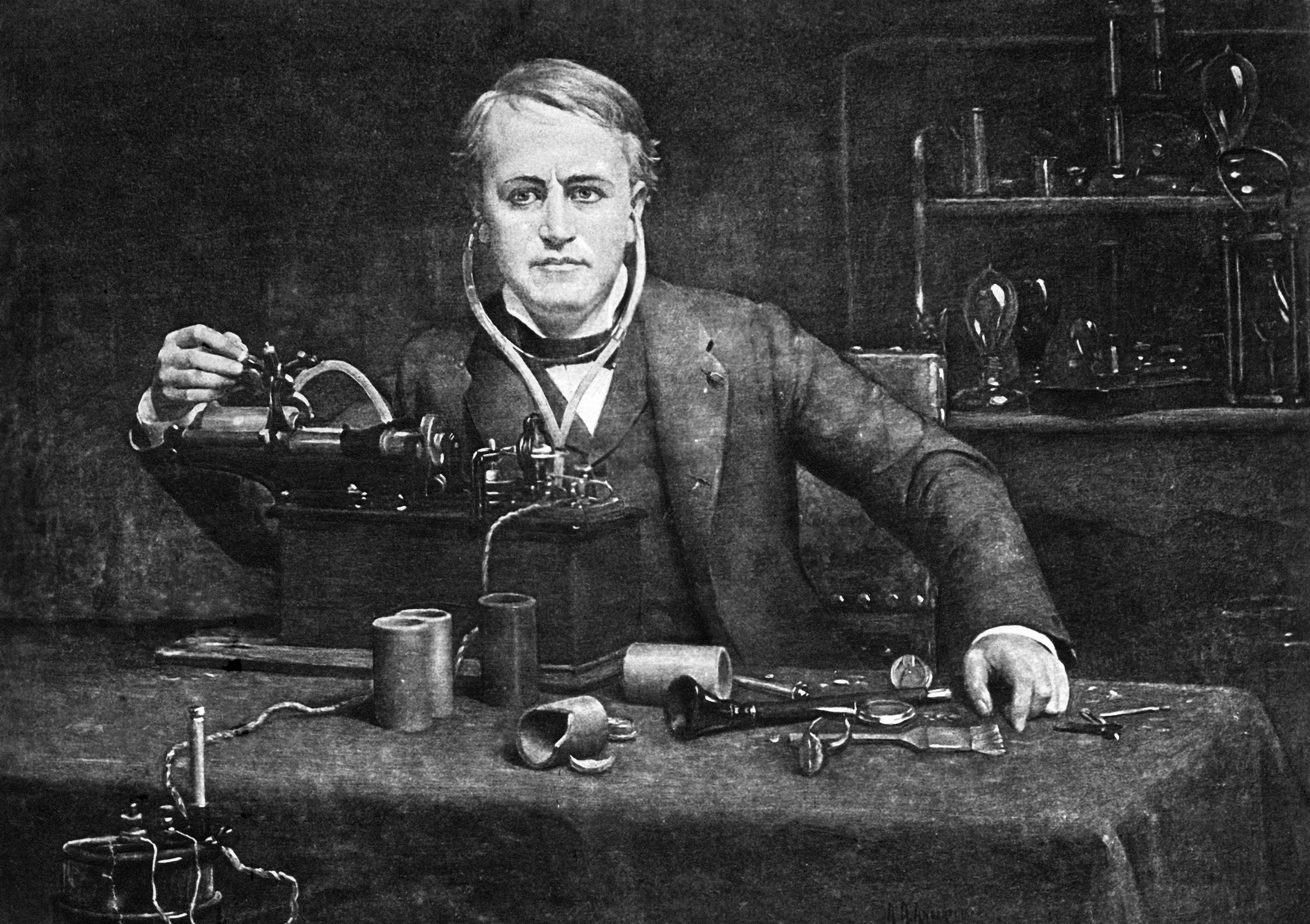
Thomas Edison

The owners of Luna Park turned to inventor Thomas Edison, who by 1903 had fought and lost the “battle of the currents” for the electricity standard to be used in the United States. Edison’s direct current (DC) methods had been used extensively at first, but the more efficient alternating current (AC) method, invented by Nikola Tesla and backed by industrial giant George Westinghouse, had gained traction and was becoming the standard for distribution. Trying to keep his standard intact (and preservation of the royalties), Edison had engaged in a propaganda war, discouraging the use of AC by lobbying Congress, spreading false rumors and misinformation, and staging public demonstrations of its danger by electrocuting stray and unwanted animals. For a time his technicians were regularly dispatched for this matter, killing dogs and cats, and in some cases horses and cows. He commissioned a partner to develop the electric chair for the state of New York with AC current, even though he himself was reportedly an opponent of capital punishment.

Edison’s “experience” with the matter and his standing as an authority on electricity prompted Thompson and Dundy to call. Even though the current war was over, he apparently for one reason or another couldn’t resist the opportunity to demonstrate the “dangers” of AC one more time…this time on the largest land animal in the world. Some say he was still fighting the war in his own mind, others say Edison still harbored a grudge from the loss and participated out of vindictiveness. Whichever the case, he signed on to do it, and he would document the whole thing with another one of his inventions, the movie camera.

In another sign of the times, the ever-enterprising owners of Luna Park knew the attention the story had gotten, and they initially intended to charge admission for the public execution. The press coverage though had also attracted the attention of the SPCA, who flatly refused to allow that to happen. In turn, the admission fee idea was thrown out, but the public would still be allowed to watch. By this time, Topsy had been characterized in the press like a convicted killer condemned to death, and so the people came to watch.

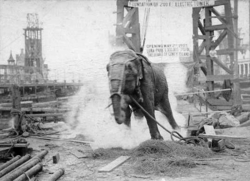
The 'execution' of Topsy

The ‘execution’ of Topsy the Elephant

The execution date was set for January 4, 1903. A crowd of about thousand gathered in the courtyard of the half-finished Luna Park to witness the spectacle. Topsy’s old trainer Whitey Ault was offered a then handsome sum of $25 to help bring the Elephant to her demise, but the saddened trainer turned it down, saying he wouldn’t do it for a thousand. With no qualified people to handle her, leading a very docile Topsy to the platform proved difficult. She wouldn’t cross the bridge to the middle of the lagoon. After technicians moved the wood and metal platform to her, she wouldn’t stand in place, then she shook off the electrodes that were hooked to her, and then refused to eat the cyanide laced carrots that were offered to her…almost as if she knew what was going on. After some coaxing, Topsy finally ate the carrots and the switch was thrown.

She died almost instantly, and almost took one of the Edison technicians with her. He was also electrocuted when he threw the switch. Even though she had already been pronounced dead, workers tightened a noose around her neck for ten minutes to make sure. SPCA doctors on hand pronounced it as the most humane way to kill an animal they had ever seen, and Edison had his documentary. The film “Electrocuting An Elephant” depicted the first actual death on screen, and was seen by audiences across the country. A part of it remains intact online [warning: disturbing images] for the curious to view. Ultimately, the film did nothing to either advance his agenda or raise any kind of awareness for animal cruelty. Audiences of the time were simply more interested in the novelty of the motion picture, the spectacle, and being entertained. Perhaps some things haven’t really changed after all.

Ultimately, Topsy’s story provides a bit of perspective on today’s state of affairs. Her story of a systematic life of abuse in the circus and the spectacle surrounding her death is the true epitome of animal cruelty. Topsy was not the only circus animal of the time to endure this kind of treatment, to be killed, or to kill a human being, but she was the most well known and well documented. Her brief role in the early theme park industry as well as American history makes the story worth telling, however horrible it may be. As for today, the debate continues. People may or may not agree with the use of marine animals in a theme park, but SeaWorld’s animal treatment methods, and its practices of conservation, animal rescue and rehabilitation, research, and education stand in stark contrast to the brutality of the Forepaugh circus and its contemporaries.

For years there were reports of ghost sightings, but the story of Topsy largely disappeared for a long time. In recent years Topsy has reappeared in pop culture, namely the television show Bob’s Burgers and the 2009 video game Assassin’s Creed II. A book about Topsy and the early American circus written by Michael Daly was published in 2013. A memorial dedicated to her sits in the Coney Island museum.

WHAT YOU CAN DO TO HELP ANIMALS IN NEED

You can support our work by donating as little as £5 – It only takes a minute but it can last a lifetime for an animal in need.

PLEASE CLICK HERE TO DONATE TO HELP ANIMALS IN NEED

Everyone who donates will receive a Certificate of Appreciation as a thank you for helping animals in need.

The Mission of Protect All Wildlife is to prevent cruelty and promote the welfare of ALL animals.

We believe EVERY animal should be treated with respect, empathy, and understanding. We raise awareness to protect and conserve wild, captive, companion and farm animals.

It is vital that we protect animals against acts of cruelty, abuse, and neglect by enforcing established animal welfare laws and, when necessary, take action to ensure that those who abuse animals are brought to justice.

Protect All Wildlife are involved in many projects to protect animals’ rights, welfare, and habitats. Money contributed to Protect All Wildlife supports ALL of our worthy programmes and gives us the flexibility to respond to emerging needs. Your donations make our work possible.

Charity Auction To Help Disabled Animals

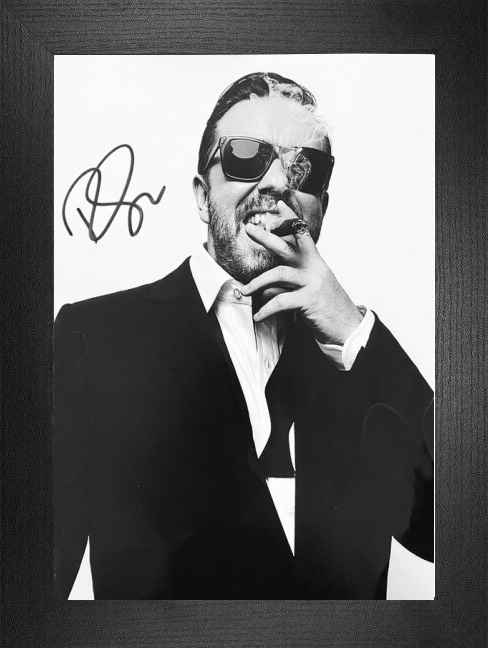
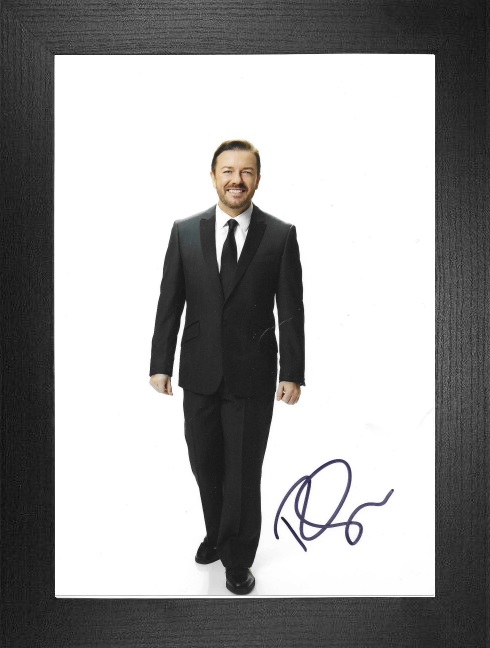
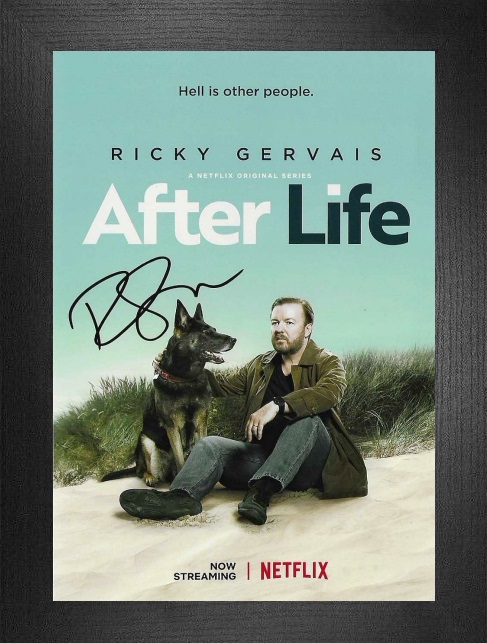
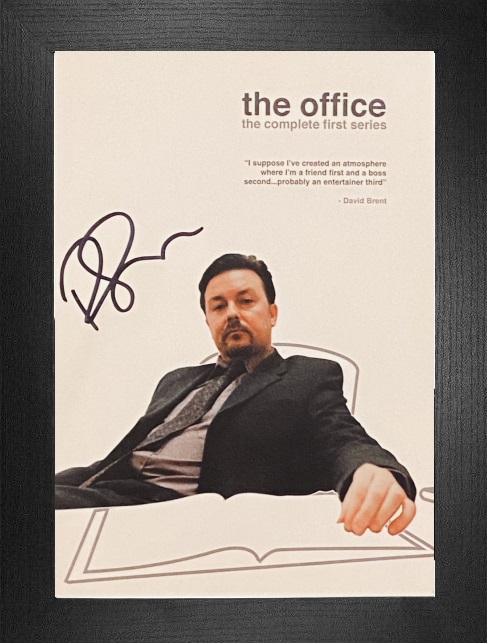
This is your chance to bid on signed memorabilia kindly donated by animal welfare legend Ricky Gervais in our ‘Charity Auction To Help Disabled Animals’.

This is a sealed bid auction, so all you need to do is decide which item you would like to bid for – noting the reserve price for each – and send us your bid with the lot number and name by email to protectallwildlife@btinternet.com by 21:00 on the 31st of January 2024 . We will email you to let you know if your bid is the highest. Postage costs will be calculated when the auction ends. Good luck!

All funds raised help support the Miracle’s Mission Centre for Disabled Animals and their work in the rescue, treatment and rehoming of sick, injured and disabled animals .

Happy bidding and good luck 🐾.

LOT 1

This signed image has been very kindly donated by animal welfare great Ricky Gervais. (Image size 200 cms x 250 cms. Frame is for display purpose and is not included).

Reserve: £100

Lot 2

This signed image has been very kindly donated by animal welfare great Ricky Gervais. (Image size 200 cms x 250 cms. Frame is for display purpose and is not included).

Reserve: £100

Lot 3

This signed After Life image has been very kindly donated by animal welfare great Ricky Gervais. (Image size 7 inches x 5 inches. Frame is for display purpose and is not included).

Reserve: £100

Lot 4

This signed The Office image has been very kindly donated by animal welfare great Ricky Gervais. (Image size 105 cms x 150 cms. Frame is for display purpose and is not included).

Reserve: £100

Thank you for taking the time to look at our auction and happy bidding.

If you would like to make a donation to our fundraiser to help support our work you can do so at Fundraiser To Help Disabled Animals. Thank you.

Miracle’s Mission are a non-profit animal welfare organisation that works with sick, injured and disabled animals worldwide.

Our mission is to provide a place of safety for animals in danger, to educate on the needs of neutering both pets and strays and to neuter stray dogs and cats to prevent the birth of more animals onto the streets. We also rehabilitate and re-home dogs in need, often with disabilities, from our UK rescue base.

Miracle’s Mission Christmas Appeal

Thank you for your support in the past year but we still need your help.

We are wrapping up another year at Miracle’s Mission. In the past year we have continued to provide a place of safety for animals in danger, to educate on the needs of neutering both pets and strays and to neuter stray dogs and cats to prevent the birth of more animals onto the streets. We have also rehabilitated and re-homed many dogs and cats in need, many with disabilities.

Even with all this wonderful news we are still in dire need of funds to help us keep our doors open. We need donations to help pay for food, heating and other bills, as well as staff costs and expenses like petrol for home visits. The average cost to feed a dog for one month typically costs somewhere from £16 to £50, depending on the breed. Microchipping costs about £10 to £15. The average cost of essential vaccinations is £64. A routine vet appointment costs between £40-£60. The average cost of a 30-miunte physiotherapy or hydrotherapy session is £50. Prosthetics and dog wheels etc are upwards of £500.

We appreciate your continuous support, we truly wouldn’t be here without you.

Could you help us with our end of year fundraiser? Any donation helps!

With best wishes, Paul Christian, Patron of Miracle’s Mission.

WHAT YOU CAN DO TO HELP RESCUE ANIMALS

You can support our work by donating as little as £5 – It only takes a minute but it can last a lifetime for an animal in need. Please donate at: PLEASE HELP THE RESCUE ANIMALS AT MIRACLES MISSION

37 Years After The Chernobyl Disaster, Cameras Show Wildlife Is Thriving Again.

Chernobyl has become a refuge for wildlife 37 years after the nuclear accident

The Chernobyl disaster happened on April 26, 1986. The city of Pripyat was evacuated, but animals remained in the area. Over 37 years later, some species have thrived, others have been severely affected, and even new species have been introduced. But how did these animals respond to radiation exposure? What were the effects of living in and around the Chernobyl Exclusion Zone?

The explosion at the Chernobyl nuclear power plant in Ukraine sent a radioactive cloud across Europe. Within weeks, nearly 100,000 people who lived in a large zone surrounding the disaster site had been evacuated, never to return to the poisoned land.

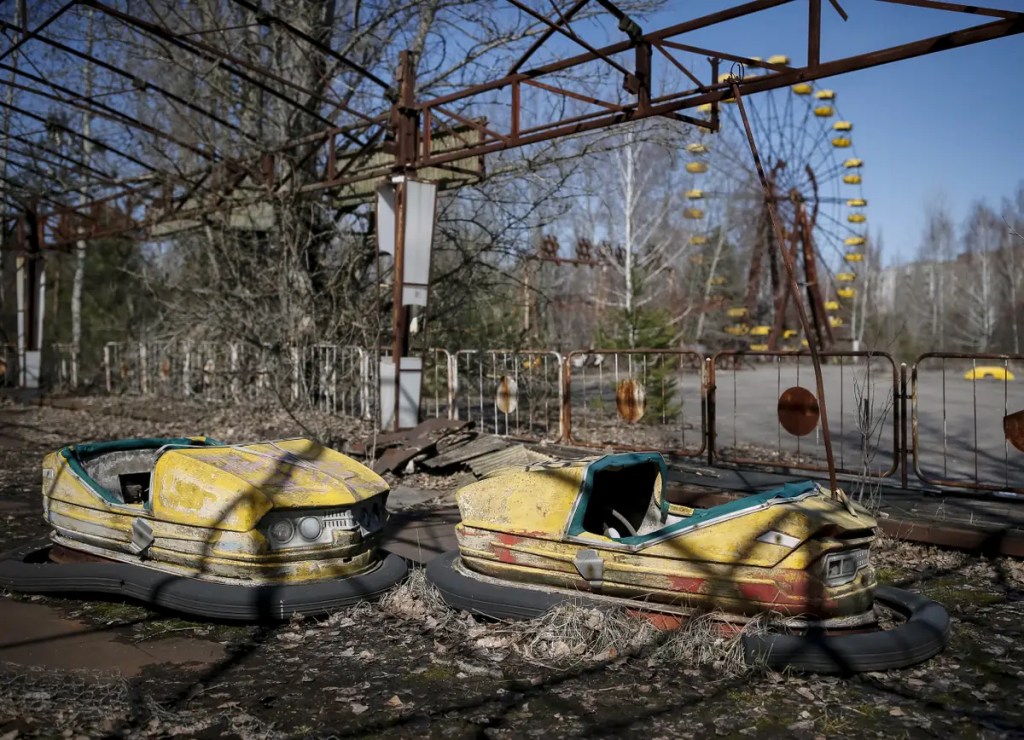
Today, the relics of their past — hollowed-out hotels, empty swimming pools, crumbling farming villages and oxidized ferris wheels — stand in ghostly abandonment across a contaminated region larger than Rhode Island

But time has not stood still. Nature has reclaimed the area, and new photographic data show the 1,600 square-mile Chernobyl Exclusion Zone is now “basically an incredibly large sanctuary” for animals large and small.

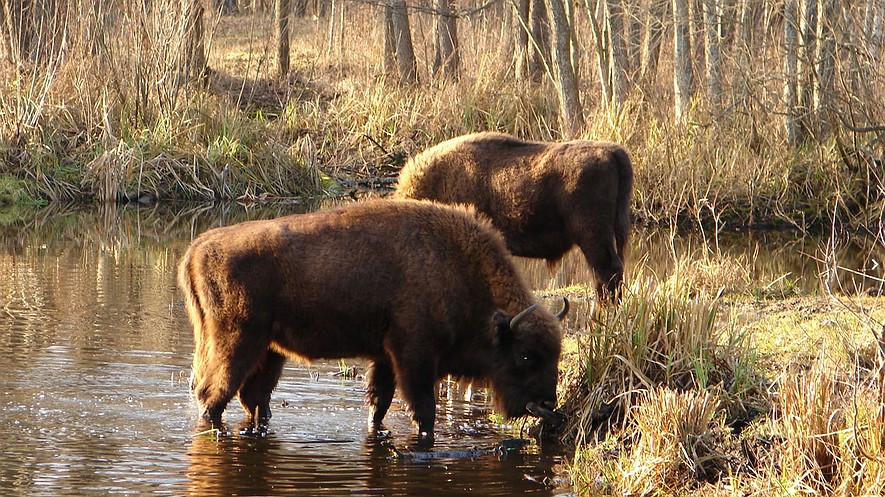
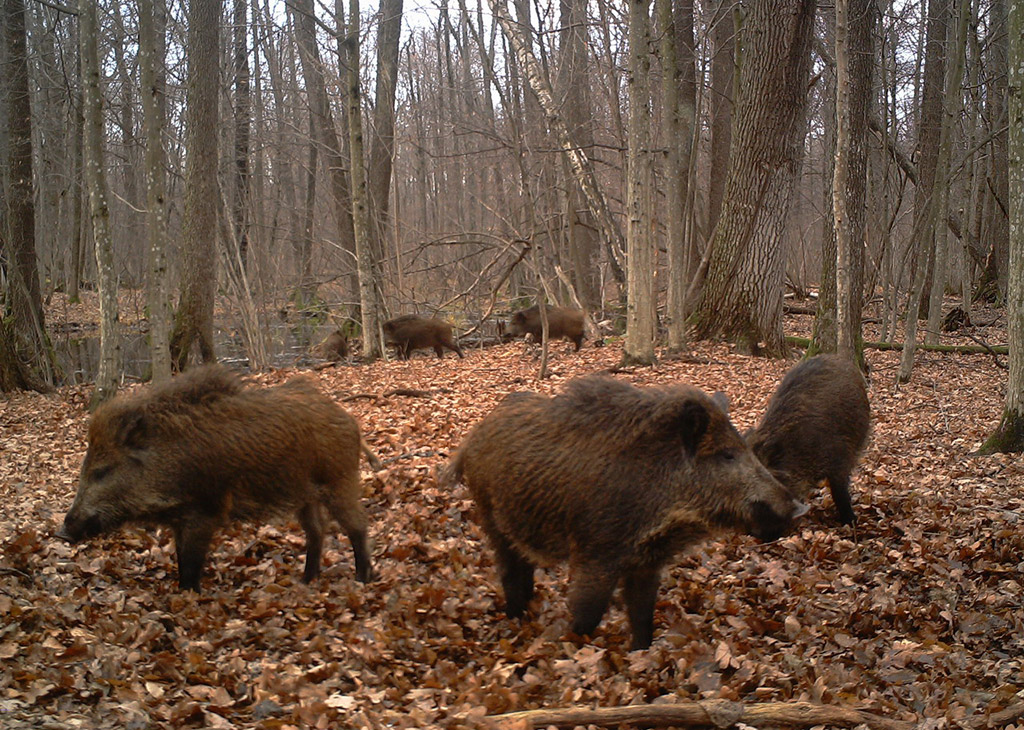
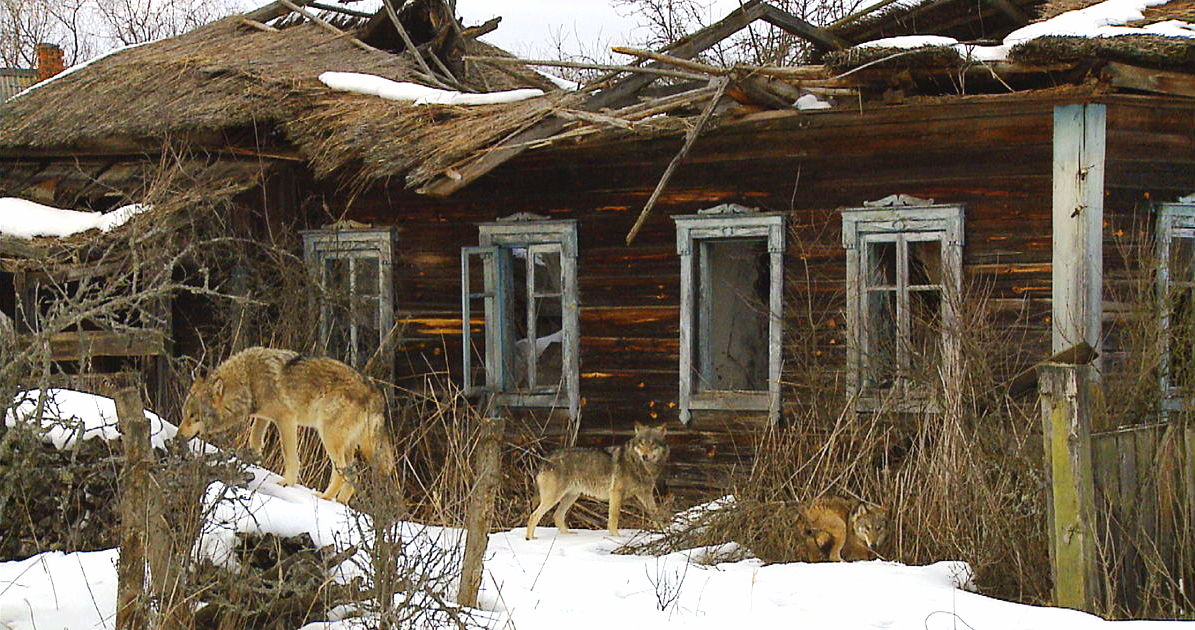
Wildlife in the area surrounding Chernobyl seems to be thriving in the radiation-contaminated exclusion zone, according to a new study. Many large mammal populations were found in the area including Grey Wolves, Wild Boar, Red Deer, Roe Deer, Moose, Bison, Red Foxes and Elk.

CHERNOBYL dn28281-1_800The study, published in the journal Current Biology, finds that a nuclear disaster may be less threatening to wildlife than habitation, reports The Los Angeles Times.

The results show that the exclusion zone supports wildlife, “regardless of potential radiation effects on individual animals,” the study authors wrote.

CHERNOBYL Bison drink on the Belarus side of the Chernobyl exclusion zoneThese results demonstrate for the first time that, regardless of potential radiation effects on individual animals, the Chernobyl exclusion zone supports an abundant mammal community after nearly three decades of chronic radiation.

The 1986 Chernobyl incident was one of the world’s most catastrophic nuclear disasters. An explosion and a fire at the nuclear power plant in Ukraine released radioactive material into the air, which spread over several countries. An estimated 116,000 people were permanently evacuated from the 1,622 square-mile Chernobyl exclusion zone.

chernobyl-wildlife-camera-trapsThe study shows that the numbers of wildlife are “much higher than they were before the accident,” according to BBC News.

Professor Jim Smith of the University of Portsmouth said that these findings do “not mean that radiation is good for wildlife.” Rather, the “effects of human habitation, including hunting, farming, and forestry, are a lot worse,” explained Smith, lead author of the study.

It’s just that the effects of human habitation, including hunting, farming, and forestry, are a lot worse.

Smith and his colleagues from the Polesky State Radioecological Reserve in Belarus examined data from aerial surveys that counted the large mammals in the area. The number of these animals “in Chernobyl is similar to the populations in uncontaminated nature reserves,” Smith said.

The numbers of animals we see in Chernobyl is similar to the populations in uncontaminated nature reserves.

CHERNOBYL 6941f354-85f5-47fc-81b8-7d6bfbfe38fc.format_jpeg.inline_yesMost surprising was the number of wolves in the exclusion zone – up to seven times higher than the number on nature reserves of a similar size. Smith attributes this to the lack of hunting – and humans – in the area.

The study of the exclusion zone shows what happens to wildlife conservation “when you take humans out of the picture,” said Smith.

WHAT YOU CAN DO TO HELP ANIMALS IN NEED

You can support our work by donating as little as £5 – It only takes a minute but it can last a lifetime for an animal in need.

PLEASE CLICK HERE TO HELP ANIMALS IN NEED

Everyone who donates will receive a Certificate of Appreciation as a thank you for helping animals in need.

The Mission of Protect All Wildlife is to prevent cruelty and promote the welfare of ALL animals. We believe EVERY animal should be treated with respect, empathy, and understanding. We raise awareness to protect and conserve wild, captive, companion and farm animals.

It is vital that we protect animals against acts of cruelty, abuse, and neglect by enforcing established animal welfare laws and, when necessary, take action to ensure that those who abuse animals are brought to justice.

Protect All Wildlife are involved in many projects to protect animals’ rights, welfare, and habitats. Money contributed to Protect All Wildlife supports ALL of our worthy programmes and gives us the flexibility to respond to emerging needs. Your donations make our work possible.

After Whales And Dolphins, Ottawa Intends To Ban Captive Monkeys And Elephants.

After Whales and Dolphins, Ottawa intends to ban keeping Elephants and great Apes in captivity in the country “because of the cruelty they represent”.

A new bill, called The Jane Goodall Act, was introduced in the Senate on Tuesday to ban anyone from taking an Elephant or a great Ape, a term that includes Chimpanzees, Gorillas and Orangutans.

Canadian zoos won’t be able to bring in new elephants or apes under new federal legislation introduced this week, except under specific circumstances. Bill S-15 looks to ban all new captivity of the species except where a licence is granted for conservation, research or an animal’s best interest.

“The recapture of any Elephant or great Ape in Canada must meet very strict criteria demonstrating that the activity is for animal welfare, conservation or science,” commented the Minister of Environment and Climate Change, Steven Guilbeault.

Senator Marky Klyne of Saskatchewan sponsored the bill that was introduced on Tuesday. “It is upsetting to know that according to current standards, a person does not need to hold a permit to own a chimpanzee in some regions of Canada,” he lamented to explain the interest of his fee.
Elephants, for their part, are very intelligent animals that suffer when kept in captivity or presented to the public in an unnatural environment, added the senator in the second reading of the law on Thursday.
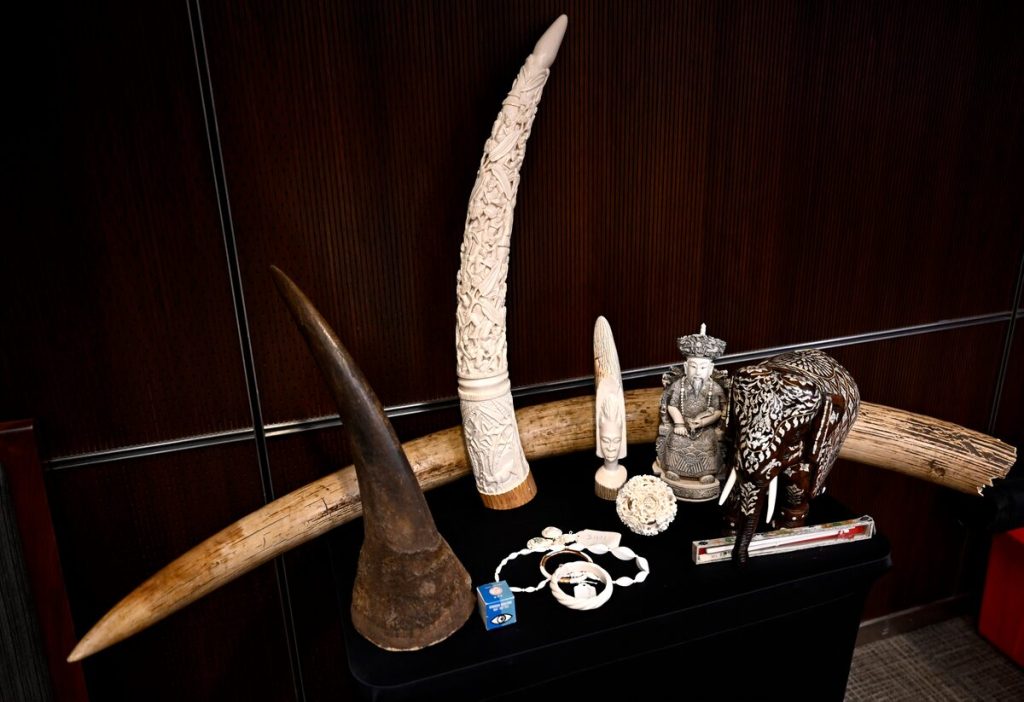
Minister Guilbeault announced the ban on the import of ivory from Elephant tusks and Rhino horns, including hunting trophies and articles carved from ivory, for which it is necessary to obtain a permit. Few exceptions are planned for museums and scientific research.

Elephant ivory and rhino horn imports have been banned by Ottawa
Tightening the laws

The law banning the captivity of great Apes and Elephants is part of a series of laws adopted to better protect animals in Canada and elsewhere in the world.

In 2019, Canada also banned the keeping of Whales and Dolphins in captivity.

WHAT YOU CAN DO TO HELP ANIMALS IN NEED

You can support our work by donating as little as £5 – It only takes a minute but it can last a lifetime for an animal in need.

PLEASE CLICK HERE TO HELP ANIMALS IN NEED

Everyone who donates will receive a Certificate of Appreciation as a thank you for helping animals in need.

The Mission of Protect All Wildlife is to prevent cruelty and promote the welfare of ALL animals. We believe EVERY animal should be treated with respect, empathy, and understanding. We raise awareness to protect and conserve wild, captive, companion and farm animals.

It is vital that we protect animals against acts of cruelty, abuse, and neglect by enforcing established animal welfare laws and, when necessary, take action to ensure that those who abuse animals are brought to justice.

Protect All Wildlife are involved in many projects to protect animals’ rights, welfare, and habitats. Money contributed to Protect All Wildlife supports ALL of our worthy programmes and gives us the flexibility to respond to emerging needs. Your donations make our work possible.