Istanbul Police Bust Wildlife Trafficking Ring As Raid On Illicit Wildlife Museum Reveals Stuffed Endangered Animals Worth $2.3m

Some of the animals illegally killed by Ali Haydar Ustay. Credit: Istanbul Police Department’s Anti-Smuggling and Organized Crime Branch

In an operation conducted in the districts of Sarıyer and Arnavutköy in Istanbul, over 400 taxidermied specimens of protected wild animals were confiscated. The suspect, 85-year-old Ali Haydar Ustay, who established a private museum by hunting animals domestically and internationally, has been apprehended.

During the raid conducted on Wednesday at the identified addresses, over 400 pieces of processed ornamental items and taxidermied animals were seized. New details emerged during the operation, revealing that taxidermied specimens and trophies of wildlife were present. Consequently, Ali Haydar Ustay was apprehended as a “suspect.” During the searches conducted at the addresses, various types of stuffed animals were seized, including Deer, American Antelope, Bison, Jaguar, Crocodile, Bear and Mountain Goat, with an approximate market value of TL 75 million ($2.3).

More of the animals seized by the Istanbul Police Department’s Anti-Smuggling and Organized Crime Branch.

The raid was the final step in detailed physical and technical tracking and resulted in the seizure of over 400 specimens, including species protected under the Convention on International Trade in Endangered Species of Wild Fauna and Flora (CITES).

The haul features taxidermied Polar Bears, Crocodiles, Lions, Jaguars, Cheetahs, Bison, and a notable Mammoth tusk. Authorities have valued the collection at a staggering $2.3 million.

Ustay, known for his extensive hunting expeditions, travelled to 30 countries on six continents to amass his collection. He illegally transported the animals into Turkey via his private aircraft.

The Polar Bear killed by Ali Haydar Ustay. Credit: Istanbul Police Department’s Anti-Smuggling and Organized Crime Branch.

He went to extraordinary lengths to pursue his prey, including a two-week stint in a tree for a Striped Deer and a two-month stay in Canada for a Polar Bear.

The most egregious of his acts include the hunting and killing of the last known Anadolu Tiger in Turkey. “This is not just a crime against nature but a direct assault on our national heritage and biodiversity,” said a General Directorate of Nature Conservation and National Parks spokesperson.

The skin of the last known Anadolu Tiger in Turkey. Credit: Istanbul Police Department’s Anti-Smuggling and Organized Crime Branch.

The discovery of the Tiger’s skin in Ustay’s collection has stirred a wave of outrage among wildlife activists and conservationists.

Authorities have commenced the process of handing over the seized items, including trophies, skins, and other artifacts, to the Directorate of Nature Conservation and National Parks. Ustay is currently undergoing interrogation for his alleged crimes.

WHAT YOU CAN DO TO HELP WILDLIFE

You can support ‘Protect All Wildlife’ many projects by donating as little as £5 – It only takes a minute but it can last a lifetime for an animal in need. Please donate below.

Donate Here: Please Help Animals In Need

Everyone who donates will receive a Certificate of Appreciation as a thank you for helping animals in need.

The Mission of Protect All Wildlife is to prevent cruelty and promote the welfare of ALL animals.

We believe EVERY animal should be treated with respect, empathy, and understanding. We raise awareness to protect and conserve wild, captive, companion and farm animals.

It is vital that we protect animals against acts of cruelty, abuse, and neglect by enforcing established animal welfare laws and, when necessary, take action to ensure that those who abuse animals are brought to justice.

Protect All Wildlife are involved in many projects to protect animals’ rights, welfare, and habitats. Money contributed to Protect All Wildlife supports ALL of our worthy programmes and gives us the flexibility to respond to emerging needs. Your donations make our work possible.
Donate Here: Please Help Animals In Need

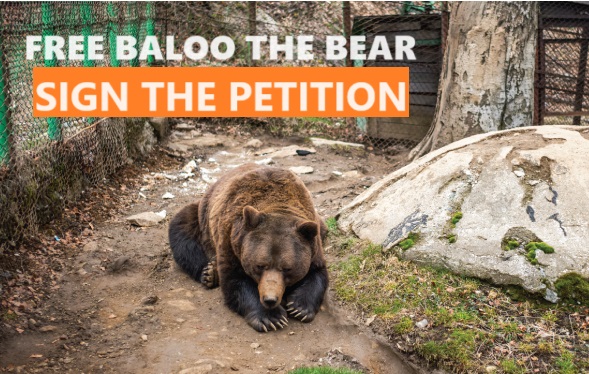
Help Save Baloo: A Bear Trapped In A Cage For The Last 23-YEARS!

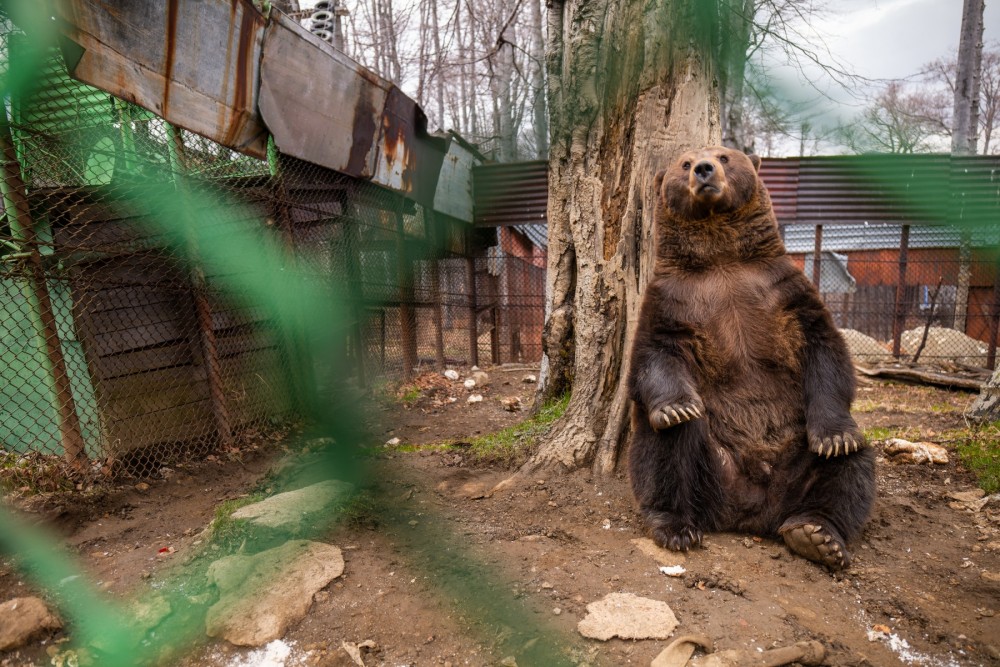
BALOO THE BEAR HAS BEEN LOCKED UP IN A CAGE FOR 23 YEARS CREDIT: JASPER DOEST

Baloo the Bear has been locked up in a cage at a ski resort in Romania under horrific conditions for 23 years. But together with our supporters around the world, we are working to rescue Baloo from this nightmare.

Baloo was found injured as a cub in the Romanian wilderness and was taken in by park rangers for medical care. However, instead of being released back into the wild, Baloo ended up as private property of a ski resort. Despite a 2005 ban by the Romanian government on private individuals keeping Bears, enforcement of the law has been lax, resulting in the bear’s ongoing confinement.

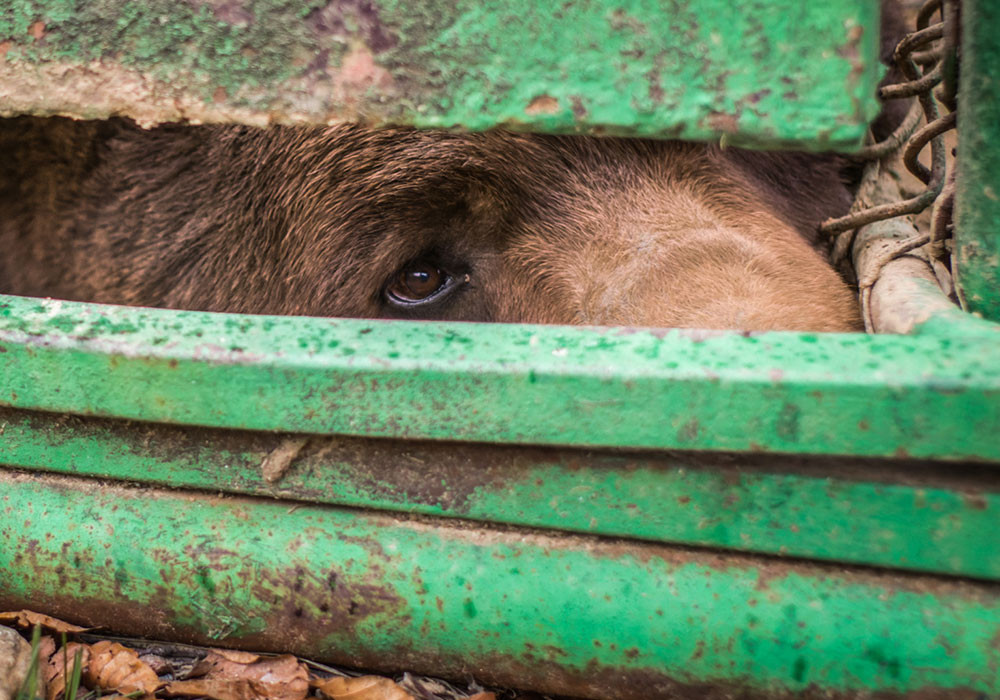
Baloo has been living on display in a tiny cage next to a ski lift and is poorly cared for. He is fed cornflakes and lemonade, sometimes even alcohol to drink, and children frequently poke him through the bars of the cage with sticks. This is no life for a bear.

HELL ON EARTH! CREDIT: JASPER DOEST

23 years ago, Baloo was found wounded in the mountains and he was taken to a hospital by the mountain rescuers from Straja. When he recovered, he came into the care of the businessman Emil Părău, who turned him into the resort’s mascot and has refused to give him up under any circumstances. Although it is obvious that it would be better for him to live among the old oaks of the Bear Sanctuary in Zărnești.

Two other Bears, Puppy and Pamy, would have tasted the same cake of frustration if they hadn’t been confiscated and released in the sanctuary at Zarnesti. They grew big and handsome, while poor Baloo remains to serve his punishment.

Animal protection organisations have been trying for years to free Baloo with no success. But fortunately, a petition started by Dutch television host, Floortje Dessing, is drawing much needed global attention to his cause. Floortje’s show “Floortje gaat mee” (“Floortje Goes Along” in English), explores the complex relationships between humans and animals. In the episode, she shows first-hand the distressing conditions Baloo faces. 

BALOO THE BEAR: AN UNWILLING MASCOT!

Join us in our efforts to liberate Baloo from a lifetime of misery by signing the petition now!

23 years in an undeserved prison!

23 years of stress, inappropriate food, even alcohol given to him through steel bars!

23 years of objects thrown at him, noise, and lack of hibernation!

A mascot in a European resort, for selfish “love”… This is how Baloo lives his life in Straja, Hunedoara county.

HELP FREE BALOO FROM HIS LIVING HELL! CREDIT: JASPER DOEST

Please The Petition Here: FREE BALOO FROM A LIFE OF SUFFERING!

WHAT YOU CAN DO TO HELP ANIMALS IN NEED

You can support our work by donating as little as £5 – It only takes a minute but it can last a lifetime for an animal in need.

CLICK HERE TO DONATE PLEASE HELP ANIMALS IN NEED

Everyone who donates will receive a Certificate of Appreciation as a thank you for helping animals in need.

The Mission of Protect All Wildlife is to prevent cruelty and promote the welfare of ALL animals.

We believe EVERY animal should be treated with respect, empathy, and understanding. We raise awareness to protect and conserve wild, captive, companion and farm animals.

It is vital that we protect animals against acts of cruelty, abuse, and neglect by enforcing established animal welfare laws and, when necessary, take action to ensure that those who abuse animals are brought to justice.

Protect All Wildlife are involved in many projects to protect animals’ rights, welfare, and habitats. Money contributed to Protect All Wildlife supports ALL of our worthy programmes and gives us the flexibility to respond to emerging needs. Your donations make our work possible.
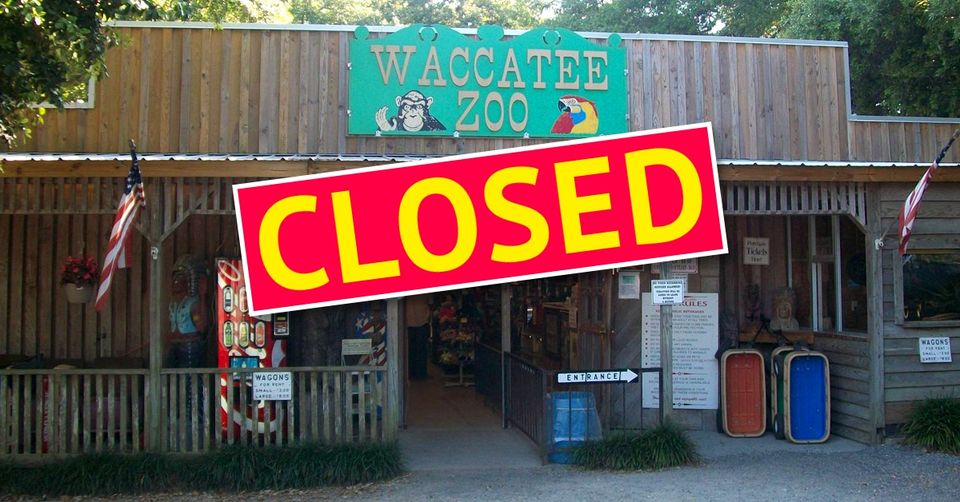
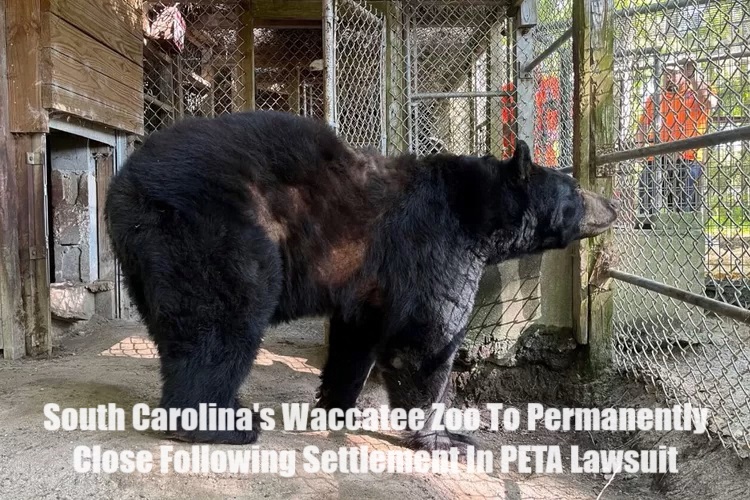
South Carolina’s Waccatee Zoo To Permanently Close Following Settlement In PETA Lawsuit

A Bear removed from the Waccatee Zoo.  PHOTO: PETA

In its complaint, the animal rights organization described Waccatee Zoo as “one of the worst roadside zoos in America”

A South Carolina roadside zoo will permanently close following the settlement of a federal lawsuit brought on by People for the Ethical Treatment of Animals (PETA).

In a press statement Thursday, the animal rights organization said the Waccatee Zoo in Horry County will be permanently closed. Additionally, as part of the settlement, per PETA, the operators of the South Carolina facility are banned from owning or exhibiting wild or exotic animals, breeding domestic animals, exploiting domestic animals for profit, and working or volunteering at other roadside zoos.

In its lawsuit filed under the federal Endangered Species Act and South Carolina’s public nuisance law in April 2022, PETA described Waccatee Zoo as “one of the worst roadside zoos in America.” The complaint alleged the zoo’s operators confined and exhibited more than 460 animals and that the facility’s conditions deprived them of “adequate veterinary care, shelter, food, and water.”

An attorney for the Waccatee Zoo and the defendants, Reese Boyd III, told the Myrtle Beach Sun News that the lawsuit has been settled and the facility will be shut down. He said that his client’s agreement to the settlement terms was not an admission “to the exploitation of animals in their care” – adding that a number of PETA’s accusations were “factually untrue,” per the newspaper.

PETA also said in the lawsuit that it regularly received complaints about Waccatee from zoo visitors.

“Day after day, animals at Waccatee sway and pace back and forth—unnatural behaviors that signify the animals’ needs are not being met,” read PETA’s lawsuit. “Many animals experience negative stress due to small, insufficiently enriched spaces that provide little to do, offer inadequate opportunities to socialize, and are affirmatively dangerous.”

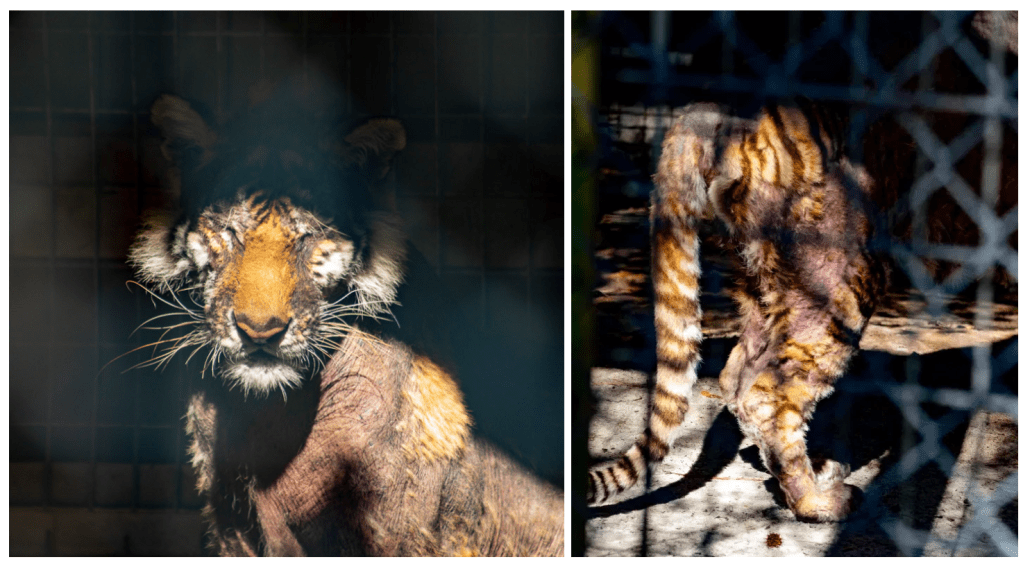
The lawsuit cited the case of Lila, a tiger who either died in late 2020 or 2021, saying that she “became so emaciated that much of her skeleton—including her vertebrae, scapula, shoulder, hip, and other joints—was visible through her skin.” The complaint also alleged that other animals at the zoo experienced hair loss and emaciation—adding that “isolated, frustrated, and bored animals exhibit alarming and repetitive behavior, indicating that they are experiencing psychological distress.”

Emaciated Lila suddenly disappeared resulting in PETA asking for a necropsy report.

Lila passed away after a fall from old age, zoo owner Jeff Futrell said.

According to a letter PETA sent to Waccatee Zoo on Feb. 25, the organization wanted answers to the whereabouts of Lila after she was the subject of a PETA campaign because of her ill health.

“After months of wasting away, losing fur, and turning in endless circles in her dismal cage, Lila has disappeared—and PETA is asking whether she died, in pain and in the cold, and if her death is being covered up,” says PETA Foundation Associate Director of Captive Animal Law Enforcement Michelle Sinnott. “Nothing can undo Lila’s suffering, and PETA is calling on Waccatee Zoo to release the other big cats before they suffer as she did.”

And now, PETA is asking the owners of the zoo to release the necropsy report.

In a press statement, Brittany Peet, PETA’s general counsel for captive animal law enforcement, responded to the settlement: “This victory blocks Waccatee’s operators from ever again mistreating wild animals as they did for decades. PETA is delighted to see the survivors thriving in their new sanctuary home and will continue to ask everyone to help us advocate for all animals still trapped in roadside zoos by never patronizing such operations.

In May, PETA and The Wild Animal Sanctuary (TWAS) rescued nine remaining animals left at the Waccatee Zoo. Among the animals retrieved were a llama, two North American black bears, and six emus. PETA said the rescued animals would head to a TWAS sanctuary in Colorado.

WHAT YOU CAN DO TO HELP WILDLIFE

You can support ‘Protect All Wildlife’ by donating as little as £1 – It only takes a minute but it can last a lifetime for an animal in need. Please donate below.

Everyone who donates will receive a Certificate of Appreciation as a thank you for helping animals in need.

The Mission of Protect All Wildlife is to prevent cruelty and promote the welfare of ALL animals.

We believe EVERY animal should be treated with respect, empathy, and understanding. We raise awareness to protect and conserve wild, captive, companion and farm animals.

It is vital that we protect animals against acts of cruelty, abuse, and neglect by enforcing established animal welfare laws and, when necessary, take action to ensure that those who abuse animals are brought to justice.

Protect All Wildlife are involved in many projects to protect animals’ rights, welfare, and habitats. Money contributed to Protect All Wildlife supports ALL of our worthy programmes and gives us the flexibility to respond to emerging needs. Your donations make our work possible.
Conservation Groups Launch Lawsuit To Protect Grizzlies & Lynx From Forest Clearcutting Project Near Yellowstone National Park

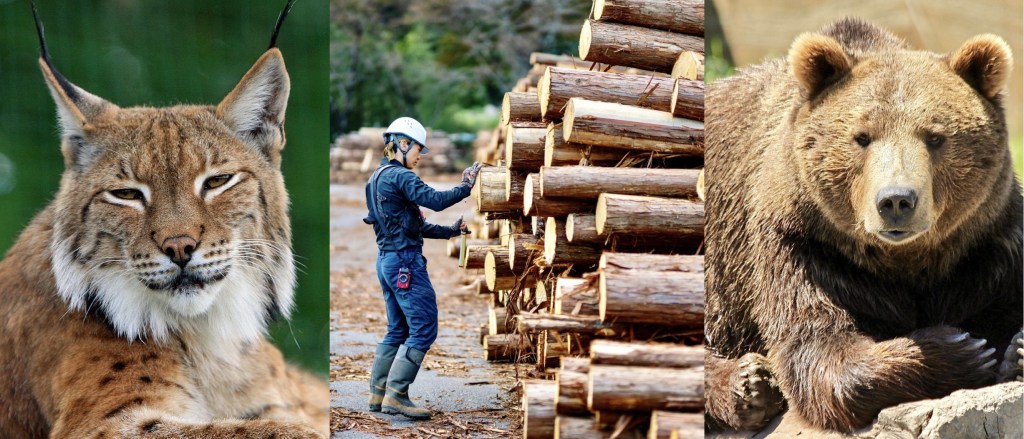
Conservation groups have filed a formal notice of their intent to sue the U.S. Forest Service and U.S. Fish and Wildlife Service for approving a massive timber sale on the border of Yellowstone National Park that would destroy habitat for Grizzly Bears, Lynx, and other embattled wildlife.

The South Plateau project proposes to clearcut more than 5,500 acres of pine forest in the Custer-Gallatin National Forest. The project also calls for logging on an additional 9,000 acres and bulldozing up to 56 miles of roads, many through mature, old-growth forests.

“This reckless project was approved without considering its threats to Grizzly Bears, Lynx, and other wildlife,” said Kristine Akland, Northern Rockies director and senior attorney at the Center for Biological Diversity. “The fragile Yellowstone ecosystem surrounding this iconic national park is vital for Montana’s rich biodiversity and climate. This project must be stopped before our beautiful backcountry forests are bulldozed.”

The Forest Service approved the logging project without identifying the locations, timing or scope of the logging units or roads. Instead, the agency said it will make those decisions when crews are on the ground, which inhibits analysis of potential harm to protected species and prevents public involvement.

“The Forest Service needs to drop the South Plateau project and quit clearcutting old-growth forests,” said Mike Garrity, executive director of the Alliance for the Wild Rockies. “Especially clearcutting and bulldozing new logging roads in grizzly habitat on the border of Yellowstone National Park.”

“Clearcutting high-elevation lodgepole forests across thousands of acres is not going to improve ecological conditions and will not help protect communities from wildfire as the Forest Service claims,” said Adam Rissien, a rewilding advocate at WildEarth Guardians. “Rather, this is another misguided, old-style timber sale that will undermine the forest’s ability to store carbon.”

The project allows for significantly more logging and road building than is authorized by the Custer-Gallatin Forest plan. The notice also says that the South Plateau project will destroy and remove thousands of acres of habitat for Grizzly Bears and Lynx, which are both listed as threatened under the Endangered Species Act.

The plan conflicts with President Biden’s pledge to protect old-growth and mature forests and trees, an important climate solution because they absorb and store tons of carbon.

WHAT YOU CAN DO TO HELP WILDLIFE

You can support ‘Protect All Wildlife’ by donating as little as £1 – It only takes a minute but it can last a lifetime for an animal in need. Please donate below.

Everyone who donates will receive a Certificate of Appreciation as a thank you for helping animals in need.

The Mission of Protect All Wildlife is to prevent cruelty and promote the welfare of ALL animals.

We believe EVERY animal should be treated with respect, empathy, and understanding. We raise awareness to protect and conserve wild, captive, companion and farm animals.

It is vital that we protect animals against acts of cruelty, abuse, and neglect by enforcing established animal welfare laws and, when necessary, take action to ensure that those who abuse animals are brought to justice.

Protect All Wildlife are involved in many projects to protect animals’ rights, welfare, and habitats. Money contributed to Protect All Wildlife supports ALL of our worthy programmes and gives us the flexibility to respond to emerging needs. Your donations make our work possible.
“You’re Way Too Close” – Yellowstone Tourists Ignore Park Rangers’ Attempts To Keep Them Away From Bear

A large group of tourists have been caught on camera at Yellowstone National Park refusing to move away from a Bear, despite intervention from two Park Rangers. 

In the video, which you can watch below, at least eight people with cameras and phones are gathered near a Black Bear while Rangers attempt to move them along, explaining that it’s for their own safety and that of the animals, and that the rules apply to everyone. Despite these warnings, a few people refuse to budge until they’re satisfied with their pictures, despite the Rangers standing right in front of them.

“Yellowstone National Park isn’t Disney Land. Everything here is beautiful but has the potential of serious harm or death. This bear was 35 yards off the Road don’t get out of your car. It’s a wild animal and can go from grazing to attack in a moment. A man had his kids out of the car 35 yards from a big Black Bear and accused the Rangers of taking the fun out of it. Yellowstone is not a zoo animals can be unpredictable. Be smart be safe and give the animals their space. Stay in your car when they are close to the road.”

“The lack of respect for the rangers and wildlife is beyond infuriating. These people need to understand Yellowstone is not a petting zoo” said one onlooker.

YOU’RE WAY TOO CLOSE!

Now that hiking season is in full swing, there has been a worrying rise in close calls. In recent weeks, visitors have been spotted jumping out at Bearsattempting to pet Bison, and harassing Elk. There have been so many incidents, the National Park Service (NPS) issued a statement asking people to give wildlife space and show animals respect at Yellowstone.

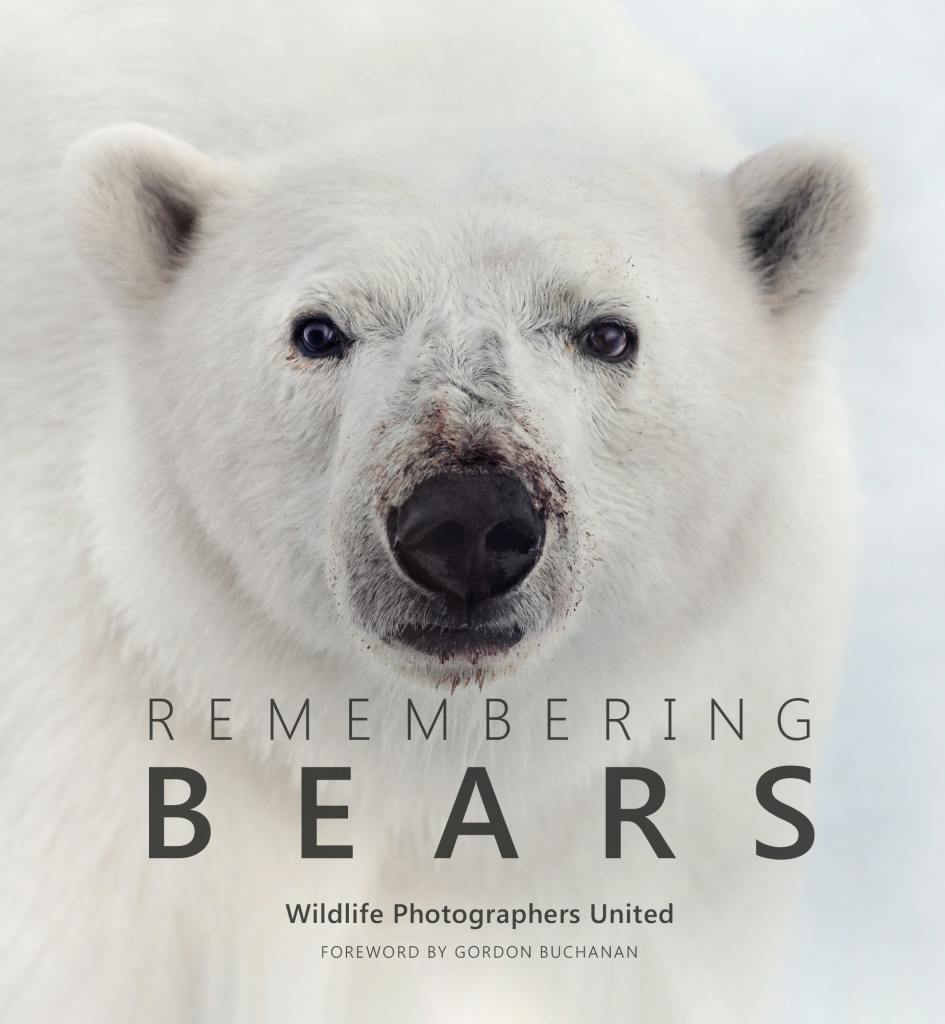
Remembering Wildlife, Remembering Bears. A Review Of The Book Raising Funds For The Protection Of Bears.

“The greatness of a nation and its moral progress can be judged by the way its animals are treated” ~ Mathatma Gandhi.

A new book aims to raise awareness of the plight facing Bears and to raise money to protect them. This is the latest book in the Remembering Wildlife series which has so far raised more than £952,000 for conservation through book sales around the world.

“There can be few species that we humans have such a contradictory relationship with, than Bears. From hugging toys of them at night as children, to labelling them as anything from a nuisance to a threat, entertainment to medicine, we are nothing but hypocritical in how we relate to this most awe inspiring creature. At Remembering Wildlife, we believe it is time to stop and think about this contradiction.

As you’ll see in this stunning collection of images, the eight Bear species roam from ice sheets to forests, meadows to mountains. From tender moments with their young, to fierce territorial battles between males, we tell their story in a way that commands respect, awe and reappraisal.

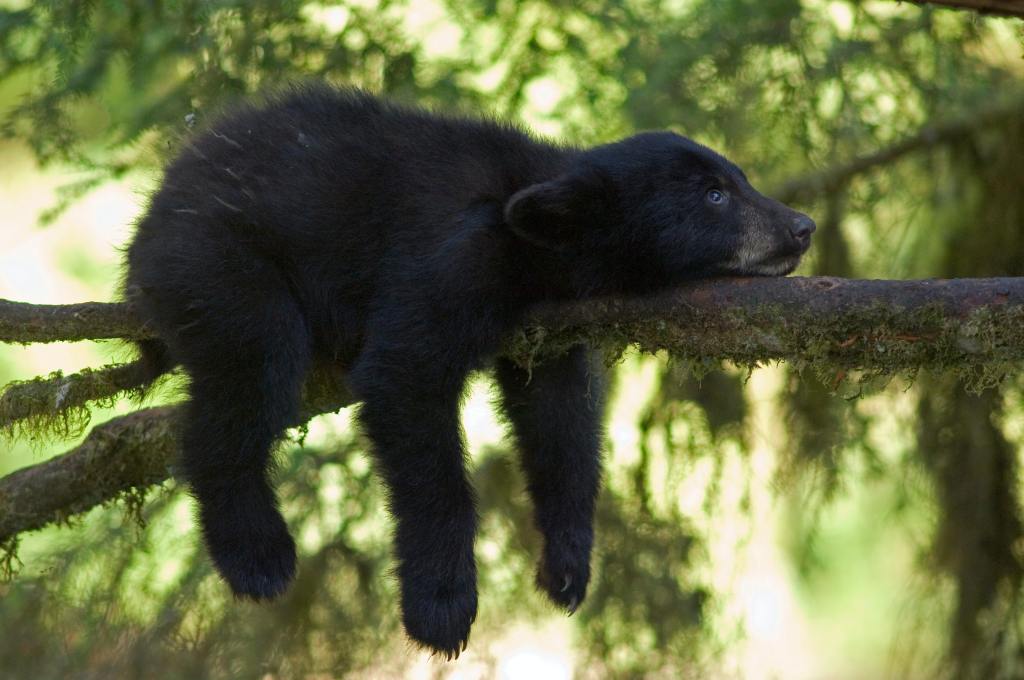
American Black Bear (Ursus Americans) by Amy Gulick Tongass. National Forest, Alaska This Black Bear cub was sent up a tree by its mother for safekeeping while she fished in the stream below. It was an unusually hot day and the cub flopped out on the branch until mom gave the signal to come down for a meal.

With this book, we aim to shine a spotlight on their diversity and beauty, their resilience and fortitude and most importantly, to raise funds for those working to protect them. We are supported in this mission once again by many of the world’s top wildlife photographers, who have all generously donated their work. Together, we are determined to stand up for Bears and penetrate the moral consciousness of all those who would exploit or see them destroyed. Because the planet would be poorer without them” – Margot Raggett, Remembering Wildlife Founder.

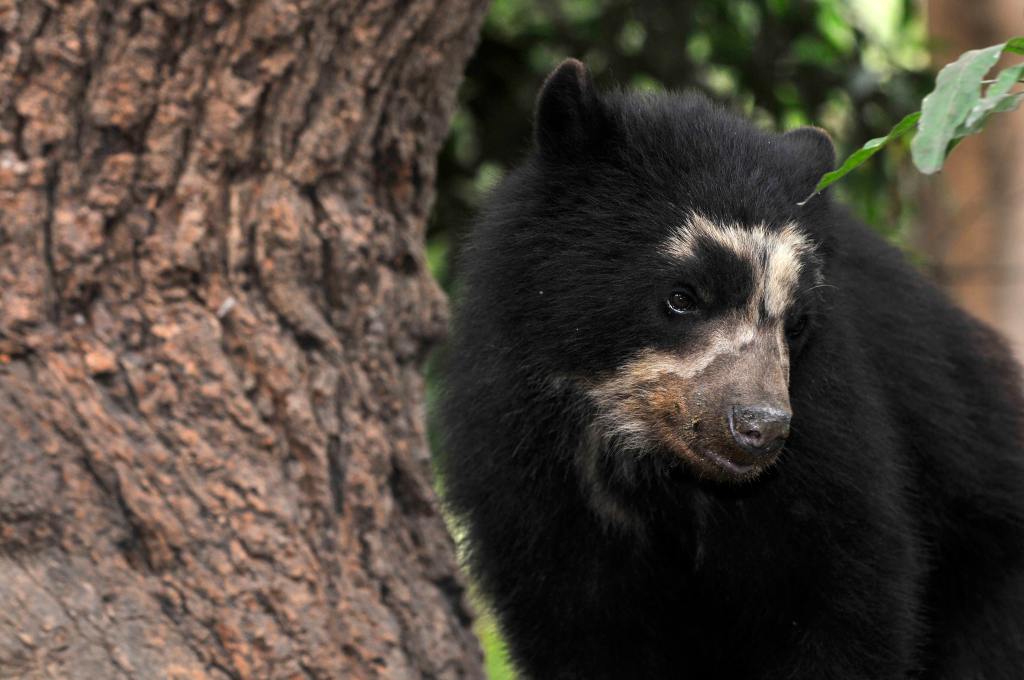
Chaparri Ecological Reserve, Peru Andean Bear. Photographer Daniel Rosengren was visiting a bear sanctuary in Chaparri when suddenly this wild bear appeared and climbed a tree. Staff explained it visited sometimes and was not shy.

All profits from the sale of the book will be used to support projects working to protect Bears.

Each turn of the page reveals another striking image of one of the eight Bear species –American Black Bear, Andean Bear, Asiatic Black Bear, Brown Bear, Giant Panda, Polar Bear, Sloth Bear and Sun Bear – revealing tender moments with family members, fierce territorial battles and the harsh reality of life as a bear, for example, when searching for food.

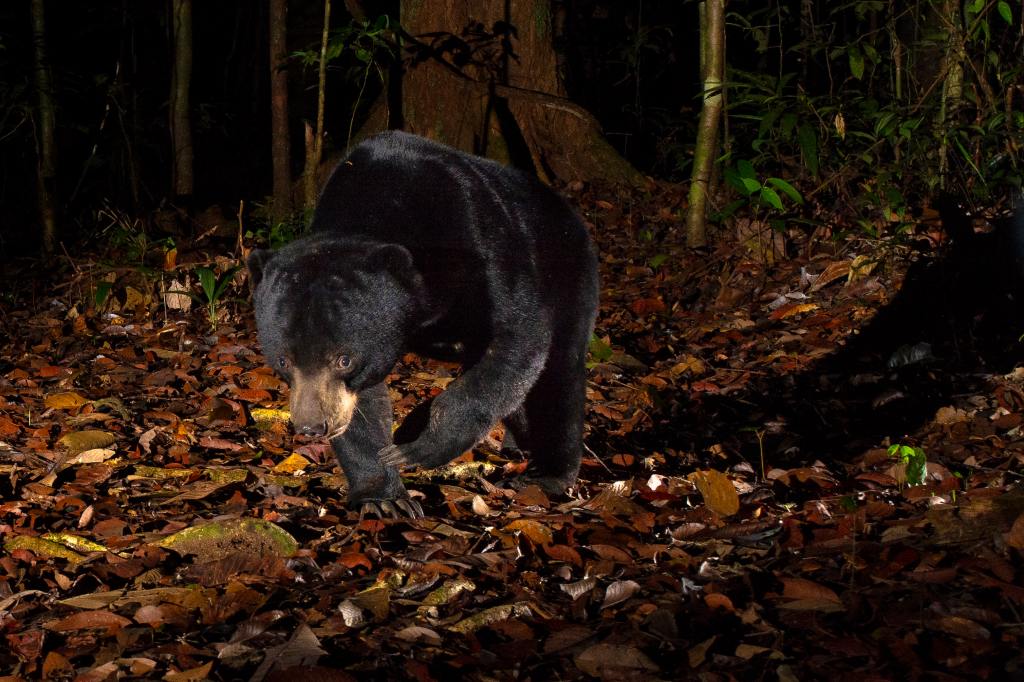
Sun Bear (Helarctos malayanus) by Tim Laman Gunung Palung National Park, West Kalimantan, Indonesia Sun Bears are rare, and this image was one of a handful of obtained during two years of intensive camera trapping, deep in the remote rainforest of Gunung Palung National Park in Indonesian Borneo.

Actor and comedian Ricky Gervais has endorsed the book, saying it is: “A wonderful book that shows how beautiful Bears are and just what we have to lose if we don’t stand up for them now. They deserve better.”

The hardback coffee table book is a collection of 88 stunning images taken by the world’s top wildlife photographers – including Marsel van Oosten, Art Wolfe, Frans Lanting, Greg du Toit and Daisy Gilardini – who have generously donated images to help protect Bears in the wild.

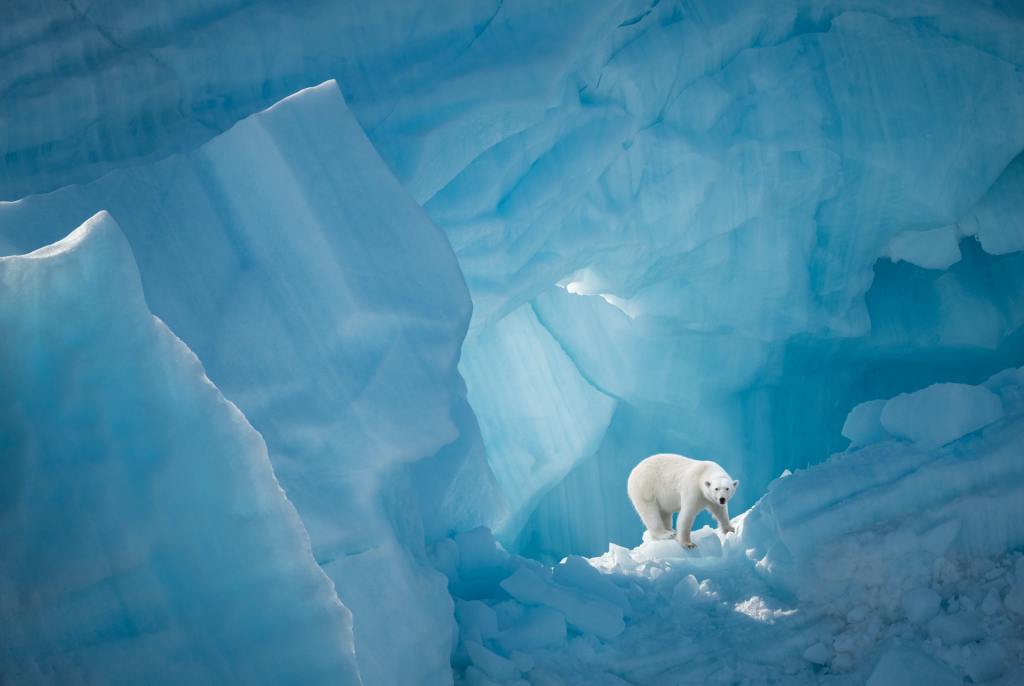
Polar Bear (Ursus maritimus) by Marsel van Oosten Svalbard. Climate change is not the only threat to Polar Bears. In Canada, the world’s largest exporter of Polar Bear skins, more than 600 Bears are legally killed every year. Hunters worldwide kill more Polar Bears than African Rhinos, which are protected by guards against poaching.

Six out of the eight Bear species are listed by the International Union for Conservation of Nature (IUCN) as Vulnerable or Endangered due to pressures ranging from climate change to human-wildlife conflict. Even those Bears of least concern, such as Brown Bears, are at risk of being lost for good in certain countries.

Founder of Remembering Wildlife Margot Raggett said: “Humans have long had a special relationship with Bears – we hug them at night as children and love seeing them in story books and on screen. Yet, in the real world, they’re not always viewed with the same affection and can been seen as a nuisance or a threat.

“Some face lives of misery – as dancing Bears, illegally trafficked as pets or used for medicine – or face serious threats and extinction through climate change, hunting or human-wildlife conflict.

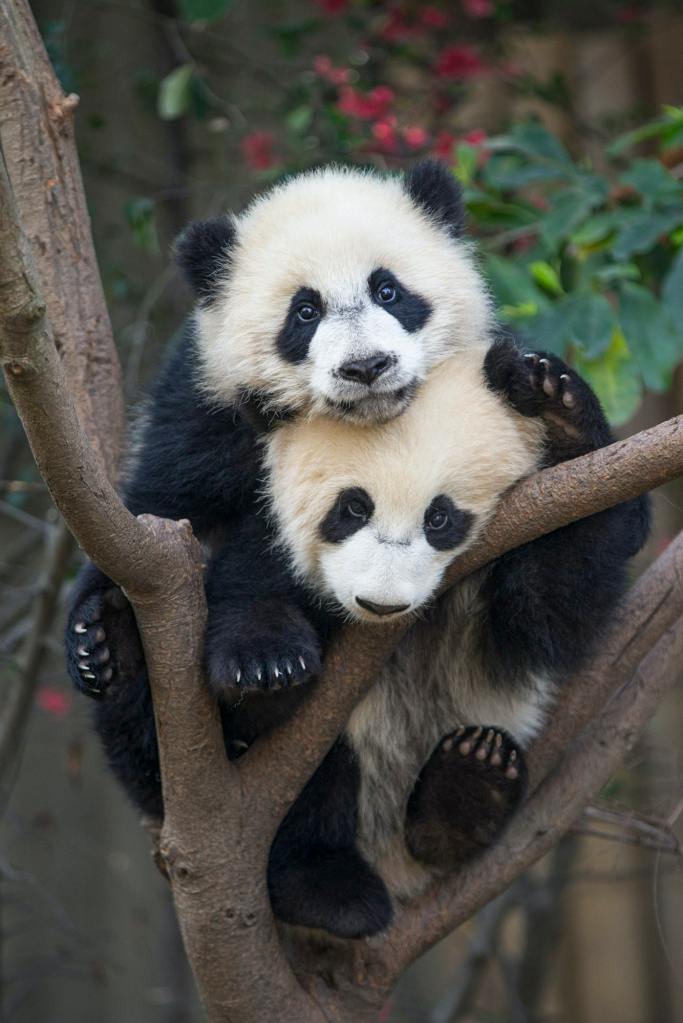
Giant Panda (Ailuropoda melanoleuca) by Suzi Estzerhas. Two playful seven-month-old Giant Panda cubs in a tree Chengdu, China

“Through images and words, this book shines a spotlight on their diversity, beauty and resilience as well as raising awareness of their plight and raising funds for organisations passionately fighting for the future of Bears.”

The foreword for the book is by award-winning wildlife filmmaker, presenter and public speaker Gordon Buchanan MBE.

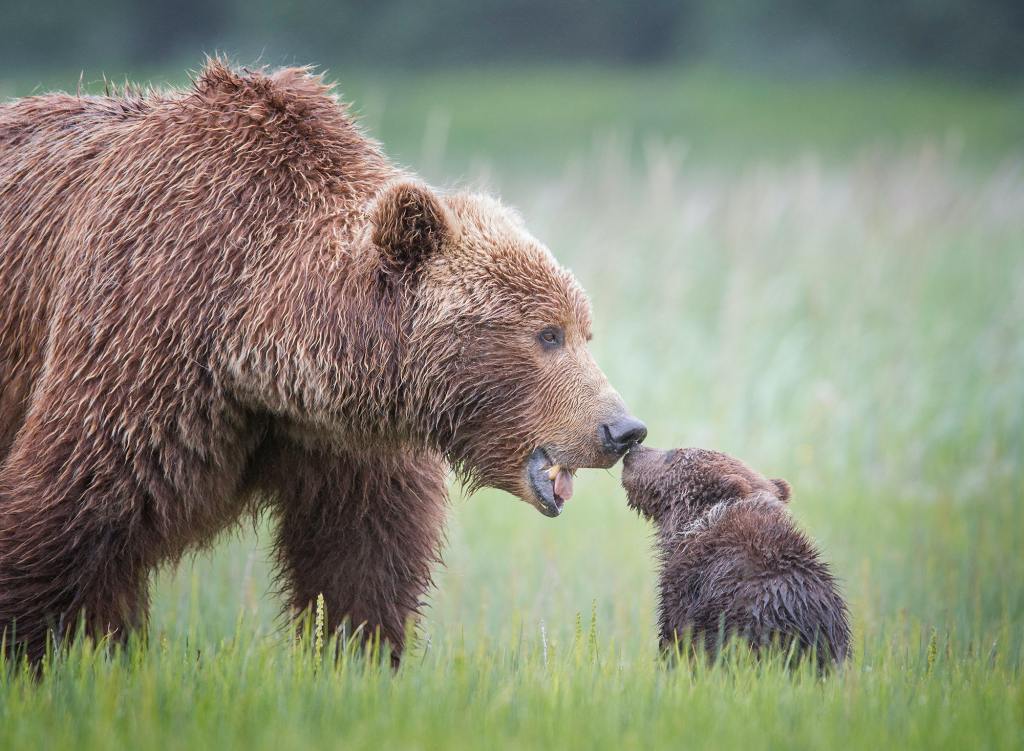
Brown Bear (Ursus arctos) by Tin Man Lee Lake Clark National Park, Alaska. After three hours lying motionless in remote Alaska, the photographer caught this picture of a spring cub waking up from a deep sleep and sitting up, with mother Bear, who was 20 feet away, dashing back to give a cub a nose touch.

Further information about Remembering Wildlife can be found here .

To find out more about the projects that Remembering Wildlife has already funded, click here

Each book costs £45 GBP (approximately $50 USD) and copies can be ordered at Remembering Wildlife