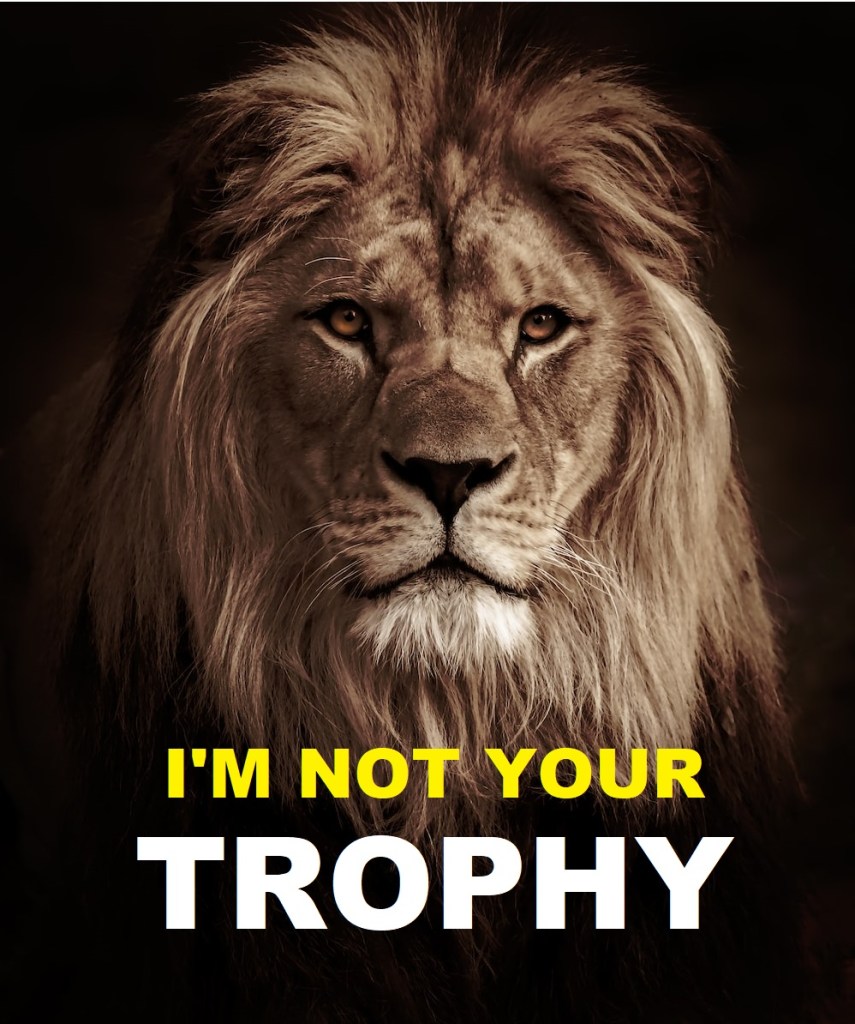
An Open Letter To Carl Knight – Last Of The Great White Hunters (Satire)

Dear Carl Knight,

When I got wind of your courageous exploits, I felt I had to congratulate you. For a start, you are British. We adore the British – they are our second favourite colonialists. The first, obviously, are the Dutch. They gave us the Afrikaners who in turn gave us apartheid. What’s not to love about apartheid, right? Was that the reason your parents moved to South Africa in 1980?

Your efforts to encourage tourism to South Africa in these fraught times are laudable, indeed. It’s not easy these days to find a Brit who is interested in anything other than Brexit and that tawdry harlot, Meghan Markle. 

Even though you’re only 46 and hail from Epsom, Surrey, you have your very own company operating out of Johannesburg. It’s called Take Aim Safaris. At first I thought it might be another of those bunny-fondling outfits that think the best way to shoot animals is with a camera. Ha! Poor fools. Unlike you, sir, they have clearly never cradled a 300 Winchester Magnum in one arm and a high-class prostitute in the other.

And you named your eldest son Hunter! You wouldn’t expect a man who enjoys shooting animals in the face to have a sense of humour. Well done.

You spotted a gap in the market. As the plague is still very much with us, people are understandably reluctant to travel. That’s until you reminded them that with fewer hunters around, wild animals have been breeding like, well, wild animals. You can barely walk anywhere in South Africa right now without bumping into an elephant.
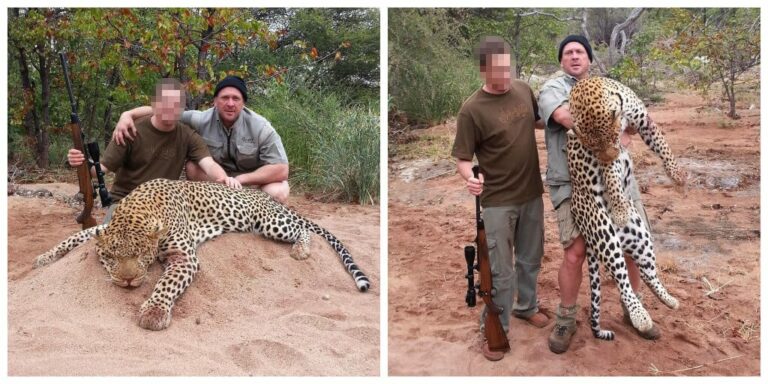
So you fired off a newsletter to 3,000 of your clients around the world encouraging them to come here and kill a bunch of stuff for sport. And what a sport it is! Okay, maybe not so much for the animals, but they don’t pay taxes and won’t be missed.

You wrote, “Big elephant and trophy buffalo + hippo, croc are plentiful. The areas are well rested, the animal movement is fantastic.” Let’s see how fantastically they move with a 5.56-caliber bullet lodged in their brain haha.

“I have quota available on the big cats: leopard and lion plus elephant bulls at unbeatable prices.” This is great news. I have never trusted an animal that can’t change its spots. Leopards are duplicitous, violent brutes and I am delighted to hear that they are now on special. Lions, too, will pretend to befriend you, then have your throat out just for the sport of it. They are cats, after all. Did you know this? Or do you simply judge everything with four legs according to the price tag on its hairy ass? Fair enough.

Some of your prices do seem a bit steep. $8 for a guinea fowl? Leave a trail of breadcrumbs into your oven and they’ll cook themselves. $150 for a mongoose? Can’t be much left, especially if you’re using hollow-point ammo. And $75 for a vervet monkey? Daylight robbery, that is. Porcupines are priced right at $300. Even though it’s more of an execution than a hunt, you could still get a quill in the eye if you were very drunk and had to fall on him.

In a recent interview with African Hunting Gazette, you said you shot your first leopard at 16. Impressive! I hadn’t even had my first blowjob by that age and there you were on a wild killing spree. Have you had your first blowjob yet? No matter. It’s the killing that’s important.
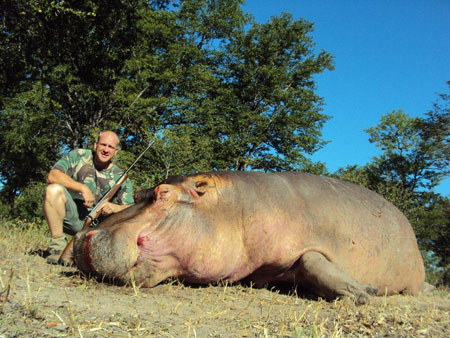
I love that you hunted for a Christian drug rehab in the Northern Cape when you were younger. You gave them more meat than they knew what to do with. That’s a David Lynch movie, that is. Produced by Oliver Stone. Featuring a young Sylvester Stallone as you.

You’ve hunted all over – Mozambique, Botswana, Zimbabwe … you even shot a bear in Russia. I suppose he didn’t understand when you shouted, “Hands up! Don’t move or I’ll shoot!” You also said Namibia is a great place to hunt. 

“Namibia reminds me of South Africa 30 years ago with its low human population and massive open spaces.” Yep, there was hardly anyone living in South Africa in 1991. An easy mistake to make, what with 40 million people being tucked away out of sight. As for the massive open spaces, well, you had the Group Areas Act to thank for that.
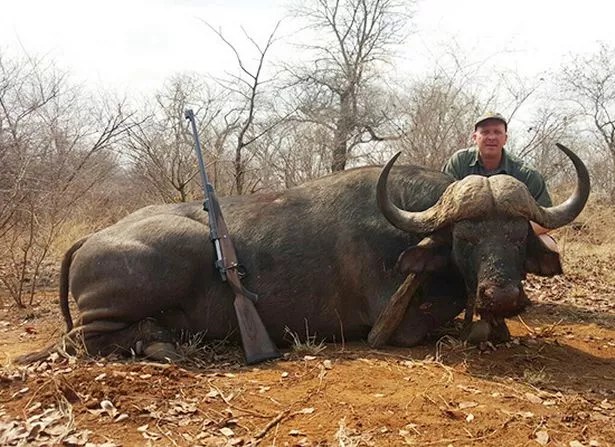
The magazine asked what’s your favourite animals to hunt and you said, “Dagga Boys!” What? That was the name of my gang when I was growing up. But you were talking about something else. “Such an exciting hunt … it’s kill or be killed when you’re hunting buffalo.” So you engage in hand-to-hoof combat with these brutes? Respect, bro.

Our president is also into buffalo in a big way. Mainly for breeding purposes, though. No, I don’t mean … never mind.

Your greatest trophy was the buffalo you hunted with your dad in Mozambique. “It was, and remains, the fulfillment of a father and son dream hunt in a perfect environment.”

My greatest trophy was for tennis in Standard 8. It was tiny but I was very proud. My father never taught me how to hunt. Instead, he taught me how to play pool. The thrill just wasn’t the same, although people did die in some of the pubs he took me to. 

You talk fondly of the “38-inch bull in Mozambique that put me firmly on a path I’m still on”. That’s, like, just over a metre? What kind of small-ass bull is that? You might as well have kicked him to death. Anyway, what do I know. I’m sure you believe your wife when she tells you that size isn’t everything.

So the hippo-humpers are saying that many of the animals on your list are endangered. This is nonsense. There are around 400 000 African elephants left in the wild. If you shot a hundred a day, they would last for ten years. That’s not exactly endangered in my book.

There are also 20 000 lions roaming about off their leashes. That’s more than enough lions for everyone. You can get through five a day at least, maybe more if they stop hiding up trees and in cardboard boxes. Sure, their numbers have plummeted by over 40% in the last three generations as a result of hunting, but our national IQ has dropped 40 points in three years as a result of bad education and too much CNN and you don’t see us shooting our stupid people, do you? Damn, this stuff is strong. 

Where was I? Oh, yes. You charge £10,000 to shoot an elephant? That, my friend, is a small fortune in my pathetic currency. And £14,500 to put a bullet into the back of a lion’s head? That’s way too much. Are you on drugs? Tell you what. I’ll give you R10 000 for two baby elephants, three monkeys and a crocodile. You do mix-and-match packages, right? And you do pay your taxes, right?

I see you have lived in Joburg for almost your entire life. It’s completely understandable, then, that you would want to kill everything in sight. And you’ve been organising assassinations ever since 2008? Nice work if you can get it.
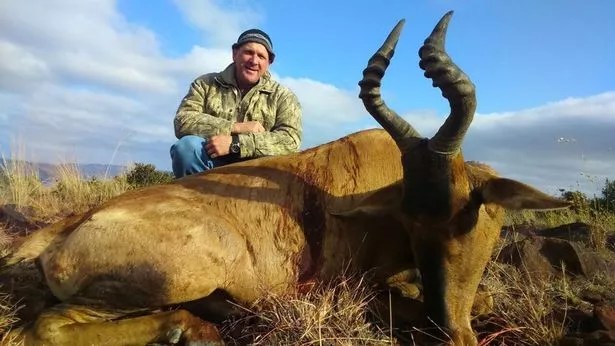
I see those gerbil-suckers over at MailOnline have been questioning your ethics. How very dare they. You told them, “We eat what we hunt … we love and conserve animals.” I’ve often wondered what elephant tastes like. Tough, I imagine. Do you make carpaccio out of the leopards? That would be a winner among the Italians.

You also told the running dogs of the media that “I have broken no laws”. Good one, mate. You and me and Jacob Zuma know it’s impossible to break laws in this country. Well, you can break them alright, but there ain’t jackshit gonna happen to you.

That bastion of truth, The Mirror, asked how you felt about the dwindling number of wild animals in SA. You said they were lying, which they obviously were, and said, “In South Africa we have over 20,000,000 wild animals bred and conserved here. The birth rate per annum is around 3,000,000.” You might want to check your science, son. I think you’re talking about our people, here.
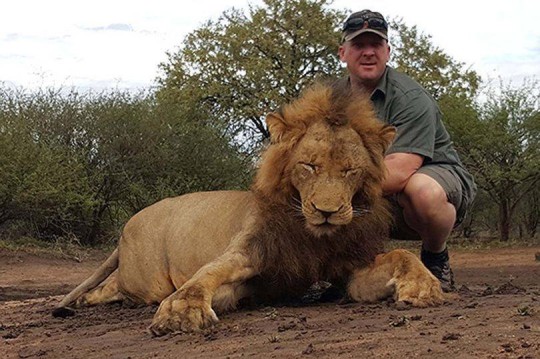
By the way, my friend Ted said you look like a bit of a cunt. You’ll be pleased to know that I had one of the servants horsewhip him soundly. Your name is Knight, for heaven’s sake. You’re a member of the realm. And I do mean member.

I liked the way you wrapped up your interview with that hunting magazine: “For my family and I, there is no life without God.” There’s a rich vein of irony in there somewhere. 

Did you know that if your Boris Johnson had kept his word and implemented the ban on trophy imports pledged in his election manifesto and repeated in the Commons last year, you’d be back in Surrey organising weasel hunts by now?

Our president also has trouble keeping his promises. Politicians, eh? Long may they lie.

An original article written by Ben Trovato

Ben Trovato is the author of thirteen books, although you wouldn’t think so if you had to see his living conditions. His notorious trilogy of letters illuminated the darkest recesses of the human psyche, while his self-help guide went a long way towards boosting divorce and suicide rates. He also wrote a book that almost turned golf into a blood sport and brought out a survival manual that caused more harm than good. With a background in print and television journalism, Trovato’s popular newspaper columns have earned him a wicked reputation and a fatty liver.He can often be found surfing instead of meeting his deadlines. Trovato lives alone with two regrets and a hangover.

Tiger King Star Carole Baskin To Close Big Cat Rescue And Move Wildlife To Arkansas Refuge

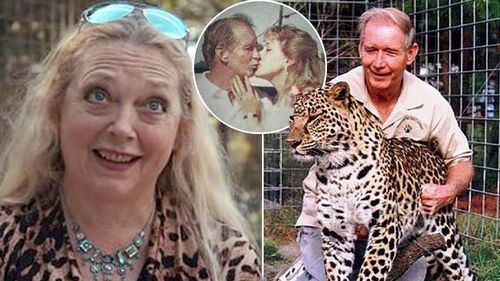
Baskin, who shot to fame in 2020 when her feud with Joe Exotic became a Netflix hit, has decided to close her Big Cat Rescue centre and transfer most of its wildlife from Florida to a sanctuary in Arkansas.

“The win-win solution both for our captive cats and the cats in the wild is for us to merge our cat population with the population at another existing accredited sanctuary.”  

In a memo published on the sanctuary’s website, her husband, Howard Baskin, announced that the 30-year-old center in Tampa has agreed to move most of its cats to the Turpentine Creek Wildlife Refuge.

“We will continue to fund their care for the rest of their lives,” the statement said.

The Big Cat Rescue has provided a safe haven for exotic cats that people have abandoned, mistreated, or retired from performing since 1992. Locals and tourists alike have frequented the rescue, located at 12802 Easy Street.

However, due to the COVID-19 pandemic, the rescue center closed its doors to the public and has not reopened to visitors.

 BCPSA Has Led To A Decrease In Tiger Rescues

The decision to close the center comes after the federal Big Cat Public Safety Act, or BCPSA, was passed, which prohibits cub petting and the private ownership of big cats, including Lions, Tigers, Leopards, Cheetahs, Jaguars, Cougars, or any hybrid of these species.

Howard and Carole Baskin at their Big Cat Rescue sanctuary

“With the passage of the BCPSA, we expect the need for rescues to decline over the coming decade. If the need were going to continue at the pace we saw up until a few years ago, we would be making a different decision,” read the statement.

“Having ended most of the abuse of big cats via the BCPSA, focusing on the third prong of our mission, i.e., maximizing the amount we can donate to in situ projects to save the cats from extinction, is the best way to fulfill our mission and impact the most cats going forward.”

A financial liability

Moreover, mounting expenses have also placed considerable financial pressure on the estate.

According to the Baskins, currently the property’s overhead costs are $1.5 million per year, or over $36,000 per cat.

Carol Baskin, pictured in Tiger King, has announced her Florida property is closing, with 2023 expected to be ‘the most challenging financial year in the sanctuary’s history’.

“As the population declines, it becomes an increasingly inefficient use of donor funds per cat to operate a facility like ours,” Mr. Baskin explained.

“The win-win solution both for our captive cats and the cats in the wild is for us to merge our cat population with the population at another existing accredited sanctuary.”  

He added: “Supporting our cats in larger enclosures at Turpentine Creek, at a much lower cost per cat than we incur by continuing to operate Big Cat Rescue, will free up resources to let us do much more to save big cats in the wild.”

New home for the big cats

Turpentine’s founder and president, Tanya Smith, said that her organization and Big Cat Rescue “share similar ideologies and core values, so it seemed quite logical that Carole and Howard would approach us.”

According to Smith, the sanctuary has already taken measures to accommodate the incoming cats.

“In 2021, [Turpentine] launched a capital campaign initiative to build a visitor education center and museum,” Smith said.

“Part of that project includes a five-year plan to develop another 13 acres on our 459-acre property to provide additional habitats.

“We anticipate the construction will be completed within the next six months. This increased space will not only accommodate the remaining cats at Big Cat Rescue but some additional space for other rescue needs.”

The memo also mentioned that once all the cats at the sanctuary have been moved, the Hillsborough County sanctuary property will be sold, and the proceeds will be used to “fund these species-saving projects in the wild.”

Moreover, Big Cat Rescue will also help fund the building of the enclosures at Turpentine Creek, which “is expected to cost $1.8 million.”

Tiger King

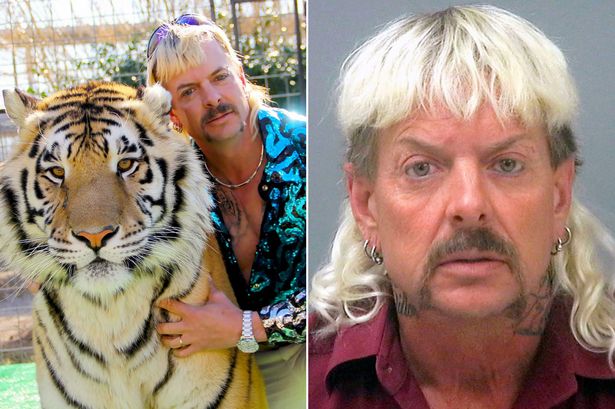
Tiger King ‘star’ Joe Exotic was sentenced to 22 years in prison for hiring a hitman to kill Bastin.

Big Cat Rescue and Carole Baskin caught global attention three years ago when Netflix released its popular Tiger King docuseries.

As well as focusing on the illegal wildlife trade, the documentary followed Baskin’s feud with Joe Exotic, an eccentric zookeeper serving a 21-year sentence for hiring hitmen to kill her.

Exotic accused Baskin of murdering her ex-husband, Don Lewis, and feeding him to their Tigers

In the documentary, Exotic accused Baskin of murdering her ex-husband, Don Lewis, and feeding him to their Tigers. However, Baskin denies these accusations. Don Lewis disappeared without a trace in 1997, and authorities are still investigating his disappearance.

——–((((((()))))))——–

WHAT YOU CAN DO TO HELP WILDLIFE:

You can support ‘Protect All Wildlife’ by donating as little as £1 – It only takes a minute but it can last a lifetime for an animal in need. Please donate below.

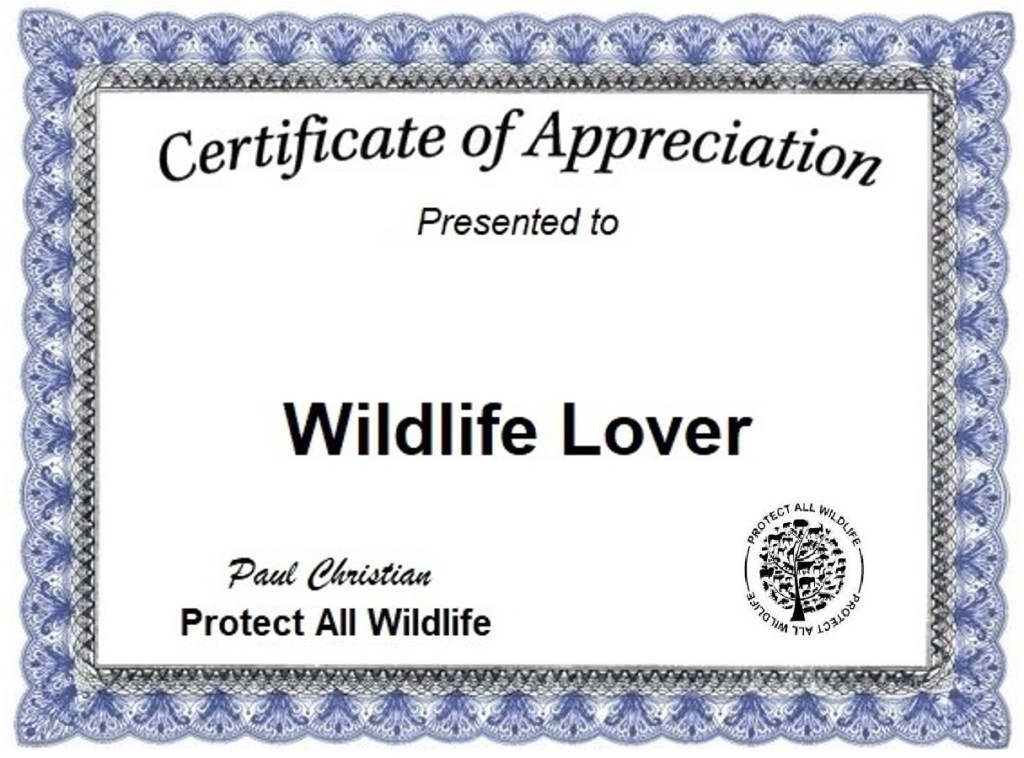
Everyone who donates will receive a Certificate of Appreciation as a thank you for helping animals in need.

The Mission of Protect All Wildlife is to prevent cruelty and promote the welfare of ALL animals.

We believe EVERY animal should be treated with respect, empathy, and understanding. We raise awareness to protect and conserve wild, captive, companion and farm animals.

It is vital that we protect animals against acts of cruelty, abuse, and neglect by enforcing established animal welfare laws and, when necessary, take action to ensure that those who abuse animals are brought to justice.

Protect All Wildlife are involved in many projects to protect animals’ rights, welfare, and habitats. Money contributed to Protect All Wildlife supports ALL of our worthy programmes and gives us the flexibility to respond to emerging needs. Your donations make our work possible.

Victory! Jakarta Bans The Dog & Cat Meat Trade Making It The 21st Jurisdiction In Indonesia To End The Barbaric Industry

Earlier this month, authorities from the Special Area of the City of (DKI) Jakarta, the most populous metropolitan area in Indonesia, which includes the capital city, announced they have banned the dog and cat meat trades, which will save the lives of an estimated 340 dogs and countless cats per day.

Jakarta Bans The Dog & Cat Meat Trade Credit: Jean Chung / HSI

In a significant victory for animal welfare, Jakarta, Indonesia’s bustling capital city, has officially banned the dog and cat meat trades. This decision will save an estimated 340 dogs and countless cats each day. The ban comes after an intensive campaign by Dog Meat Free Indonesia, a coalition that includes Humane Society International (HSI), Jakarta Animal Aid Network, Four Paws, Animals Asia, and Animal Friends Jogja. The coalition exposed the extreme cruelty and zoonotic disease risks inherent in these trades. Jakarta is now the 21st jurisdiction in Indonesia to prohibit such practices.

A Dog And Cat Meat Market In Indonesia

Hollywood actress Kim Basinger, comedian Ricky Gervais and British actor Peter Egan have joined campaigners from the Dog Meat Free Indonesia coalition in celebrating news that Indonesia’s capital city of Jakarta has banned the dog and cat meat trade. The stars sent a video message after the Food Security, Marine and Agriculture Department confirmed Jakarta now becomes the 21st jurisdiction in Indonesia to ban the trade. The move comes in response to an intensive campaign by DMFI, exposing the severe animal cruelty and risks to human health from zoonotic diseases such as rabies.

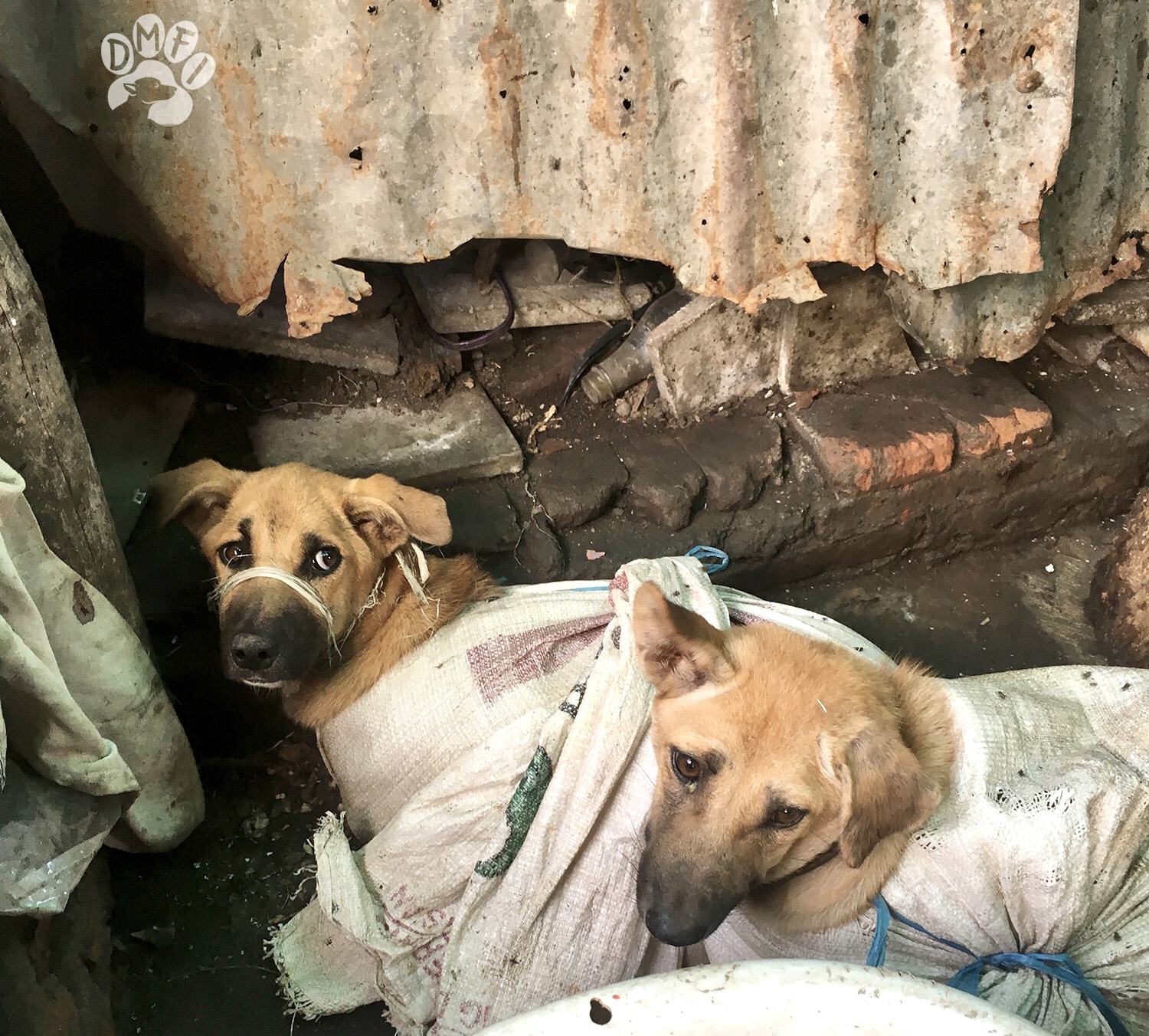
A Dog Awaits Its Fate – Credit: Dog Meat-Free Indonesia

Across Indonesia, more than one million dogs and countless cats are killed every year for meat, most of them stolen pets or strays, snatched from the streets and illegally trafficked on grueling journeys to supply demand hotspots. Many die during this ordeal from heatstroke, dehydration or injuries inflicted during capture and transport. Those who survive are taken to makeshift slaughterhouses where they are bludgeoned and killed in full view of other dogs. DMFI investigations suggest that in Jakarta, an estimated 9,520 dogs per month or around 340 dogs every day are killed for meat.

The Ban Is Too Late For These Dogs -Credit: Dog Meat-Free Indonesia

Lola Webber, director of campaigns to End Dog Meat at Humane Society International, a DMFI member group, commented:

“A dog and cat meat trade ban in Indonesia’s capital city Jakarta is hugely significant, not just because of the thousands of animals killed every year for the city’s trade, but also because it recognizes that this cruel trade risks spreading rabies. Jakarta’s rabies-free status is jeopardized every day that the dog meat trade continues to traffic dogs of unknown disease status into the city.” 

The dog meat trade is now banned in 21 cities and regencies across Indonesia. The regencies are Karanganyar, Sukoharjo, Semarang, Blora, Brebes, Purbalingga, Mojokerto, Temanggung, Jepara and Magelang. The cities are Salatiga, Malang, Semarang, Magelang, Blitar, Mojokerto, Medan, Surabaya and now, Jakarta.

Globally, intolerance of animal cruelty and concern for human health is seeing an ever-growing number of countries, territories, provinces, regencies and cities passing explicit laws prohibiting the trade in and slaughtering and consumption of dogs and cats.

——–((((((()))))))——–

WHAT YOU CAN DO TO HELP WILDLIFE:

You can support ‘Protect All Wildlife’ by donating as little as £1 – It only takes a minute but it can last a lifetime for an animal in need. Please donate below.

Everyone who donates will receive a Certificate of Appreciation as a thank you for helping animals in need.

The Mission of Protect All Wildlife is to prevent cruelty and promote the welfare of ALL animals.

We believe EVERY animal should be treated with respect, empathy, and understanding. We raise awareness to protect and conserve wild, captive, companion and farm animals.

It is vital that we protect animals against acts of cruelty, abuse, and neglect by enforcing established animal welfare laws and, when necessary, take action to ensure that those who abuse animals are brought to justice.

Protect All Wildlife are involved in many projects to protect animals’ rights, welfare, and habitats. Money contributed to Protect All Wildlife supports ALL of our worthy programmes and gives us the flexibility to respond to emerging needs. Your donations make our work possible.

A Ban On The Import Of Animal Hunting Trophies Into The UK Set To Become Law.

Plans to ban imports of animal hunting trophies to Great Britain are set to become law.

The government has backed legislation which would stop hunters bringing back body parts of thousands of species, including Lions, Rhinos, Elephants and Polar Bears, killed abroad.

Tory MP Henry Smith, who proposed the bill, said it would help conserve the world’s most endangered species.

It was approved by MPs and will now face further scrutiny in the Lords.

As it has the support of the government, the Hunting Trophies (Import Prohibition) Bill is likely to become law.

Every year, hunters from the UK travel abroad, often to southern Africa, and pay thousands of pounds to legally shoot animals, such as Lions and Elephants.

Under current rules, with the right paperwork, they can then bring trophies, such as stuffed heads or horns, back to the UK.

Campaigners backing the bill had feared it could be blocked after more than 30 amendments were tabled by two Conservative MPs, Sir Christopher Chope and Sir Bill Wiggin.

However, after the government accepted two of their proposals – to establish an advisory board on hunting trophies and to limit the power of the secretary of state to add new species to the list the ban would apply to – the pair dropped their other demands for further changes to the bill.

Critics of the plans have argued that profits from hunting are used to pay for conservation projects in African countries and can ultimately help to protect endangered species.

Sir Bill, the Tory MP for North Herefordshire, told the Commons there were concerns that removing the revenue supplied by trophy hunters could “open the floodgate to poachers, who will cause far more cruelty and pain to the animals and will pose a far greater threat to endangered species”.

However, animal welfare charities have rejected this, arguing that hardly any of the revenues from trophy hunting ever reach local communities.

Environment Minister Trudy Harrison told MPs: “I do recognise that some of the income from trophy hunting has contributed towards the protection of habitat and the prevention of poaching.

“But to bring back the body parts of endangered species… is not the way forward.”

Sir Bill also suggested the legislation was a “a neo-colonial attempt to control conservation management programmes of African democratic countries”.

This was denied by Mr Smith, who insisted: “This is about the values that we in Britain have, that we do not want to be part of a trade in endangered species’ body parts.

“We are not telling other countries how to run their trade, or their conservation or hunting policies.”

Some MPs, including the Democratic Unionist Party’s Sammy Wilson, also raised concerns Northern Ireland could become a “back door” for hunting imports as the law would not apply there.

Ms Harrison said the government would do “everything we possibly can” to ensure Northern Ireland was not a “stepping stone for imports to Great Britain”.

Explorer Sir Ranulph Fiennes, singer Ed Sheeran and actress Dame Judi Dench are among the celebrities who have backed the proposed legislation.

Animal charities welcomed the progress of the bill, with Born Free saying it sent “a clear signal that, with wildlife in crisis, allowing rich people to kill wild animals for kicks has no place in the modern world”.

Humane Society International said it was “relieved” only two amendments to the bill were accepted, although the charity added that it was disappointed one removed the power of the environment secretary to add other species in need of protection to the legislation.

WHAT YOU CAN DO TO HELP WILDLIFE:

You can support ‘Protect All Wildlife’ by donating as little as £1 – It only takes a minute but it can last a lifetime for an animal in need. Please donate below.

Everyone who donates will receive a Certificate of Appreciation as a thank you for helping animals in need.

LIVING HELL: ‘World’s Saddest Lion’ Looking Like A Walking Skeleton In Enclosure At Chinese Zoo

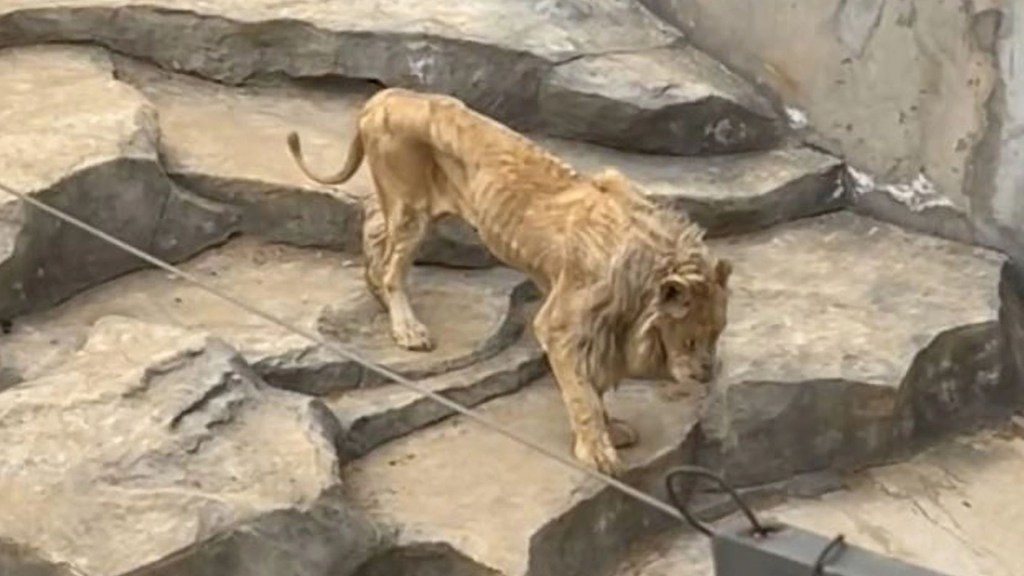
A frail Lion that looks like a walking skeleton has become too weak to chew.

Shocking footage showed the skinny lion walking through its enclosed cage 

The Lion, called Ala, is so emaciated he can barely walk through his enclosure at the Jinniu Lake Safari Park in Nanjing, China with outraged social media users accusing the zoo of inflicting suffering on the lion and starving their animals.

Shocking footage has emerged of a starving lion which is barely more than skin and bones at a Chinese zoo.

Many have been left furious and disturbed by the sight of the big cat who looks so malnourished it is struggling to carry out basic functions such as walking.

In the horrifying video viewers can see the Lion’s ribs because it is so thin.

The clip – shared later on Douyin, China’s version of TikTok – shows the ultra-skinny Lion wobbling down a walkway.

The lion is so frail he can barely walk

It caused outrage among viewers who accused the zoo of not taking proper care of the feeble feline.

One user said: ‘This is too much suffering. If you can’t afford to feed it, send it to a different zoo that can.

‘Why let him suffer? It should have been left living in nature.’

Meanwhile, another added: ‘This zoo is too much, starving the lions like this.’

Officials at the zoo later attributed the lion’s shocking appearance to its old age because he can no longer chew his food. 

They claimed that the 25-year-old big cat would be 80 if he was a human.

Officials say he is fed a special diet of liquid protein and small cuts of meat and is watched over by specially trained vets and keepers in a private cage.

The zoo added: ‘Usually, we let it out for a walk in the morning or evening.’

Despite the concerning footage, Jinniu Lake Safari Park is ranked in the top five family-friendly things to do in Nanjing on Trip.com.

It has an overall rating of 4.2 out of 5 but there are also hundreds of negative reviews, with some visitors citing the zoo’s ‘poor management’ and others complaining of the huge costs.

What you can do to help wildlife:

You can support ‘Protect All Wildlife’ by donating as little as £1 – It only takes a minute but it can last a lifetime for an animal in need. Please donate below.

Everyone who donates will receive a Certificate of Appreciation as a thank you for helping animals in need.

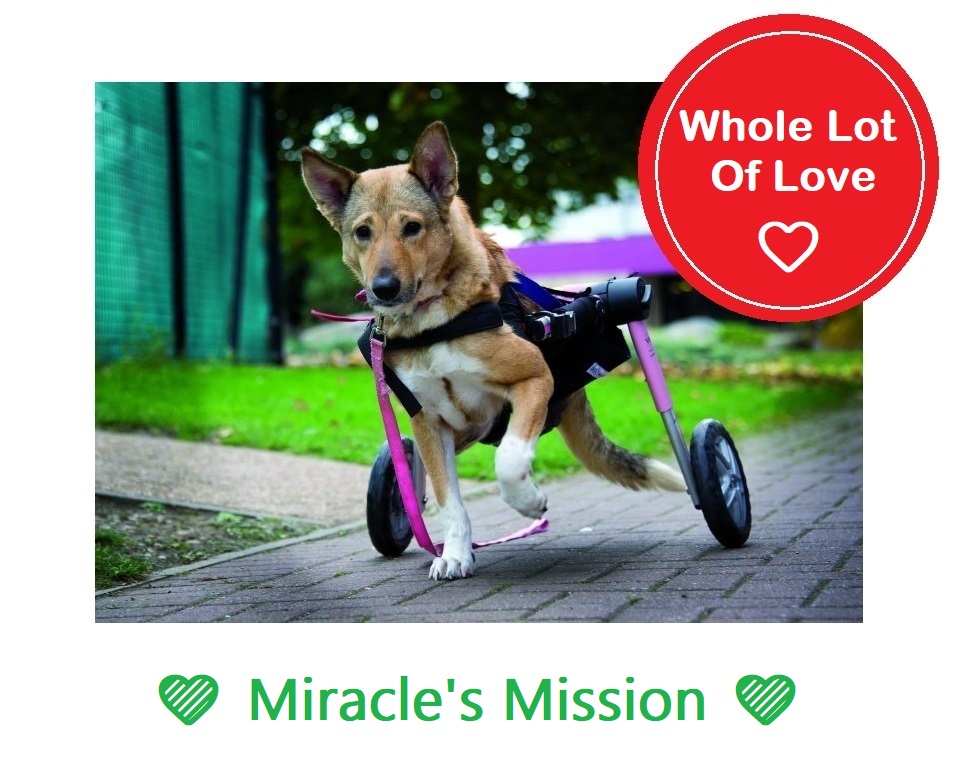
Whole Lot of Love Pack For Our Rescues

With this virtual gift, you will bring love to the life of a rescue in need this Valentine’s

At Miracle’s Mission, we bring rescued dogs and cats into our care who’ve never known what it feels like to be loved. You could change that by purchasing a virtual gift for them. With your gift, we can continue to give homeless rescues the love and care they deserve – and find their perfect match. What better way to help rescues this Valentine’s?

After purchasing a gift, you’ll receive an email that includes a certificate to download for yourself or your loved one – a nice keepsake as a reminder of the difference your gift has made to rescues.

So, if you can, please help homeless pets find love by purchasing a Whole Lot of Love Pack. We promise this is one gift that’s guaranteed to make someone’s heart flutter this Valentine’s!

How does a virtual gift work?1. Pop your virtual gift into your shopping basket and complete your checkout.

2. Look out for a thank you email including a downloadable virtual certificate.

3. Print out your certificate or email it to your lucky pet-loving Valentine.

All proceeds goes directly to Miracle’s Mission to support vulnerable pets.

Get yours at: Whole Lot of Love Pack For Our Rescues

Why It Is Now Even More Important Than Ever To Support Animal Rescue Organisations

The cost of changing a rescue animal’s  life forever – PRICELESS!

To feed a dog for one month typically costs somewhere from £16 to £50, depending on the breed. Microchipping costs about £10 to £15. The average cost of essential vaccinations is £64. A vet appointment costs between £40-£60. Physiotherapy/Hydrotherapy – the average cost is £50 for a 30-minute session.

You may wonder, why do you have to pay to adopt a dog?

Well, running an animal shelter is not cheap, with food, heating and other costs, so you money goes towards supporting them in the work. It also pays for vital care that your new pet has had, and covers essential expenses that you’d likely have to pay for anyway if you got your dog another way.

Why do dog shelters charge people to adopt pets?

First of all, animal shelters cost money to run. While they get donations and funding through events like charity runs, the costs are high. They need to pay for food, heating and other bills, as well as any staff costs and expenses like petrol for home visits.

Adoption fees also cover other expenses for the dogs, such as vet bills, which you’d likely have to pay yourself anyway if you acquired a new dog through other means.

Every dog rehomed is vaccinated, microchipped and neutered.

10 REASONS WHY YOU SHOULD #ADOPTDON’TSHOP!

Adopting a pet has many benefits, some of which you may have not considered. Here are some reasons why adopting a pet would benefit you and your family.

1. You are saving a life

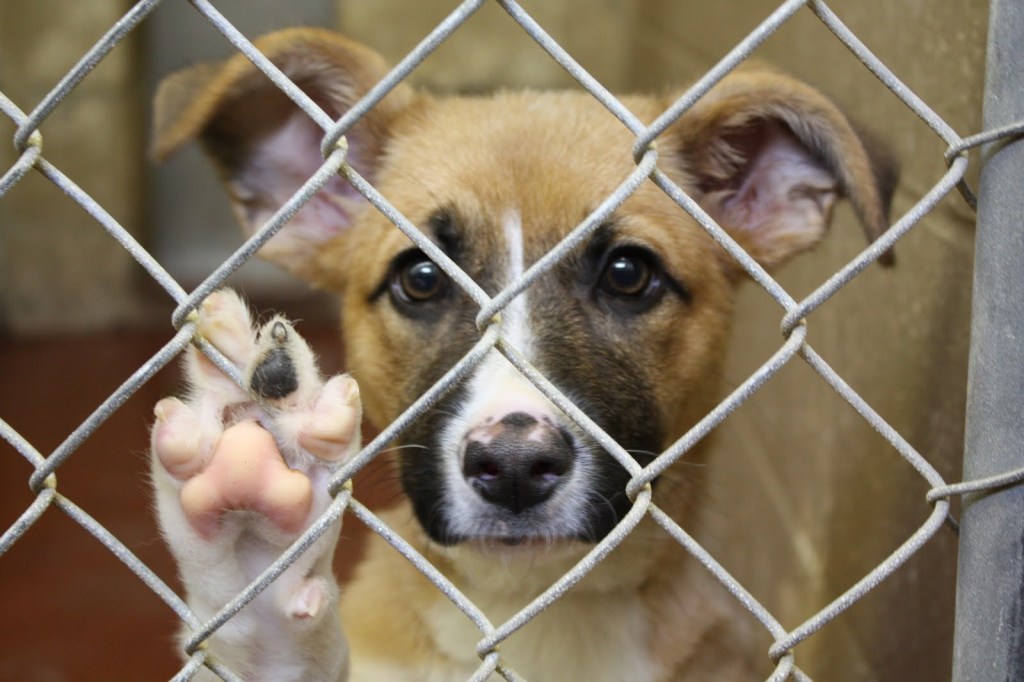
By adopting from a shelter, you are providing an animal with the second chance they deserve. Many have been rescued from horrific circumstances such as cruelty, neglect and abandonment, or quite simply their owners were no longer able to look after them due to illness or a change in situation.

Before and after: these pictures were taken two months apart

Shelter staff work tirelessly to nurse animals back to health, rehabilitate disturbed animals and do everything they possibly can to ensure they are prepared to go to a new home. Sadly, not all of them are as fortunate. Some shelters have to euthanise due to lack of space, meaning many healthy animals lose their lives. By rehoming a pet you can give an animal that has been abandoned through no fault of their own a loving, stable home, and help to stop overpopulation.

2. You will save money

Shelters often microchip, spay, neuter and vaccinate the animals that come into their care. This saves you a lot of money because you don’t have to pay for the procedures yourself and it ensures the pet you are taking home is healthy. Also, the prices of adopting a pet from a shelter are often a lot lower than the rates charged by breeders.

3. Can help to eradicate puppy farms.

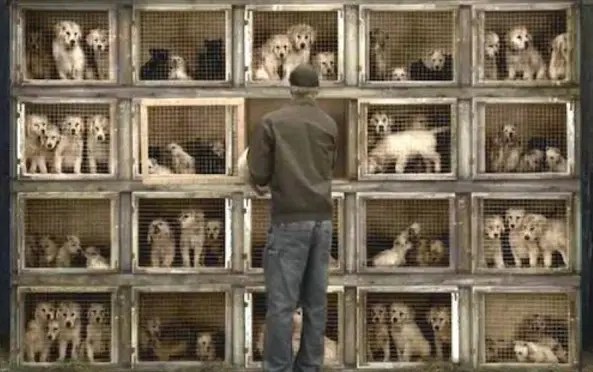
A puppy farm, or mill, is the illegal practice of breeding puppies for the sole purpose of maximising profit, without any regard to the dogs’ health or wellbeing. Dogs at puppy farms are forced to breed several times to their detriment and they are often kept in terrible conditions without basic necessities.

Bred Relentlessly For Profit

People who run such places are not concerned with producing healthy dogs, so they can be born with severe problems that emerge over time. The dogs usually don’t receive any veterinary care, and will often be destroyed once they can no longer reproduce. Additionally, dogs at pet shops are often products of puppy farms. Adopting from a shelter aids in stopping dogs from being subjected to such horrific circumstances, because rather than funding this illegal trade you will be rehoming a pet from somewhere reputable that supports animal welfare.

4. Can improve your health and make you happier

Various studies have shown that a having pet can elongate your life, whilst improving your overall happiness and health. It also helps people with depression, stress, anxiety and many other ailments. The affectionate and loyal nature of dogs as pack animals that form close relationships with their owners can help sufferers of depression, who may feel like they don’t have anybody else.

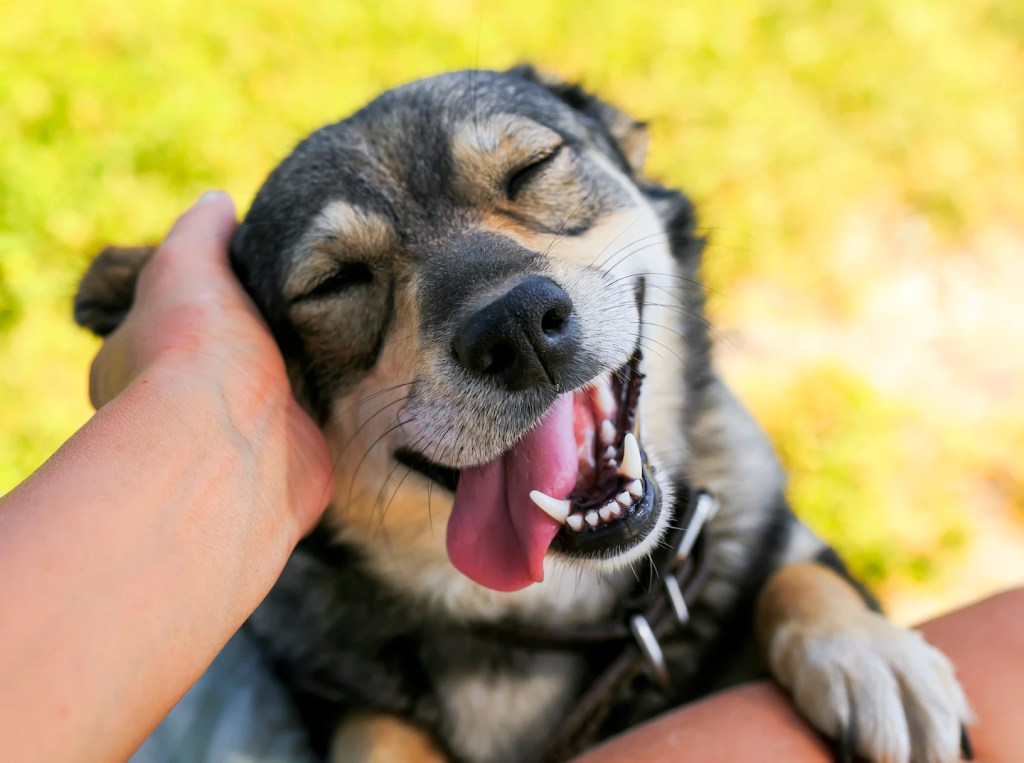
Stroking your pet can reduce your blood pressure and stress levels, and playing with them can increase the levels of serotonin and dopamine your body produces, making you feel calm and relaxed. Walking the pet is a way to exercise and provides sufferers of anxiety and depression with a reason to leave the house. It also creates opportunities for socialising with other dog walkers. The animal you have helped through rehoming can help you.

5. Can benefit children

Children can be taught valuable life skills through pet ownership, such as the importance of maintaining responsibilities. Rehoming a pet will also encourage empathy by making them think about how they have helped to give an unwanted animal a loving home. Pets can help children with separation anxiety and provide them with security, as they can be safe in the knowledge that someone will always be there. As well as this, they can be a loving companion and playmate.

6. Many of the animals are housetrained

Animals at shelters have often been housetrained in their previous home, particularly if they are older. This saves you a lot of time and extra effort when training your new pet where to go to the toilet.

7. Unconditional love

A pet is a companion that will never judge you, will love you regardless of whatever happens and will always be there. As well as making you feel great, their unconditional love raises your self-esteem because of the affection they show you. It is said that animals know when they have been rescued, so the bond between you and your rehomed pet will be especially strong.

8. You could get a pet you never expected

Although you may have an idea of what you are looking for, there are a wide variety of animals waiting to be adopted from shelters. This may mean an animal you would never have imagined could turn out to be the best match for you. Therefore, it is always important to have an open mind when visiting shelters.

9. Older animals can prove to be the best companions

Many people want to adopt puppies and kittens without considering the advantages of having an older pet. If trained in their previous home they will be less likely to destroy furniture than a younger pet, and as such, will probably require less supervision. Older pets are often calmer and quite happy to sit in your company rather than demanding constant attention. They also have more developed personalities than puppies or kittens, so it may be more apparent when visiting them at the shelter whether or not you are suited.

10. Adopting supports spaying and neutering

Spaying and neutering animals is important in controlling the animal population. Many pets that aren’t spayed or neutered often contribute to the problem of unwanted animals, which can lead to more being left at shelters. Adopting an animal from a shelter means that your new pet has been spayed or neutered where possible.

Please help us continue to support animal rescues by donating any amount, large or small. Your donations make our work possible.

And please remember…
…the cost of changing a rescue animal’s  life forever is – PRICELESS!

The ‘Animal-Loving’ Ukrainian Sniper Who Rescues Abandoned Pets From Battlefield.

Oksana Krasnova with a rescued dog. (Oksana Krasnova/PA)

An “animal-loving” Ukrainian sniper and her husband fighting on the frontline have rescued dozens of pets after discovering them abandoned on the battlefield.

Oksana Krasnova, 27, uses her wages to pay for food and supplies to nurse the animals back to health before arranging for them to be transported on military vehicles to the Ukrainian capital, Kyiv, to be rehomed.

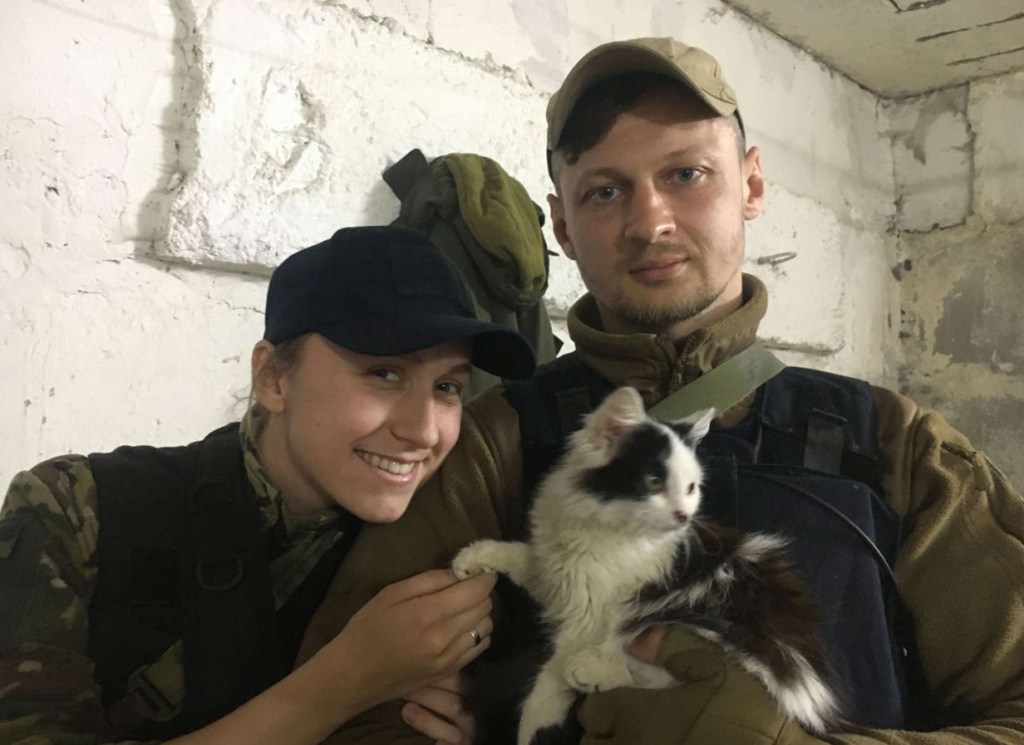
Oksana Krasnova (left), 27, and her husband Stanislav Krasnov, 35, holding a rescued cat. (Oksana Krasnova/PA)

Oksana had previously worked as a lawyer in the capital until Russia invaded the country six months ago and she joined the Ukrainian frontline defence, fighting in the Donetsk region.

In between working as snipers, Oksana and her husband Stanislav Krasnov, 35, have rescued almost 30 pets they have discovered when passing through abandoned villages.

Speaking to the PA news agency from the frontline, Oksana said: “I love animals a lot and I used to help rescue animals with my husband even before the Russian invasion.

“I come across a lot of abandoned pets when I am going about my duties and I can’t just leave them.

“It’s hard to evacuate animals from the frontline but these poor pets have been used to living with humans so they can’t survive on their own.

“I have my own pets who are being looked after by my parents in Kyiv and I could never dream of abandoning them.”

The first animal the couple rescued was a black dog they found in an abandoned house. (Oksana Krasnova/PA)

Oksana said her most memorable rescue to date was the first abandoned animal she saved on the frontline.

The couple had heard “some strange sounds” while walking through an abandoned house and found a small, black dog trapped in the building.

Oksana said the animal was “clearly traumatised” and had been surviving off raw potatoes when they discovered her.

“I think she had been there for about a month – it was awful,” she said.

“She was just lying on the floor and we placed a pillow under her head while she was barking and crying and foaming at the mouth.

“We had to push her into a box and transport her in our military vehicle.

“She was having seizures and we didn’t think she would survive.”

Oskana and Stanislav have rescued almost 30 pets they discovered when passing through abandoned villages. (Oksana Krasnova/PA)

Oksana fed the dog every hour and cared for her around the clock until her health began to improve.

“We have a friend who has some volunteers out in Kyiv who work with traumatised animals and he took in the poor dog,” she said.

“Months on, she’s now okay and she lives with a foster family.”

Oksana said she mainly rescues dogs and cats but has occasionally helped smaller creatures like birds and rabbits, which she tends to release into the wild once healthy.

“At the moment where we are based we have a herd of pigs with us from one of the nearby villages,” Oksana said.

“Obviously we can’t rescue them as they won’t all fit in our military vehicles but we are making sure they are okay and have enough food.”

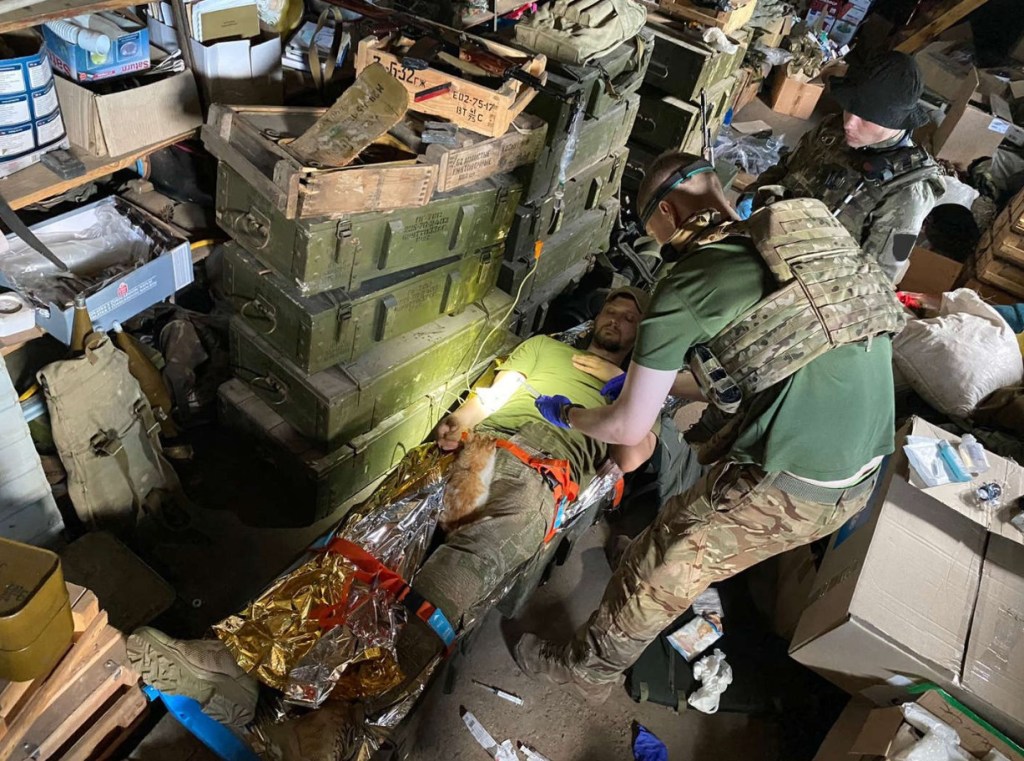
The rescued animals have become a huge part of the couple’s life and even when Stanislav was wounded, he was joined by a small kitten while he was strapped to a stretcher receiving medical treatment.

A rescued kitten sits on Stanislav while he receives medical treatment after being injured. (Oksana Krasnova/PA)

“The animals we rescue are really very grateful and loyal,” Oksana said.

“Sometimes it’s really hard (to say goodbye to them) mainly because I spend so much time treating them.

“But I feel relieved because I know that they won’t starve and suffer again,” she added.

How you can help animals in need:
Support ‘Protect All Wildlife’ by donating as little as £1 – It only takes a minute but it can last a lifetime for an animal in need.

We believe EVERY animal should be treated with respect, empathy, and understanding. We raise awareness to protect and conserve wild, captive, companion and farm animals. It is vital that we protect animals against acts of cruelty, abuse, and neglect by enforcing established animal welfare laws and, when necessary, take action to ensure that those who abuse animals are brought to justice.

Protect All Wildlife are involved in many projects to protect animals’ rights, welfare, and habitats. Money contributed to Protect All Wildlife supports ALL of our worthy programmes and gives us the flexibility to respond to emerging needs. Your donations make our work possible. Thank you for your support.

Everyone who donates will receive a Certificate of Appreciation as a thank you for supporting wildlife.

CERTIFICATE OF APPRECIATION

When Tomorrow Starts Without Me

When tomorrow starts without me, 
And I’m not there to see;
The sun will rise and find your eyes
All filled with tears for me

I wish so much you wouldn’t cry 
The way you did today,
I know how much you loved me,
As much as I love you, 
And each time that you think of me
I know you’ll miss me too.

But when tomorrow starts without me,
please try to understand 
That an angel came and called my name
And petted me with her hand.

She said my place was ready, 
In Heaven far above, 
And that I’d have to leave behind
All those I dearly love. 

But,as I turned to heel away, 
A tear fell from my eye, 
For all my life I never thought 
That I would have to die. 

I had so much to live for, 
So many sits and downs to do,
It seemed almost impossible, 
That I was leaving you. 

I thought about our lives together,
I know you must be sad, 
I thought of all the love we shared, 
And all the fun we had. 

Remember when I’d nudge your hand,
And poke you with my nose? 
The frisbee I would gladly chase,
The bad guy,I’d “bark and hold” 

If I could relive yesterday,
Just even for awhile, 
I’d wag my tail and kiss you,
Just so I could see you smile. 

But then I fully realized, 
That this could never be 
For emptiness and memories 
Will take the place of me. 

And when I thought of treats and toys 
I might miss come tomorrow,
I thought of you and when I did, 
My dog-heart filled with sorrow. 

But when I walked through Heaven’s gate;
And felt so much at home; 
As God looked down and smiled at me,
From His beautiful throne. 

He said,”This is eternity”, 
And now we welcome you, 
Today your life on earth is past, 
But here is starts anew. 

I promise no tomorrow, 
But today will always last; 
For you see,each days’ the same, 
There’s no longing for the past. 

Now you have been so faithful 
So trusting, loyal and true; 
Though there were times you did things, 
You knew you shouldn’t do 

But good dogs are forgiven,
And now at last you’re free;
So won’t you sit here by my side,
And wait right here with me? 

So when tomorrow starts without me,
Don’t think we’re far apart, 
For every time you think of me,
I’m right there, in your heart. 

Author unkown

What you can do to help animals in need:
Support ‘Protect All Wildlife’ by donating as little as £1 – It only takes a minute but it can last a lifetime for an animal in need.

We believe EVERY animal should be treated with respect, empathy, and understanding. We raise awareness to protect and conserve wild, captive, companion and farm animals. It is vital that we protect animals against acts of cruelty, abuse, and neglect by enforcing established animal welfare laws and, when necessary, take action to ensure that those who abuse animals are brought to justice.

Protect All Wildlife are involved in many projects to protect animals’ rights, welfare, and habitats. Money contributed to Protect All Wildlife supports ALL of our worthy programmes and gives us the flexibility to respond to emerging needs. Your donations make our work possible. Thank you for your support.

Everyone who donates will receive a Certificate of Appreciation as a thank you for supporting wildlife.

CERTIFICATE OF APPRECIATION

🌈 A Man And A Dog And Heaven

A man and his dog were walking along a road. The man was enjoying the scenery, when it suddenly occurred to him that he was dead.

A Man And A Dog And Heaven

He remembered dying, and that the dog walking beside him had been dead for years. He wondered where the road was leading them.

After a while, they came to a high, white stone wall along one side of the road. It looked like fine marble. At the top of a long hill, it was broken by a tall arch that glowed in the sunlight.

When he was standing before it he saw a magnificent gate in the arch that looked like mother-of-pearl, and the street that led to the gate looked like pure gold. He and the dog walked toward the gate, and as he got closer, he saw a man at a desk to one side.

When he was close enough, he called out, ‘Excuse me, where are we?’

‘This is Heaven, sir,’ the man answered.

Would you happen to have some water?’ the man asked.

Of course, sir. Come right in, and I’ll have some ice water brought right up’.

The man gestured, and the gate began to open.

‘Can my friend,’ gesturing toward his dog, ‘come in, too?’ the traveler asked.

‘I’m sorry, sir, but we don’t accept pets.’

The man thought a moment and then turned back toward the road and continued the way he had been going with his dog.

After another long walk, and at the top of another long hill, he came to a dirt road leading through a farm gate that looked as if it had never been closed. There was no fence. As he approached the gate, he saw a man inside, leaning against a tree and reading a book.

‘Excuse me!’ he called to the man. ‘Do you have any water?’

‘Yeah, sure, there’s a pump over there, come on in..’

‘How about my friend here?’ the traveller gestured to the dog.

There should be a bowl by the pump.’

They went through the gate, and sure enough, there was an old-fashioned hand pump with a bowl beside it.

The traveller filled the water bowl and took a long drink himself, then he gave some to the dog.

When they were full, he and the dog walked back toward the man who was standing by the tree.

‘What do you call this place?’ the traveler asked.

This is Heaven,’ he answered.

‘Well, that’s confusing,’ the traveler said. ‘The man down the road said that was Heaven, too.’

‘Oh, you mean the place with the gold street and pearly gates? Nope. That’s hell.’

‘Doesn’t it make you mad for them to use your name like that?’

‘No, we’re just happy that they screen out the folks who would leave their best friends behind!!

Author Unknown

What you can do to help animals in need:

Support ‘Protect All Wildlife’ by donating as little as £1 – It only takes a minute but it can last a lifetime for an animal in need. Thank you.

We believe EVERY animal should be treated with respect, empathy, and understanding. We raise awareness to protect and conserve wild, captive, companion and farm animals. It is vital that we protect animals against acts of cruelty, abuse, and neglect by enforcing established animal welfare laws and, when necessary, take action to ensure that those who abuse animals are brought to justice.

Protect All Wildlife are involved in many projects to protect animals’ rights, welfare, and habitats. Money contributed to Protect All Wildlife supports ALL of our worthy programmes and gives us the flexibility to respond to emerging needs. Your donations make our work possible. Thank you for your support.

Everyone who donates will receive a Certificate of Appreciation as a thank you for supporting wildlife.

CERTIFICATE OF APPRECIATION

Go back

Your message has been sent

Warning
Warning
Warning
Warning
Warning
Warning.