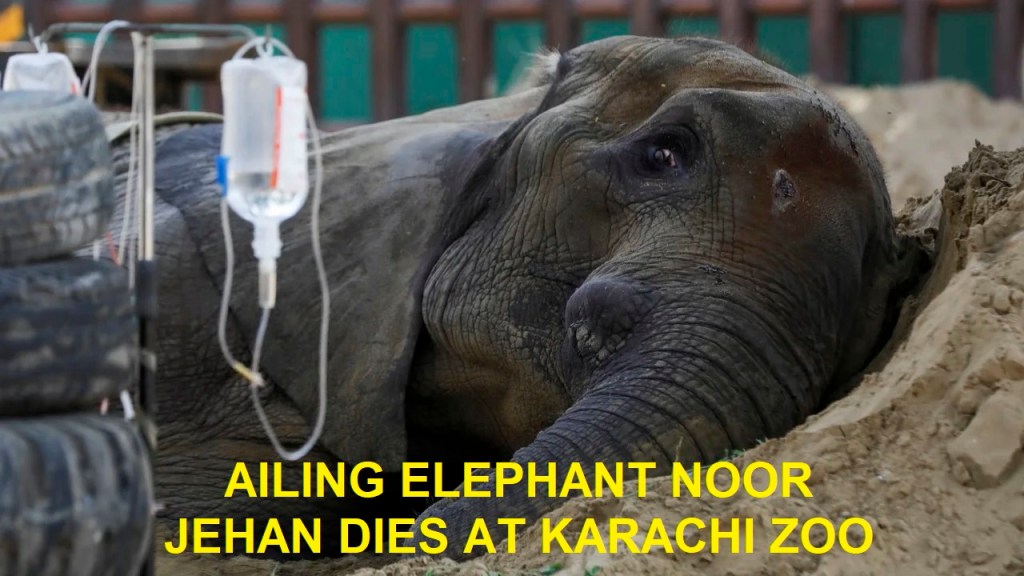
Pakistan: 17-Year Old Ailing African Elephant Noor Jehan Dies After Lying On Ground For 9 Days In Karachi Zoo

The ailing Elephant died on Saturday, vets said, calling on the ill-equipped menagerie to evacuate her “mourning” partner to avert a second tragedy.
NoorJehan-dies
Zoo staff stand near the dead body of Noor Jehan at an enclosure in Karachi Zoological Gardens on Saturday. AFP

Pakistan’s zoos are frequently accused of being blasé about animal welfare, and the plight of Noor Jehan was cited by animal rights activists campaigning to shut the wildlife exhibition in southern Karachi city.

This month the 17-year-old African Elephant underwent emergency treatment for a tumour, which had crippled her back legs, but while in recovery she became trapped in her enclosure’s pool.

Zoo workers hauled out the 3.5-tonne pachyderm but she was unable to stand and lay stricken for nine days, “a life-threatening situation for Elephants”, said animal charity Four Paws International.
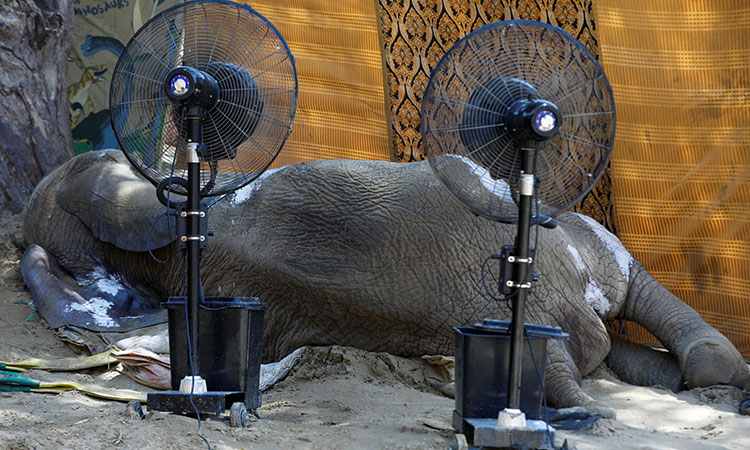
NoorJEhan-deadbody
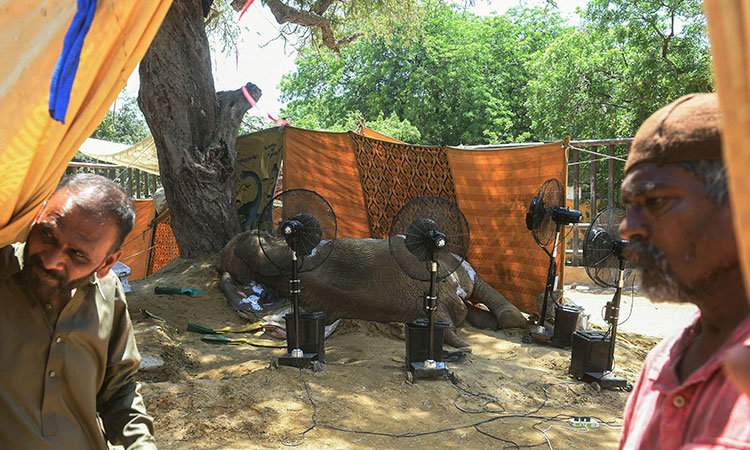
Misting fans are placed beside the body of Noor Jehan at Karachi Zoo. AP

Experts were considering euthanasia but before a decision was taken “she succumbed to her critical condition,” said a statement from the charity, which organised last-ditch medical efforts to save her.

Karachi Zoo director Kanwar Ayub confirmed Noor Jehan’s death on Saturday and an AFP reporter saw her caretaker openly weeping outside her enclosure.
“It’s very sad,” said Four Paws International’s Austria-based chief vet Amir Khalil. “Noor Jehan deserved a chance.”

But the deceased Elephant’s pen pal Madhubala “should not have the same future”, he told AFP, saying he plans to arrive in Pakistan on Sunday to assess her health and organise her evacuation.

“Karachi Zoo does not fulfil international standards and is not equipped to take appropriate care of Elephants,” the Four Paws International statement said, expressing support for a forced closure.

NoorJehan-caretaker

Caretaker Yusuf Masseih (R) mourns following the death of Noor Jehan at Karachi Zoological Gardens. AFP

“It is now more urgent than ever that the remaining Elephant, who is mourning her long-time companion, is transferred to a more species-appropriate location as soon as possible, to prevent another potential tragedy.”

In April 2020, a court ordered the only zoo in Pakistan’s capital Islamabad to shut after poor facilities and mistreatment of the animals there were revealed.

The facility had drawn international condemnation for its treatment of an Asian Elephant named Kaavan, who was later airlifted to retirement in Cambodia in a project spearheaded by US popstar and actor Cher, and carried out by Four Paws.

Agence France-Presse

~~~~~(((())))~~~~~

WHAT YOU CAN DO TO HELP WILDLIFE

You can support Protect All Wildlife by donating as little as £1 – It only takes a minute but it can last a lifetime for an animal in need. Please donate below.

The Mission of Protect All Wildlife is to prevent cruelty and promote the welfare of ALL animals.

We believe EVERY animal should be treated with respect, empathy, and understanding. We raise awareness to protect and conserve wild, captive, companion and farm animals.

It is vital that we protect animals against acts of cruelty, abuse, and neglect by enforcing established animal welfare laws and, when necessary, take action to ensure that those who abuse animals are brought to justice.

Protect All Wildlife are involved in many projects to protect animals’ rights, welfare, and habitats. Money contributed to Protect All Wildlife supports ALL of our worthy programmes and gives us the flexibility to respond to emerging needs. Your donations make our work possible.

South African Government Withdraws Regulations Aimed To Protect Endangered Wildlife Species

JOHANNESBURG – The South African government moved to withdraw regulations on threatened species that would have protected vulnerable wildlife from being hunted.

Forestry, Fisheries and Environment Minister Barabara Creecy announced the decision to drop the amended protected species regulations in a government gazette notice – one day before it was supposed to be implemented

The legislation that was intended to be enforced in April was set to widen the number of species that should be protected by stricter wildlife laws.

However, the Wildlife Ranching South Africa and Professional Hunters Association of South Africa challenged the Forestry, Fisheries and Environment Department on the amended list.

After considering various issues raised by the associations, the department decided to withdraw the implementation of the newly-revised legislature.

Forestry, Fisheries and Environment Minister Barabara Creecy announced the decision to drop the amended protected species regulations in a government gazette notice – one day before it was supposed to be implemented.

After the two organisations legally challenged the motion to protect a bigger range of wildlife, Creecy reached an out-of-court settlement with the parties.

Her reasons for withdrawing the regulations protecting terrestrial and freshwater species were not clearly explained, nor did she mention the associations’ issues with the regulations.

In addition, Creecy also retracted revised legislation that would have clamped clamped down on the Trophy Hunting of Leopards and Elephant management

The revised legislation would have clamped down on the trophy hunting of Elephants

——–((((((()))))))——-

WHAT YOU CAN DO TO HELP WILDLIFE:

You can support ‘Protect All Wildlife’ by donating as little as £1 – It only takes a minute but it can last a lifetime for an animal in need. Please donate below.

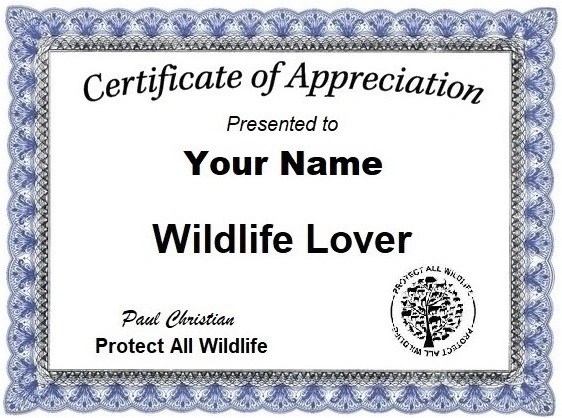
Everyone who donates will receive a Certificate of Appreciation as a thank you for helping animals in need.

The Mission of Protect All Wildlife is to prevent cruelty and promote the welfare of ALL animals.

We believe EVERY animal should be treated with respect, empathy, and understanding. We raise awareness to protect and conserve wild, captive, companion and farm animals.

It is vital that we protect animals against acts of cruelty, abuse, and neglect by enforcing established animal welfare laws and, when necessary, take action to ensure that those who abuse animals are brought to justice.

Protect All Wildlife are involved in many projects to protect animals’ rights, welfare, and habitats. Money contributed to Protect All Wildlife supports ALL of our worthy programmes and gives us the flexibility to respond to emerging needs. Your donations make our work possible.
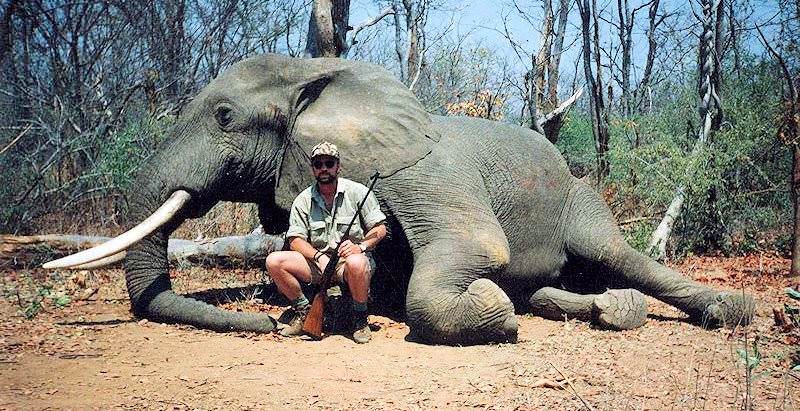
Tiger King Star Carole Baskin To Close Big Cat Rescue And Move Wildlife To Arkansas Refuge

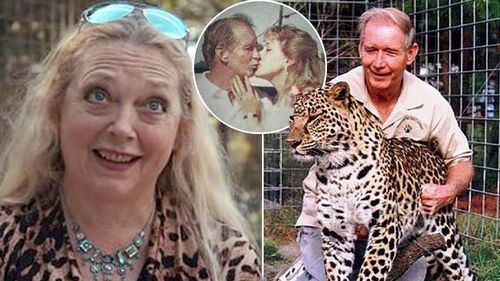
Baskin, who shot to fame in 2020 when her feud with Joe Exotic became a Netflix hit, has decided to close her Big Cat Rescue centre and transfer most of its wildlife from Florida to a sanctuary in Arkansas.

“The win-win solution both for our captive cats and the cats in the wild is for us to merge our cat population with the population at another existing accredited sanctuary.”  

In a memo published on the sanctuary’s website, her husband, Howard Baskin, announced that the 30-year-old center in Tampa has agreed to move most of its cats to the Turpentine Creek Wildlife Refuge.

“We will continue to fund their care for the rest of their lives,” the statement said.

The Big Cat Rescue has provided a safe haven for exotic cats that people have abandoned, mistreated, or retired from performing since 1992. Locals and tourists alike have frequented the rescue, located at 12802 Easy Street.

However, due to the COVID-19 pandemic, the rescue center closed its doors to the public and has not reopened to visitors.

 BCPSA Has Led To A Decrease In Tiger Rescues

The decision to close the center comes after the federal Big Cat Public Safety Act, or BCPSA, was passed, which prohibits cub petting and the private ownership of big cats, including Lions, Tigers, Leopards, Cheetahs, Jaguars, Cougars, or any hybrid of these species.

Howard and Carole Baskin at their Big Cat Rescue sanctuary

“With the passage of the BCPSA, we expect the need for rescues to decline over the coming decade. If the need were going to continue at the pace we saw up until a few years ago, we would be making a different decision,” read the statement.

“Having ended most of the abuse of big cats via the BCPSA, focusing on the third prong of our mission, i.e., maximizing the amount we can donate to in situ projects to save the cats from extinction, is the best way to fulfill our mission and impact the most cats going forward.”

A financial liability

Moreover, mounting expenses have also placed considerable financial pressure on the estate.

According to the Baskins, currently the property’s overhead costs are $1.5 million per year, or over $36,000 per cat.

Carol Baskin, pictured in Tiger King, has announced her Florida property is closing, with 2023 expected to be ‘the most challenging financial year in the sanctuary’s history’.

“As the population declines, it becomes an increasingly inefficient use of donor funds per cat to operate a facility like ours,” Mr. Baskin explained.

“The win-win solution both for our captive cats and the cats in the wild is for us to merge our cat population with the population at another existing accredited sanctuary.”  

He added: “Supporting our cats in larger enclosures at Turpentine Creek, at a much lower cost per cat than we incur by continuing to operate Big Cat Rescue, will free up resources to let us do much more to save big cats in the wild.”

New home for the big cats

Turpentine’s founder and president, Tanya Smith, said that her organization and Big Cat Rescue “share similar ideologies and core values, so it seemed quite logical that Carole and Howard would approach us.”

According to Smith, the sanctuary has already taken measures to accommodate the incoming cats.

“In 2021, [Turpentine] launched a capital campaign initiative to build a visitor education center and museum,” Smith said.

“Part of that project includes a five-year plan to develop another 13 acres on our 459-acre property to provide additional habitats.

“We anticipate the construction will be completed within the next six months. This increased space will not only accommodate the remaining cats at Big Cat Rescue but some additional space for other rescue needs.”

The memo also mentioned that once all the cats at the sanctuary have been moved, the Hillsborough County sanctuary property will be sold, and the proceeds will be used to “fund these species-saving projects in the wild.”

Moreover, Big Cat Rescue will also help fund the building of the enclosures at Turpentine Creek, which “is expected to cost $1.8 million.”

Tiger King

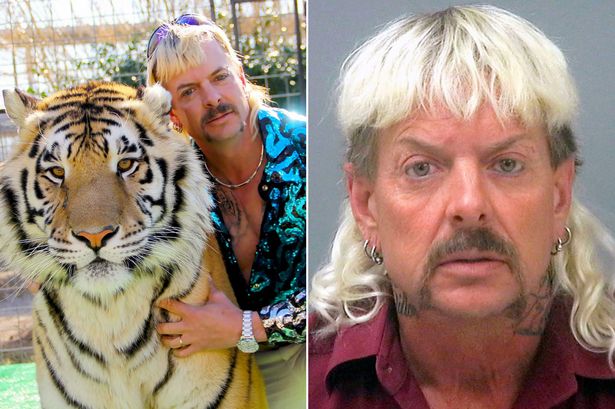
Tiger King ‘star’ Joe Exotic was sentenced to 22 years in prison for hiring a hitman to kill Bastin.

Big Cat Rescue and Carole Baskin caught global attention three years ago when Netflix released its popular Tiger King docuseries.

As well as focusing on the illegal wildlife trade, the documentary followed Baskin’s feud with Joe Exotic, an eccentric zookeeper serving a 21-year sentence for hiring hitmen to kill her.

Exotic accused Baskin of murdering her ex-husband, Don Lewis, and feeding him to their Tigers

In the documentary, Exotic accused Baskin of murdering her ex-husband, Don Lewis, and feeding him to their Tigers. However, Baskin denies these accusations. Don Lewis disappeared without a trace in 1997, and authorities are still investigating his disappearance.

——–((((((()))))))——–

WHAT YOU CAN DO TO HELP WILDLIFE:

You can support ‘Protect All Wildlife’ by donating as little as £1 – It only takes a minute but it can last a lifetime for an animal in need. Please donate below.

Everyone who donates will receive a Certificate of Appreciation as a thank you for helping animals in need.

The Mission of Protect All Wildlife is to prevent cruelty and promote the welfare of ALL animals.

We believe EVERY animal should be treated with respect, empathy, and understanding. We raise awareness to protect and conserve wild, captive, companion and farm animals.

It is vital that we protect animals against acts of cruelty, abuse, and neglect by enforcing established animal welfare laws and, when necessary, take action to ensure that those who abuse animals are brought to justice.

Protect All Wildlife are involved in many projects to protect animals’ rights, welfare, and habitats. Money contributed to Protect All Wildlife supports ALL of our worthy programmes and gives us the flexibility to respond to emerging needs. Your donations make our work possible.
In Memory Of Kiska, An Orca Imprisoned At Marineland And The Last Captive Orca In Canada, Who Swam Alone In Her Tank For More Than A Decade.

Kiska, the Orca dubbed the “World’s Loneliest Whale,” died recently after 44 years in captivity. Her life was a tragic one, and her death could be seen as a sort of release. She was believed to be 47 years old, although her exact age isn’t positively known. She was the last captive Killer Whale in Canada.

In 1979, when Kiska was three years old, she was caught in Icelandic waters and taken to MarineLand, a theme park in Niagara Falls, Ontario, Canada. Kiska was captured along with Keiko, the whale made famous in the movie Free Willy, and for a few years in the ’80s, the pair shared a pool. Kiska spent 40 years there, swimming in a concrete tank.

For the last 12 years of her life, Kiska was alone in her tank. Orcas are social animals that live in tight-knit pods, hunting together and communicating with each other. Her tank at MarineLand was bare and featureless, and her depression was caught on film recently in a hard-to-watch video that went viral.

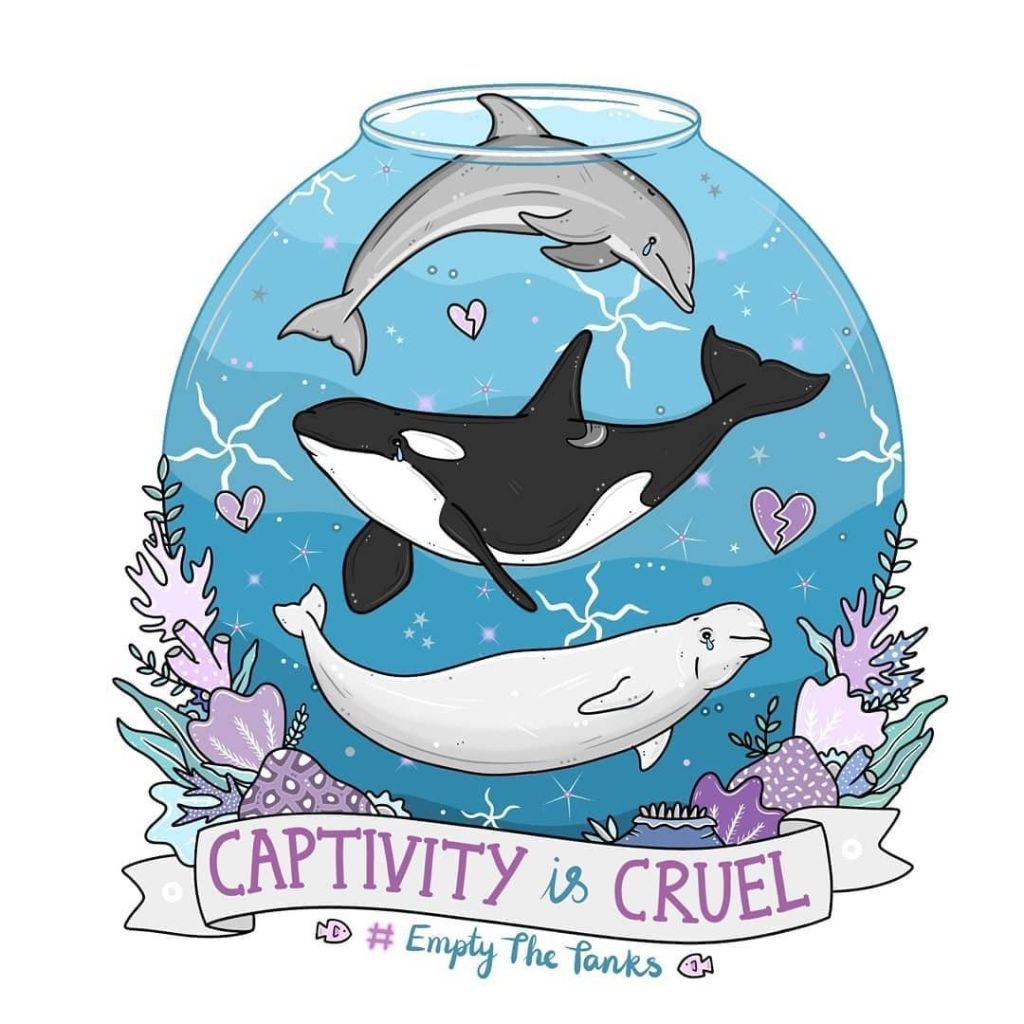
Kiska’s death comes four years after Canada passed bill S-203, banning the captivity and breeding of Whales, Dolphins and Porpoises. Although the new law was too late for Kiska – individuals already in captivity were excluded from protection – activists say her story was instrumental in drawing public attention to the plight of captive marine mammals.

In one of the last recorded videos of her, she drifts listlessly in aquamarine water as a boy behind the glass wall tries to get her attention. “Kis-kaaa! Kis-kaa! Kis-kaaa!” he calls as the Whale floats by, seemingly oblivious.

The heartbreaking footage below shows Kiska floating listlessly and hurling herself against the walls of her cramped tank. This unnatural behaviour was the result of stress, frustration, distress, and loneliness caused by cruel confinement.

Kiska’s harrowing story is not unique – around the world, Orcas just like her are languishing in marine parks so that humans can gawk at them and watch them do demeaning tricks.

Help end their suffering. Speak out against the exploitation of Whales and Dolphins in tourism.

WHAT YOU CAN DO TO HELP WILDLIFE:

You can support ‘Protect All Wildlife’ by donating as little as £1 – It only takes a minute but it can last a lifetime for an animal in need. Please donate below.

Everyone who donates will receive a Certificate of Appreciation as a thank you for helping animals in need.

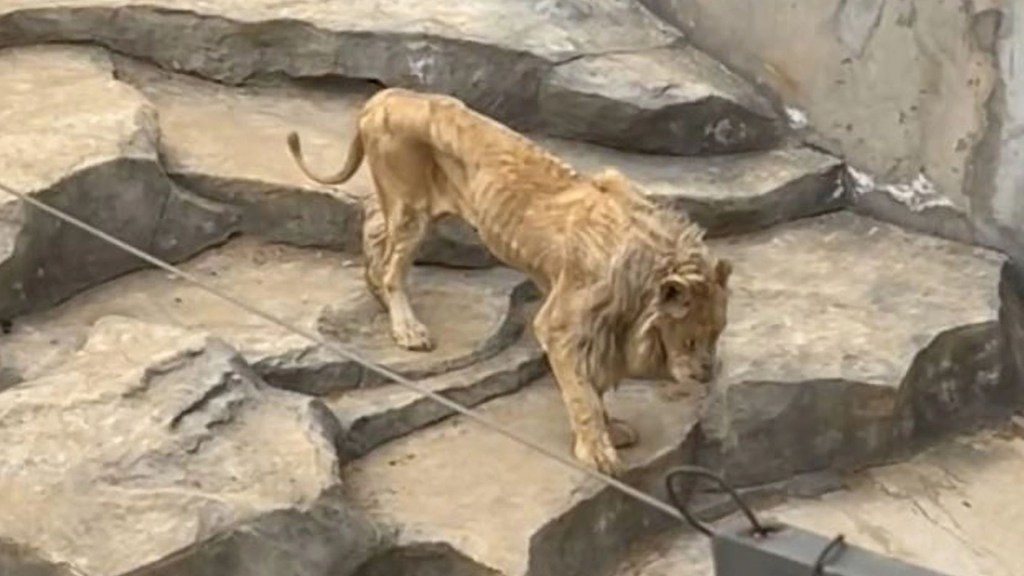
LIVING HELL: ‘World’s Saddest Lion’ Looking Like A Walking Skeleton In Enclosure At Chinese Zoo

A frail Lion that looks like a walking skeleton has become too weak to chew.

Shocking footage showed the skinny lion walking through its enclosed cage 

The Lion, called Ala, is so emaciated he can barely walk through his enclosure at the Jinniu Lake Safari Park in Nanjing, China with outraged social media users accusing the zoo of inflicting suffering on the lion and starving their animals.

Shocking footage has emerged of a starving lion which is barely more than skin and bones at a Chinese zoo.

Many have been left furious and disturbed by the sight of the big cat who looks so malnourished it is struggling to carry out basic functions such as walking.

In the horrifying video viewers can see the Lion’s ribs because it is so thin.

The clip – shared later on Douyin, China’s version of TikTok – shows the ultra-skinny Lion wobbling down a walkway.

The lion is so frail he can barely walk

It caused outrage among viewers who accused the zoo of not taking proper care of the feeble feline.

One user said: ‘This is too much suffering. If you can’t afford to feed it, send it to a different zoo that can.

‘Why let him suffer? It should have been left living in nature.’

Meanwhile, another added: ‘This zoo is too much, starving the lions like this.’

Officials at the zoo later attributed the lion’s shocking appearance to its old age because he can no longer chew his food. 

They claimed that the 25-year-old big cat would be 80 if he was a human.

Officials say he is fed a special diet of liquid protein and small cuts of meat and is watched over by specially trained vets and keepers in a private cage.

The zoo added: ‘Usually, we let it out for a walk in the morning or evening.’

Despite the concerning footage, Jinniu Lake Safari Park is ranked in the top five family-friendly things to do in Nanjing on Trip.com.

It has an overall rating of 4.2 out of 5 but there are also hundreds of negative reviews, with some visitors citing the zoo’s ‘poor management’ and others complaining of the huge costs.

What you can do to help wildlife:

You can support ‘Protect All Wildlife’ by donating as little as £1 – It only takes a minute but it can last a lifetime for an animal in need. Please donate below.

Everyone who donates will receive a Certificate of Appreciation as a thank you for helping animals in need.

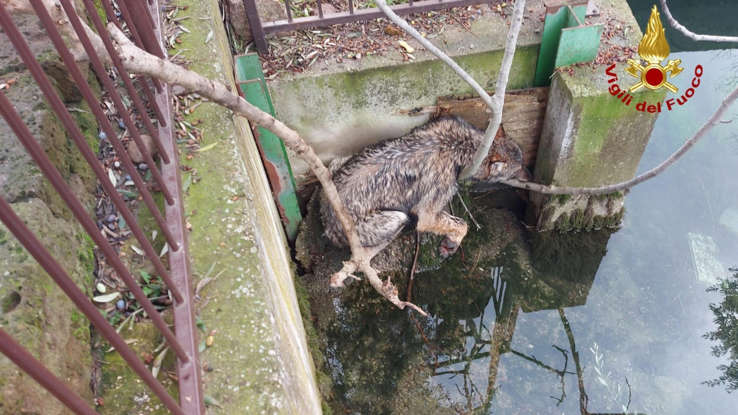
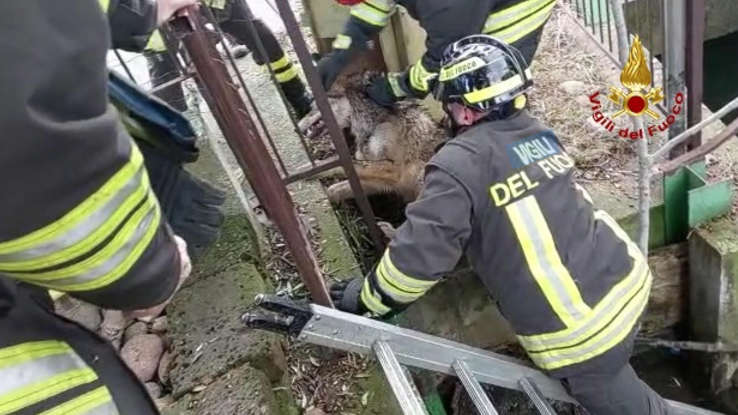
Firefighters In Verona Rescue A Wolf That Fell Into A Stream

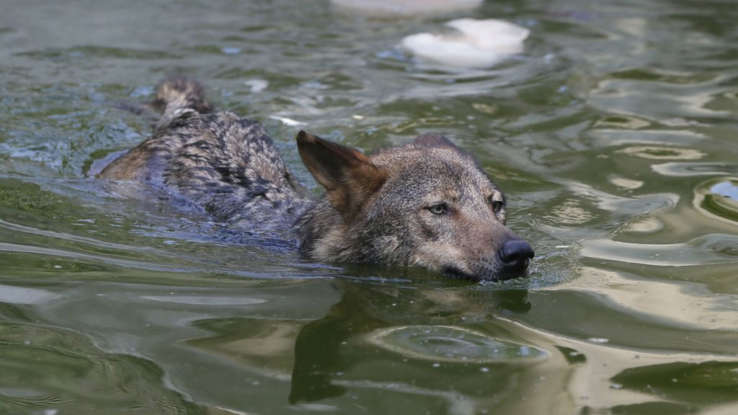
Firefighters from Verona (Italy) rescued a Wolf that ended up in a stream, in the city centre. Initially mistaken for a Dog, the Wolf, exhausted, had stopped on the branches of a fig tree and then ended up in the ditch.

he firefighters, who intervened to save the animal that could no longer free itself and get back on the street, took it and put it, in total safety, inside a cage.

The Wolf rescued by firefighters will now be released on the mountains of Lessina, from where it is thought to have reached the centre of Verona.

The fire brigade of the city of Verona often intervene to rescue animals. During 2022, a total of 242 rescues were carried out, about 4% of the rescue operations performed.

It is no longer so anomalous to see wolves trespassing in some Italian cities, as well as other types of animals (in Rome it is now usual to see wild boars). A problem that should certainly be tackled intelligently, to protect citizens and animals.

Two Elephants Injured, 1 Dead After A Collision With The Pulasthi Express Train In The Early Hours Of 13 Jan 2023 In Sri Lanka

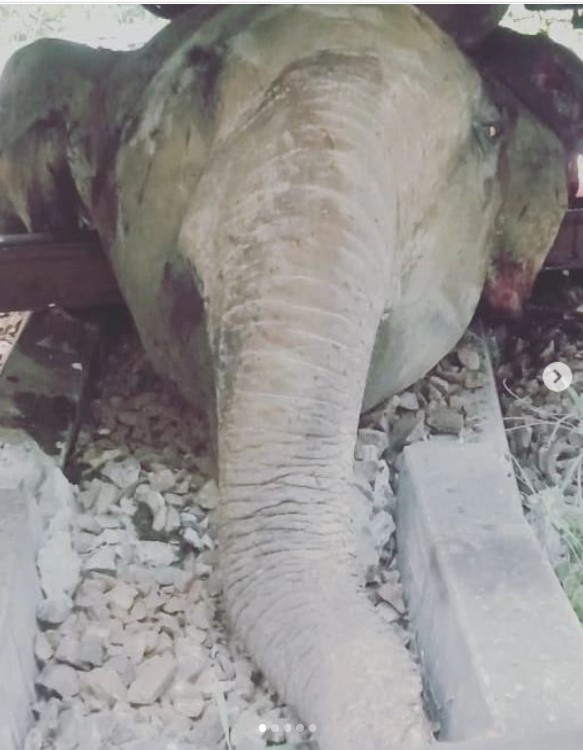
One Elephant has died after colliding with a train between Habarana and Hatharaskotuwa, leaving two more Elephants injured, according to Habarana Police.

The Pulatisi inter-city express train, which was running from Batticaloa to Colombo Fort, was derailed at 01.30 a.m. today (13) after colliding with three wild Elephants between the Galoya and Hatharaskotuwa railway stations.

The train engine and another carriage were both derailed in this accident. As a result, the train will not run to Colombo Fort.

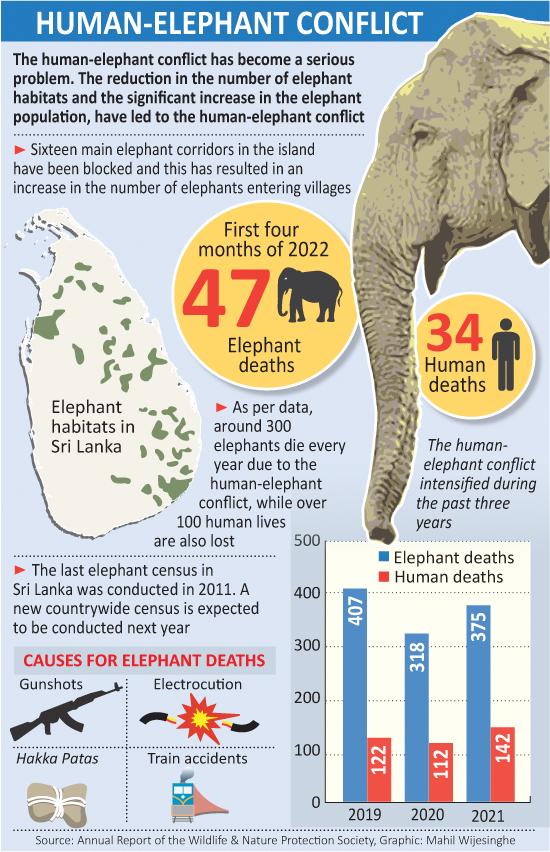
435 Elephants were killed due to Human Elephant Conflict in Sri Lanka in 2022.

“We have robbed Elephants of their homes to build rail roads, roads, villages and agricultural farms. They have been living in Sri Lanka from way before humans arrived. They have an equal right to live in Sri Lanka” said a spokesperson for Rally for Animal Rights- (RARE)

It’s alleged that the driver of the train has not reduced speed at this wildlife area.


A Collared Wolf From Michigan’s U.P. Roamed More Than 4,000 Miles Before A Hunter Killed It

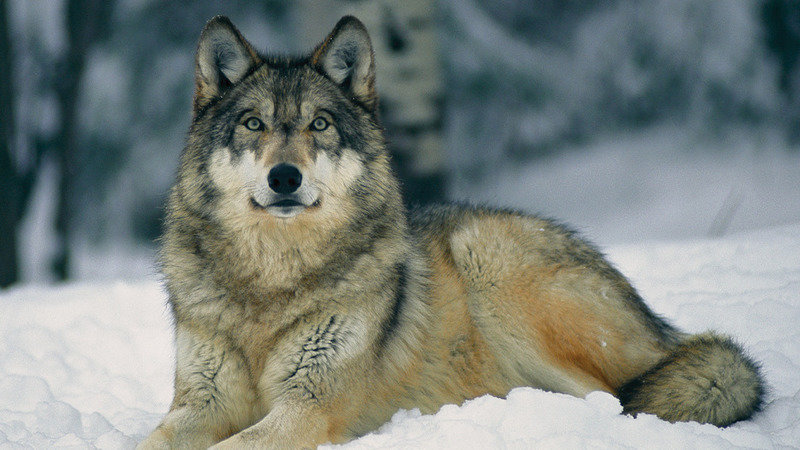
A Gray Wolf (Canis Lupus)

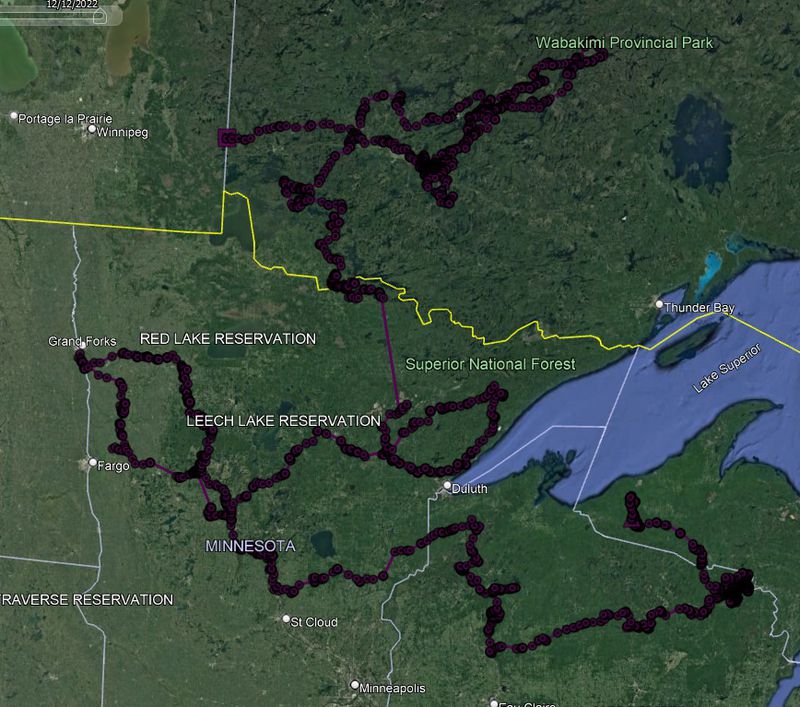
When a hunter in Manitoba, Canada legally shot and killed a Gray Wolf in early December 2022, a radio collar found around its neck was the first clue to the incredible journey this animal had been on. The Wolf had been collared in Michigan’s Upper Peninsula in the summer of 2021, and its GPS data since then showed this Wolf’s multi-state and two-country trek was one for the record books.

A map plotted by Michigan Department of Natural Resources researchers showed this male Wolf travelled through Wisconsin, then Minnesota, made a short stop in North Dakota, crossed the Canadian border into Ontario, then swung up into the Whiteshell area of Manitoba, where the hunter’s bullet found him. In all, this Wolf had travelled 4,200 miles in about 18 months.

This map from Michigan DNR shows the lengthy trek of a collared Gray Wolf from the Upper Peninsula, through other northern states and into Canada.

“The use of GPS collars will certainly add more insight to the movement of these amazing animals and likely show that others may make similar movements over time, but I suspect this will stand as a record for some time for Michigan,” said Brian Roell, a wildlife biologist with Michigan’s DNR.

Use of Wolf Collars

Michigan’s Wolf population has been stable for the last several years, with anywhere from 600 to 700 Wolves spread out across every county in the state’s Upper Peninsula. There’s been evidence a few Wolves have crossed the Straits of Mackinac to enter the Lower Peninsula, but there’s no documented population there so far, the DNR says.

State biologists have run a Wolf-collaring program since 1992. Currently, about 30 of the U.P.’s Wolves are wearing collars. Researchers can typically get about three years of data from a Wolf before the newer GPS collars stop working. Each spring, the DNR catches and collars new Wolves. They try to target Wolves from specific packs they want more information about – packs that might have overlapping territories, where researchers want to get a better handle on the pack boundaries. Or packs that are reportedly getting too close to livestock farms. By tracking any troublemaking packs, the DNR can use hazing methods to try to push them away from specific areas.

Beyond just population measurements, Roell said the collaring effort has given biologists lots of important information on Michigan’s 130 to 140 Wolf packs. “It also gives us insight into biological information on Michigan Wolves, their movement, their territory sizes.”

A Well-Travelled Wolf

But this lone Wolf making the 4,200-mile trip was unusual in the breadth of his roaming, researchers agree. The 92-pound male was collared in the summer of 2021 near Lake Gogebic. This is in the Ottawa National Forest in the north-western part of the U.P.

“It did not stay in Michigan very long after that,” Roell said the GPS data showed. “So it really never settled down.”

The DNR has documented other Michigan Wolves that have taken long trips. One showed up in Missouri. Others have been found in closer locales like Wisconsin or Minnesota. Some have crossed into Canada.

“The new technology that we have been using … has really given us some insight into these long-distance movements,” Roell said. “Often it seems like some of these animals are destined to stay loners.”

As for this particular Wolf, “we know this animal had been going for a while,” before it was legally harvested, he said.

Great Lakes Wolves: One Big Population?

Another group that was interested in this Michigan Wolf’s long trek was the Voyageurs Wolf Project, researchers who study Wolves and their prey in and around Voyageurs National Park in northern Minnesota. This Michigan Wolf walked though part of Voyageurs – and through at least two Wolf pack territories in that park – on its way north to Canada. When the group recently shared this information and the Michigan DNR’s maps on social media, the post amassed thousands of likes and shares.

A Pack Of Wolves On The Ice At Voyageurs National Park

But beyond just sharing the information, the Voyageurs group said this Michigan Wolf’s trek helps expand people’s understanding of the “Lone Wolf” concept. And it shows how Wolves in the Great Lakes region are more connected than some people might think. After all, Wolves don’t know when they’re crossing state lines, or stepping into another country.

“The travels of this Michigan Wolf, along with many others that our project and other researchers have documented, show how Wolves across the Midwest states and Canadian provinces are connected,” their social media post reads.

“Although we tend to think of Wolf populations based on geopolitical boundaries (e.g. the Wolf population in a given state or province), which are useful for management and conservation decisions, there isn’t much to indicate that these boundaries actually denote the boundaries between Wolf populations.

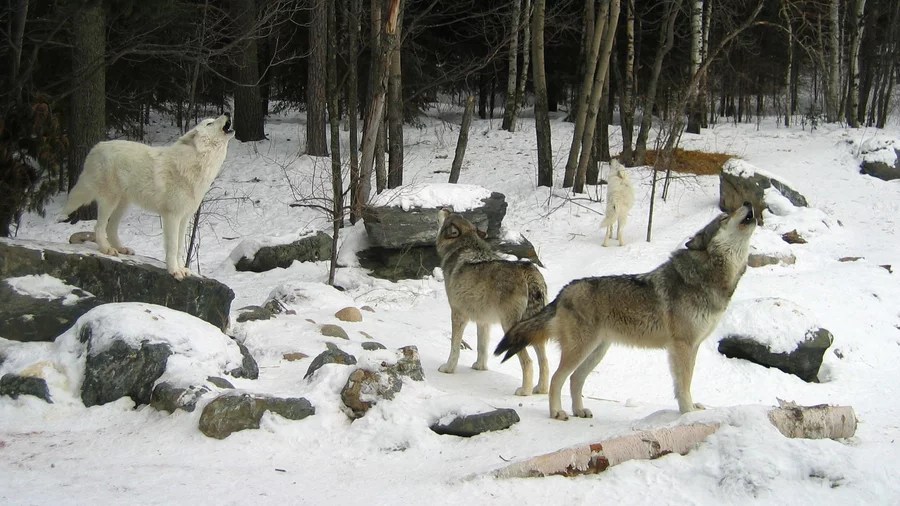
Four Of The Great Lakes Gray Wolves Population Howling

“Instead, probably the best way to think of Wolf populations in the western Great Lakes area is to think of them as one large, connected population with dispersing Wolves moving between provinces and states all the time.”

Originally posted by Michigan Live.

What you can do to help wildlife:

You can support ‘Protect All Wildlife’ by donating as little as £1 – It only takes a minute but it can last a lifetime for an animal in need.

Remembering Wildlife, Remembering Bears. A Review Of The Book Raising Funds For The Protection Of Bears.

“The greatness of a nation and its moral progress can be judged by the way its animals are treated” ~ Mathatma Gandhi.

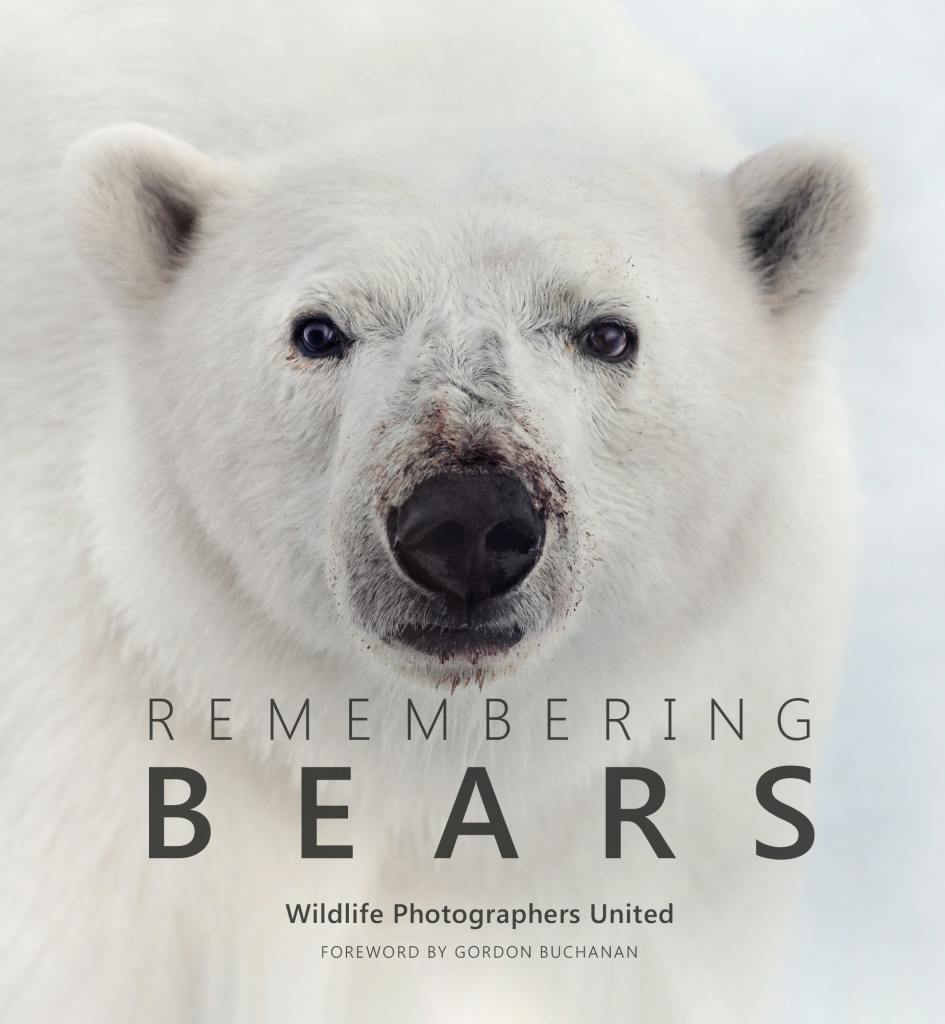
A new book aims to raise awareness of the plight facing Bears and to raise money to protect them. This is the latest book in the Remembering Wildlife series which has so far raised more than £952,000 for conservation through book sales around the world.

“There can be few species that we humans have such a contradictory relationship with, than Bears. From hugging toys of them at night as children, to labelling them as anything from a nuisance to a threat, entertainment to medicine, we are nothing but hypocritical in how we relate to this most awe inspiring creature. At Remembering Wildlife, we believe it is time to stop and think about this contradiction.

As you’ll see in this stunning collection of images, the eight Bear species roam from ice sheets to forests, meadows to mountains. From tender moments with their young, to fierce territorial battles between males, we tell their story in a way that commands respect, awe and reappraisal.

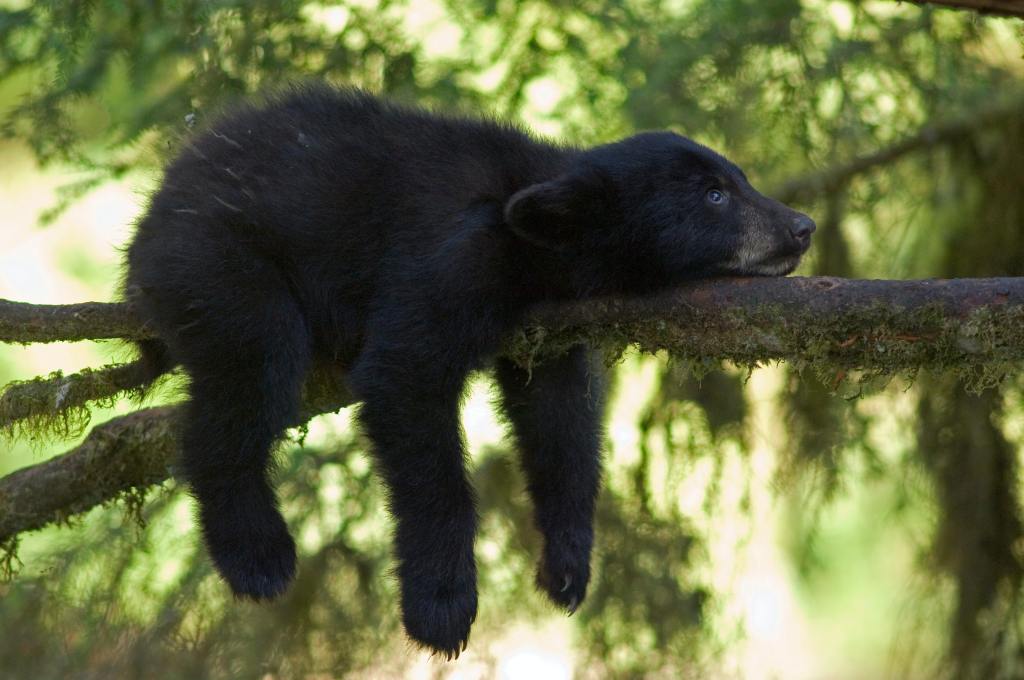
American Black Bear (Ursus Americans) by Amy Gulick Tongass. National Forest, Alaska This Black Bear cub was sent up a tree by its mother for safekeeping while she fished in the stream below. It was an unusually hot day and the cub flopped out on the branch until mom gave the signal to come down for a meal.

With this book, we aim to shine a spotlight on their diversity and beauty, their resilience and fortitude and most importantly, to raise funds for those working to protect them. We are supported in this mission once again by many of the world’s top wildlife photographers, who have all generously donated their work. Together, we are determined to stand up for Bears and penetrate the moral consciousness of all those who would exploit or see them destroyed. Because the planet would be poorer without them” – Margot Raggett, Remembering Wildlife Founder.

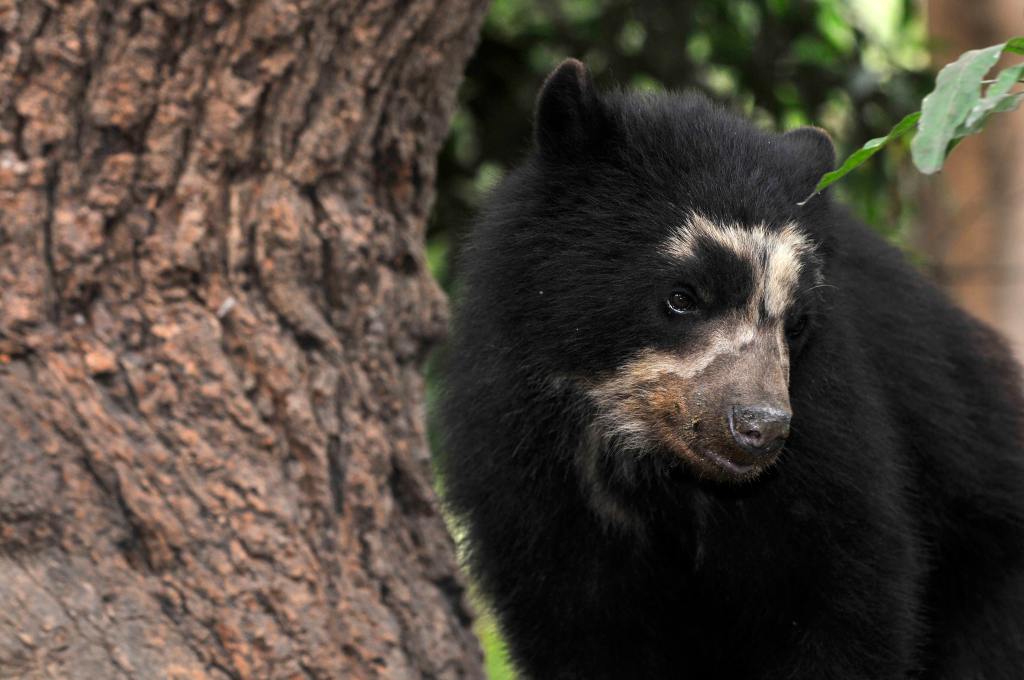
Chaparri Ecological Reserve, Peru Andean Bear. Photographer Daniel Rosengren was visiting a bear sanctuary in Chaparri when suddenly this wild bear appeared and climbed a tree. Staff explained it visited sometimes and was not shy.

All profits from the sale of the book will be used to support projects working to protect Bears.

Each turn of the page reveals another striking image of one of the eight Bear species –American Black Bear, Andean Bear, Asiatic Black Bear, Brown Bear, Giant Panda, Polar Bear, Sloth Bear and Sun Bear – revealing tender moments with family members, fierce territorial battles and the harsh reality of life as a bear, for example, when searching for food.

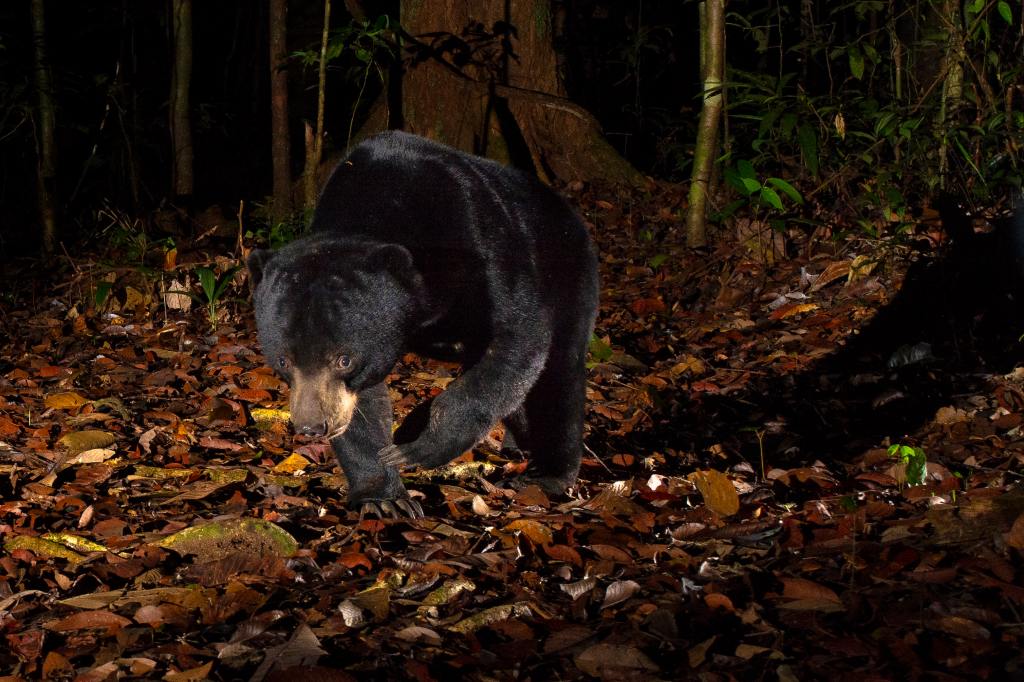
Sun Bear (Helarctos malayanus) by Tim Laman Gunung Palung National Park, West Kalimantan, Indonesia Sun Bears are rare, and this image was one of a handful of obtained during two years of intensive camera trapping, deep in the remote rainforest of Gunung Palung National Park in Indonesian Borneo.

Actor and comedian Ricky Gervais has endorsed the book, saying it is: “A wonderful book that shows how beautiful Bears are and just what we have to lose if we don’t stand up for them now. They deserve better.”

The hardback coffee table book is a collection of 88 stunning images taken by the world’s top wildlife photographers – including Marsel van Oosten, Art Wolfe, Frans Lanting, Greg du Toit and Daisy Gilardini – who have generously donated images to help protect Bears in the wild.

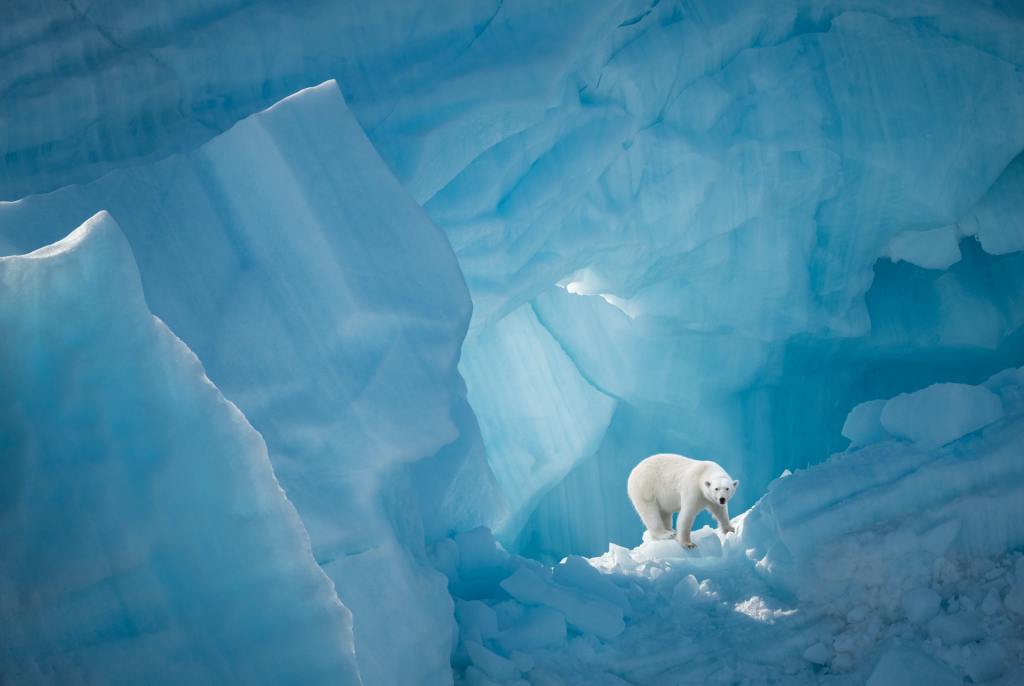
Polar Bear (Ursus maritimus) by Marsel van Oosten Svalbard. Climate change is not the only threat to Polar Bears. In Canada, the world’s largest exporter of Polar Bear skins, more than 600 Bears are legally killed every year. Hunters worldwide kill more Polar Bears than African Rhinos, which are protected by guards against poaching.

Six out of the eight Bear species are listed by the International Union for Conservation of Nature (IUCN) as Vulnerable or Endangered due to pressures ranging from climate change to human-wildlife conflict. Even those Bears of least concern, such as Brown Bears, are at risk of being lost for good in certain countries.

Founder of Remembering Wildlife Margot Raggett said: “Humans have long had a special relationship with Bears – we hug them at night as children and love seeing them in story books and on screen. Yet, in the real world, they’re not always viewed with the same affection and can been seen as a nuisance or a threat.

“Some face lives of misery – as dancing Bears, illegally trafficked as pets or used for medicine – or face serious threats and extinction through climate change, hunting or human-wildlife conflict.

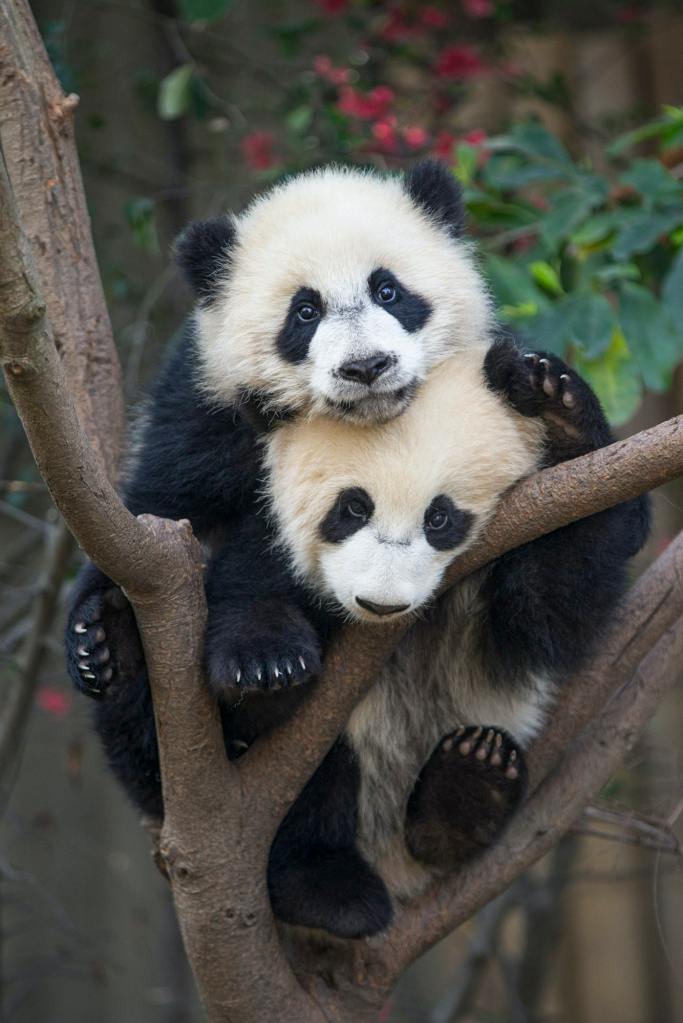
Giant Panda (Ailuropoda melanoleuca) by Suzi Estzerhas. Two playful seven-month-old Giant Panda cubs in a tree Chengdu, China

“Through images and words, this book shines a spotlight on their diversity, beauty and resilience as well as raising awareness of their plight and raising funds for organisations passionately fighting for the future of Bears.”

The foreword for the book is by award-winning wildlife filmmaker, presenter and public speaker Gordon Buchanan MBE.

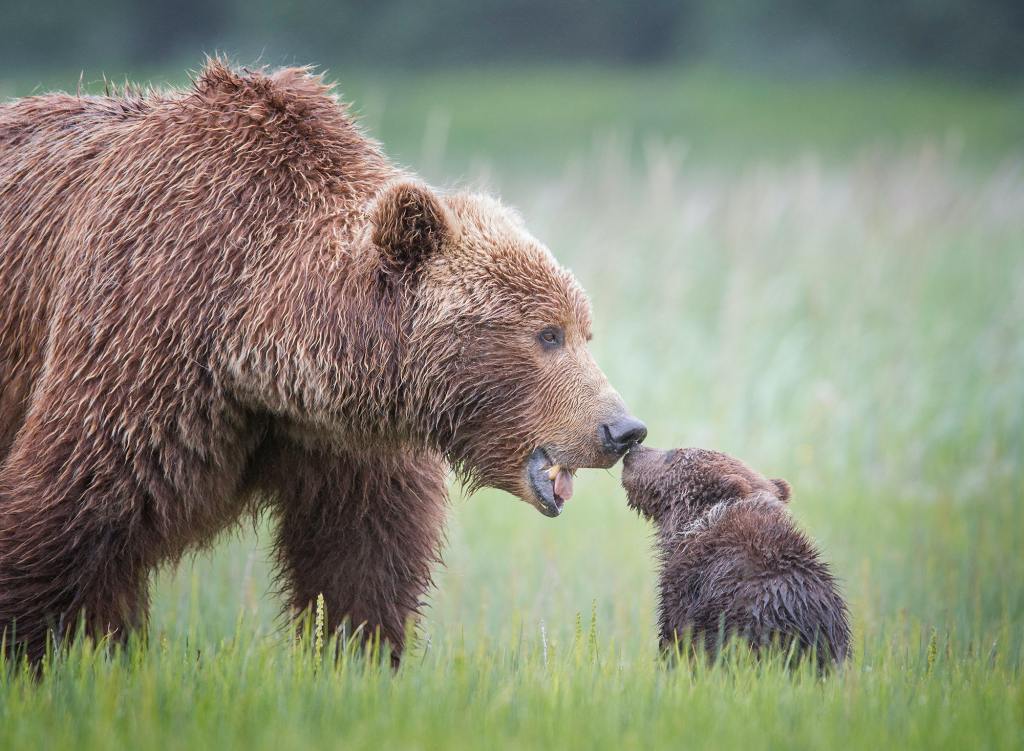
Brown Bear (Ursus arctos) by Tin Man Lee Lake Clark National Park, Alaska. After three hours lying motionless in remote Alaska, the photographer caught this picture of a spring cub waking up from a deep sleep and sitting up, with mother Bear, who was 20 feet away, dashing back to give a cub a nose touch.

Further information about Remembering Wildlife can be found here .

To find out more about the projects that Remembering Wildlife has already funded, click here

Each book costs £45 GBP (approximately $50 USD) and copies can be ordered at Remembering Wildlife

In Kenya’s Worst Drought In 40 Years, Elephants And Other Wildlife Are Dying In Alarming Numbers

THE CARCASS OF AN ELEPHANT THAT DIED DURING THE DROUGHT IS SEEN IN THE SHABA NATIONAL RESERVE, ISIOLO COUNTY, KENYA, SEPT. 22, 2022. (REUTERS PHOTO)

Over 100 Elephants died as a result of drought in East Africa, which has taken a toll on the wildlife in Kenya’s national parks.

Carcasses of dead Buffaloes, Zebras, Giraffes, Elephants and other animals litter the parks attracting scavengers such as Vultures and Hyenas.

ONE OF THE HUNDREDS OF ZEBRAS SUCCUMBING TO THE DROUGHT

The animals are dying due to one of the worst droughts ever to hit East Africa, with experts saying it has been the worst drought experienced in the eastern part of Africa for over 40 years.

Speaking to Anadolu Agency (AA), Nancy Githaiga, the country director of Africa Wildlife Foundation in Kenya, said that 109 Elephants have been recorded dead in the Tsavo National Park, Kenya’s largest, over the past year.

“Although cases of poaching have greatly dropped due to surveillance, the number of Elephants is now going down significantly because of drought,” she said.

“It’s not just Elephants, it’s giraffes, zebras and all wildlife that are dying, you will find their carcasses around.”

Temporary waterholes were installed last year, but because of the increasing severity of the drought and the vast areas involved we MUST get more water to the dying animals of Kenya and do so FAST!

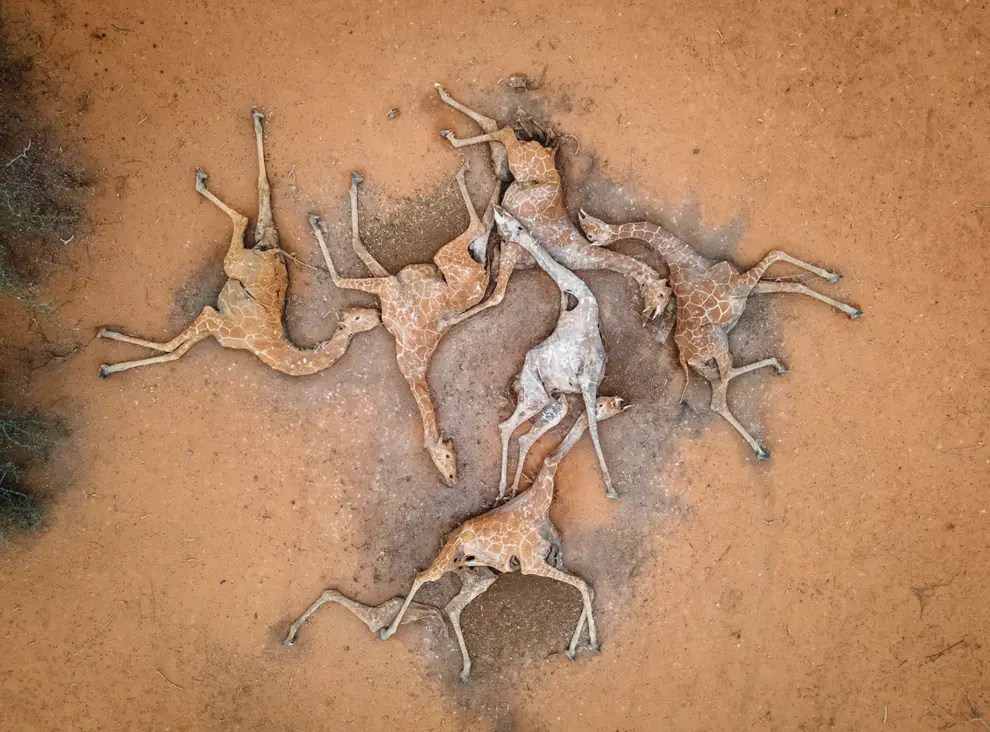
THE PHOTO SHOWS SIX GIRAFFES LYING LIFELESS IN THE SABULI WILDLIFE CONSERVANCY IN WAJIR. THE ANIMALs DIED AFTER GETTING STUCK IN MUD AS THEY TRIED TO DRINK FROM A NEARBY RESERVOIR, WHICH HAD ALMOST DRIED UP.

The drought is the worst in the region in more than 40 years and shows no signs of abating.

With each passing day, more parched animals are dropping dead, like the sad story of Monsoon, the matriarch Elephant.  

“Monsoon,” the miracle elephant, survived being shot FIVE times by poachers and even managed to give birth after her ordeal. A drought in northern Kenya killed her last month.

Animals like Monsoon are dropping dead beside dried-up water pans and nonexistent pastures. We cannot afford to lose wildlife in these staggering numbers. Please help us support charities at the heart of this crisis.

How you can help us support those on the ground:

You can support animals in need by donating as little as £1 – It only takes a minute but it can last a lifetime for an animal in need.

Everyone who donates will receive a Certificate of Appreciation as a thank you for helping animals in need.

Certificate of Appreciation