
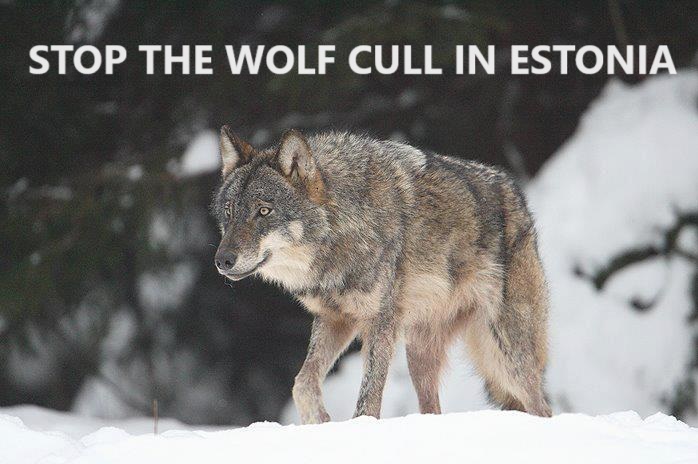
Concerns have been raised that the science behind the killing is untenable, and that killing Wolves could lead to harmful behavior against humans.
Estonia has once again begun culling its Wolf population.
A certain number of Wolves are killed every year in the Baltic country, although this time conservationists are worried.
Estonia’s environment agency has set the killing quota at 144, claiming there are more wolves in the country than conservation plans allow.
However, Wolf researcher Maris Hindrikson at the University of Tartu told Euronews that he and fellow scientists are “not convinced” about their data.
She claims that Wolf populations are being counted based on “old-fashioned” and “messy” techniques – such as hunter observations – that may not accurately reflect their numbers.
This means that the killing quota may be much higher, given the already threatened species under even more strain.
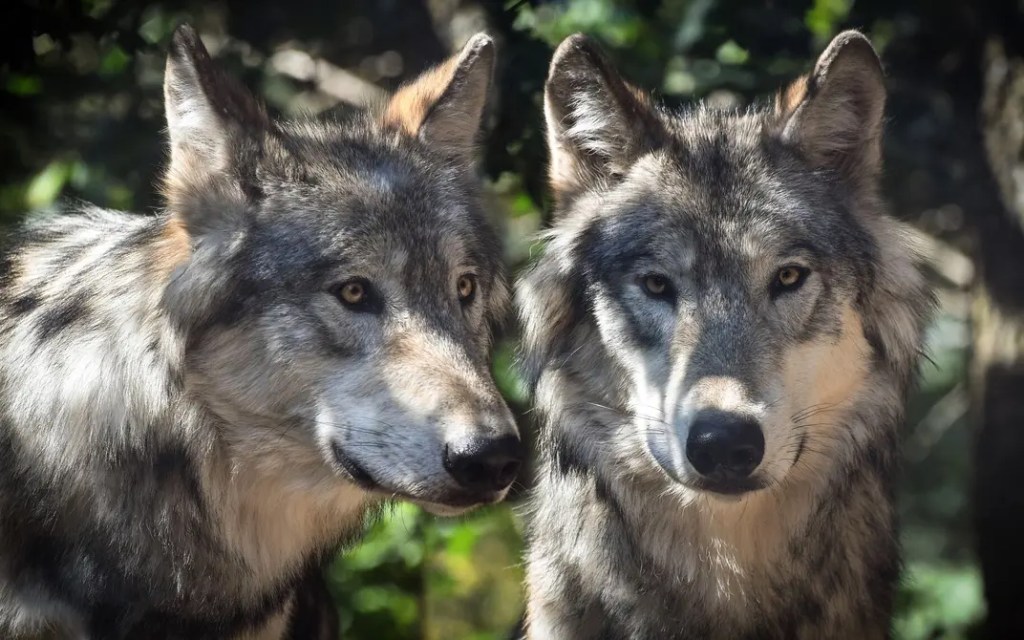
“The problem is we don’t know how many Wolves there are,” Hindrickson says, estimating that the cull could wipe out 30 percent to 50 percent of the country’s entire Wolf population.
In a statement sent to Euronews, the Estonian Environment Agency said its “method was in use in Nordic countries such as Sweden, Finland and Norway.”
“We find the current methodology comprehensive, objective and reasonable,” he said.
Even though Wolf numbers have recovered in recent years, their total number is considered “stable/decreasing” by the International Wolf Centre. Estimates put their total population at between 150 – 300 in Estonia.
Officials claim their culling is necessary because Wolves attack livestock, especially sheep, causing economic losses to the country’s farmers.
According to the Environmental Board of Estonia (Keskonamet), a total of 946 sheep were killed by predatory Wolves in 2022.
It said the figure has crossed 1,100 this year, with several weeks left for 2023.
One particularly grizzly attack at a farm in southeastern Tartu County killed an entire breeding flock of more than a dozen ewes in October, with farmer Rein Mirka telling Estonian Public Broadcasting (ERR) the incident had cost him between €15,000 to €20,000.
Hindrickson still questions whether killing is the best approach to the problem. “Science has always shown that culling doesn’t actually help reduce sheep deaths”.
As habitats are destroyed – limiting available food resources – Hindrickson claims lethal solutions could be counterproductive, driving Wolves to prey on livestock in the first place.
Killing is a really big problem because it destroys herds. Wolves are very social animals and we know that large packs hunt larger animals such as deer. But generally, small herds seek out smaller prey because they cannot develop cooperative methods of hunting,” she explains.
The researcher says another problem is that when older Wolves are killed younger Wolves do not experience and learn more complex hunting strategies, meaning they resort to eating livestock. . Hindrickson likens it to “fast food” for wolves.
“What I’m against is killing that kills a lot of wolves. We don’t really know how many wolves we have and what impact actually killing them has. It seems like they create a pattern Where we kill so many wolves, they affect how the herds are structured, they go after the sheep, then sheep attacks increase. So then people say yes, sheep are in danger. Please more wolves. kill.
“It’s a continuous cycle,” she adds.

Better alternatives Hindrikson proposes are “ensuring adequate numbers of natural prey in the wild”, such as Deer and Wild Boar, and taking steps to deter Wolves.
“Farmers should build more fences and get guard dogs to scare off Wolves. This is something that has worked all over Europe. We get news of a sheep attack, but often farmers haven’t prevented a thing. We always blame the Wolves, it is easy, but actually, people do everything.
“Prevention and making society understand where this problem comes from and how to mitigate it are very important,” she continues.

WHAT YOU CAN DO TO HELP ANIMALS IN NEED
You can support our work by donating as little as £5 – It only takes a minute but it can last a lifetime for an animal in need.
PLEASE CLICK HERE TO HELP ANIMALS IN NEED
Everyone who donates will receive a Certificate of Appreciation as a thank you for helping animals in need.

The Mission of Protect All Wildlife is to prevent cruelty and promote the welfare of ALL animals. We believe EVERY animal should be treated with respect, empathy, and understanding. We raise awareness to protect and conserve wild, captive, companion and farm animals.
It is vital that we protect animals against acts of cruelty, abuse, and neglect by enforcing established animal welfare laws and, when necessary, take action to ensure that those who abuse animals are brought to justice.
Protect All Wildlife are involved in many projects to protect animals’ rights, welfare, and habitats. Money contributed to Protect All Wildlife supports ALL of our worthy programmes and gives us the flexibility to respond to emerging needs. Your donations make our work possible.
 PROTECT ALL WILDLIFE