Should Wildlife Tourism Be Banned In India?

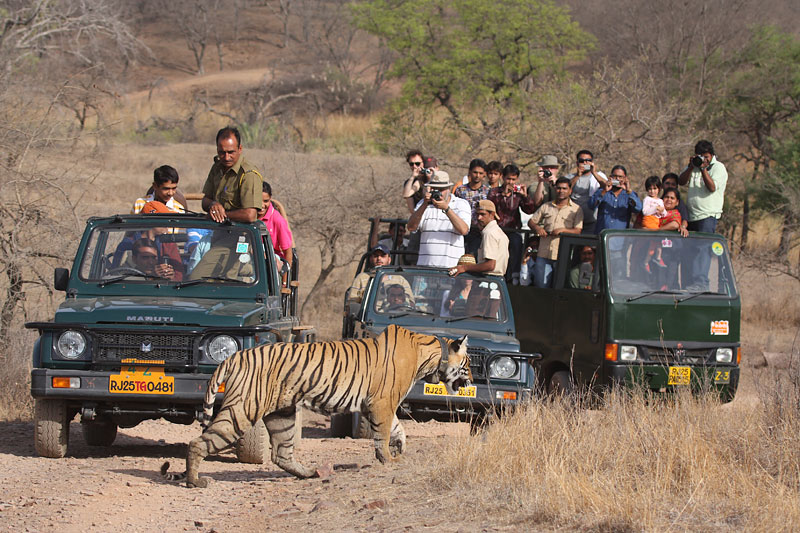
Tiger T42 – Fateh. A dominant tiger of Ranthambhore Tiger Reserve, he rules over Qualiji area. He is named after the legendary conservationist, synonymous with Ranthambhore, Fateh Singh Rathore-A tribute to a great man.

Wildlife Tourism in India has always been a controversial matter. In 2010, a Public Interest Litigation was filed by tiger activist Ajay Dubey, claiming that the industry was becoming unsustainable and exploitative. As per the 2006 Amendment of the Wildlife (Protection) Act of 1972, “critical Tiger and wildlife habitats” must be inviolate for the vital growth of tiger populations. Any form of human activity was deemed a threat to Tiger conservation. It was on this basis that, on the 24th of July 2012, the Supreme Court ordered a temporary ban on tourism in the core zone of Tiger reserves. The ban stirred significant debate amongst conservationists.

More about the wildlife tourism ban

The underlying principle of the order was questionable. Tiger populations grew remarkably in reserves such as Kahna, Bandhavgarh and Ranthambore, despite substantial amounts of wildlife tourism. Contrastingly, Tiger populations in less popular Protected Areas, such as Buxa and Palamu Tiger Reserve, have depleted immensely despite a lack of tourism. Associating wildlife tourism to the depletion of Tiger populations remains a baseless claim.

The Supreme Court hoped that the ban would instigate the establishment of buffer zones in Protect Areas for wildlife tourism, in accordance with the November 2011 NTCA guidelines. However, despite the Supreme Court mandate, numerous states were reluctant to comply with the guidelines. Tourism in buffer zones was not the most practical alternative. These regions are used extensively by bordering villages for cattle grazing and the collection of forest produce. Habitat degradation would lead to inferior wildlife sightings, hence attenuating the attractiveness of wildlife safaris. 
Wildlife Tourism In India

Fortunately the MoEFCC and NTCA redrafted guidelines, allowing for wildlife tourism in up to 20% of the critical Tiger habitat of a reserve. The revised guidelines encouraged states to form their own ecotourism policies. Following this, on the 16th of October 2012, the Supreme Court allowed for the recommencement of tourism in core areas

Are there any benefits of wildlife tourism?

There are numerous benefits to wildlife tourism, particularly for the local communities. Following proper practices, ecotourism brings substantial economic benefits. With over 1 million people visiting tiger reserves annually, a lot of revenue is generated in the form of entry fees, guide salary, lodge bookings amongst others. This provides significant employment opportunities for the local communities and has ripple effects as locals will associate a monetary value with wildlife. This would increase the general acceptance of wildlife, hence reducing human-wildlife conflict. Furthermore, this would prevent locals from turning to game hunting for sustenance. Entry fees would also provide the Forest Department with much required funding for conservation works! It is estimated that in the Fiscal Year of 2019, wildlife tourism in Madhya Pradesh attracted nearly 2 million visitors, generating 27 crore rupees. An organization, TOFTigers, estimated that nearly a quarter of the state’s Forest Department Budget consists of park entry fees in 2017. Moreover, the industry generated an additional 2,500 full time jobs out of which 82% were given to locals. With the industry growing at a healthy 15% annually, local economies stand to benefit immensely, particularly in the North East where the wild wonders are relatively unexplored.

Tourism also has a plethora of benefits in the management of the reserve. With the Forest Departments heavily under resources and understaffed, patrolling Protected Areas is a daunting task. Parks certainly benefit from watchful tourists. Detection of forest fires, illegal activities and injured animals improves with the participation of tourists. In fact, with the development of citizen science software, tourists can contribute even further towards wildlife research. It is no surprise therefore, that within 6 weeks of wildlife tourism shutting down due to the pandemic in 2020, the cases of poaching increased by 151% across India.

Unethical Practices Cloud wildlife tourism

However, in the past, there have been concerns regarding whether the economic benefits of wildlife tourism actually reach local communities.  Wildlife tourism may also lead to some atrocious practices. For example, both captive elephants, and dancing bears, undergo immense torture while being trained for tourist purposes. Similarly, Kopi Luwark, the world’s most expensive coffee, is a major attraction in Indonesia. However, most people are oblivious to the fact that it sponsors the illegal wildlife tradeSnake charming also is equally diastorous.

Unruly visitors are not avoidable

Enforcement of rules and regulation also remains a dark spot in the wildlife industry. I personally have witnessed numerous accounts of wildlife harassment. Unruly tourists littering, wearing excessively bright colours and making excessive noise has made a few safaris unpleasant. Furthermore, in the lure of tips, guides are often overly enthusiastic during a safari. A critical protocol which is frequently ignored during a direct sighting is the minimum distance requirement between two jeeps. Though legally, animals have the right of way in forest roads, this behaviour by jeeps often obstructs their paths and causes distress to the animals. I witnessed this with the dominant male Rudra in Tadoba Tiger Reserve in October 2020 and in my first visit to the park in 2017, where a jeep did some off-roading to show the guests tiger cubs feeding on a kill. Not only did the family flee, the jeeps shamelessly continued chasing them off-roading. Littering is also a prominent issue. On the same trip, I visited the Tipeshwar Tiger Reserve where visitors, despite being confronted by both forest staff and guests, continued to litter in the park. I can name plenty of such personal anecdotes from forests all over India! Seeing the popular tiger of the park overwhelms tourist and guide alike!

The impact of such behaviour has had an observed impact on wildlife. Tigers and other wildlife of popular parks are far more accustomed to jeeps than in the smaller reserves. Despite this, tigers do witness increased stress levels. This is proved by a study of 341 samples of tiger scats by the Centre for Cellular and Molecular Biology (CCMB) in Bandhavgarh and Kanha National Park. The study found that tigers had higher concentrations of the stress hormone, faecal glucocorticoid metabolite (fGCM), during the tourism season than prior. 

This behaviour could be rectified by improved education. While an underlying purpose of ecotourism is education, only 30% of India’s Protected Areas have visitor orientation centres. Private lodges also are not very proactive in the field. 

Wildlife tourism has to become more sustainable

Another issue with wildlife tourism is that lodges are not truly eco-friendly. A nationwide study of 10 of India’s major wildlife tourist destinations was alarming. 85% of tourist facilities were within 5km of the park. 93% of the lodges used local wood while the dependency on local borewells varied from 40% to 100%. Swimming pools in the lodges of Central India prove costly for local communities in the dry summer months. The fragile ecosystem of Ladakh is witnessing widespread decimation in recent years due to scores of tourists flocking to the state following the release of the movie “3 Idiots”.

The same study found that in the 10 parks, 95% of the revenue went to private operators. Only 4.5% and 0.5% went to the park and locals respectively. In fact, only 0.001% of the locals within a 10km buffer of PA were employed. This accentuates the fallacies of India’s wildlife industries! 

Larger mammals steal the limelight

Although only 10% of India’s 500 Protected Areas are Tiger Reserves, they account for 32% of wildlife tourism. Spotting charismatic species such as Tigers, Elephants, Rhinos and Lions still remains the sole interest for most visitors. Much of India’s natural beauties are unheard of by the general public. This is in sharp contrast with countries such as Australia, US, South Africa and Europe. Unlike India, ecotourism is not limited to safaris solely. These countries offer a wide array of sustainable activities across their natural landscapes including bird watching, camping, adventure sports, and natural history museums. Although it is essential to not damage the natural ecosystem, the ecotourism industry in India could be further developed. In fact, developing more activities in the lesser known parks could help distribute tourism more evenly across the country. There is much scope to expand. India could also adopt a private-public partnership in a few regions, much like the Private Game Reserves of South Africa!
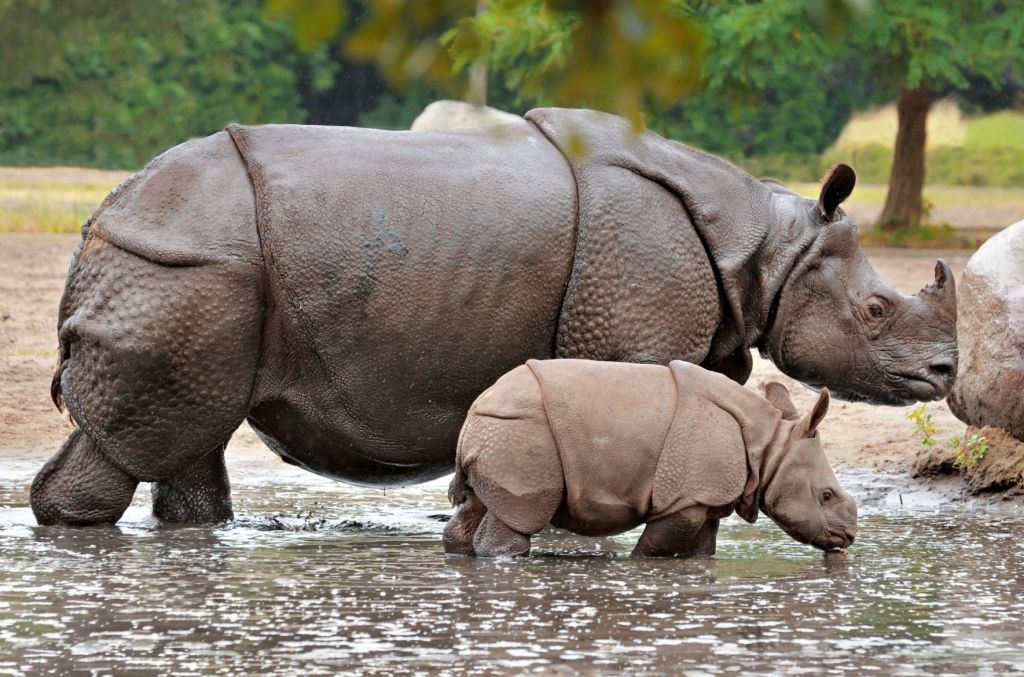
The Greater One-Horned Rhino

All in all, the wildlife tourism industry is still fairly young and has much growth left. It has various benefits to wildlife but there are many issues for India to iron out such that the industry can bolster conservation efforts.

This article was first published on Think Wildlife Foundation. 

How you can help animals in need:

You can support animals in need by donating as little as £1 – It only takes a minute but it can last a lifetime for an animal in need.

Certificate of Appreciation

Best Animal And Nature Images 0f 2022 Revealed As Wildlife Photographer Of The Year Announced

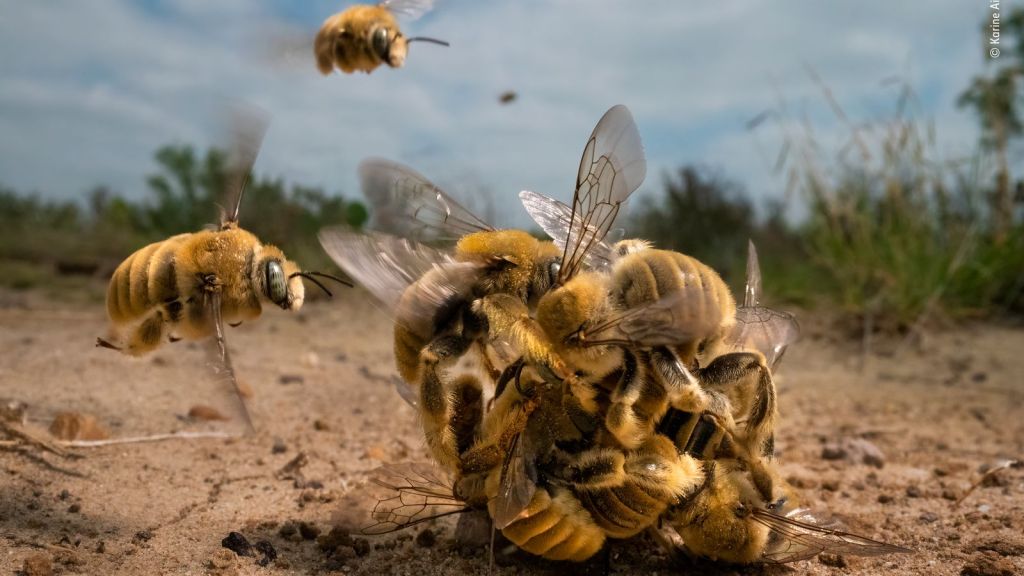
A buzzing ball of cactus bees was awarded the top prize at the prestigious Wildlife Photographer of the Year competition.

The winners of the Natural History Museum’s prestigious Wildlife Photographer of the Year competition were announced at an awards ceremony in London today.

American photographer Karine Aigner was announced as this year’s Wildlife Photographer of the Year for her remarkable image of a buzzing ball of cactus bees spinning over the hot sand on a Texas ranch (top image).

Entitled “The Big Buzz”, her winning shot was taken close up at bee-level and shows all except one of the male insects intent on mating with the single female at the centre.

Organisers of the contest pointed out that, like most bees, the insects pictured are threatened by habitat loss, pesticides and climate change, along with farming practices that disrupt their nesting grounds.

All The Winners Of Wildlife Photographer Of The Year 2022

10 Years and under winner

Battle stations by Ekaterina Bee, Italy

Ekaterina Bee, Wildlife Photographer of the Year

Ekaterina Bee watches as two Alpine ibex spar for supremacy. It was near the end of a spring day trip with her family that Ekaterina spotted the fight. The two ibex clashed horns and continued to trade blows while standing on their hind legs like boxers in a ring. In the early 1800s, following centuries of hunting, fewer than 100 Alpine ibex survived in the mountains on the Italy–France border. Successful conservation measures mean that, today, there are more than 50,000.

Location: Pian della Mussa, Piedmont, Italy

11-14 Years Winner

Out of the fog by Ismael Domínguez Gutiérrez, Spain

Ismael Domínguez Gutiérrez reveals a monochromatic scene as an osprey sits on a dead tree, waiting for the fog to lift. When Ismael arrived at the wetland, he was disappointed not to be able to see beyond a few metres – and certainly he had no hope of glimpsing the grebes he wanted to photograph.

But as the fog began to lift, it revealed the opportunity for this striking composition. Ospreys are winter visitors to the province of Andalucía. Here the many reservoirs offer these widespread fish-eating raptors shallow, open water that is clearer than many rivers and lakes.

Location: Embalse de Los Hurones, Cádiz, Spain

15-17 Years Winner

The beauty of baleen by Katanyou Wuttichaitanakorn, Thailand

Katanyou Wuttichaitanakorn, Wildlife Photographer of the Year

Katanyou Wuttichaitanakorn is intrigued by the contrasting colours and textures of a Bryde’s whale, which surfaces close by. Following government tourism guidelines, the tour boat Katanyou was travelling on turned off its engine as the whale appeared close by.

This meant that Katanyou had to steady his hands to capture this close-up composition as the boat rocked in the swell. Bryde’s whales have up to 370 pairs of grey-coloured plates of baleen growing inside their upper jaws. The plates are made of keratin, a protein that also forms human hair and nails, and are used to filter small prey from the ocean.

Location: Upper Gulf of Thailand, Phetchaburi, Thailand

Animals in their Environment winner

Spectacled bear’s slim outlook by Daniel Mideros

Daniel Mideros takes a poignant portrait of a disappearing habitat and its inhabitant. Daniel set up camera traps along a wildlife corridor used to reach high-altitude plateaus. He positioned the cameras to show the disappearing natural landscape with the bear framed at the heart of the image.

These bears, found from western Venezuela to Bolivia, have suffered massive declines as the result of habitat fragmentation and loss. Around the world, as humans continue to build and farm, space for wildlife is increasingly squeezed out.

Location: Peñas Blancas, Quito, Ecuador

Animal Portraits winner

Puff perfect by José Juan Hernández Martinez, Spain

José Juan Hernández Martinez witnesses the dizzying courtship display of a Canary Islands houbara.

José arrived at the houbara’s courtship site at night. By the light of the moon, he dug himself a low hide. From this vantage point he caught the bird’s full puffed-out profile as it took a brief rest from its frenzied performance. A Canary Islands houbara male returns annually to its courtship site to perform impressive displays.

Raising the plumes from the front of its neck and throwing its head back, it will race forward before circling back, resting just seconds before starting again.

Location: La Oliva, Fuerteventura, Spain

Behaviour: Invertebrates Winner

The big buzz by Karine Aigner

Karine Aigner gets close to the action as a group of bees compete to mate. Using a macro lens, Karine captured the flurry of activity as a buzzing ball of cactus bees spun over the hot sand. After a few minutes, the pair at its centre – a male clinging to the only female in the scrum – flew away to mate. The world’s bees are under threat from habitat loss, pesticides and climate change. With 70% of bee species nesting underground, it is increasingly important that areas of natural soil are left undisturbed.

Location: South Texas, USA

Behaviour: Birds Winner

The listening bird by Nick Kanakis, USA

Nick Kanakis gains a glimpse into the secret life of wrens. Nick spotted the young grey-breasted wood wren foraging. Knowing it would disappear into the forest if approached, he found a clear patch of leaf litter and waited. Sure enough, the little bird hopped into the frame, pressing its ear to the ground to listen for small insects. This prey-detecting technique is used by other birds, including the Eurasian blackbird. Grey-breasted wood wrens are ground-dwelling birds, often heard but not seen. They broadcast loud, melodious songs and rasping calls while hidden in the undergrowth.

Location: Tatamá National Park, Risaralda, Colombia

Behaviour: Mammals winner

The great cliff chase by Anand Nambiar, India

Anand Nambiar captures an unusual perspective of a snow leopard charging a herd of Himalayan ibex towards a steep edge. From a vantage point across the ravine, Anand watched the snow leopard manoeuvre uphill from the herd. It was perfectly suited for the environment – unlike Anand, who followed a fitness regime in preparation for the high altitude and cold temperatures. Snow leopards live in some of the most extreme habitats in the world. They are now classed as vulnerable. Threats include climate change, mining, and hunting of both the snow leopards and their prey.

Location: Kibber Wildlife Sanctuary, Himachal Pradesh, India

Oceans: The Bigger Picture Winner

New life for the tohorā by Richard Robinson, New Zealand

Richard Robinson captures a hopeful moment for a population of whales that has survived against all odds. Hindered by poor visibility, Richard used a polecam to photograph the whales gradually moving towards his boat. Pushing his camera to its limits in the dark water, he was relieved to find the image pin-sharp and the moment of copulation crystallised in time.

When ready to mate, the female southern right whale rolls onto its back, requiring the male to reach its penis across the female’s body. Known by the Māori as tohorā, the New Zealand population was hunted to near extinction in the 1800s, so every new calf offers new hope. Shot under New Zealand Department of Conservation permit #84845-MAR

Location: Deas Head, Auckland Islands, New Zealand

Plants and Fungi Winner

The magical morels by Agorastos Papatsanis, Greece

Agorastos Papatsanis composes a fairy tale scene in the forests of Mount Olympus. Enjoying the interplay between fungi and fairy tales, Agorastos wanted to create a magical scene. He waited for the sun to filter through the trees and light the water in the background, then used a wide-angle lens and flashes to highlight the morels’ labyrinthine forms. Morels are regarded as gastronomic treasures in many parts of the world because they are difficult to cultivate, yet in some forests they flourish naturally.

Location: Mount Olympus, Pieria, Greece

Natural Artistry winner

Heavenly flamingos by Junji Takasago, Japan

Junji Takasago powers through altitude sickness to produce a dream-like scene. Junji crept towards the preening group of Chilean flamingos. Framing their choreography within the reflected clouds, he fought back his altitude sickness to capture this dream-like scene. High in the Andes, Salar de Uyuni is the world’s largest salt pan. It is also one of Bolivia’s largest lithium mines, which threatens the future of these flamingos.

Lithium is used in batteries for phones and laptops. Together we can help decrease demand by recycling old electronics.

Location: Salar de Uyuni, Daniel Campos Province, Bolivia

Behaviour: Amphibians and Reptiles Winner

The bat-snatcher by Fernando Constantino Martínez Belmar, Mexico

Fernando Constantino Martínez Belmar waits in darkness as a Yucatan rat snake snaps up a bat. Using a red light to which both bats and snakes are less sensitive, Fernando kept an eye on this Yucatan rat snake poking out of a crack. He had just seconds to get the shot as the rat snake retreated into its crevice with its bat prey. Every evening at sundown in the Cave of the Hanging Snakes, thousands of bats leave for the night’s feeding. It is also when hungry rat snakes emerge, dangling from the roof to snatch their prey in mid-air.

Location: Kantemo, Quintana Roo, Mexico winner

Underwater Winner

Shooting star by Tony Wu, USA/Japan

Tony Wu watches the electrifying reproductive dance of a giant sea star. As the surrounding water filled with sperm and eggs from spawning sea stars, Tony faced several challenges. Stuck in a small, enclosed bay with only a macro lens for photographing small subjects, he backed up to squeeze the undulating sea star into his field of view, in this galaxy-like scene. The ‘dancing’ posture of spawning sea stars rising and swaying may help release eggs and sperm, or may help sweep the eggs and sperm into the currents where they fertilise together in the water.

Location: Kinko Bay, Kagoshima Prefecture, Japan

Urban Wildlife Winner

House of bears by Dmitry Kokh, Russia

Dmitry Kokh presents this haunting scene of polar bears shrouded in fog at the long-deserted settlement on Kolyuchin. On a yacht, seeking shelter from a storm, Dmitry spotted the polar bears roaming among the buildings of the long-deserted settlement.

As they explored every window and door, Dmitry used a low-noise drone to take a picture that conjures up a post-apocalyptic future. In the Chukchi Sea region, the normally solitary bears usually migrate further north in the summer, following the retreating sea ice they depend on for hunting seals, their main food. If loose pack ice stays near the coast of this rocky island, bears sometimes investigate.

Location: Kolyuchin Island, Chukotka, Russia

Wetlands – The Bigger Picture Winner

The dying lake by Daniel Núñez, Guetamala

Daniel Núñez uses a drone to capture the contrast between the forest and the algal growth on Lake Amatitlán. Daniel took this photograph to raise awareness of the impact of contamination on Lake Amatitlán, which takes in around 75,000 tonnes of waste from

Guatemala City every year. “It was a sunny day with perfect conditions,” he says, “but it is a sad and shocking moment.” Cyanobacteria flourishes in the presence of pollutants such as sewage and agricultural fertilisers forming algal blooms. Efforts to restore the Amatitlán wetland are underway but have been hampered by a lack of funding and allegations of political corruption.

Location: Lake Amatitlán, Villa Canales, Guatemala

Photojournalism Winner

Ndakasi’s passing by Brent Stirton, South Africa

Brent Stirton shares the closing chapter of the story of a much-loved mountain gorilla. Brent photographed Ndakasi’s rescue as a two-month-old after her troop was brutally killed by a powerful charcoal mafia as a threat to park rangers. Here he memorialised her passing as she lay in the arms of her rescuer and caregiver of 13 years, ranger Andre Bauma. As a result of unrelenting conservation efforts focusing on the daily protection of individual gorillas, mountain gorilla numbers have quadrupled to over 1,000 in the last 40 years.

Location: Senkwekwe Center, Virunga National Park, Democratic Republic of the Congo

Photojournalist Story Award Winner

The Cuban connection by Karine Aigner

A Cuban bullfinch is positioned alongside a road so that it becomes accustomed to the hubbub of street life and therefore less likely to be distracted during a competition. These birds are highly prized for their sweet voice and feisty spirit. Karine Aigner explores the relationship between Cuban culture and songbirds, and the future of a deep-rooted tradition. For hundreds of years, some Cubans have caught and kept songbirds and held bird-singing contests.

Throughout a turbulent period of economic sanctions and political unrest, these small, beautiful birds have provided companionship, entertainment and friendly competition within the community. Now with regular travel and emigration between Cuba and North America, the tradition of songbird contests has crossed an ocean. As songbird populations plummet, US law enforcement is cracking down on the trapping, trading and competing of these birds.

Location: USA and Cuba

Rising Star Portfolio Award Winner

A theatre of birds by Mateusz Piesiak, Poland

Placing his remote camera on the mud of the reed bed, Mateusz seized the opportunity to capture the moment when a passing peregrine falcon caused some of the dunlins to fly up. Mateusz carefully considered camera angles to produce a series of intimate photographs exploring the behaviour of birds.

Winner of the Young Wildlife Photographer of the Year award when he was 14, Mateusz explored his locality during the Covid-19 lockdown. “Even a small pond or park in the city centre turned out to be a very good place for photographing wildlife.” Throughout this portfolio Mateusz focuses on local birds, researching and preparing for images that were in his mind “for days, months or even years” before he finally managed to realise them.

Location: Poland

Portfolio Award Winner

Under Antarctic ice by Laurent Ballesta, France

Laurent Ballesta endures below-freezing dives to reveal the diversity of life beneath Antarctica’s ice. An underwater photographer and biologist, Laurent has led a series of major expeditions, all involving scientific mysteries and diving challenges, and all resulting in unprecedented images. He has won multiple prizes in Wildlife Photographer of the Year, including the grand title award in 2021. His expedition to Antarctica, exploring its vast underwater biodiversity, took two years to plan, a team of expert divers, and specially developed kit. His 32 dives in water temperature down to -1.7˚C (29°F) included the deepest, longest dive ever made in Antarctica.

Living towers of marine invertebrates punctuate the seabed off Adelie Land, 32 metres (105 feet) under East Antarctic ice.

Here, at the centre, a tree-shaped sponge is draped with life, from giant ribbon worms to sea stars.

Location: Adélie Land, Antarctica

Protect All Wildlife, Wednesday 12 October 2022.

How you can help animals in need:

Support ‘Protect All Wildlife’ by donating as little as £1 – It only takes a minute but it can last a lifetime for an animal in need.
CERTIFICATE OF APPRECIATION

Drought Forces Zimbabwe To Relocate 2,500 Wild Animals To New Reserves

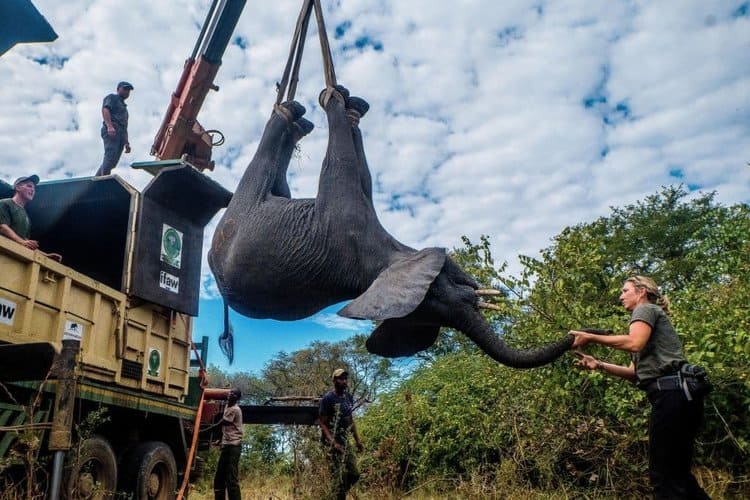
The effects of climate change are outpacing poaching as the No. 1 threat to wildlife. In Zimbabwe, officials are now moving more than 2,500 wild animals from a reserve in the southern part of the country further north due to an ongoing drought. Rangers are relying on trucks, cranes and even helicopters to move the animals from the drought-stricken area.

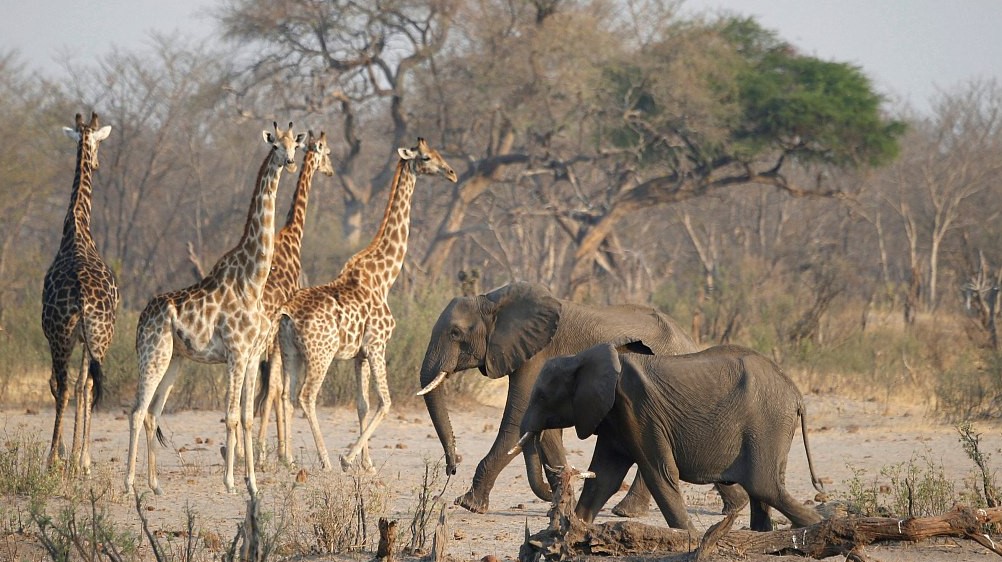
“Project Rewild Zambezi,” the operation has been dubbed, involves moving animals to the Zambezi River valley, which will also help improve wildlife populations in that area. It is one of the largest live animal relocation projects in southern Africa, with more than 2,000 impalas, 400 elephants, 70 giraffes, 50 each of buffalo, wildebeest, zebras, and elands, 10 lions and 10 wild dogs, among other animals, being moved north.

The animals are being relocated from the Save Valley Conservancy to the Sapi, Matusadonha and Chizarira conservancies in the north. According to officials, the project is necessary to avoid a crisis.

“We are doing this to relieve pressure. For years we have fought poaching and just as we are winning that war, climate change has emerged as the biggest threat to our wildlife,” Tinashe Farawo, spokesperson for the Zimbabwe National Parks and Wildlife Management Authority, told The Associated Press. “Many of our parks are becoming overpopulated and there is little water or food. The animals end up destroying their own habitat, they become a danger unto themselves and they encroach neighboring human settlements for food resulting in incessant conflict.”

One other option was to cull some of the animals to reduce competition for resources among the wildlife, but Zimbabwe has not had a culling since 1987. Conservationists argue that culling is a cruel and unnecessary solution.

The “Project Rewild Zambezi” is one of the largest in Zimbabwe. The country’s last mass relocation of wildlife occurred from 1958 to 1964, as hydro-dam construction led to rising water that ultimately created Lake Kariba. More than 5,000 animals had to be relocated at the time.

Drought is becoming an increasing threat in Zimbabwe and across Africa, reducing food and water available for wildlife, including vulnerable rhinos and giraffes. But hunting and poaching have also taken their toll. In Sapi Reserve, a UNESCO site, wildlife populations quickly declined from the 1950s until 2017, when it was taken over by the non-profit Great Plains Foundation. Relocating animals from areas affected by drought will also help in the foundation’s efforts to rewild and restore populations in Sapi Reserve.

What you can do to help wildlife:

Support ‘Protect All Wildlife’ by donating as little as £1 – It only takes a minute but it can last a lifetime for an animal in need.

We believe EVERY animal should be treated with respect, empathy, and understanding. We raise awareness to protect and conserve wild, captive, companion and farm animals. It is vital that we protect animals against acts of cruelty, abuse, and neglect by enforcing established animal welfare laws and, when necessary, take action to ensure that those who abuse animals are brought to justice.

Protect All Wildlife are involved in many projects to protect animals’ rights, welfare, and habitats. Money contributed to Protect All Wildlife supports ALL of our worthy programmes and gives us the flexibility to respond to emerging needs. Your donations make our work possible. Thank you for your support.

Everyone who donates will receive a Certificate of Appreciation as a thank you for supporting wildlife.

CERTIFICATE OF APPRECIATION

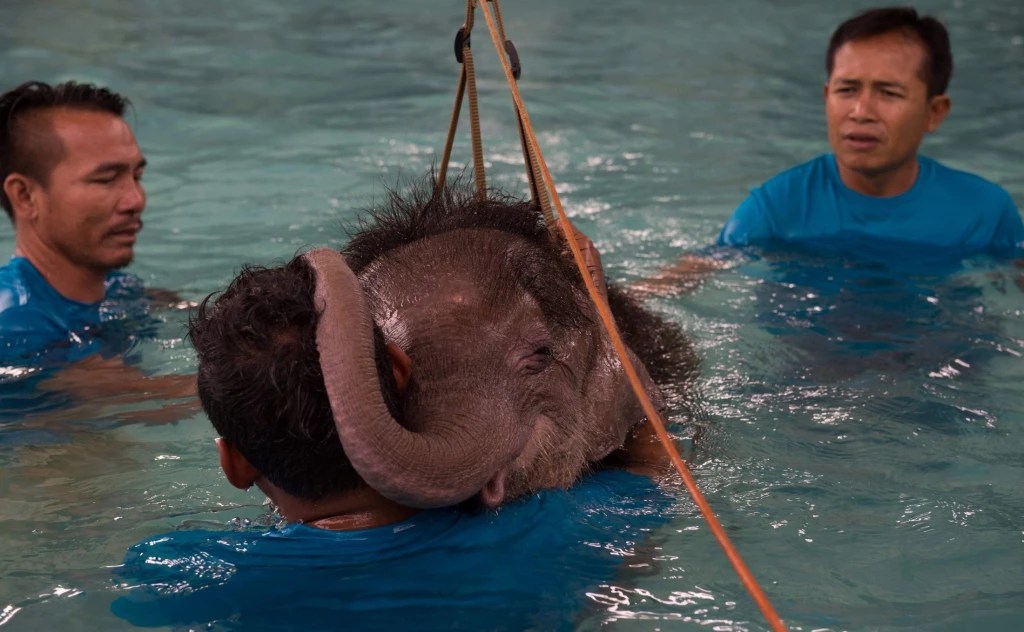
DON’T FORGET YOUR TRUNKS! Baby Elephant Tries To Forget Her Fear Of Water As She Receives Hydrotherapy In Bid To Learn To Walk Again After Injuring Her Foot In A Trap

BABY ELEPHANT CLEAR SKY

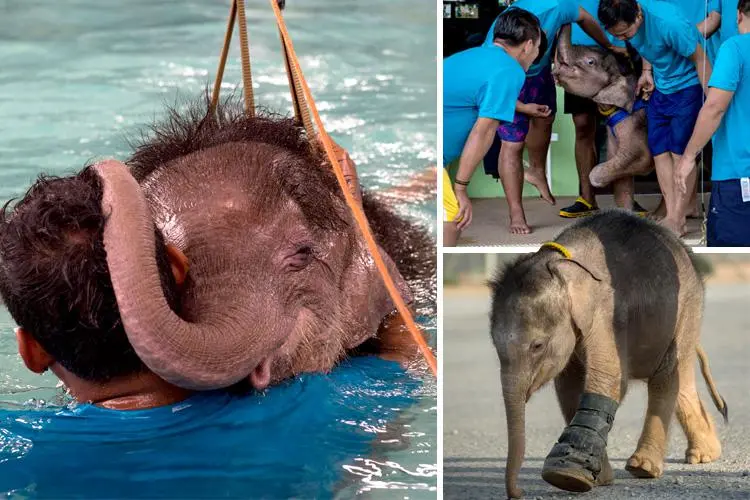
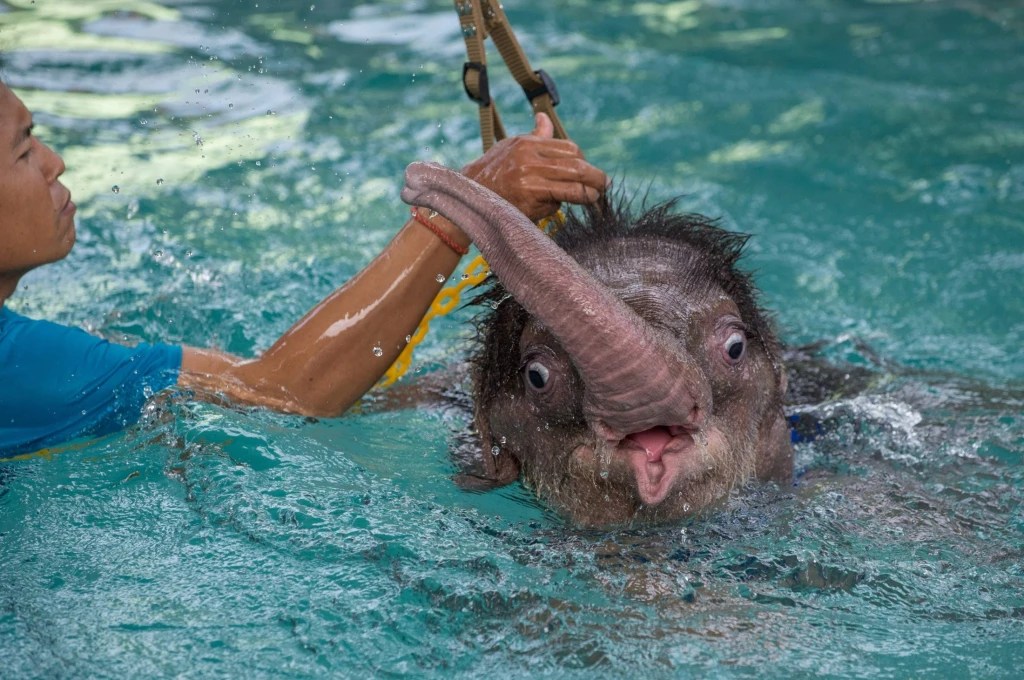
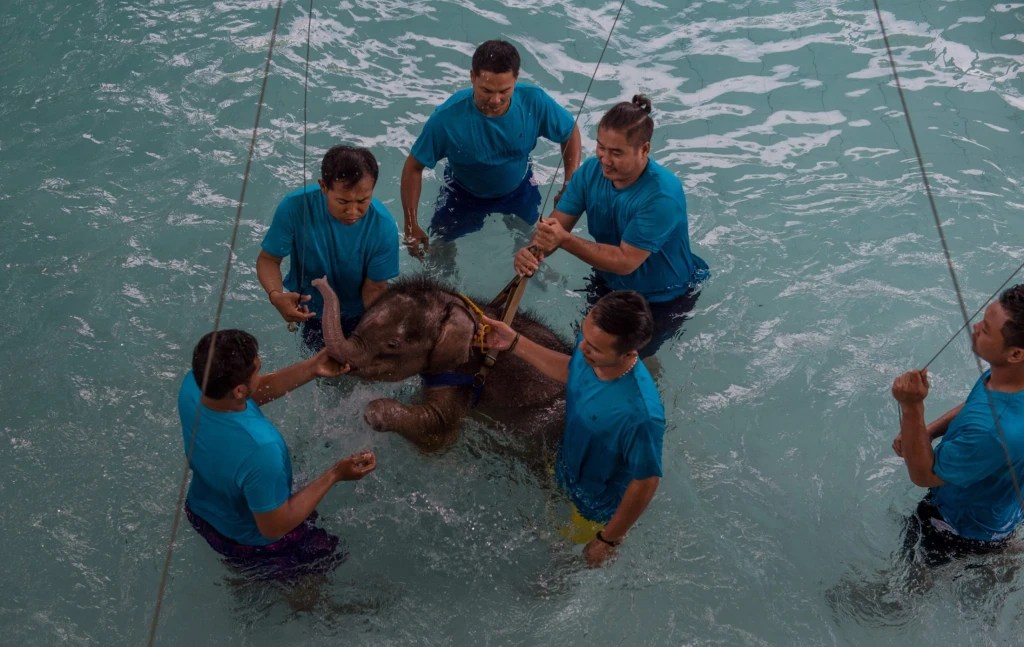
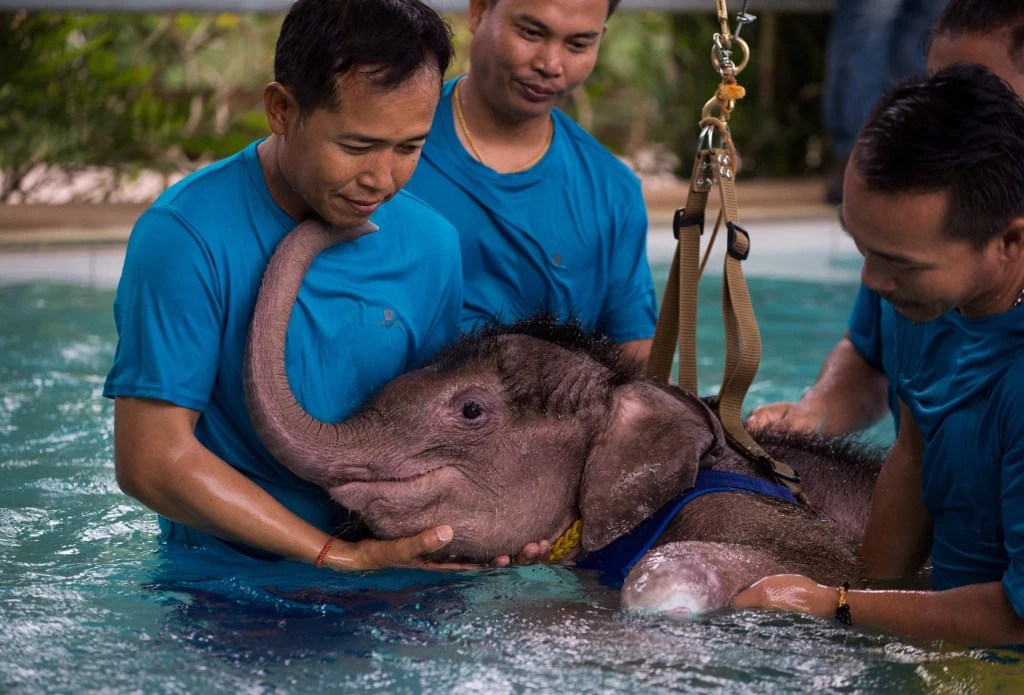
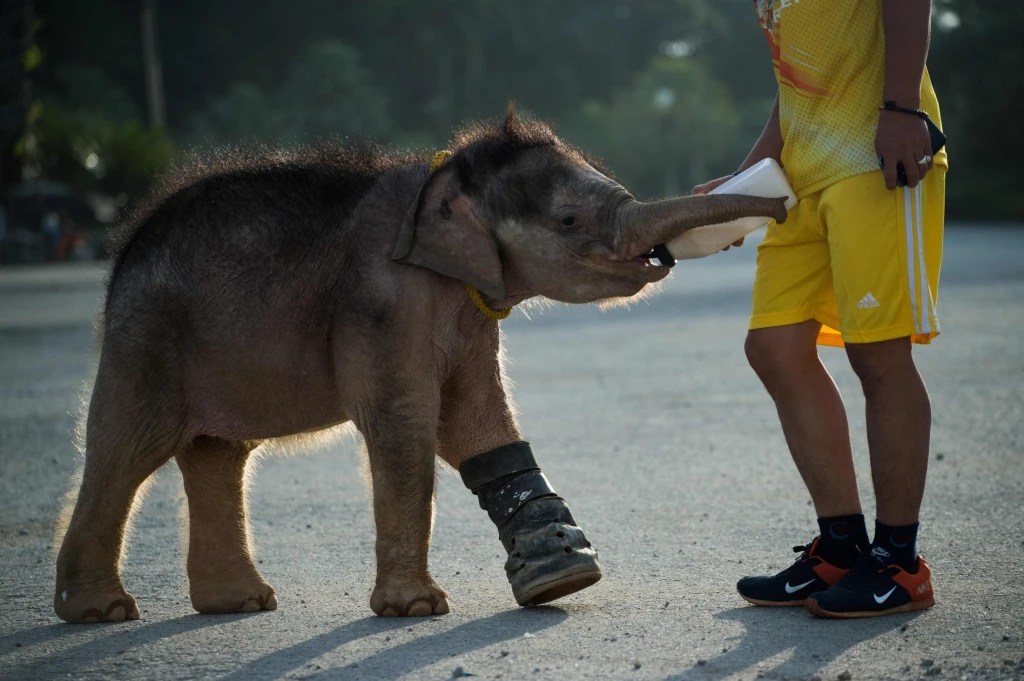
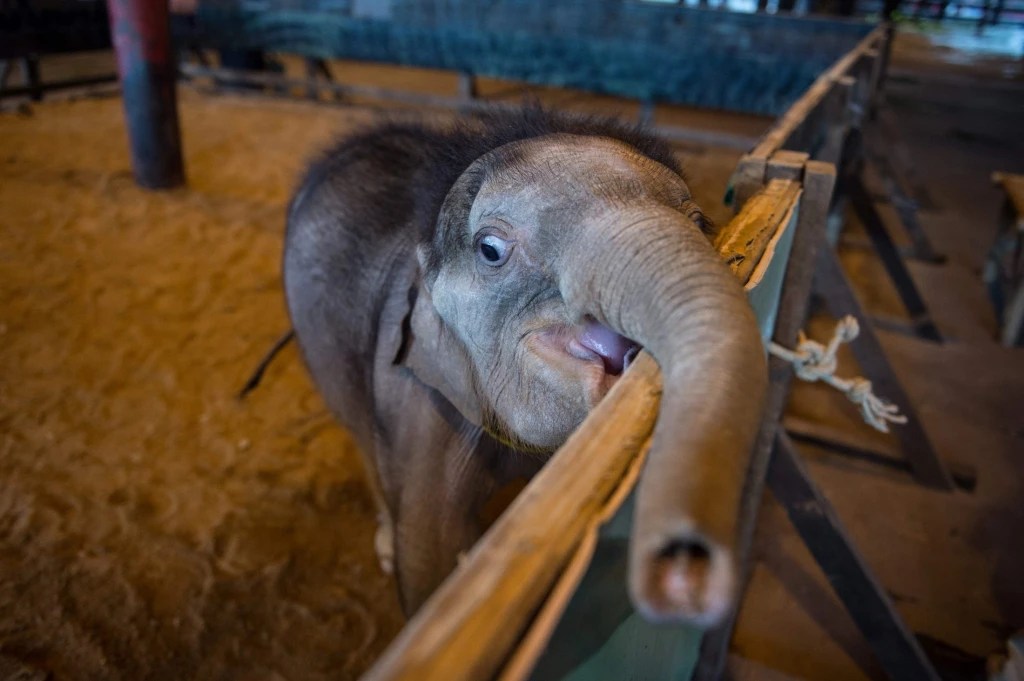
Staff at a Thai animal hospital take six-month-old orphan Clear Sky swimming to strengthen her leg muscles.

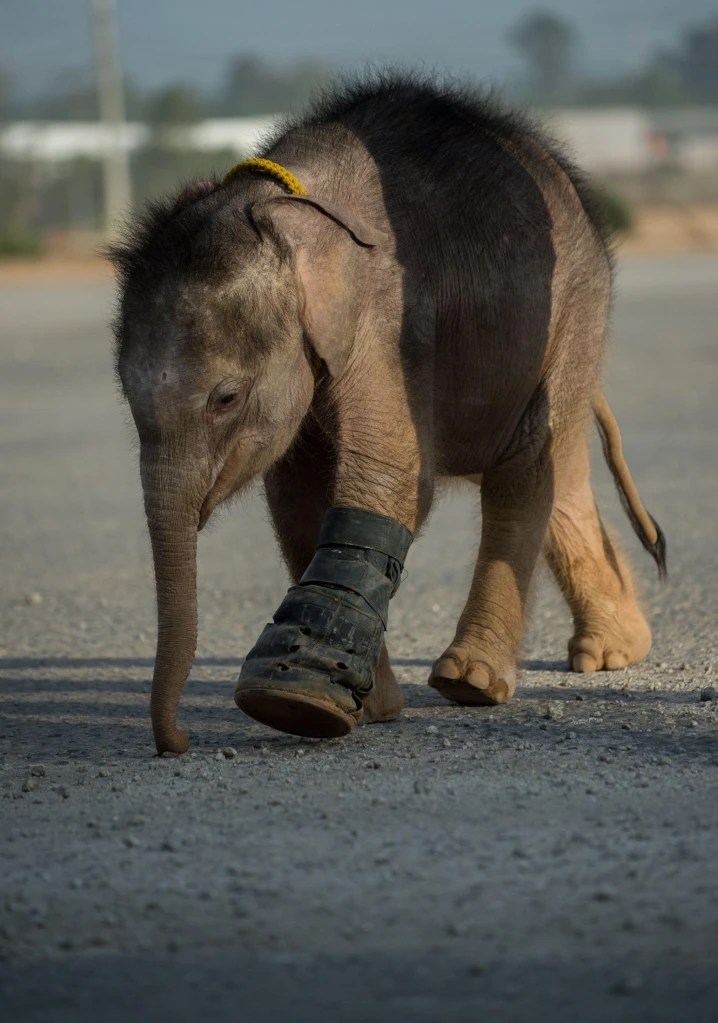
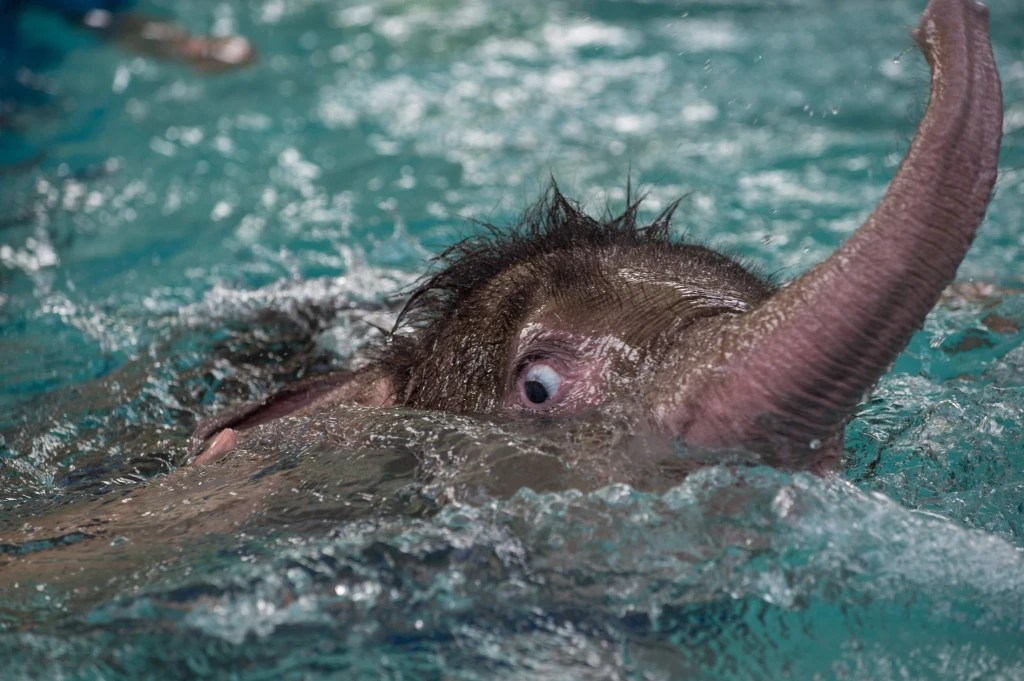
This baby Elephant is trying to forget her fear of water as she learns to walk again after losing part of her foot.

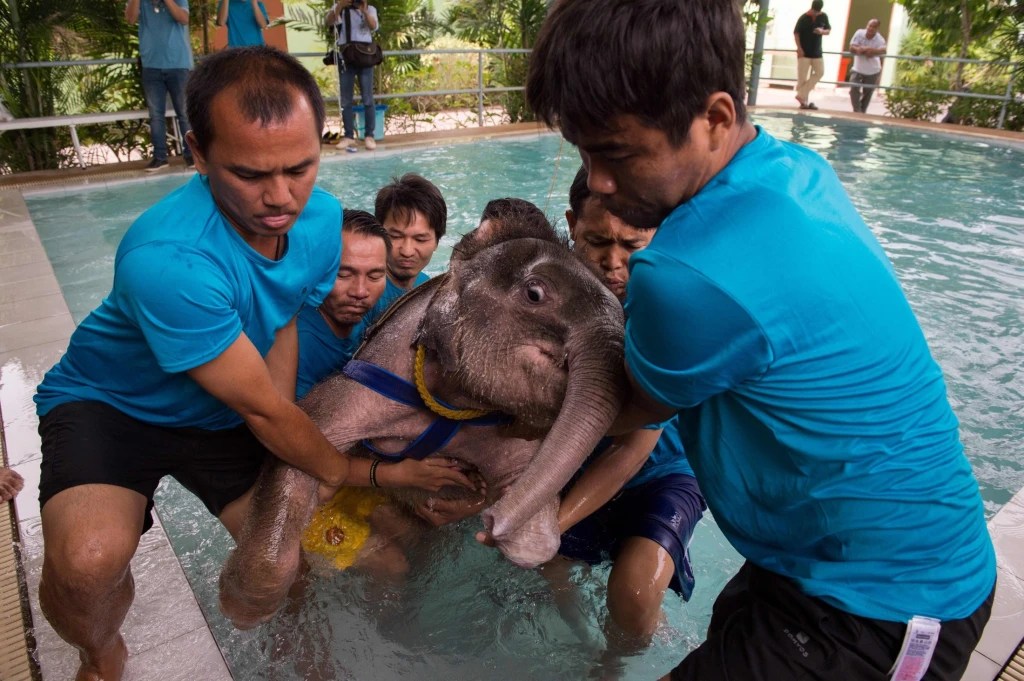
The nervous six-month-old grabbed a keeper for support as she was lowered into the pool at an animal hospital in Chonburi, Thailand.

CLEAR SKY IS LEARNING TO WALK AGAIN IN A SWIMMING POOL AFTER SHE INJURED HER FOOT.

The six-month-old is the first elephant to receive hydrotherapy at the Nong Nooch Tropical Garden animal hospital in Thailand

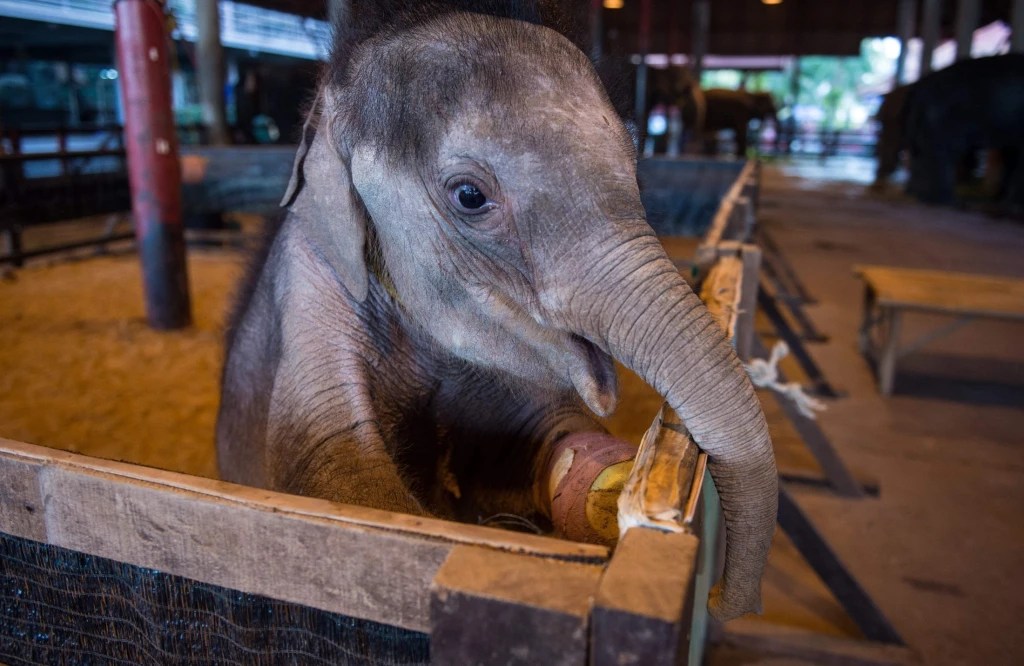
Clear Sky caught her leg in an animal trap laid by villagers to protect their crops.

Staff at the animal hospital are trying to help her strengthen her withered leg muscles.

After surgery she is now having treatment to strengthen her leg muscles.

STAFFERS USE A HARNESS TO HELP CLEAR SKY INTO THE WATER AND KEEP HER AFLOAT 

THIS WAS HER SECOND TIME GETTING WATER THERAPY
 

Baby Elephants usually love water, but Clear Sky was ‘a bit nervous and scared’, said a vet.

However she appeared to relax by the end of the hour-long session.

Vet Padet Siridumrong said: “She is still a bit nervous and scared of the water.

“Usually baby Elephants love the water.

“If she can do this regularly she will have fun.”

Villagers had found Clear Sky hungry and hobbling, after being separated from her mother in the wild.

Vets hope with more swimming, she won’t need an artificial leg.

The orphaned Elephant was in bad shape when she arrived at the hospital.

She was hobbling, in pain and in dire need of milk.

‘Kampon Tansacha, the director of the zoo that’s now her home, said: “We named her Clear Sky Up Ahead, because that is what she will need while she is with us.”

Elephants are a revered national symbol in Thailand, but their population in the wild has plummeted to an estimated 2,500 in the last century, a result of rabid development, habitat destruction and the ivory trade.

What you can do to help animals in need:

Support ‘Protect All Wildlife’ by donating as little as £1 – It only takes a minute but it can last a lifetime for an animal in need.

We believe EVERY animal should be treated with respect, empathy, and understanding. We raise awareness to protect and conserve wild, captive, companion and farm animals. It is vital that we protect animals against acts of cruelty, abuse, and neglect by enforcing established animal welfare laws and, when necessary, take action to ensure that those who abuse animals are brought to justice.

Protect All Wildlife are involved in many projects to protect animals’ rights, welfare, and habitats. Money contributed to Protect All Wildlife supports ALL of our worthy programmes and gives us the flexibility to respond to emerging needs. Your donations make our work possible. Thank you for your support.

Everyone who donates will receive a Certificate of Appreciation as a thank you for supporting wildlife.

CERTIFICATE OF APPRECIATION

“Empty Shell” (Brain Damage)

HAPPY THE ELEPHANT

I want my money back I came to see an Elephant I paid to see a conservation ambassador Inspire me to help conserve the species Especially her kind

I saw an empty shell

She looks like an Elephant But what is there to see, not Happy She is a poor teacher of Elephant lessons She is no solitary animal, but kept confined Like all captives, neurones scrambled, brain denied Stereotypy is not a dance – no, a pathetic trance A sign she can’t be happy in mind She’s not right in the head.

She is an empty shell

They have broken personalities All the Elephants with names, captive They are poor Elephant facsimiles They have the stature, the thick skin and bones They are devoid of Elephant spirit, truncated They are subjected to Floydian ‘Brain Damage’ They are all caught on the dark side (“‘As a matter of fact, it’s all dark’*) Cut off from the herd

They are empty shells

We pay the price to see: see the price they pay We fall for the old ‘conservation /education’ story We fail to see the oppression and the damage done We should be able to see for ourselves We could accept they are Sentients like us We could see them better in a sanctuary We could do the right thing Will we?

Collect all the empty shells

Put them back where they can refill Regain their freedom and society Be Elephants again, herd mentality That would be something to see Is it just a Zoological fantasy?

I find myself unhappy for Happy, again

If I find myself outside her enclosure (But I wouldn’t pay to go in anyway) Watching her sway song, groundhog days One day closer to her end of days Inspired to write yet another Happy poem Adding to ‘Not Happy’ ‘Personable’ ‘Elephant Stomp’ After the first setback of her legal person court case What would I do if I were you?

Might just as well go to a museum Pay to see a stuffed Elephant This one already is

I want my money back I came to see an Elephant Largest land animal, majestic Social fellow-sentient being Exemplary, salutary

I got an empty shell

*From ‘Brain Damage’ on the Pink Floyd album ‘Dark Side of the Moon’

**From ‘The Needle and the Damage Done’ by Neil Young

For all captive Elephants – Happy, Lucy, Shankar, The Fresno Elephants and so many more.

Written By Anthony Lovell.

What you can do to help wildlife:

Please Sign The Petition  To Free Happy From Her Imprisonment At The Bronx Zoo HERE!

Happy the Elephant had her day in court. We humans are better for it.

Support ‘Protect All Wildlife’ by donating as little as £1 – It only takes a minute but it can last a lifetime for an animal in need. Thank you.

We believe EVERY animal should be treated with respect, empathy, and understanding. We raise awareness to protect and conserve wild, captive, companion and farm animals. It is vital that we protect animals against acts of cruelty, abuse, and neglect by enforcing established animal welfare laws and, when necessary, take action to ensure that those who abuse animals are brought to justice.

Protect All Wildlife are involved in many projects to protect animals’ rights, welfare, and habitats. Money contributed to Protect All Wildlife supports ALL of our worthy programmes and gives us the flexibility to respond to emerging needs. Your donations make our work possible. Thank you for your support.

Everyone who donates will receive a Certificate of Appreciation as a thank you for supporting wildlife.

CERTIFICATE OF APPRECIATION

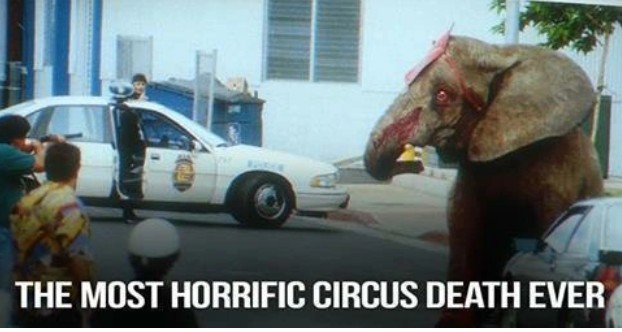
The Tragic Story Of Tyke The Circus Elephant: The Most Horrific Circus Death Ever!

20TH AUGUST 1994: THE DAY THAT TYKE THE ELEPHANT WAS SHOT 86 TIMES!

Mention “Tyke the Elephant” to anyone who lived in Honolulu 27 years ago and chances are they’ll shake their head and talk about what a dark moment it was in their city’s history.

Tyke was a wild-born African Elephant captured from the wild in Mozambique when just a baby. She was sold into the circus industry in the U.S. and for twenty years abused and exploited. Tyke was tortured during this time, forced to wear a degrading clown costume and dance for the audience, and even forced to ride a giant tricycle.

In August 1994, Tyke spent several days locked in the hull of a tanker ship on a long ocean journey from California to Hawaii. When they finally let her out she was immediately forced into performing in from of an audience. Unable to take the abuse any longer, she finally snapped. Tyke entered the ring at the Blaisdell Arena, kicking around what looked to audience members like a dummy. “We thought it was part of the show,” one witness told the Honolulu Star-Advertiser. They soon realized the supposed dummy was a severely injured groomer. Panicked, audience members fled for the exits. Tyke went on to fatally crush her trainer, who was trying to intervene, before fleeing the arena herself.

For nearly 30 minutes, Tyke ran through the streets of the Kakaako neighborhood’s business district at rush hour, nearly trampling circus promoter Steve Hirano when he tried to fence her in. It was a foot chase between her and the Honolulu police, who eventually shot her 86 times before she succumbed to nerve damage and brain haemorrhages. People watched aghast from their cars, apartments and the sidewalk.

Image result for tyke the elephant

Twenty seven years later, witnesses still remember it vividly, and the attitude in Honolulu toward animal-driven circuses is distrusting. No circus elephants have performed since Tyke, even though there is no prohibition against it.

In 2014, when the Moscow International Circus announced that it would perform in Honolulu with “wild animals”, activist group People for the Ethical Treatment of Animals circulated a petition against it. A circus spokesman recently told the Honolulu Star-Advertiser that animals would be excluded from the shows, and PETA applauded the decision in a press release:

While the Tyke incident challenged people around the world to think about our relationship to circus animals, many circuses such as the Kelly Miller Circus, UniverSoul Circus, Cole Bros. Circus of the Stars and Carson & Barnes  still use exotic animals, including Elephants, in their shows today. Ringling Bros. and Barnum & Bailey Circus has only recently stopped using Elephants in their circus.

What can you do? PETA encourages you to avoid supporting any circus that includes animals and provides a list of animal-free circuses, as well as a list of things you can do if the circus comes to your town.

THE PETRIFIED LOOK OF FEAR

IF THIS VIDEO DOESN’T CONVINCE YOU THAT ANIMAL CIRCUSES ARE HELL!

Federal Judge Restores A Wide Swath Of Endangered Species Act Protections That Were Gutted By The Trump Administration.

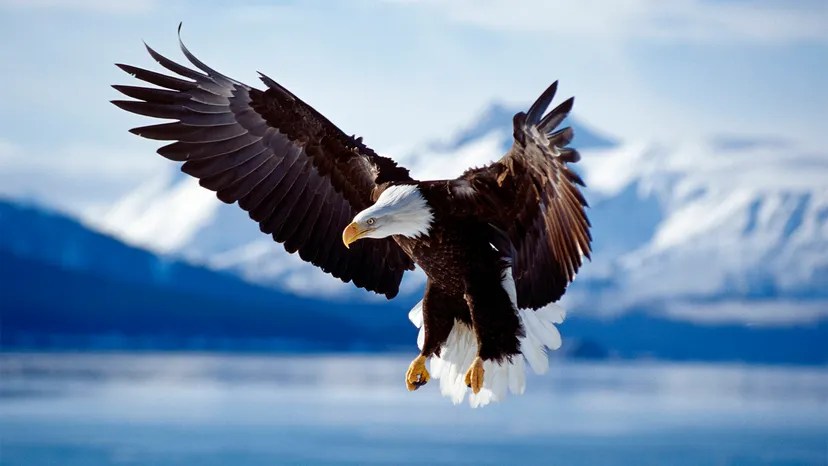
BALD EAGLES ARE A FAMOUS ENDANGERED SPECIES ACT SUCCESS STORY. CREDIT ANDY MORFFEW

A federal judge in California has overturned a 2019 Trump administration move to gut the landmark Endangered Species Act, vacating that administration’s changes and restoring protections for hundreds of species.

The ruling by U.S. District Judge Jon Tigar in Northern California comes as the Biden administration is working on replacement rules for the Trump rollbacks and means the protections will be restored while the review process continues.

“The court spoke for species desperately in need of comprehensive federal protections without compromise,” Earthjustice attorney Kristen Boyles said in a statement from the plaintiffs emailed to EcoWatch. “Threatened and endangered species do not have the luxury of waiting under rules that do not protect them.”

Earthjustice represented the Center for Biological Diversity, Defenders of Wildlife, Sierra Club, Natural Resources Defense Council, National Parks Conservation Association, Wild Earth Guardians and the Humane Society of the United States in a lawsuit to block the Trump regulations passed in 2019. The lawsuit targeted five regulations in particular. 

These regulations did the following, according to EcoWatch and the Sierra Club:

  1. Removed the “blanket rule” giving threatened species the same protections as endangered species.
  2. Made it harder to protect species from the climate crisis by giving the government more wiggle room in how it interpreted the phrase “foreseeable future.”
  3. Made it easier to delist species.
  4. Allowed regulators to consider the economic impact of offering protections to a species.
  5. Made it harder to list new species and protect their critical habitat. 

When President Joe Biden took office, the U.S. Fish and Wildlife Service and National Marine Fisheries Service said they would work on new regulations. However, this process can take months to years. In the meantime, the services asked the court to remand the case in December of 2021, according to the plaintiffs. However, the judge decided to vacate the Trump regulations instead. 

“Regardless of whether this Court vacates the 2019 [Endangered Species Act] Rules, they will not remain in effect in their current form,” Tigar wrote in his ruling.

The plaintiffs applauded Tigar’s decision, which restores protections to hundreds of species. 

“Trump’s gutting of endangered species protections should have been rescinded on day one of the Biden presidency,” Center for Biological Diversity endangered species director Noah Greenwald said in the statement. “With this court ruling, the Services can finally get on with the business of protecting and recovering imperiled species.”

An Interior Department spokesperson said the agency was now reviewing the ruling. 

What you can do gto help animals in need:

Support ‘Protect All Wildlife’ by donating as little as £1 – It only takes a minute but it can last a lifetime for an animal in need. Thank you.

We believe EVERY animal should be treated with respect, empathy, and understanding. We raise awareness to protect and conserve wild, captive, companion and farm animals. It is vital that we protect animals against acts of cruelty, abuse, and neglect by enforcing established animal welfare laws and, when necessary, take action to ensure that those who abuse animals are brought to justice.

Protect All Wildlife are involved in many projects to protect animals’ rights, welfare, and habitats. Money contributed to Protect All Wildlife supports ALL of our worthy programmes and gives us the flexibility to respond to emerging needs. Your donations make our work possible. Thank you for your support

Go back

Your message has been sent

Warning
Warning
Warning
Warning
Warning
Warning.

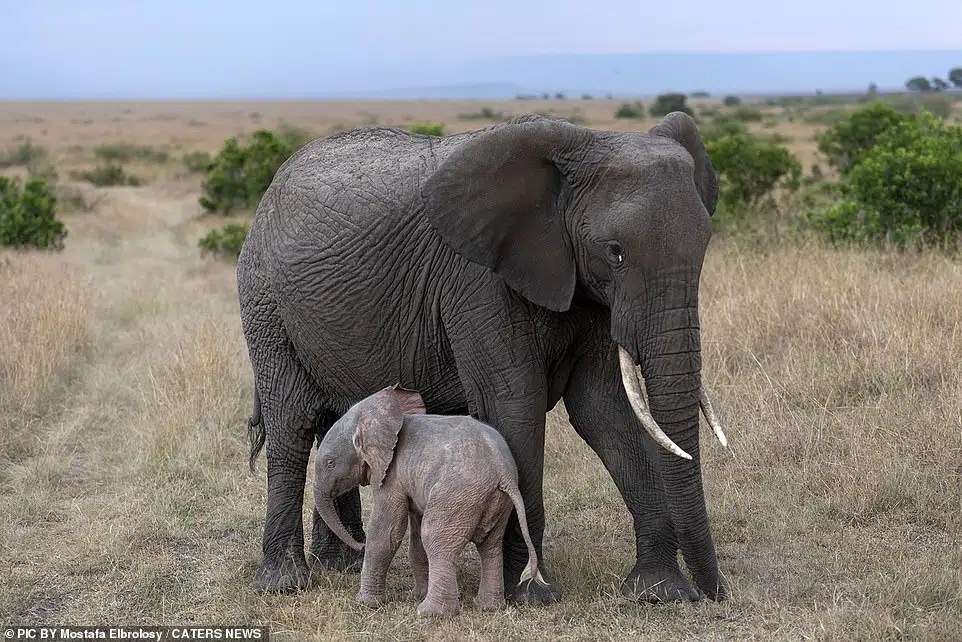
Baby Pink Elephant Thrives Against All The Odds

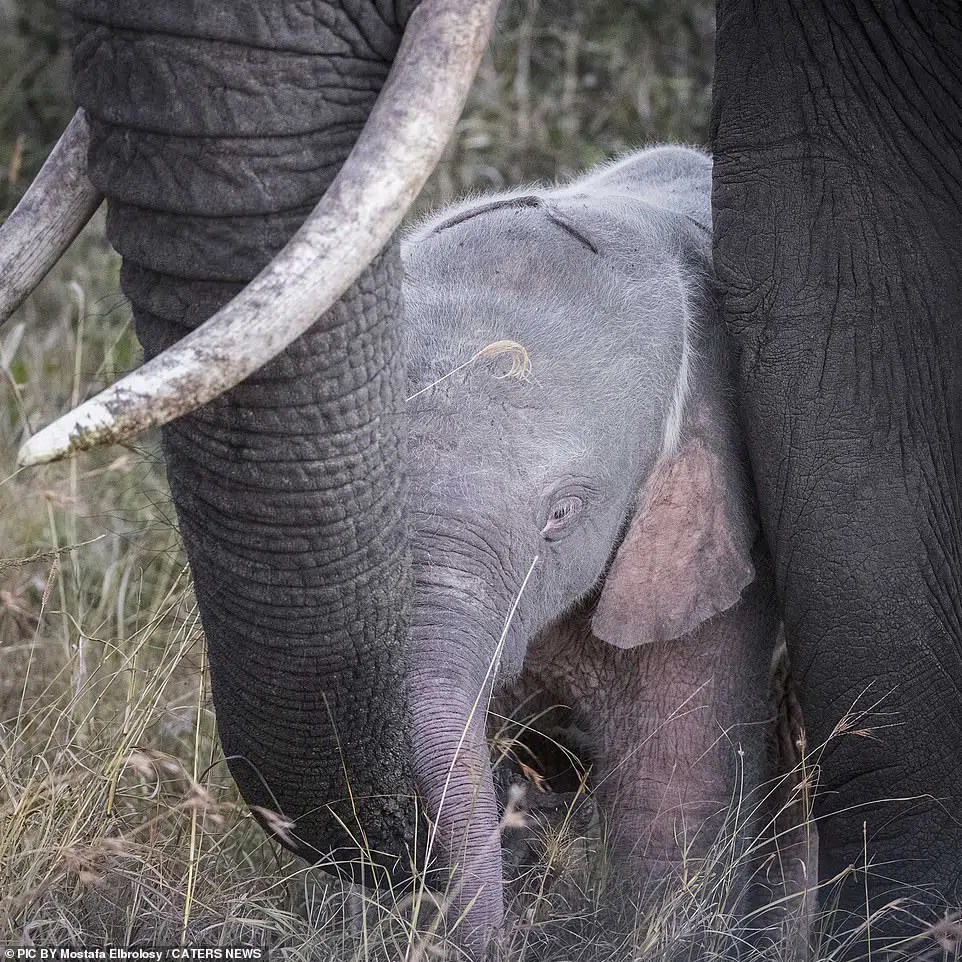
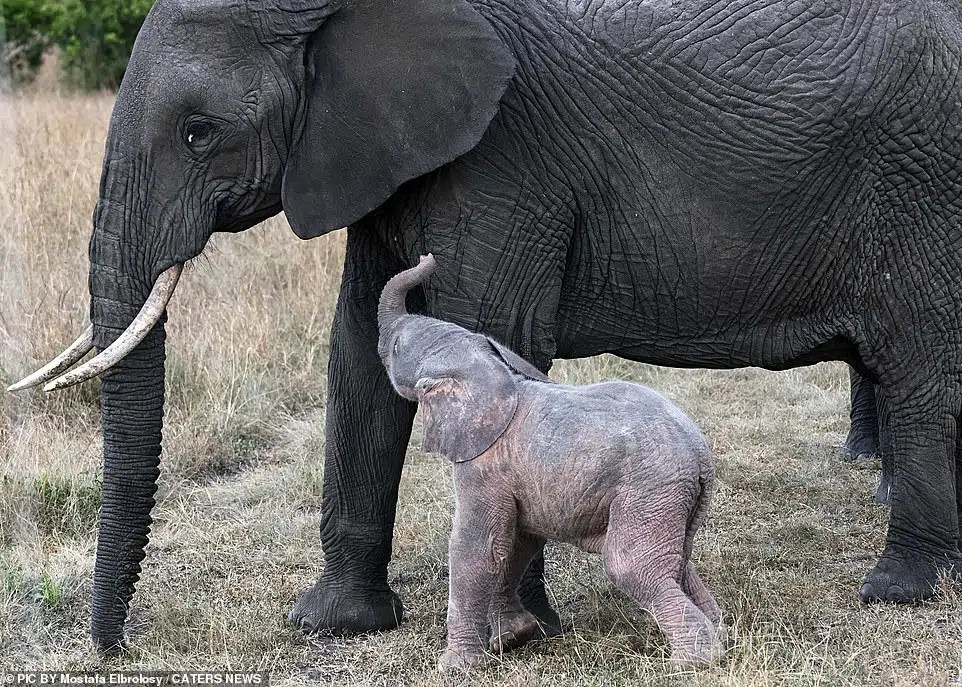
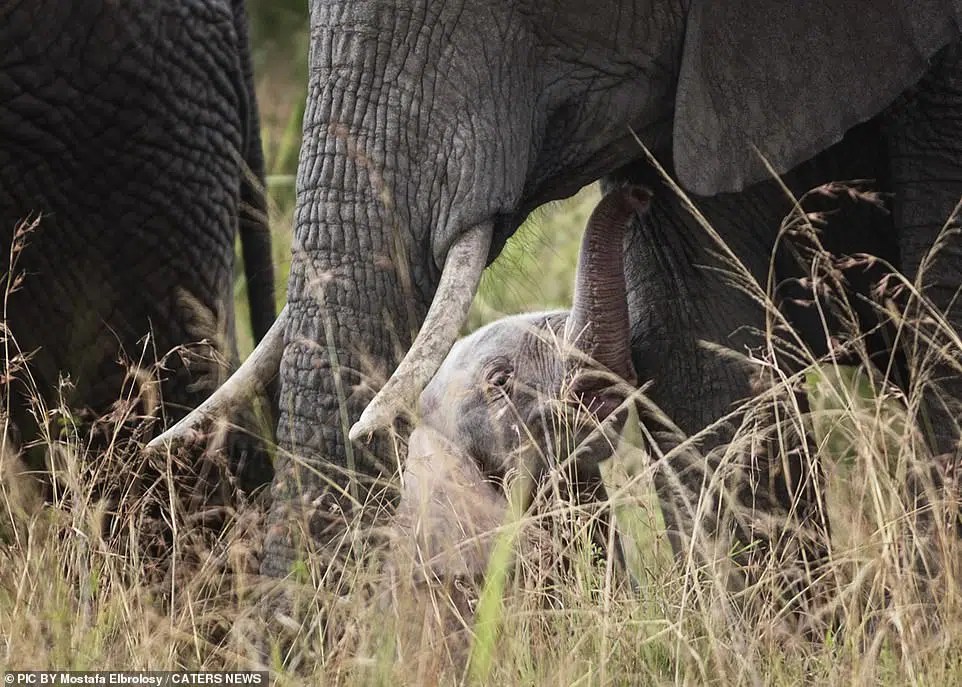
A baby Elephant born with albinism has thrived in the wild despite facing problems caused by its pigmentation.

THE RARE CALF WAS SPOTTED BY RANGER AND WILDLIFE PHOTOGRAPHER MOSTAFA ELBROLOSY IN THE MAASAI MARA, KENYA

The rare calf was born in the Maasai Mara, Kenya.

A wildlife photographer caught it on camera, who spotted its unusual pink skin pigmentation, but it is believed to be thriving nonetheless.

THE NEWBORN WITH ALBINISM HAS BEEN THRIVING IN THE WILD DESPITE BATTLING WITH INTENSE SUNLIGHT BEAMING DOWN ON ITS NON-PIGMENTED SKIN

Mostafa Elbrolosy, a ranger who runs a safari camp, said he had heard about the Elephant’s birth but was surprised when he saw the adorable baby Elephant in person.

He said: ‘It was a rare sighting.

‘Rare creatures are always the most fascinating to any wildlife photographer and having the opportunity to view and photograph it was like a dream.

‘When I lived in Maasai Mara running my cozy camp here, I got news on the radio about a Eemale elephant giving birth to an albino.

‘I finished my work, packed my camera, and went looking for it with one of our guides.

‘We received a surprise in the afternoon after a long silent search with only a few people coming to see because no one expected it to be an albino.

‘I am very fortunate to have had the opportunity to see and photograph this extremely rare baby.’

Mr. Elbrolosy said the newborn calf was extremely rare and was thriving despite the harsh sun being unsuitable for it.

‘It is very well surrounded and protected by the herd, trying to feed on its mother and go for walks with her.

‘He’s only eight hours old.

‘We were delighted to see such a wonderful sight.’

Albinism is caused by a lack of pigment in the skin and often results in pale layers of skin as well as unpigmented, pink eyes.

This condition can also cause poor vision and can eventually lead to blindness as the calf gets older.

Many Elephants have patches of unpigmented skin behind their ears but true albinos can often be rejected by their own species due to their unusual appearance.

What you can do to help animals in need:

Support ‘Protect All Wildlife’ by donating as little as £1 – It only takes a minute but it can last a lifetime for an animal in need. Thank you.

We believe EVERY animal should be treated with respect, empathy, and understanding. We raise awareness to protect and conserve wild, captive, companion and farm animals. It is vital that we protect animals against acts of cruelty, abuse, and neglect by enforcing established animal welfare laws and, when necessary, take action to ensure that those who abuse animals are brought to justice.

Protect All Wildlife are involved in many projects to protect animals’ rights, welfare, and habitats. Money contributed to Protect All Wildlife supports ALL of our worthy programmes and gives us the flexibility to respond to emerging needs. Your donations make our work possible. Thank you for your support.

Go back

Your message has been sent

Warning
Warning
Warning
Warning
Warning
Warning.

No Wonder He’s All Smiles! Raju The Crying Elephant, Who Moved The World After Being Pictured In Tears When He Was Freed From His Chains, Is Welcomed To His New Home – By Five Females

It was the moment Raju the Elephant had waited a lifetime for – a family of his own.

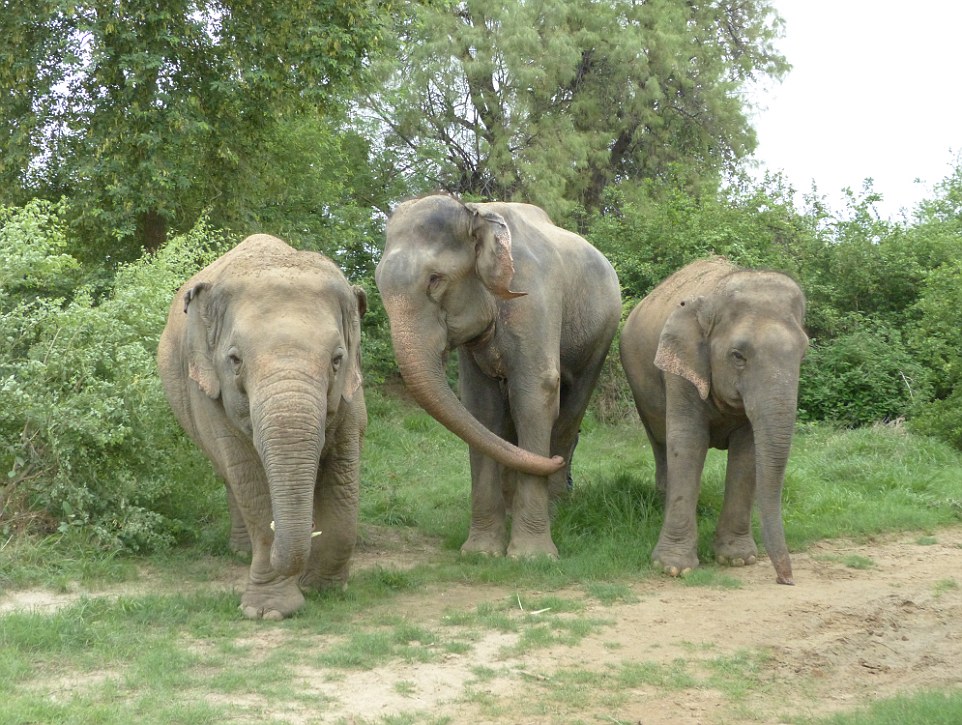
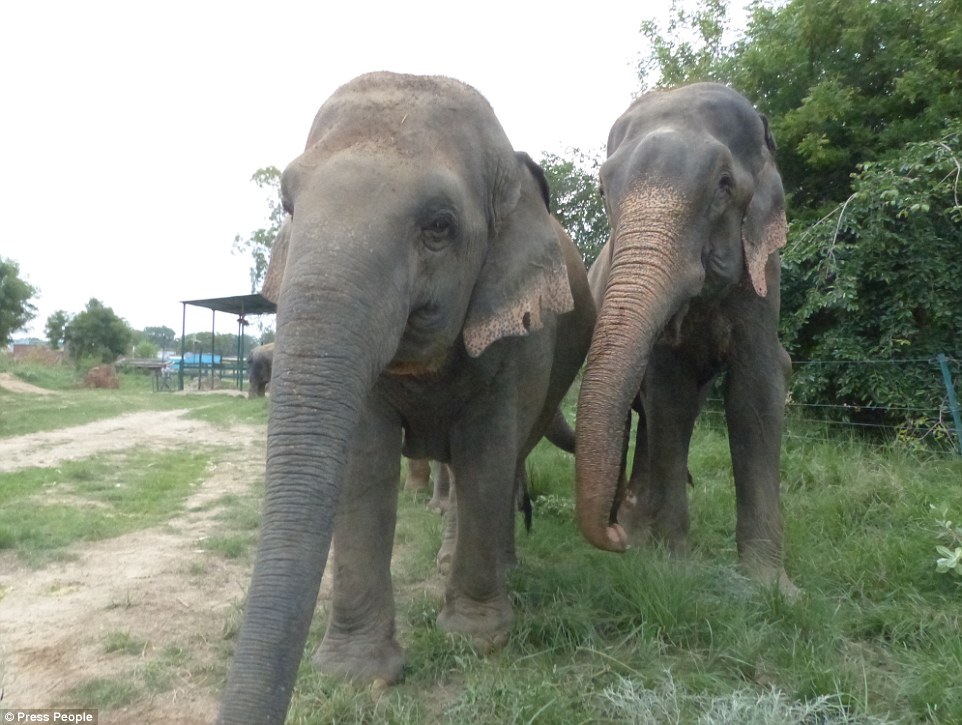
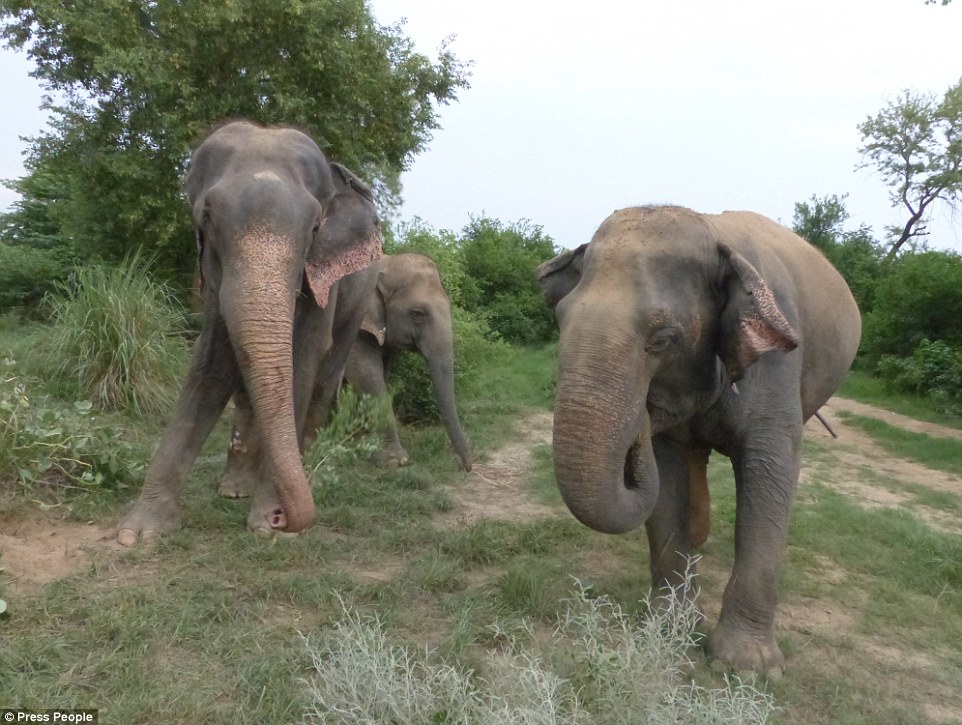
In July 2014 the gentle giant, who captured the hearts of people from around the world when he cried as he was freed from chains after 50 years – joined five female Elephants at Wildlife SOS’s Elephant Conservation and Care Centre in India.

His new family, named the Herd of Hope, have all been rescued from barbaric treatment.

HAPPY CHAPPY: RAJU, CENTRE, WAS INTRODUCED TO HIS NEW FRIENDS AT A CONSERVATION CENTRE IN INDIA
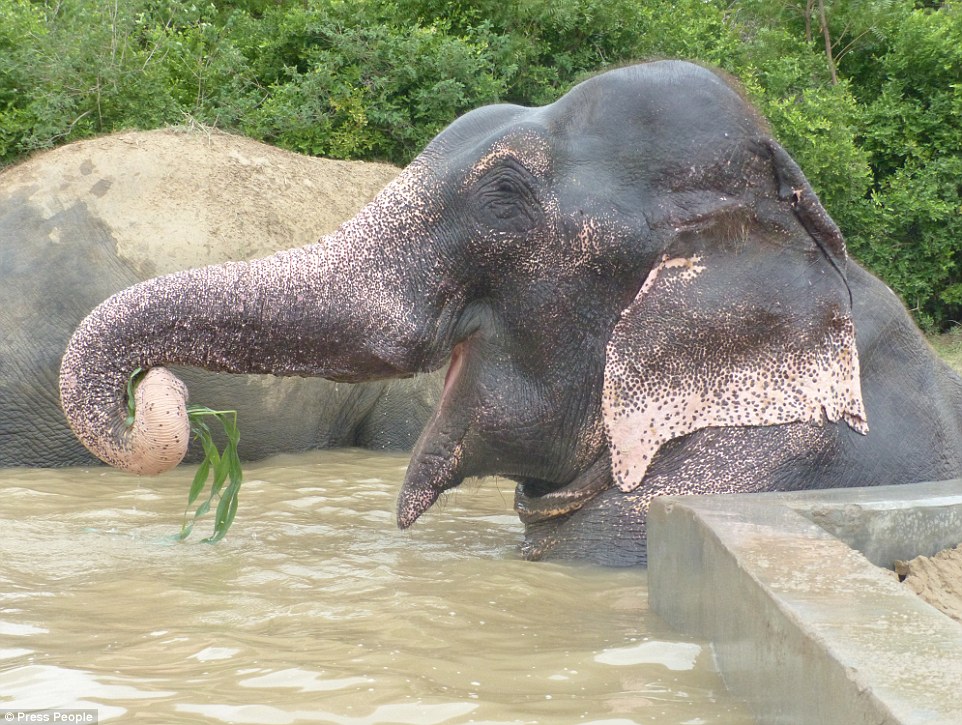
ENJOYING HIMSELF: RAJU SMILES WIDELY AS HE RELAXES IN THE POOL NEXT TO HIS NEW FAMILY – CALLED THE HERD OF HOPE.
GANG’S ALL HERE: RAJU’S FRIENDS HAVE ALSO ESCAPED FROM GREAT CRUELTY AND NOW LIVE IN MATHURA, NORTHERN INDIA.

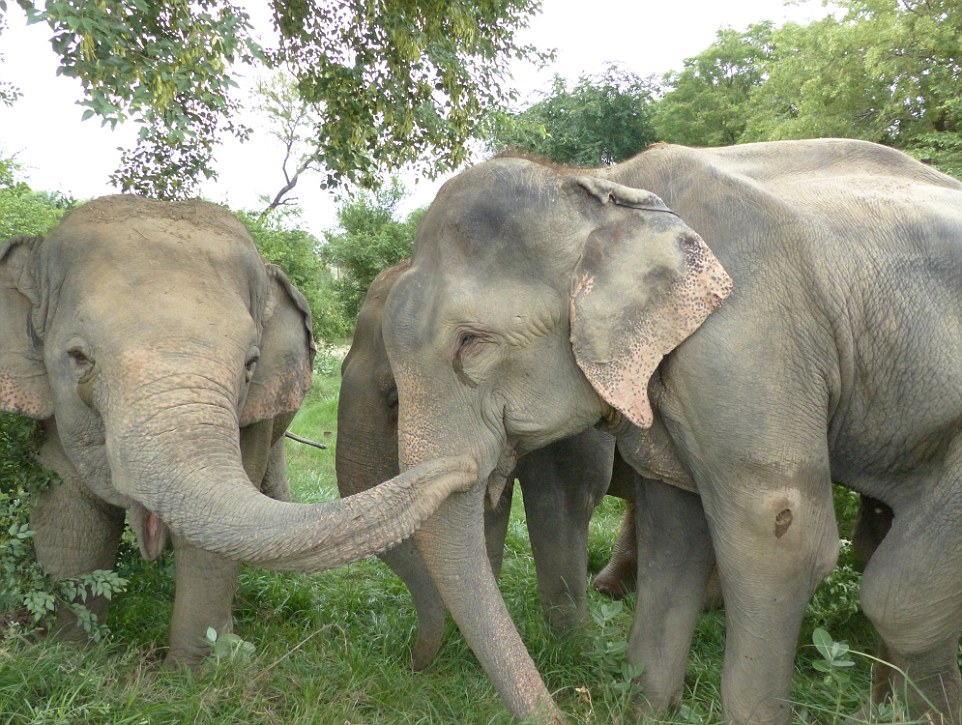
And poignantly, they flapped their ears – an expression of joy – before touching him with their trunks as they welcomed him.

Charity Wildlife SOS founder Kartick Satyanarayan, who led the rescue operation to save Raju, said: ‘We are delighted Raju has fitted in so well with the first family he’s ever had since he was orphaned by poachers as a calf.

‘He had been so terribly brutalized for 50 years that we feared he’d be unable to live with his own kind. He didn’t even know how to be an Elephant. But now it’s like he’s always been with them.

‘When we first released him, he held back, and he was clearly wary. Three of our female Elephants Laxmi, Chanchal and Sai Geeta ran up to him – their ears flapping wildly –a sign they were excited and delighted to meet him. They also made high-pitched trumpeting sounds – a greeting.

AFFECTIONATE: ONE OF RAJU’S FEMALE FRIENDS, LEFT, STROKES HIS TRUNK WITH HERS. HE WAS INITIALLY WARY OF CONTACT BECAUSE OF HIS APPALLING TREATMENT AT THE HANDS OF HIS CAPTORS.
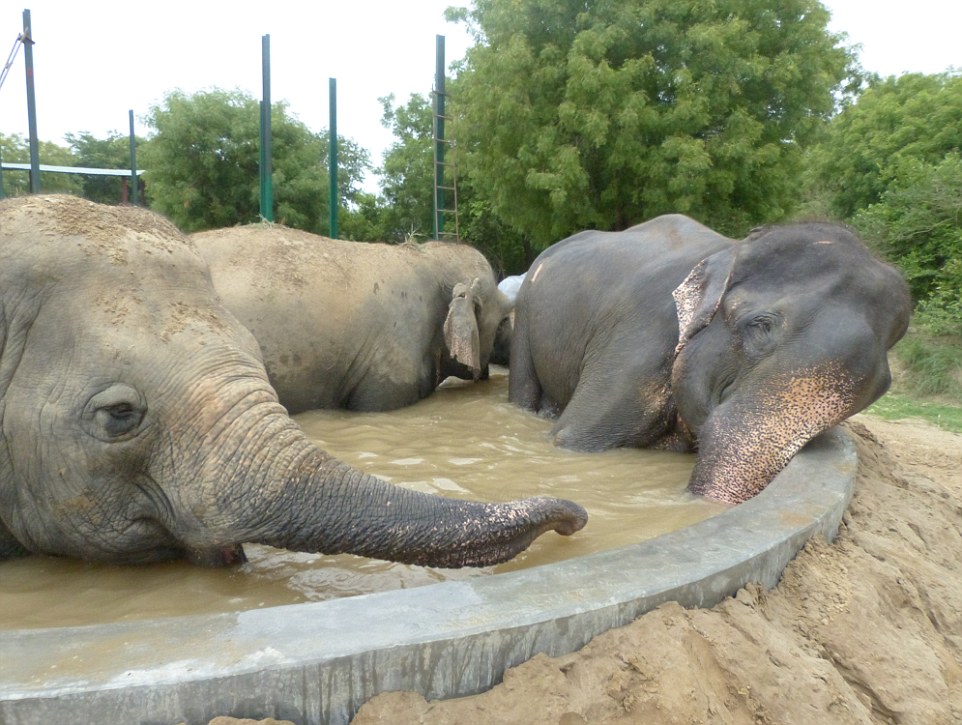
REHABILITATION: THE POOL’S WATER LETS RAJU TAKE WEIGHT OFF OF HIS LEGS – WHICH ARE PAINFUL FROM YEARS OF ABUSE.

TAKING IT EASY: RAJU WAS POACHED AS A CALF – AND ENDURED AN AWFUL LIFE AS A TOURIST ATTRACTION – BUT CAN NOW RELAX.

‘Then each of them touched him with their trunks, clearly reassuring him before they wandered off into the grazing land at our Elephant Conservation and Care Centre at Mathura. It was incredibly touching after all he’d been through.’

On July 4 this year the charity along with their counterparts in India saved Raju from dying in his bonds in a daring midnight rescue operation.

A  team of ten vets and wildlife experts from the charity were joined by twenty Forestry Department officers and six policemen to seize Raju in the Uttar Pradesh region.

Mr Satyanarayan said: ‘He’d been poached as a calf from the wild. Poachers either slaughter the mother, or they drive the herd into traps that are small enough only for the babies to fall into.

‘The mother cries for her baby for days after he’s been stolen – the illegal Elephant trade is sickening. The calves are then tied and beaten until they submit to their owners – their spirits are effectively broken.

’27 OWNERS’: RAJU, RIGHT, WAS PASSED FROM OWNER TO OWNER IN CAPTIVITY, AND EVENTUALLY WAS FOUND IN SPIKED CHAINS.

PLAYTIME: RAJU, LEFT, HAS BEEN ABLE TO START HIS RECOVERY IN THE SANCTUARY, AFTER BEING BLIGHTED BY WOUNDS ALL OVER HIS LEGS AND BODY WHILE IN CAPTIVITY.

‘Raju’s case was particularly tragic as we believe he has been sold again and again and might have had 27 owners – he’s been treated as a commodity and beaten into accepting his new handler every two years of his life.

‘By the time we found him he was in a pathetic condition. He hadn’t been fed properly and tourists started giving him sweet food items and because he was in a state of hunger and exhaustion, he began eating plastic and paper.

‘He had no shelter at night and was being used as a prop to beg with from dawn until dusk or being used for giving tourists joy rides. And most heartrendingly of all – the chains that cut into his legs had been there for 50 years. It was horrific.

‘It took us 45 minutes to remove the shackles that had torn into the flesh on his legs for the past 50 years – an act of unthinkable cruelty.

‘His legs were so covered in abscesses and his feet so damaged by walking on hard tarmac roads, that we have spent much more than expected on his medical treatment, and we still have a long way to go as he has a serious limp and open wounds.’

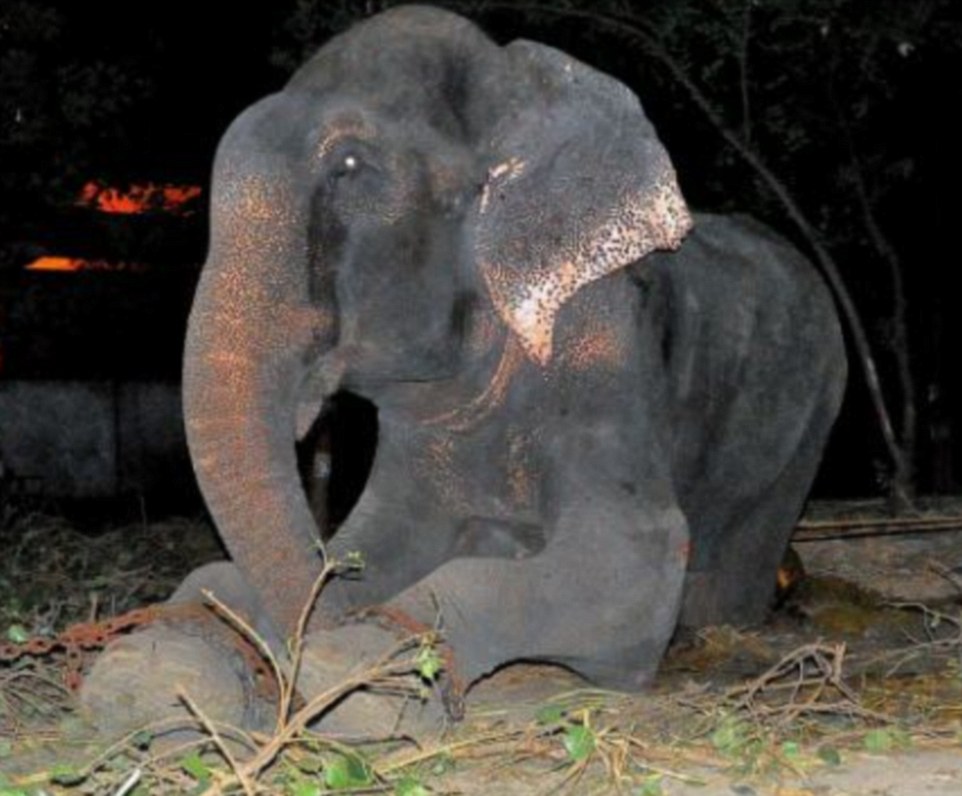
TEARFUL: RAJU, PICTURED ABOVE MOMENTS BEFORE HE WAS FREED FROM CAPTIVITY, CAN BE SEEN WITH ‘TEARS’ STREAMING DOWN HIS FACE.
CRUEL: ACCORDING TO HIS RESCUERS, RAJU HAD BEEN IN CHAINS FOR AS LONG AS 50 YEARS.

BOUND: RAJU’S CHAINS, SEEN UP CLOSE ABOVE, TOOK 45 MINUTES FOR RESCUERS TO DISENTANGLE.

The Elephants Raju has joined have also suffered horrendously before they were rescued by the charity.

The second most recent member of the herd is eighteen-year-old female Laxmi, saved from the streets of Mumbai ten months ago. Although she was young, she suffered from severe arthritis, obesity and a heart condition.

Mr Satyanarayan said: ‘She’d been exploited and used as a begging prop, she was neglected and her owners had got her addicted to fried junk food.

‘When we saved her she was 1,200 kilos overweight and so fat we had to use a crane to get her onto a specially-strengthened truck to drive her to our centre. She was so huge her knees were giving way and she had early arthritis.

‘Our vets were concerned that she would not live much longer if she was not rescued immediately. But she has a great, if mischievous, character – even on the drive home her trunk kept sneaking through the window and she was searching in the driver’s pockets for a treat.

‘We have spent the last 10 months rehabilitating her – and at first it was a battle to get her to eat the food she should be eating. Now she’s finally getting healthier, leaner and enjoying being a free Elephant.

‘But although Wildlife SOS was given legal custody of her by the Forest Department, her previous cruel owners are petitioning the courts to get her back and so  now we are in a court battle to stop her being returned to the abusive situation we rescued her from.’

MIDNIGHT RAID: WILDLIFE SOS FOUNDER KARTICK SATYANARAYAN BREAKING RAJU FREE FROM CAPTIVITY.

Chanchal, 16, was rescued on June 29, 2012, on the outskirts of Delhi after she and a second Elephant were hit by a speeding truck.

The second Elephant was killed instantly and Chanchal was left with cuts, shards of glass and wounds all over her body as well as a severely injured leg. She was undernourished and her owners were arrested for negligence.

Mr Satyanarayan said: ‘Her leg was fractured and it’s taken us 18 months to nurse her back to health. She’s slowly rebuilding her life.’

Sai Geeta was a circus Elephant who was rescued after she was made to perform for years with a broken right rear leg.

Mr Satyanarayan said: ‘She still has a terrible limp where the break was never treated – the fracture was severe and when we rescued her she’d suffered for years in pain as it was never allowed to heal as they never allowed her to rest.’

ROAD TO FREEDOM: RAJU WAS TAKEN TO THE SANCTUARY IN MATHURA, NORTHERN INDIA, IN THIS TRUCK.

Finally Phoolkali, who is blind in one eye was smuggled illegally for years before the charity was alerted to her plight and immediately stepped in to rescue her.

Mr Satyanarayan said: ‘Phoolkali had spent more than 40 years of her life doing hard labour, being abused and being underfed. And her maltreatment and severe abuse by her previous owners caused her to be blinded in one eye.

‘Her owner would hide her in a windowless, deserted warehouse. Her owner would smuggle her across state borders in the dead of night to avoid detection by the authorities as he has no valid documentation for her legal possession.

‘She was frail and scrawny and almost skeletal in appearance and covered in sores and wounds.

‘Now she loves throwing mud on herself immediately after a long bath – much to the annoyance of her keeper – and also throws mud on him when he isn’t paying attention.’

YEARS TO RECOVER: THE HEAD OF WILDLIFE SOS SAID THAT IT TAKES YEARS TO RECOVER FROM RAJU’S DECADES-LONG ORDEAL.

Today the nightmare for Raju and his herd is a distant memory. And they are also enjoying a rehabilitation pool thanks to the generosity of donors to the centre.

Mr Satyanarayan said: :We are overwhelmed by the generosity of people from so many countries around the globe. We hope that if the donations continue, better facilities can be established for Raju and the other Elephants at the Centre who all deserve a better life to make up for the abuse they suffered all these years.

‘When we rescued him, Raju had never been in a pool before – and now he spends hours relaxing inside it. We’d like to thank everyone who donated – every penny has made such a difference to the quality of his life.

‘And while the pool is immensely pleasurable for him, it also is helping his rehabilitation as the water’s buoyancy enables him to take the weight off his legs which are incredibly painful from years of being shackled.

‘He still faces years of treatment to heal both the physical and psychological wounds. And sadly he’s not alone. We have a dossier of 80 Elephants whose life is in imminent peril and they also need to be rescued before they die of cruelty, exhaustion and abuse.’

Mr Satyanarayan said: ‘Our hope is that along with Raju, we can rescue many more of these tragic cases before it’s too late for them. It will enable them to taste freedom for the first time in their lives and live out their days in dignity, free from suffering and pain.’

RAJU’S ONE YEAR WITH NO TEARS!

Keep up to date at Wildlife SOS’s Elephant Conservation and Care Centre

What you can do to help animals in need:
Support ‘Protect All Wildlife’ by donating as little as £1 – It only takes a minute but it can last a lifetime for an animal in need. Thank you.

We believe EVERY animal should be treated with respect, empathy, and understanding. We raise awareness to protect and conserve wild, captive, companion and farm animals. It is vital that we protect animals against acts of cruelty, abuse, and neglect by enforcing established animal welfare laws and, when necessary, take action to ensure that those who abuse animals are brought to justice.

Protect All Wildlife are involved in many projects to protect animals’ rights, welfare, and habitats. Money contributed to Protect All Wildlife supports ALL of our worthy programmes and gives us the flexibility to respond to emerging needs. Your donations make our work possible. Thank you for your support.

Everyone who donates will receive a beautiful Certificate Of Appreciation as a thank you for donating to help animals in need.

CERTIFICATE OF APPRECIATION

Watch: Rescuers Frantically Perform CPR On Mother Elephant As She Faints During Baby’s Rescue From High Drain.

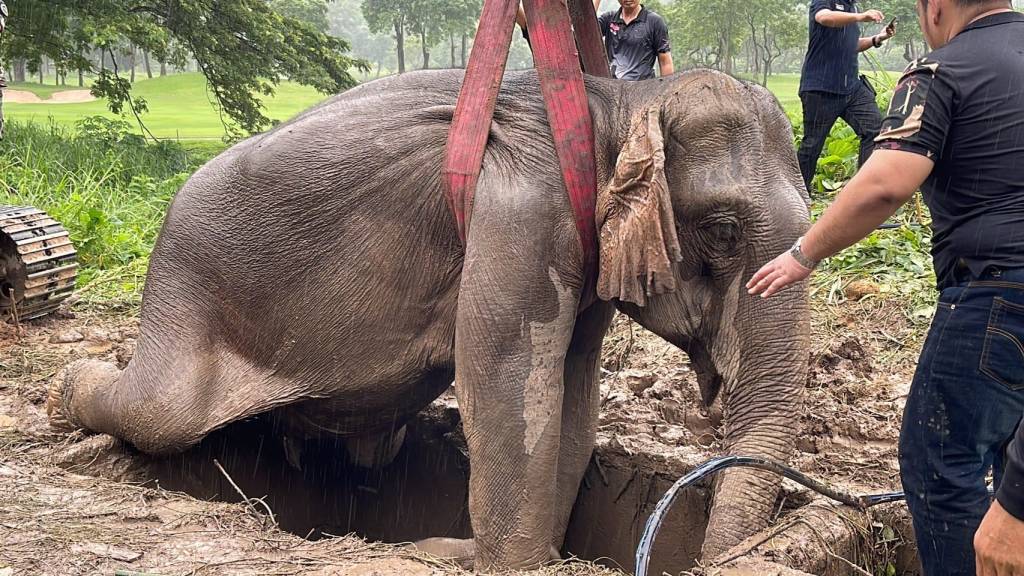
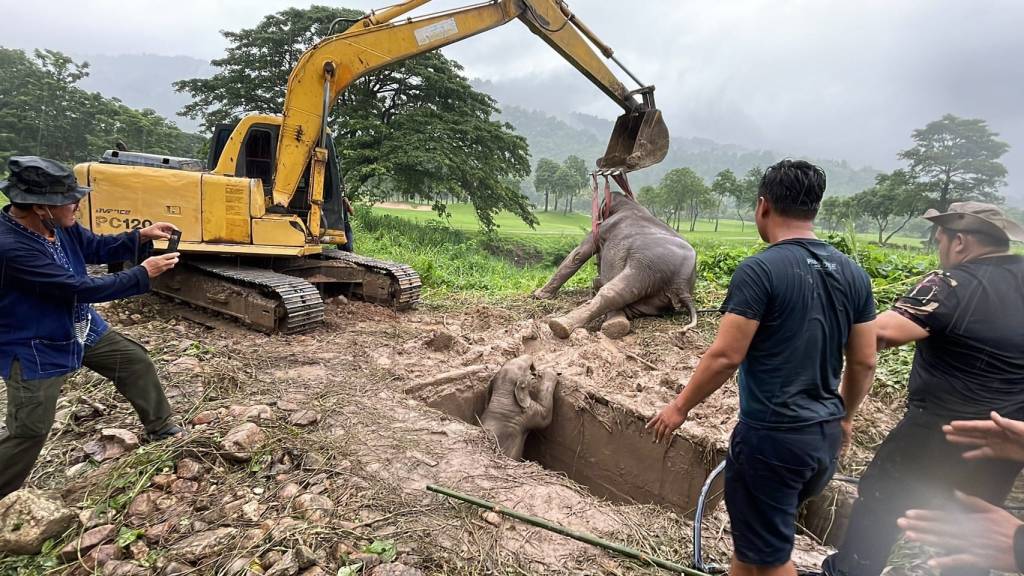
When the rescue team arrived in Thailand’s Nakhon Nayok province, they used anaesthetic shots to subdue the mother elephant, it resulted in her halfway falling into the hole.

The Mother Elephant Being Lifted By A Crane (Source: Thailand Wildlife Conservation Division/ Facebook)

Heavy rains and muddy roads are not just dangerous for humans but also for wild animals travelling in the wild during the monsoon. A case in point is a baby elephant that slipped and fell into a high drain in Thailand. Things took a dramatic turn when rescuers attempted to save the baby with its mother fainting in stress.

The Rescue Tean Find Mother Elephant Stuck Whilst Trying To Rescue Her Baby. (Source: Thailand Wildlife Conservation Division/ Facebook)

After the one-year-old calf fell into the manhole in the area of Royal Hill Golf Course, Khao Yai National Park in Nakhon Nayok province, its mother tried her best to help the baby walk out. However, continuous showers and slippery muddy terrain made all attempts go in vain. When wildlife rescuers arrived at the scene to help the infant, the anxious mother proved to be a hindrance in the operation. Things went awry when the rescue team used a shot to subdue the frantic elephant and she partly fell in as well.

The Trapped Baby Watches On Frantically. (Source: Thailand Wildlife Conservation Division/ Facebook)

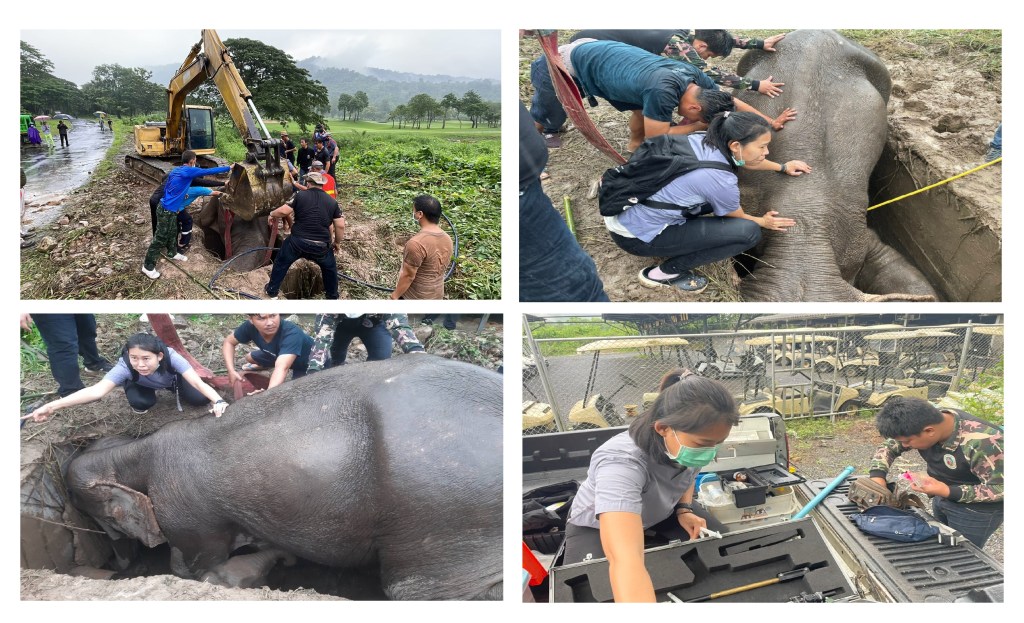
Videos showed the rescuers racing against time to not just help the baby but the mother as well. Rescuers used a truck-mounted crane to pull the mother out before climbing on top of her to perform cardiopulmonary resuscitation (CPR), while an excavator was seen in action clearing the way to help the calf climb out of the drain.

“It was impossible to get near the baby while the mother was nearby so we gave her three doses of tranquillisers but she moved towards her baby before passing out and hit her head,” Dr Chananya Kanchanasarak, a vet involved in the operation explained to Sky News.

The Baby Snuggles Up To Mum Whilst A Rescuer Performs CPR (Source: Thailand Wildlife Conservation Division/ Facebook)

Dr Chananya said, “Despite the obstacles, the mother did not leave her baby’s side”. He added that the experience will be “one of the most memorable rescues” they have done.

(Source: Thailand Wildlife Conservation Division/ Facebook)

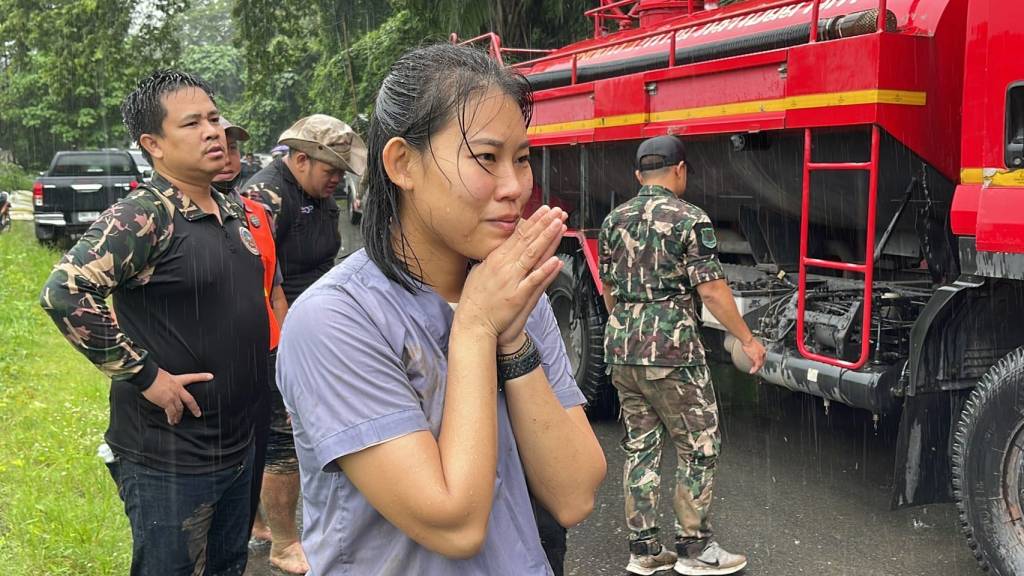
Eventually, the calf was able to climb out of the hole and the mother elephant too regained consciousness. Video showed the calf suckling its mother as soon as it got out and helped the mother too sooth her nerves. After an exhaustive and tense operation that lasted over three hours, both returned to the wild. 

After Three Hours The Mother And Calf Were Rescued And They Returned To The Wild. (Source: Thailand Wildlife Conservation Division/ Facebook)
The Rescuers Watch On As The Elephant Return To The Wild (Source: Thailand Wildlife Conservation Division/ Facebook)

For or more info on the Wildlife Conservation Division

What you can do to help animals in need:

Support ‘Protect All Wildlife’ by donating as little as £1 – It only takes a minute but it can last a lifetime for an animal in need. Thank you.

We believe EVERY animal should be treated with respect, empathy, and understanding. We raise awareness to protect and conserve wild, captive, companion and farm animals. It is vital that we protect animals against acts of cruelty, abuse, and neglect by enforcing established animal welfare laws and, when necessary, take action to ensure that those who abuse animals are brought to justice.

Protect All Wildlife are involved in many projects to protect animals’ rights, welfare, and habitats. Money contributed to Protect All Wildlife supports ALL of our worthy programmes and gives us the flexibility to respond to emerging needs. Your donations make our work possible. Thank you for your support.

Go back

Your message has been sent

Warning
Warning
Warning
Warning
Warning
Warning.