Norwegian authorities have killed a Walrus that was drawing large numbers of human onlookers. They said it was necessary because PEOPLE had failed to heed warnings that their safety could be in danger.
Norwegian authorities killed a popular walrus due to safety concerns, they announced on Sunday.
Norway’s Directorate of Fisheries said Freya was euthanized early on Sunday “based on an overall assessment of the continued threat to human safety.”
The 600-kilogram (1,320-pound) marine mammal, affectionately known as Freya, had become a popular attraction over recent weeks.
The sightings were unusual because walruses normally live much further north, in Arctic waters.
What reason was given?
Officials had repeatedly warned that people should refrain from getting too close and posing for pictures with the animal.
“Through on-site observations the past week it was made clear that the public has disregarded the current recommendation to keep a clear distance to the walrus,” a statement from the Directorate of Fisheries said. “Therefore, the Directorate has concluded, the possibility for potential harm to people was high and animal welfare was not being maintained.”
Norway’s Fisheries Directorate Frank Bakke-Jensen said in a statement that all other possible solutions had been examined, including moving Freya elsewhere. “We concluded that we could not guarantee the well-being of the animal by any of the means available,” he said.
Bakke-Jensen said that ultimately, human safety had to take precedence.
“We have sympathies for the fact that the decision can cause reactions with the public, but I am firm that this was the right call. We have great regard for animal welfare, but human life and safety must take precedence.”
However, opponents of the decision said more should have been done to take the animal’s well-being into account.
A spokeswoman for animal rights group NOAH, Siri Martinsen, told Norway’s TV2 television channel that the measure had been rushed. She said fines should have been issued to disperse the onlookers.
Biologist Rune Aae told the NTB news agency it was “infinitely sad that they chose to euthanise such a beautiful animal simply because we did not behave well with it.”
The Blue Planet Society pressure group — which campaigns to protect the world’s oceans — branded the decision “utterly disgraceful.”
They actually did it. Freya the walrus has been killed by the Directorate of Fisheries in Norway.
THE BLUE PLANET SOCIETY’S RESPONSE FOLLOWING THE NEWS THAT FREYA HAS BEEN KILLED
An International Traveller
Freya — whose name refers to the Norse goddess of beauty and love — was first spotted in the waters of the Norwegian capital in mid-July.
She had already found fame climbing onto pleasure boats in Kragero, an idyllic southern coastal village.
Her exploits, which included chasing a duck and attacking a swan intrigued locals and made headlines in the press. Mostly though, she would simply bask on boats — walruses can sleep for up to 20 hours per day.
Despite repeated appeals from the authorities, interested onlookers continued to approach her, sometimes with children and sometimes in the water.
Before settling in the Oslo Fjord, Freya was spotted in the United Kingdom, the Netherlands — where she relaxed on a Dutch naval submarine — and Denmark.
Author’s Comment: Freya, please accept our apologies. we put you on a pedestal then let you down ~ OUR SHAME!!!
What you can do to help animals in need:
Support ‘Protect All Wildlife’ by donating as little as £1 – It only takes a minute but it can last a lifetime for an animal in need.
We believe EVERY animal should be treated with respect, empathy, and understanding. We raise awareness to protect and conserve wild, captive, companion and farm animals. It is vital that we protect animals against acts of cruelty, abuse, and neglect by enforcing established animal welfare laws and, when necessary, take action to ensure that those who abuse animals are brought to justice.
Protect All Wildlife are involved in many projects to protect animals’ rights, welfare, and habitats. Money contributed to Protect All Wildlife supports ALL of our worthy programmes and gives us the flexibility to respond to emerging needs. Your donations make our work possible. Thank you for your support.
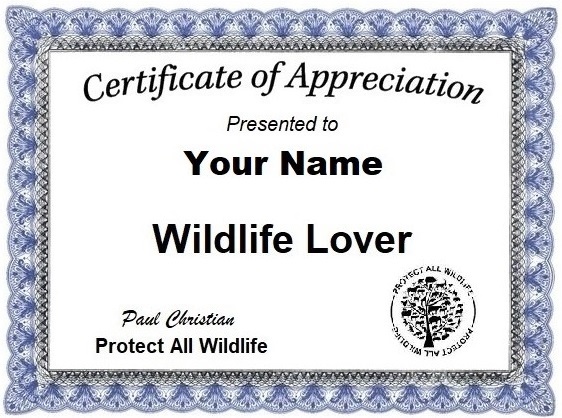
Everyone who donates will receive a Certificate of Appreciation as a thank you for supporting wildlife.
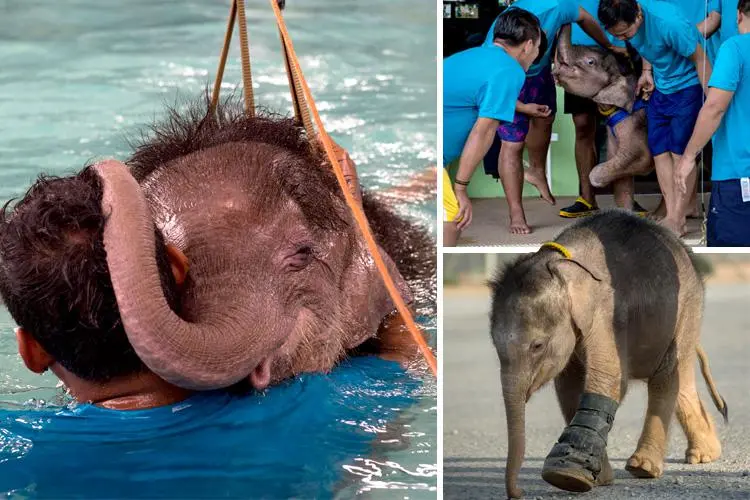
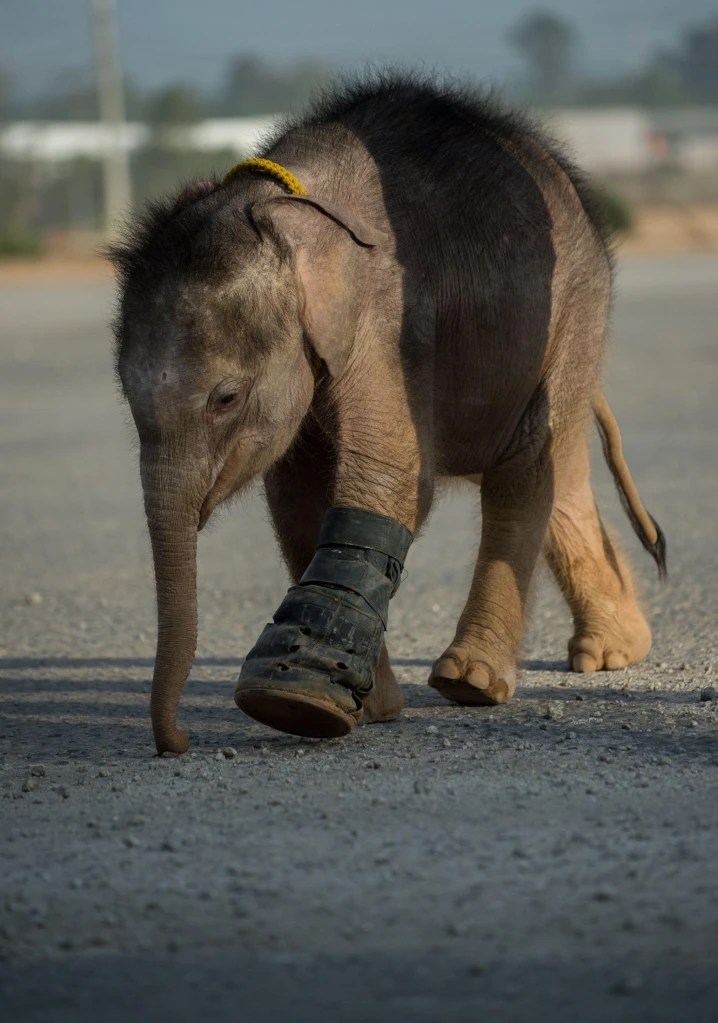
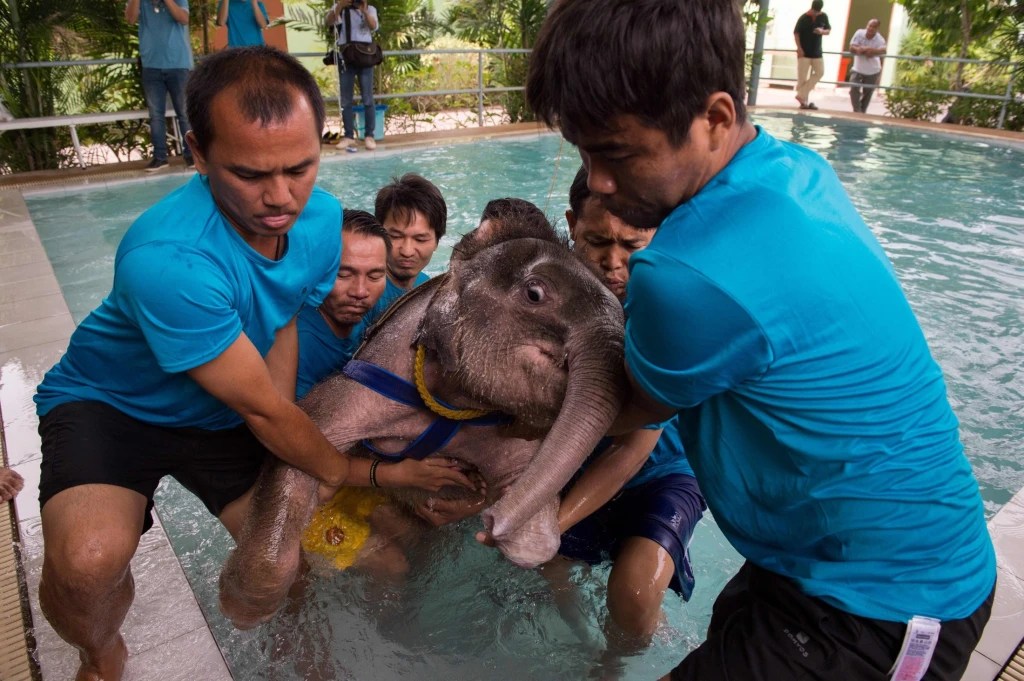
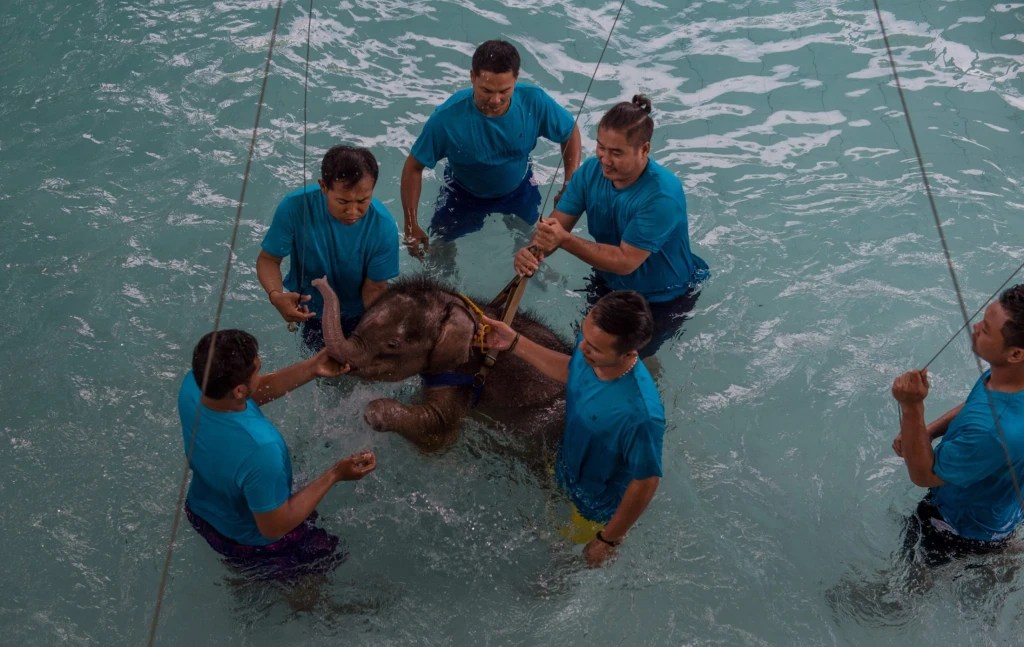
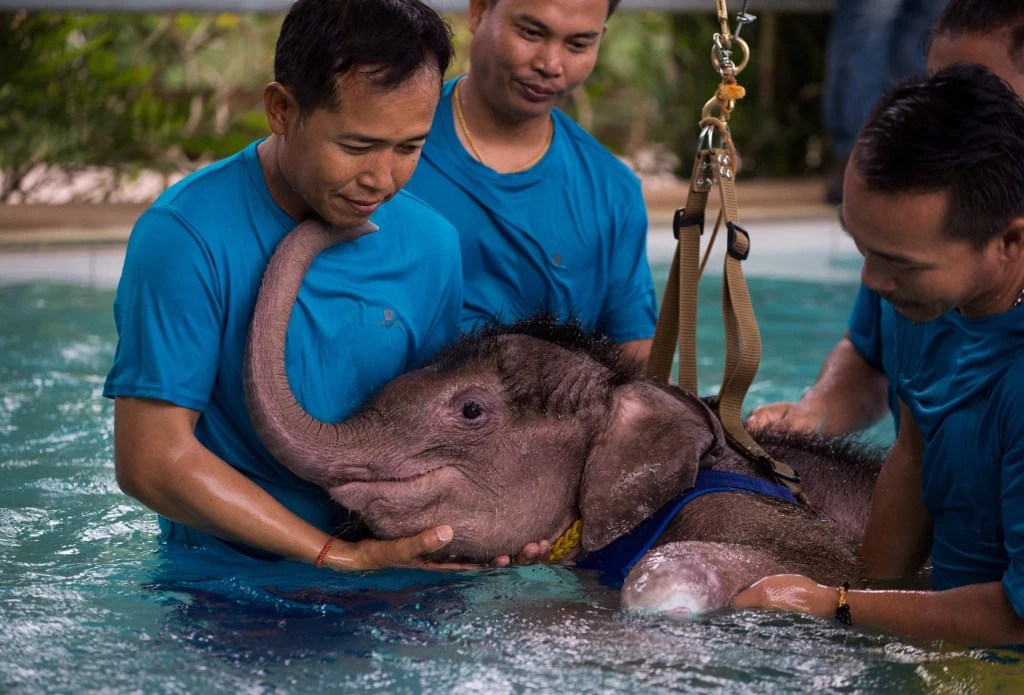
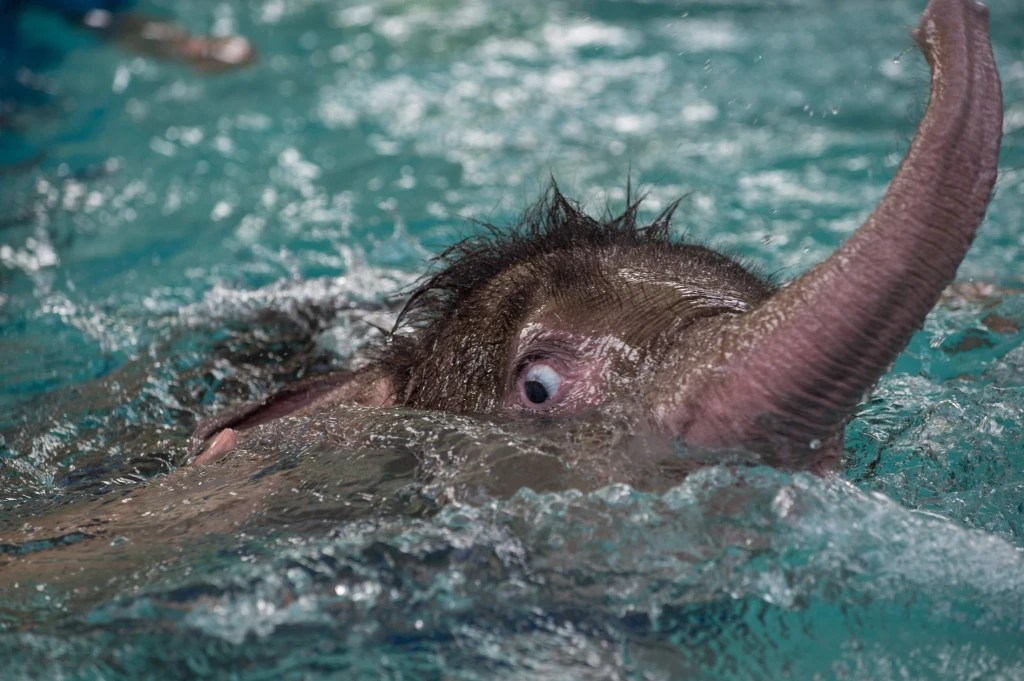
Staff at a Thai animal hospital take six-month-old orphan Clear Sky swimming to strengthen her leg muscles.
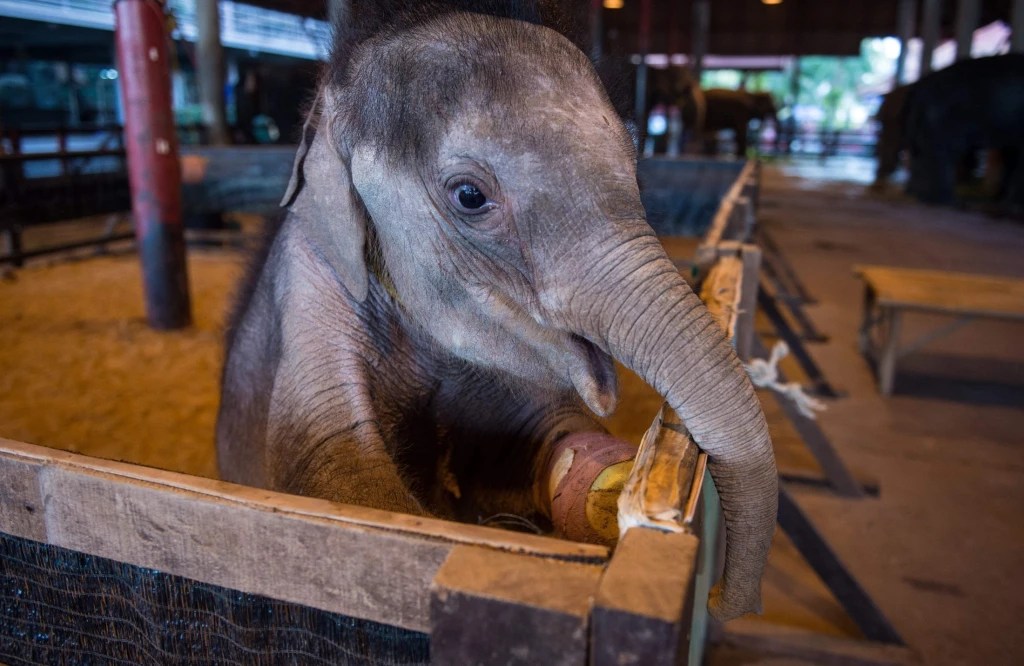
This baby Elephant is trying to forget her fear of water as she learns to walk again after losing part of her foot.
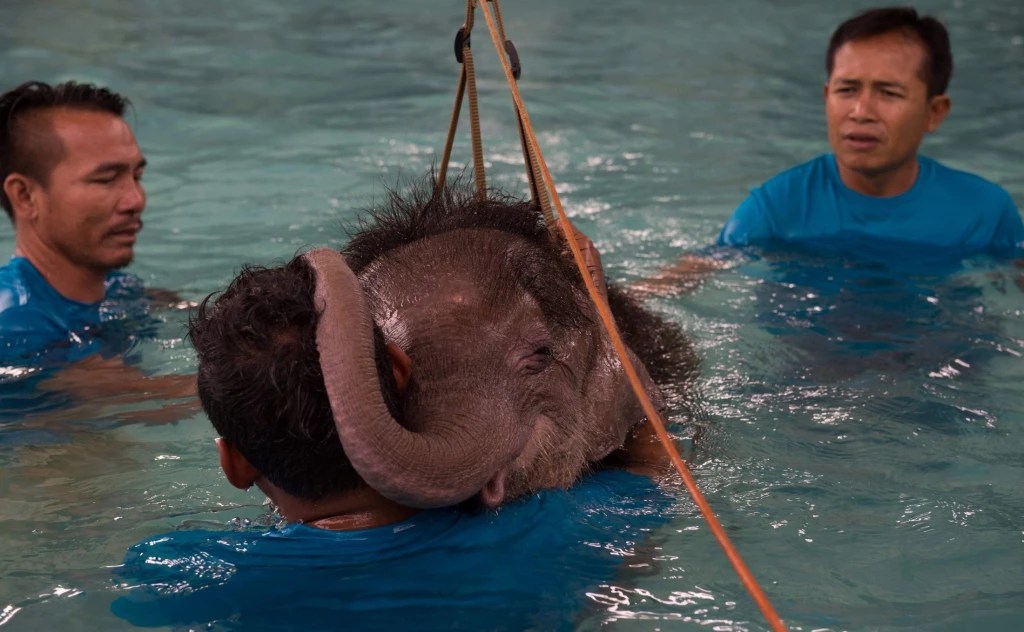
The nervous six-month-old grabbed a keeper for support as she was lowered into the pool at an animal hospital in Chonburi, Thailand.
CLEAR SKY IS LEARNING TO WALK AGAIN IN A SWIMMING POOL AFTER SHE INJURED HER FOOT.
The six-month-old is the first elephant to receive hydrotherapy at the Nong Nooch Tropical Garden animal hospital in Thailand
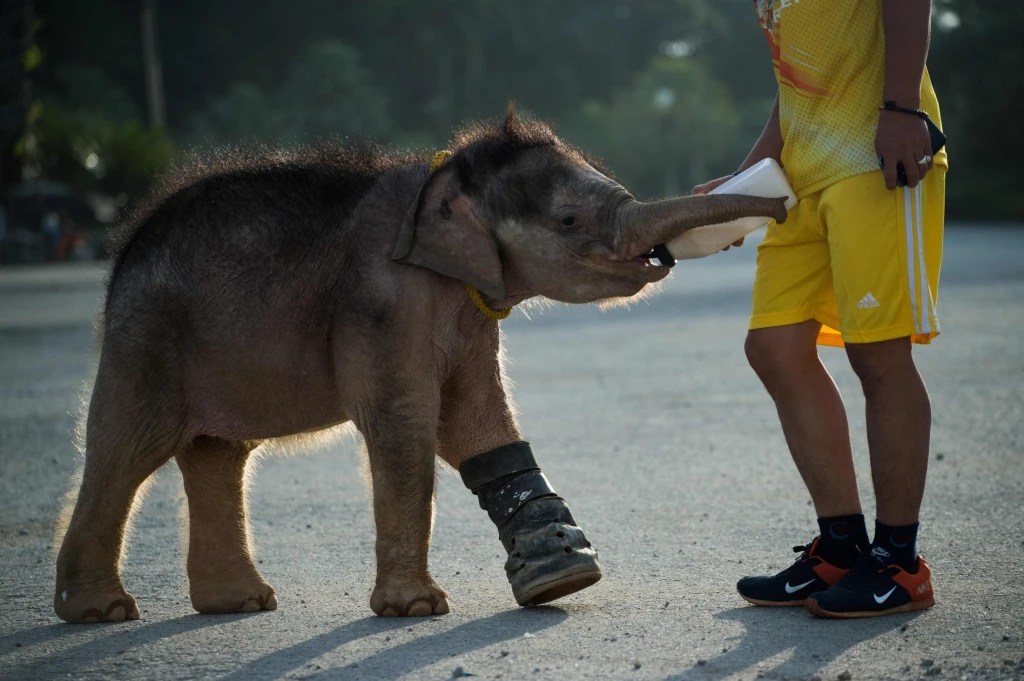
Clear Sky caught her leg in an animal trap laid by villagers to protect their crops.
Staff at the animal hospital are trying to help her strengthen her withered leg muscles.
After surgery she is now having treatment to strengthen her leg muscles.
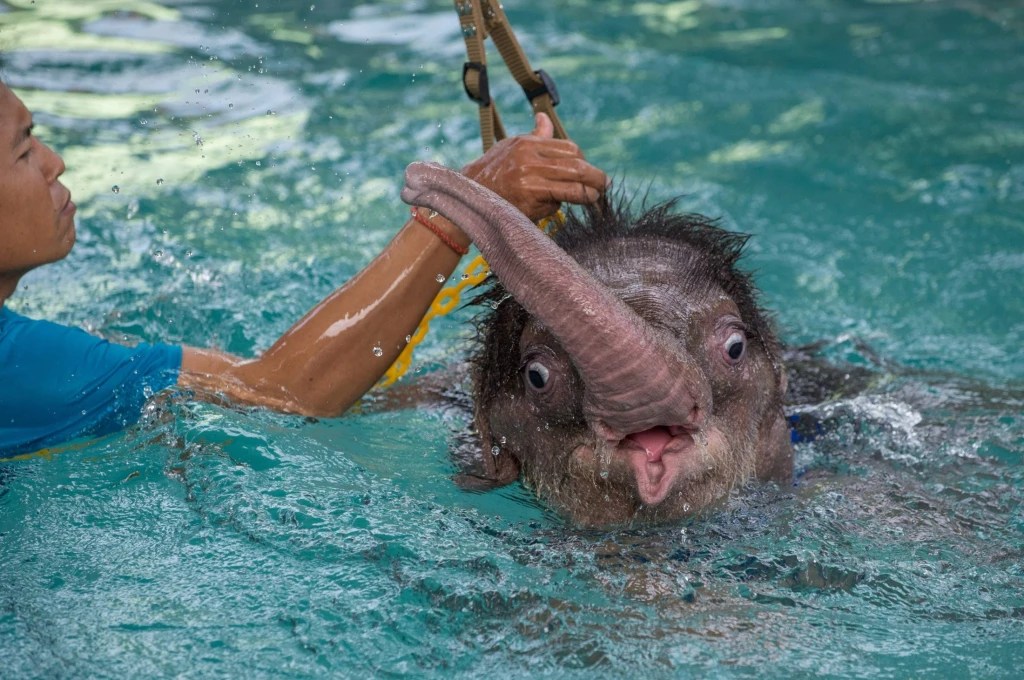
STAFFERS USE A HARNESS TO HELP CLEAR SKY INTO THE WATER AND KEEP HER AFLOAT
THIS WAS HER SECOND TIME GETTING WATER THERAPY
Baby Elephants usually love water, but Clear Sky was ‘a bit nervous and scared’, said a vet.
However she appeared to relax by the end of the hour-long session.
Vet Padet Siridumrong said: “She is still a bit nervous and scared of the water.
“Usually baby Elephants love the water.
“If she can do this regularly she will have fun.”
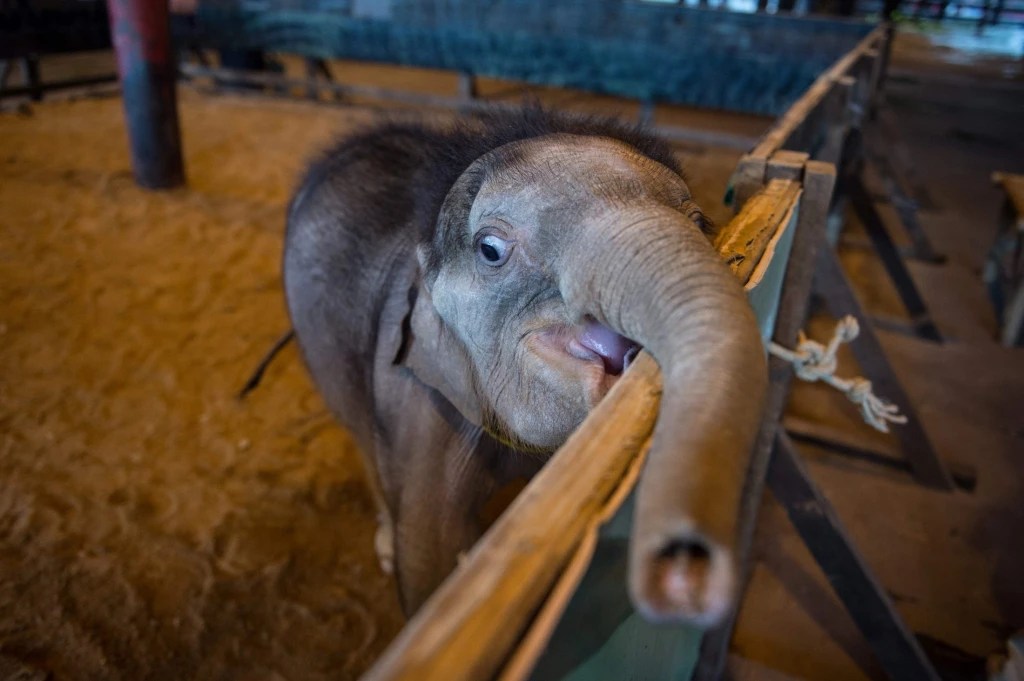
Villagers had found Clear Sky hungry and hobbling, after being separated from her mother in the wild.
Vets hope with more swimming, she won’t need an artificial leg.
The orphaned Elephant was in bad shape when she arrived at the hospital.
She was hobbling, in pain and in dire need of milk.
‘Kampon Tansacha, the director of the zoo that’s now her home, said: “We named her Clear Sky Up Ahead, because that is what she will need while she is with us.”
Elephants are a revered national symbol in Thailand, but their population in the wild has plummeted to an estimated 2,500 in the last century, a result of rabid development, habitat destruction and the ivory trade.
What you can do to help animals in need:
Support ‘Protect All Wildlife’ by donating as little as £1 – It only takes a minute but it can last a lifetime for an animal in need.
We believe EVERY animal should be treated with respect, empathy, and understanding. We raise awareness to protect and conserve wild, captive, companion and farm animals. It is vital that we protect animals against acts of cruelty, abuse, and neglect by enforcing established animal welfare laws and, when necessary, take action to ensure that those who abuse animals are brought to justice.
Protect All Wildlife are involved in many projects to protect animals’ rights, welfare, and habitats. Money contributed to Protect All Wildlife supports ALL of our worthy programmes and gives us the flexibility to respond to emerging needs. Your donations make our work possible. Thank you for your support.
Everyone who donates will receive a Certificate of Appreciation as a thank you for supporting wildlife.
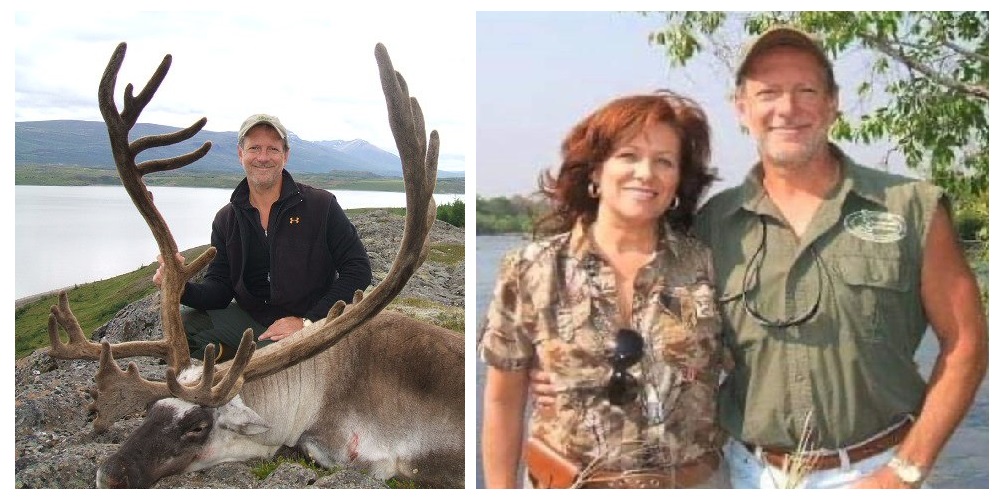
Larry Rudolp confessed killing his wife on an African safari in Zambia and collecting millions in life insurance.
An American dentist and big-game hunter was found guilty of murder in the shooting death of his wife on an African safari.
Lawrence Rudolph, 67, killed his wife, Bianca Rudolph, with a shotgun and defrauded multiple insurance companies, a federal jury found Monday. Rudolph cashed in more than $4.8 million in life insurance payments after her death almost six years ago.
Rudolph has maintained his innocence and said he believes the gun fired accidentally.
“I did not kill my wife. I could not murder my wife. I would not murder my wife,” Rudolph told jurors when he took the stand in his own defence at a federal trial in Denver last week.
The Phoenix couple shared a passion for big-game hunting and had travelled to the southern African nation of Zambia in September 2016 so Bianca Rudolph could add a leopard to her collection of animal trophies. They carried two guns for the hunt: a Remington .375 rifle and a Browning 12-gauge shotgun.
Two weeks later, as Bianca Rudolph was packing for the couple’s return home, she suffered a fatal blast from the Browning shotgun in their hunting cabin at Kafue National Park. Rudolph told investigators he heard the shot at dawn while he was in the bathroom and believed the shotgun accidentally went off as she was putting it in its case, court documents said. He told investigators he found her bleeding on the floor.
But federal prosecutors at Rudolph’s trial in Denver, where the insurance companies are based, described it as a premeditated crime. Prosecutors argued Rudolph killed his wife of 30 years for insurance money and to be with his girlfriend, Lori Milliron.
Defence attorney David Markus had argued that Larry Rudolph had no financial motive to kill his wife. In court documents, he noted that Rudolph owns a dental practice near Pittsburgh valued at $10 million.
“We are obviously extremely disappointed. We believe in Larry and his children,” Markus and fellow defence attorneys Margot Moss and Lauren Doyle told CNN in a statement after Monday’s verdict. “There are lots of really strong appellate issues, which we will be pursuing after we have had a chance to regroup.”
The jury also found Milliron, Rudolph’s girlfriend, guilty of being an accessory after the fact to murder, obstruction of justice and two counts of perjury based on her testimony before a grand jury, according to the Department of Justice.
Milliron, who was tried alongside Rudolph, said the couple had been in an open relationship, according to court documents. Milliron and Rudolph lived together from 2017 until his arrest last year, her attorney, John Dill, told CNN.
“We are disappointed in the jury’s verdict, but that is our system,” Dill said. “Lori Milliron is innocent and we will continue to fight to exonerate her.”
An embassy official expressed suspicion after the shooting, the FBI said
In court documents, investigators alleged Rudolph raised suspicions when he sought to quickly cremate his wife’s body in Zambia.
Rudolph scheduled a cremation three days after her death, according to court documents. After he reported her death to the US Embassy in the Zambian capital of Lusaka, the consular chief “told the FBI he had a bad feeling about the situation, which he thought was moving too quickly,” FBI special agent Donald Peterson wrote in the criminal affidavit.
As a result, the consular chief and two other embassy officials went to the funeral home where the body was being held to take photographs and preserve any potential evidence. When Rudolph found out the embassy officials had taken photos of his wife’s body, he was “livid,” Peterson wrote.
Rudolph initially told the consular chief that his wife may have died by suicide, but an investigation by Zambian law enforcement ruled it an accidental discharge.
Investigators for the insurers reached a similar conclusion and paid on the policies.
But forensic evidence showed Bianca Rudolph’s wounds came from a shot fired from at least two feet away, according to a criminal complaint filed in federal court.
“At that distance, there is reason to believe that Bianca Rudolph was not killed by an accidental discharge as stated,” the complaint said.
US Attorney Cole Finegan welcomed the jury’s ruling.
“Bianca Rudolph deserved justice,” Finegan said in a statement. “We can only hope this verdict brings Bianca’s family some amount of peace.”
A friend of Bianca Rudolph’s asked the FBI to investigate
But federal investigators maintained the shooting was premeditated so that Rudolph “could falsely claim the death was the result of an accident.”
Rudolph orchestrated his wife’s death as part of a scheme to defraud life insurance companies and to allow him to live openly with his girlfriend, the FBI alleged.
Larry Rudolph was charged with foreign murder in the 2016 death of his wife.
Bianca and Lawrence Rudolph moved from Pennsylvania to Arizona about four years before her death. Rudolph’s dental practice remained in Pennsylvania, and he commuted back and forth from his Phoenix home.
Federal authorities got involved after a friend of Bianca Rudolph asked the FBI to investigate the death because she suspected foul play. The friend said Larry Rudolph had been involved in extramarital affairs and had a girlfriend at the time of his wife’s death.
Milliron worked as a manager at Larry Rudolph’s dental practice near Pittsburgh and told a former employee that she’d been dating him for 15 to 20 years, according to court documents. Milliron moved in with Rudolph three months after Bianca Rudolph’s death, court documents said.
What you can do to help animals in need:
Support ‘Protect All Wildlife’ by donating as little as £1 – It only takes a minute but it can last a lifetime for an animal in need. Thank you.
We believe EVERY animal should be treated with respect, empathy, and understanding. We raise awareness to protect and conserve wild, captive, companion and farm animals. It is vital that we protect animals against acts of cruelty, abuse, and neglect by enforcing established animal welfare laws and, when necessary, take action to ensure that those who abuse animals are brought to justice.
Protect All Wildlife are involved in many projects to protect animals’ rights, welfare, and habitats. Money contributed to Protect All Wildlife supports ALL of our worthy programmes and gives us the flexibility to respond to emerging needs. Your donations make our work possible. Thank you for your support.
Everyone who donates will receive a Certificate of Appreciation as a thank you for supporting wildlife.
I want my money back I came to see an Elephant I paid to see a conservation ambassador Inspire me to help conserve the species Especially her kind
I saw an empty shell
She looks like an Elephant But what is there to see, not Happy She is a poor teacher of Elephant lessons She is no solitary animal, but kept confined Like all captives, neurones scrambled, brain denied Stereotypy is not a dance – no, a pathetic trance A sign she can’t be happy in mind She’s not right in the head.
She is an empty shell
They have broken personalities All the Elephants with names, captive They are poor Elephant facsimiles They have the stature, the thick skin and bones They are devoid of Elephant spirit, truncated They are subjected to Floydian ‘Brain Damage’ They are all caught on the dark side (“‘As a matter of fact, it’s all dark’*) Cut off from the herd
They are empty shells
We pay the price to see: see the price they pay We fall for the old ‘conservation /education’ story We fail to see the oppression and the damage done We should be able to see for ourselves We could accept they are Sentients like us We could see them better in a sanctuary We could do the right thing Will we?
Collect all the empty shells
Put them back where they can refill Regain their freedom and society Be Elephants again, herd mentality That would be something to see Is it just a Zoological fantasy?
I find myself unhappy for Happy, again
If I find myself outside her enclosure (But I wouldn’t pay to go in anyway) Watching her sway song, groundhog days One day closer to her end of days Inspired to write yet another Happy poem Adding to ‘Not Happy’ ‘Personable’ ‘Elephant Stomp’ After the first setback of her legal person court case What would I do if I were you?
Might just as well go to a museum Pay to see a stuffed Elephant This one already is
I want my money back I came to see an Elephant Largest land animal, majestic Social fellow-sentient being Exemplary, salutary
I got an empty shell
*From ‘Brain Damage’ on the Pink Floyd album ‘Dark Side of the Moon’
**From ‘The Needle and the Damage Done’ by Neil Young
For all captive Elephants – Happy, Lucy, Shankar, The Fresno Elephants and so many more.
Written By Anthony Lovell.
What you can do to help wildlife:
Please Sign The Petition To Free Happy From Her Imprisonment At The Bronx Zoo HERE!
Support ‘Protect All Wildlife’ by donating as little as £1 – It only takes a minute but it can last a lifetime for an animal in need. Thank you.
We believe EVERY animal should be treated with respect, empathy, and understanding. We raise awareness to protect and conserve wild, captive, companion and farm animals. It is vital that we protect animals against acts of cruelty, abuse, and neglect by enforcing established animal welfare laws and, when necessary, take action to ensure that those who abuse animals are brought to justice.
Protect All Wildlife are involved in many projects to protect animals’ rights, welfare, and habitats. Money contributed to Protect All Wildlife supports ALL of our worthy programmes and gives us the flexibility to respond to emerging needs. Your donations make our work possible. Thank you for your support.
Everyone who donates will receive a Certificate of Appreciation as a thank you for supporting wildlife.
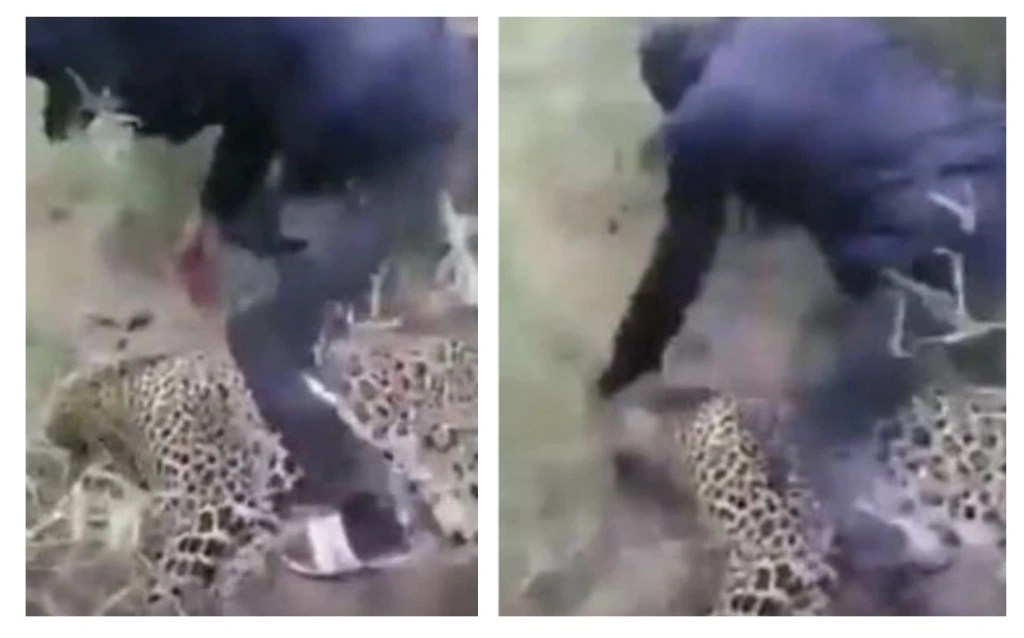
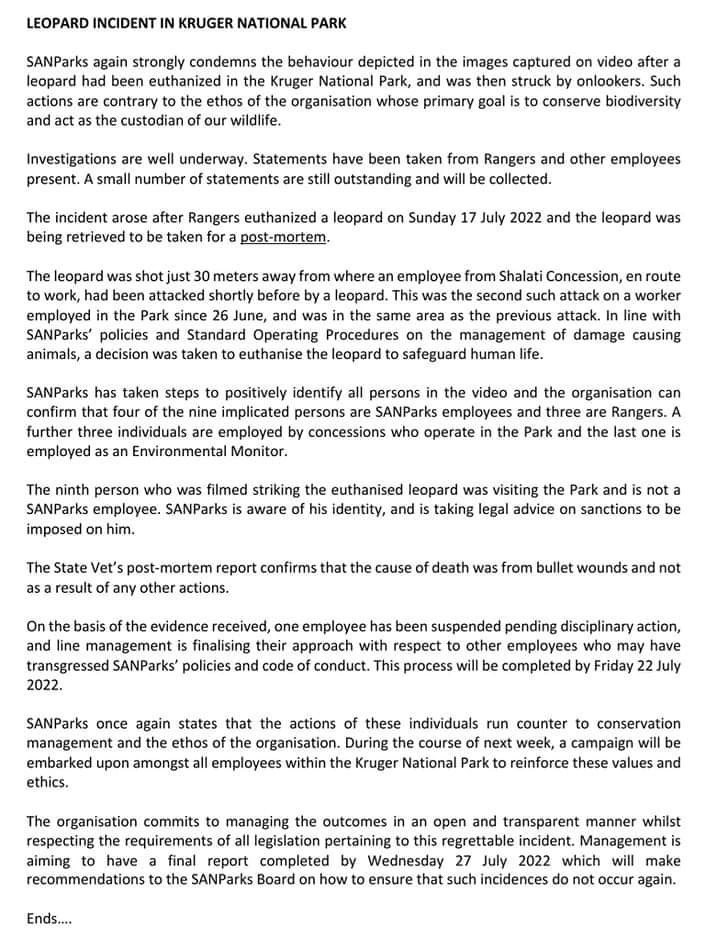
Kruger National Park rangers and other employees were filmed abusing a euthanised Leopard. SANParks says their conduct was contrary to the ethos of the organisation whose primary goal is to act as the custodian of wildlife.
Rangers and employees at the Kruger National Park have had their statements taken after a video surfaced of them allegedly abusing a euthanised Leopard.
According to SANParks, custodian of the Kruger Park, four of the nine people seen slapping the dead animal are SANParks employees — three are rangers and one is employed as an environmental monitor. One person seen striking the Leopard was a visitor to the park.
So far, one employee has been suspended pending disciplinary action. “Line management is finalising their approach with respect to other employees who may have transgressed SANParks’ policies and code of conduct,” SANParks said. Regarding the visitor, SANParks said it “is taking legal advice on sanctions to be imposed on him”.
The incident happened on Sunday after an employee from Shalati Concession was attacked by a Leopard. According to SANParks, this was the second attack on an employee in the park in the same area since June 26.
The Leopard was shot 30 metres from where the attack happened. “In line with SANParks’ policies and standard operating procedures on the management of damage-causing animals, a decision was taken to euthanise the Leopard to safeguard human life.”
RANGER SLAPPING DEAD LEOPARD
On the abuse of the animal’s body, SANParks said it “strongly condemns the behaviour depicted in the images captured on video … Such actions are contrary to the ethos of the organisation whose primary goal is to conserve biodiversity and act as the custodian of our wildlife”.
“The actions of these individuals run counter to conservation management and the ethos of the organisation. During the next week a campaign will be embarked upon among all employees within the Kruger National Park to reinforce these values and ethics.
“The organisation commits to managing the outcomes in an open and transparent manner while respecting the requirements of legislation pertaining to this regrettable incident.
THE SOUTH AFRICAN NATIONAL PARKS STATEMENT FOLLOWING THE INCIDENT
“Management is aiming to have a final report completed by Wednesday, July 27, which will make recommendations to the SANParks board on how to ensure such incidences do not occur again.”
South African National Parks (SANParks) Investigation Findings
The South African National Parks (SANParks) says it has concluded its investigations into the abuse of a dead leopard – which was caught on film in a video which went viral; and has started implementing corrective measures… including banning the man who was seen striking the leopard’s face from entering the Kruger National Park again.
In a statement, SANParks explained that the Leopard had been found and euthanised close to employees’ living quarters (within 100m), and a crowd had subsequently gathered around the dead Leopard. A Management Incident Report found that there was insufficient crowd control.
The Report made recommendations to SANParks on ways to minimise such incidents occurring in the future, and to limit human wildlife conflict.
According to the report, the official procedures had been followed correctly in deciding to euthanise the Leopard.
The problems arose during the recovery of the carcass after the Ranger Corporal asked for assistance from bystanders to get the carcass from the bushes. It was at this point that the incident – which took place in the administrative area of Skukuza – was filmed.
SANParks said: “All identified SANParks employees were questioned and submitted statements. The individual who struck the Leopard is not a SANParks employee and has been barred from entering the Kruger National Park. Disciplinary action is ongoing for all SANParks officials as well as the individual who filmed the incident.”
The Management Report also recommended that the KNP Code of Conduct should be revisited and communicated to visitors and residents; and that procedures should be amended to improve the response to crowd control situations following an animal being euthanised near to humans.
What you can do to help animals in need:
Support ‘Protect All Wildlife’ by donating as little as £1 – It only takes a minute but it can last a lifetime for an animal in need. Thank you.
We believe EVERY animal should be treated with respect, empathy, and understanding. We raise awareness to protect and conserve wild, captive, companion and farm animals. It is vital that we protect animals against acts of cruelty, abuse, and neglect by enforcing established animal welfare laws and, when necessary, take action to ensure that those who abuse animals are brought to justice.
Protect All Wildlife are involved in many projects to protect animals’ rights, welfare, and habitats. Money contributed to Protect All Wildlife supports ALL of our worthy programmes and gives us the flexibility to respond to emerging needs. Your donations make our work possible. Thank you for your support.
Everyone who donates will receive a Certificate of Appreciation as a thank you for supporting wildlife.
One little fox has been gaining a lot of attention on social media, for one very unique reason. While she may have a disability, the folks at the Kentucky Wildlife Center are determined not to let that stop her.
When you walk through the doors at the centre, you may be greeted by the friendly house cat waiting for an ear scratch, or the curious bunny ready for her close up.
“That’s what we do here. We take care of every animal to the max,” said PK Blankenship.
For some, it’s a place to rest and rehabilitate before being released back into the wild. For others, it becomes their home.
“She’s come a long way, she really has. It used to be that there wasn’t any movement in those back legs at all,” Blankenship said.
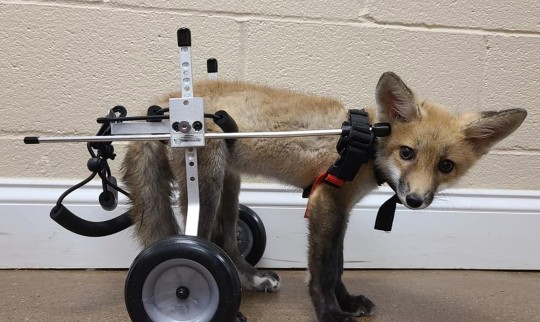
Asia the three-month-old Red Fox became a “permanent resident” back in May. She was found by a Boone County couple who immediately called the center’s director, Sam Opp, when they saw Asia try to walk.
“They noticed she wasn’t using her back legs,” Opp said.
It’s a disability Opp believes Asia has had since birth, and something that would have left her defenceless, and eventually dead, in the wild.
“You would never know she can’t use those back legs. She thinks she’s a regular fox. She pounces like a regular fox. She jumps like a regular fox. She crawls over you like a regular fox,” Blankenship said.
But what you may not see on a regular fox is the shiny wheelchair.
“Sometimes it’s funny. We put her in it and she’s like a NASCAR race driver. She takes off,” Blankenship said.
While Asia may have the need for speed, learning to use the chair isn’t always a smooth ride.
“I’m not saying she won’t bump into something, it does frighten her. It’s just like as a child. She would tumble off her mom and shake it off,” Blankenship said.
Still a wild animal, there are days Asia isn’t in the mood for physical therapy.
“If she’s just having a bad day, she’ll get more free time, which is after every session anyways,” Opp said.
With the help of Opp, her handler Blankenship, and the wheelchair, she will most likely be able to walk using her back legs one day.
“She has shown improvement in using those back legs to actually stand on her own. She is a very determined fox kit. She’s not giving up and we’re not giving up on her either. We’re in it for the long haul,” Blankenship said.
Support the work of ‘Protect All Wildlife’ by donating as little as £1 – It only takes a minute but it can last a lifetime for an animal in need. Thank you.
We believe EVERY animal should be treated with respect, empathy, and understanding. We raise awareness to protect and conserve wild, captive, companion and farm animals. It is vital that we protect animals against acts of cruelty, abuse, and neglect by enforcing established animal welfare laws and, when necessary, take action to ensure that those who abuse animals are brought to justice.
Protect All Wildlife are involved in many projects to protect animals’ rights, welfare, and habitats. Money contributed to Protect All Wildlife supports ALL of our worthy programmes and gives us the flexibility to respond to emerging needs. Your donations make our work possible. Thank you for your support
Everyone who donates will receive a Certificate of Appreciation as a thank you for supporting wildlife.
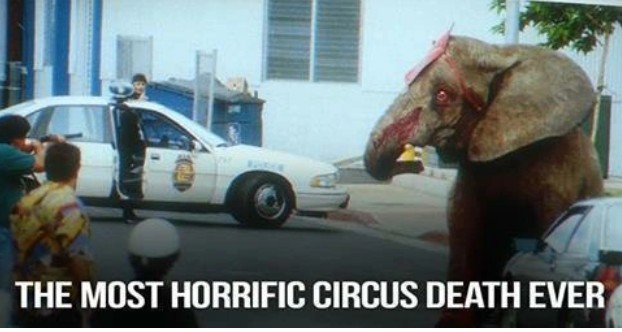
20TH AUGUST 1994: THE DAY THAT TYKE THE ELEPHANT WAS SHOT 86 TIMES!
Mention “Tyke the Elephant” to anyone who lived in Honolulu 27 years ago and chances are they’ll shake their head and talk about what a dark moment it was in their city’s history.
Tyke was a wild-born African Elephant captured from the wild in Mozambique when just a baby. She was sold into the circus industry in the U.S. and for twenty years abused and exploited. Tyke was tortured during this time, forced to wear a degrading clown costume and dance for the audience, and even forced to ride a giant tricycle.
In August 1994, Tyke spent several days locked in the hull of a tanker ship on a long ocean journey from California to Hawaii. When they finally let her out she was immediately forced into performing in from of an audience. Unable to take the abuse any longer, she finally snapped. Tyke entered the ring at the Blaisdell Arena, kicking around what looked to audience members like a dummy. “We thought it was part of the show,” one witness told the Honolulu Star-Advertiser. They soon realized the supposed dummy was a severely injured groomer. Panicked, audience members fled for the exits. Tyke went on to fatally crush her trainer, who was trying to intervene, before fleeing the arena herself.
For nearly 30 minutes, Tyke ran through the streets of the Kakaako neighborhood’s business district at rush hour, nearly trampling circus promoter Steve Hirano when he tried to fence her in. It was a foot chase between her and the Honolulu police, who eventually shot her 86 times before she succumbed to nerve damage and brain haemorrhages. People watched aghast from their cars, apartments and the sidewalk.
Twenty seven years later, witnesses still remember it vividly, and the attitude in Honolulu toward animal-driven circuses is distrusting. No circus elephants have performed since Tyke, even though there is no prohibition against it.
In 2014, when the Moscow International Circus announced that it would perform in Honolulu with “wild animals”, activist group People for the Ethical Treatment of Animals circulated a petition against it. A circus spokesman recently told the Honolulu Star-Advertiser that animals would be excluded from the shows, and PETA applauded the decision in a press release:
What can you do? PETA encourages you to avoid supporting any circus that includes animals and provides a list of animal-free circuses, as well as a list of things you can do if the circus comes to your town.
THE PETRIFIED LOOK OF FEAR
IF THIS VIDEO DOESN’T CONVINCE YOU THAT ANIMAL CIRCUSES ARE HELL!
The ruling by U.S. District Judge Jon Tigar in Northern California comes as the Biden administration is working on replacement rules for the Trump rollbacks and means the protections will be restored while the review process continues.
“The court spoke for species desperately in need of comprehensive federal protections without compromise,” Earthjustice attorney Kristen Boyles said in a statement from the plaintiffs emailed to EcoWatch. “Threatened and endangered species do not have the luxury of waiting under rules that do not protect them.”
Earthjustice represented the Center for Biological Diversity, Defenders of Wildlife, Sierra Club, Natural Resources Defense Council, National Parks Conservation Association, Wild Earth Guardians and the Humane Society of the United States in a lawsuit to block the Trump regulations passed in 2019. The lawsuit targeted five regulations in particular.
These regulations did the following, according to EcoWatch and the Sierra Club:
Removed the “blanket rule” giving threatened species the same protections as endangered species.
Made it harder to protect species from the climate crisis by giving the government more wiggle room in how it interpreted the phrase “foreseeable future.”
Made it easier to delist species.
Allowed regulators to consider the economic impact of offering protections to a species.
Made it harder to list new species and protect their critical habitat.
When President Joe Biden took office, the U.S. Fish and Wildlife Service and National Marine Fisheries Service said they would work on new regulations. However, this process can take months to years. In the meantime, the services asked the court to remand the case in December of 2021, according to the plaintiffs. However, the judge decided to vacate the Trump regulations instead.
“Regardless of whether this Court vacates the 2019 [Endangered Species Act] Rules, they will not remain in effect in their current form,” Tigar wrote in his ruling.
The plaintiffs applauded Tigar’s decision, which restores protections to hundreds of species.
“Trump’s gutting of endangered species protections should have been rescinded on day one of the Biden presidency,” Center for Biological Diversity endangered species director Noah Greenwald said in the statement. “With this court ruling, the Services can finally get on with the business of protecting and recovering imperiled species.”
An Interior Department spokesperson said the agency was now reviewing the ruling.
What you can do gto help animals in need:
Support ‘Protect All Wildlife’ by donating as little as £1 – It only takes a minute but it can last a lifetime for an animal in need. Thank you.
We believe EVERY animal should be treated with respect, empathy, and understanding. We raise awareness to protect and conserve wild, captive, companion and farm animals. It is vital that we protect animals against acts of cruelty, abuse, and neglect by enforcing established animal welfare laws and, when necessary, take action to ensure that those who abuse animals are brought to justice.
Protect All Wildlife are involved in many projects to protect animals’ rights, welfare, and habitats. Money contributed to Protect All Wildlife supports ALL of our worthy programmes and gives us the flexibility to respond to emerging needs. Your donations make our work possible. Thank you for your support
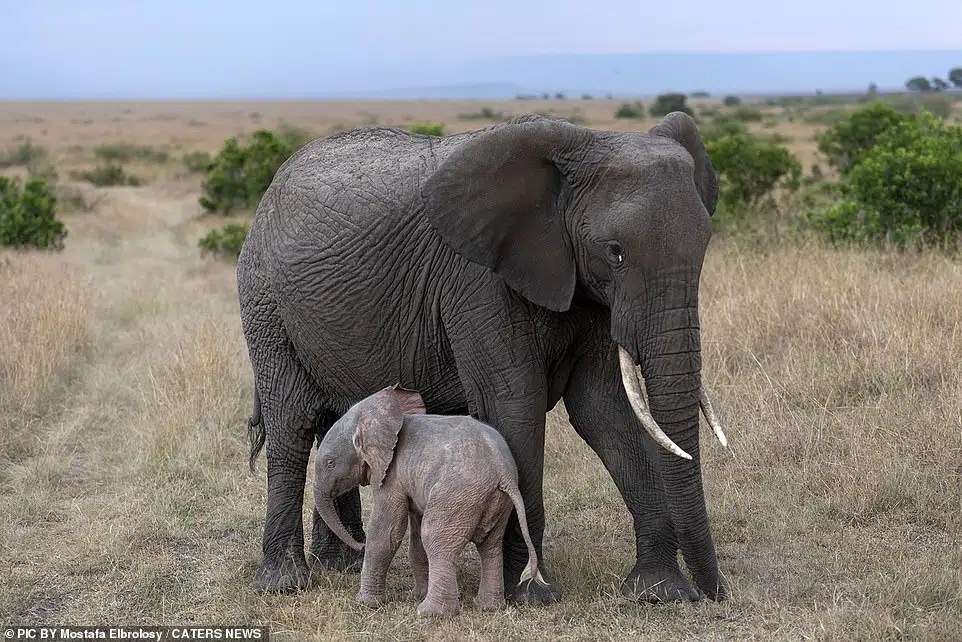
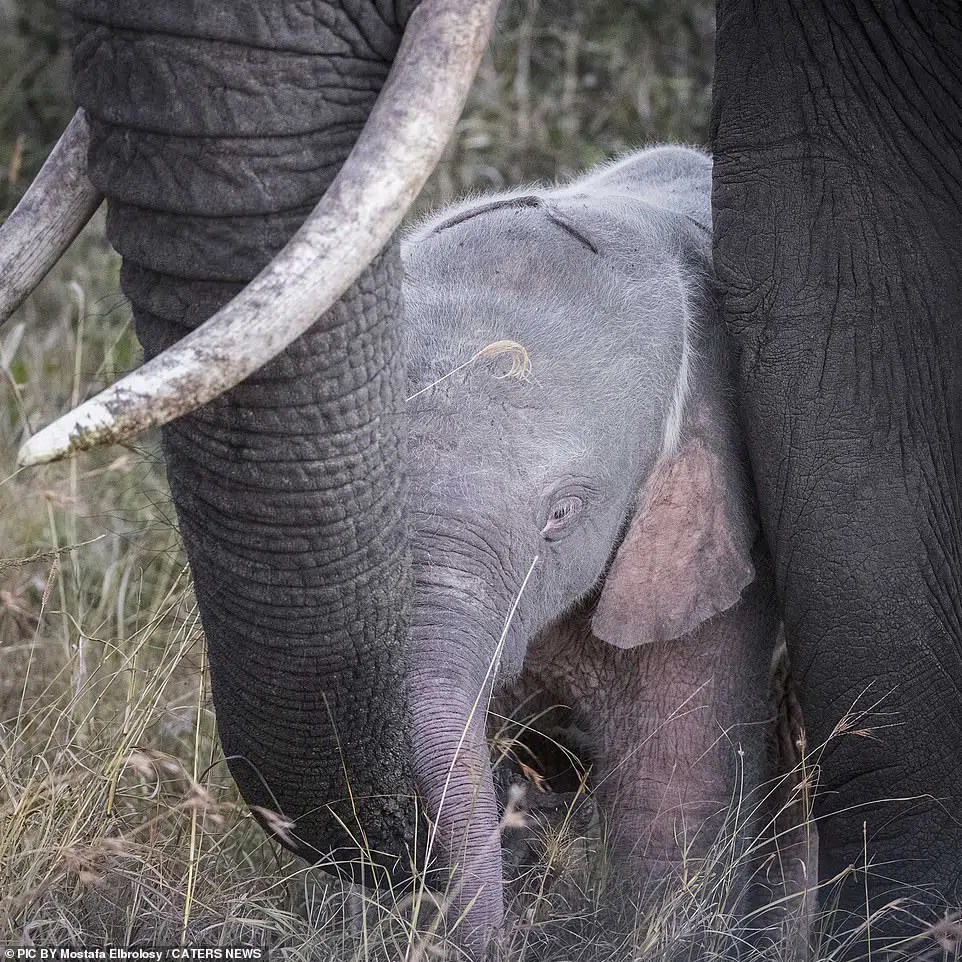
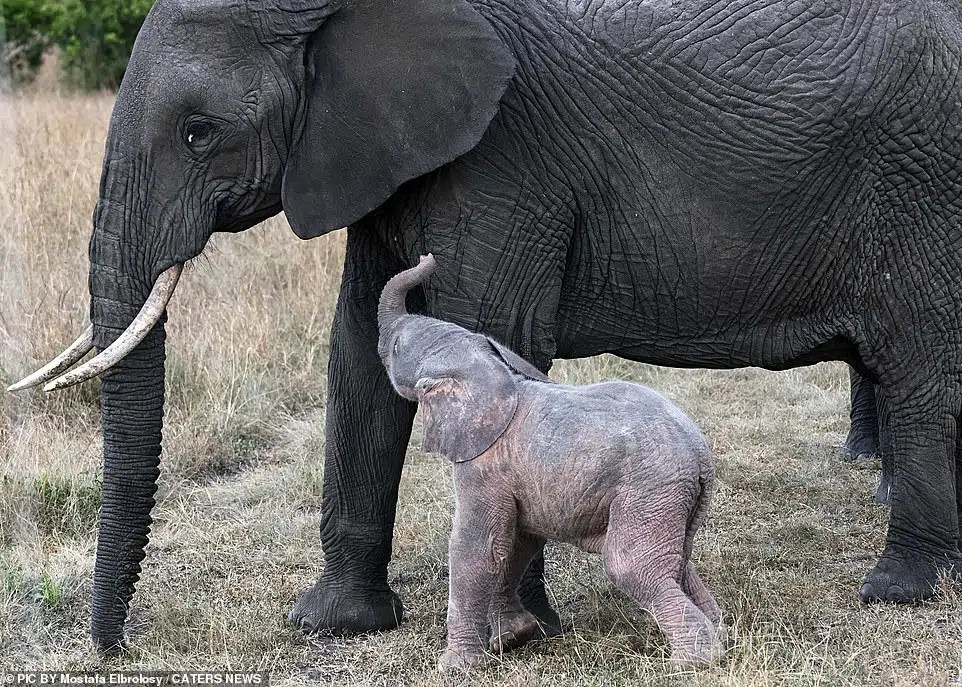
A baby Elephant born with albinism has thrived in the wild despite facing problems caused by its pigmentation.
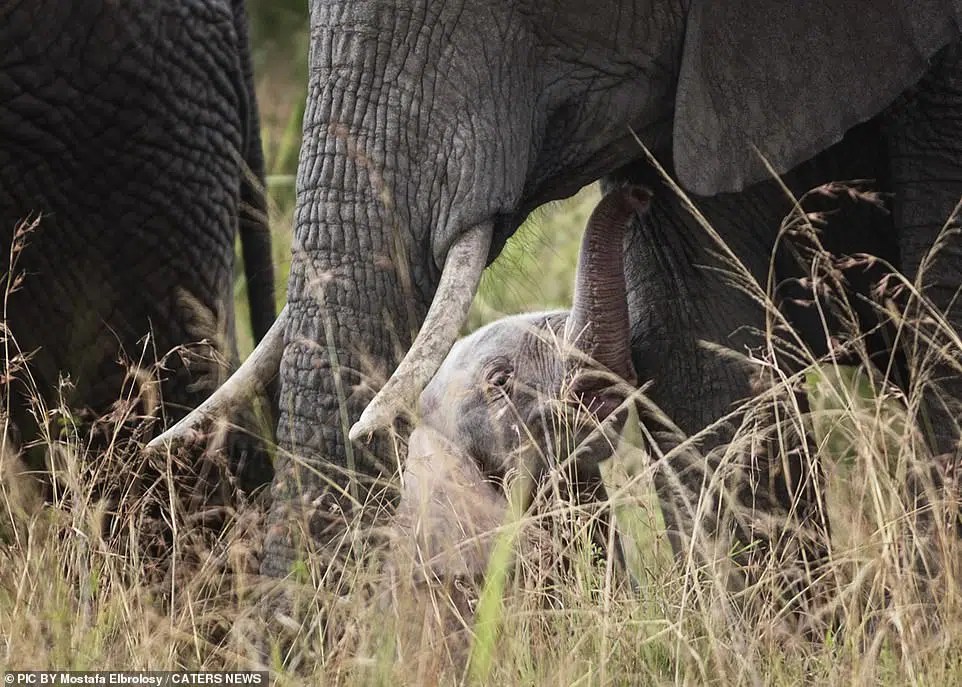
THE RARE CALF WAS SPOTTED BY RANGER AND WILDLIFE PHOTOGRAPHER MOSTAFA ELBROLOSY IN THE MAASAI MARA, KENYA
The rare calf was born in the Maasai Mara, Kenya.
A wildlife photographer caught it on camera, who spotted its unusual pink skin pigmentation, but it is believed to be thriving nonetheless.
THE NEWBORN WITH ALBINISM HAS BEEN THRIVING IN THE WILD DESPITE BATTLING WITH INTENSE SUNLIGHT BEAMING DOWN ON ITS NON-PIGMENTED SKIN
Mostafa Elbrolosy, a ranger who runs a safari camp, said he had heard about the Elephant’s birth but was surprised when he saw the adorable baby Elephant in person.
He said: ‘It was a rare sighting.
‘Rare creatures are always the most fascinating to any wildlife photographer and having the opportunity to view and photograph it was like a dream.
‘When I lived in Maasai Mara running my cozy camp here, I got news on the radio about a Eemale elephant giving birth to an albino.
‘I finished my work, packed my camera, and went looking for it with one of our guides.
‘We received a surprise in the afternoon after a long silent search with only a few people coming to see because no one expected it to be an albino.
‘I am very fortunate to have had the opportunity to see and photograph this extremely rare baby.’
Mr. Elbrolosy said the newborn calf was extremely rare and was thriving despite the harsh sun being unsuitable for it.
‘It is very well surrounded and protected by the herd, trying to feed on its mother and go for walks with her.
‘He’s only eight hours old.
‘We were delighted to see such a wonderful sight.’
Albinism is caused by a lack of pigment in the skin and often results in pale layers of skin as well as unpigmented, pink eyes.
This condition can also cause poor vision and can eventually lead to blindness as the calf gets older.
Many Elephants have patches of unpigmented skin behind their ears but true albinos can often be rejected by their own species due to their unusual appearance.
What you can do to help animals in need:
Support ‘Protect All Wildlife’ by donating as little as £1 – It only takes a minute but it can last a lifetime for an animal in need. Thank you.
We believe EVERY animal should be treated with respect, empathy, and understanding. We raise awareness to protect and conserve wild, captive, companion and farm animals. It is vital that we protect animals against acts of cruelty, abuse, and neglect by enforcing established animal welfare laws and, when necessary, take action to ensure that those who abuse animals are brought to justice.
Protect All Wildlife are involved in many projects to protect animals’ rights, welfare, and habitats. Money contributed to Protect All Wildlife supports ALL of our worthy programmes and gives us the flexibility to respond to emerging needs. Your donations make our work possible. Thank you for your support.
It was the moment Raju the Elephant had waited a lifetime for – a family of his own.
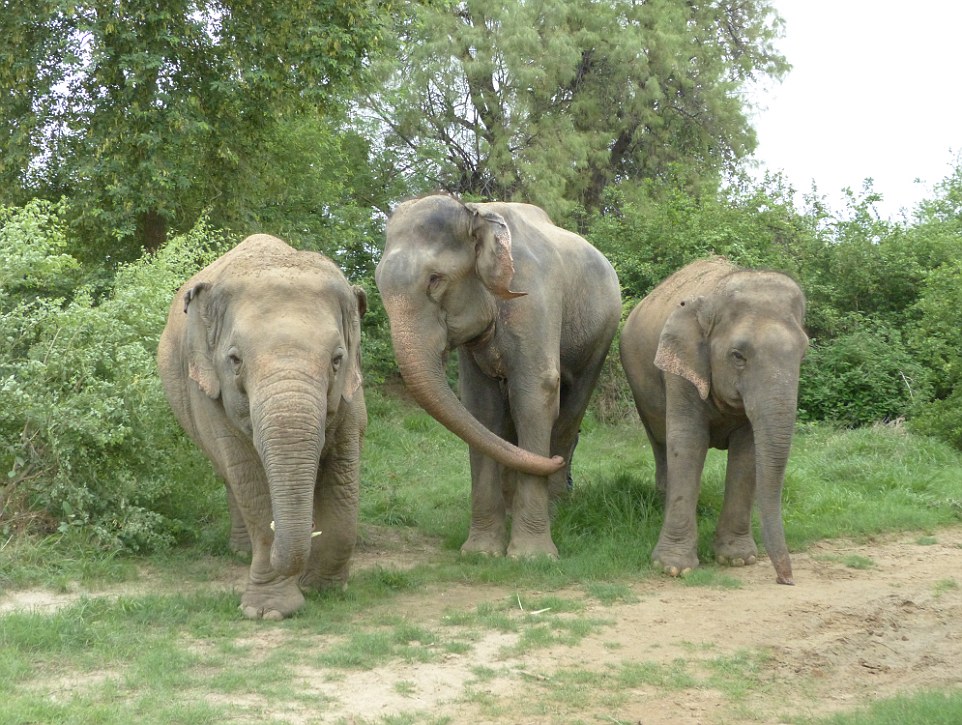
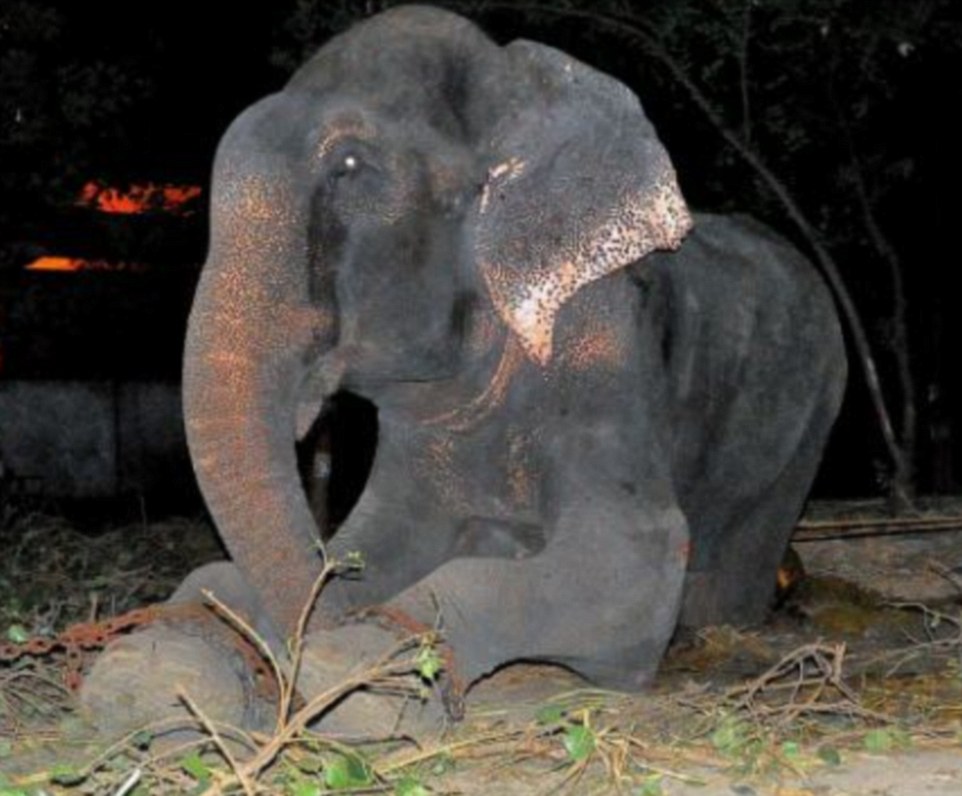
In July 2014 the gentle giant, who captured the hearts of people from around the world when he cried as he was freed from chains after 50 years – joined five female Elephants at Wildlife SOS’s Elephant Conservation and Care Centre in India.
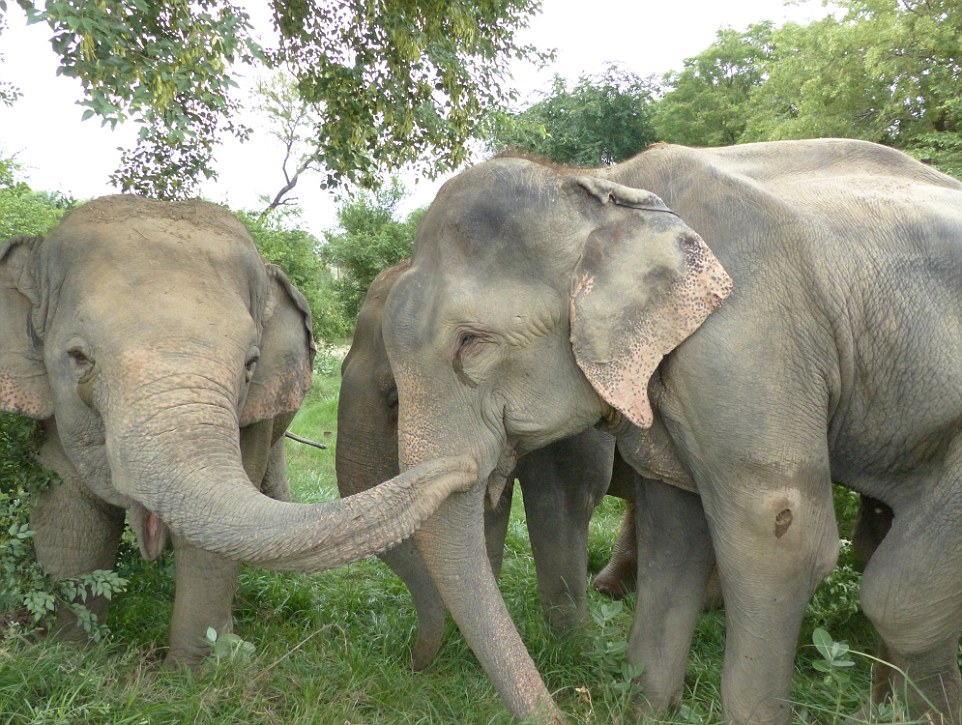
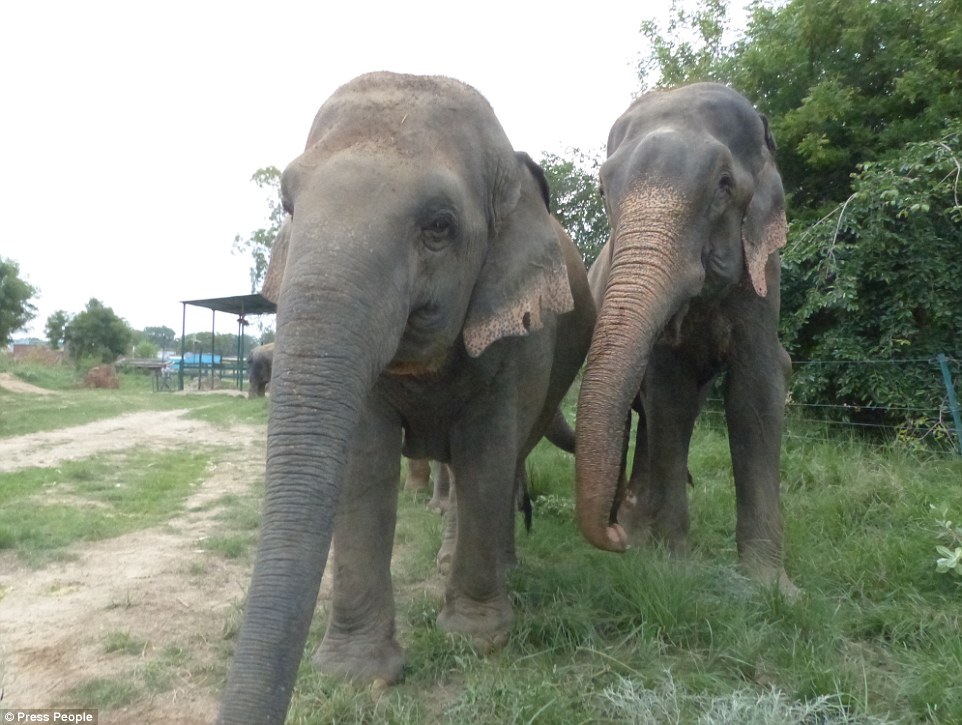
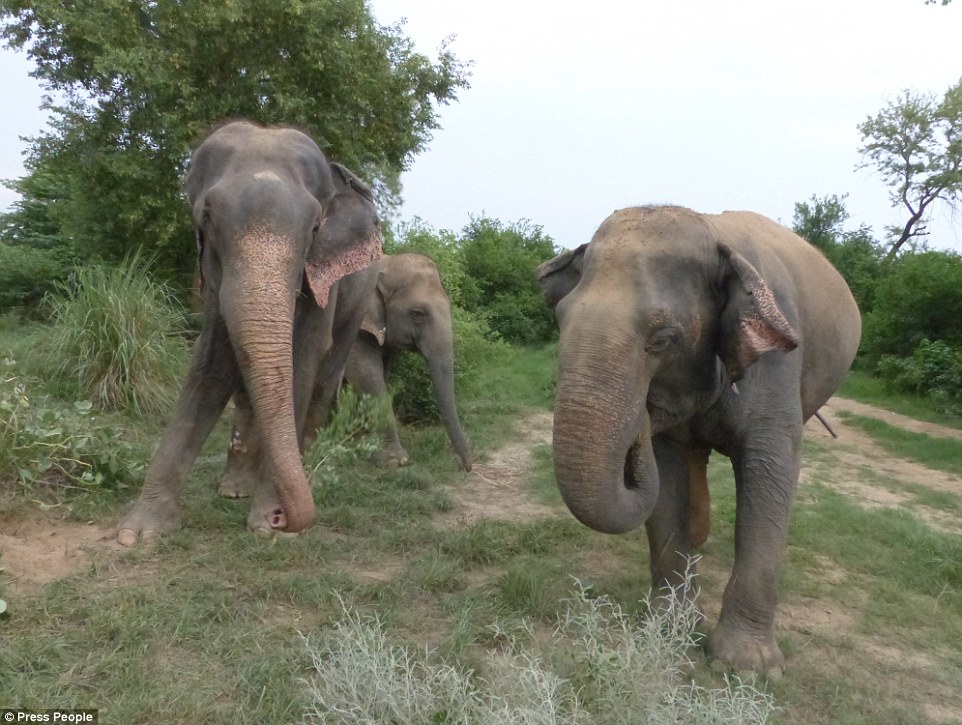
His new family, named the Herd of Hope, have all been rescued from barbaric treatment.
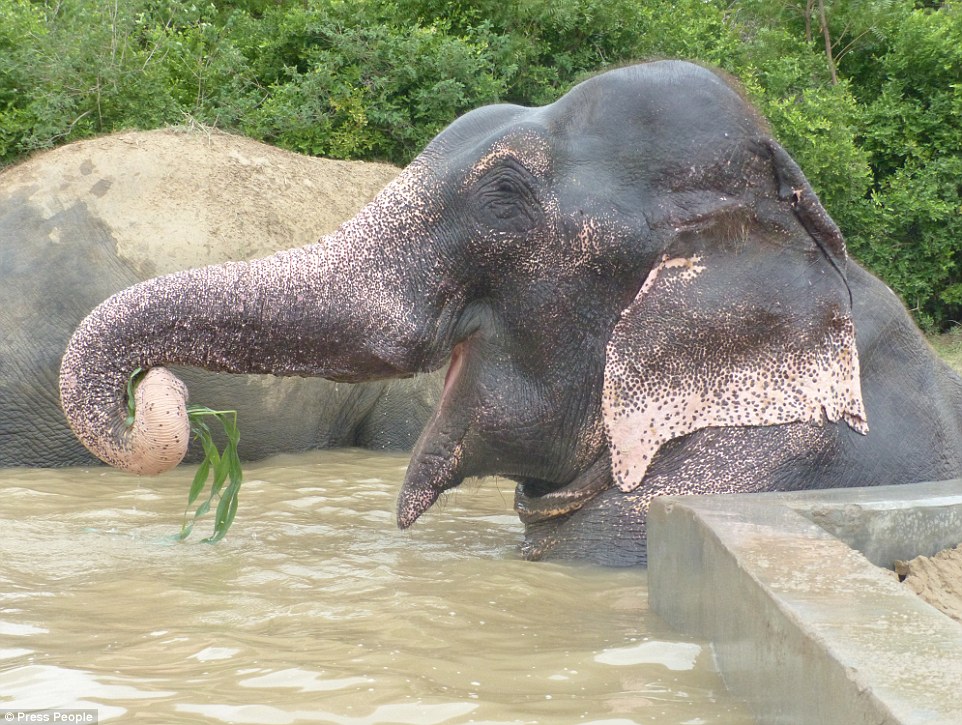
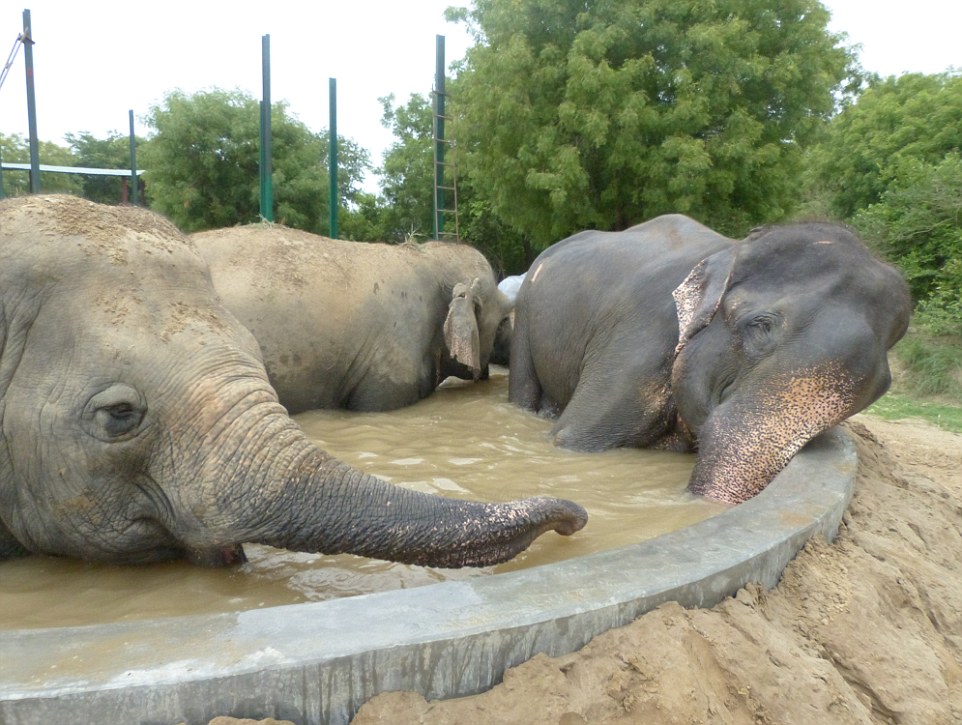
HAPPY CHAPPY: RAJU, CENTRE, WAS INTRODUCED TO HIS NEW FRIENDS AT A CONSERVATION CENTRE IN INDIAENJOYING HIMSELF: RAJU SMILES WIDELY AS HE RELAXES IN THE POOL NEXT TO HIS NEW FAMILY – CALLED THE HERD OF HOPE.GANG’S ALL HERE: RAJU’S FRIENDS HAVE ALSO ESCAPED FROM GREAT CRUELTY AND NOW LIVE IN MATHURA, NORTHERN INDIA.
And poignantly, they flapped their ears – an expression of joy – before touching him with their trunks as they welcomed him.
Charity Wildlife SOS founder Kartick Satyanarayan, who led the rescue operation to save Raju, said: ‘We are delighted Raju has fitted in so well with the first family he’s ever had since he was orphaned by poachers as a calf.
‘He had been so terribly brutalized for 50 years that we feared he’d be unable to live with his own kind. He didn’t even know how to be an Elephant. But now it’s like he’s always been with them.
‘When we first released him, he held back, and he was clearly wary. Three of our female Elephants Laxmi, Chanchal and Sai Geeta ran up to him – their ears flapping wildly –a sign they were excited and delighted to meet him. They also made high-pitched trumpeting sounds – a greeting.
AFFECTIONATE: ONE OF RAJU’S FEMALE FRIENDS, LEFT, STROKES HIS TRUNK WITH HERS. HE WAS INITIALLY WARY OF CONTACT BECAUSE OF HIS APPALLING TREATMENT AT THE HANDS OF HIS CAPTORS.REHABILITATION: THE POOL’S WATER LETS RAJU TAKE WEIGHT OFF OF HIS LEGS – WHICH ARE PAINFUL FROM YEARS OF ABUSE.TAKING IT EASY: RAJU WAS POACHED AS A CALF – AND ENDURED AN AWFUL LIFE AS A TOURIST ATTRACTION – BUT CAN NOW RELAX.
‘Then each of them touched him with their trunks, clearly reassuring him before they wandered off into the grazing land at our Elephant Conservation and Care Centre at Mathura. It was incredibly touching after all he’d been through.’
On July 4 this year the charity along with their counterparts in India saved Raju from dying in his bonds in a daring midnight rescue operation.
A team of ten vets and wildlife experts from the charity were joined by twenty Forestry Department officers and six policemen to seize Raju in the Uttar Pradesh region.
Mr Satyanarayan said: ‘He’d been poached as a calf from the wild. Poachers either slaughter the mother, or they drive the herd into traps that are small enough only for the babies to fall into.
‘The mother cries for her baby for days after he’s been stolen – the illegal Elephant trade is sickening. The calves are then tied and beaten until they submit to their owners – their spirits are effectively broken.
’27 OWNERS’: RAJU, RIGHT, WAS PASSED FROM OWNER TO OWNER IN CAPTIVITY, AND EVENTUALLY WAS FOUND IN SPIKED CHAINS.PLAYTIME: RAJU, LEFT, HAS BEEN ABLE TO START HIS RECOVERY IN THE SANCTUARY, AFTER BEING BLIGHTED BY WOUNDS ALL OVER HIS LEGS AND BODY WHILE IN CAPTIVITY.
‘Raju’s case was particularly tragic as we believe he has been sold again and again and might have had 27 owners – he’s been treated as a commodity and beaten into accepting his new handler every two years of his life.
‘By the time we found him he was in a pathetic condition. He hadn’t been fed properly and tourists started giving him sweet food items and because he was in a state of hunger and exhaustion, he began eating plastic and paper.
‘He had no shelter at night and was being used as a prop to beg with from dawn until dusk or being used for giving tourists joy rides. And most heartrendingly of all – the chains that cut into his legs had been there for 50 years. It was horrific.
‘It took us 45 minutes to remove the shackles that had torn into the flesh on his legs for the past 50 years – an act of unthinkable cruelty.
‘His legs were so covered in abscesses and his feet so damaged by walking on hard tarmac roads, that we have spent much more than expected on his medical treatment, and we still have a long way to go as he has a serious limp and open wounds.’
TEARFUL: RAJU, PICTURED ABOVE MOMENTS BEFORE HE WAS FREED FROM CAPTIVITY, CAN BE SEEN WITH ‘TEARS’ STREAMING DOWN HIS FACE.CRUEL: ACCORDING TO HIS RESCUERS, RAJU HAD BEEN IN CHAINS FOR AS LONG AS 50 YEARS.BOUND: RAJU’S CHAINS, SEEN UP CLOSE ABOVE, TOOK 45 MINUTES FOR RESCUERS TO DISENTANGLE.
The Elephants Raju has joined have also suffered horrendously before they were rescued by the charity.
The second most recent member of the herd is eighteen-year-old female Laxmi, saved from the streets of Mumbai ten months ago. Although she was young, she suffered from severe arthritis, obesity and a heart condition.
Mr Satyanarayan said: ‘She’d been exploited and used as a begging prop, she was neglected and her owners had got her addicted to fried junk food.
‘When we saved her she was 1,200 kilos overweight and so fat we had to use a crane to get her onto a specially-strengthened truck to drive her to our centre. She was so huge her knees were giving way and she had early arthritis.
‘Our vets were concerned that she would not live much longer if she was not rescued immediately. But she has a great, if mischievous, character – even on the drive home her trunk kept sneaking through the window and she was searching in the driver’s pockets for a treat.
‘We have spent the last 10 months rehabilitating her – and at first it was a battle to get her to eat the food she should be eating. Now she’s finally getting healthier, leaner and enjoying being a free Elephant.
‘But although Wildlife SOS was given legal custody of her by the Forest Department, her previous cruel owners are petitioning the courts to get her back and so now we are in a court battle to stop her being returned to the abusive situation we rescued her from.’
MIDNIGHT RAID: WILDLIFE SOS FOUNDER KARTICK SATYANARAYAN BREAKING RAJU FREE FROM CAPTIVITY.
Chanchal, 16, was rescued on June 29, 2012, on the outskirts of Delhi after she and a second Elephant were hit by a speeding truck.
The second Elephant was killed instantly and Chanchal was left with cuts, shards of glass and wounds all over her body as well as a severely injured leg. She was undernourished and her owners were arrested for negligence.
Mr Satyanarayan said: ‘Her leg was fractured and it’s taken us 18 months to nurse her back to health. She’s slowly rebuilding her life.’
Sai Geeta was a circus Elephant who was rescued after she was made to perform for years with a broken right rear leg.
Mr Satyanarayan said: ‘She still has a terrible limp where the break was never treated – the fracture was severe and when we rescued her she’d suffered for years in pain as it was never allowed to heal as they never allowed her to rest.’
ROAD TO FREEDOM: RAJU WAS TAKEN TO THE SANCTUARY IN MATHURA, NORTHERN INDIA, IN THIS TRUCK.
Finally Phoolkali, who is blind in one eye was smuggled illegally for years before the charity was alerted to her plight and immediately stepped in to rescue her.
Mr Satyanarayan said: ‘Phoolkali had spent more than 40 years of her life doing hard labour, being abused and being underfed. And her maltreatment and severe abuse by her previous owners caused her to be blinded in one eye.
‘Her owner would hide her in a windowless, deserted warehouse. Her owner would smuggle her across state borders in the dead of night to avoid detection by the authorities as he has no valid documentation for her legal possession.
‘She was frail and scrawny and almost skeletal in appearance and covered in sores and wounds.
‘Now she loves throwing mud on herself immediately after a long bath – much to the annoyance of her keeper – and also throws mud on him when he isn’t paying attention.’
YEARS TO RECOVER: THE HEAD OF WILDLIFE SOS SAID THAT IT TAKES YEARS TO RECOVER FROM RAJU’S DECADES-LONG ORDEAL.
Today the nightmare for Raju and his herd is a distant memory. And they are also enjoying a rehabilitation pool thanks to the generosity of donors to the centre.
Mr Satyanarayan said: :We are overwhelmed by the generosity of people from so many countries around the globe. We hope that if the donations continue, better facilities can be established for Raju and the other Elephants at the Centre who all deserve a better life to make up for the abuse they suffered all these years.
‘When we rescued him, Raju had never been in a pool before – and now he spends hours relaxing inside it. We’d like to thank everyone who donated – every penny has made such a difference to the quality of his life.
‘And while the pool is immensely pleasurable for him, it also is helping his rehabilitation as the water’s buoyancy enables him to take the weight off his legs which are incredibly painful from years of being shackled.
‘He still faces years of treatment to heal both the physical and psychological wounds. And sadly he’s not alone. We have a dossier of 80 Elephants whose life is in imminent peril and they also need to be rescued before they die of cruelty, exhaustion and abuse.’
Mr Satyanarayan said: ‘Our hope is that along with Raju, we can rescue many more of these tragic cases before it’s too late for them. It will enable them to taste freedom for the first time in their lives and live out their days in dignity, free from suffering and pain.’
Support ‘Protect All Wildlife’ by donating as little as £1 – It only takes a minute but it can last a lifetime for an animal in need. Thank you.
We believe EVERY animal should be treated with respect, empathy, and understanding. We raise awareness to protect and conserve wild, captive, companion and farm animals. It is vital that we protect animals against acts of cruelty, abuse, and neglect by enforcing established animal welfare laws and, when necessary, take action to ensure that those who abuse animals are brought to justice.
Protect All Wildlife are involved in many projects to protect animals’ rights, welfare, and habitats. Money contributed to Protect All Wildlife supports ALL of our worthy programmes and gives us the flexibility to respond to emerging needs. Your donations make our work possible. Thank you for your support.
Everyone who donates will receive a beautiful Certificate Of Appreciation as a thank you for donating to help animals in need.

















 PROTECT ALL WILDLIFE