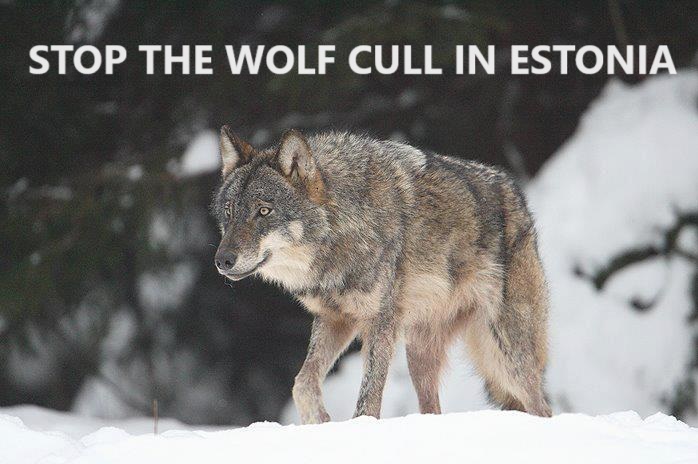
Wolf Cull Begins In Estonia: Conservationists Fear It Could Wipe Out 50% Of The Population

Concerns have been raised that the science behind the killing is untenable, and that killing Wolves could lead to harmful behavior against humans.

Estonia has once again begun culling its Wolf population.

A certain number of Wolves are killed every year in the Baltic country, although this time conservationists are worried.

Estonia’s environment agency has set the killing quota at 144, claiming there are more wolves in the country than conservation plans allow.

However, Wolf researcher Maris Hindrikson at the University of Tartu told Euronews that he and fellow scientists are “not convinced” about their data.

She claims that Wolf populations are being counted based on “old-fashioned” and “messy” techniques – such as hunter observations – that may not accurately reflect their numbers.

This means that the killing quota may be much higher, given the already threatened species under even more strain.
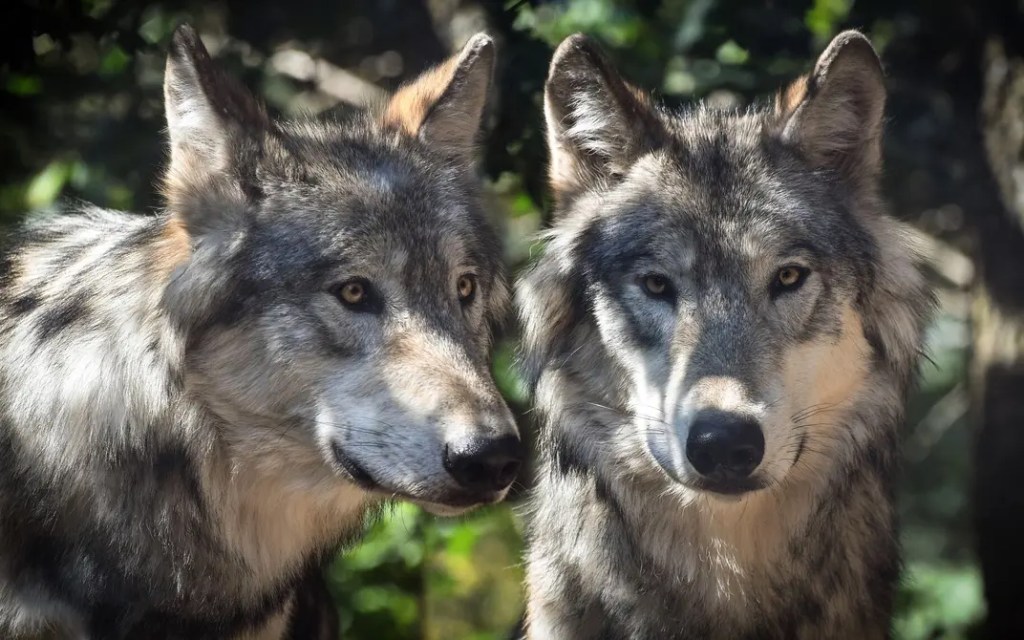
A pair of Estonian Gray Wolves

“The problem is we don’t know how many Wolves there are,” Hindrickson says, estimating that the cull could wipe out 30 percent to 50 percent of the country’s entire Wolf population.

In a statement sent to Euronews, the Estonian Environment Agency said its “method was in use in Nordic countries such as Sweden, Finland and Norway.”

“We find the current methodology comprehensive, objective and reasonable,” he said.

Even though Wolf numbers have recovered in recent years, their total number is considered “stable/decreasing” by the International Wolf Centre. Estimates put their total population at between 150 – 300 in Estonia. 

Officials claim their culling is necessary because Wolves attack livestock, especially sheep, causing economic losses to the country’s farmers.

According to the Environmental Board of Estonia (Keskonamet), a total of 946 sheep were killed by predatory Wolves in 2022.

It said the figure has crossed 1,100 this year, with several weeks left for 2023.

One particularly grizzly attack at a farm in southeastern Tartu County killed an entire breeding flock of more than a dozen ewes in October, with farmer Rein Mirka telling Estonian Public Broadcasting (ERR) the incident had cost him between €15,000 to €20,000.

Hindrickson still questions whether killing is the best approach to the problem. “Science has always shown that culling doesn’t actually help reduce sheep deaths”.

As habitats are destroyed – limiting available food resources – Hindrickson claims lethal solutions could be counterproductive, driving Wolves to prey on livestock in the first place.

Killing is a really big problem because it destroys herds. Wolves are very social animals and we know that large packs hunt larger animals such as deer. But generally, small herds seek out smaller prey because they cannot develop cooperative methods of hunting,” she explains.

The researcher says another problem is that when older Wolves are killed younger Wolves do not experience and learn more complex hunting strategies, meaning they resort to eating livestock. . Hindrickson likens it to “fast food” for wolves.

“What I’m against is killing that kills a lot of wolves. We don’t really know how many wolves we have and what impact actually killing them has. It seems like they create a pattern Where we kill so many wolves, they affect how the herds are structured, they go after the sheep, then sheep attacks increase. So then people say yes, sheep are in danger. Please more wolves. kill.

“It’s a continuous cycle,” she adds.

A Wolf killed in a previous cull.

Better alternatives Hindrikson proposes are “ensuring adequate numbers of natural prey in the wild”, such as Deer and Wild Boar, and taking steps to deter Wolves.

“Farmers should build more fences and get guard dogs to scare off Wolves. This is something that has worked all over Europe. We get news of a sheep attack, but often farmers haven’t prevented a thing. We always blame the Wolves, it is easy, but actually, people do everything.

“Prevention and making society understand where this problem comes from and how to mitigate it are very important,” she continues.
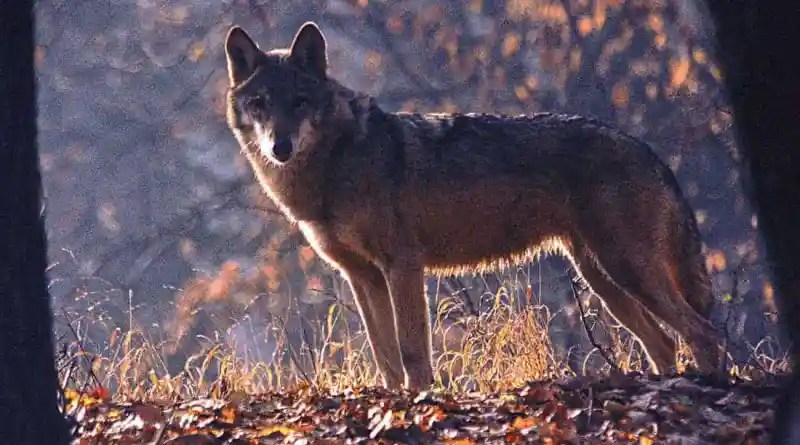
Bizarrely, in 2018 Estonia chose the Wolf as their national animal and symbol of Estonian nature and culture.

WHAT YOU CAN DO TO HELP ANIMALS IN NEED

You can support our work by donating as little as £5 – It only takes a minute but it can last a lifetime for an animal in need.

PLEASE CLICK HERE TO HELP ANIMALS IN NEED

Everyone who donates will receive a Certificate of Appreciation as a thank you for helping animals in need.

The Mission of Protect All Wildlife is to prevent cruelty and promote the welfare of ALL animals. We believe EVERY animal should be treated with respect, empathy, and understanding. We raise awareness to protect and conserve wild, captive, companion and farm animals.

It is vital that we protect animals against acts of cruelty, abuse, and neglect by enforcing established animal welfare laws and, when necessary, take action to ensure that those who abuse animals are brought to justice.

Protect All Wildlife are involved in many projects to protect animals’ rights, welfare, and habitats. Money contributed to Protect All Wildlife supports ALL of our worthy programmes and gives us the flexibility to respond to emerging needs. Your donations make our work possible.
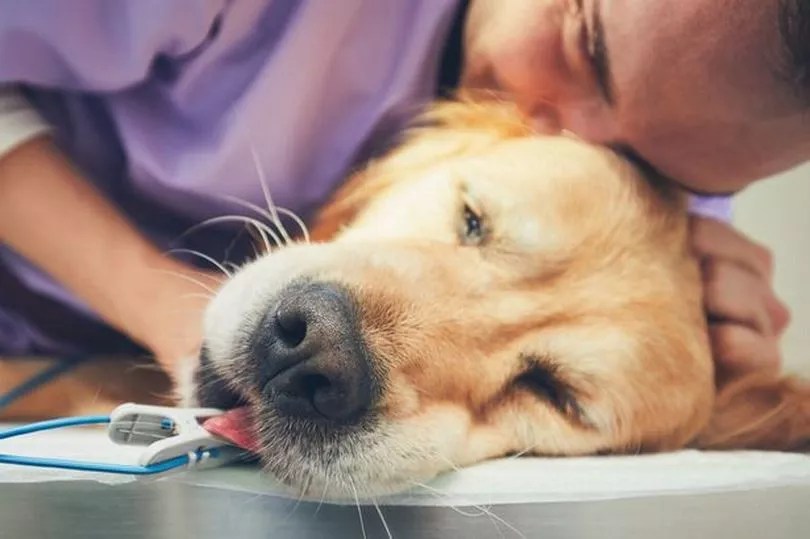
Vet’s Heartbreaking Plea After Dog Cries For Owner While Being Put To Sleep

Many choose to stay at their dog’s side in their final moments, however some fear ‘tarnishing’ the last memory of their four-legged friend by remaining in the room.

A vet has urged owners to stay in the room while their pet in their final moments.

Nothing can prepare you for the last goodbye to a family pet. Many choose to stay at their dog’s side in their final moments, however for some the situation is too painful, and they fear ‘tarnishing’ the last memory of their four-legged friend by remaining in the room as they are put to sleep.

But a vet has issued a heartbreaking plea to owners after a truly devastating experience with one dog. Taking to Reddit, the woman urged owners not to leave their pets as they are put to sleep after the harrowing situation left her ‘in tears for weeks’.

She said: “I will always try to give grace and save my judgements on how people are able to deal with grief because everyone is different, but it is depressing to have a dog spending it’s final moments looking for where their owner went. I feel like it’s the very last comfort you can give your friend, just being there by their side to comfort them.

“We had one recently that hit me hard, I just wish it could have ended differently.”

xplaining how the owner stepped out into the hallway while their dog took their final breath, she said the poor pooch tried to follow his master before his medication hit him. She added: “I am not judging the owner’s emotional capacity for grief and I am not saying the dog died thinking ‘omg I’m dying alone’. I’m not even talking about the actual euthanasia, but the moments leading to it.

The vet said staying with your pet as they are put to sleep is the “very last comfort you can give your friend”.

“For those of you saying dogs ‘just think their owners stepped out for a moment’ are missing it. Even if that was the case, they still stress out.

“This dog we euthanised literally tried so hard to walk himself out the front door with his leash after his owners left and continued to cry and stress out until the Propofol got him. We did our jobs and gave all the treats and love, but the focus was always ‘where did they go?’

“Say what you want, I just think it’s a bummer that those were his final moments. He was a really good boy and I wish he could have been more relaxed because I think he deserved it.”

While most users agreed owners should stay in the room no matter how painful it is for them, other vets tried to explain how it is simply just too much for some people to handle. One vet explained: “I used to work at a clinic that did boarding, and we had one where an elderly boarder wasn’t doing well and the owner couldn’t get back in time to be there.

“The poor lady was literally on a plane that had just taken off on her way to her grandson’s graduation when we called. We all felt so bad so we made sure to all love on this elderly golden retriever extra because it was so sad.

“I still remember this cute little old dog to this day. That was one I definitely understood why the owner couldn’t be there.

Nothing can prepare you for the last goodbye.

“But on the same coin, not everyone can handle seeing death the way we do, especially when it’s a loved one. So I can certainly understand why someone can’t be there when their pet is euthanised.

“But it does suck for the animal, but we just make sure to give them the extra love they need before they pass on. The main thing is that you’re helping them be free from pain, and that’s the most important part.”

Another vet said: “I used to be very judgemental of this but now I’m a few more years into the field, I’m much more understanding.

“Not everyone can handle seeing the moment of death happen. I mean there’s a reason relatives and visitors are kicked out when a human is coding or critical.

“You’re not meant to watch loved ones die. Its easy to forget how well we cope with things as professionals.

“Although I do hate when people essentially hand the animal over and leave without a care, as if the animal was just a nuisance.

I have included this video of the tender moment when Derek (played wonderfully by Ricky Gervais) says his final goodbyes when Ivor the dog has to be put to sleep.

Derek Says His Final Goodbyes To Ivor. Credit: RickyGervais/Derek.

WHAT YOU CAN DO TO HELP RESCUE ANIMALS

You can support our work by donating as little as £5 – It only takes a minute but it can last a lifetime for an animal in need.

CLICK HERE TO DONATE https://donorbox.org/miracles-mission

Everyone who donates will receive a Certificate of Appreciation as a thank you for helping rescue animals in need.

OUR MISSION STATEMENT

‘Animals that use wheels and prosthetics can live as good a  quality of life as fully able-bodied animals and this is what we want to show people’ ~ Victoria Bryceson, founder of Miracle’s Mission.

We do not receive financial support from the government or other institutions. We rely solely on donations from generous animal lovers. 

Animal rescues cost a lot of money to run. While we get donations and funding through events like charity runs etc, the costs are EXTREMELY high. We need to pay for food, heating and other bills, as well as any staff costs and expenses like petrol for home visits. 

The average cost to feed a dog for one month typically costs somewhere from £16 to £50, depending on the breed. Microchipping costs about £10 to £15. The average cost of essential vaccinations is £64. A routine vet appointment costs between £40-£60, surgery can cost anywhere over £1000. Physiotherapy, Hydrotherapy – the average cost is £50 for a 30-minute session. Prosthetics and dog wheels etc can cost up to £500.

Please help Miracle’s Mission continue to rescue, rehabilitate and rehome MANY MORE sick, injured and disabled animals by kindly donating ANY amount, large or small, today. Thank you.

Donate at: https://donorbox.org/miracles-mission