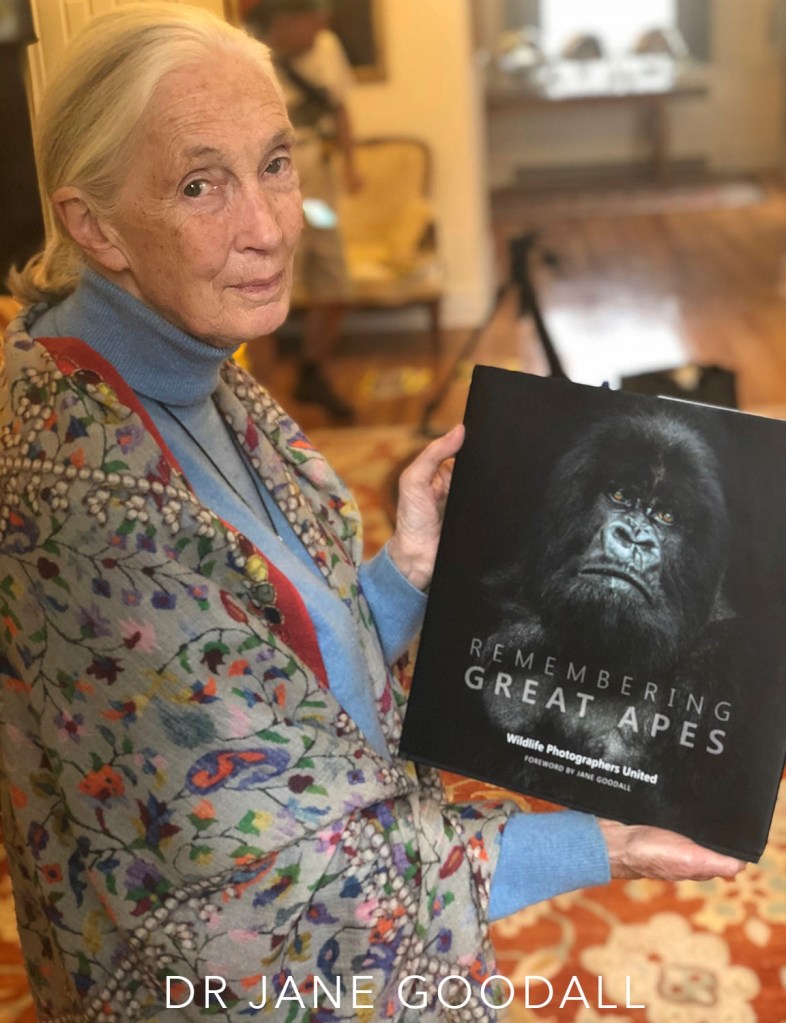
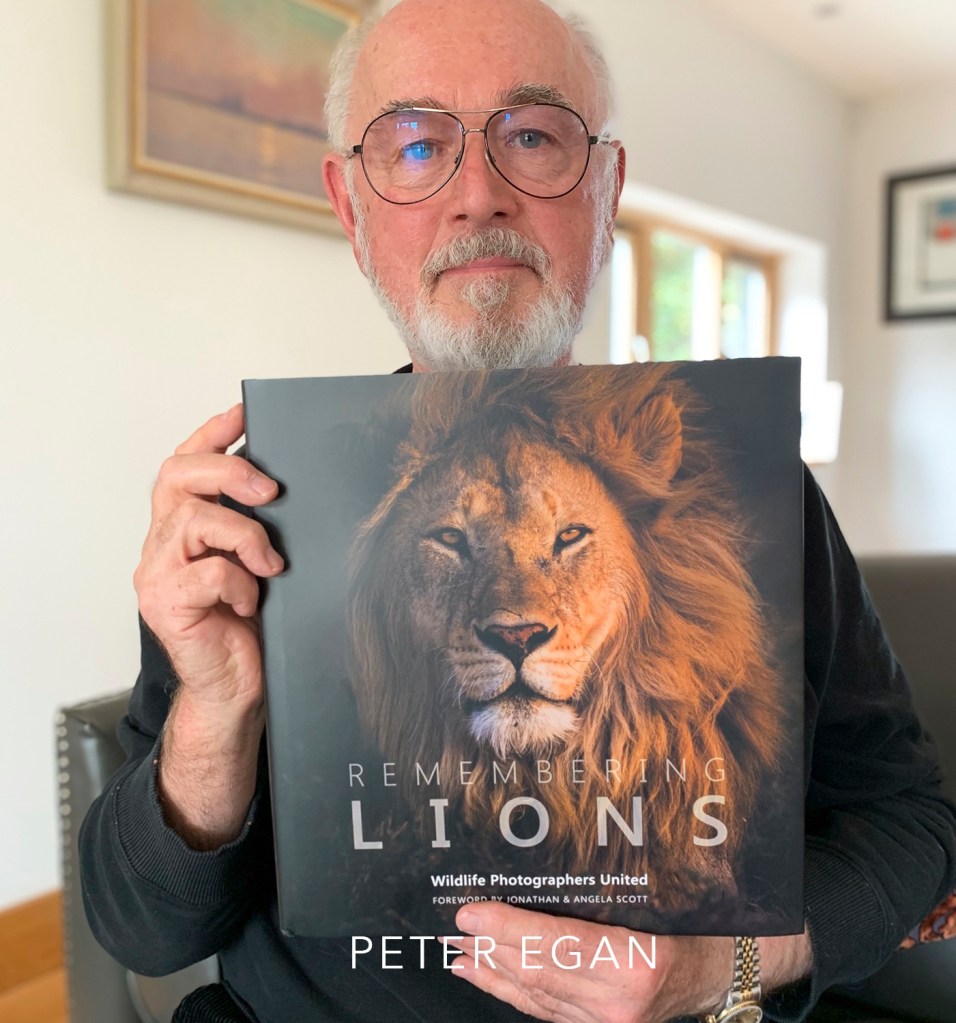
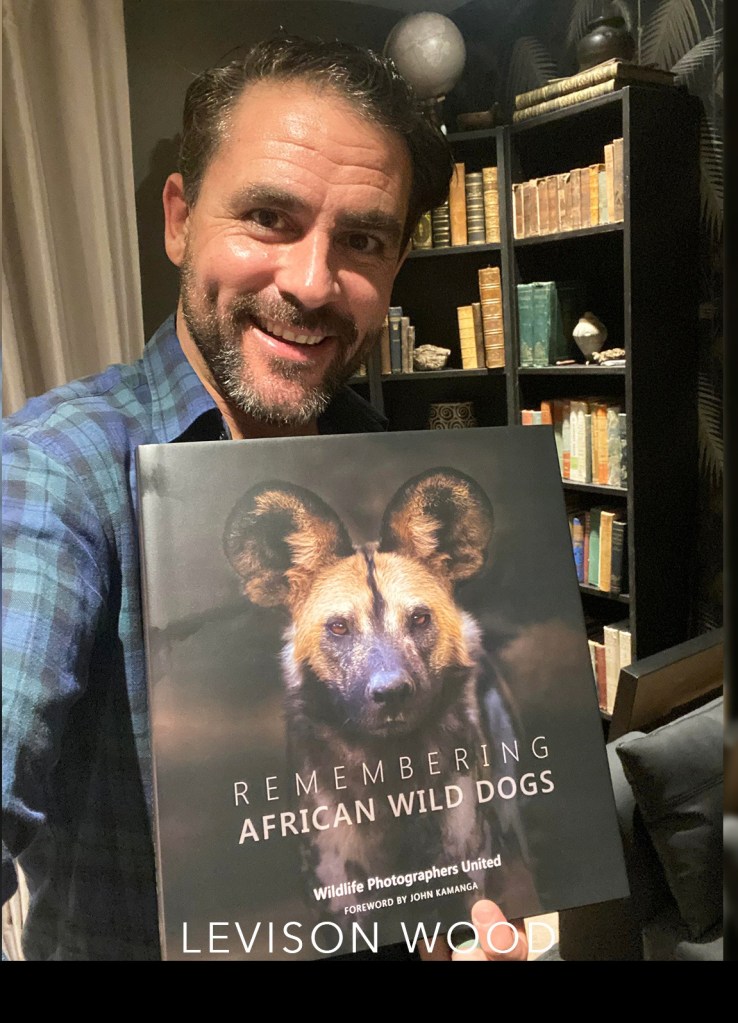
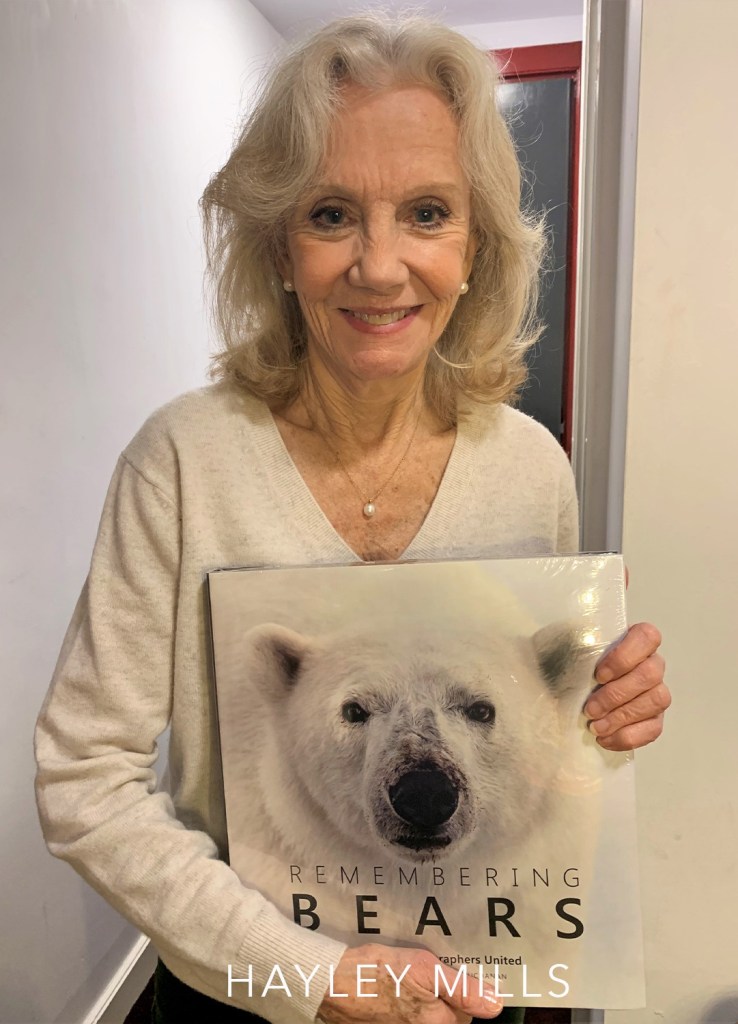
Remembering Tigers: The 9th Book In The Critically Acclaimed Remembering Wildlife Series.

The Mission Is To Raise Awareness Of The Threats Facing Tigers Through The Stunning Images From Many Of The World’s Top Wildlife Photographers
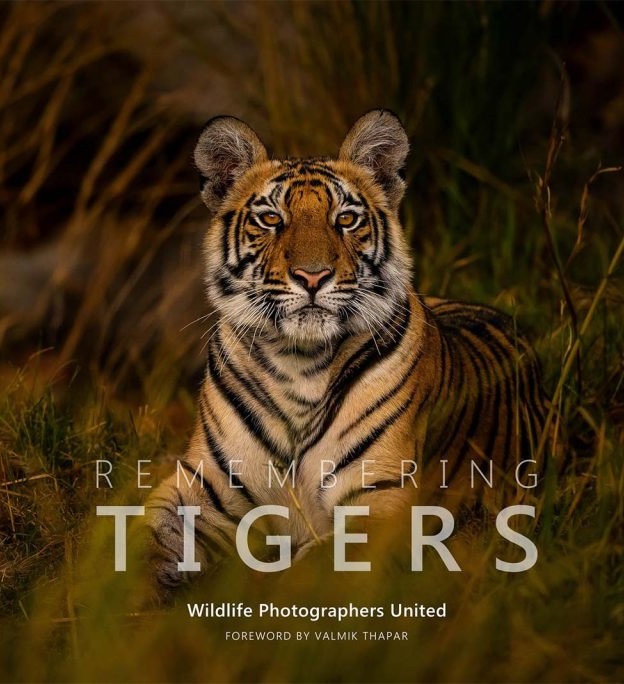
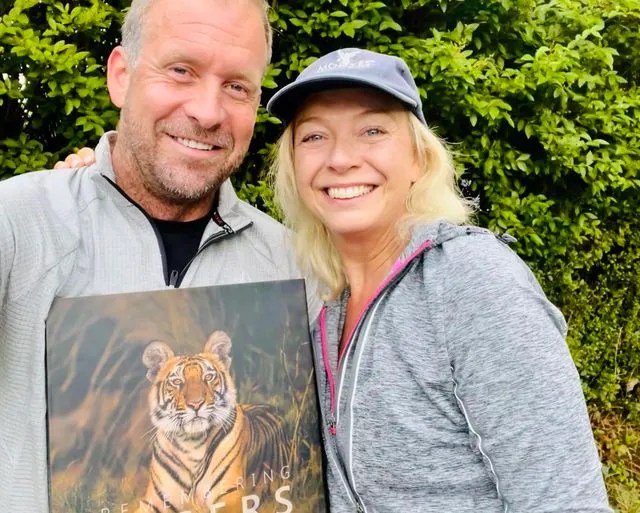
Front Cover: Bengal Tiger in Bandhavgarh National Park, India by Sarah Skinner.

Remembering Wildlife has launched several charity photo books over the years that highlight endangered species and act to raise funds for the protection of the animals featured with the help of famous supporters and talented photographers around the world. Remembering Elephants, Remembering Rhinos, Remembering Great Apes, Remembering Lions, Remembering Cheetahs, Remembering African Wild Dogs, Remembering Bears have already been produced, and Remembering Leopards was funded and delivered last year. Remembering Tigers is the latest release in the series and will bring attention to Tiger species that are threatened around the world with the help of beautiful images of Tigers generously donated by many of the world’s top wildlife photographers.

The aim of the book is to raise awareness of the plight facing Tigers and to raise money to protect them, with all profits from book sales going to conservation.

Fighting Bengal tigers in Bandhavgarh National Park, India. Credit: Andy Parkinson/Remembering Tigers)

Weighing up to 260kg and measuring up to 3 metres in length, the Tiger is the largest of the big cats. It is found in Asia, from India – where two-thirds of all wild Tigers live – through to the Russian Far East and into China. Its habitat ranges from sub-tropical forests to snow-covered mountainous terrain. Numbers are increasing in some areas, thanks to conservation efforts, yet the Tiger is the least numerous of all the large wild cats and is listed as ‘endangered’ by the International Union for Conservation of Nature (IUCN).
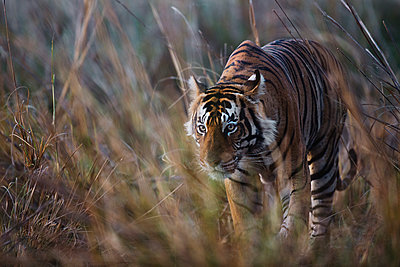
The stunning colours of a Bengal Tiger superbly captured by Jami Tarris. Credit: Jami Tarris/Remembering Tigers.

Threats include loss of habitat, illegal hunting for the Chinese medicinal trade (Traditional Chinese Medicine), widespread killing of their prey for bushmeat, and retaliation for attacks on humans and livestock.

Founder and Producer of Remembering Wildlife Margot Raggett MBE said: “It’s an oft-quoted fact that there are more Tigers in captivity in the US than there are left in the world, a stark reminder of how the future of Tigers might end if conservationists do not continue their focus and their fight. Tigers are a bellwether for the health of an ecosystem. For every Tiger protected in the forest, there are plants, trees, insects, birds and other mammals who thrive.”

The book is endorsed by cricketing legend and conservation champion Kevin Pietersen MBE, who says on the back cover: “The Remembering Wildlife series goes from strength to strength, with Remembering Tigers sure to be another huge hit.”

The foreword for the book is by Tiger conservationist and author Valmik Thapar, who will also speak at the official book launch and whose brilliant documentary, My Tiger Family, was broadcast on the BBC in August. 

He said: “I hope Remembering Tigers, with its wonderful pictures, inspires a passion in those who see it and stirs them to new heights in order that this magnificent predator continues to walk our planet.”

The afterword is by Amit Sankhala, Trustee of the Tiger Trust, who said: “Seeing a Tiger in its natural habitat is a mesmerising encounter and I am thankful for Margot Raggett’s book which not only shows the beauty of the Tiger, but will also inspire the next generation of conservationists.”

Speaking alongside Margot Raggett MBE at the official launch event for Remembering Tigers at the Royal Geographical Society on 9 October will be Executive Director of Wildlife Protection Society of India (WPSI) Belinda Wright OBE; Tiger conservationist and author Valmik Thapar, and wildlife photographer and guide Paul Goldstein, who has raised hundreds of thousands of pounds by running 25 marathons dressed as a Tiger.
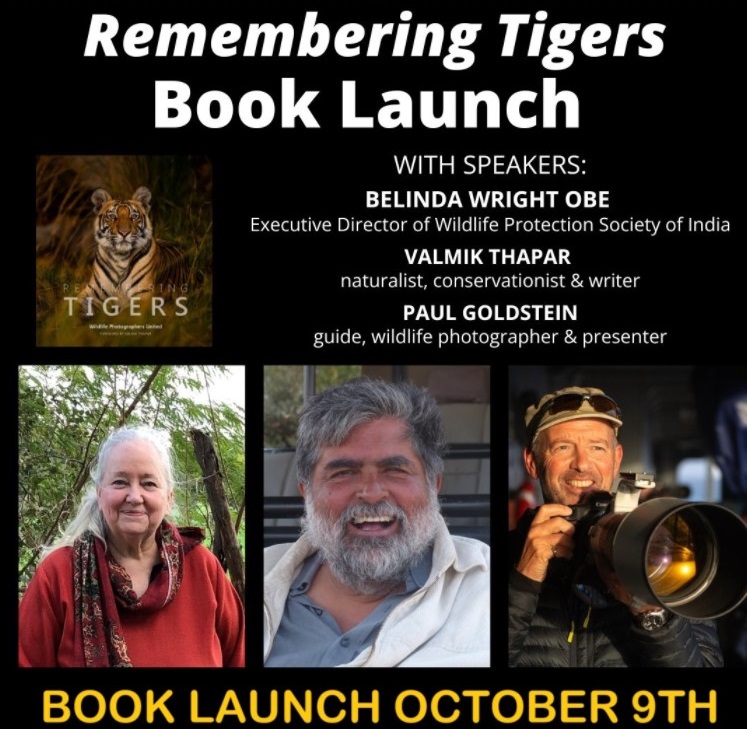
Remembering Tigers official book launch is in October 9th. Credit: Remembering Wildlife

It is estimated that there are around 10,000 captive Tigers in the US, more than the approximately 5,500 remaining in the wild. A vast majority of these captive Tigers are privately owned and living in people’s backyards, roadside attractions, and private breeding facilities. Only an estimated 6% of the US captive Tiger population resides in zoos and other facilities accredited by the Association of Zoos and Aquariums. Many of these private Tiger owners aren’t properly trained to care for wild animals, making the animals vulnerable to mistreatment and exploitation. Often these facilities will allow public contact with the Tigers, including photo ops and playtimes with tiger cubs. Not only is the welfare of these Tigers compromised, but public health and safety is at risk during these encounters.
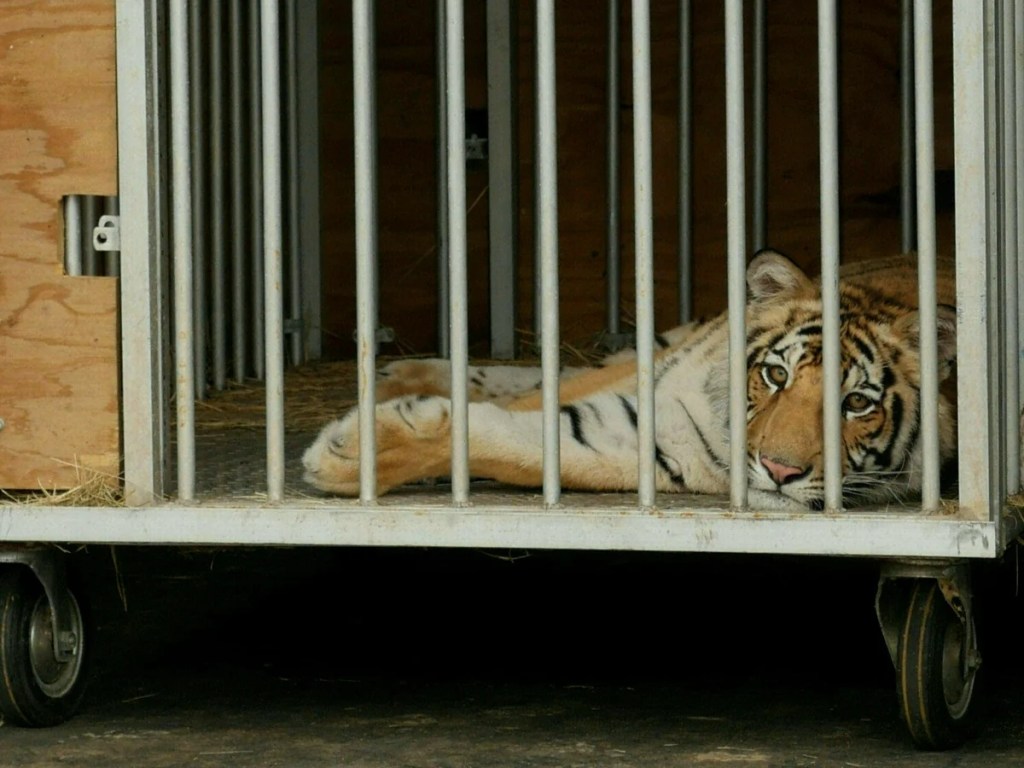
A nine-month-old Bengal Tiger, which was seen roaming the lawns of suburban Houston, in a cage after being captured by authorities. Credit: Francois Picard

More than 280 wildlife photographers have contributed to the Remembering Wildlife series since it started in 2016, working under the banner Wildlife Photographers United. It has now raised over £1.15m GBP/$1.5m USD for 74 conservation projects in 33 countries. 

The photographers who have donated their images for this edition are: Harmit Ahuja, Theo Allofs, Daryl & Sharna Balfour, Adam Bannister, Chris Brunskill, Clive Burns, Will Burrard-Lucas, Alison Buttigieg, Vladimir Cech, Vladimir Cech Jr., Sandra Clayton, Marius J Coetzee, Shem Compion, Ben Cranke, Nick Dale, Tristan Dicks, Kevin Dooley, Kairav Engineer, Suzi Eszterhas, Mark Farrington, Sascha Fonseca, Arijeet Ghosh, Paul Goldstein, Sergey Gorshkov, Sagar Gosavi, Jan van der Greef, Todd Gustafson, Andrew Holt, Sebastian Kennerknecht, Suyash Keshari, Tim Laman, Anirudh Laxmipathy, Chien C. Lee, Tin Man Lee, Russell MacLaughlin & Shannon Wild, Nitish Madan, Thomas D. Mangelsen, Anuradha Marwah, Shivang Mehta, Dale R Morris, Dhritiman Mukherjee, Sunil V. Nair, Latika Nath, Tom Nicholson, Pete Oxford, Parinya Padungtin, Sarah Parker, Andy Parkinson, Graeme Purdy, Margot Raggett, Sachin Rai, Gaurav Ramnarayanan, Aly Rashid, Yashpal Rathore, Andy Rouse, Sabrina Schumann, Jonathan & Angela Scott, Khushboo Rahul Sharma, Anjali Singh, Archna Singh, Dicky Singh, Jaisal Singh, Andy Skinner, Sarah Skinner, Kim Sullivan, Tom Svensson, Jami Tarris, Valmik Thapar, Greg du Toit, Marlon du Toit, Turgay Uzer, Francesco Veronesi, Thomas Vijayan, Lance van de Vyver, James Warwick, Steve Winter, Art Wolfe

A stunning image of a Sumatran Tiger in Aceh Province, Northern Sumatra by Steve Winter. Credit: Steve Winter/Remembering Tigers.

Sales from Remembering Tigers will be used to fund conservation projects in areas where they are vulnerable.

Further information about Remembering Wildlife can be found here .

To find out more about the projects that Remembering Wildlife has already funded, click here

Each book costs £49.50 GBP (approximately $60 USD) and copies can be ordered at www.rememberingwildlife.com

How have the Remembering Wildlife books helped conservation

Together, the series has now sold more than 50,000 books and distributed more than £1.15 million GBP / $1.5 million USD to 74 different conservation projects in 33 countries across Africa, North and South America, Asia and Europe.

All books were prefunded by successful Kickstarter campaigns, meaning that all profits can be given straight to projects protecting the species that the book is focused on. 

Since the launch of Remembering Elephants in 2016, over 270 of the world’s best wildlife photographers have generously contributed to the series. Here is the full list of those whose images have appeared in one or more of the Remembering Wildlife titles so far:

Jane Addey, Karine Aigner, Oriol Alamany, Taylor Thomas Albright, Neil Aldridge, Maxime Aliaga, Theo Allofs, Matt Armstrong-Ford, Grant Atkinson, Andrew Aveley, Daniel Bailey, Daryl & Sharna Balfour, Adam Bannister, Brooke Bartleson, Stephen Belcher, Rick Beldegreen, Patrick Bentley, Sabine Bernert, Andy Biggs, Giorgio Bighi, Jayaprakash Bojan, Donal Boyd, Sean Brogan, Kate Brooks, Seyms Brugger, Volodymyr Burdiak, Matt Burrard-Lucas, Will Burrard-Lucas, Benoit Bussard, Alison Buttigieg, Marina Cano, Ayesha Cantor, Mark Cawardine, David Cayless, Vladimir Cech, Vladimir Cech Jr., Peter Chadwick, Paras Chandaria, Sam Clark, Alwyn Coates, Chad Cocking, Marius Coetzee, Martyn Colbeck, Marco Colombo, Shem Compion, Alain Compost, Keith Connelly, Rob Cottle, Ross Couper, Ben Cranke, Brendon Cremer, Mark Deeble & Victoria Stone, Tanja Dekker, Willem Dekker, Melanie Delamare, Peter Delaney, M & C Denis-Huot, Anja Denker, Richard Denyer, Tristan Dicks, Sebastián Di Doménico, Billy Dodson, Kevin Dooley, Mark Dumbleton, Julie Duncan, Michelle & Ken Dyball, Nicholas Dyer, Andy Edge, Kairav Engineer, Morkel Erasmus, Denise Eriksson, Amit Eshel, Suzi Eszterhas, Chris Fallows, Sascha Fonseca, James Gifford, Daisy Gilardini, Paul Goldstein, Sergey Gorshkov, Marc Graf, Fredrik Granath, Chris Grech, Jan van der Greef, Kim Griffin, Owen Grobler, Melissa Groo, Fabrice Guerin, Richard Guijt, Amy Gulick, Todd Gustafson, Josh Guyan, Drew Hamilton, Charlie Hamilton James, Thorsten Hanewald, Hilary Hann, Peter Haygarth, Tony Heald, Harman Singh Heer, Trish Hennessy, Naudé Heunis, Torie Hilley, Joshua Holko, Roger Hooper, Friedrich von Horsten, Andy Howe, Jabruson, Britta Jaschinski, Vicki Jauron, Brendon Jennings, Arnfinn Johansen, Morten Jørgensen, Paul Joynson-Hicks, Jocelin Kagan, Lakshitha Karunarathna, Kyriakos Kaziras, Steven Kazlowski, Sebastian Kennerknecht, Bob Keyser, Clement Kiragu, Agung Ganthar Kusumanto, Tim Laman, Lisa A. Langell, Frans Lanting, Behzad J. Larry, Chien Lee, Ole J Liodden, David Lloyd, Hannes Lochner, George Logan, Michael Lorentz, Nick Lyon, Piper Mackay, Russell MacLaughlin, Kate Malone, Thomas D. Mangelsen, Suhail Manji, Tin Man Lee, Johan Marais, Matt Maran, Tom Mason, Jo-Anne McArthur, Molly McCormick, Phil McFadden, Paul McKenzie, Shivang Mehta, Garry Mills, Sumeet Moghe, Marc Mol, Dale R Morris, Sue Morris, Margot Muir, Mike Muizebelt, Dhritiman Mukherjee, Yashas Narayan, Shareen Nash, Latika Nath, Elliott Neep, Heinrich Neumeyer, Nick Newman, Thomas Nicolon, Kyle de Nobrega, Jules Oldroyd, Hilary O’Leary, Marsel van Oosten, Xavier Ortega, Ben Osborne, Prelena Soma Owen, Pete Oxford, Chris Packham, Richard Packwood, Parinya Padungtin, Andy Parkinson, Dawn Perkins, Richard Peters, Mevan Piyasena, Julien Polet, Michael Poliza, Jacha Potgieter, Isak Pretorius, Graeme Purdy, Nick Rabjohn, Cameron Raffan, Margot Raggett, Abdul Rashid, Ian Redmond, Pierluigi Rizzato, Gregg Robinson, Dee Roelofsz, Fiona Rogers, Gurcharan Roopra, Matthew Roper, Daniel Rosengren, Andy Rouse, David Sandford, Nima Sarikhani, Joel Sartore, Melissa Schäfer, Chris Schmid, Yaron Schmid, Sabrina Schumann, Jonathan & Angela Scott, Pasan Senevirathne, Anup Shah, Ismail Shariff, Amy Shutt, Anjali Singh, Andy Skillen, Andy Skinner, Sarah Skinner, Paul Souders, Kathryn Sowerbutts, Brent Stapelkamp, William Steel, Jonas Stenqvist, Brent Stirton, Charl Stols, Sabine Stols, James Suter, Tom Svensson, Jami Tarris, Austin Thomas, Jessica Tingley Dunn, Roy Toft, Greg du Toit, Marlon du Toit, Steve & Ann Toon, Paolo Torchio, R.J. Turner, Christophe Vasselin, Albie Venter, Bertus Venter, Hendri Venter, Federico Veronesi, Francesco Veronesi, Thomas Vijayan, Fred Vogt, Marion Vollborn, Pim Volkers, Lance van de Vyver, Tami Walker, James Warwick, Tom Way, Marcus Westberg, Christopher Whittier, Staffan Widstrand, Shannon Wild, Jon Wilson, Steve Winter, Shannon Witz, Art Wolfe, Kim Wolhuter, Nelis Wolmarans, Ian Wood, and Jeffrey Wu.

All of the stunning images used in the books and exhibitions have been generously donated by the photographers, as their way to give back to the species they make their livings from photographing.

Margot Raggett, founder of Remembering Wildlife

I fell in love with wildlife and safaris many years before picking up a camera! In the 2000s, I worked in PR in London and used all my spare cash to book safaris to Africa, as I had become totally addicted to being in nature. It was when I inadvertently signed up to a photography-based safari in 2010 that everything changed for me. It was a trip to see Kenya’s ‘Great Migration’ led by Jonathan & Angela Scott and it was only a few days before I went, that I realised I was supposed to bring a camera. I bought a cheap kit camera & lens and headed to Kenya. It turned out that camera was no good at all for wildlife (it was a very short lens) but nonetheless, I was totally inspired by Jonathan & Angela’s photography. When I got home, I immediately upgraded my gear and signed up for a course at the London School of Photography to learn the basics and I’ve never looked back. For a few years I went on as many photographer-led trips as I could, to learn from the best and then in 2012, agreed a deal to work as a Photographer in Residence at a camp in the Maasai Mara called Entim Camp. At that point I started selling my photos and attracting followers on social media.  

It was in 2014 that everything changed for me once again. I had been working as a resident photographer in Kenya at that point for about three months a year, for three years, and it was at the end of one of those stays that I travelled to Laikipia to visit a friend. We were woken very early in camp by the sound of Hyenas going crazy and at first light, went to investigate. What I saw changed my life, It was an Elephant who had died from a poisoned arrow, likely  poachers had shot him but he’d got away, only to die a slow, painful death over the next few days. The Hyenas had started to eat his body and the sight – and the smell – was so shocking. I came to realise that poaching and the many other threats that wildlife faces are often hidden away from tourists and as a result, many like me at that point, had any idea how bad things really are. I was incredibly angry and upset and resolved to channel those emotions into something positive. That was the trigger for me to start work on what I thought would be a one-off book on Elephants, to raise awareness about poaching and funds for projects working to protect Elephants. I started to approach wildlife photographers I’d met in the field and invited them to donate an image each and it took off from there. 18 months later, Remembering Elephants was published. It sold out in 2 months and raised more than £100,000 and without me knowing it, a series was born. We’ve published seven more books since (Remembering Rhinos, Remembering Great Apes, Remembering Lions, Remembering Cheetahs , Remembering African Wild Dogs, Remembering Bears, Remembering Leopards) and Remembering Tigers will be published in October 2024. Nowadays I spend far less time in the field taking traditional wildlife pictures like before but rather, I spend more time visiting the projects we are able to support with our funds, so I can see how our money is making a difference.  

Margot was awarded an MBE in the The King’s Birthday Honours 2023 for services to International Wildlife Conservation.

This image has an empty alt attribute; its file name is margotraggott_gitzo_profile-pic_350.jpeg_1.jpg
Margot Raggett MBE

Celebrity supporters of Remembering Wildlife


Remembering Wildlife Founder Margot Raggett with actor, filmmaker and animal conservationist Dan Richardson. Credit: Dan Richardson

After Whales And Dolphins, Ottawa Intends To Ban Captive Monkeys And Elephants.

After Whales and Dolphins, Ottawa intends to ban keeping Elephants and great Apes in captivity in the country “because of the cruelty they represent”.

A new bill, called The Jane Goodall Act, was introduced in the Senate on Tuesday to ban anyone from taking an Elephant or a great Ape, a term that includes Chimpanzees, Gorillas and Orangutans.

Canadian zoos won’t be able to bring in new elephants or apes under new federal legislation introduced this week, except under specific circumstances. Bill S-15 looks to ban all new captivity of the species except where a licence is granted for conservation, research or an animal’s best interest.

“The recapture of any Elephant or great Ape in Canada must meet very strict criteria demonstrating that the activity is for animal welfare, conservation or science,” commented the Minister of Environment and Climate Change, Steven Guilbeault.

Senator Marky Klyne of Saskatchewan sponsored the bill that was introduced on Tuesday. “It is upsetting to know that according to current standards, a person does not need to hold a permit to own a chimpanzee in some regions of Canada,” he lamented to explain the interest of his fee.

Elephants, for their part, are very intelligent animals that suffer when kept in captivity or presented to the public in an unnatural environment, added the senator in the second reading of the law on Thursday.
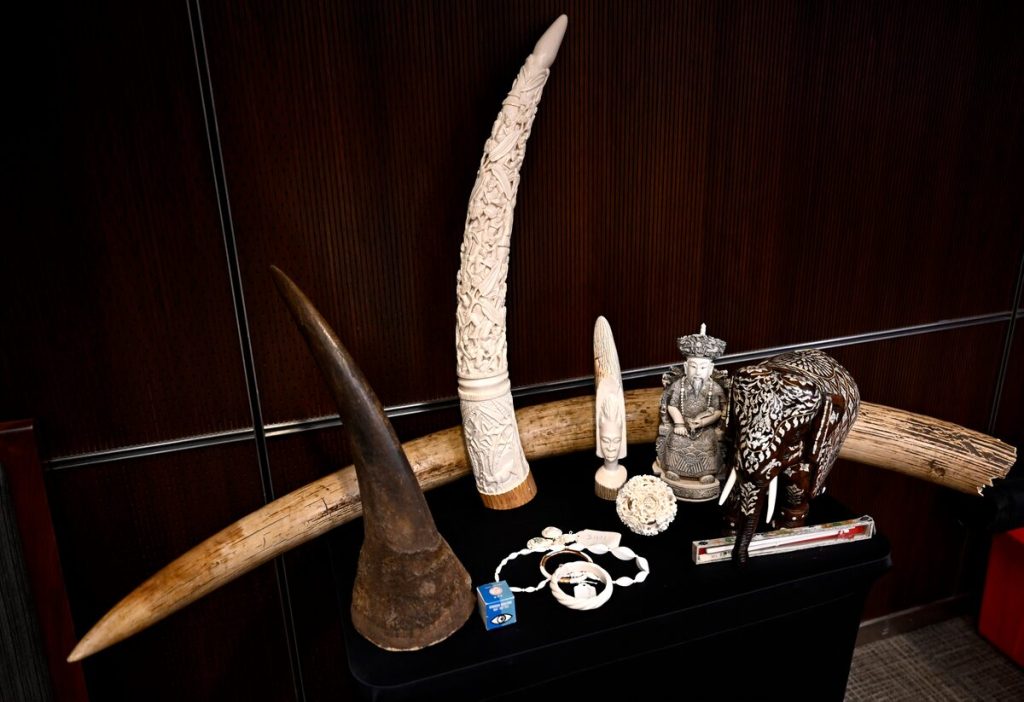
Minister Guilbeault announced the ban on the import of ivory from Elephant tusks and Rhino horns, including hunting trophies and articles carved from ivory, for which it is necessary to obtain a permit. Few exceptions are planned for museums and scientific research.
Elephant ivory and rhino horn imports have been banned by Ottawa
Tightening the laws

The law banning the captivity of great Apes and Elephants is part of a series of laws adopted to better protect animals in Canada and elsewhere in the world.

In 2019, Canada also banned the keeping of Whales and Dolphins in captivity.

WHAT YOU CAN DO TO HELP ANIMALS IN NEED

You can support our work by donating as little as £5 – It only takes a minute but it can last a lifetime for an animal in need.

PLEASE CLICK HERE TO HELP ANIMALS IN NEED

Everyone who donates will receive a Certificate of Appreciation as a thank you for helping animals in need.

The Mission of Protect All Wildlife is to prevent cruelty and promote the welfare of ALL animals. We believe EVERY animal should be treated with respect, empathy, and understanding. We raise awareness to protect and conserve wild, captive, companion and farm animals.

It is vital that we protect animals against acts of cruelty, abuse, and neglect by enforcing established animal welfare laws and, when necessary, take action to ensure that those who abuse animals are brought to justice.

Protect All Wildlife are involved in many projects to protect animals’ rights, welfare, and habitats. Money contributed to Protect All Wildlife supports ALL of our worthy programmes and gives us the flexibility to respond to emerging needs. Your donations make our work possible.

A Poacher’s Attack: Through The Eyes Of A Rhino Calf

As the number of Rhinos killed by poachers keep rising and more traumatized orphaned calves are in need of care, Kirsten Everett, a volunteer at Nikela, takes us on a touching journey as she looks at the horrors of a poacher attack though the eyes of a young Rhino calf.

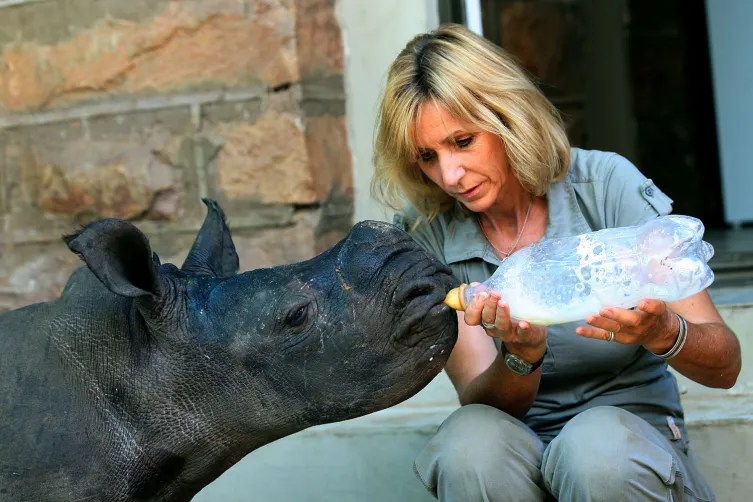
LIMPOPO, SOUTH AFRICA: Karen Trendler cares for Ntombi, a two-month old White Rhino. Ntombi survived a brutal attack, when poachers killed her mother earlier in the week. She sustained severe head injuries and was cared for in a rhino orphanage. Credit: Kevin Sutherland.

“My mother and I were contently filling our hungry stomachs when we heard a strange noise. I carried on eating but she smelt the air for unknown scents. I saw the terrified look in her eye before she managed to control it; the unnatural smell meant something. A few minutes later we heard the ‘whop, whop’ of a metal monster flying closer towards us. Just when my mother focussed on it the men crept out of the bushes with a crunch of sticks. Something seemed to hit her and she grunted in surprise. The birds abandoned their posts heading away from the danger. I stood helplessly as she tried to run but ended up falling to the ground. The men surrounded her and tried to chase me away. I ran forward scared enough to not care about the men as they had done something to my mother, I needed her and they must go away.

Out of nowhere one of the big men spun on me and hit me hard with something sharp. Blood oozed from my wound as my mother answered my cry for help with a weak beg, ‘Away, away’. I backed away nursing my wound, how could I get to her?? She grunted again so I didn’t give up. I ran forward again but this time the angry man was merciless, determined to get his message across. As quietly as possible I took the cuts to my poor head trying not to worry my mother even more.

Confused I backed away into the bushes calling to her to get up, but the eerie silence dragged on and she didn’t move a muscle. Fear glued me to the floor as I felt my young heart pulsing with anger and fear. A breeze blew, as I waited for the monsters to go so I could go to my poor mommy and find out what was wrong. My heart skipped a beat when I realised this was what my cousin had gone through only a full moon ago. It was terrible, my body couldn’t stop shaking and I couldn’t think clearly, I felt lightheaded from all my blood loss.

Finally when the monsters left I ran to her side, ‘Mom wake up.’ My voice cracked with emotion but still she didn’t respond. I took a step back and saw the pool of blood. Her horn had been brutally cut off and she lay lifeless. Above me a crow flew over.

I turned to run then I asked myself some important questions… where would I go? I wasn’t old enough to know the way to the dam yet. Who would protect me from predators? The truth was that I wasn’t strong enough to survive by myself yet. Would I be with my mother in the sky sooner than I thought? The last question scared me the most; out in the wild without my mother I might just be able to survive a week.

I heard the snap of a twig, I wasn’t alone. This time I didn’t have the strength to care what these humans wanted with me. I collapsed and slept for a few hours. I was almost completely unconscious though I sensed kindness near me. Too traumatised to do anything I lay as they treated my wounds. The people who tried to comfort me planted a seed of hope. Hope that I could survive and hope that the rest of the human race would come to its senses and help my species and all the others out there”.

Let’s stop the babies’ cries! Let’s Save The Last Rhin0!

Written by Kirsten Everett. Based loosely on the story of “Ntombi” who was rescued by Karen Trendler and her team.

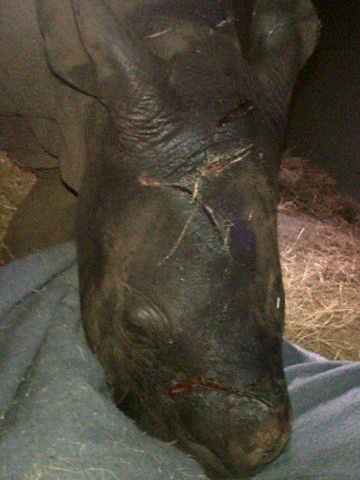
Ntombi bears the poacher’s scars

WHAT YOU CAN DO TO HELP ANIMALS IN NEED

You can support our work by donating as little as £5 – It only takes a minute but it can last a lifetime for an animal in need.

PLEASE DONATE HERE

PLEASE HELP ANIMALS IN NEED

Everyone who donates will receive a Certificate of Appreciation as a thank you for helping animals in need.

The Mission of Protect All Wildlife is to prevent cruelty and promote the welfare of ALL animals. We believe EVERY animal should be treated with respect, empathy, and understanding. We raise awareness to protect and conserve wild, captive, companion and farm animals.

It is vital that we protect animals against acts of cruelty, abuse, and neglect by enforcing established animal welfare laws and, when necessary, take action to ensure that those who abuse animals are brought to justice.

Protect All Wildlife are involved in many projects to protect animals’ rights, welfare, and habitats. Money contributed to Protect All Wildlife supports ALL of our worthy programmes and gives us the flexibility to respond to emerging needs. Your donations make our work possible.

Save The Elephants’ Tribute To Bull Elephant Edison.

An Abrupt End To The Jumbo Life Of Iconic Bull Elephant Edison.

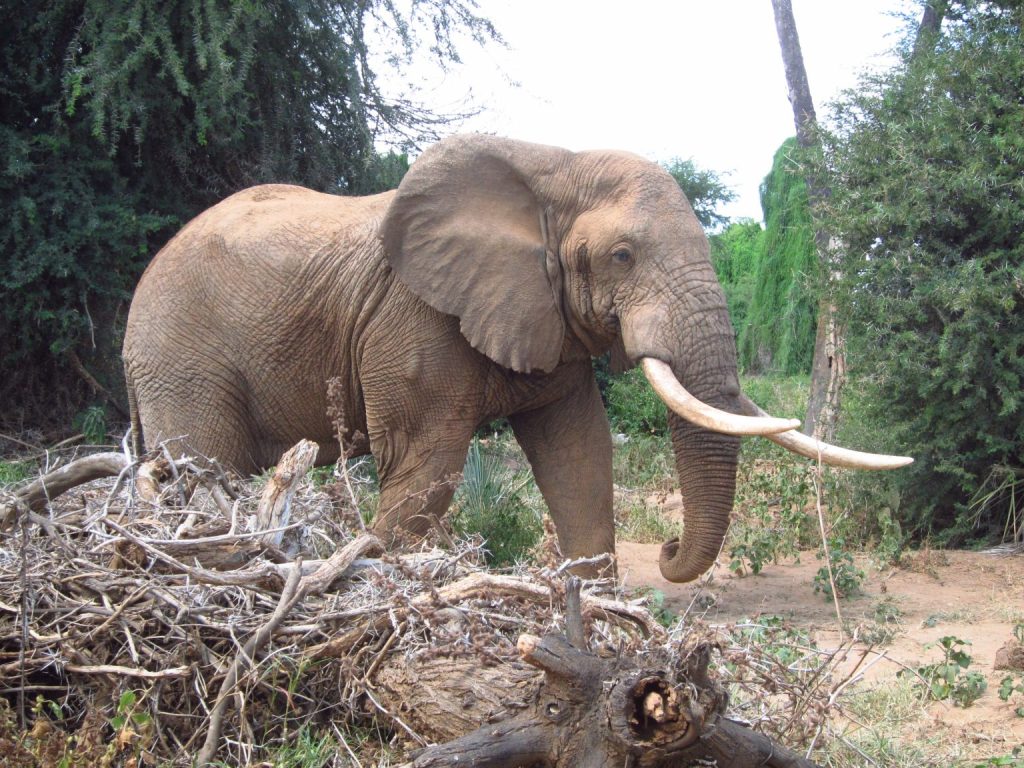
Edison in Samburu National Reserve Credit: Alice Clark/Save the Elephants

We are deeply saddened to report that one of our best-known and most beloved bull Elephants, Edison, has died. Edison’s carcass was found in Westgate Conservancy in Samburu, northern Kenya. We suspect his untimely death could be yet another tragic outcome of the rising cases of Human-Elephant Conflict (HEC) across Africa. Investigations into the cause of death are still continuing. Edison’s death marks the third loss of one of our Samburu study bull Elephants within the span of just under a year. In December, bull Elephants Sarara and Yeagar were both killed in conflict with herders.

Matt, Samburu’s biggest tusker, who faced off with Edison in Samburu National Reserve, Credit: Sarah Jacobson/Save the Elephants

Edison was estimated to be approximately 37 years old and in the prime of his life at the time of his death. Born into the Royals family and known to our researchers since he was a teenager, Edison was a feisty wild bull and quite the mama’s boy too. Most bulls venture out for a life of their own when they are around 10-12 years old but when Edison dispersed, he kept coming back to visit his family on and off for the next couple of years.

Edison’s fearless, spirited nature was well-known to many. He was never one to shy away from confrontation, even challenging older and much larger bull Elephants like the late Matt – then Samburu’s biggest tusker who died in 2019. During one dramatic stand-off between the two-testosterone-fueled bulls in 2016, Save the Elephants’ founder, Iain Douglas-Hamilton, got caught in the middle and found himself face to face with Edison who charged his vehicle.

Save the Elephants has been observing and studying the lives of Elephants for more than three decades, gaining fundamental insights into how they behave and make decisions. By analysing the data from Edison’s GPS tracking collar, STE researchers were surprised to discover that while this adventurous bull spent much of his time travelling north to far flung places such as Kipsing, Westgate, Kalama and Ol Donyiro, he would  always return home to Samburu National Reserve at full speed when in musth to find mates.

Edison was collared by our team multiple times after his collar either dropped off or the batteries ran out – GPS collars only have a lifespan of around three years. While most  collaring operations proceed without a hitch, there’s one incident which is forever etched in our minds.

Our Director of Field Operations, David Daballen, remembers running for the hills during one particular collaring mission when  Edison, an enormous bull by then, suddenly awoke just as he was about to be fitted with the tracking device. The whole team, including the vet, had to abandon what they were doing and run for safety. It turned out that the anaesthesia hadn’t fully kicked in and Edison had momentarily woken up. Fortunately , Edison dropped back to sleep and the team were able to complete the mission successfully. 

Edison’s last collaring in April 2023 was just as nail biting. Edison went down on his chest, the worst position for an Elephant to be in as they risk suffocating. This time, the STE collaring team were able to push him onto his side and he was again successfully fitted with his new collar.

STE researchers, including David Daballen (below in this picture ) recollaring Edison in Samburu National Reserve in April 2023. Credit: Gilbert Sabinga/Save the Elephants

Says David Daballen, “Losing Elephants like Edison, whom we’ve observed throughout their entire lives, is always a profound loss. Their actions and interactions offer valuable insights into Elephant society. By closely tracking and monitoring these intelligent beings, we also gain a deeper understanding of their distinct personalities and characteristics. Edison, in particular, was a bold, maybe even an audacious Elephant, unafraid to assert himself, as demonstrated when he once challenged the venerable Elephant elder, Matt. We will sorely miss his presence in the reserve and following his remarkable adventures.”

Watch the epic confrontation between Edison and Matt below.

Author: Tanya Onserio, Save the Elephants

WHAT YOU CAN DO TO HELP Save The ELEPHANTS

PLEASE PRESS HERE TO DONATE

As The Internet Went Into Meltdown Over The Killing Of Cecil The Lion By Minnesota Trophy Hunter Walter Palmer, Another Man Was Causing A Stir After A Photo Published In National Geographic Went Viral At The Same Time.

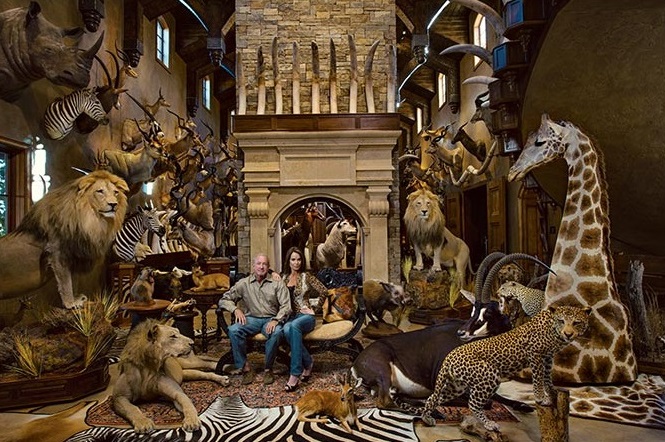
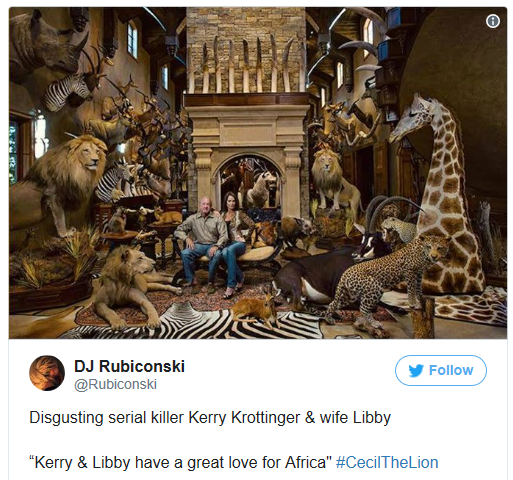
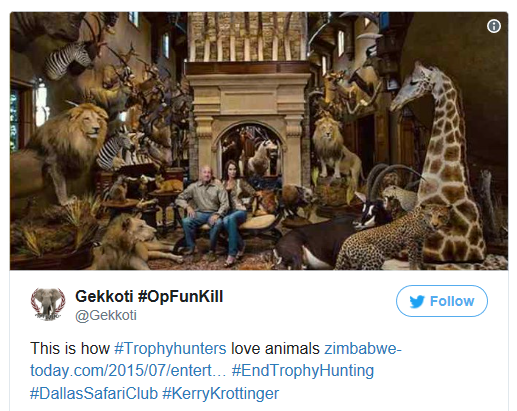
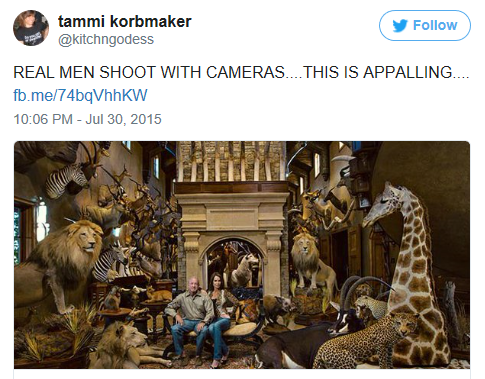
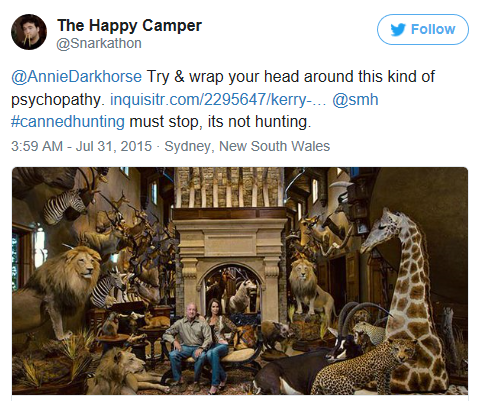
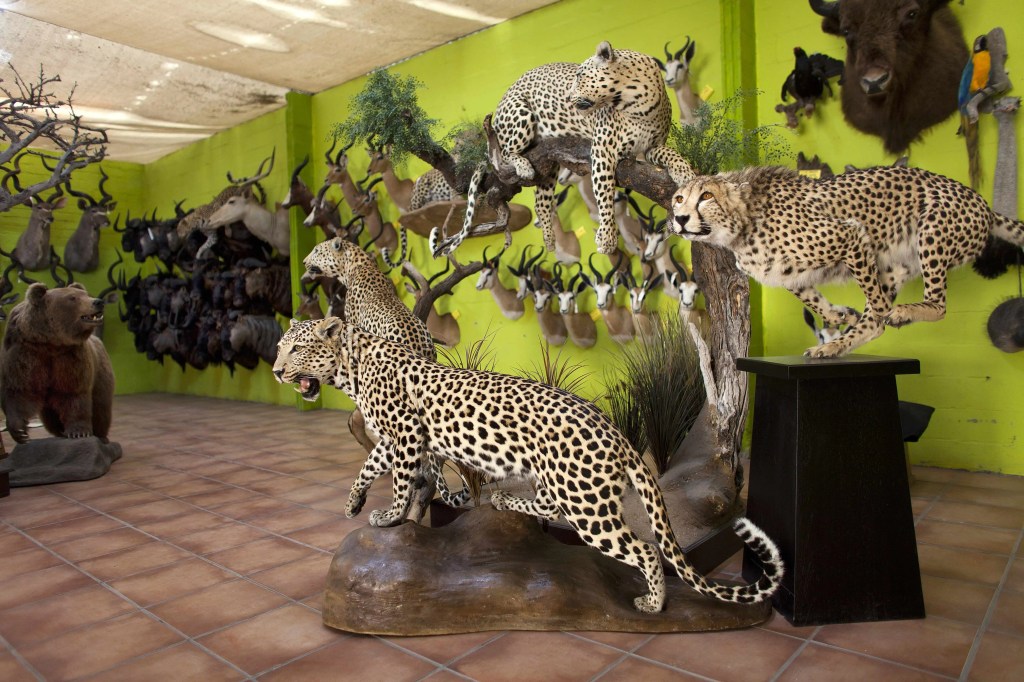
Kerry and Libby Krottinger in their ‘Wall Of Death’ room

Kerry Krottinger, a wealthy Texas hunter and businessman, has slaughtered so much African wildlife over the years that he amassed a veritable “wall of death” in his Dallas home. The National Geographic portrait depicts him sitting with his wife among the taxidermied bodies of Lions, Rhinos, Cheetah, Giraffes and enough Elephant tusks to open a traditional Chinese hospital.

The British-based charity LionAID, which uploaded the photo to their Facebook page, took a markedly dim view. “This is just one Texas trophy hunter with a ‘love’ of Africa,” they write. “Is it any wonder that Africa’s wildlife is disappearing? Just have a count of the various species displayed. Three Lions? So many Elephant tusks? A Giraffe? A Rhino? Kerry must be one of the leading CONservation hunters on the planet!”

Little is known about Krottinger’s personal life. Aside from being an energy millionaire with multiple companies to his name, he and his wife Libby operate a Gypsy horse farm called Ndugu Ranch. A website about the property had been taken offline, but a cache copy can be viewed here. A Facebook page also associated with the ranch was also taken down. Next to a smiling photo of the pair, Krottinger wrote he named the ranch after the Swahili word for “brother” or “family member,” and that the couple has “a great love for Africa.”

Krottinger’s kingly haul of animal carcasses was acquired through what’s known as “conservation hunting,” a practice that is supposedly designed to protect species by allowing people to hunt animals for a high fee that’s then to be used for other conservation efforts.

Far from poachers, conservations hunters — and the websites that promote them — see themselves as environmentalists. LionAID’s director Pieter Kat said the whole premise was nonsense.

“Conservation hunting is a complete myth,” he told Mic. “If conservation hunting had been effective, Cecil the Lion would not have to have been poached out of a national park, because conservation hunting would have maintained a viable and sustainable Lion population within their own trophy hunting concession.” According to Kat, steep fees like the more than $50,000 Palmer paid to kill Cecil typically end up in the pockets of tour operators. “Sustainable hunting does not sustain anything,” he said.

PETA president Ingrid Newkirk was blunter still. “The idea of killing animals to ‘protect’ their species is like having 5-year-olds build a child-labor museum,” she said in a statement to Mic. “True conservationists are the people who pay to keep animals alive through highly lucrative eco-tourism, not the power-hungry people who pay for the cheap thrill of taking magnificent animals’ lives and putting their heads on a wall.”

On Twitter, the response was one of almost universal disgust, with the photo generating near Cecil-levels of rage.

Screenshot (5)
Screenshot (6)
Screenshot (4)
Screenshot (7)

Kat was unapologetic about the Krottinger-shaming on LionAID’s Facebook page. “What we were trying to do there is to alert people to the fact that trophy hunters have this sort of enjoyment of their activity, and what we would like to expose to people is these sorts of people belong in the 19th century,” he said.

WHAT YOU CAN DO TO HELP ANIMALS IN NEED

You can support our work by donating as little as £5 – It only takes a minute but it can last a lifetime for an animal in need.

PLEASE DONATE HERE

PLEASE HELP ANIMALS IN NEED

Everyone who donates will receive a Certificate of Appreciation as a thank you for helping animals in need.

The Mission of Protect All Wildlife is to prevent cruelty and promote the welfare of ALL animals.

We believe EVERY animal should be treated with respect, empathy, and understanding. We raise awareness to protect and conserve wild, captive, companion and farm animals.

It is vital that we protect animals against acts of cruelty, abuse, and neglect by enforcing established animal welfare laws and, when necessary, take action to ensure that those who abuse animals are brought to justice.

Protect All Wildlife are involved in many projects to protect animals’ rights, welfare, and habitats. Money contributed to Protect All Wildlife supports ALL of our worthy programmes and gives us the flexibility to respond to emerging needs. Your donations make our work possible.

Was Namibia’s Collared Black Maned Desert Lion Mwezi Illegally Killed By Trophy Hunters Aided By The Ministry of Environment, Forestry and Tourism?

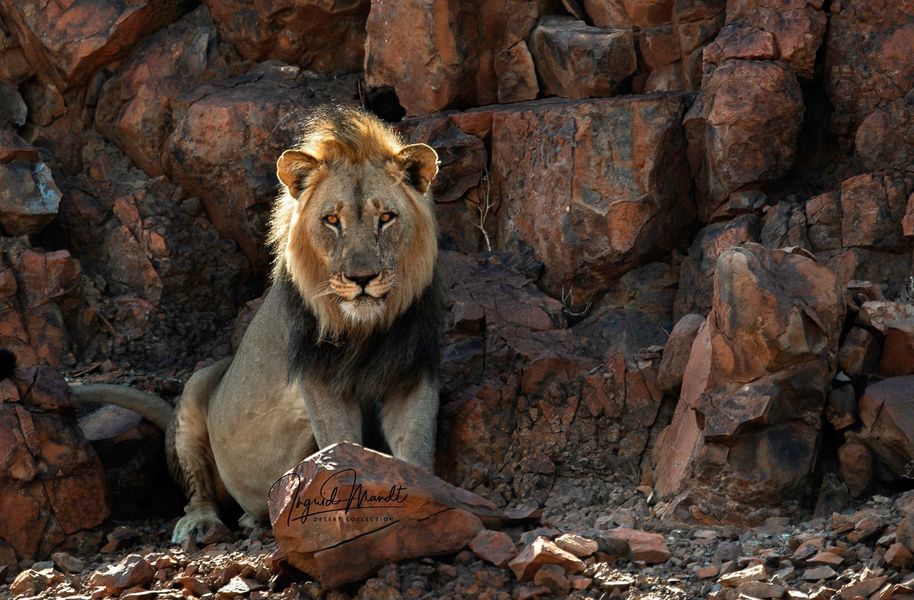
Black Maned Desert Lion Mwezi (XPL 107) Image Credit: Ingrid Mandt

According to the Desert Lion conservation organization DELHRA (Desert Lions Human Relations Aid), it can be assumed that one of the last black-maned male desert lions, “Mwezi” or “XPL 107”, was ‘harvested’ as a trophy on Wednesday, October 11.

In a letter to the Ministry of Environment, Forestry and Tourism (MEFT), DELHRA writes: “Having learned from reliable sources and informants that the male Lion, known as ‘Mwezi’, was allegedly shot, we would like to contact the ministry to know the circumstances and justification for such an alleged killing.”

According to the report, the tracking system of the satellite collar (which is supposed to protect her) was abused to locate the Lion in a protected area. “That is, in the Palmwag concession or, more likely, in the adjacent Skeleton Coast Park, by trophy hunters who were allegedly accompanied by MEFT officials.”

The Desert Lion Conservation Organization further states: “On October 12, we received a report from our informant in Khowarib that the Lion Rangers had received a warning SMS (this happens when a collared lion breaks through a geo-fence) indicating a Lion near the Wild Veld Safaris hunting camp in Khowarib village.” The investigation revealed that it was a dead Lion that had allegedly been kept in the hunting camp since the early evening of October 11.

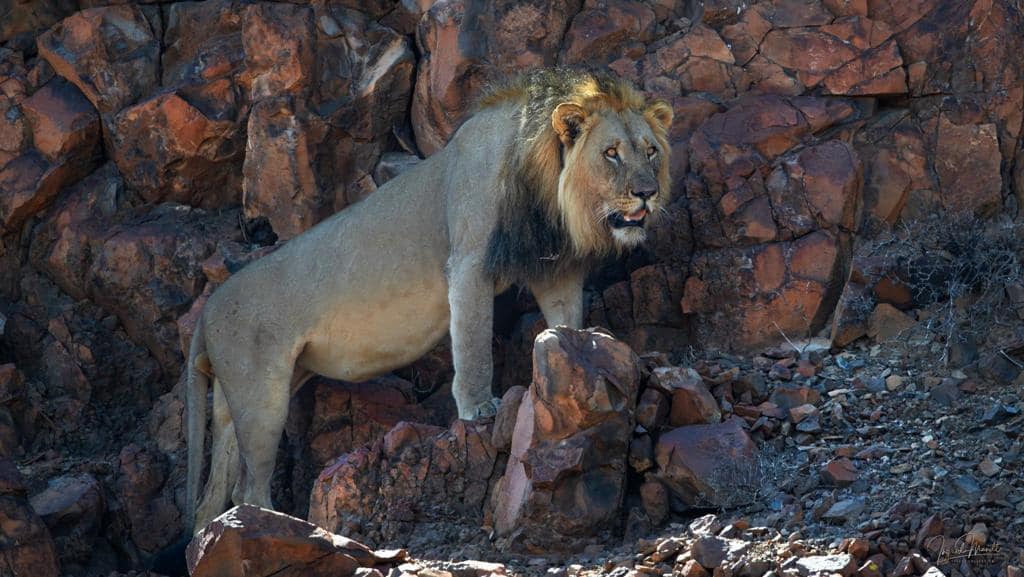
Black Maned Desert Lion Mwezi (XPL 107) Image Credit: Desert Lion Conservation

According to Desert Lion Conservation, “Mwezi” was still observed and photographed on Sept. 27 when he mated with a lone Lioness, XPL 108, the last survivor of the Obab pride, and followed her into the Skeleton Coast Park, the tracks suggested.

According to DELAHRA, the investigation revealed that two vehicles – one from the MEFT and the other allegedly a hunting vehicle – had entered the Palmwag concession area, with the crew citing “police action” as the reason for the entry. “This coincided with the report coming out of Khowarib later that day, and we learned from a source that the dead lion in the Khowarib hunting camp was the beautiful black-maned desert Lion Mwezi, which had been sought as a trophy for some time.”

DELHRA is of the opinion that a criminal investigation that compels the release of the information will clear up this case and that the parties involved, if warranted, should be prosecuted, as a permit to hunt in the Palmwag concession or in the Skeleton Coast Park cannot have been lawfully granted, and that if it is granted for a hunt in a concession area, but is hunted in the Palmwag or Skeleton Coast Protected Areas, such a permit would be considered null and void.

Black Maned Desert Lion Mwezi (XPL 107) Image Credit: Ingrid Mandt

The letter to MEFT further states: “Based on our information, we would welcome answers to our questions or even a joint and transparent investigation. We ask you to inform us of the following: Has the MEFT issued a trophy permit for hunting XPL 107? If so, could the MEFT please justify this? We ask for a copy of the hunting permit and a copy of the report of the MEFT officer who accompanied the hunting party. We also ask for a copy of the protocol of the website concerning the downloads of the positions of this Lion between September 1 and now by all users. Finally, we are asking for copies of reports of incidents in which XPL 107 may have been involved.”

It goes on to say: “We intend to file a complaint and contact the Information Access Officer and the Ombudsman, as the destruction of natural resources falls within the remit of these bodies in the event that the MEFT does not respond. In such a case, those who have access to the relevant information may be summoned as witnesses.”

The Ministry of the Environment had not responded to questions at the time of going to press.

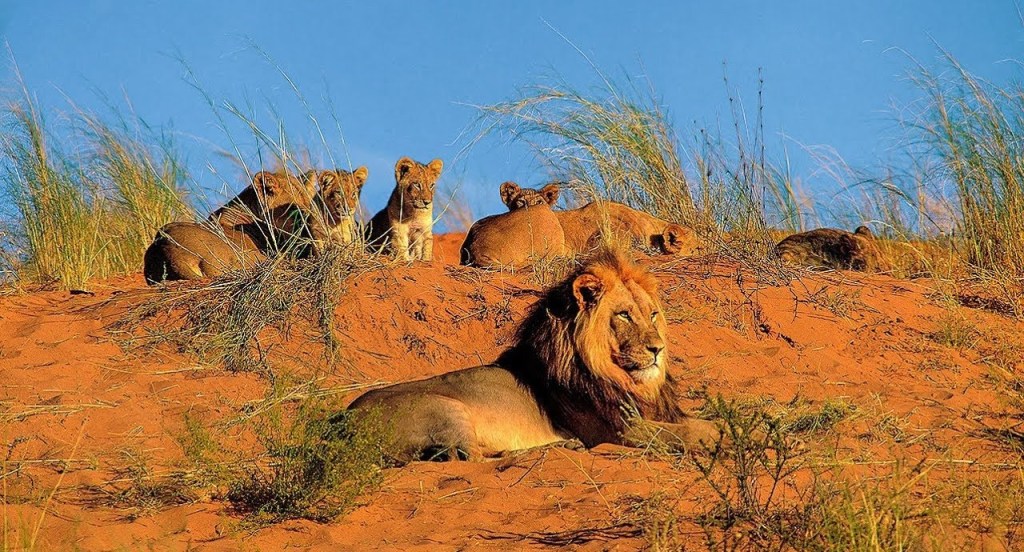
The Desert Lions Of Namibia Image Credit: Wilderness Travel

WHAT YOU CAN DO TO HELP ANIMALS IN NEED

You can support our work by donating as little as £5 – It only takes a minute but it can last a lifetime for an animal in need.

PLEASE DONATE HERE

Everyone who donates will receive a Certificate of Appreciation as a thank you for helping animals in need.

The Mission of Protect All Wildlife is to prevent cruelty and promote the welfare of ALL animals.

We believe EVERY animal should be treated with respect, empathy, and understanding. We raise awareness to protect and conserve wild, captive, companion and farm animals.

It is vital that we protect animals against acts of cruelty, abuse, and neglect by enforcing established animal welfare laws and, when necessary, take action to ensure that those who abuse animals are brought to justice.

Protect All Wildlife are involved in many projects to protect animals’ rights, welfare, and habitats. Money contributed to Protect All Wildlife supports ALL of our worthy programmes and gives us the flexibility to respond to emerging needs. Your donations make our work possible.

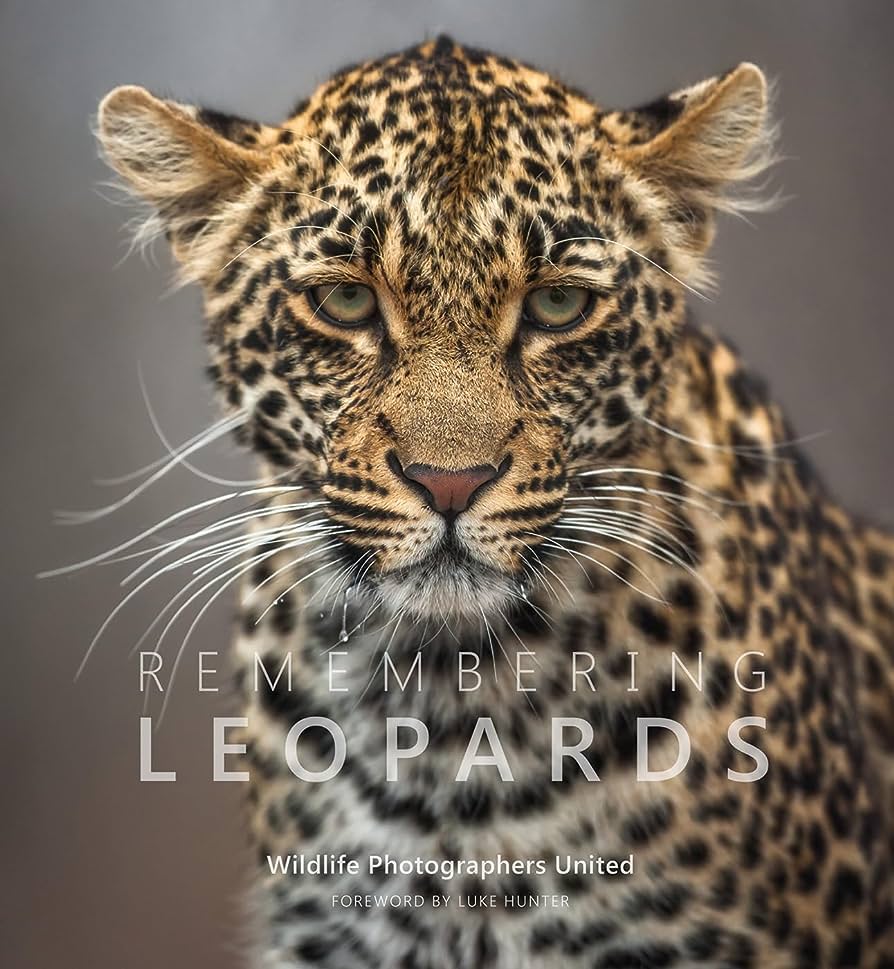
Remembering Leopards: The Latest In the Remembering Wildlife Books. The Mission Is To Raise Awareness Of The Threats Facing Leopards Through The Stunning Images From Many Of The World’s Top Wildlife Photographers

Front Cover: African Leopard by Mark Dumbleton in Sabi Sands Game Reserve, South Africa.

Remembering Wildlife has launched several charity photo books over the years that highlight endangered species and act to raise funds for the protection of the animals featured with the help of famous supporters and talented photographers around the world. Remembering Elephants, Remembering Rhinos, Remembering Great Apes, Remembering Lions, Remembering Cheetahs, and Remembering African Wild Dogs have already been produced, and Remembering Bears was funded and delivered last year. Remembering Leopards is the latest release in the series and will bring attention to Leopard species that are threatened around the world with the help of beautiful images of Leopards generously donated by many of the world’s top wildlife photographers

A mesmerising Leopard study by Roy Toft

This year the attention is turned to the eight species of Leopard: African, Amur, Arabian, Indian, Indochinese, Javan, Sri Lankan and Persian. Despite their adaptability, the global population and distribution is sadly in decline. They are now believed extinct in 23 of their 85 original range countries. As well as each of the sub-species, Remembering Leopards have also included images of Snow and Clouded Leopards too.

The International Union for Conservation of Nature (IUCN) classifies the Leopard as a Vulnerable species, and three of its subspecies are ranked as Critically Endangered. In addition, the Peer paper recommends that the status of another two subspecies be uplisted to the status of Critically Endangered and Endangered.  

Margot Raggett, founder and producer of Remembering Wildlife, said: “Despite their adaptability, the global population and distribution of leopards is sadly in decline. “They are now believed to be extinct in 23 of their 85 original range countries.

Habitat loss and fragmentation, the legal and illegal wildlife trades, traps, trophy hunting and human-wildlife conflict are among the leading threats to Leopards. Although found across Africa and Asia, they are now extinct across large swathes of their previous habitat.

The Making Of The Book

A crowdfunding appeal to produce the latest edition of a wildlife book series has broken previous records for this very popular project. The campaign launched on April 1 2023 and smashed its minimum target of £20,000 in just four minutes when it launched on 1 April. Remembering Wildlife says that within the first day, supporters had pledged more than £100,000, making Remembering Leopards the fastest funded of all the books in the series so far.

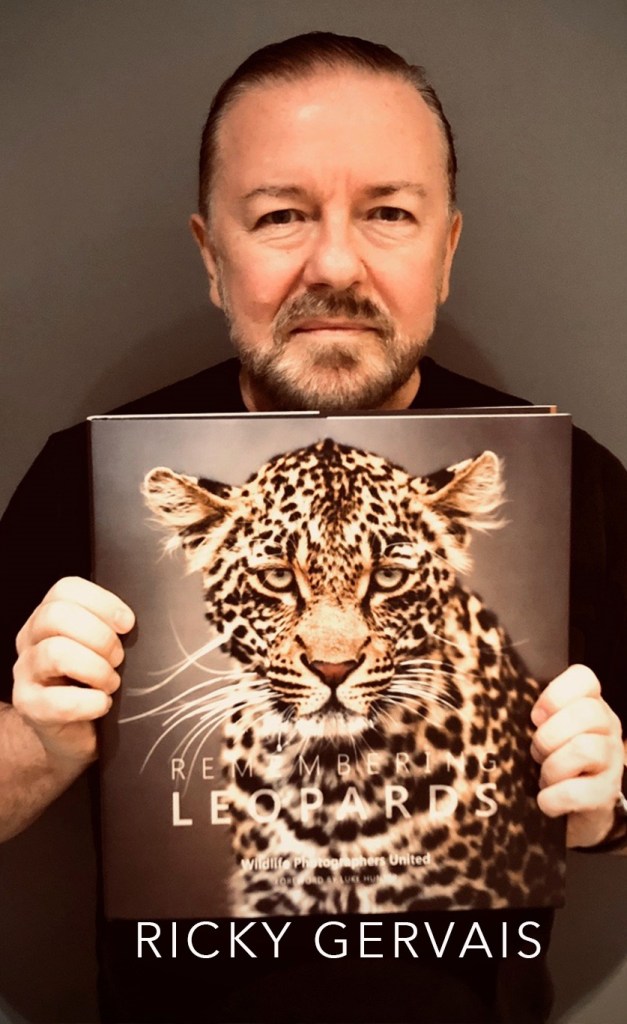
More than £1 million has been donated by the photobook series to protect endangered species since its launch in 2016, attracting famous supporters including Russell Crowe, Ricky Gervais and Michelle Pfeiffer.

“I’m blown away by the support our Kickstarter has had already and I promise everyone who has pledged their support that this will be the most beautiful book on Leopards the world has ever seen.”

Margot Raggett, founder and producer of Remembering Wildlife
“There is no greater friend to the animals than Ricky and we are deeply grateful for his on-going support and championing of the series!” ~ Margot Raggett/Remembering Wildlife
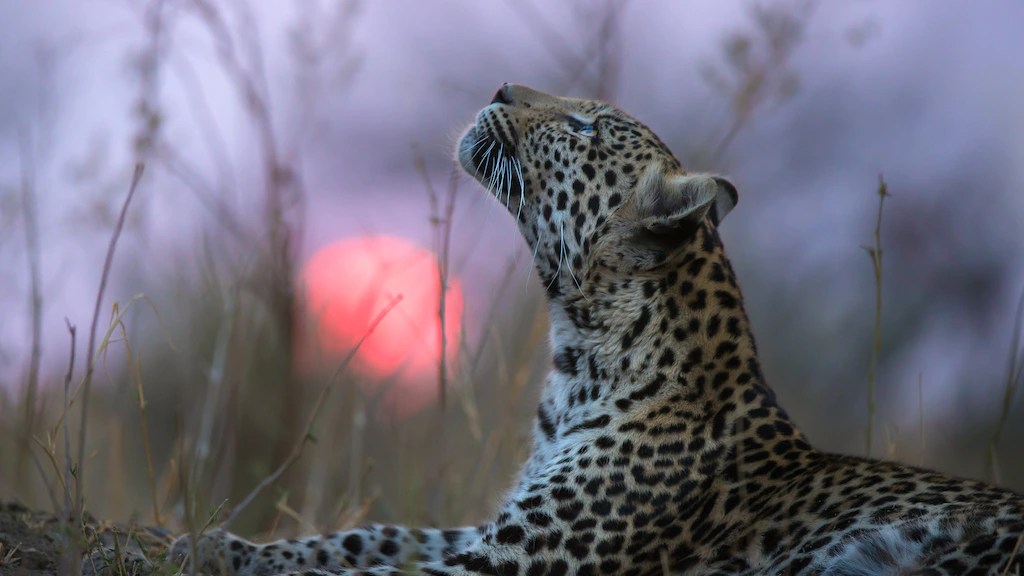
In Chobe National Park, Botswana, Hannes Lochner captured this Leopard looking skyward, as a flock of marabou storks flew overhead. Behind him, on the horizon, the sun sets over a swelteringly hot (50°C) day.

The photographers who have donated their images for this edition are:

Jane Addey, Oriol Alamany, Neil Aldridge, Theo Allofs, Matt Armstrong-Ford, Daryl & Sharna Balfour, Adam Bannister, Volodymyr Burdiak, Will Burrard-Lucas, Vladimir Cech Jr., Paras Chandaria, Chad Cocking, Marius J Coetzee, Shem Compion, Keith Connelly, Ben Cranke, Brendon Cremer, M & C Denis-Huot, Anja Denker, Tristan Dicks, Kevin Dooley, Greg du Toit, Marlon du Toit, Mark Dumbleton, Kairav Engineer, Morkel Erasmus, Amit Eshel, Suzi Eszterhas, Sascha Fonseca, James Gifford, Paul Goldstein, Sergey Gorshkov, Owen Gröbler, Richard Guijt, Todd Gustafson, Thorsten Hanewald, Hilary Hann, Trish Hennessy, Roger Hooper, Arnfinn Johansen, Lakshitha Karunarathna, Sebastian Kennerknecht, Agung Ganthar Kusumanto, Tim Laman, Frans Lanting, Behzad J Larry, Chien Lee, Hannes Lochner, Michael Lorentz, Piper Mackay, Russell MacLaughlin, Shivang Mehta, Garry Mills, Marc Mol, Yashas Narayan, Latika Nath, Heinrich Neumeyer, Pete Oxford, Parinya Padungtin, Richard Peters, Mevan Piyasena, Michael Poliza, Isak Pretorius, Margot Raggett, Abdul Rashid, Matthew Roper, Andy Rouse, Jonathan & Angela Scott, Pasan Senevirathne, Ismail Shariff, Anjali Singh, Harman Singh Heer, Andy Skinner, Sarah Skinner, James Suter, Tom Svensson, Roy Toft, Ann & Steve Toon, Paolo Torchio, Lance van de Vyver, Jan van der Greef, Marsel van Oosten, Christophe Vasselin, Federico Veronesi, Francesco Veronesi, Thomas Vijayan, Marion Vollborn, James Warwick, Marcus Westberg, Shannon Wild, Steve Winter, Art Wolfe and Nelis Wolmarans

Two Leopard brothers play fighting at Samburu National Reserve, Kenya. The shot was taken by photographer Trish Hennessy. The pair were initially playing in a bush before they climbed on top of the rocks on a hill to put on the show.

All profits from the sales of Remembering Leopards will be donated to projects protecting Leopards.

You can purchase your copy of the book at Remembering Leopards

Margot Raggett, founder of Remembering Wildlife

I fell in love with wildlife and safaris many years before picking up a camera! In the 2000s, I worked in PR in London and used all my spare cash to book safaris to Africa, as I had become totally addicted to being in nature. It was when I inadvertently signed up to a photography-based safari in 2010 that everything changed for me. It was a trip to see Kenya’s ‘Great Migration’ led by Jonathan & Angela Scott and it was only a few days before I went, that I realised I was supposed to bring a camera. I bought a cheap kit camera & lens and headed to Kenya. It turned out that camera was no good at all for wildlife (it was a very short lens) but nonetheless, I was totally inspired by Jonathan & Angela’s photography. When I got home, I immediately upgraded my gear and signed up for a course at the London School of Photography to learn the basics and I’ve never looked back. For a few years I went on as many photographer-led trips as I could, to learn from the best and then in 2012, agreed a deal to work as a Photographer in Residence at a camp in the Maasai Mara called Entim Camp. At that point I started selling my photos and attracting followers on social media.  

It was in 2014 that everything changed for me once again. I had been working as a resident photographer in Kenya at that point for about three months a year, for three years, and it was at the end of one of those stays that I travelled to Laikipia to visit a friend. We were woken very early in camp by the sound of hyenas going crazy and at first light, went to investigate. What I saw changed my life, It was an elephant who has died from a poisoned arrow, likely poachers had shot him but he’d got away, only to die a slow, painful death over the next few days. The hyenas had started to eat his body and the sight – and the smell – was so shocking. I came to realise that poaching and the many other threats that wildlife faces are often hidden away from tourists and as a result, many like me at that point, had any idea how bad things really are. I was incredibly angry and upset and resolved to channel those emotions into something positive. That was the trigger for me to start work on what I thought would be a one-off book on elephants, to raise awareness about poaching and funds for projects working to protect elephants. I started to approach wildlife photographers I’d met in the field and invited them to donate an image each and it took off from there. 18 months later, Remembering Elephants was published. It sold out in 2 months and raised more than £100,000 and without me knowing it, a series was born. We’ve published five more books since (Remembering Rhinos, Remembering Great Apes, Remembering Lions, Remembering Cheetahs and Remembering African Wild Dogs) and the 7th in the series, Remembering Bears, will be published in October 2022. More than $1.2m USD has been raised by the series for conservation so far. Over 200 photographers have now contributed to the series and producing and steering it, has become my life’s work. Nowadays I spend far less time in the field taking traditional wildlife pictures like before but rather, I spend more time visiting the projects we are able to support with our funds, so I can see how our money is making a difference.  

Source: Heroes of the extreme An interview with Margot Raggett. Gizmo, 2022.

Margot was awarded an MBE in the The King’s Birthday Honours 2023 for services to International Wildlife Conservation.

Margot Raggett MBE

You can purchase your copy of the book at REMEMBERING LEOPARDS

Jailed Poacher Sentenced For Killing Second Skukuza Rhino

A Mozambican national serving a prison sentence for Rhino poaching has been slapped with another lengthy jail term after being convicted of killing a second Rhino in the Skukuza National Park.

Convicted poacher Lucky Mabunda

The National Prosecuting Authority said 47-year-old Lucky Mabunda, was sentenced in the town’s  Regional Court on Thursday to ten years direct imprisonment.

NPA spokesperson, Monica Nyuswa, said he was already serving a 19-year jail term for Rhino poaching and was convicted and sentenced for the second incident in 2019.

She said the court heard that Mabunda had entered the Skukuza National Park between February and September 2019. Field Rangers were patrolling and found the accused in possession of a firearm, axe, ammunition, and other items geared for hunting. They also found the carcasses of two Rhinos.

Nyuswa said he pleaded guilty to killing one rhino, before ballistic evidence taken from the Rhino killed in February, later provided the link back to him.

“It confirmed that the bullets found on the carcass were fired from the rifle found in the accused’s possession,” she said.

State prosecutor Lot Mgiba underscored the gravity of the offense, advocating for an appropriate sentence in court.

Consequently, the accused was found guilty and received a ten-year jail term. The importance of such legal actions in combating poaching, which poses a severe threat to endangered species and the potential for species extinction, was highlighted by Director of Public Prosecutions Advocate Nkebe Kanyane.

SANParks spokesperson, Ike Phaahla, says they welcome the sentence.

“We are elated at the sentencing, which is in addition to the 18 years he has already served since he was found inside the park. In this instance, a projectile was discovered next to the carcass and taken for ballistics. They came back pointing towards the accused, and he was requisitioned from the Department of Correctional Services to get an additional 10-year sentence. It’s a well-known fact that we still have people who, around this time, want to come in, but we want to warn them that Kruger National Park is a dangerous place to come.”

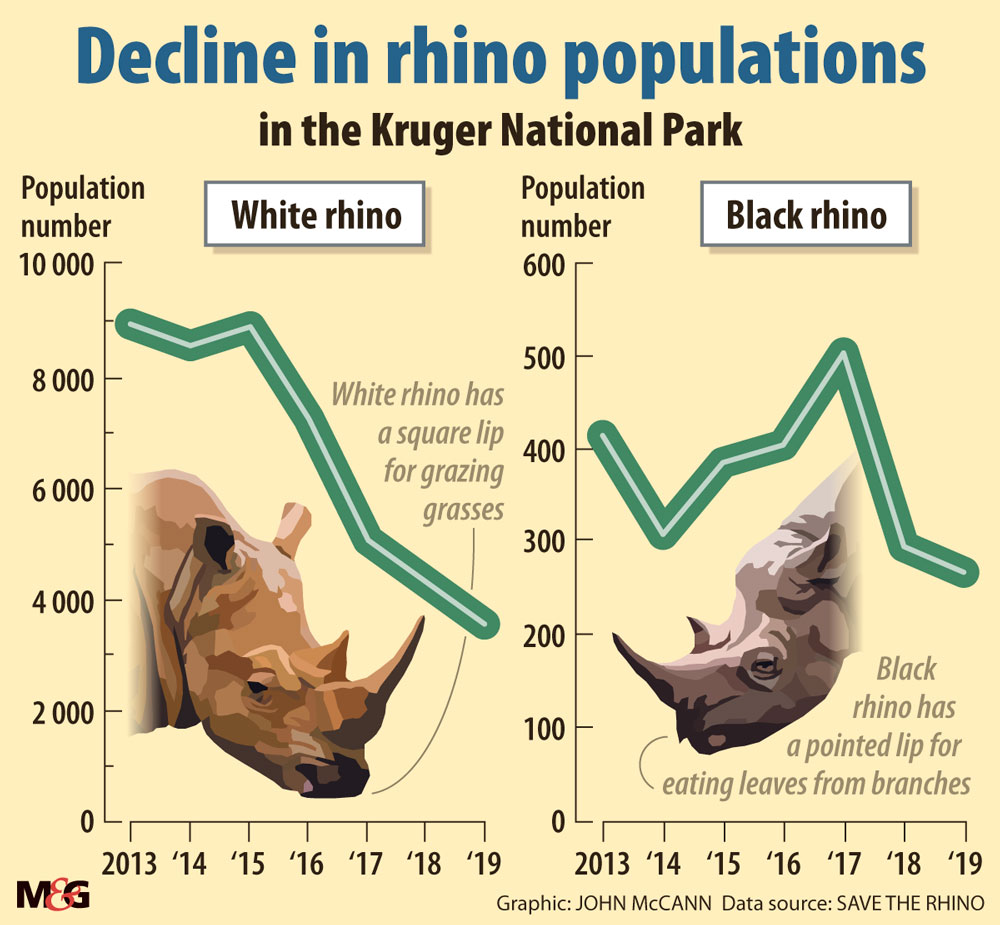
Kruger has lost 70% of ITS Rhinos in 10 years

The Decline In Rhino Populations In KNP Graph: Save The Rhino

Rhino populations in the Kruger National Park have dropped by about 70% in the past decade because of the onslaught of poaching and prolonged drought. In its 2019-20 annual report, SANParks said that only about 3 549 White Rhinos and 268 Black Rhinos remain in the Kruger.

The environment department said poachers killing cows also ultimately kill dependent calves and cause future loss of calves — this effect equates to an additional five rhinos lost to the population per loss of one cow, now and in future. “Poaching also causes factors such as social disruption of Black Rhino societies. Cows then conceive less often.”

WHAT YOU CAN DO TO HELP ANIMALS IN NEED

You can support our work by donating as little as £5 – It only takes a minute but it can last a lifetime for an animal in need.

PLEASE DONATE HERE

Everyone who donates will receive a Certificate of Appreciation as a thank you for helping animals in need.

The Mission of Protect All Wildlife is to prevent cruelty and promote the welfare of ALL animals.

We believe EVERY animal should be treated with respect, empathy, and understanding. We raise awareness to protect and conserve wild, captive, companion and farm animals.

It is vital that we protect animals against acts of cruelty, abuse, and neglect by enforcing established animal welfare laws and, when necessary, take action to ensure that those who abuse animals are brought to justice.

Protect All Wildlife are involved in many projects to protect animals’ rights, welfare, and habitats. Money contributed to Protect All Wildlife supports ALL of our worthy programmes and gives us the flexibility to respond to emerging needs. Your donations make our work possible.

Therese Coffey: We Will Do All We Can To Help Trophy-Hunting Ban Become Law

The Environment Secretary offered assurances about the Hunting Trophies (Import Prohibition) Bill in a letter to campaigners.

The Government has pledged to do “all we can” to ensure a ban on trophy hunting imports becomes law amid fears pro-hunting peers could “wreck” the reforms.

Environment Secretary Therese Coffey said the Government will not support any further amendments to the Hunting Trophies (Import Prohibition) Bill.

The proposed legislation would prohibit bringing into the country body parts from species deemed of conservation concern.

The Bill, introduced by Conservative MP Henry Smith, has already cleared the House of Commons.

But a group of peers have raised concerns and tabled amendments that threaten to derail the proposals.

Time is running out to consider the Bill and it will fall if it does not receive royal assent before the current parliamentary session stops ahead of the King’s Speech on November 7.

Ms Coffey, in a letter to the Humane Society International/UK dated August 17, wrote: “It is a manifesto commitment to ban the import of hunting trophies from endangered animals and we are working hard to deliver.

“The Bill passed the Commons in March, with the Government’s support, and we will do all we can to support its progress through the House of Lords working with Baroness Fookes.

“I can confirm that we will not be supporting any further amendments to the Bill. I expect committee stage to progress next month.”

Conservative peer Lady Fookes is the Bill’s sponsor in the House of Lords.

Claire Bass, senior director of campaigns and public affairs at Humane Society International/UK, said: “There is a small and vocal group of pro-hunting peers doing their best to wreck this Bill, but we need the Government to remain focused on the almost 90% of the public who want this ban on the import of hunting trophies.

“The timing for this Bill is indeed extremely tight but we were encouraged to receive a letter from Environment Secretary Therese Coffey yesterday.”

No Friday sittings to consider private members’ bills are expected in the House of Lords in September, according to the Government whips’ office in the Lords.

With the party conference recess running until October 16, there are expected to be just two possible Friday sittings before the parliamentary session ends.

Mr Smith, MP for Crawley, said he is speaking with the Government in a bid to secure more parliamentary time for his Bill.

Conservative peer Lord Mancroft, who opposes the proposals, said amendments have been tabled in a bid to “clean up” or clarify parts of the “badly drafted” Bill.

He acknowledged it is “very possible” the amendments could halt the Bill’s progress and rated its chances as “less than 10%”.

Mr Smith said the planned legislation is about UK import policy, adding opponents have pressed “spurious arguments” about how trophy hunting helps conservation.

A House of Lords briefing paper on the Bill stated: “According to figures from the Cites (Convention on International Trade in Endangered Species of Wild Flora and Fauna) trade database, 190 hunting trophies from Cites-listed species were imported into the UK in 2020 (the most recent complete year for which figures are available).”

By Richard Wheeler – The Independent

Please Help Rescue Animals In Need DONATE HERE

An Open Letter To Carl Knight – Last Of The Great White Hunters (Satire)

Dear Carl Knight,

When I got wind of your courageous exploits, I felt I had to congratulate you. For a start, you are British. We adore the British – they are our second favourite colonialists. The first, obviously, are the Dutch. They gave us the Afrikaners who in turn gave us apartheid. What’s not to love about apartheid, right? Was that the reason your parents moved to South Africa in 1980?

Your efforts to encourage tourism to South Africa in these fraught times are laudable, indeed. It’s not easy these days to find a Brit who is interested in anything other than Brexit and that tawdry harlot, Meghan Markle. 

Even though you’re only 46 and hail from Epsom, Surrey, you have your very own company operating out of Johannesburg. It’s called Take Aim Safaris. At first I thought it might be another of those bunny-fondling outfits that think the best way to shoot animals is with a camera. Ha! Poor fools. Unlike you, sir, they have clearly never cradled a 300 Winchester Magnum in one arm and a high-class prostitute in the other.

And you named your eldest son Hunter! You wouldn’t expect a man who enjoys shooting animals in the face to have a sense of humour. Well done.

You spotted a gap in the market. As the plague is still very much with us, people are understandably reluctant to travel. That’s until you reminded them that with fewer hunters around, wild animals have been breeding like, well, wild animals. You can barely walk anywhere in South Africa right now without bumping into an elephant.

So you fired off a newsletter to 3,000 of your clients around the world encouraging them to come here and kill a bunch of stuff for sport. And what a sport it is! Okay, maybe not so much for the animals, but they don’t pay taxes and won’t be missed.

You wrote, “Big elephant and trophy buffalo + hippo, croc are plentiful. The areas are well rested, the animal movement is fantastic.” Let’s see how fantastically they move with a 5.56-caliber bullet lodged in their brain haha.

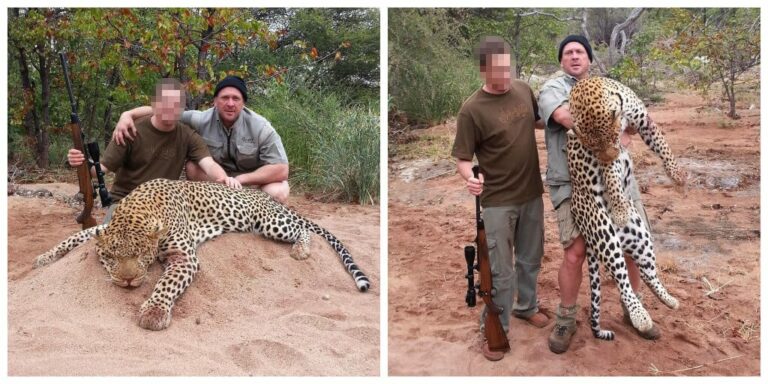
“I have quota available on the big cats: leopard and lion plus elephant bulls at unbeatable prices.” This is great news. I have never trusted an animal that can’t change its spots. Leopards are duplicitous, violent brutes and I am delighted to hear that they are now on special. Lions, too, will pretend to befriend you, then have your throat out just for the sport of it. They are cats, after all. Did you know this? Or do you simply judge everything with four legs according to the price tag on its hairy ass? Fair enough.

Some of your prices do seem a bit steep. $8 for a guinea fowl? Leave a trail of breadcrumbs into your oven and they’ll cook themselves. $150 for a mongoose? Can’t be much left, especially if you’re using hollow-point ammo. And $75 for a vervet monkey? Daylight robbery, that is. Porcupines are priced right at $300. Even though it’s more of an execution than a hunt, you could still get a quill in the eye if you were very drunk and had to fall on him.

In a recent interview with African Hunting Gazette, you said you shot your first leopard at 16. Impressive! I hadn’t even had my first blowjob by that age and there you were on a wild killing spree. Have you had your first blowjob yet? No matter. It’s the killing that’s important.

I love that you hunted for a Christian drug rehab in the Northern Cape when you were younger. You gave them more meat than they knew what to do with. That’s a David Lynch movie, that is. Produced by Oliver Stone. Featuring a young Sylvester Stallone as you.

You’ve hunted all over – Mozambique, Botswana, Zimbabwe … you even shot a bear in Russia. I suppose he didn’t understand when you shouted, “Hands up! Don’t move or I’ll shoot!” You also said Namibia is a great place to hunt. 

“Namibia reminds me of South Africa 30 years ago with its low human population and massive open spaces.” Yep, there was hardly anyone living in South Africa in 1991. An easy mistake to make, what with 40 million people being tucked away out of sight. As for the massive open spaces, well, you had the Group Areas Act to thank for that.

The magazine asked what’s your favourite animals to hunt and you said, “Dagga Boys!” What? That was the name of my gang when I was growing up. But you were talking about something else. “Such an exciting hunt … it’s kill or be killed when you’re hunting buffalo.” So you engage in hand-to-hoof combat with these brutes? Respect, bro.

Our president is also into buffalo in a big way. Mainly for breeding purposes, though. No, I don’t mean … never mind.

Your greatest trophy was the buffalo you hunted with your dad in Mozambique. “It was, and remains, the fulfillment of a father and son dream hunt in a perfect environment.”

My greatest trophy was for tennis in Standard 8. It was tiny but I was very proud. My father never taught me how to hunt. Instead, he taught me how to play pool. The thrill just wasn’t the same, although people did die in some of the pubs he took me to. 

You talk fondly of the “38-inch bull in Mozambique that put me firmly on a path I’m still on”. That’s, like, just over a metre? What kind of small-ass bull is that? You might as well have kicked him to death. Anyway, what do I know. I’m sure you believe your wife when she tells you that size isn’t everything.

So the hippo-humpers are saying that many of the animals on your list are endangered. This is nonsense. There are around 400 000 African elephants left in the wild. If you shot a hundred a day, they would last for ten years. That’s not exactly endangered in my book.

There are also 20 000 lions roaming about off their leashes. That’s more than enough lions for everyone. You can get through five a day at least, maybe more if they stop hiding up trees and in cardboard boxes. Sure, their numbers have plummeted by over 40% in the last three generations as a result of hunting, but our national IQ has dropped 40 points in three years as a result of bad education and too much CNN and you don’t see us shooting our stupid people, do you? Damn, this stuff is strong. 

Where was I? Oh, yes. You charge £10,000 to shoot an elephant? That, my friend, is a small fortune in my pathetic currency. And £14,500 to put a bullet into the back of a lion’s head? That’s way too much. Are you on drugs? Tell you what. I’ll give you R10 000 for two baby elephants, three monkeys and a crocodile. You do mix-and-match packages, right? And you do pay your taxes, right?

I see you have lived in Joburg for almost your entire life. It’s completely understandable, then, that you would want to kill everything in sight. And you’ve been organising assassinations ever since 2008? Nice work if you can get it.

I see those gerbil-suckers over at MailOnline have been questioning your ethics. How very dare they. You told them, “We eat what we hunt … we love and conserve animals.” I’ve often wondered what elephant tastes like. Tough, I imagine. Do you make carpaccio out of the leopards? That would be a winner among the Italians.

You also told the running dogs of the media that “I have broken no laws”. Good one, mate. You and me and Jacob Zuma know it’s impossible to break laws in this country. Well, you can break them alright, but there ain’t jackshit gonna happen to you.

That bastion of truth, The Mirror, asked how you felt about the dwindling number of wild animals in SA. You said they were lying, which they obviously were, and said, “In South Africa we have over 20,000,000 wild animals bred and conserved here. The birth rate per annum is around 3,000,000.” You might want to check your science, son. I think you’re talking about our people, here.

By the way, my friend Ted said you look like a bit of a cunt. You’ll be pleased to know that I had one of the servants horsewhip him soundly. Your name is Knight, for heaven’s sake. You’re a member of the realm. And I do mean member.

I liked the way you wrapped up your interview with that hunting magazine: “For my family and I, there is no life without God.” There’s a rich vein of irony in there somewhere. 

Did you know that if your Boris Johnson had kept his word and implemented the ban on trophy imports pledged in his election manifesto and repeated in the Commons last year, you’d be back in Surrey organising weasel hunts by now?

Our president also has trouble keeping his promises. Politicians, eh? Long may they lie.

An original article written by Ben Trovato

Ben Trovato is the author of thirteen books, although you wouldn’t think so if you had to see his living conditions. His notorious trilogy of letters illuminated the darkest recesses of the human psyche, while his self-help guide went a long way towards boosting divorce and suicide rates. He also wrote a book that almost turned golf into a blood sport and brought out a survival manual that caused more harm than good. With a background in print and television journalism, Trovato’s popular newspaper columns have earned him a wicked reputation and a fatty liver.He can often be found surfing instead of meeting his deadlines. Trovato lives alone with two regrets and a hangover.