Why It Is Now Even More Important Than Ever To Support Animal Rescue Organisations

The cost of changing a rescue animal’s  life forever – PRICELESS!
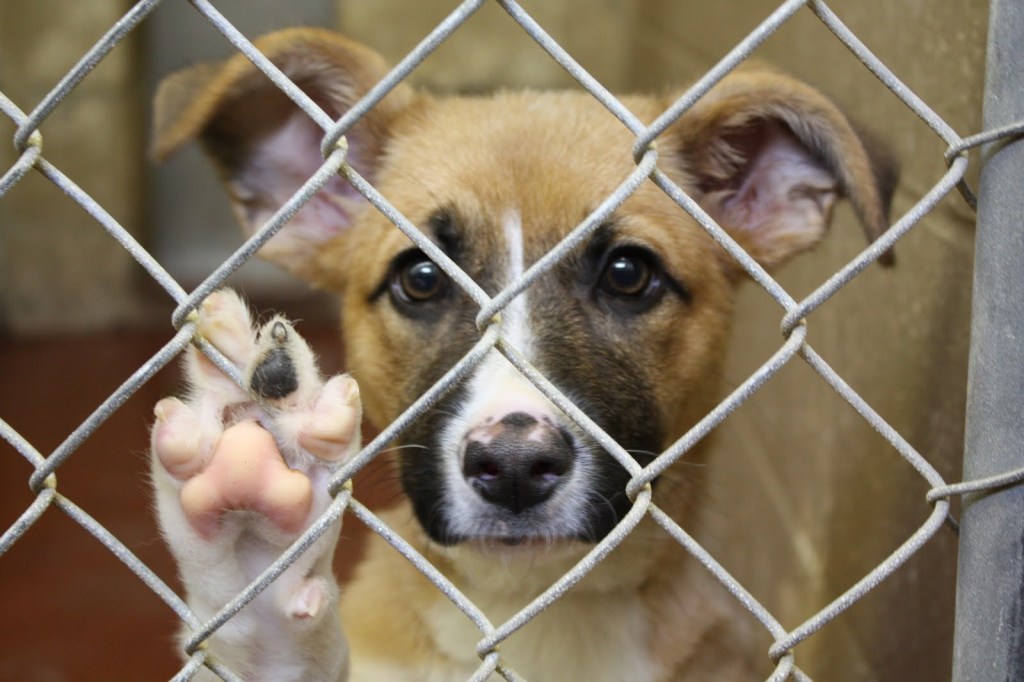
To feed a dog for one month typically costs somewhere from £16 to £50, depending on the breed. Microchipping costs about £10 to £15. The average cost of essential vaccinations is £64. A vet appointment costs between £40-£60. Physiotherapy/Hydrotherapy – the average cost is £50 for a 30-minute session.

You may wonder, why do you have to pay to adopt a dog?

Well, running an animal shelter is not cheap, with food, heating and other costs, so you money goes towards supporting them in the work. It also pays for vital care that your new pet has had, and covers essential expenses that you’d likely have to pay for anyway if you got your dog another way.

Why do dog shelters charge people to adopt pets?

First of all, animal shelters cost money to run. While they get donations and funding through events like charity runs, the costs are high. They need to pay for food, heating and other bills, as well as any staff costs and expenses like petrol for home visits.

Adoption fees also cover other expenses for the dogs, such as vet bills, which you’d likely have to pay yourself anyway if you acquired a new dog through other means.

Every dog rehomed is vaccinated, microchipped and neutered.

Please help is rescue, rehabilitate and rehome MANY more sick, injured and disabled animals by donating ANY amount, large or small, at HELP RESCUE ANIMALS IN NEED.

10 REASONS WHY YOU SHOULD #ADOPTDON’TSHOP!

Adopting a pet has many benefits, some of which you may have not considered. Here are some reasons why adopting a pet would benefit you and your family.

1. You are saving a life

By adopting from a shelter, you are providing an animal with the second chance they deserve. Many have been rescued from horrific circumstances such as cruelty, neglect and abandonment, or quite simply their owners were no longer able to look after them due to illness or a change in situation.

Before and after: these pictures were taken two months apart

Shelter staff work tirelessly to nurse animals back to health, rehabilitate disturbed animals and do everything they possibly can to ensure they are prepared to go to a new home. Sadly, not all of them are as fortunate. Some shelters have to euthanise due to lack of space, meaning many healthy animals lose their lives. By rehoming a pet you can give an animal that has been abandoned through no fault of their own a loving, stable home, and help to stop overpopulation.

2. You will save money

Shelters often microchip, spay, neuter and vaccinate the animals that come into their care. This saves you a lot of money because you don’t have to pay for the procedures yourself and it ensures the pet you are taking home is healthy. Also, the prices of adopting a pet from a shelter are often a lot lower than the rates charged by breeders.

3. Can help to eradicate puppy farms.

A puppy farm, or mill, is the illegal practice of breeding puppies for the sole purpose of maximising profit, without any regard to the dogs’ health or wellbeing. Dogs at puppy farms are forced to breed several times to their detriment and they are often kept in terrible conditions without basic necessities.
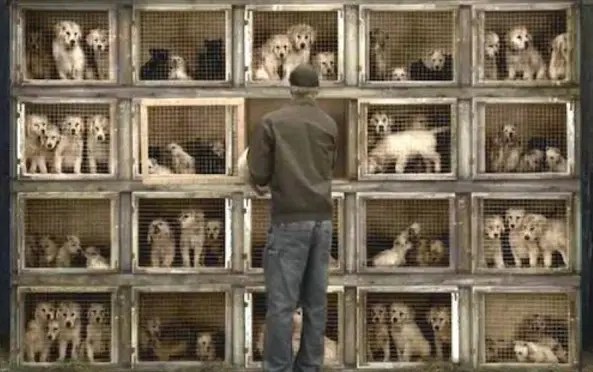
Bred Relentlessly For Profit

People who run such places are not concerned with producing healthy dogs, so they can be born with severe problems that emerge over time. The dogs usually don’t receive any veterinary care, and will often be destroyed once they can no longer reproduce. Additionally, dogs at pet shops are often products of puppy farms. Adopting from a shelter aids in stopping dogs from being subjected to such horrific circumstances, because rather than funding this illegal trade you will be rehoming a pet from somewhere reputable that supports animal welfare.

4. Can improve your health and make you happier

Various studies have shown that a having pet can elongate your life, whilst improving your overall happiness and health. It also helps people with depression, stress, anxiety and many other ailments. The affectionate and loyal nature of dogs as pack animals that form close relationships with their owners can help sufferers of depression, who may feel like they don’t have anybody else.

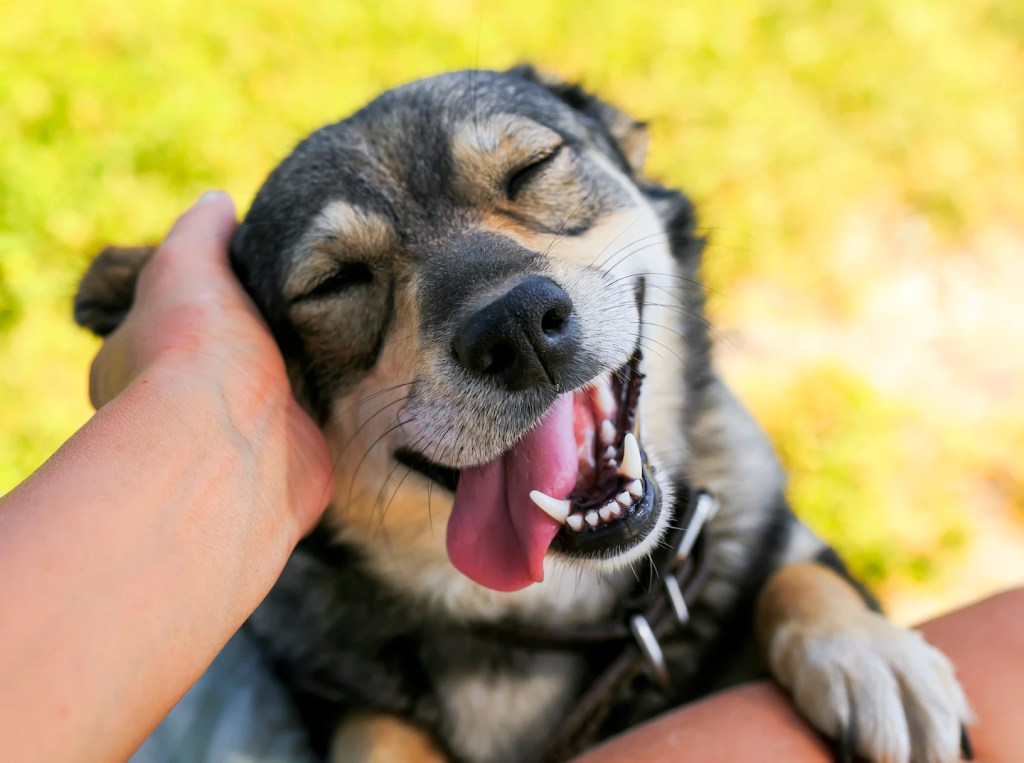
Stroking your pet can reduce your blood pressure and stress levels, and playing with them can increase the levels of serotonin and dopamine your body produces, making you feel calm and relaxed. Walking the pet is a way to exercise and provides sufferers of anxiety and depression with a reason to leave the house. It also creates opportunities for socialising with other dog walkers. The animal you have helped through rehoming can help you.

5. Can benefit children

Children can be taught valuable life skills through pet ownership, such as the importance of maintaining responsibilities. Rehoming a pet will also encourage empathy by making them think about how they have helped to give an unwanted animal a loving home. Pets can help children with separation anxiety and provide them with security, as they can be safe in the knowledge that someone will always be there. As well as this, they can be a loving companion and playmate.

6. Many of the animals are housetrained

Animals at shelters have often been housetrained in their previous home, particularly if they are older. This saves you a lot of time and extra effort when training your new pet where to go to the toilet.

7. Unconditional love

A pet is a companion that will never judge you, will love you regardless of whatever happens and will always be there. As well as making you feel great, their unconditional love raises your self-esteem because of the affection they show you. It is said that animals know when they have been rescued, so the bond between you and your rehomed pet will be especially strong.
8. You could get a pet you never expected

Although you may have an idea of what you are looking for, there are a wide variety of animals waiting to be adopted from shelters. This may mean an animal you would never have imagined could turn out to be the best match for you. Therefore, it is always important to have an open mind when visiting shelters.

9. Older animals can prove to be the best companions

Many people want to adopt puppies and kittens without considering the advantages of having an older pet. If trained in their previous home they will be less likely to destroy furniture than a younger pet, and as such, will probably require less supervision. Older pets are often calmer and quite happy to sit in your company rather than demanding constant attention. They also have more developed personalities than puppies or kittens, so it may be more apparent when visiting them at the shelter whether or not you are suited.

10. Adopting supports spaying and neutering

Spaying and neutering animals is important in controlling the animal population. Many pets that aren’t spayed or neutered often contribute to the problem of unwanted animals, which can lead to more being left at shelters. Adopting an animal from a shelter means that your new pet has been spayed or neutered where possible.

Please help us continue to support animal rescues by donating any amount, large or small. Your donations make our work possible.

And please remember…
…the cost of changing a rescue animal’s  life forever is – PRICELESS!

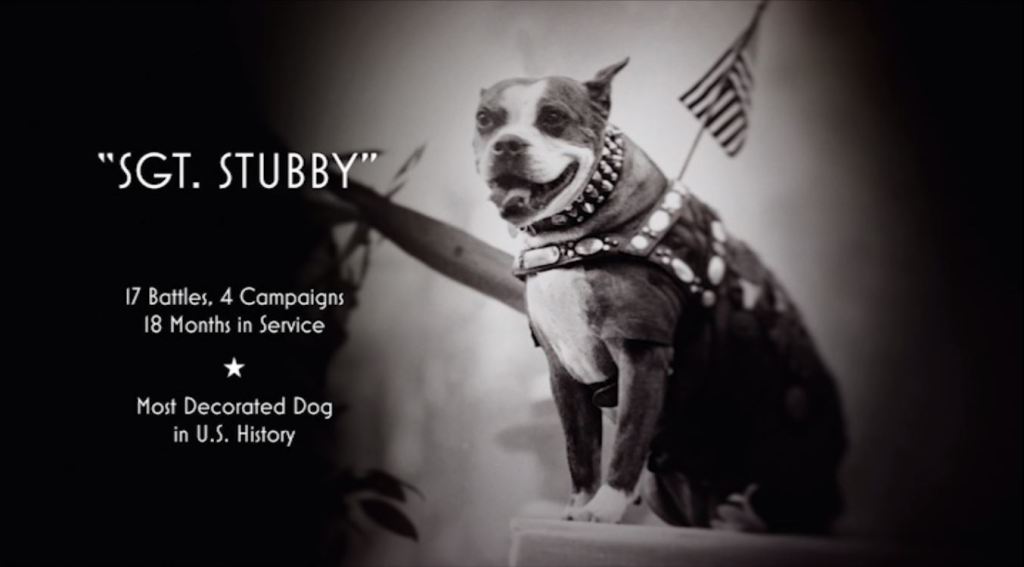
SGT. ‘STUBBY’, WORLD WAR 1 HERO DOG

This is The Story Of War Dog Sergeant Stubby

America’s first war dog, Stubby, served 18 months ‘over there’ and participated in seventeen battles on the Western Front. He saved his regiment from surprise mustard gas attacks, located and comforted the wounded, and even once caught a German spy by the seat of his pants. Back home his exploits were front page news of every major newspaper.

Stubby was a bull terrier – broadly speaking, very broadly! No one ever discovered where he hailed from originally. One day he just appeared, when a bunch of soldiers were training at Yale Field in New Haven, Ct; he trotted in and out among the ranks as they drilled, stopping to make a friend here and a friend there, until pretty soon he was on chummy terms with the whole bunch.

One soldier though, in particular, developed a fondest for the dog, a Corporal Robert Conroy, who when it became time for the outfit to ship out, hid Stubby on board the troop ship.

So stowaway Stubby sailed for France, after that Cpl. Conroy became his accepted master, even though he was still on chummy terms with everyone else in the outfit; and in the same spirit of camaraderie that had marked his initial overtures at Yale.

It was at Chemin des Dames that Stubby saw his first action, and it was there that the boys discovered he was a war dog par excellence. The boom of artillery fire didn’t faze him in least, and he soon learned to follow the men’s example of ducking when the big ones started falling close. Naturally he didn’t know why he was ducking, but it became a great game to see who could hit the dugout first. After a few days, Stubby won every time. He could hear the whine of shells long before the men. It got so they’d watch him!

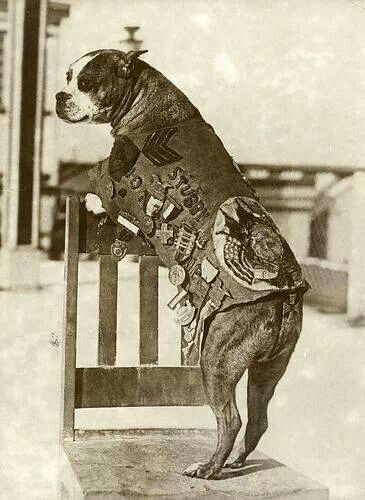
Stand Easy Sgt. Stubby

Then one night Stubby made doggy history. It was an unusually quiet night in the trenches. Some of the boys were catching cat naps in muddy dugouts, and Stubby was stretched out beside Conroy. Suddenly his big blunt head snapped up and his ears pricked alert. The movement woke Conroy, who looked at the dog sleepily just in time to see him sniff the air tentatively, utter a low growl, then spring to his feet, and go bounding from the dugout, around a corner out of sight.

A few seconds later there was a sharp cry of pain and then the sound of a great scuffle outside. Conroy jumped from his bed, grabbed his rifle and went tearing out towards the direction of the noise.

The Highly Decorated Sgt. Stubby

A ludicrous sight met his eyes. Single-pawed, in a vigorous offensive from the rear, Stubby had captured a German spy, who’d been prowling through the trenches. The man was whirling desperately in an effort to shake off the snarling bundle of canine tooth and muscle that had attached itself to his differential. But Stubby was there to stay.

It took only a few moments to capture the Hun and disarm him, but it required considerably more time to convince Stubby that his mission had been successfully carried out and that he should now release the beautiful hold he had on that nice, soft German bottom.

By the end of the war, Stubby was known not only to every regiment, division, and army, but to the whole AEF. Honors by the bale were heaped on his muscled shoulders. At Mandres en Bassigny he was introduced to President Woodrow Wilson, who “shook hands” with him. Medal and emblemed jackets were bestowed upon him for each deed of valor, plus a wound stripe for his grenade splinter. Not to be left out, the Marines even made him an honorary sergeant.

After the Armistice was signed, Stubby returned home with Conroy and his popularity seemed to grow even more. He became a nationally acclaimed hero, and eventually was received by presidents Harding and Coolidge. Even General John “Black Jack” Pershing, who commanded the American Expeditionary Forces during the war, presented Stubby with a gold medal made by the Humane Society and declared him to be a “hero of the highest caliber.”

Stubby toured the country by invitation and probably led more parades than any other dog in American history; he was also promoted to honorary sergeant by the Legion, becoming the highest ranking dog to ever serve in the Army.

He was even made an honorary member of the American Red Cross, the American Legion and the YMCA, which issued him a lifetime membership card good for “three bones a day and a place to sleep.”
Afterwards, Stubby became Georgetown University’s mascot. In 1921, Stubby’s owner, Robert Conroy was headed to Georgetown for law school and took the dog along. According to a 1983 account in Georgetown Magazine, Stubby “served several terms as mascot to the football team.” Between the halves, Stubby would nudge a football around the field, much to the delight of the crowd.

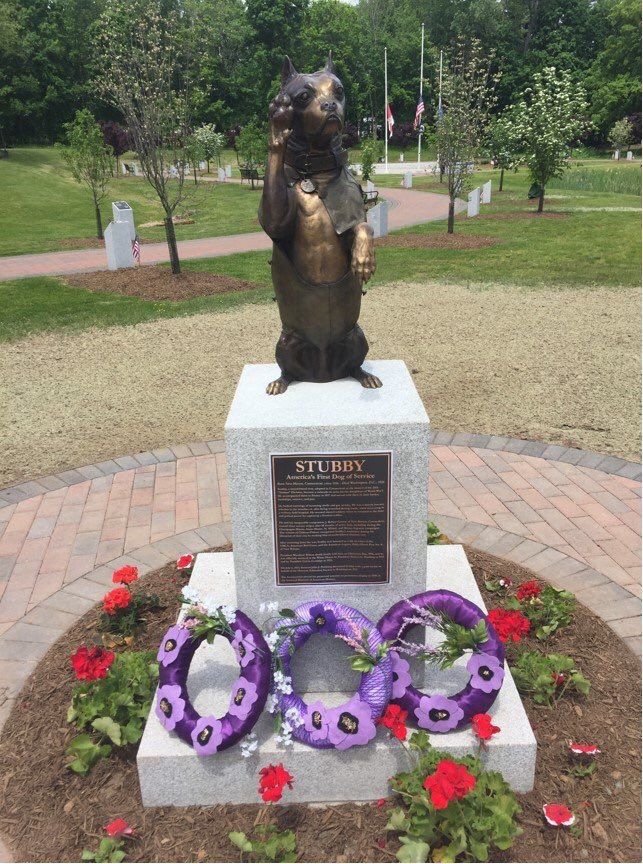
A FITTING TRIBUTE TO A HERO

Old age finally caught up with the small warrior on April 4th, 1926, as he took ill and died in Conroy’s arms.

It’s said, that Stubby and a few of his friends were instrumental in inspiring the creation of the United States ‘K-9 Corps’ just in time for World War ll.

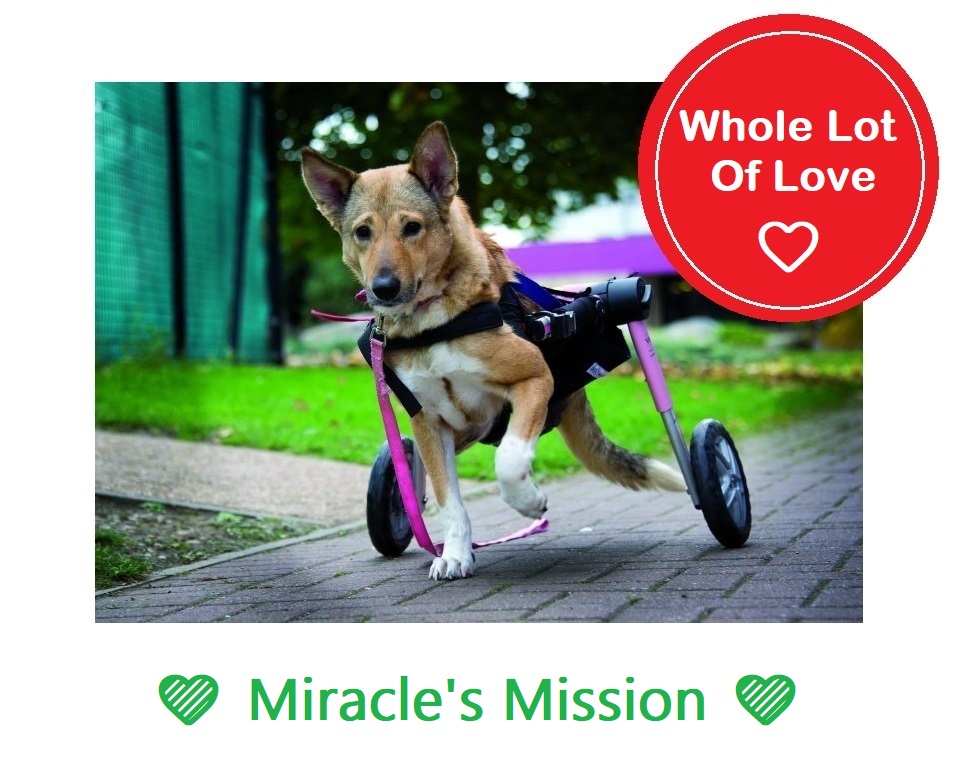
Whole Lot of Love Pack For Our Rescues

With this virtual gift, you will bring love to the life of a rescue in need this Valentine’s

At Miracle’s Mission, we bring rescued dogs and cats into our care who’ve never known what it feels like to be loved. You could change that by purchasing a virtual gift for them. With your gift, we can continue to give homeless rescues the love and care they deserve – and find their perfect match. What better way to help rescues this Valentine’s?

After purchasing a gift, you’ll receive an email that includes a certificate to download for yourself or your loved one – a nice keepsake as a reminder of the difference your gift has made to rescues.

So, if you can, please help homeless pets find love by purchasing a Whole Lot of Love Pack. We promise this is one gift that’s guaranteed to make someone’s heart flutter this Valentine’s!

How does a virtual gift work?1. Pop your virtual gift into your shopping basket and complete your checkout.

2. Look out for a thank you email including a downloadable virtual certificate.

3. Print out your certificate or email it to your lucky pet-loving Valentine.

All proceeds goes directly to Miracle’s Mission to support vulnerable pets.

Get yours at: Whole Lot of Love Pack For Our Rescues

Nearly A Hundred Starving And Abused Dogs Were Rescued From A Single House

Animal inspectors were heartbroken to find nearly a hundred suffering dogs in a single house. The RSPCA has now launched one of the biggest rehoming campaigns ever in a bid to find these puppies loving homes.

More than 90 malnourished Shih-Tzu dogs were rescued from a filthy breeding house.

The dogs were living in horrendous conditions and needed urgent vet care.

They were split and distributed to the RSPCA centres in southern England and are now in need of loving homes.

Neglected and abused

The RSPCA is looking to re-home a record number of Shih-Tzus dogs and their puppies after they were found neglected in a breeding house in Torquay, Devon, England last year.

Upon discovery, the animals were malnourished and infested with fleas and worms. They were living in filthy conditions and covered in faeces.

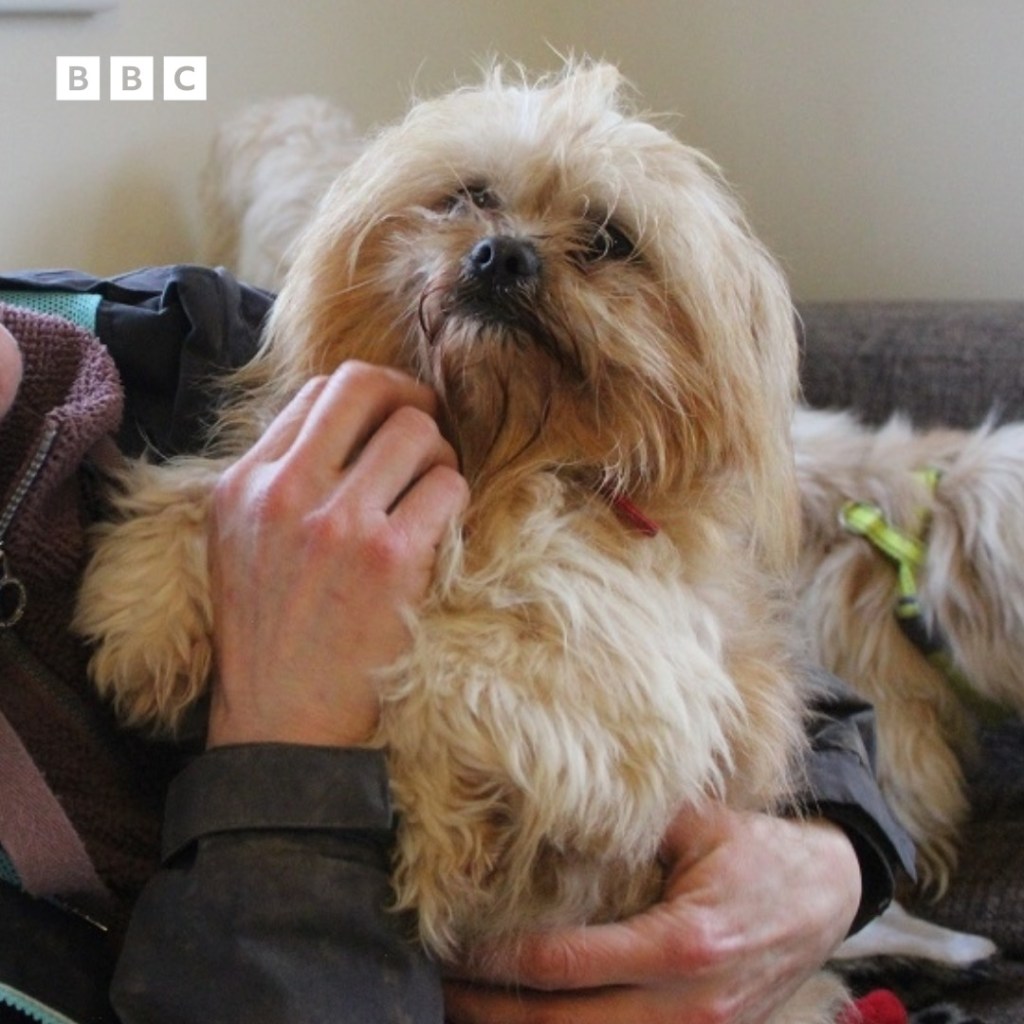
This is Chips. He’s one of 96 Shih-Tzus that were removed from a home in Torquay which was breeding dogs in poor conditions. Image Credit: BBC.

The charity has launched an appeal to find loving owners for the original 96 of the breed, along with around 50 puppies that have been born since.

According to its spokesperson Sammy Howard, the RSPCA discovered the dogs as a result of a noise complaint by a resident nearby.

Nearly 150 dogs need caring owners

Although 96 pups were rescued and taken to different RSPCA branches for rehabilitation, there are now around 150 of them as many were pregnant at that time.

The Cornwall branch alone is now looking to re-home 13 of them. According to the staff, many pets came to the shelter fearful as a result of their difficult start to life, so new owners must be patient and support the dogs as they go through training and socialisation.

Matted with faeces, flea-infested, urine stained and terrified, this is the result of over-breeding. Image Credit: RSPCA Cornwall Branch.

Sammy added:

They have had a difficult start to life and will not just slot into a home, and be grateful that someone took them on.

According to her, the dogs will be terrified and may take months before they start trusting people’, which is a ‘hard sell’ when asking for someone to welcome a dog into their home.

But the charity assures they ‘won’t give up hope that there are people out there for these dogs.’

Potential adopters can apply here.

Charities Struggling To Raise Funds In “Animal Welfare Time Bomb”

Animal welfare charities are facing “significant” financial problems in the Covid-19 crisis due to falling donations, the closure of charity shops to protect volunteers, and the cancellation of fund raising events.

There has already been a rise in cancellations of charity donations by direct debit across the UK. The current cost of living crisis has affected rescue charities twofold. Donations have dropped significantly However, the need to help animals in need has increased DRAMATICALLY.

Many people who bought pets during the covid lockdown have handed them into rescue centres because they can no longer (or don’t want to) look after. The cost of living crisis means many people cannot afford the cost of keeping their pets.

To make matters worse, the pandemic struck at a bad time. When Lucy’s Law came into effect in England, many puppy farmers abandoned the ‘trade’ – a victory for animal welfare. However, this led to an increase in breeding dogs dumped to fend for themselves with no regard for their welfare – just as the charities looking after them struggle to raise enough funds to function.

Like many animal welfare charities, we are struggling after lockdown. Covid restrictions and the cost of living crisis has resulted in very little funding coming in. This has dramatically affected our ability to help charities who are really struggling at the moment.

Please help us help other by donating ANY amount, large or small, at the link below. EVERY penny counts at these desperate times.

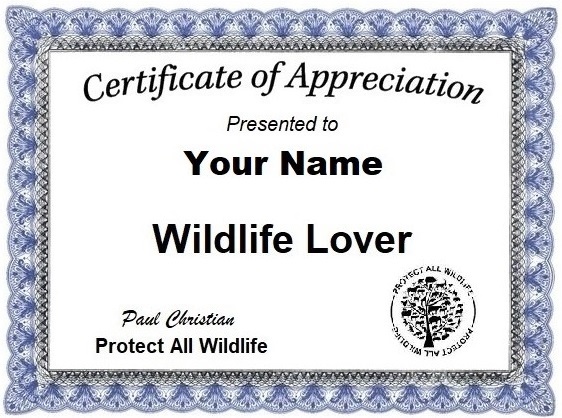
Everyone who donates will receive a Certificate of Appreciation as a thank you for helping animals in need.

Certificate of Appreciation

R.I.P. Frodo, The Last Surviving Dog Rescued From Michael Vick’s Dogfighting Ring.

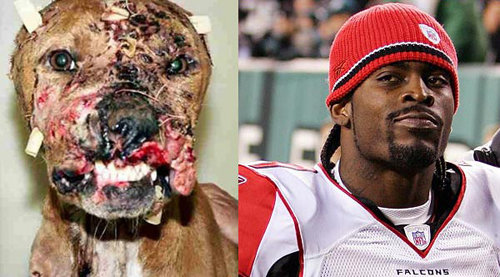
ANIMAL ABUSER MICHAEL VICK AND FRODO

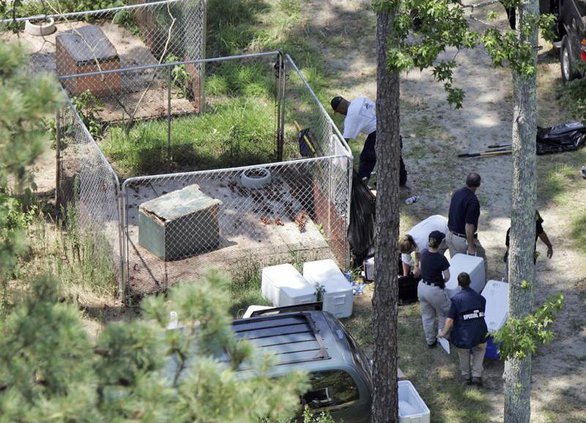
In 2007, authorities rescued 51 Pit Bulls from a Virginia compound belonging to Atlanta Falcons quarterback Michael Vick. These dogs endured horrible torture. They were electrocuted, beaten, hanged, drowned, and forced to fight.

DOGS BEING RESCUED FROM VICK’S PROPERTY

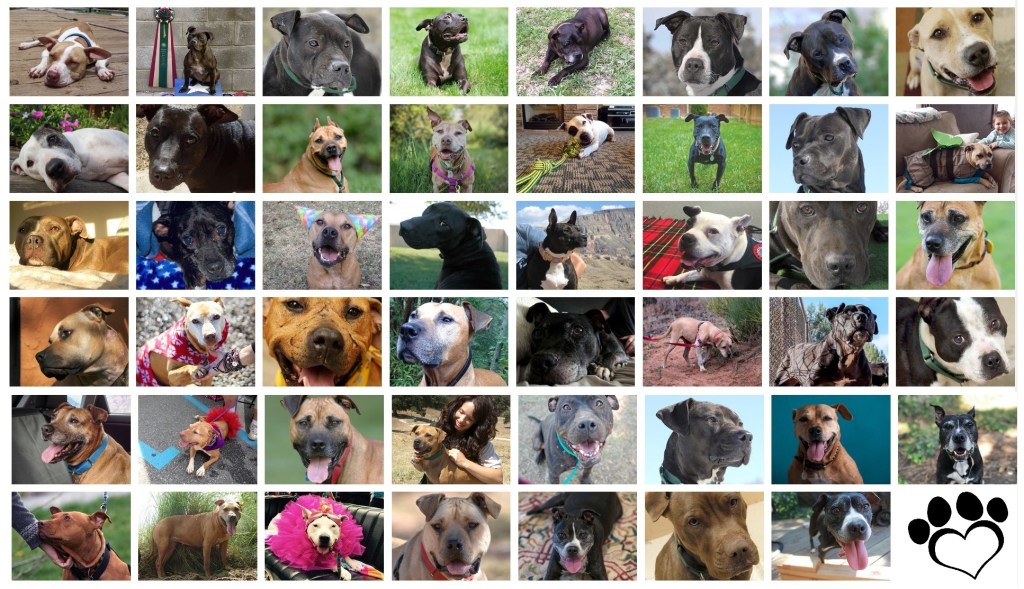
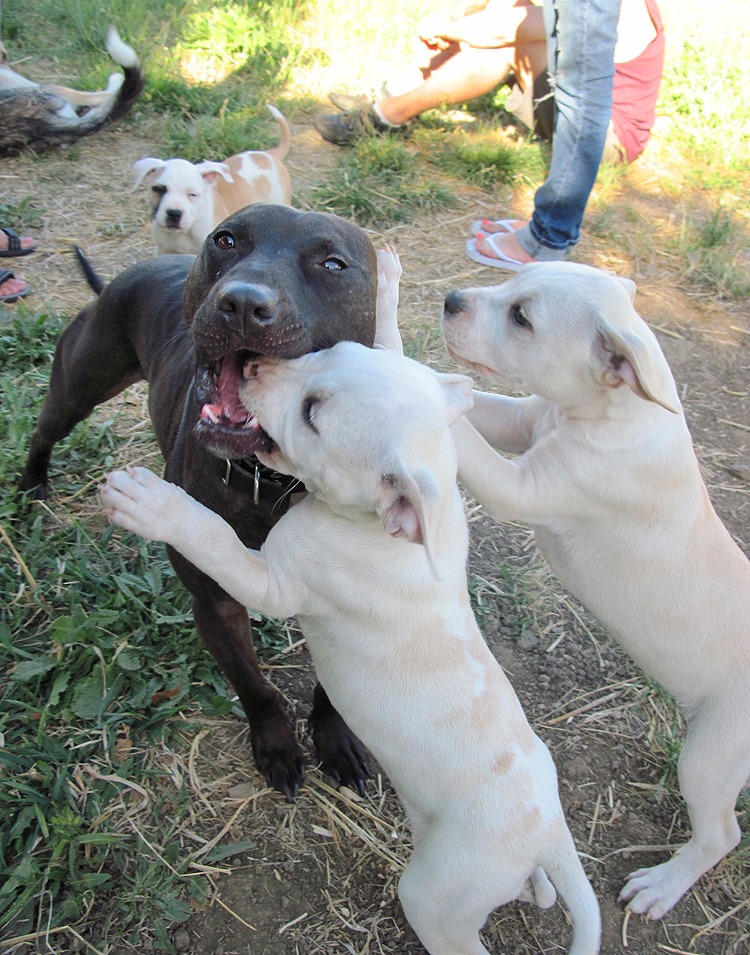
Sadly, four of the dogs did not survive, but 47 brave Pitties did. These frightened, formerly abused dogs were given love and patience by several rescue organizations and their forever families.

THE 47 SURVIVING DOGS OF THE DOG-FIGHTING RING

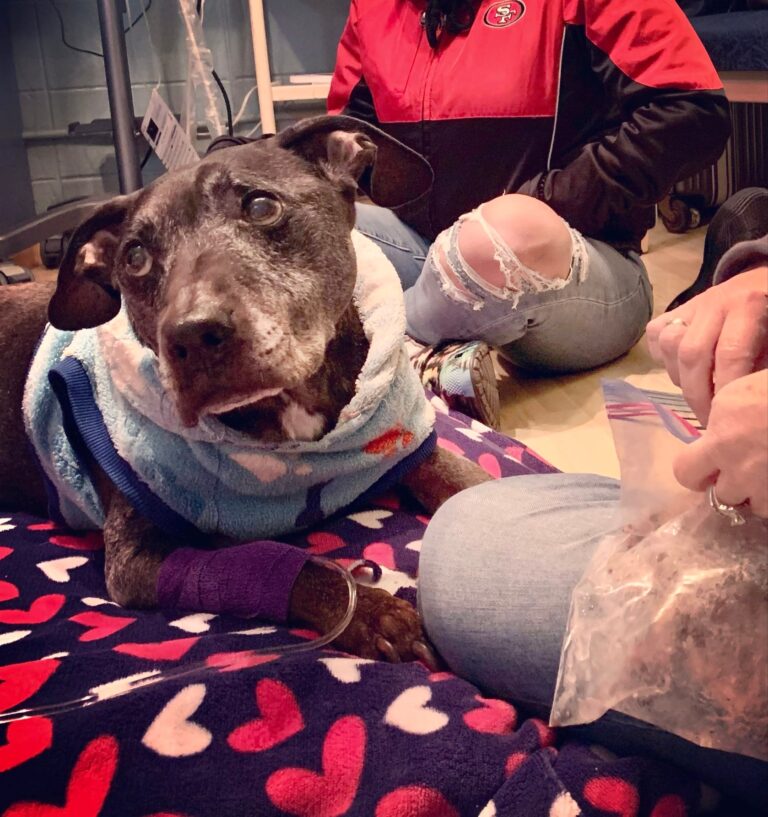
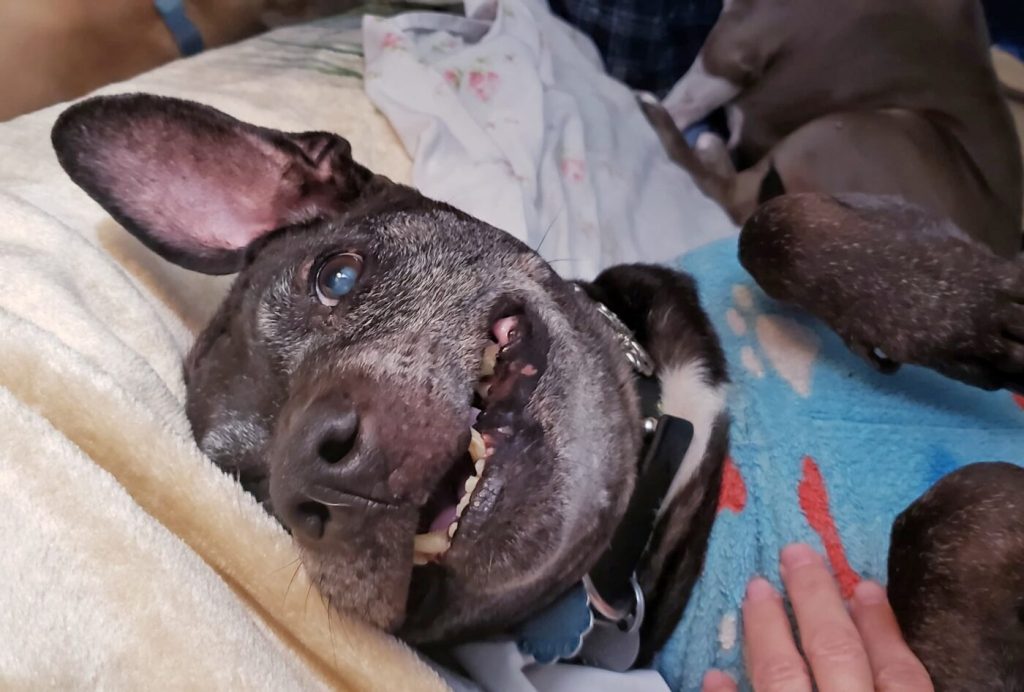
One of these survivors, Frodo, lived to be 15 years old. He died on December 18th, 2021. After one year of hell at Vick’s compound, he spent the last 14 years being “pampered like a prince.”

R.I.P. “Sweet” Frodo

BAD RAP, an Oakland-based nonprofit animal welfare organization, announced the dog’s passing on Facebook. This organization helped immensely in advocating for the dogs and rehabilitating them.

The post from BAD RAP mourning Frodo’s loss states:

“Sweet Frodo – How we loved him. He was one of the bravest survivors we’ve ever met.”

FRODO

Frodo had a good life with his loving family, and he also went out surrounded by love. BAD RAP described the dog’s final moments:

“Frodo gobbled that big bag of steak under the tears of his mama, Kim Ramirez and her daughter Dominique. Thank you Dr. Williams for tending to his medical needs up until the end. He trusted you and you made this moment so perfect.”

The Story Of Frodo’s Recovery

Throughout his life, Frodo served as a face of the movement to eliminate the negative stereotype against Pit Bulls. He also proved the value of patience and kindness in a dog’s life.

BAD RAP, who have plenty of experience working with dogs seized from fighting situations, believed in these dogs from the start. In a previous post, BAD RAP wrote that dogs with difficult pasts deserve a chance:

“Frodo showed us that younger dogs pulled from cruelty cases need socialization from Day one so they can grow up strong and brave. In his case, he was approx. 3-6mos old when seized by authorities, and then waited six long and damaging months in solitary confinement for rescue help.”

Poor Frodo was especially shy and fearful when rescued from his horrible situation. In a 2009 interview with The Mercury News, Kim Ramirez, Frodo’s adopter, explained:

“Anything mechanical, the sound bothers him. We have ceiling fans at our house and he would become fixated on them, looking up at them with apprehension. If I opened a cabinet, he would shy away. Or popcorn in the microwave. I don’t know, maybe the popcorn equates to gunshots for him. I don’t think he witnessed any of the fights. But I’m sure he heard them.”

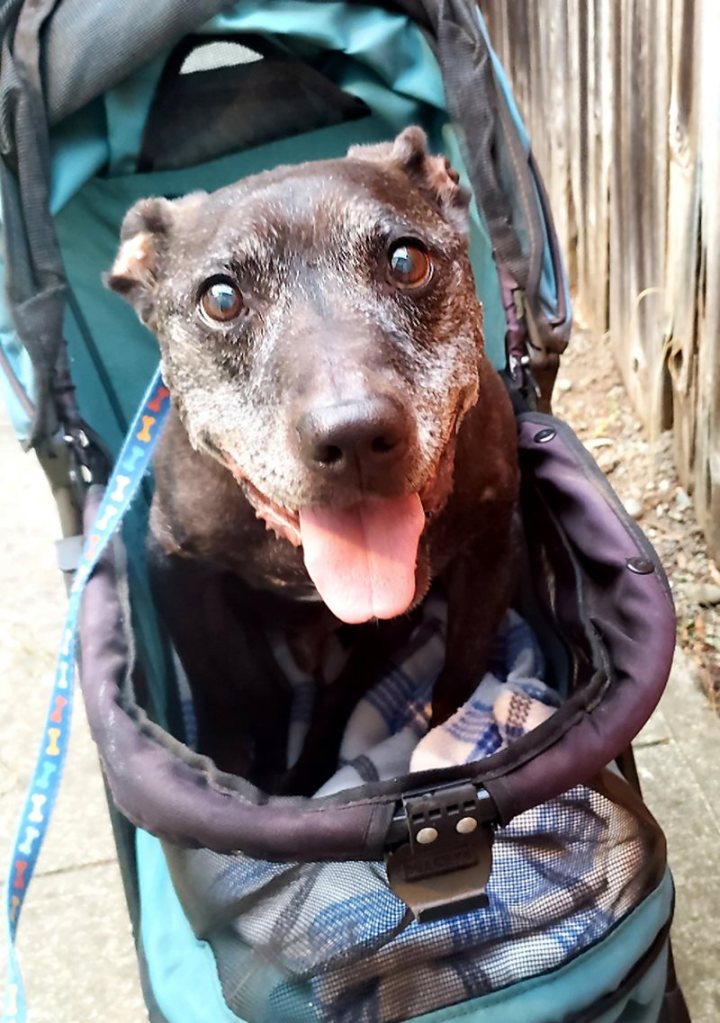
Luckily, Frodo had the Ramirez family, who showed him so much love and patience. The sweet dog’s family even pushed him around in a stroller when his legs started to fail him.

R.I.P. to a true survivor.

The 48 Surviving “Vick” Dogs And Their Heroes

In 2019, 13 dogs freed from Vick’s ring were still alive, 12 years later. Just two days before Frodo passed, Jonny Justice died surrounded by his family, and Uba crossed the rainbow bridge in October 2021.

These dogs were given the chances they deserved, and they all lived happy lives despite their pasts.

BAD RAP also acknowledged how hard several rescue groups worked to change these dogs’ lives for the better. While BAD RAP and Best Friends received most of the public appreciation, these organizations helped rehabilitate the Pitties too:

  • The Richmond Animal League
  • Georgia SPCA
  • SPCA of Monterey County
  • Out of the Pits
  • Our Pack
  • Recycled Love
  • Animal Rescue of Tidewater
  • Animal Farm Foundation

When animal advocates come together, great things can happen. These 48 “Vick” dogs prove that.

What happened to Michael Vick?

Vick served just 19 months in federal prison for bankrolling the dogfighting, even after admitting to killing dogs. Despite this injustice, the high-profile case helped change the way the world sees Pit Bulls and how abused dogs can be rehabilitated.

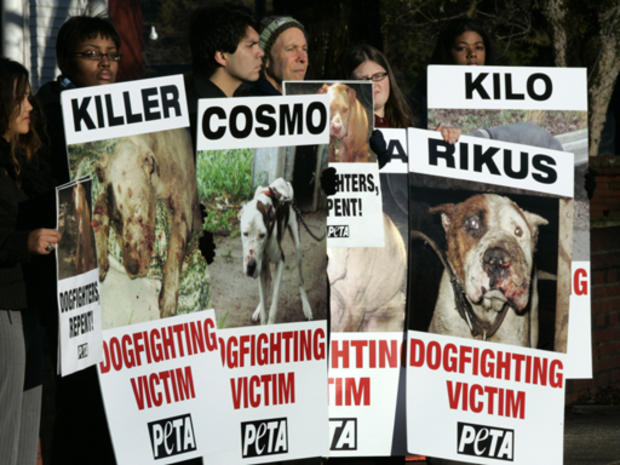
Protesters at the Michael Vick hearing outside the Sussex County Courthouse in Sussex, Va.
What you can do to help animals in need:
Support ‘Protect All Wildlife’ by donating as little as £1 – It only takes a minute but it can last a lifetime for an animal in need.

We believe EVERY animal should be treated with respect, empathy, and understanding. We raise awareness to protect and conserve wild, captive, companion and farm animals. It is vital that we protect animals against acts of cruelty, abuse, and neglect by enforcing established animal welfare laws and, when necessary, take action to ensure that those who abuse animals are brought to justice.

Protect All Wildlife are involved in many projects to protect animals’ rights, welfare, and habitats. Money contributed to Protect All Wildlife supports ALL of our worthy programmes and gives us the flexibility to respond to emerging needs. Your donations make our work possible. Thank you for your support.
Everyone who donates will receive a Certificate of Appreciation as a thank you for supporting wildlife.

CERTIFICATE OF APPRECIATION

Drought Forces Zimbabwe To Relocate 2,500 Wild Animals To New Reserves

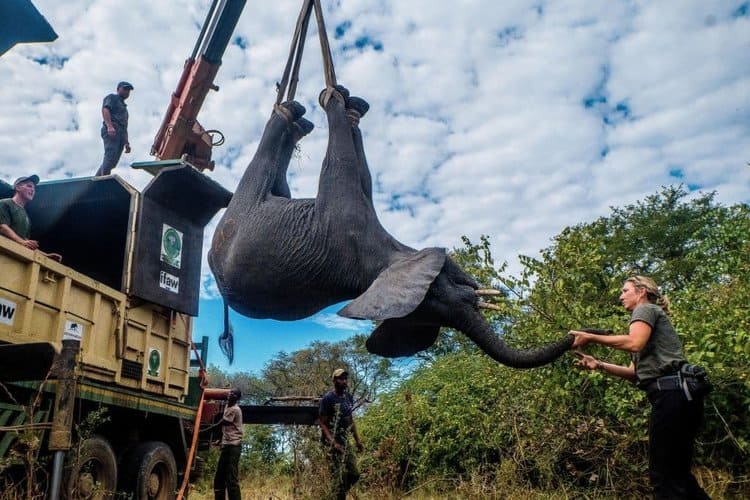
The effects of climate change are outpacing poaching as the No. 1 threat to wildlife. In Zimbabwe, officials are now moving more than 2,500 wild animals from a reserve in the southern part of the country further north due to an ongoing drought. Rangers are relying on trucks, cranes and even helicopters to move the animals from the drought-stricken area.

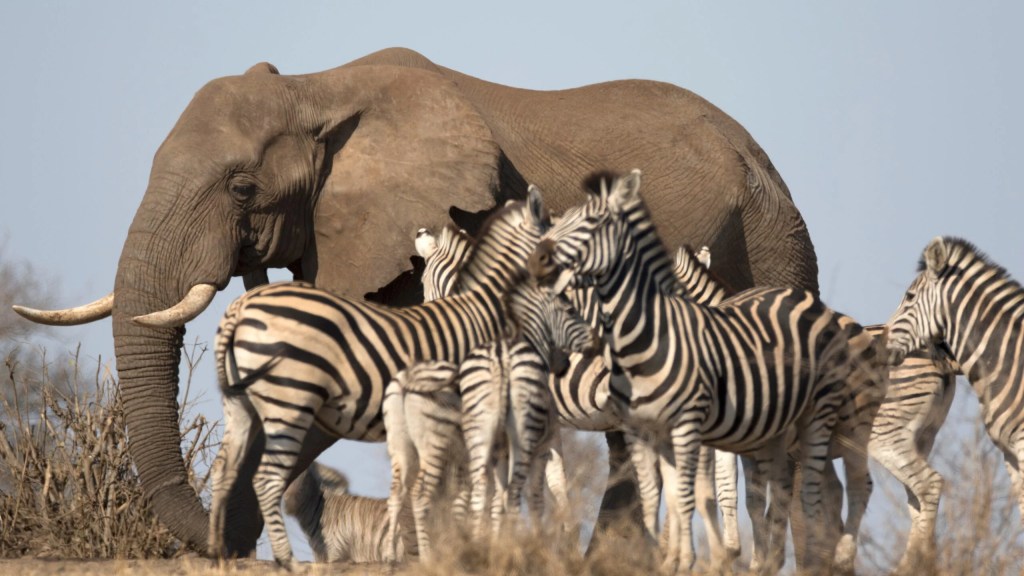
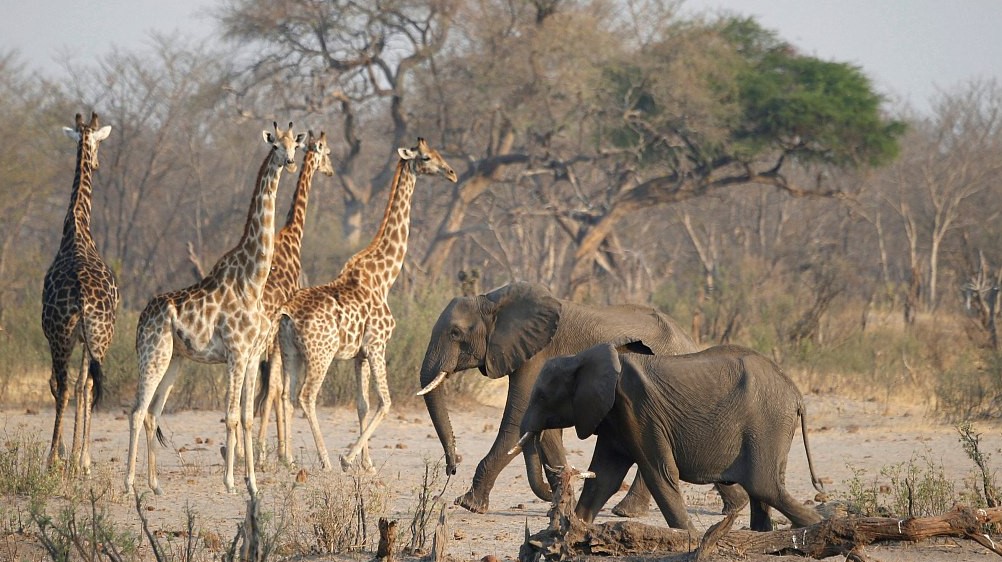
“Project Rewild Zambezi,” the operation has been dubbed, involves moving animals to the Zambezi River valley, which will also help improve wildlife populations in that area. It is one of the largest live animal relocation projects in southern Africa, with more than 2,000 impalas, 400 elephants, 70 giraffes, 50 each of buffalo, wildebeest, zebras, and elands, 10 lions and 10 wild dogs, among other animals, being moved north.

The animals are being relocated from the Save Valley Conservancy to the Sapi, Matusadonha and Chizarira conservancies in the north. According to officials, the project is necessary to avoid a crisis.

“We are doing this to relieve pressure. For years we have fought poaching and just as we are winning that war, climate change has emerged as the biggest threat to our wildlife,” Tinashe Farawo, spokesperson for the Zimbabwe National Parks and Wildlife Management Authority, told The Associated Press. “Many of our parks are becoming overpopulated and there is little water or food. The animals end up destroying their own habitat, they become a danger unto themselves and they encroach neighboring human settlements for food resulting in incessant conflict.”

One other option was to cull some of the animals to reduce competition for resources among the wildlife, but Zimbabwe has not had a culling since 1987. Conservationists argue that culling is a cruel and unnecessary solution.

The “Project Rewild Zambezi” is one of the largest in Zimbabwe. The country’s last mass relocation of wildlife occurred from 1958 to 1964, as hydro-dam construction led to rising water that ultimately created Lake Kariba. More than 5,000 animals had to be relocated at the time.

Drought is becoming an increasing threat in Zimbabwe and across Africa, reducing food and water available for wildlife, including vulnerable rhinos and giraffes. But hunting and poaching have also taken their toll. In Sapi Reserve, a UNESCO site, wildlife populations quickly declined from the 1950s until 2017, when it was taken over by the non-profit Great Plains Foundation. Relocating animals from areas affected by drought will also help in the foundation’s efforts to rewild and restore populations in Sapi Reserve.

What you can do to help wildlife:

Support ‘Protect All Wildlife’ by donating as little as £1 – It only takes a minute but it can last a lifetime for an animal in need.

We believe EVERY animal should be treated with respect, empathy, and understanding. We raise awareness to protect and conserve wild, captive, companion and farm animals. It is vital that we protect animals against acts of cruelty, abuse, and neglect by enforcing established animal welfare laws and, when necessary, take action to ensure that those who abuse animals are brought to justice.

Protect All Wildlife are involved in many projects to protect animals’ rights, welfare, and habitats. Money contributed to Protect All Wildlife supports ALL of our worthy programmes and gives us the flexibility to respond to emerging needs. Your donations make our work possible. Thank you for your support.
Everyone who donates will receive a Certificate of Appreciation as a thank you for supporting wildlife.

CERTIFICATE OF APPRECIATION

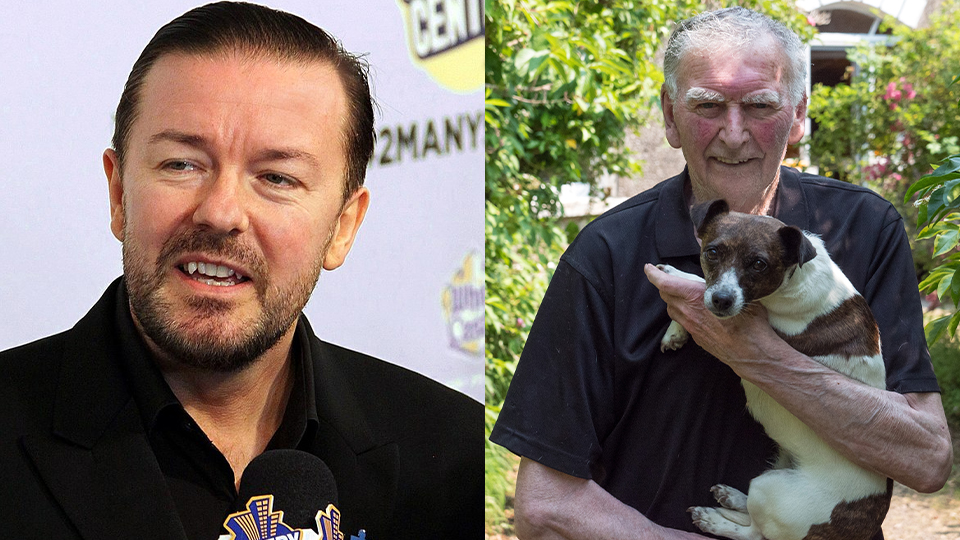
Ricky Gervais Speaks Out To Save Roscommon Ex-Garda’s Dog Kim From Being Put Down

RICKY GERVAIS GIVES HIS SUPPORT FOR DONAL AND KIM

The After Life creator took to Twitter to show his support for Donal Rogers and his dog Kim, calling the situation ‘sad and frustrating’ – his tweet has received masses of support.

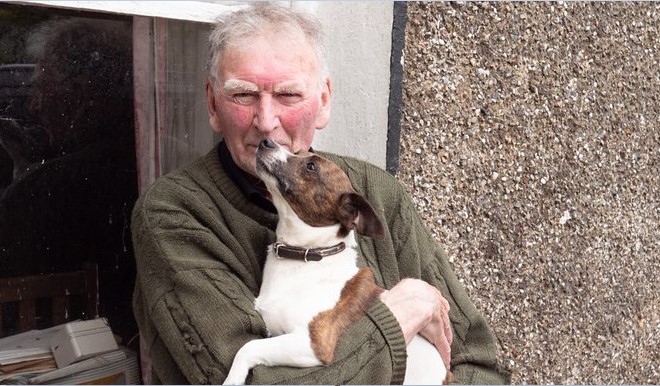
Ricky Gervais has become the latest person to join in the fight to save ex-Garda Donal Rodgers’ dog Kim.

The Jack Russell was ordered by a court to be put down after she reportedly bit a woman while walking on the Strokestown Famine Trail in Co Roscommon on March 6th.

However, the UK comedian has said that the order to put her down is “sad and frustrating”.

More than 600 people have donated €12,868 in a bid to help Roscommon’s Mr Rogers and his beloved pup – surpassing the fundraiser’s goal of €5,000.

Hundreds of thousands of people have also signed a Change.org petition to save the dog.

Retweeting a post about Donal and Kim that asked for “high public exposure”, Ricky Gervais wrote: “This is so sad and frustrating. Anyone out there know how this dog can be saved? #SaveKim”

Donal launched an appeal in the High Court to prevent Kim from being put down, but on July 28th, he withdrew the appeal after the court indicated to him “that there were other avenues to pursue.

“The battle is far from over, not even half over,” Donal told Gript.ie. “My supporters are fighting to keep Kim alive. I have wonderful support from all over the country.”

DONAL ROGERS AND HIS BELOVED JACK RUSSELL KIM

How to help Kim:

Donate at: Help Mr Rogers And Kim

Sign the petition at: https://www.change.org/p/save-kim

Ricky Gervais’ Canine Co-Star Antilly Enjoys Booming Career Following After Life Success

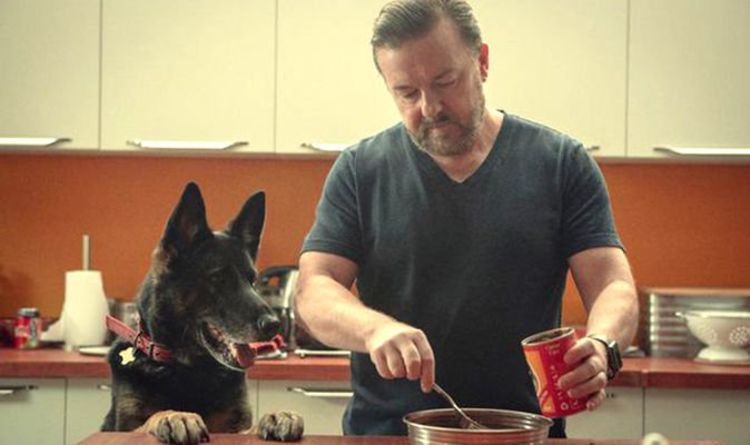
TONY AND BRANDY (RICKY GERVAIS AND ANTILLY)

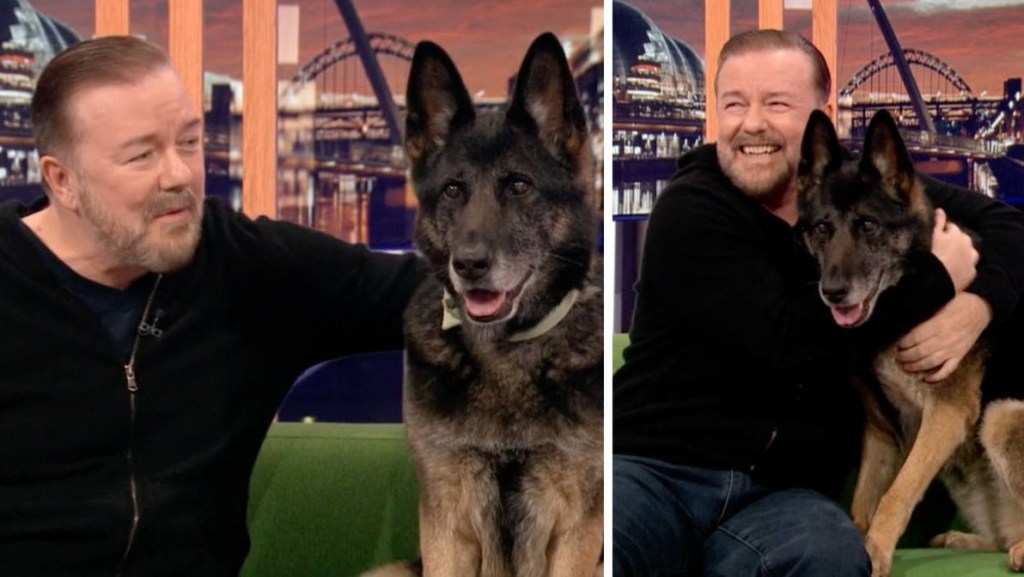
Antilly, the German Shepherd who shared the screen with comedian and actor Ricky Gervais in After Life, is adding plenty of screen credits to her CV since the show.

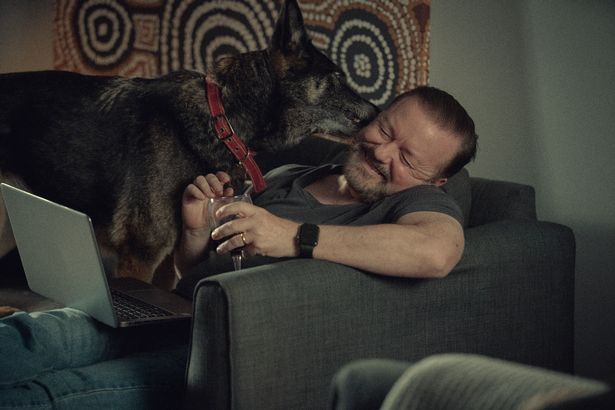
She won the hearts of TV viewers worldwide as Ricky Gervais’ loyal dog in Netflix smash After Life.

RICKY AND ANTILLY

And thanks to her role as Brandy, the pup who gives Ricky’s character Tony Johnson a reason to live after his wife’s death, Antilly’s career is booming.

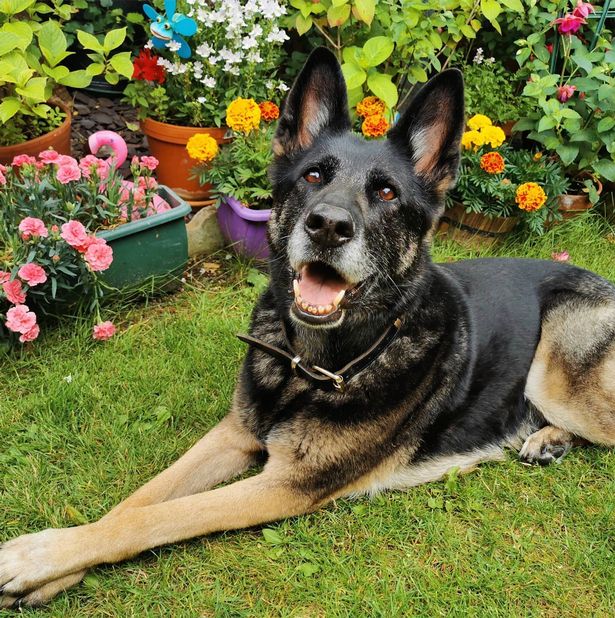
ANTILLY

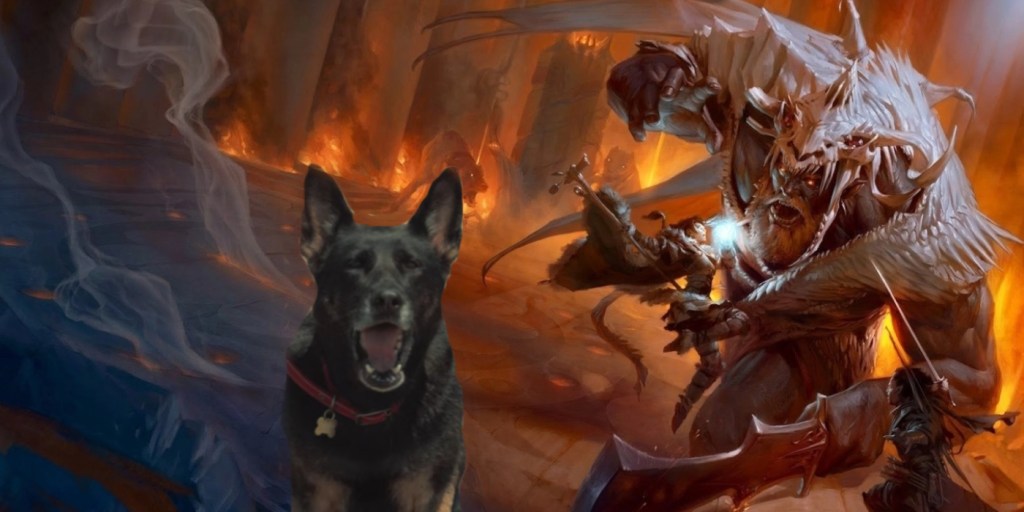
The German Shepherd has been to Belfast to shoot scenes with Hollywood stars Chris Pine and Michelle Rodriguez for a blockbuster Dungeons And Dragons film.

ANTILLY IN DUNGEONS AND DRAGONS

And she’s starring in upcoming BBC drama Sherwood with David Morrissey and Robert Glenister as well as Netflix spy series Treason with Charlie Cox and Olga Kurylenko.

Antilly has graced screens since she was a puppy, playing everything from Army hounds to police dogs.

She’s also worked with A-listers including Tom Cruise and George Clooney, who said she was the best-trained dog he’d seen.

Antilly’s owner Ashley Foster jokes: “They bring us over to do the serious acting.”

Ashley started as an animal trainer 10 years ago and worked on Batman flick The Dark Knight Rises with Antilly’s parents – he was one of villain Bane’s henchmen with the dogs playing attack hounds.

Antilly followed in her parents’ pawprints and signed with Stunt Dogs & Animals. The company was working on a film with Michael Fassbender and wanted a police dog to bite him – one of Antilly’s many skills.

ANTILLY’S DAD ASHLEY

Using protective sleeves, Ashley, 34, safely directs the clever canine where to bite. He says: “She’s very controlled. As soon as the director calls cut and I tell her to let go, she lets go straightaway.”

Antilly’s skills are so honed, she even managed to convince a scared stuntman on Martin Clunes’ series Doc Martin to do a dog bite scene.

ANTILLY CHASES DOC MARTIN (MARTIN CLUNES)

Ashley, from Bicester, Oxon, says: “He’d done one before, they’d used two ex-police dogs and they couldn’t get the dogs off him. I had to show how she works for him to agree to do it.”

The talented pooch, 10, has a wide range of tricks from shaking her head and limping on command to playing dead. All she needs is the reward of a sausage and Ashley stands off-camera, tempting her with his telescopic bait stick.

(OUTTAKE) ANTILLY AND RICKY ON THE SET OF AFTERLIFE

“She’ll lie there, completely still,” he says. “People could be crying and wailing over her and she won’t move. Every time she does something she will get paid with a sausage.”

Ashley often appears alongside Antilly and after receiving the script, they do lots of prep work to make sure she is happy.

PREPARED FOR AN AFTERLIFE SCENE

Ashley adds: “For After Life there wasn’t really much to prepare for. It was straightforward.”

When they’re not filming scenes, he uses the time to work on training.

He also brings other dogs with him to train, including German Shepherd pup Pen, who has already worked as a police dog in TV shows and will eventually take over from Antilly.

For now, though, she is continuing her film work. Ashley says: “She’s still super fit, healthy and happy and loves to work.”

Ashley and Antilly are backing a new challenge from charity Street Paws, encouraging Brits to walk 274,000 steps in April for every homeless person in England.

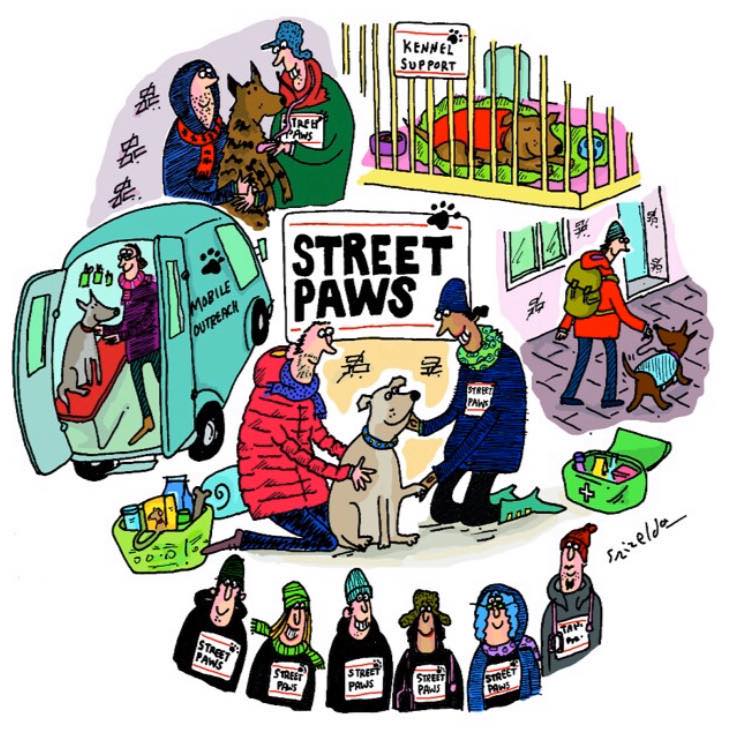
Founded in Newcastle in 2016, Street Paws provides free accessible vet care and support services to homeless people and their pets.

STREET PAWS

Ashley says: “The work they do can save people. I’ve known people who are struggling to find housing and have got a dog and are really worried about not being able to find somewhere to live with them.”

What you can do to help rescue animals:
Support ‘Protect All Wildlife’ by donating as little as £1 – It only takes a minute but it can last a lifetime for an animal in need.

We believe EVERY animal should be treated with respect, empathy, and understanding. We raise awareness to protect and conserve wild, captive, companion and farm animals. It is vital that we protect animals against acts of cruelty, abuse, and neglect by enforcing established animal welfare laws and, when necessary, take action to ensure that those who abuse animals are brought to justice.

Protect All Wildlife are involved in many projects to protect animals’ rights, welfare, and habitats. Money contributed to Protect All Wildlife supports ALL of our worthy programmes and gives us the flexibility to respond to emerging needs. Your donations make our work possible. Thank you for your support.
Everyone who donates will receive a Certificate of Appreciation as a thank you for supporting wildlife.

CERTIFICATE OF APPRECIATION

🌈 A Man And A Dog And Heaven

A man and his dog were walking along a road. The man was enjoying the scenery, when it suddenly occurred to him that he was dead.

A Man And A Dog And Heaven

He remembered dying, and that the dog walking beside him had been dead for years. He wondered where the road was leading them.

After a while, they came to a high, white stone wall along one side of the road. It looked like fine marble. At the top of a long hill, it was broken by a tall arch that glowed in the sunlight.

When he was standing before it he saw a magnificent gate in the arch that looked like mother-of-pearl, and the street that led to the gate looked like pure gold. He and the dog walked toward the gate, and as he got closer, he saw a man at a desk to one side.

When he was close enough, he called out, ‘Excuse me, where are we?’

‘This is Heaven, sir,’ the man answered.

Would you happen to have some water?’ the man asked.

Of course, sir. Come right in, and I’ll have some ice water brought right up’.

The man gestured, and the gate began to open.

‘Can my friend,’ gesturing toward his dog, ‘come in, too?’ the traveler asked.

‘I’m sorry, sir, but we don’t accept pets.’

The man thought a moment and then turned back toward the road and continued the way he had been going with his dog.

After another long walk, and at the top of another long hill, he came to a dirt road leading through a farm gate that looked as if it had never been closed. There was no fence. As he approached the gate, he saw a man inside, leaning against a tree and reading a book.

‘Excuse me!’ he called to the man. ‘Do you have any water?’

‘Yeah, sure, there’s a pump over there, come on in..’

‘How about my friend here?’ the traveller gestured to the dog.

There should be a bowl by the pump.’

They went through the gate, and sure enough, there was an old-fashioned hand pump with a bowl beside it.

The traveller filled the water bowl and took a long drink himself, then he gave some to the dog.

When they were full, he and the dog walked back toward the man who was standing by the tree.

‘What do you call this place?’ the traveler asked.

This is Heaven,’ he answered.

‘Well, that’s confusing,’ the traveler said. ‘The man down the road said that was Heaven, too.’

‘Oh, you mean the place with the gold street and pearly gates? Nope. That’s hell.’

‘Doesn’t it make you mad for them to use your name like that?’

‘No, we’re just happy that they screen out the folks who would leave their best friends behind!!

Author Unknown

What you can do to help animals in need:

Support ‘Protect All Wildlife’ by donating as little as £1 – It only takes a minute but it can last a lifetime for an animal in need. Thank you.

We believe EVERY animal should be treated with respect, empathy, and understanding. We raise awareness to protect and conserve wild, captive, companion and farm animals. It is vital that we protect animals against acts of cruelty, abuse, and neglect by enforcing established animal welfare laws and, when necessary, take action to ensure that those who abuse animals are brought to justice.

Protect All Wildlife are involved in many projects to protect animals’ rights, welfare, and habitats. Money contributed to Protect All Wildlife supports ALL of our worthy programmes and gives us the flexibility to respond to emerging needs. Your donations make our work possible. Thank you for your support.
Everyone who donates will receive a Certificate of Appreciation as a thank you for supporting wildlife.

CERTIFICATE OF APPRECIATION

Go back

Your message has been sent

Warning
Warning
Warning
Warning
Warning
Warning.