Four Lions Rescued From War-Torn Ukraine Starting New Life At Yorkshire Wildlife Park

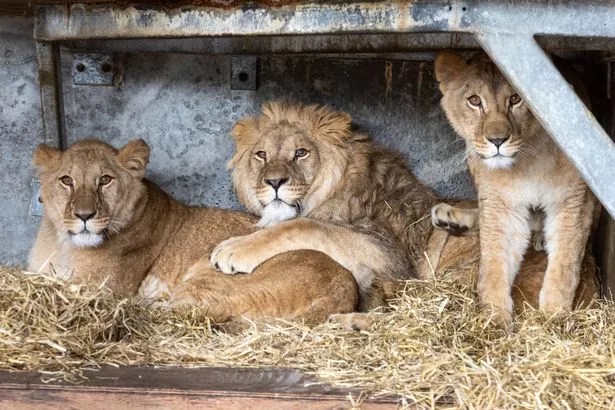
Santa, Teddi and Emi are pictured in their new enclosure at Yorkshire Wildlife Park. Credit: Yorkshire Wildlife Park.

Three-year-old Aysa and her three cubs have arrived at their new Yorkshire home after travelling 2,000 miles. The animals spent nine months confined without seeing the sky before being driven from Poznan, Poland, to establish their new residence.

Emi, Santa, and Teddi, the Lion cubs, saw grass, trees, and birds for the first time since their mum Aysa managed to evade Russian Bombs in Donetsk a year ago.

Teddi, Emi and Santa were often distressed when seen at their temporary home in Poland. Credit: Yorkshire Wildlife Park.

The cubs have little experience of the outside world, the park said, after being held in small indoor enclosures.

Bex Brown, 34, head of the carnivore section at Yorkshire Wildlife Park, was thrilled by the sight. She shared: “It’s incredible. This is what dreams are made of. As a child all you want is to help animals and now I’m part of this wonderful rescue.”

Teddi was the first to venture out of his box into a tunnel which leads to a holding area while Colin Northcott, the deputy head of carnivores, used the Polish word for ‘come’ to encourage him to move. Unsurprisingly, Teddi didn’t hesitate and ran straight into the pen where he kept low in the straw.

 Lion cub Teddi is released from his crate into his new enclosure at The Yorkshire Wildlife Park.

Emi and Santa took longer to join, requiring about five and twenty minutes respectively. Initially, they were seen staying close together but soon began interacting playfully with logs within the cage.

Aysa, who was settled in an adjacent cage, appeared the calmest among all, instantly settling into her space, moving towards the front of the enclosure and appearing intrigued by the sky above. She also took notice of all the rangers around, seeming to recognise Colin specifically.

But they had to be split up when Aysa got upset with one of them in their small space. The cubs and their mum lived next to each other in little concrete pens. They might not have run around freely before.

Yorkshire Wildlife Park worked hard for seven months to bring them to the UK. They arrived in Yorkshire at night, but it was too dark to let them out. So they saw their new home when the sun came up on Thursday. The park rangers really like the four new Lions.

Asha was all alone and didn’t have enough food during the war until she was rescued. She had her babies in October 2022.

Lioness Aysa was pregnant with her cubs when she was abandoned at a private zoo in Ukraine. Credit: Yorkshire Wildlife Park.

Colin, watching them get used to their new place, said: “I’m over the moon, overjoyed they are finally here. And I am totally amazed at how quickly they’ve settled in. The cubs were playing with the logs together within minutes of being reunited.

“Now I can’t wait until they are settled enough to run around, walk on the grass and smell the fresh air. It’s overwhelming to finally have them here with us and the public are going to love them. This is a massive new world for them and it’s going to be really scary at first.

“Even the language they hear will be different. I’m trying to learn a few words in Polish to make them feel more at home. But I can’t wait for them now to run around playing, walking on grass for the first time, seeing the water and the sky. It will be incredible.

“Poznan Zoo did an amazing thing rescuing them and they looked after them really well, they look so healthy and fit. But it pulled at my heartstrings seeing them unable to enjoy the fresh air and the outside world.

“The rangers over there were also really keen for them to get more space. It’s like she’s been here for years! She is such a sweetheart. Of the cubs, Santa is the largest and most dominant.

“I’m really happy with their condition and how calm they seem. I didn’t expect that at all. When I saw them in Poznan they were terrified.”

In Poznan, the traumatised cubs would hiss at strangers. They could hear their mum calling as she paced in the pen next door but couldn’t see her.

In Yorkshire they will soon be reunited as their holding pens are separated by a panel that can be removed to reveal a mesh barrier. The rangers have a plan to eventually release the lions into an eight-acre enclosure filled with waterfalls and caves. Cheryl Willams, 61, co-founded Yorkshire Wildlife Park in 2008, along with her husband Nev, business partner John Minion and his father Stephen Minion.

They wanted to create a zoo that was a “guilt-free” experience. The park, located at Auckley, near Doncaster, has been very successful and is well-known for its work in animal conservation. This will be The Pride of Yorkshire 2 as they carried out the biggest ever rescue of Lions in 2010 when they flew 13 lions from terrible conditions in a Romanian zoo.

The original Lion Country at the Yorkshire Wildlife Park.

Now, only two of those rescued Lions remain, Crystal and Carla, who are both 17 years old. Cheryl and John said the rescue was funded by the public and they said it was important their ‘Lion Country’ remained for animal welfare use.

“It’s remarkable how calm they are,” she said. “They are just sat there looking at us, at the moment. They seem fascinated by their surroundings. I think people are going to absolutely love the Lions because people love a happy ending like this.

“And people also love characters and you can see already how they are all so different. I really can’t wait for people to be able to see them in a few weeks time.”

WHAT YOU CAN DO TO HELP WILDLIFE

You can support ‘Protect All Wildlife’ many projects by donating as little as £5 – It only takes a minute but it can last a lifetime for an animal in need. Please donate below.

Donate Here: Please Help Animals In Need

Everyone who donates will receive a Certificate of Appreciation as a thank you for helping animals in need.

The Mission of Protect All Wildlife is to prevent cruelty and promote the welfare of ALL animals.

We believe EVERY animal should be treated with respect, empathy, and understanding. We raise awareness to protect and conserve wild, captive, companion and farm animals.

It is vital that we protect animals against acts of cruelty, abuse, and neglect by enforcing established animal welfare laws and, when necessary, take action to ensure that those who abuse animals are brought to justice.

Protect All Wildlife are involved in many projects to protect animals’ rights, welfare, and habitats. Money contributed to Protect All Wildlife supports ALL of our worthy programmes and gives us the flexibility to respond to emerging needs. Your donations make our work possible.
Donate Here: Please Help Animals In Need

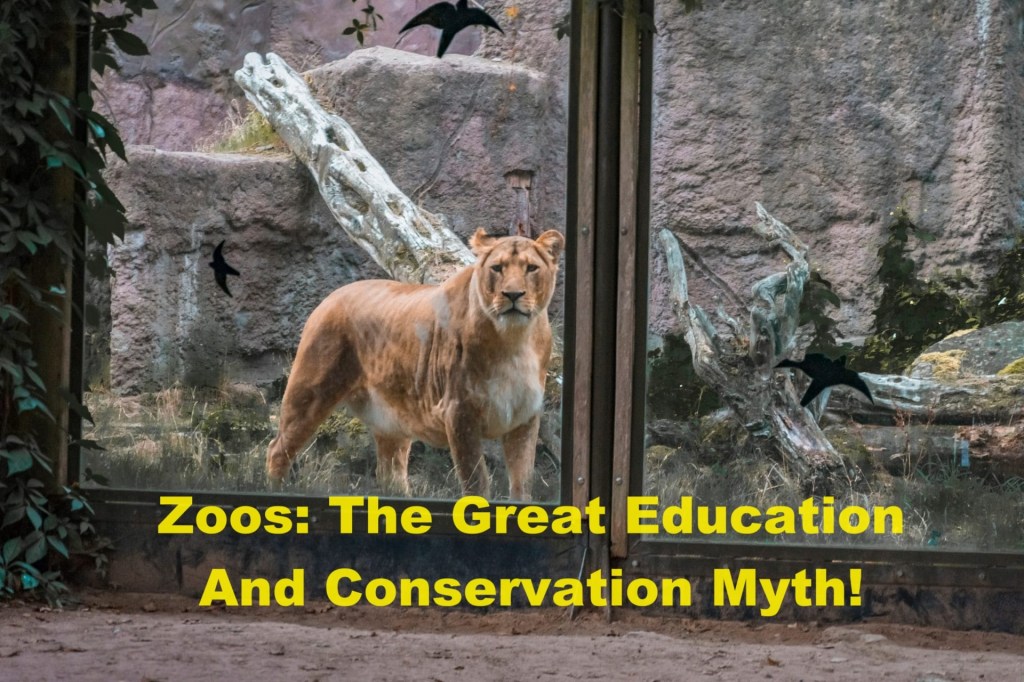
Zoos: The Great Education And Conservation Myth

Zoos: the great education and conservation myth!

Here, Andy Davidson lists the hard-hitting facts, revealing what zoos really spend their money on, and how you’re better off spending yours elsewhere if you care about conservation. 

If you’re planning to a visit a zoo this weekend, ask yourself this question. How much of your ticket fee is being used for conservation? Let’s say you pay £15 for your ticket. You may be surprised to hear that the answer is as little as 45p to £1. 

Zoo expenditure is vastly different to the expenditure of conservation organisations based in the wild. For example, Chester Zoo spent £40 million on the construction of ‘the islands’, an expansion of more enclosures to the zoo site. Other Western zoos over a ten-year period have spent £400 million on updating enclosures for a mere 200 elephants. 

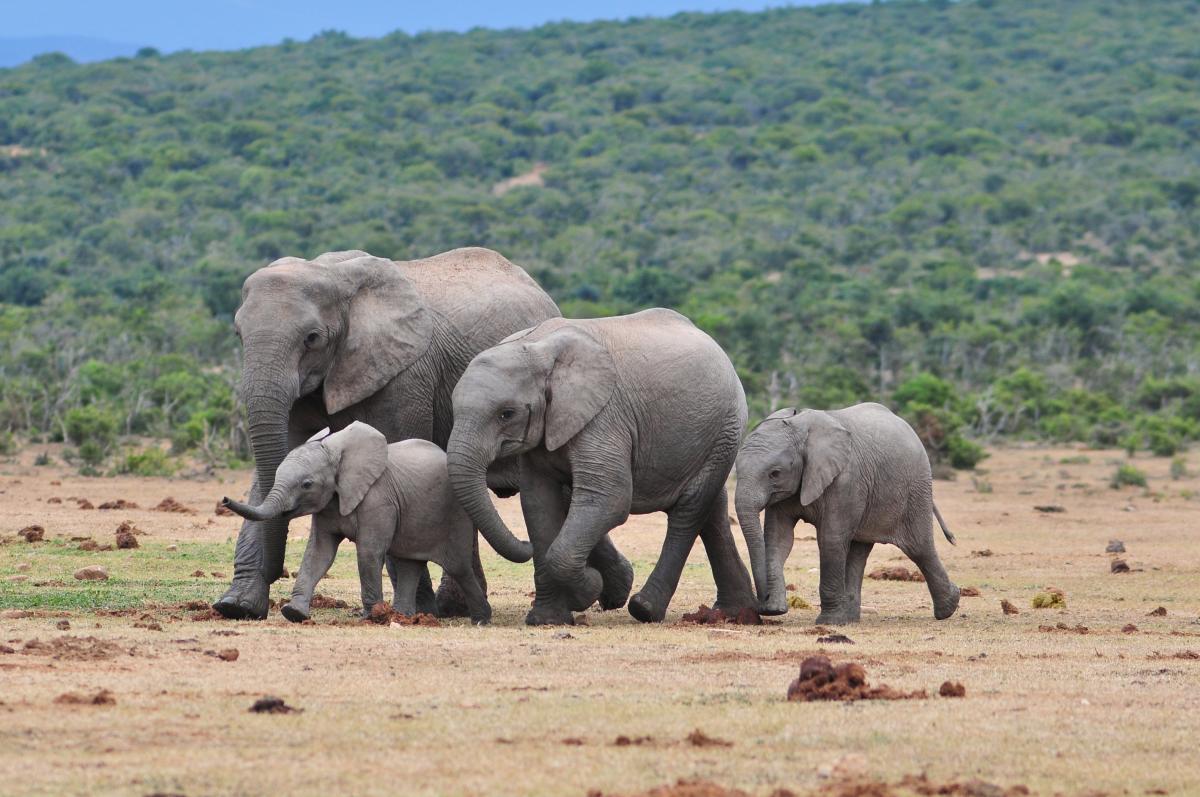
family of elephants in the wild

The Kenya Wildlife Service (KWS) and South African National Parks are conservation organisations that protect animals in their natural habitats.  KWS has an annual budget of £13-14 million with which they protect 2.6 million hectares of that country’s National Parks. On that land are 33,000 Elephants, 2200 Lions and many vitally important habitats that are home to thousands of species of both plant and animal. The annual budget for the South African National Parks is £58 million and this consists of 19 national parks which make up 6% of the total land of South Africa. Just one of these parks houses 600 elephants. 

The money used by Western zoos to update elephant enclosures for 200 Elephants could have kept Kenya Wildlife Service going for 14 to 15 years.

Sound shocking? It is. That’s why the chief consultant to the UN Great Ape Survival Project said he was uneasy at the mismatch between lavish spending at zoos and the scarcity of resources available for conserving threatened species in the wild. 

Where Is Your Money Going? 

Since the 1800s, the zoo has not fundamentally changed. Well known and entertaining animals such as Elephants, Chimps and Giraffes are front and centre and baby animals give zoos a boost in visitors.

The main driver for zoos is boosting public visitation, a goal that has far reaching implications into all zoo management decisions. Conservation, research and education are not their primary goals, making it impossible to term zoos as research or education organisations. In fact, zoos are places of entertainment, where animal welfare is governed by financial feasibility and entertainment value.  

90% of species encaged by European zoos are not threatened from extinction. Over 90% of zoo animals are born in captivity.  These animals are then paired across zoos to ensure genetic diversity. Gender cannot be predicted and genes are sometimes over represented leading to what the zoos call a ‘surplus of animals’. 3000-5000 of these animals in European zoos are killed each year. On the 8th of February 2014, Copenhagen Zoo (in)famously killed Marius, a healthy 18-month-old male Giraffe.

Afterward, zoo officials performed a three-hour-long demonstration of how to butcher a giraffe before a large crowd of visitors, including many children. The meat was then fed to the zoo’s four Lions. The four Lions, including two young Lions, were killed to make way for a new male. The Giraffe was killed because she could not produce anymore young.

Marius, a healthy male Giraffe, lies dead after he was euthanized at Copenhagen Zoo. Visitors, including children, were invited to watch while the he was dissected. Photo: Peter Hove Olesen.

Even for threatened species such as Pandas, breeding campaigns rarely work. 400 Pandas have been bred by zoos, yet only five have been released into the wild: three survived. It’s not hard to see that captive breeding is not feasible.  Animals not brought up in the wild are less likely to survive there if reintroduced.  For example, captive populations of Red Junglefowl (wild ancestors of chickens) differ significantly in response to predators after just a handful of generations in captivity.  And, a 2008 study by the University of Exeter found that the odds of animals such as Tigers and Wolves surviving freedom is only 33 percent. Animals in captivity do not usually have the natural behaviours needed for success in the wild.

But it’s not just endangered species that are being bred. A 2014 analysis of the European Endangered Species Breeding Programmes, conducted by the European Association of Zoos and Aquaria, showed that half of the animals being bred were not classed as endangered in the wild, while 25% were not threatened at all. In fact, all zoos only accommodate a tiny fraction of the 22,000 + species threatened with extinction.

With only 3% of budgets being spent on conversation projects, we can see why wildlife continues to disappear. Zoos show little interest in tackling the root causes of wildlife destruction. Species-rich habitats are being converted to pasture and feed crops as the human appetite for meat swells. Many of the places expected to see the greatest shift in land use from forest to livestock are in 15 ‘megadiverse’ countries, which harbour the largest number of species. As wildlife disappears, zoos ignore the problem. Instead, they contribute to it by feeding millions of customers meat. 

The Education Myth

Zoos rebranded in the 1970s as the public became informed to the suffering of zoo animals. UK legislation in the form of 1981 Zoo Licensing Act forced zoos to promote ‘public education and awareness in relation to conservation’. Advocates will say zoos inspire the next generation of conservationists.

This has been categorically debunked by a number of studies, while little information is required to meet the standards of legislation. A 2014 academic study in the Conservation Biology Journal surveyed 2800 children following visits to London Zoo. 62% of the 2800 children were deemed to show no change in learning or, worse, experienced negative learning during their trip to the zoo. It was concluded that the zoo’s impact on children’s belief in their ability to actively do something about conservation was ‘weak’.

In what way could this sad image of a Bear be considered educational?

Do children need to see the animals up close to learn about them?  Many children seem to have an encyclopedic knowledge about dinosaurs, far more so than Lions and Tigers. Perhaps the general public wish to see exotic animals up close as we attach closeness to care. But why, then, do they tap on the windows and show disappointment when the Lions are asleep? This is a misplaced, harmful interest, surely. 

A Lion Is Taunted By Zoo Visitors At Animal City In Lebanon

In reality there is nothing sufficient in the mainstream that educates the public about animals and their conservation. Zoos, school, television – they all fail in this respect. The evidence is very clear: the World Wildlife Fund report that the planet’s fish, bird, mammal and reptile populations plunged 52 per cent from 1970 to 2010.  That’s a stunning 52% of all fish, bird, mammal and reptile life lost in 40 years.

Human encroachment is destroying wildlife, but zoos do not consider that information entertaining and, as mentioned, entertainment is the only real driver of ticket sales. Paul Boyle, senior vice president for conservation and education at the Association of Zoos and Aquariums, says “People leave their homes, and the intent is not to save animals in Africa—it’s to have a family outing.”

The Imprisonment Of Animals

An Oxford University study based over four decades of observing animals in captivity and in the wild found that animals such as Polar Bears, Lions, Tigers, Cheetahs show the most evidence of stress and/or psychological dysfunction in captivity. In the same study, 80% of carnivores show abnormal repetitive behaviour. This is a major problem for zoos as these animals are the most popular with visitors.

There are approximately 3200 Tigers left in the wild. In the United States alone, there are over 5000 Tigers in captivity.  This is not the result of successful breeding programmes. These Tigers are being born in captivity and they die in captivity. They are the star attraction. It’s hard to imagine a zoo without a Tiger. One particular zoo in the US houses dozens of Tigers. They let visitors handle cubs and have their picture taken while talking up their conservation programmes, despite the fact that their average Tiger enclosure is about 18,000 times smaller than the animals’ natural roaming range. It is simply impossible for these poor Tigers to express instinctive behaviour.  

Tourists watch a Tiger cub play with a stuffed toy during a petting and photo opportunity at Myrtle Beach Safari. Photo Credit: Steve Winter, Nat Geo Image Collection.

In two extensive studies, it was found that the lifespan of Elephants is more than halved by living in zoos.  A government-funded study of Elephants in UK zoos found that 54% of the Elephants showed behavioural problems during the daytime. In 2016 18 African Elephants, a species designated as threatened within their natural habitats in Swaziland, were captured and transported to three zoos in the US to entertain the public there.

Despite the best intentions of zoo employees to create a happy environment for an animal, zoos are fundamentally unable to recreate the wild setting. Cheetahs cannot run at maximum speed, Elephants cannot walk hundreds of miles (except in circles), birds cannot migrate and fly long distances. Animals are unable to hunt, choose who to spend time with and find their suitable home. Another problem is privacy and noise levels. Human interaction is not normal and constant noise can cause problems. Animals often become depressed and obsessive.

Sometimes zoos are nothing but cages on concrete. Here in the UK, zoos have higher welfare standards, yet its employees and its visitors are still blissfully ignorant to the damage we cause to them. Zoos are well-versed in spreading misinformation and exaggerating the small areas of conservation they achieve to placate the public, ensuring visitor numbers stay high.

Today, the decisions relating to the conservation of animals fall under the power of Western organisations and trusts, not with local communities in Africa or the Amazon. So not only does the money firmly stay within the West, but so does the decision making process. Wildlife can only be saved by empowering their protection in their natural habitats.

If you really care about putting an end to poaching, saving wildlife and keeping wild animals where they belong then pound for pound, your donation should be going to conservation organisations that protect animals in their natural habitats. You won’t receive anything in return and you will have to find somewhere else to visit on your Saturdays, BUT you will be directly saving wild animals. They are the FUTURE: zoos are the PAST.

An Original Article By Andy Davidson, Vegan Society.

Stereotypic behaviors, also known as “zoochosis” are performed sometimes for hours each day, sometimes endlessly. It is unnatural & indicates underlying stress. Credit: In Defence Of Animals

WHAT YOU CAN DO TO HELP WILDLIFE

You can support ‘Protect All Wildlife’ many projects by donating as little as £5 – It only takes a minute but it can last a lifetime for an animal in need. Please donate below.

Donate Here: Please Help Animals In Need

Everyone who donates will receive a Certificate of Appreciation as a thank you for helping animals in need.

The Mission of Protect All Wildlife is to prevent cruelty and promote the welfare of ALL animals.

We believe EVERY animal should be treated with respect, empathy, and understanding. We raise awareness to protect and conserve wild, captive, companion and farm animals.

It is vital that we protect animals against acts of cruelty, abuse, and neglect by enforcing established animal welfare laws and, when necessary, take action to ensure that those who abuse animals are brought to justice.

Protect All Wildlife are involved in many projects to protect animals’ rights, welfare, and habitats. Money contributed to Protect All Wildlife supports ALL of our worthy programmes and gives us the flexibility to respond to emerging needs. Your donations make our work possible.

Donate Here: Please Help Animals In Need

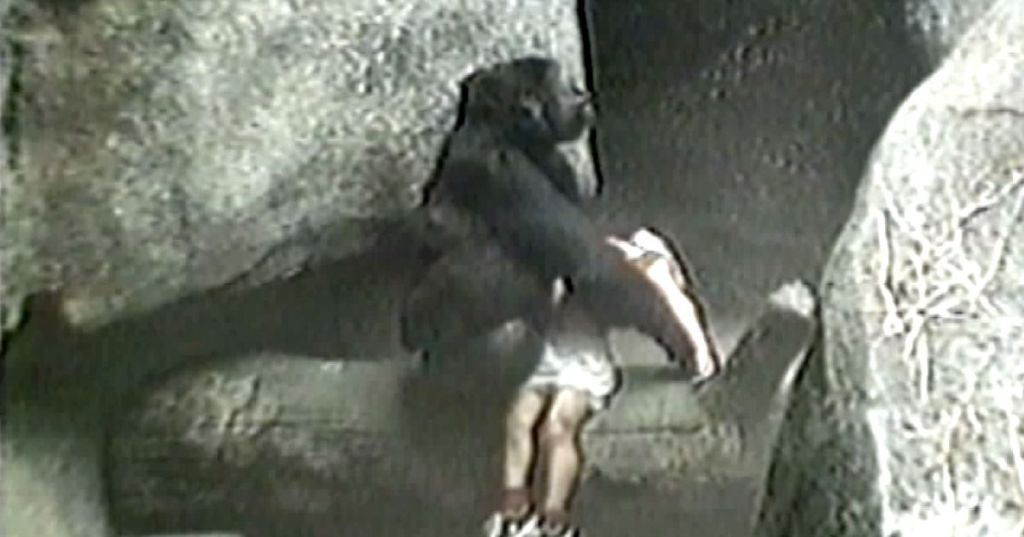
When A Three-Year-Old Toddler Fell Into A Zoo Enclosure In 1996 He Was Rescued – By A Gorilla.

Days after a young boy fell into the gorilla exhibit at the Cincinnati zoo — prompting the zoo’s decision to shoot and kill Harambe, a 17-year-old Gorilla — an archived video emerged showing a similar incident 20 years earlier, with a very different outcome.

Binti Jua gently cradles the young boy

In summer 1996, a 3-year-old boy slipped away from his mother and squeezed through a barrier at Brookfield Zoo in Illinois, plummeting more than 15 feet into the enclosure holding  seven Gorillas. Gorillas are known to be fiercely territorial animals. They will fight to the death to defend their families.

However, one of the Gorillas, a rare Western Lowland Gorilla called Binti Jua, meaning “daughter of sunshine” went over to the boy and cradled him in her arms, all while her own young child Koola was on her back. She then went over to the edge of the enclosure and waited for the zookeepers to come and collect the child. Binti handed the child over peacefully before returning to the rest of the Gorillas.

An ABC News broadcast of the drama that unfolded at Brookfield Zoo.

Binti received worldwide praise. The boy and the mother have never been identified, but the boy did stay in a hospital for 4 days. Animal behavioral experts claim Binti used her maternal instincts to look after the child. This may have been influenced by the fact that she had her own baby Gorilla with her at the time.

Binti Jua feeding one of her babies.

WHAT YOU CAN DO TO HELP WILDLIFE

You can support ‘Protect All Wildlife’ by donating as little as £1 – It only takes a minute but it can last a lifetime for an animal in need. Please donate below.

Everyone who donates will receive a Certificate of Appreciation as a thank you for helping animals in need.

The Mission of Protect All Wildlife is to prevent cruelty and promote the welfare of ALL animals.

We believe EVERY animal should be treated with respect, empathy, and understanding. We raise awareness to protect and conserve wild, captive, companion and farm animals.

It is vital that we protect animals against acts of cruelty, abuse, and neglect by enforcing established animal welfare laws and, when necessary, take action to ensure that those who abuse animals are brought to justice.

Protect All Wildlife are involved in many projects to protect animals’ rights, welfare, and habitats. Money contributed to Protect All Wildlife supports ALL of our worthy programmes and gives us the flexibility to respond to emerging needs. Your donations make our work possible.

After Whales And Dolphins, Ottawa Intends To Ban Captive Monkeys And Elephants.

After Whales and Dolphins, Ottawa intends to ban keeping Elephants and great Apes in captivity in the country “because of the cruelty they represent”.

A new bill, called The Jane Goodall Act, was introduced in the Senate on Tuesday to ban anyone from taking an Elephant or a great Ape, a term that includes Chimpanzees, Gorillas and Orangutans.

Canadian zoos won’t be able to bring in new elephants or apes under new federal legislation introduced this week, except under specific circumstances. Bill S-15 looks to ban all new captivity of the species except where a licence is granted for conservation, research or an animal’s best interest.

“The recapture of any Elephant or great Ape in Canada must meet very strict criteria demonstrating that the activity is for animal welfare, conservation or science,” commented the Minister of Environment and Climate Change, Steven Guilbeault.

Senator Marky Klyne of Saskatchewan sponsored the bill that was introduced on Tuesday. “It is upsetting to know that according to current standards, a person does not need to hold a permit to own a chimpanzee in some regions of Canada,” he lamented to explain the interest of his fee.

Elephants, for their part, are very intelligent animals that suffer when kept in captivity or presented to the public in an unnatural environment, added the senator in the second reading of the law on Thursday.

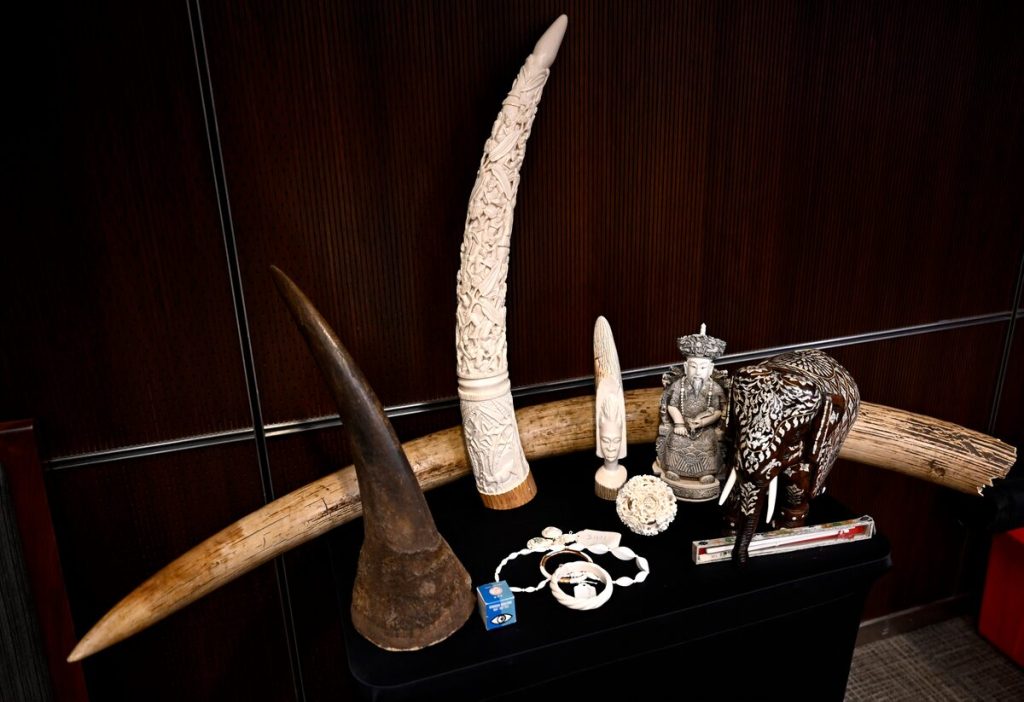
Minister Guilbeault announced the ban on the import of ivory from Elephant tusks and Rhino horns, including hunting trophies and articles carved from ivory, for which it is necessary to obtain a permit. Few exceptions are planned for museums and scientific research.

Elephant ivory and rhino horn imports have been banned by Ottawa
Tightening the laws

The law banning the captivity of great Apes and Elephants is part of a series of laws adopted to better protect animals in Canada and elsewhere in the world.

In 2019, Canada also banned the keeping of Whales and Dolphins in captivity.

WHAT YOU CAN DO TO HELP ANIMALS IN NEED

You can support our work by donating as little as £5 – It only takes a minute but it can last a lifetime for an animal in need.

PLEASE CLICK HERE TO HELP ANIMALS IN NEED

Everyone who donates will receive a Certificate of Appreciation as a thank you for helping animals in need.

The Mission of Protect All Wildlife is to prevent cruelty and promote the welfare of ALL animals. We believe EVERY animal should be treated with respect, empathy, and understanding. We raise awareness to protect and conserve wild, captive, companion and farm animals.

It is vital that we protect animals against acts of cruelty, abuse, and neglect by enforcing established animal welfare laws and, when necessary, take action to ensure that those who abuse animals are brought to justice.

Protect All Wildlife are involved in many projects to protect animals’ rights, welfare, and habitats. Money contributed to Protect All Wildlife supports ALL of our worthy programmes and gives us the flexibility to respond to emerging needs. Your donations make our work possible.

Bhagavan ‘Doc’ Antle Of Netflix’s ‘Tiger King’ Pleads Guilty To Wildlife Trafficking And Money Laundering.

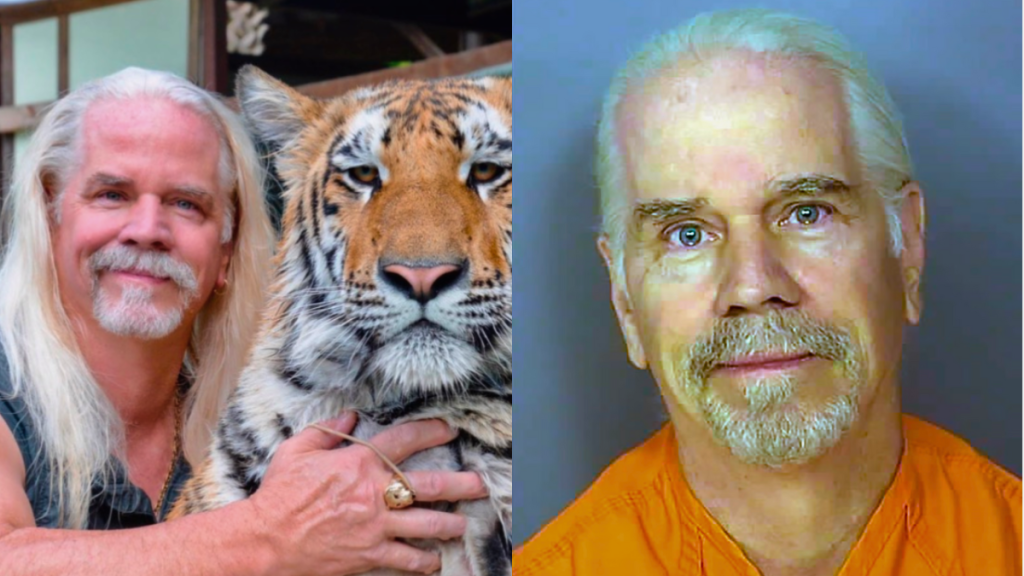
Bhagavan ‘Doc’ Antle Of Netflix’s ‘Tiger King’

An exotic wildlife preserve owner who gained notoriety on the popular Netflix series “Tiger King” pled guilty on Monday to animal trafficking and money laundering, the U.S. Justice Department announced.

Bhagavan “Doc” Antle oversaw the sale or purchase of Cheetah cubs, Lion cubs, Tigers and a juvenile Chimpanzee that were all protected as endangered species, according to a Justice Department release. Officials said the 63-year-old man featured in a documentary mini-series about the Tiger trade tried to hide animal payments as “donations” to his nonprofit organization.

“The defendant held himself out as a conservationist, yet repeatedly violated laws protecting endangered animals and then tried to cover up those violations,” Assistant Attorney General Todd Kim of the Justice Department’s Environment and Natural Resources Division said in a statement.

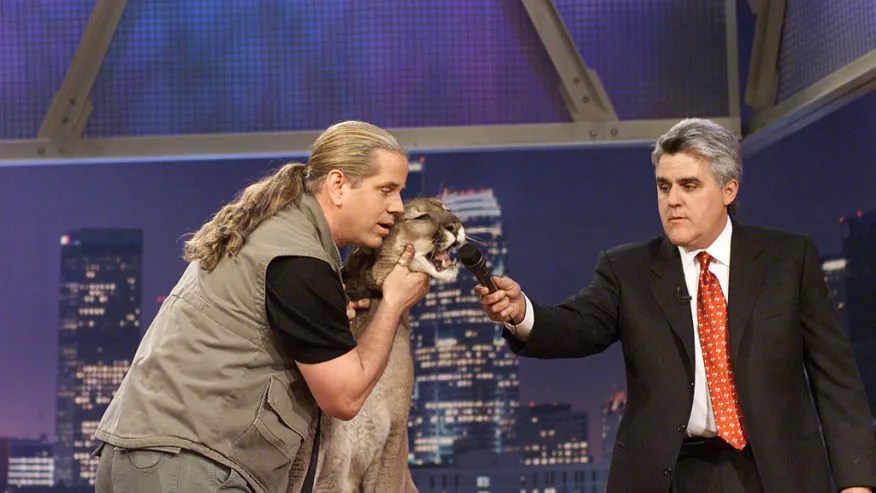
Antle On The Tonight Show Credit: Paul Drinkwater

Antle faces a maximum of five years’ imprisonment, fines up to $250,000 and three years of supervised release for each count. He is also the owner and operator of the Myrtle Beach Safari, which is also known as The Institute for Greatly Endangered and Rare Species, or T.I.G.E.R.S., prosecutors said. The safari is a 50-acre nature preserve that offers tours and the chance for private encounters with wildlife, prosecutors said.

Antle faces a maximum of five years’ imprisonment, fines up to $250,000 and three years of supervised release for each count. 

Investigators found evidence that Antle and a coconspirator had also used cash acquired through the transportation and harboring of immigrants who illegally entered the country.

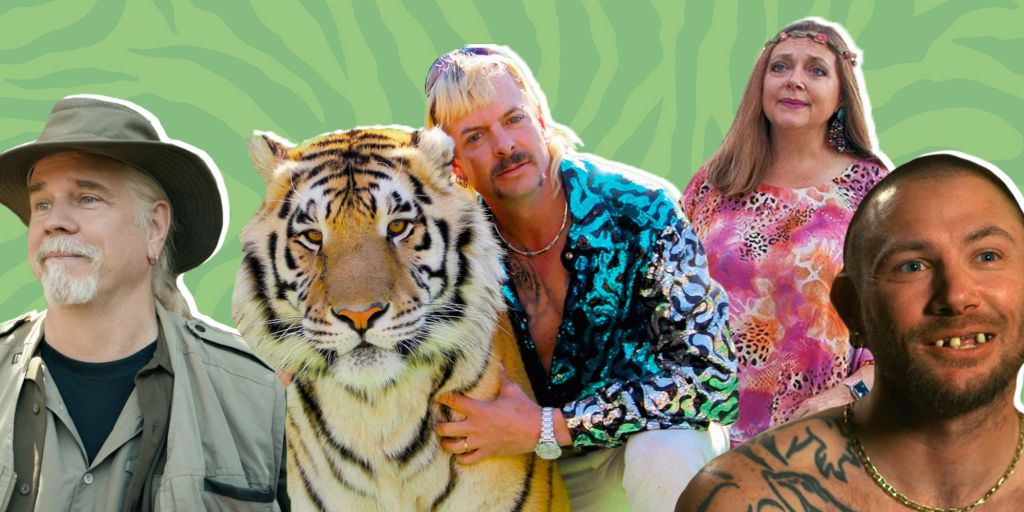
It’s the latest fallout for the subjects of “Tiger King: Murder, Mayhem and Madness.” Joe Exotic, the show’s star, is serving a 21-year prison sentence for trying to hire two different men to kill animal welfare activist Carol Baskin. The ongoing feud between Joe Exotic — whose real name is Joseph Maldonado-Passage — and Baskin featured prominently in the show. Maldonado-Passage had one year shaved off his penalty last year as he began treatment for early-stage cancer.

“Tiger King: Murder, Mayhem and Madness.” 

WHAT YOU CAN DO TO HELP ANIMALS IN NEED

You can support our work by donating as little as £5 – It only takes a minute but it can last a lifetime for an animal in need.

PLEASE DONATE HERE

PLEASE HELP ANIMALS IN NEED

Everyone who donates will receive a Certificate of Appreciation as a thank you for helping animals in need.

The Mission of Protect All Wildlife is to prevent cruelty and promote the welfare of ALL animals.

We believe EVERY animal should be treated with respect, empathy, and understanding. We raise awareness to protect and conserve wild, captive, companion and farm animals.

It is vital that we protect animals against acts of cruelty, abuse, and neglect by enforcing established animal welfare laws and, when necessary, take action to ensure that those who abuse animals are brought to justice.

Protect All Wildlife are involved in many projects to protect animals’ rights, welfare, and habitats. Money contributed to Protect All Wildlife supports ALL of our worthy programmes and gives us the flexibility to respond to emerging needs. Your donations make our work possible.
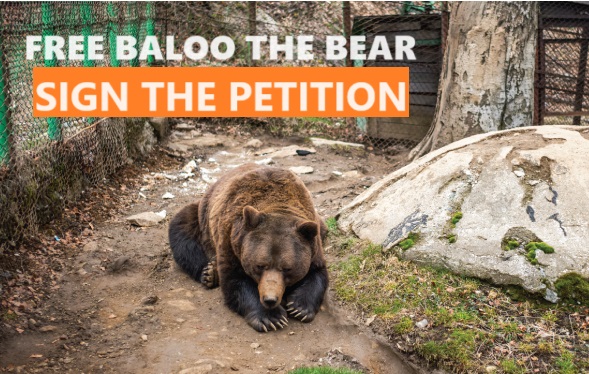
Help Save Baloo: A Bear Trapped In A Cage For The Last 23-YEARS!

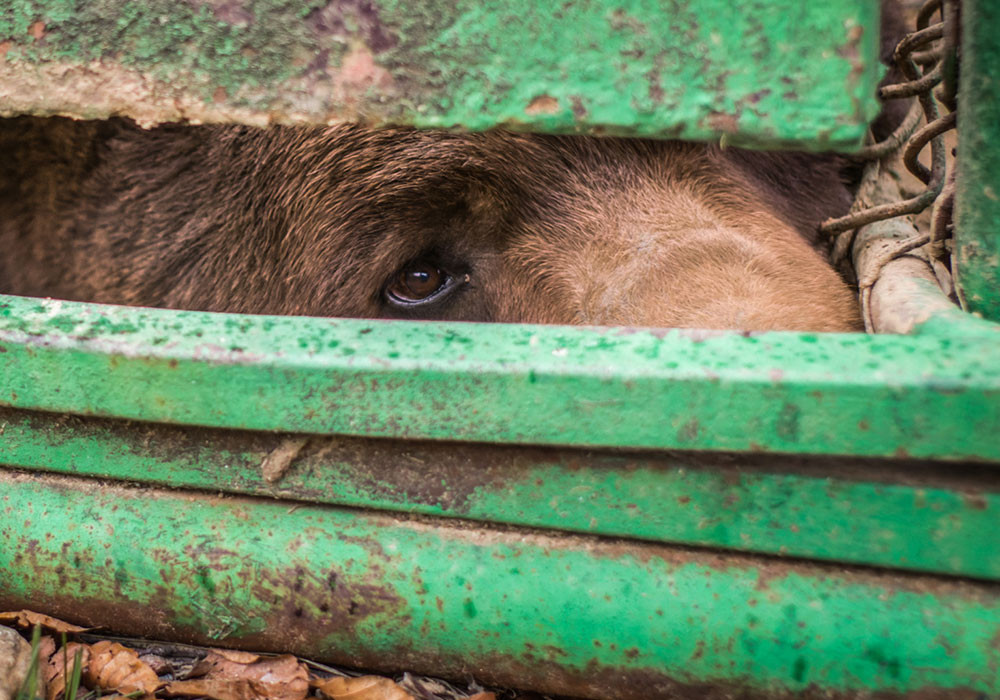
BALOO THE BEAR HAS BEEN LOCKED UP IN A CAGE FOR 23 YEARS CREDIT: JASPER DOEST

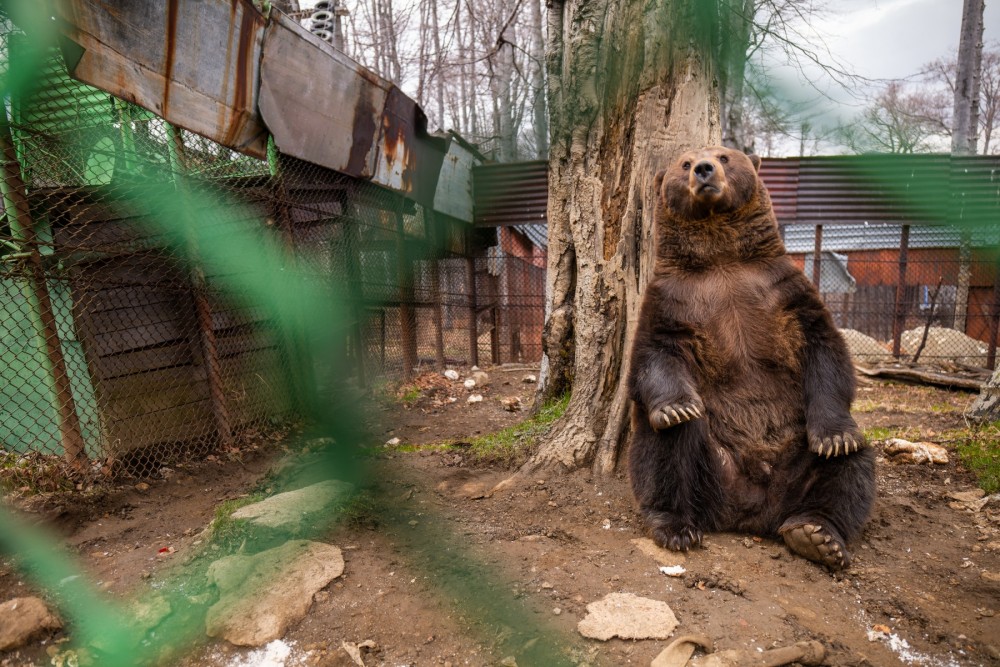
Baloo the Bear has been locked up in a cage at a ski resort in Romania under horrific conditions for 23 years. But together with our supporters around the world, we are working to rescue Baloo from this nightmare.

Baloo was found injured as a cub in the Romanian wilderness and was taken in by park rangers for medical care. However, instead of being released back into the wild, Baloo ended up as private property of a ski resort. Despite a 2005 ban by the Romanian government on private individuals keeping Bears, enforcement of the law has been lax, resulting in the bear’s ongoing confinement.

Baloo has been living on display in a tiny cage next to a ski lift and is poorly cared for. He is fed cornflakes and lemonade, sometimes even alcohol to drink, and children frequently poke him through the bars of the cage with sticks. This is no life for a bear.

HELL ON EARTH! CREDIT: JASPER DOEST

23 years ago, Baloo was found wounded in the mountains and he was taken to a hospital by the mountain rescuers from Straja. When he recovered, he came into the care of the businessman Emil Părău, who turned him into the resort’s mascot and has refused to give him up under any circumstances. Although it is obvious that it would be better for him to live among the old oaks of the Bear Sanctuary in Zărnești.

Two other Bears, Puppy and Pamy, would have tasted the same cake of frustration if they hadn’t been confiscated and released in the sanctuary at Zarnesti. They grew big and handsome, while poor Baloo remains to serve his punishment.

Animal protection organisations have been trying for years to free Baloo with no success. But fortunately, a petition started by Dutch television host, Floortje Dessing, is drawing much needed global attention to his cause. Floortje’s show “Floortje gaat mee” (“Floortje Goes Along” in English), explores the complex relationships between humans and animals. In the episode, she shows first-hand the distressing conditions Baloo faces. 

BALOO THE BEAR: AN UNWILLING MASCOT!

Join us in our efforts to liberate Baloo from a lifetime of misery by signing the petition now!

23 years in an undeserved prison!

23 years of stress, inappropriate food, even alcohol given to him through steel bars!

23 years of objects thrown at him, noise, and lack of hibernation!

A mascot in a European resort, for selfish “love”… This is how Baloo lives his life in Straja, Hunedoara county.

HELP FREE BALOO FROM HIS LIVING HELL! CREDIT: JASPER DOEST

Please The Petition Here: FREE BALOO FROM A LIFE OF SUFFERING!

WHAT YOU CAN DO TO HELP ANIMALS IN NEED

You can support our work by donating as little as £5 – It only takes a minute but it can last a lifetime for an animal in need.

CLICK HERE TO DONATE PLEASE HELP ANIMALS IN NEED

Everyone who donates will receive a Certificate of Appreciation as a thank you for helping animals in need.

The Mission of Protect All Wildlife is to prevent cruelty and promote the welfare of ALL animals.

We believe EVERY animal should be treated with respect, empathy, and understanding. We raise awareness to protect and conserve wild, captive, companion and farm animals.

It is vital that we protect animals against acts of cruelty, abuse, and neglect by enforcing established animal welfare laws and, when necessary, take action to ensure that those who abuse animals are brought to justice.

Protect All Wildlife are involved in many projects to protect animals’ rights, welfare, and habitats. Money contributed to Protect All Wildlife supports ALL of our worthy programmes and gives us the flexibility to respond to emerging needs. Your donations make our work possible.

Free The Karachi Zoo Elephants From Years Of Neglect And Suffering

Sonia & Malika

The three remaining African Elephants in Karachi, Pakistan continue to be subjected to poor care and living conditions despite these factors playing a significant role in the premature death of the fourth Karachi Elephant ‘Noor Jehan in April 2023.

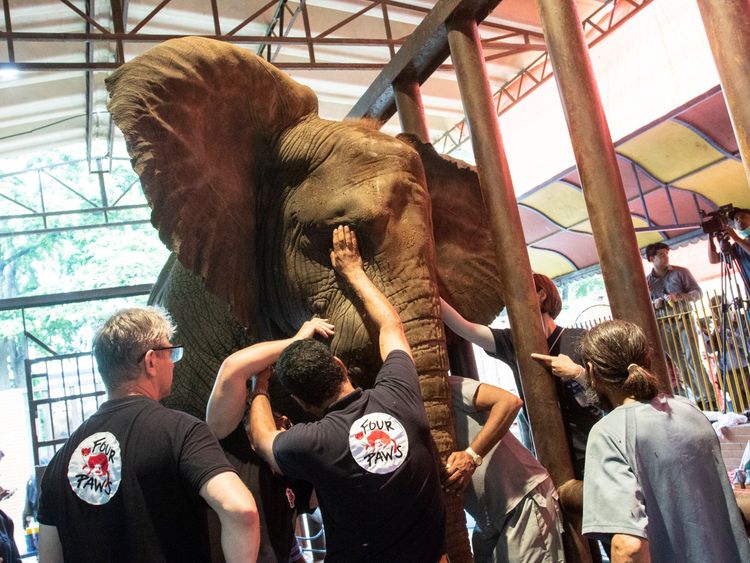
Madhubala at Karachi Zoo is now alone despite Elephants being herd animals, her solitary status has been documented to be causing her severe angst. In addition, she resides in a small barren environment that fails to meet her species-specific needs. Questions also remain around her diet & general care.

Four Paws Vets perform dental treatment on Madhubala at Karachi Zoo.

Sonia & Malika at Karachi Safari Park fare slightly better having a green pasture to reside in during the day (in recent months the Elephants have been afforded greater access to the pasture & this must continue) although the cages in which they are incarcerated at night remain abhorrent and entirely unsuitable for Elephants (a third cage of the same type has been constructed in anticipation of Madhubala’s arrival)

Noor Jehan Shortly Before Her Death In April2023

Following the death of Noor Jehan and recognising that the three remaining Karachi Elephants are suffering, Karachi Metropolitan Corporation struck a verbal agreement with animal welfare organisation Four Paws International to upgrade the Elephant enclosure at the Safari Park to create a more species-specific environment as well as training caretakers to afford the Elephants’ better ongoing care. In line with these improvements Four Paws also agreed to complete the move of Madhubala to the Safari Park to be with other Elephants in what would become a more appropriate setting.

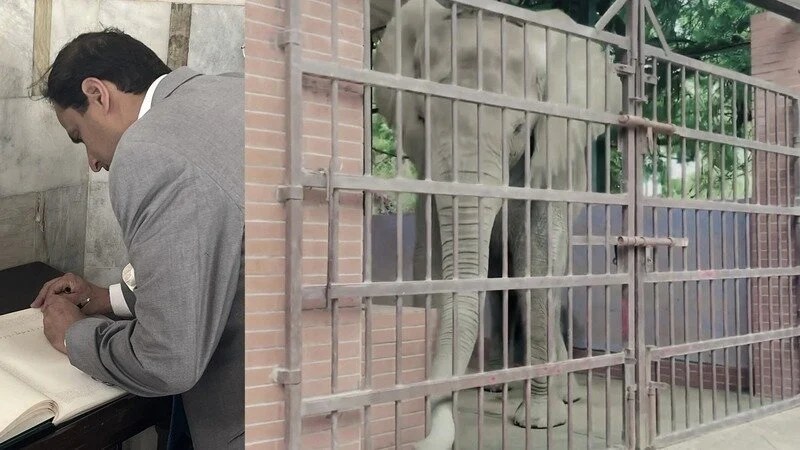
In June 2023 Barrister Murtaza Wahab Siddiqui was elected Mayor of Karachi and since then the agreement has stalled with no further progress and no signed MOU (Memorandum of Understanding)

Mayor Murtaza Wahab in dragging his feet to sign the MOU is prolonging the suffering of all three Elephants and particularly Madhubala.

 So as not to cause further suffering to the elephants Mayor Murtaza Wahab must sign the MOU without further delay or relinquish all three Elephants to a recognised Elephant sanctuary outside Pakistan

Please Sign The Petition: STOP THE SUFFERING OF THE KARACHI ELEPEHANTS

WHAT YOU CAN DO TO HELP ANIMALS IN NEED

You can support our work by donating as little as £5 – It only takes a minute but it can last a lifetime for an animal in need.

PLEASE DONATE HERE

Everyone who donates will receive a Certificate of Appreciation as a thank you for helping animals in need.

The Mission of Protect All Wildlife is to prevent cruelty and promote the welfare of ALL animals.

We believe EVERY animal should be treated with respect, empathy, and understanding. We raise awareness to protect and conserve wild, captive, companion and farm animals.

It is vital that we protect animals against acts of cruelty, abuse, and neglect by enforcing established animal welfare laws and, when necessary, take action to ensure that those who abuse animals are brought to justice.

Protect All Wildlife are involved in many projects to protect animals’ rights, welfare, and habitats. Money contributed to Protect All Wildlife supports ALL of our worthy programmes and gives us the flexibility to respond to emerging needs. Your donations make our work possible.

Lion Cub Mysteriously Found Wandering Road In Northern Serbia

Police are yet to issue an official statement however, it is believed that it is to do with the wildlife smuggling trade which is widespread in the Balkan region.

The illicit trade of wild and rare animals remains a pressing issue in the Balkan region, as evidenced by a recent incident in northern Serbia. On September 21, 2023, a Lion cub was discovered wandering on a local road near Subotica, a town situated near the Hungarian border. This incident sheds light on the pervasive problem of wildlife smuggling in the region, as well as the dire circumstances faced by these majestic creatures.

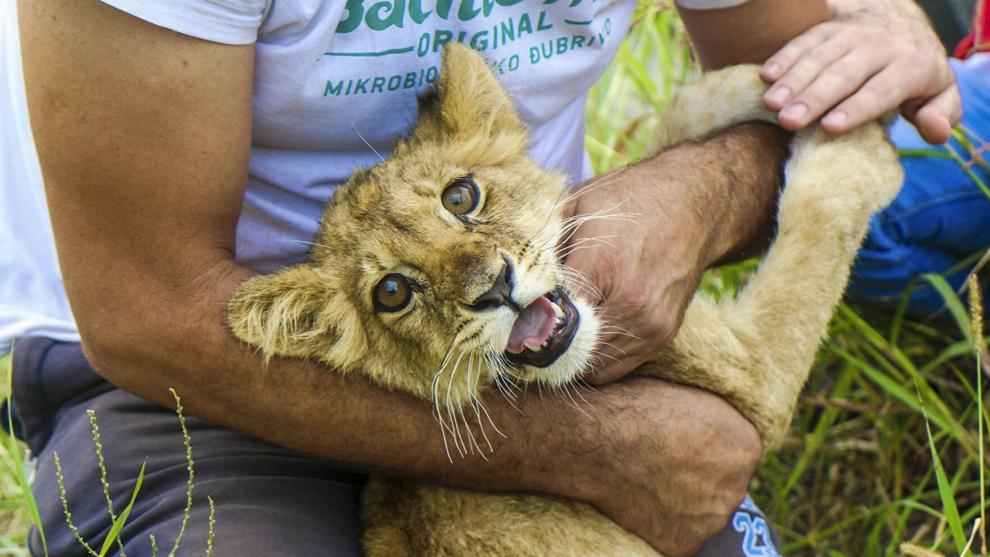
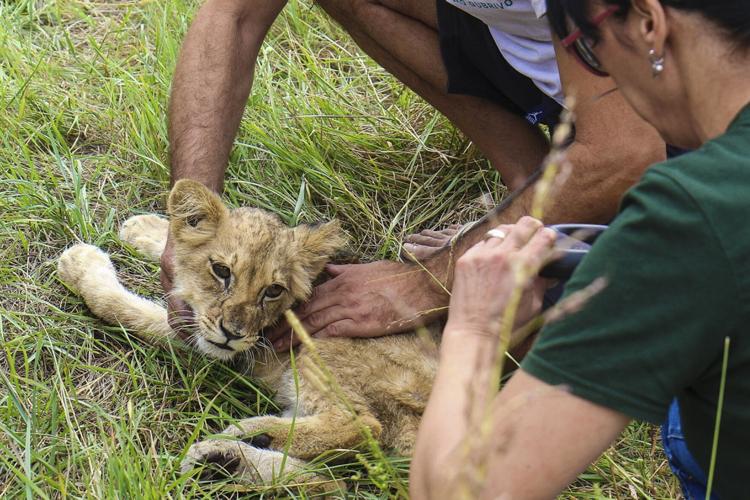
The female Lion cub, who was only a few months old, was in a horrible state when she was found. Malnourished and weak, it was apparent that the cub had faced significant challenges in the wild. Fortunately, a Subotica resident spotted her on the road and promptly alerted the police. Authorities intervened swiftly, ensuring the cub’s safety and its transfer to the Palic Zoo in the region.

Upon arrival at the Palic Zoo, the cub was examined by Sonja Mandic, a representative of the zoo. She noted that the cub was in “pretty poor shape” and immediately initiated necessary medical treatment. This included rehydration through infusion and nutritional support to improve the cub’s condition. Mandic stated that it was challenging to determine the cub’s exact age due to its malnourished and possibly underdeveloped state, but it was clear that the animal needed urgent care and attention.

Reports indicated that the Lion cub displayed an unusual degree of friendliness and did not appear to be afraid of humans. Video footage circulating on social media showed the cub emerging from the grass and confidently stepping onto the road. In other videos and photos, police officers and residents could be seen interacting with the cub, offering it affection and comfort.

The cub appeared to be very confident around humans

While the circumstances surrounding this lion cub’s appearance on a Serbian road remain unclear, it underscores a broader issue: the illicit trade of wild and rare animals in the Balkan region. A report by the World Wildlife Fund on wildlife crime in the area revealed alarming trends. Songbirds from the Finch family, locally protected Brown Bears, and Forest Turtles were among the most targeted species in Serbia.

Furthermore, cases involving the smuggling and illegal possession of exotic species, such as Pythons, are disturbingly common. In 2020, investigative efforts exposed the rampant illegal wildlife trade in Eastern Europe. This report raised concerns among conservationists that smugglers may be exploiting countries in Eastern Europe with less stringent law enforcement to avoid scrutiny.

WHAT YOU CAN DO TO HELP ANIMALS IN NEED

You can support our work by donating as little as £5 – It only takes a minute but it can last a lifetime for an animal in need.

PLEASE DONATE HERE

Everyone who donates will receive a Certificate of Appreciation as a thank you for helping animals in need.

The Mission of Protect All Wildlife is to prevent cruelty and promote the welfare of ALL animals.

We believe EVERY animal should be treated with respect, empathy, and understanding. We raise awareness to protect and conserve wild, captive, companion and farm animals.

It is vital that we protect animals against acts of cruelty, abuse, and neglect by enforcing established animal welfare laws and, when necessary, take action to ensure that those who abuse animals are brought to justice.

Protect All Wildlife are involved in many projects to protect animals’ rights, welfare, and habitats. Money contributed to Protect All Wildlife supports ALL of our worthy programmes and gives us the flexibility to respond to emerging needs. Your donations make our work possible.

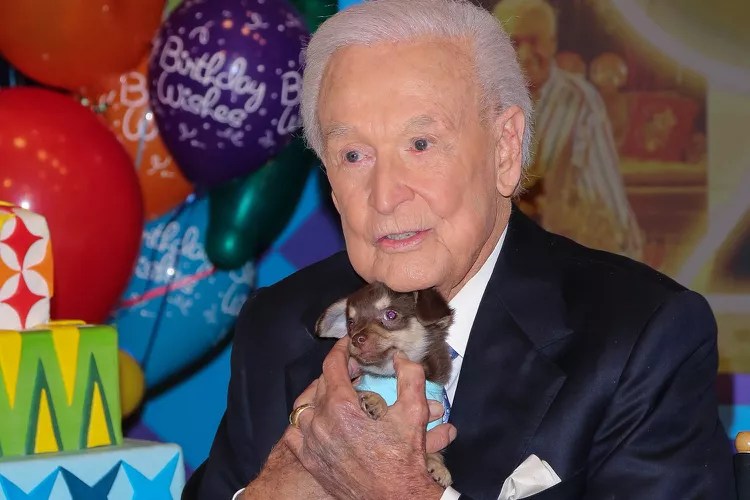
Bob Barker, Longtime ‘The Price Is Right’ Host And Legendary Animal Rights Activist, Has Died Aged 99.

Through Philanthropy and Activism, Bob Barker Fought Animal Cruelty.

All about Bob Barker’s animal activism — from refusing fur prizes to launching a non-profit charity that funds Spay & Neuter clinics.

Bob Barker, an affable fixture on US television for half a century who hosted the popular game show The Price Is Right for 35 years and was a committed animal rights activist, has died at age 99, NBC News and Fox reported on Saturday.

Barker died on Saturday morning of natural causes at his Hollywood Hills, California, home, his publicist Roger Neal said.

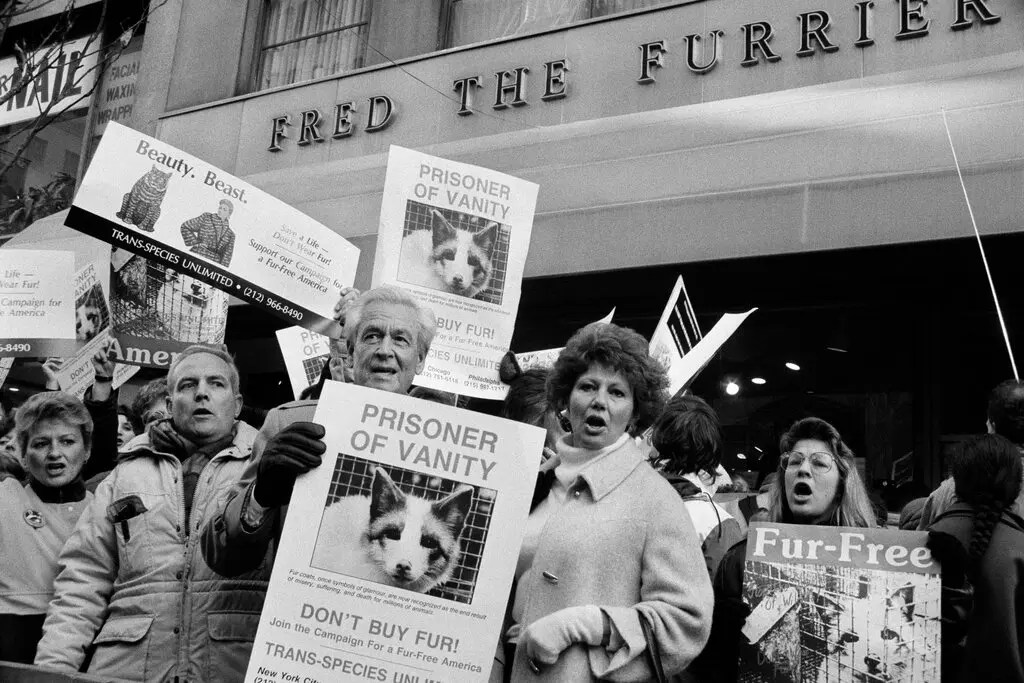
Bob Barker with Nancy Burnet, president of United Activist for Animal Rights, in front of a Fifth Avenue furrier in New York in 1988. Credit…Don Hogan Charles/The New York Times

Barker was known for pro-animal causes and campaigned for them into his 90s. He would end episodes of The Price Is Right by urging viewers to get their pets spayed and neutered to control the animal population and began a foundation to subsidise the practices. He also spoke out against the treatment of animals in zoos, rodeos and circuses.

Over decades as the host of The Price Is Right, the longest-running game show in American television history, Mr. Barker, beginning in the 1980, used his pulpit to remind millions of viewers to “help control the pet population; have your pet spayed or neutered.”

“There are just too many cats and dogs being born,” he explained in an interview with The New York Times in 2004. “Animals are being euthanized by the millions simply because there are not enough homes for them.

He put $25 million into founding the DJ & T Foundation which finances clinics that specialize in spaying and neutering. The foundation was named after Mr. Barker’s wife, Dorothy Jo, and his mother, Matilda Valandra, who was known as Tilly.

In 2004, he donated $1 million to Columbia University School of Law to further the study of animal rights law. 

“The Law School is extremely grateful for this generous gift,” said Dean David M. Schizer. “And we look forward to giving our students exposure to this growing area of legal scholarship.”

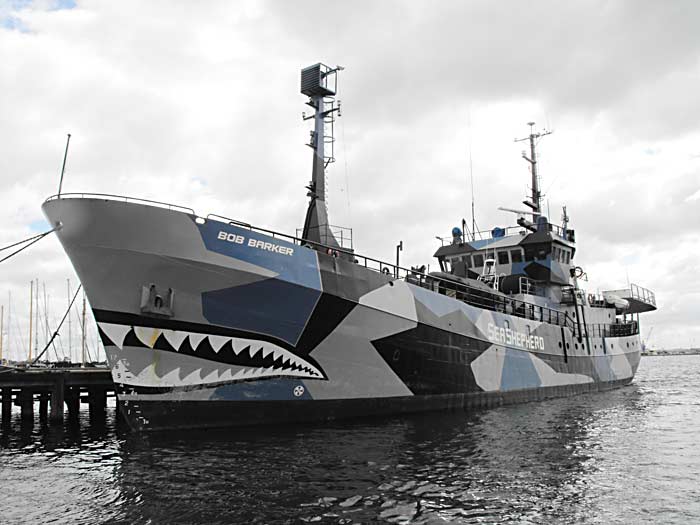
In 2010 he donated US$5 million for a 1,200-ton ship named the Bob Barker that was operated by the Sea Shepherd Conservation Society to stop Japanese whaling ships from killing whales off Antarctica.

The Sea Shepherd Conservation Society Anti-Whaling Ship ‘Bob Barker’

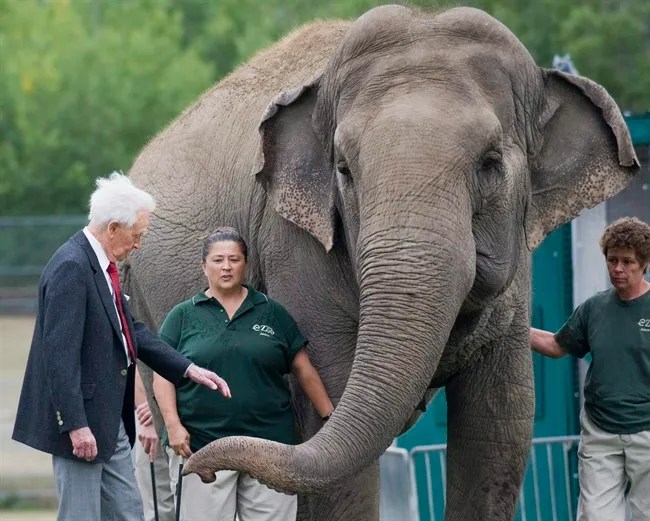
In 2012 Bob funded the travel costs for three Elephants to travel from the Toronto Zoo to a sanctuary in California aboard a private plane.

A spokesman for the TV icon says Barker offered to fund the $880,000 flight after learning that one of the Elephants wasn’t well enough to withstand the long trip by truck.

Henri Bollinger said that the Toronto Zoo agreed to move Thika, Iringa and Toka to the Performing Animals Welfare Society Elephant sanctuary in San Andreas, Calif., but that one of the animals suffers from “a serious foot problem.”

Barker described the Elephants’ new home as a “paradise” and said “to think that one of them might not survive the trip in a truck touched my heart and purse strings.”

Bob Barker with one of the Elephants that he helped travel to PAWS sanctuary

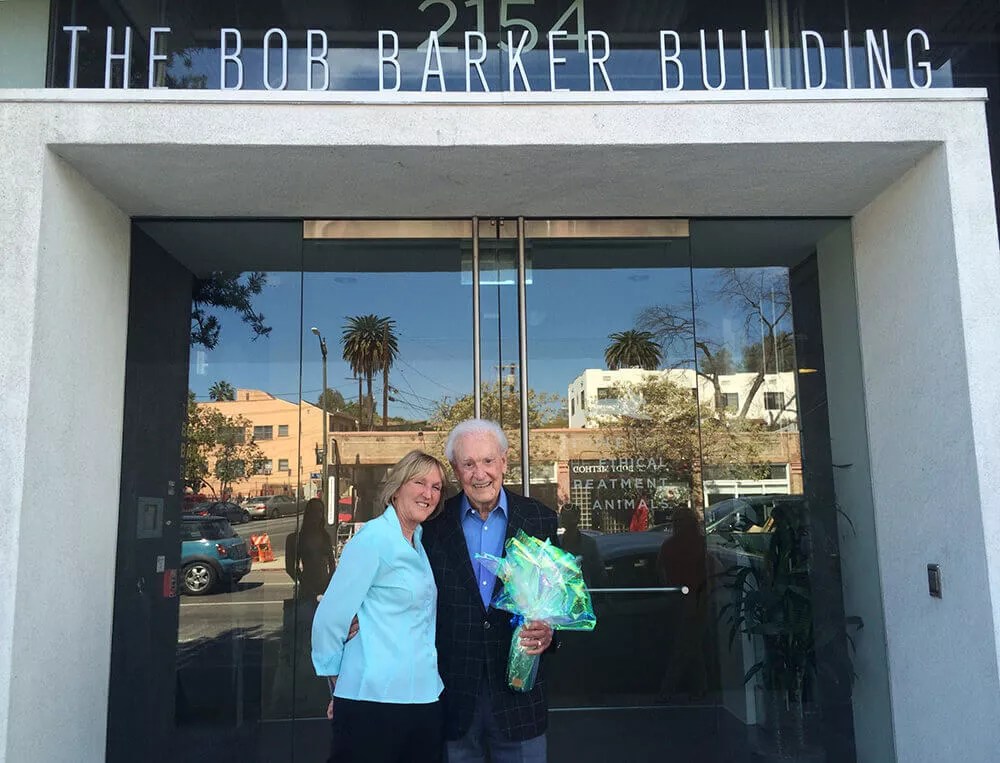
In 2012 he donated $2.5 million to renovate a Los Angeles building that become the West Coast headquarters of People for the Ethical Treatment of Animals (PETA).

“It is money well-spent. I don’t know where you get more for your dollar, so far as protecting animals is concerned, than you get from PETA,” Barker said.

Bob Barker and Ingrid Newkirk at the opening of the PETA Bob Barker building in Los Angeles

In 2015, he stood behind a podium in an eleventh-floor conference room at the Millennium Biltmore Hotel in downtown Los Angeles. His mission: to publicly shame Foster Farms — among the biggest poultry producers on the West Coast — for cruelty toward animals.

Reporters at the event were shown a secretly taped video, narrated by Barker and shot in May and June at two Foster Farms slaughtering plants in Fresno, Calif. The video showed scenes of thousands of chickens being carelessly hung by their legs on conveyor belts. Factory workers execute the process with brutal efficiency, occasionally punching live birds and plucking out their feathers.

Bob Barker speaking for Mercy For Animals in Los Angeles in 2015. Barker criticised poultry producer Foster Farms after an animal-rights group released video showing chickens being
shackled, punched and having their feathers pulled out while still alive. Photo: AP

Julie Woodyer, campaigns director at Zoocheck, knew Barker for years as they collaborated on both successful and failed efforts to free animals from captivity at Canada’s zoos.

She says Barker brought a determination and generosity that was unmatched by other celebrities, often opening his chequebook to support the cause and willingly making public appearances to raise awareness.

“I just can’t imagine there will be somebody to replace that ever,” Woodyer said in a phone interview.

Woodyer first connected with the TV host and his partner Nancy Burnet over email in 2010 as Zoocheck — in co-operation with other animal rights organizations –attempted to free Lucy the elephant from the Edmonton Valley Zoo.

In 2011, Barker appeared on CTV’s “Canada AM” morning show where he explained that elephants were not adapted to brave Canada’s harsh winter climate and Lucy’s health was deteriorating.

While the campaign to relocate Lucy was unsuccessful, Woodyer said a bond was formed with Barker over their shared interest in animal rights.

Together, they were involved in a controversial and years-long effort to move three elephants — Toka, Thika and Iringa — from the Toronto Zoo to a sanctuary in California. The campaign included Barker making public appearances and mingling with local city councillors to explain his view in hopes they would lend their support.

Ultimately, Barker donated $800,000 to the Peoples Animal Welfare Society for the successful transport and care of the animals.

“It would have been years and years for us to try to fundraise that,” Woodyer said, “And it would’ve been too late for some of those elephants.”

Barker later donated $50,000 to help build Manitoba’s first black bear cub rehabilitation centre.

“Lending his celebrity voice … really boosted those campaigns significantly and allowed us to have a broader audience,” Woodyer said.

“He was the funniest man I’ve ever met, extremely sharp, even in his very late years, and he could always come up with something funny, and make us all laugh even in the midst of difficult times in our campaigns.”

Bob Barker was a passionate animal rights advocate throughout his life. PHOTO: PAUL ARCHULETA/FILMMAGIC

I’d like to see animals removed from the entertainment business. Chimpanzees and apes won’t perform unless you beat them. Circuses keep elephants in chains 90 percent of the time. Elephants need freedom of movement. In circuses, they live in cramped quarters, which is not the life intended for them by nature. Some are beaten daily, forced to do ridiculous tricks and robbed of every shred of dignity. ~ Bob Barker.

RIP BOB BARKER

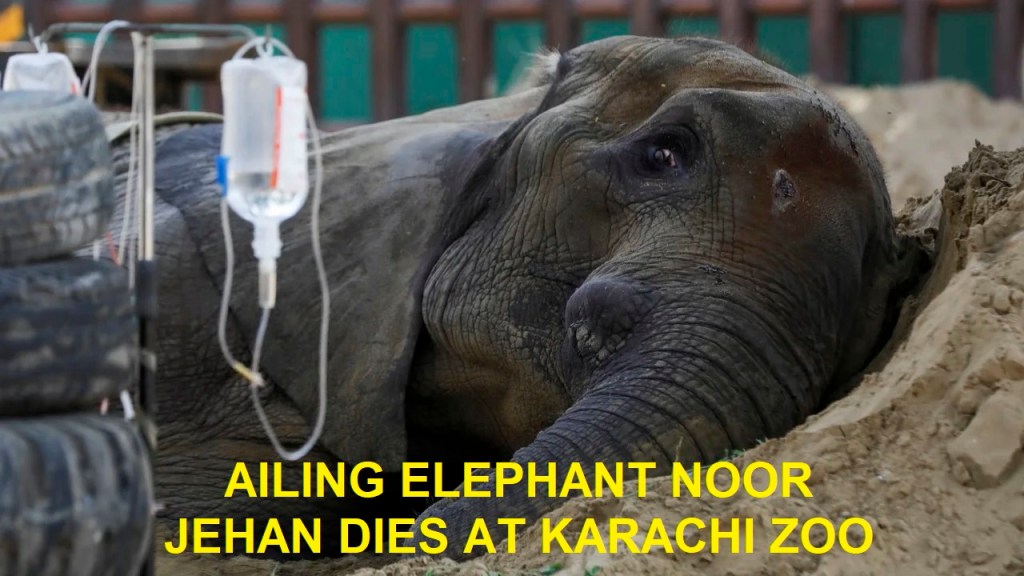
Pakistan: 17-Year Old Ailing African Elephant Noor Jehan Dies After Lying On Ground For 9 Days In Karachi Zoo

The ailing Elephant died on Saturday, vets said, calling on the ill-equipped menagerie to evacuate her “mourning” partner to avert a second tragedy.

NoorJehan-dies
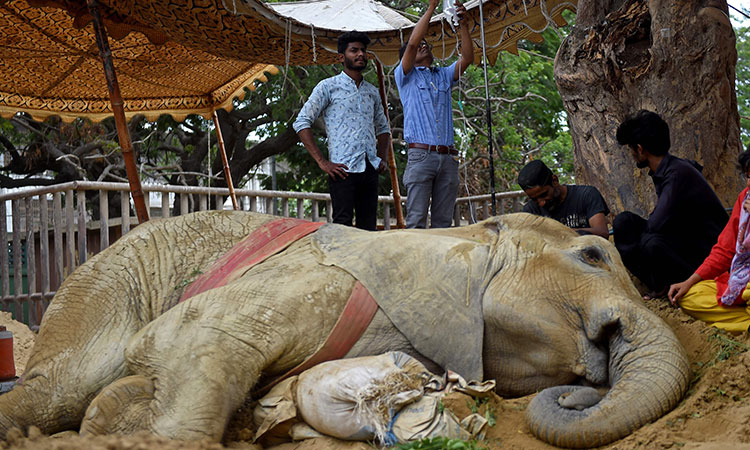
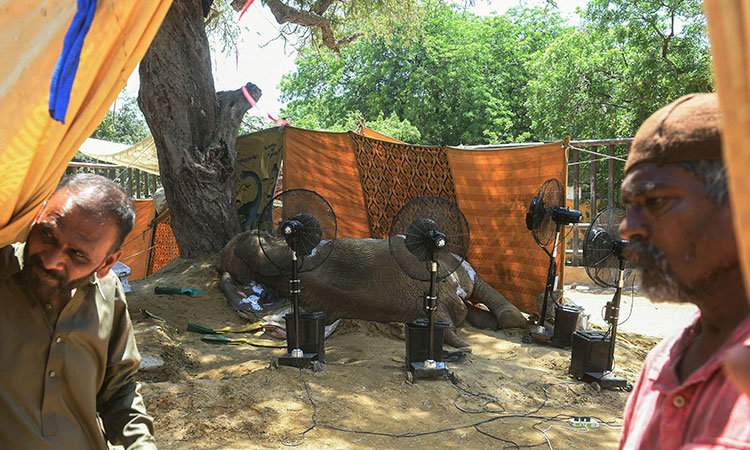
Zoo staff stand near the dead body of Noor Jehan at an enclosure in Karachi Zoological Gardens on Saturday. AFP

Pakistan’s zoos are frequently accused of being blasé about animal welfare, and the plight of Noor Jehan was cited by animal rights activists campaigning to shut the wildlife exhibition in southern Karachi city.

This month the 17-year-old African Elephant underwent emergency treatment for a tumour, which had crippled her back legs, but while in recovery she became trapped in her enclosure’s pool.

Zoo workers hauled out the 3.5-tonne pachyderm but she was unable to stand and lay stricken for nine days, “a life-threatening situation for Elephants”, said animal charity Four Paws International.

NoorJEhan-deadbody
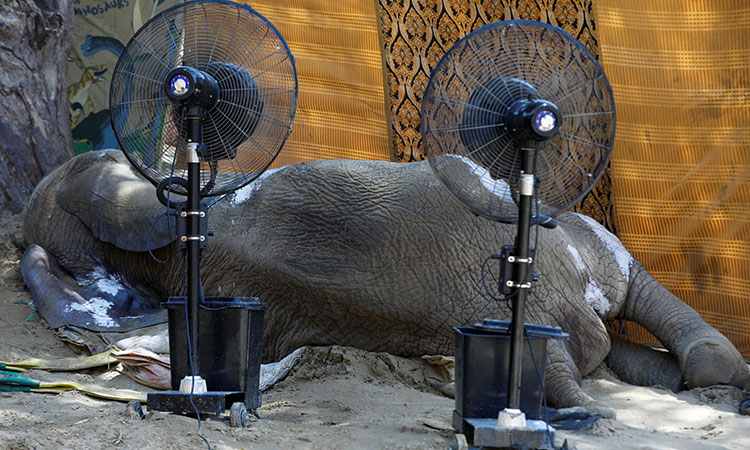
Misting fans are placed beside the body of Noor Jehan at Karachi Zoo. AP

Experts were considering euthanasia but before a decision was taken “she succumbed to her critical condition,” said a statement from the charity, which organised last-ditch medical efforts to save her.

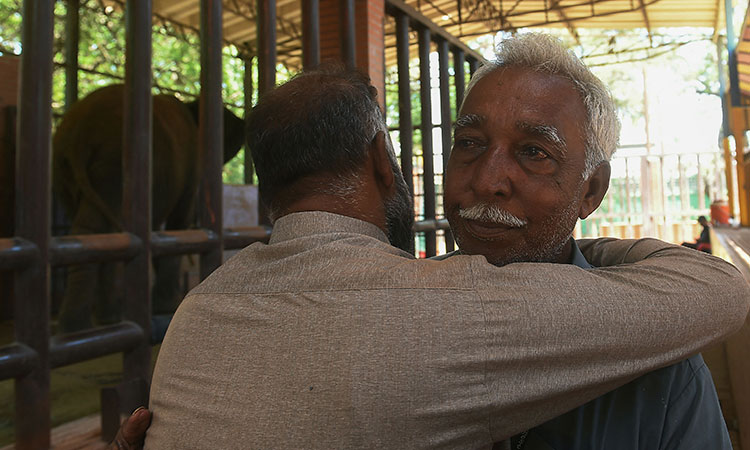
Karachi Zoo director Kanwar Ayub confirmed Noor Jehan’s death on Saturday and an AFP reporter saw her caretaker openly weeping outside her enclosure.
“It’s very sad,” said Four Paws International’s Austria-based chief vet Amir Khalil. “Noor Jehan deserved a chance.”

But the deceased Elephant’s pen pal Madhubala “should not have the same future”, he told AFP, saying he plans to arrive in Pakistan on Sunday to assess her health and organise her evacuation.

“Karachi Zoo does not fulfil international standards and is not equipped to take appropriate care of Elephants,” the Four Paws International statement said, expressing support for a forced closure.

NoorJehan-caretaker

Caretaker Yusuf Masseih (R) mourns following the death of Noor Jehan at Karachi Zoological Gardens. AFP

“It is now more urgent than ever that the remaining Elephant, who is mourning her long-time companion, is transferred to a more species-appropriate location as soon as possible, to prevent another potential tragedy.”

In April 2020, a court ordered the only zoo in Pakistan’s capital Islamabad to shut after poor facilities and mistreatment of the animals there were revealed.

The facility had drawn international condemnation for its treatment of an Asian Elephant named Kaavan, who was later airlifted to retirement in Cambodia in a project spearheaded by US popstar and actor Cher, and carried out by Four Paws.

Agence France-Presse

~~~~~(((())))~~~~~

WHAT YOU CAN DO TO HELP WILDLIFE

You can support Protect All Wildlife by donating as little as £1 – It only takes a minute but it can last a lifetime for an animal in need. Please donate below.

The Mission of Protect All Wildlife is to prevent cruelty and promote the welfare of ALL animals.

We believe EVERY animal should be treated with respect, empathy, and understanding. We raise awareness to protect and conserve wild, captive, companion and farm animals.

It is vital that we protect animals against acts of cruelty, abuse, and neglect by enforcing established animal welfare laws and, when necessary, take action to ensure that those who abuse animals are brought to justice.

Protect All Wildlife are involved in many projects to protect animals’ rights, welfare, and habitats. Money contributed to Protect All Wildlife supports ALL of our worthy programmes and gives us the flexibility to respond to emerging needs. Your donations make our work possible.