This is your chance to bid on a pair of signed David De Gea goal keeper gloves in our ‘Charity Auction To Help Disabled Animals’.
This is a sealed bid auction, so all you need to do is decide which item you would like to bid for – noting the reserve price for each – and send us your bid with your name by email to protectallwildlife@btinternet.com by 21:00 on the 31st of May. We will email you to let you know if your bid is the highest. Postage costs will be calculated when the auction ends. Good luck!
Earlier this month, authorities from the Special Area of the City of (DKI) Jakarta, the most populous metropolitan area in Indonesia, which includes the capital city, announced they have banned the dog and cat meat trades, which will save the lives of an estimated 340 dogs and countless cats per day.
Jakarta Bans The Dog & Cat Meat Trade Credit: Jean Chung / HSI
Hollywood actress Kim Basinger, comedian Ricky Gervais and British actor Peter Egan have joined campaigners from the Dog Meat Free Indonesia coalition in celebrating news that Indonesia’s capital city of Jakarta has banned the dog and cat meat trade. The stars sent a video message after the Food Security, Marine and Agriculture Department confirmed Jakarta now becomes the 21st jurisdiction in Indonesia to ban the trade. The move comes in response to an intensive campaign by DMFI, exposing the severe animal cruelty and risks to human health from zoonotic diseases such as rabies.
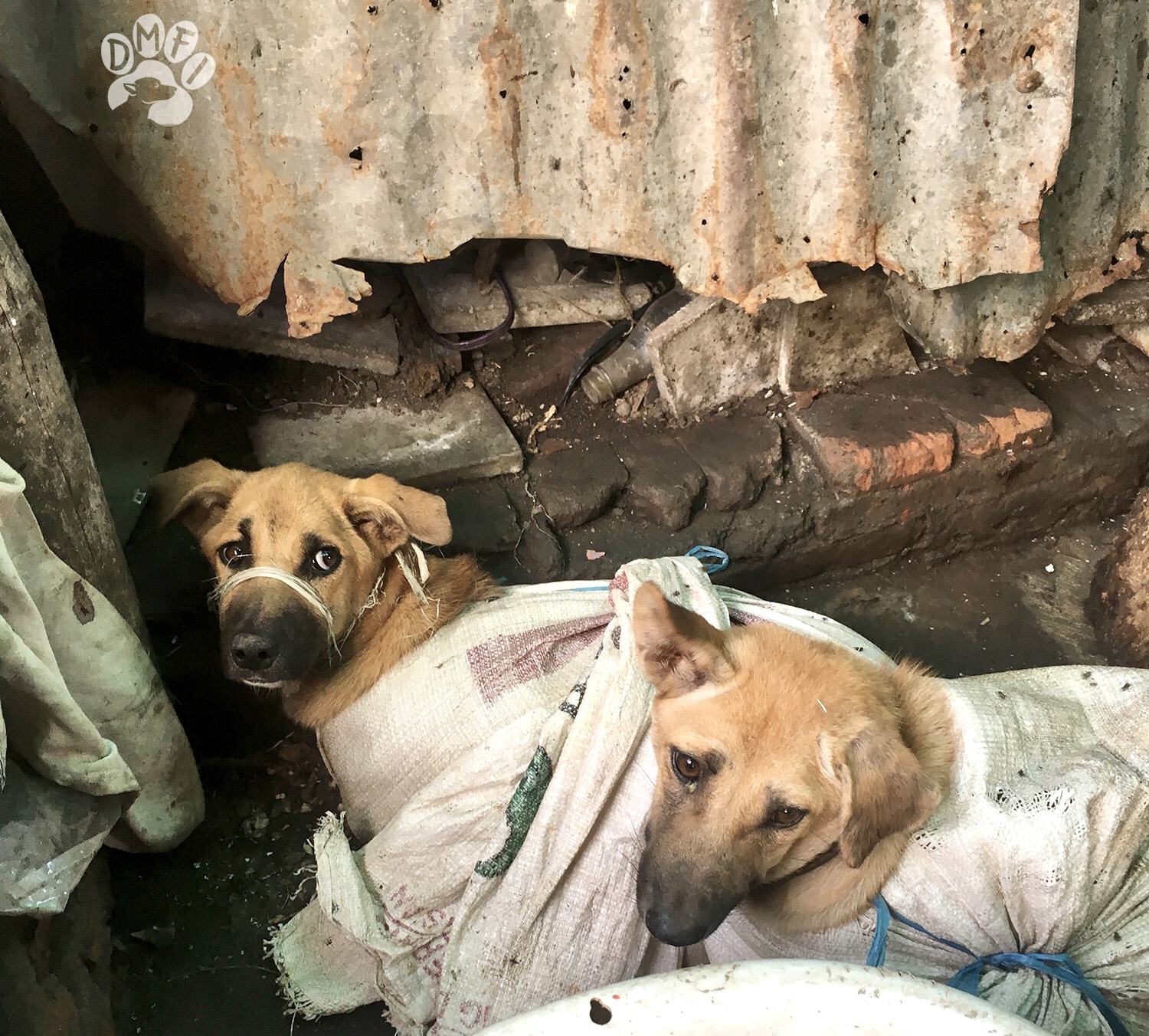
A Dog Awaits Its Fate – Credit: Dog Meat-Free Indonesia
Across Indonesia, more than one million dogs and countless cats are killed every year for meat, most of them stolen pets or strays, snatched from the streets and illegally trafficked on grueling journeys to supply demand hotspots. Many die during this ordeal from heatstroke, dehydration or injuries inflicted during capture and transport. Those who survive are taken to makeshift slaughterhouses where they are bludgeoned and killed in full view of other dogs. DMFI investigations suggest that in Jakarta, an estimated 9,520 dogs per month or around 340 dogs every day are killed for meat.
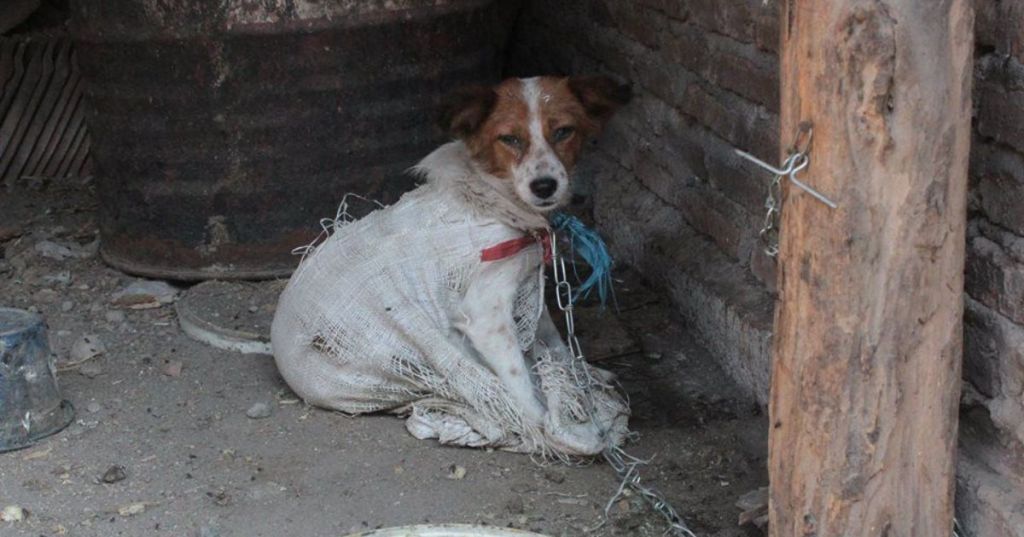
The Ban Is Too Late For These Dogs -Credit: Dog Meat-Free Indonesia
Lola Webber, director of campaigns to End Dog Meat at Humane Society International, a DMFI member group, commented:
“A dog and cat meat trade ban in Indonesia’s capital city Jakarta is hugely significant, not just because of the thousands of animals killed every year for the city’s trade, but also because it recognizes that this cruel trade risks spreading rabies. Jakarta’s rabies-free status is jeopardized every day that the dog meat trade continues to traffic dogs of unknown disease status into the city.”
The dog meat trade is now banned in 21 cities and regencies across Indonesia. The regencies are Karanganyar, Sukoharjo, Semarang, Blora, Brebes, Purbalingga, Mojokerto, Temanggung, Jepara and Magelang. The cities are Salatiga, Malang, Semarang, Magelang, Blitar, Mojokerto, Medan, Surabaya and now, Jakarta.
Globally, intolerance of animal cruelty and concern for human health is seeing an ever-growing number of countries, territories, provinces, regencies and cities passing explicit laws prohibiting the trade in and slaughtering and consumption of dogs and cats.
——–((((((()))))))——–
WHAT YOU CAN DO TO HELP WILDLIFE:
You can support ‘Protect All Wildlife’ by donating as little as £1 – It only takes a minute but it can last a lifetime for an animal in need. Please donate below.
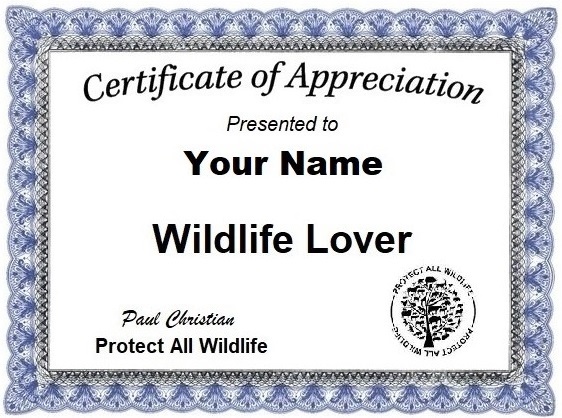
Everyone who donates will receive a Certificate of Appreciation as a thank you for helping animals in need.
The Mission of Protect All Wildlife is to prevent cruelty and promote the welfare of ALL animals.
We believe EVERY animal should be treated with respect, empathy, and understanding. We raise awareness to protect and conserve wild, captive, companion and farm animals.
It is vital that we protect animals against acts of cruelty, abuse, and neglect by enforcing established animal welfare laws and, when necessary, take action to ensure that those who abuse animals are brought to justice.
Protect All Wildlife are involved in many projects to protect animals’ rights, welfare, and habitats. Money contributed to Protect All Wildlife supports ALL of our worthy programmes and gives us the flexibility to respond to emerging needs. Your donations make our work possible.
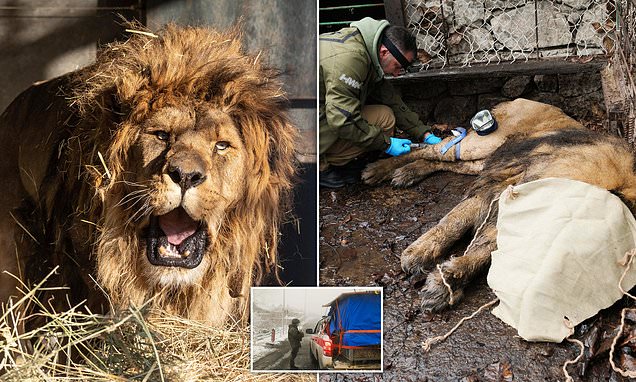
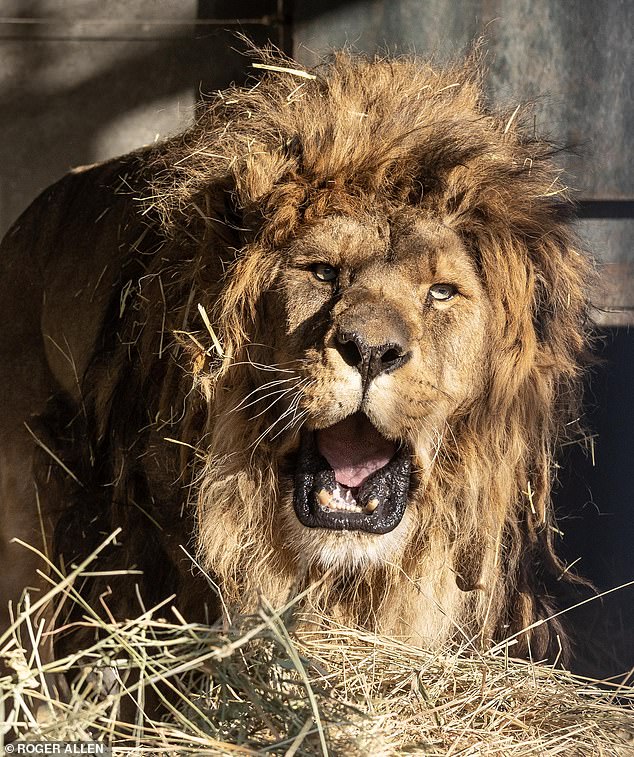
For five years, Ruben the lion’s roars went unanswered as the last animal in an abandoned zoo.
So scarred was the 15-year-old by solitary confinement in a tiny cage, he fell silent. But now Ruben is learning to roar again with the help of the British animal charity which rescued him.
Jan Creamer, of Animal Defenders International, said the zoo in the Artsakh Republic, a self-declared republic within Azerbaijan, had been owned by an Armenian businessman.
RUBEN THE LION WHO LOST HIS ROAR
After the businessman, died all the other animals were rescued. ‘Sadly, there was no room for Ruben,’ she said. ‘Lions live in family groups and roaring is chatting to them.
‘He is still trying to roar. Ruben has never felt the sun on his back or the wind in his face.’
Now he will soon find a home at a sanctuary in South Africa where, his rescuers hope, he will roar again.
The rescue operation had to be meticulously planned and strategically timed to avoid inflaming tensions in the region, which is patrolled by a Russian peace-keeping force.
The former businessman’s family were keen for Ruben to have a better life and agreed to the move, which had to negotiate multiple armed check-points.
He will soon be taken to an ADI sanctuary in South Africa for Lions and Tigers.
Ruben, who was born in captivity in the zoo, has been left with health issues from his years spent alone with little food.
But his coat, once matted with mud and moulting, is getting its shine back as he gets used to a healthy diet and the comfort of a hay-bed, two heated rooms and a 30ft by 15ft enclosure.
‘This is more space than he has ever known but the real transformation will be in Africa where he will eventually have access to 2.5 acres of natural habitat,’ Ms Creamer said.
‘His life-long restrictions have weakened his muscles and there appears to be neurological damage to his spine and head and one leg is wobbly and drags. But we are building him up with exercise and food and he is responding well.
‘Ruben is now engaging and interacting with people which is wonderful to see. His calls went unanswered for five years but we are confident that he will roar again.’
What you can do to help wildlife:
You can support ‘Protect All Wildlife’ by donating as little as £1 – It only takes a minute but it can last a lifetime for an animal in need. Please donate below.
Everyone who donates will receive a Certificate of Appreciation as a thank you for helping animals in need.
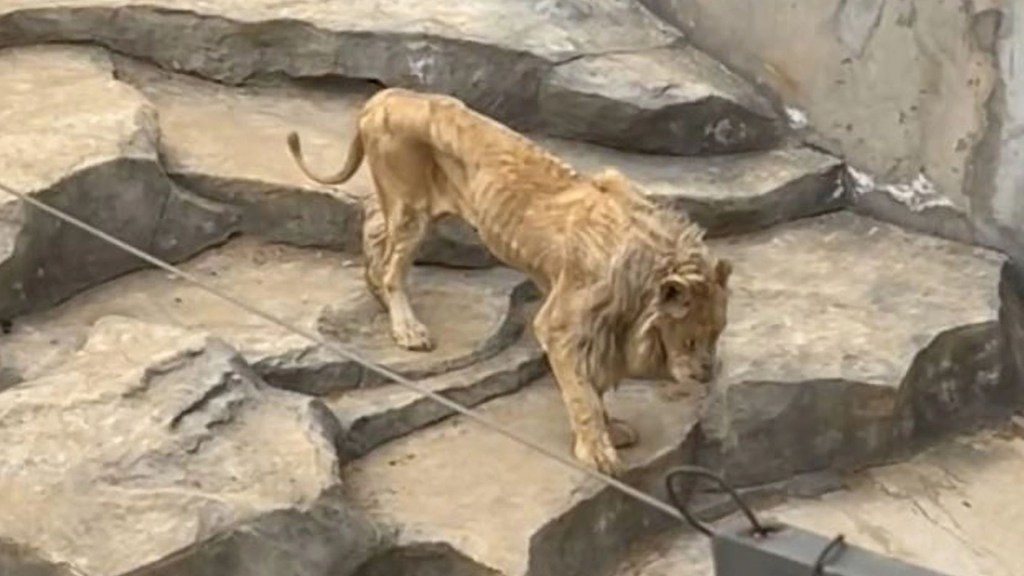
A frail Lion that looks like a walking skeleton has become too weak to chew.
Shocking footage showed the skinny lion walking through its enclosed cage
The Lion, called Ala, is so emaciated he can barely walk through his enclosure at the Jinniu Lake Safari Park in Nanjing, China with outraged social media users accusing the zoo of inflicting suffering on the lion and starving their animals.
Shocking footage has emerged of a starving lion which is barely more than skin and bones at a Chinese zoo.
Many have been left furious and disturbed by the sight of the big cat who looks so malnourished it is struggling to carry out basic functions such as walking.
In the horrifying video viewers can see the Lion’s ribs because it is so thin.
The clip – shared later on Douyin, China’s version of TikTok – shows the ultra-skinny Lion wobbling down a walkway.
The lion is so frail he can barely walk
It caused outrage among viewers who accused the zoo of not taking proper care of the feeble feline.
One user said: ‘This is too much suffering. If you can’t afford to feed it, send it to a different zoo that can.
‘Why let him suffer? It should have been left living in nature.’
Meanwhile, another added: ‘This zoo is too much, starving the lions like this.’
Officials at the zoo later attributed the lion’s shocking appearance to its old age because he can no longer chew his food.
They claimed that the 25-year-old big cat would be 80 if he was a human.
Officials say he is fed a special diet of liquid protein and small cuts of meat and is watched over by specially trained vets and keepers in a private cage.
The zoo added: ‘Usually, we let it out for a walk in the morning or evening.’
Despite the concerning footage, Jinniu Lake Safari Park is ranked in the top five family-friendly things to do in Nanjing on Trip.com.
It has an overall rating of 4.2 out of 5 but there are also hundreds of negative reviews, with some visitors citing the zoo’s ‘poor management’ and others complaining of the huge costs.
What you can do to help wildlife:
You can support ‘Protect All Wildlife’ by donating as little as £1 – It only takes a minute but it can last a lifetime for an animal in need. Please donate below.
Everyone who donates will receive a Certificate of Appreciation as a thank you for helping animals in need.
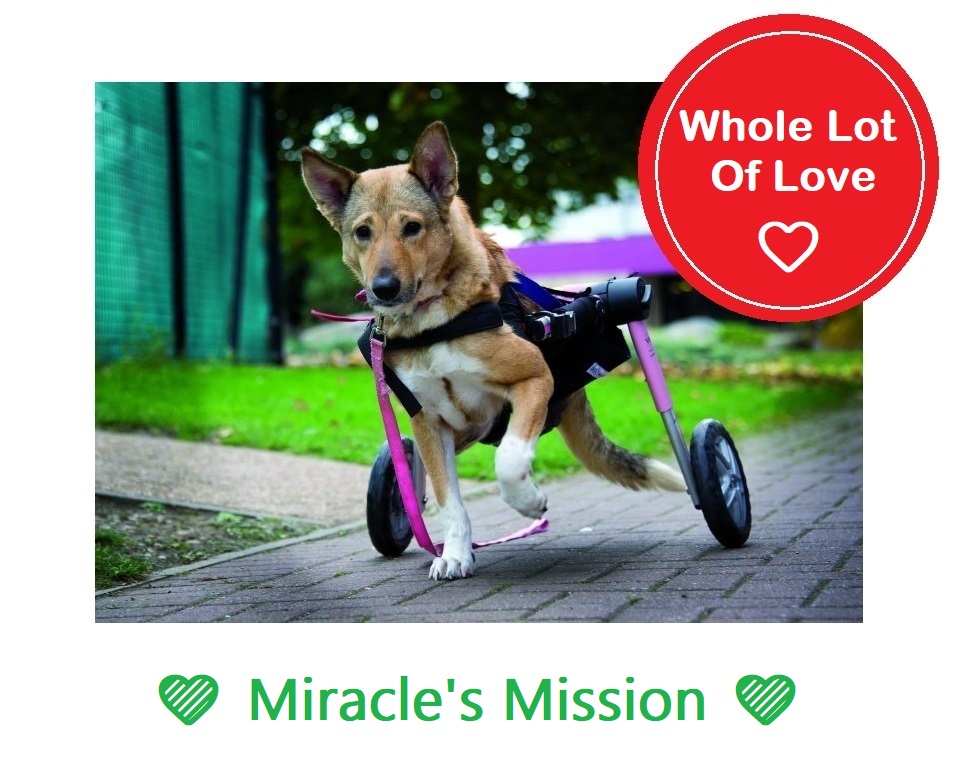
With this virtual gift, you will bring love to the life of a rescue in need this Valentine’s
At Miracle’s Mission, we bring rescued dogs and cats into our care who’ve never known what it feels like to be loved. You could change that by purchasing a virtual gift for them. With your gift, we can continue to give homeless rescues the love and care they deserve – and find their perfect match. What better way to help rescues this Valentine’s?
After purchasing a gift, you’ll receive an email that includes a certificate to download for yourself or your loved one – a nice keepsake as a reminder of the difference your gift has made to rescues.
So, if you can, please help homeless pets find love by purchasing a Whole Lot of Love Pack. We promise this is one gift that’s guaranteed to make someone’s heart flutter this Valentine’s!
How does a virtual gift work?1. Pop your virtual gift into your shopping basket and complete your checkout.
2. Look out for a thank you email including a downloadable virtual certificate.
3. Print out your certificate or email it to your lucky pet-loving Valentine.
All proceeds goes directly to Miracle’s Mission to support vulnerable pets.
The cost of changing a rescue animal’s life forever – PRICELESS!
To feed a dog for one month typically costs somewhere from £16 to £50, depending on the breed. Microchipping costs about £10 to £15. The average cost of essential vaccinations is £64. A vet appointment costs between £40-£60. Physiotherapy/Hydrotherapy – the average cost is £50 for a 30-minute session.
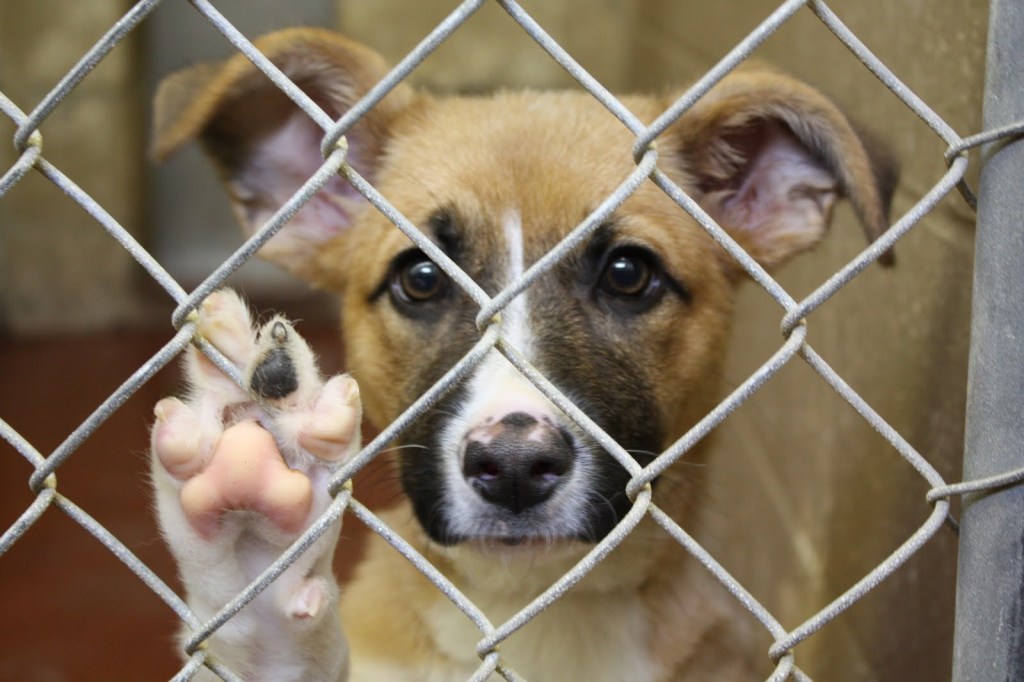
You may wonder, why do you have to pay to adopt a dog?
Well, running an animal shelter is not cheap, with food, heating and other costs, so you money goes towards supporting them in the work. It also pays for vital care that your new pet has had, and covers essential expenses that you’d likely have to pay for anyway if you got your dog another way.
Why do dog shelters charge people to adopt pets?
First of all, animal shelters cost money to run. While they get donations and funding through events like charity runs, the costs are high. They need to pay for food, heating and other bills, as well as any staff costs and expenses like petrol for home visits.
Adoption fees also cover other expenses for the dogs, such as vet bills, which you’d likely have to pay yourself anyway if you acquired a new dog through other means.
Every dog rehomed is vaccinated, microchipped and neutered.
10 REASONS WHY YOU SHOULD #ADOPTDON’TSHOP!
Adopting a pet has many benefits, some of which you may have not considered. Here are some reasons why adopting a pet would benefit you and your family.
1. You are saving a life
By adopting from a shelter, you are providing an animal with the second chance they deserve. Many have been rescued from horrific circumstances such as cruelty, neglect and abandonment, or quite simply their owners were no longer able to look after them due to illness or a change in situation.
Before and after: these pictures were taken two months apart
Shelter staff work tirelessly to nurse animals back to health, rehabilitate disturbed animals and do everything they possibly can to ensure they are prepared to go to a new home. Sadly, not all of them are as fortunate. Some shelters have to euthanise due to lack of space, meaning many healthy animals lose their lives. By rehoming a pet you can give an animal that has been abandoned through no fault of their own a loving, stable home, and help to stop overpopulation.
2. You will save money
Shelters often microchip, spay, neuter and vaccinate the animals that come into their care. This saves you a lot of money because you don’t have to pay for the procedures yourself and it ensures the pet you are taking home is healthy. Also, the prices of adopting a pet from a shelter are often a lot lower than the rates charged by breeders.
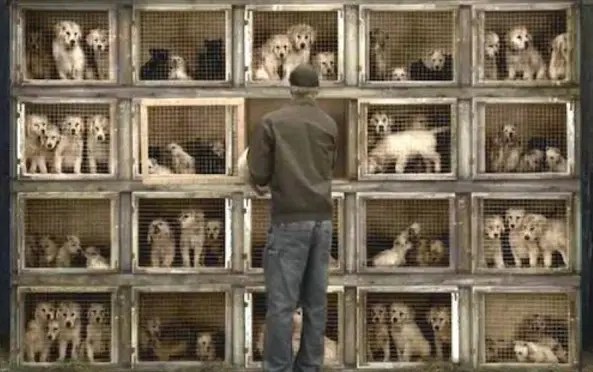
3. Can help to eradicate puppy farms.
A puppy farm, or mill, is the illegal practice of breeding puppies for the sole purpose of maximising profit, without any regard to the dogs’ health or wellbeing. Dogs at puppy farms are forced to breed several times to their detriment and they are often kept in terrible conditions without basic necessities.
Bred Relentlessly For Profit
People who run such places are not concerned with producing healthy dogs, so they can be born with severe problems that emerge over time. The dogs usually don’t receive any veterinary care, and will often be destroyed once they can no longer reproduce. Additionally, dogs at pet shops are often products of puppy farms. Adopting from a shelter aids in stopping dogs from being subjected to such horrific circumstances, because rather than funding this illegal trade you will be rehoming a pet from somewhere reputable that supports animal welfare.
4. Can improve your health and make you happier
Various studies have shown that a having pet can elongate your life, whilst improving your overall happiness and health. It also helps people with depression, stress, anxiety and many other ailments. The affectionate and loyal nature of dogs as pack animals that form close relationships with their owners can help sufferers of depression, who may feel like they don’t have anybody else.
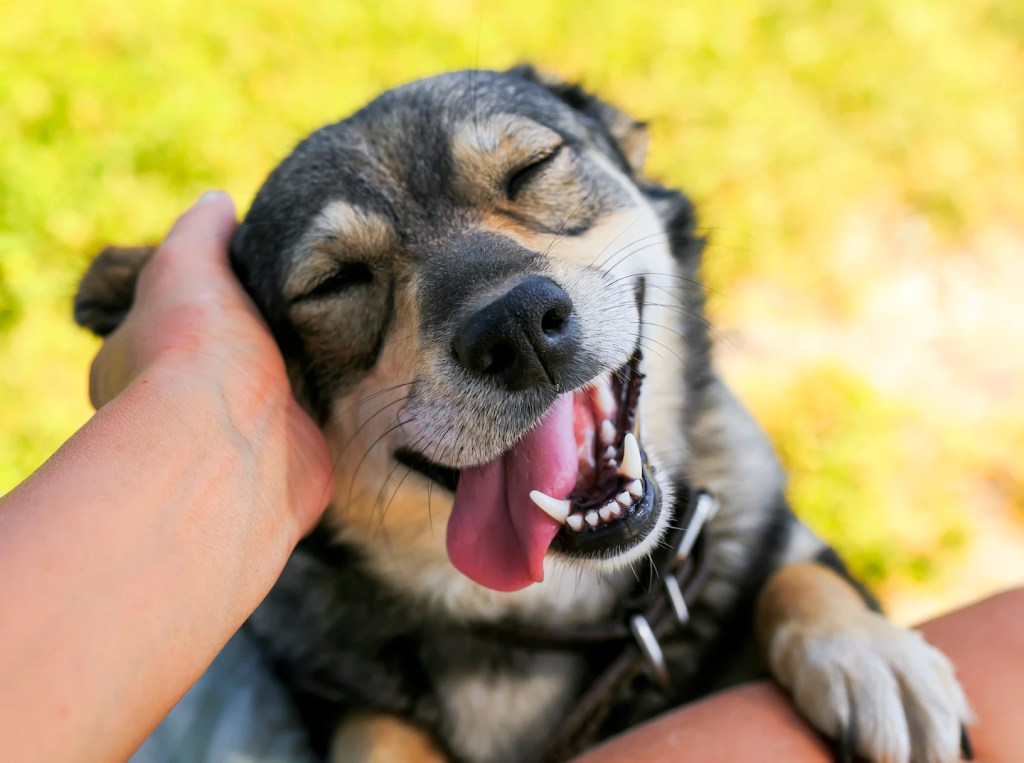
Stroking your pet can reduce your blood pressure and stress levels, and playing with them can increase the levels of serotonin and dopamine your body produces, making you feel calm and relaxed. Walking the pet is a way to exercise and provides sufferers of anxiety and depression with a reason to leave the house. It also creates opportunities for socialising with other dog walkers. The animal you have helped through rehoming can help you.
5. Can benefit children
Children can be taught valuable life skills through pet ownership, such as the importance of maintaining responsibilities. Rehoming a pet will also encourage empathy by making them think about how they have helped to give an unwanted animal a loving home. Pets can help children with separation anxiety and provide them with security, as they can be safe in the knowledge that someone will always be there. As well as this, they can be a loving companion and playmate.
6. Many of the animals are housetrained
Animals at shelters have often been housetrained in their previous home, particularly if they are older. This saves you a lot of time and extra effort when training your new pet where to go to the toilet.
7. Unconditional love
A pet is a companion that will never judge you, will love you regardless of whatever happens and will always be there. As well as making you feel great, their unconditional love raises your self-esteem because of the affection they show you. It is said that animals know when they have been rescued, so the bond between you and your rehomed pet will be especially strong.
8. You could get a pet you never expected
Although you may have an idea of what you are looking for, there are a wide variety of animals waiting to be adopted from shelters. This may mean an animal you would never have imagined could turn out to be the best match for you. Therefore, it is always important to have an open mind when visiting shelters.
9. Older animals can prove to be the best companions
Many people want to adopt puppies and kittens without considering the advantages of having an older pet. If trained in their previous home they will be less likely to destroy furniture than a younger pet, and as such, will probably require less supervision. Older pets are often calmer and quite happy to sit in your company rather than demanding constant attention. They also have more developed personalities than puppies or kittens, so it may be more apparent when visiting them at the shelter whether or not you are suited.
10. Adopting supports spaying and neutering
Spaying and neutering animals is important in controlling the animal population. Many pets that aren’t spayed or neutered often contribute to the problem of unwanted animals, which can lead to more being left at shelters. Adopting an animal from a shelter means that your new pet has been spayed or neutered where possible.
Please help us continue to support animal rescues by donating any amount, large or small. Your donations make our work possible.
And please remember…
…the cost of changing a rescue animal’s life forever is – PRICELESS!
Animal welfare charities are facing “significant” financial problems in the Covid-19 crisis due to falling donations, the closure of charity shops to protect volunteers, and the cancellation of fund raising events.
There has already been a rise in cancellations of charity donations by direct debit across the UK. The current cost of living crisis has affected rescue charities twofold. Donations have dropped significantly However, the need to help animals in need has increased DRAMATICALLY.
Many people who bought pets during the covid lockdown have handed them into rescue centres because they can no longer (or don’t want to) look after. The cost of living crisis means many people cannot afford the cost of keeping their pets.
To make matters worse, the pandemic struck at a bad time. When Lucy’s Law came into effect in England, many puppy farmers abandoned the ‘trade’ – a victory for animal welfare. However, this led to an increase in breeding dogs dumped to fend for themselves with no regard for their welfare – just as the charities looking after them struggle to raise enough funds to function.
Like many animal welfare charities, we are struggling after lockdown. Covid restrictions and the cost of living crisis has resulted in very little funding coming in. This has dramatically affected our ability to help charities who are really struggling at the moment.
Please help us help other by donating ANY amount, large or small, at the link below. EVERY penny counts at these desperate times.
Everyone who donates will receive a Certificate of Appreciation as a thank you for helping animals in need.
Oksana Krasnova with a rescued dog. (Oksana Krasnova/PA)
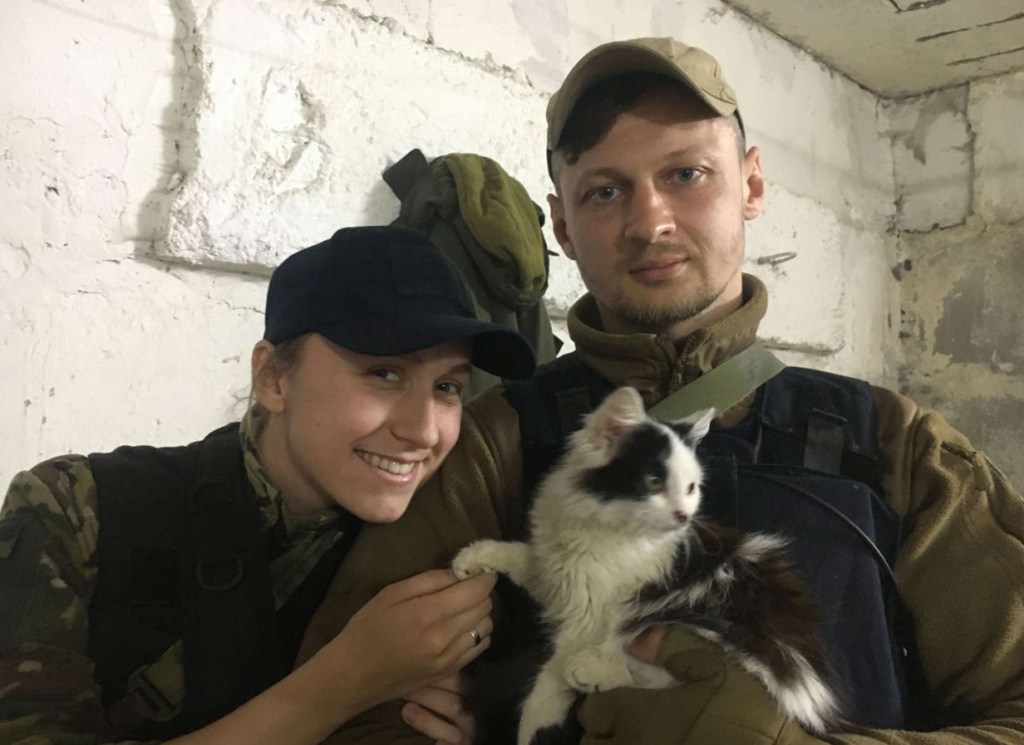
An “animal-loving” Ukrainian sniper and her husband fighting on the frontline have rescued dozens of pets after discovering them abandoned on the battlefield.
Oksana Krasnova, 27, uses her wages to pay for food and supplies to nurse the animals back to health before arranging for them to be transported on military vehicles to the Ukrainian capital, Kyiv, to be rehomed.
Oksana Krasnova (left), 27, and her husband Stanislav Krasnov, 35, holding a rescued cat. (Oksana Krasnova/PA)
Oksana had previously worked as a lawyer in the capital until Russia invaded the country six months ago and she joined the Ukrainian frontline defence, fighting in the Donetsk region.
In between working as snipers, Oksana and her husband Stanislav Krasnov, 35, have rescued almost 30 pets they have discovered when passing through abandoned villages.
Speaking to the PA news agency from the frontline, Oksana said: “I love animals a lot and I used to help rescue animals with my husband even before the Russian invasion.
“I come across a lot of abandoned pets when I am going about my duties and I can’t just leave them.
“It’s hard to evacuate animals from the frontline but these poor pets have been used to living with humans so they can’t survive on their own.
“I have my own pets who are being looked after by my parents in Kyiv and I could never dream of abandoning them.”
The first animal the couple rescued was a black dog they found in an abandoned house. (Oksana Krasnova/PA)
Oksana said her most memorable rescue to date was the first abandoned animal she saved on the frontline.
The couple had heard “some strange sounds” while walking through an abandoned house and found a small, black dog trapped in the building.
Oksana said the animal was “clearly traumatised” and had been surviving off raw potatoes when they discovered her.
“I think she had been there for about a month – it was awful,” she said.
“She was just lying on the floor and we placed a pillow under her head while she was barking and crying and foaming at the mouth.
“We had to push her into a box and transport her in our military vehicle.
“She was having seizures and we didn’t think she would survive.”
Oskana and Stanislav have rescued almost 30 pets they discovered when passing through abandoned villages. (Oksana Krasnova/PA)
Oksana fed the dog every hour and cared for her around the clock until her health began to improve.
“We have a friend who has some volunteers out in Kyiv who work with traumatised animals and he took in the poor dog,” she said.
“Months on, she’s now okay and she lives with a foster family.”
Oksana said she mainly rescues dogs and cats but has occasionally helped smaller creatures like birds and rabbits, which she tends to release into the wild once healthy.
“At the moment where we are based we have a herd of pigs with us from one of the nearby villages,” Oksana said.
“Obviously we can’t rescue them as they won’t all fit in our military vehicles but we are making sure they are okay and have enough food.”
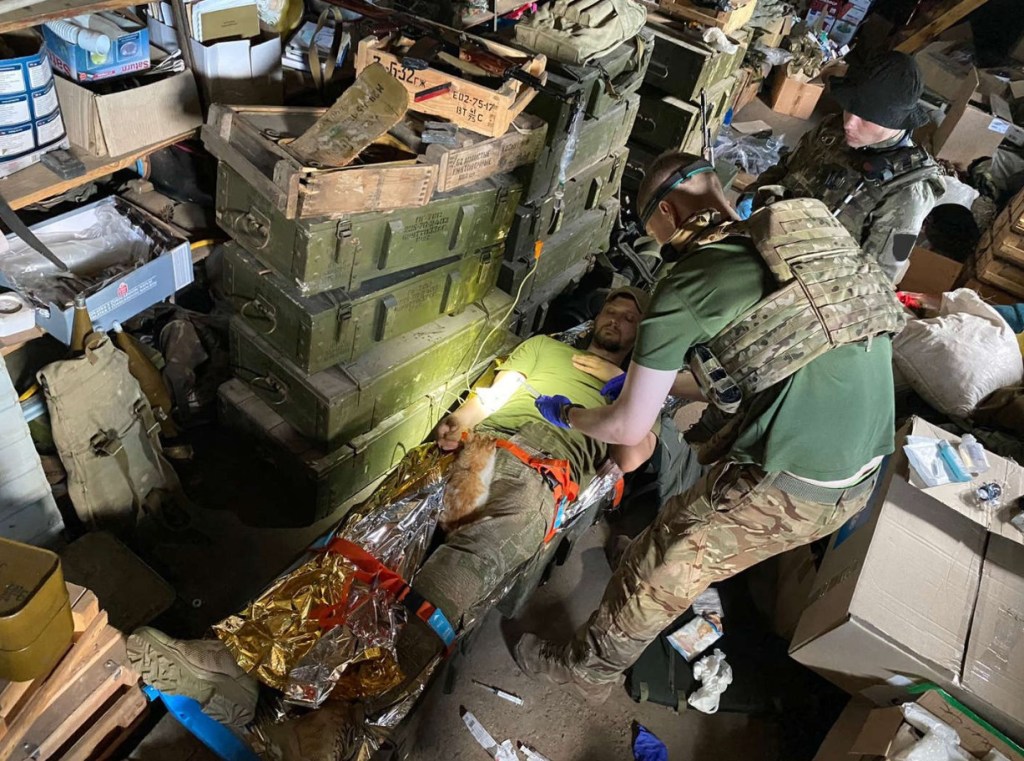
The rescued animals have become a huge part of the couple’s life and even when Stanislav was wounded, he was joined by a small kitten while he was strapped to a stretcher receiving medical treatment.
A rescued kitten sits on Stanislav while he receives medical treatment after being injured. (Oksana Krasnova/PA)
“The animals we rescue are really very grateful and loyal,” Oksana said.
“Sometimes it’s really hard (to say goodbye to them) mainly because I spend so much time treating them.
“But I feel relieved because I know that they won’t starve and suffer again,” she added.
We believe EVERY animal should be treated with respect, empathy, and understanding. We raise awareness to protect and conserve wild, captive, companion and farm animals. It is vital that we protect animals against acts of cruelty, abuse, and neglect by enforcing established animal welfare laws and, when necessary, take action to ensure that those who abuse animals are brought to justice.
Protect All Wildlife are involved in many projects to protect animals’ rights, welfare, and habitats. Money contributed to Protect All Wildlife supports ALL of our worthy programmes and gives us the flexibility to respond to emerging needs. Your donations make our work possible. Thank you for your support.
Everyone who donates will receive a Certificate of Appreciation as a thank you for supporting wildlife.
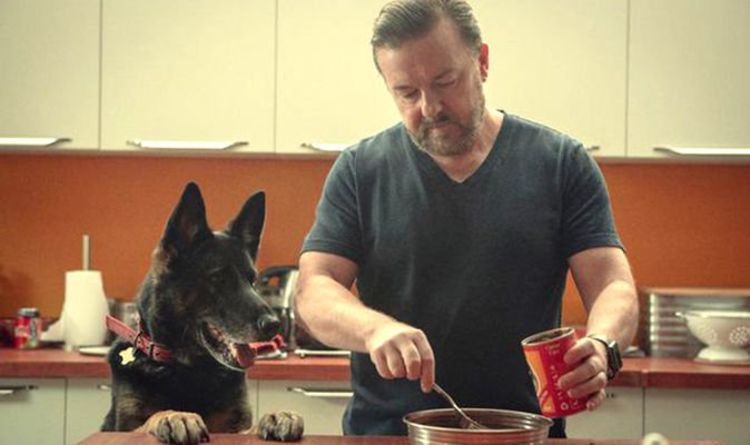
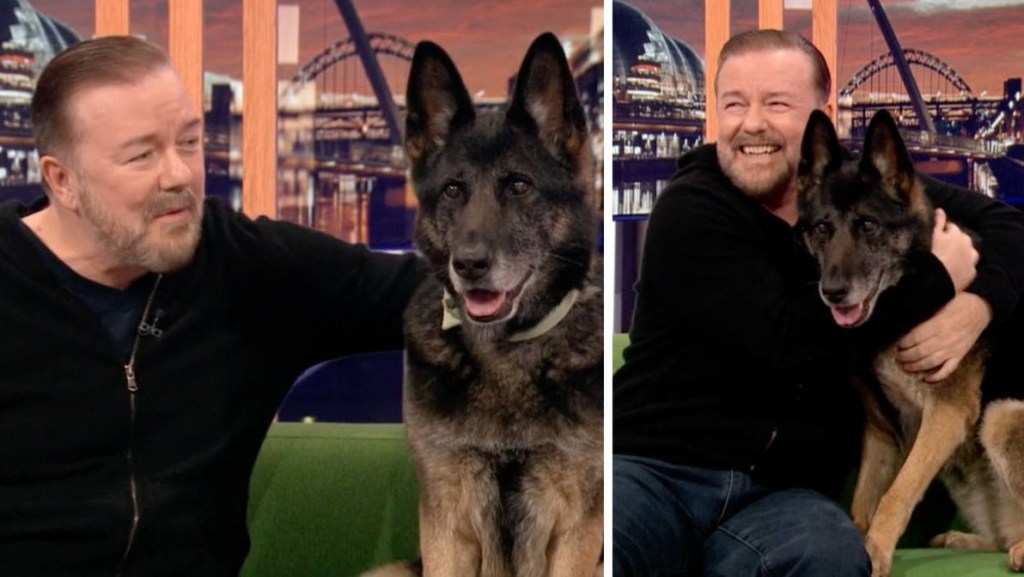
Antilly, the German Shepherd who shared the screen with comedian and actor Ricky Gervais in After Life, is adding plenty of screen credits to her CV since the show.
She won the hearts of TV viewers worldwide as Ricky Gervais’ loyal dog in Netflix smash After Life.
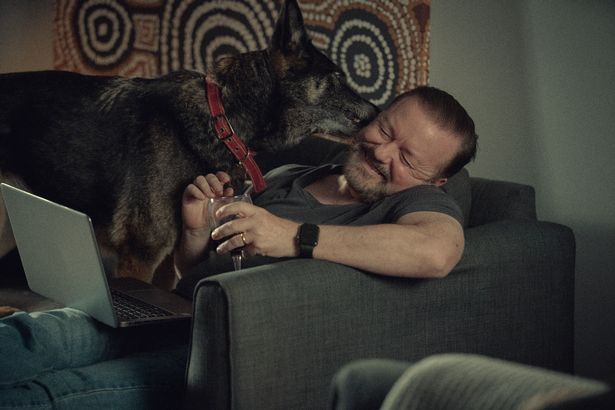
RICKY AND ANTILLY
And thanks to her role as Brandy, the pup who gives Ricky’s character Tony Johnson a reason to live after his wife’s death, Antilly’s career is booming.
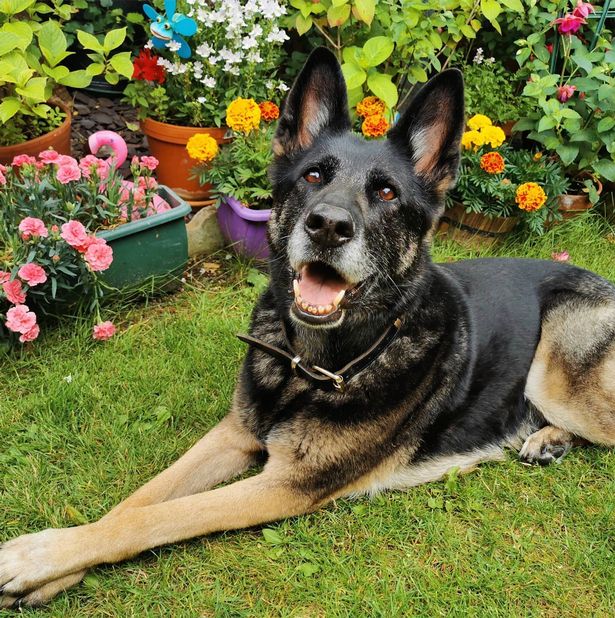
ANTILLY
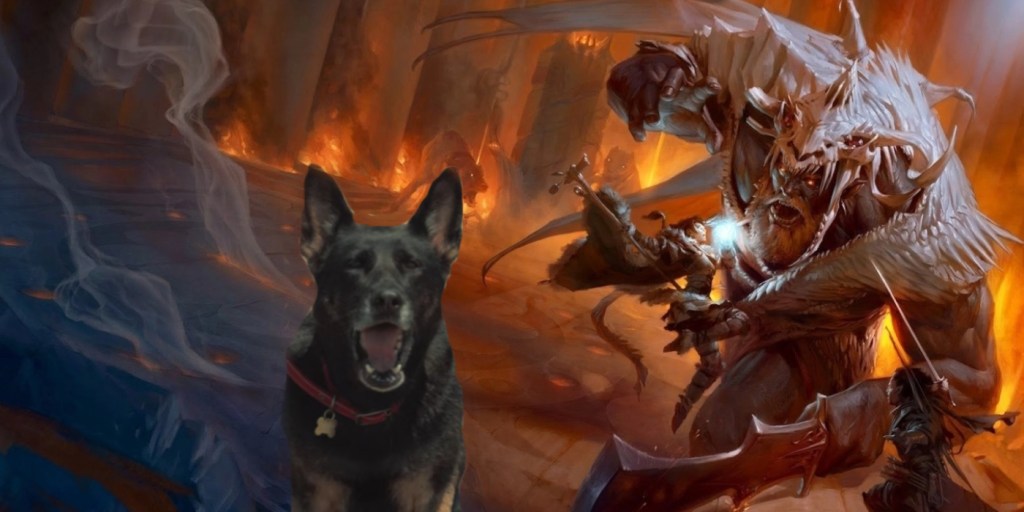
The German Shepherd has been to Belfast to shoot scenes with Hollywood stars Chris Pine and Michelle Rodriguez for a blockbuster Dungeons And Dragons film.
ANTILLY IN DUNGEONS AND DRAGONS
And she’s starring in upcoming BBC drama Sherwood with David Morrissey and Robert Glenister as well as Netflix spy series Treason with Charlie Cox and Olga Kurylenko.
Antilly has graced screens since she was a puppy, playing everything from Army hounds to police dogs.
She’s also worked with A-listers including Tom Cruise and George Clooney, who said she was the best-trained dog he’d seen.
Antilly’s owner Ashley Foster jokes: “They bring us over to do the serious acting.”
Ashley started as an animal trainer 10 years ago and worked on Batman flick The Dark Knight Rises with Antilly’s parents – he was one of villain Bane’s henchmen with the dogs playing attack hounds.
Antilly followed in her parents’ pawprints and signed with Stunt Dogs & Animals. The company was working on a film with Michael Fassbender and wanted a police dog to bite him – one of Antilly’s many skills.
ANTILLY’S DAD ASHLEY
Using protective sleeves, Ashley, 34, safely directs the clever canine where to bite. He says: “She’s very controlled. As soon as the director calls cut and I tell her to let go, she lets go straightaway.”
Antilly’s skills are so honed, she even managed to convince a scared stuntman on Martin Clunes’ series Doc Martin to do a dog bite scene.
ANTILLY CHASES DOC MARTIN (MARTIN CLUNES)
Ashley, from Bicester, Oxon, says: “He’d done one before, they’d used two ex-police dogs and they couldn’t get the dogs off him. I had to show how she works for him to agree to do it.”
The talented pooch, 10, has a wide range of tricks from shaking her head and limping on command to playing dead. All she needs is the reward of a sausage and Ashley stands off-camera, tempting her with his telescopic bait stick.
(OUTTAKE) ANTILLY AND RICKY ON THE SET OF AFTERLIFE
“She’ll lie there, completely still,” he says. “People could be crying and wailing over her and she won’t move. Every time she does something she will get paid with a sausage.”
Ashley often appears alongside Antilly and after receiving the script, they do lots of prep work to make sure she is happy.
PREPARED FOR AN AFTERLIFE SCENE
Ashley adds: “For After Life there wasn’t really much to prepare for. It was straightforward.”
When they’re not filming scenes, he uses the time to work on training.
He also brings other dogs with him to train, including German Shepherd pup Pen, who has already worked as a police dog in TV shows and will eventually take over from Antilly.
For now, though, she is continuing her film work. Ashley says: “She’s still super fit, healthy and happy and loves to work.”
Ashley and Antilly are backing a new challenge from charity Street Paws, encouraging Brits to walk 274,000 steps in April for every homeless person in England.
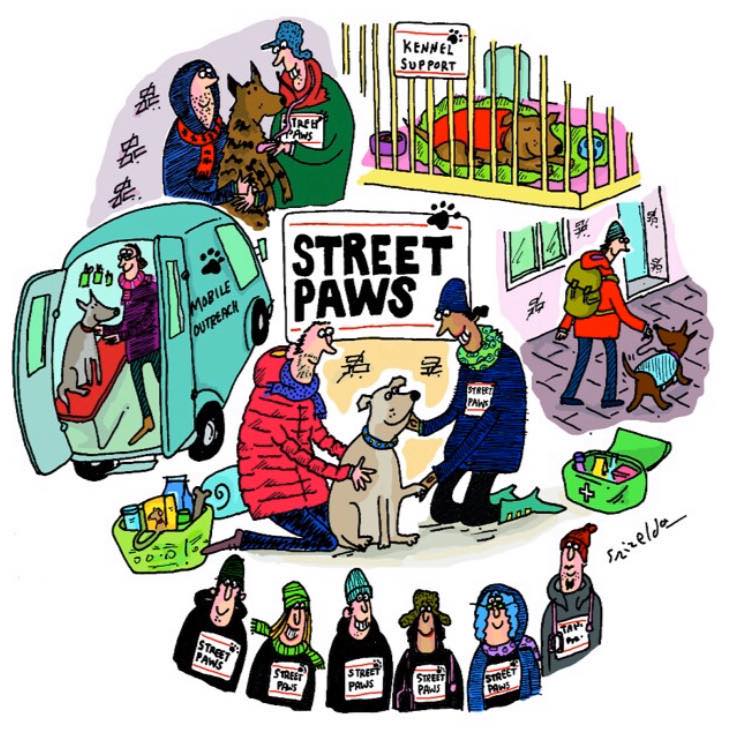
Founded in Newcastle in 2016, Street Paws provides free accessible vet care and support services to homeless people and their pets.
STREET PAWS
Ashley says: “The work they do can save people. I’ve known people who are struggling to find housing and have got a dog and are really worried about not being able to find somewhere to live with them.”
What you can do to help rescue animals:
Support ‘Protect All Wildlife’ by donating as little as £1 – It only takes a minute but it can last a lifetime for an animal in need.
We believe EVERY animal should be treated with respect, empathy, and understanding. We raise awareness to protect and conserve wild, captive, companion and farm animals. It is vital that we protect animals against acts of cruelty, abuse, and neglect by enforcing established animal welfare laws and, when necessary, take action to ensure that those who abuse animals are brought to justice.
Protect All Wildlife are involved in many projects to protect animals’ rights, welfare, and habitats. Money contributed to Protect All Wildlife supports ALL of our worthy programmes and gives us the flexibility to respond to emerging needs. Your donations make our work possible. Thank you for your support.
Everyone who donates will receive a Certificate of Appreciation as a thank you for supporting wildlife.
When tomorrow starts without me, And I’m not there to see; The sun will rise and find your eyes All filled with tears for me
I wish so much you wouldn’t cry The way you did today, I know how much you loved me, As much as I love you, And each time that you think of me I know you’ll miss me too.
But when tomorrow starts without me, please try to understand That an angel came and called my name And petted me with her hand.
She said my place was ready, In Heaven far above, And that I’d have to leave behind All those I dearly love.
But,as I turned to heel away, A tear fell from my eye, For all my life I never thought That I would have to die.
I had so much to live for, So many sits and downs to do, It seemed almost impossible, That I was leaving you.
I thought about our lives together, I know you must be sad, I thought of all the love we shared, And all the fun we had.
Remember when I’d nudge your hand, And poke you with my nose? The frisbee I would gladly chase, The bad guy,I’d “bark and hold”
If I could relive yesterday, Just even for awhile, I’d wag my tail and kiss you, Just so I could see you smile.
But then I fully realized, That this could never be For emptiness and memories Will take the place of me.
And when I thought of treats and toys I might miss come tomorrow, I thought of you and when I did, My dog-heart filled with sorrow.
But when I walked through Heaven’s gate; And felt so much at home; As God looked down and smiled at me, From His beautiful throne.
He said,”This is eternity”, And now we welcome you, Today your life on earth is past, But here is starts anew.
I promise no tomorrow, But today will always last; For you see,each days’ the same, There’s no longing for the past.
Now you have been so faithful So trusting, loyal and true; Though there were times you did things, You knew you shouldn’t do
But good dogs are forgiven, And now at last you’re free; So won’t you sit here by my side, And wait right here with me?
So when tomorrow starts without me, Don’t think we’re far apart, For every time you think of me, I’m right there, in your heart.
Author unkown
What you can do to help animals in need:
Support ‘Protect All Wildlife’ by donating as little as £1 – It only takes a minute but it can last a lifetime for an animal in need.
We believe EVERY animal should be treated with respect, empathy, and understanding. We raise awareness to protect and conserve wild, captive, companion and farm animals. It is vital that we protect animals against acts of cruelty, abuse, and neglect by enforcing established animal welfare laws and, when necessary, take action to ensure that those who abuse animals are brought to justice.
Protect All Wildlife are involved in many projects to protect animals’ rights, welfare, and habitats. Money contributed to Protect All Wildlife supports ALL of our worthy programmes and gives us the flexibility to respond to emerging needs. Your donations make our work possible. Thank you for your support.
Everyone who donates will receive a Certificate of Appreciation as a thank you for supporting wildlife.
















 PROTECT ALL WILDLIFE