Save The Elephants’ Tribute To Bull Elephant Edison.

An Abrupt End To The Jumbo Life Of Iconic Bull Elephant Edison.
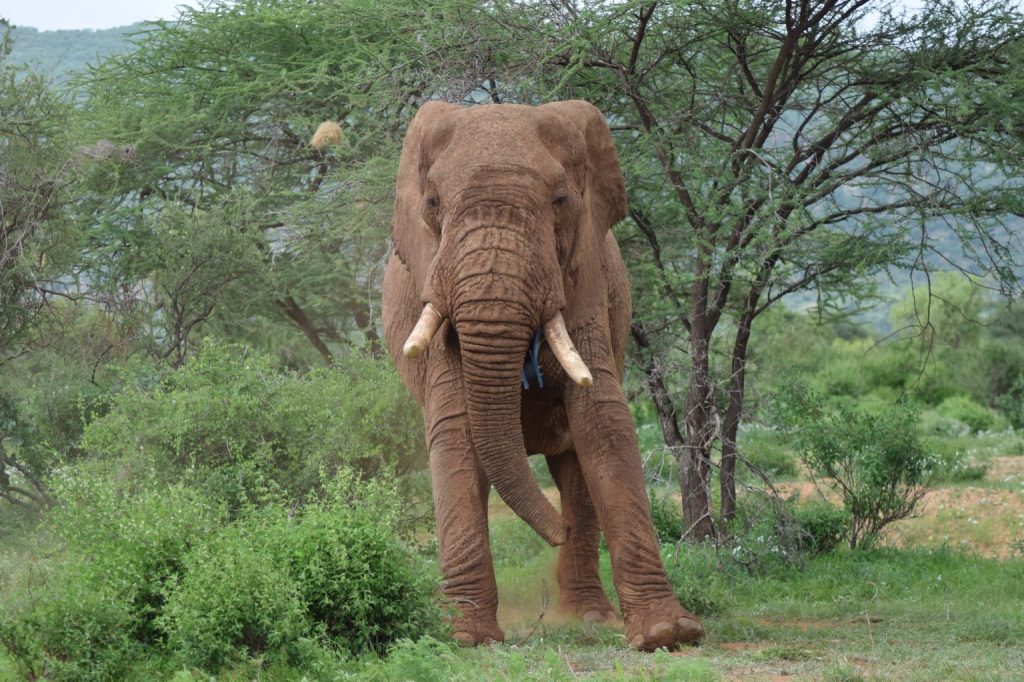
Edison in Samburu National Reserve Credit: Alice Clark/Save the Elephants

We are deeply saddened to report that one of our best-known and most beloved bull Elephants, Edison, has died. Edison’s carcass was found in Westgate Conservancy in Samburu, northern Kenya. We suspect his untimely death could be yet another tragic outcome of the rising cases of Human-Elephant Conflict (HEC) across Africa. Investigations into the cause of death are still continuing. Edison’s death marks the third loss of one of our Samburu study bull Elephants within the span of just under a year. In December, bull Elephants Sarara and Yeagar were both killed in conflict with herders.
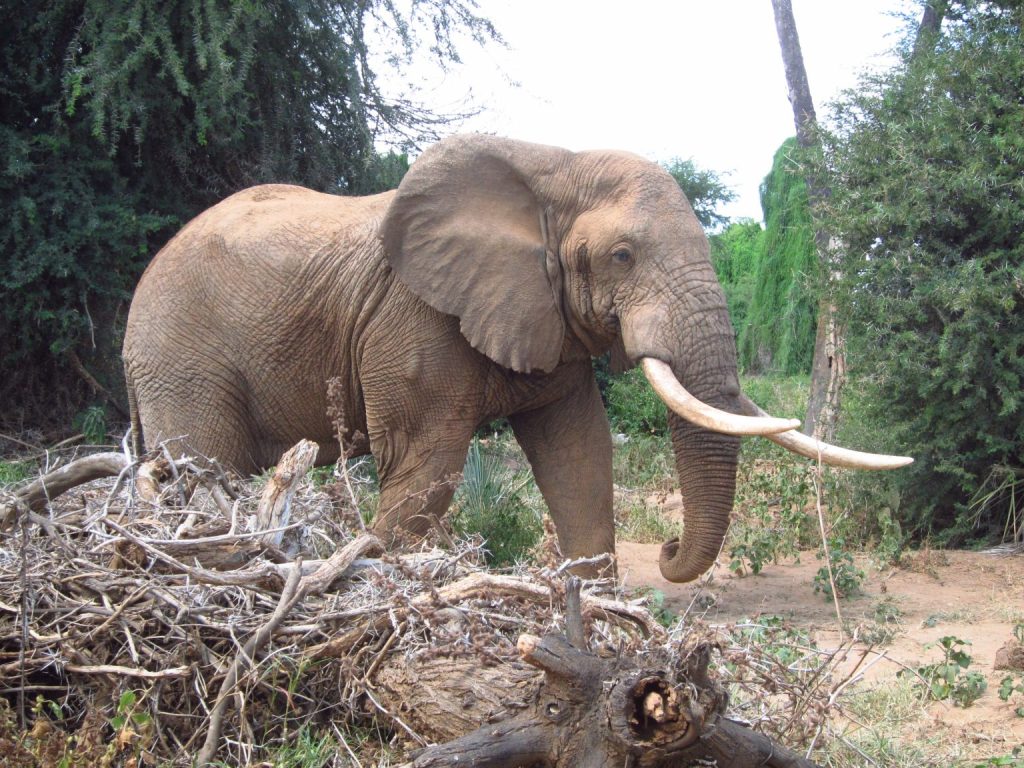
Matt, Samburu’s biggest tusker, who faced off with Edison in Samburu National Reserve, Credit: Sarah Jacobson/Save the Elephants

Edison was estimated to be approximately 37 years old and in the prime of his life at the time of his death. Born into the Royals family and known to our researchers since he was a teenager, Edison was a feisty wild bull and quite the mama’s boy too. Most bulls venture out for a life of their own when they are around 10-12 years old but when Edison dispersed, he kept coming back to visit his family on and off for the next couple of years.

Edison’s fearless, spirited nature was well-known to many. He was never one to shy away from confrontation, even challenging older and much larger bull Elephants like the late Matt – then Samburu’s biggest tusker who died in 2019. During one dramatic stand-off between the two-testosterone-fueled bulls in 2016, Save the Elephants’ founder, Iain Douglas-Hamilton, got caught in the middle and found himself face to face with Edison who charged his vehicle.

Save the Elephants has been observing and studying the lives of Elephants for more than three decades, gaining fundamental insights into how they behave and make decisions. By analysing the data from Edison’s GPS tracking collar, STE researchers were surprised to discover that while this adventurous bull spent much of his time travelling north to far flung places such as Kipsing, Westgate, Kalama and Ol Donyiro, he would  always return home to Samburu National Reserve at full speed when in musth to find mates.

Edison was collared by our team multiple times after his collar either dropped off or the batteries ran out – GPS collars only have a lifespan of around three years. While most  collaring operations proceed without a hitch, there’s one incident which is forever etched in our minds.

Our Director of Field Operations, David Daballen, remembers running for the hills during one particular collaring mission when  Edison, an enormous bull by then, suddenly awoke just as he was about to be fitted with the tracking device. The whole team, including the vet, had to abandon what they were doing and run for safety. It turned out that the anaesthesia hadn’t fully kicked in and Edison had momentarily woken up. Fortunately , Edison dropped back to sleep and the team were able to complete the mission successfully. 

Edison’s last collaring in April 2023 was just as nail biting. Edison went down on his chest, the worst position for an Elephant to be in as they risk suffocating. This time, the STE collaring team were able to push him onto his side and he was again successfully fitted with his new collar.

STE researchers, including David Daballen (below in this picture ) recollaring Edison in Samburu National Reserve in April 2023. Credit: Gilbert Sabinga/Save the Elephants

Says David Daballen, “Losing Elephants like Edison, whom we’ve observed throughout their entire lives, is always a profound loss. Their actions and interactions offer valuable insights into Elephant society. By closely tracking and monitoring these intelligent beings, we also gain a deeper understanding of their distinct personalities and characteristics. Edison, in particular, was a bold, maybe even an audacious Elephant, unafraid to assert himself, as demonstrated when he once challenged the venerable Elephant elder, Matt. We will sorely miss his presence in the reserve and following his remarkable adventures.”

Watch the epic confrontation between Edison and Matt below.

Author: Tanya Onserio, Save the Elephants

WHAT YOU CAN DO TO HELP Save The ELEPHANTS

PLEASE PRESS HERE TO DONATE
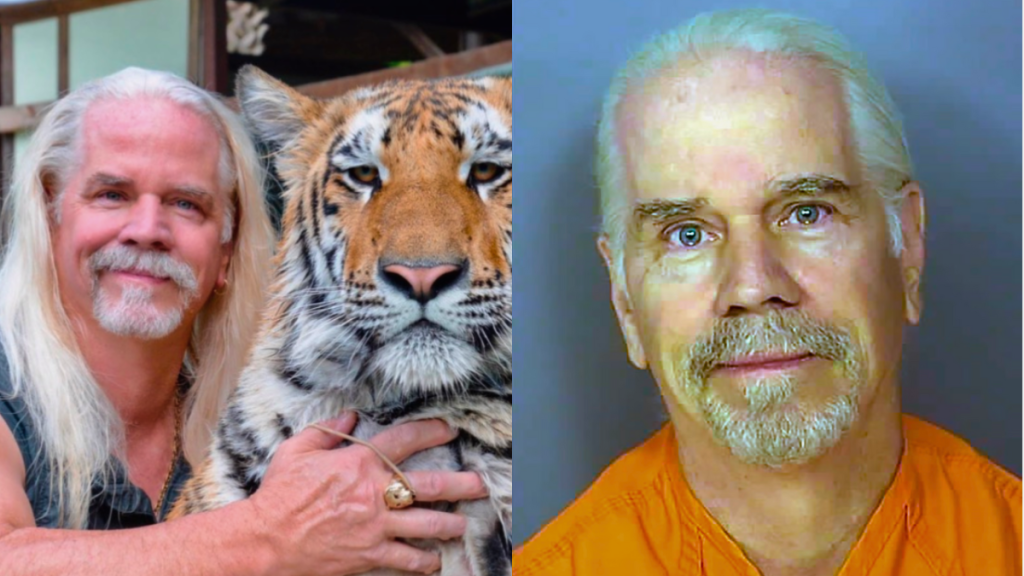
Bhagavan ‘Doc’ Antle Of Netflix’s ‘Tiger King’ Pleads Guilty To Wildlife Trafficking And Money Laundering.

Bhagavan ‘Doc’ Antle Of Netflix’s ‘Tiger King’

An exotic wildlife preserve owner who gained notoriety on the popular Netflix series “Tiger King” pled guilty on Monday to animal trafficking and money laundering, the U.S. Justice Department announced.

Bhagavan “Doc” Antle oversaw the sale or purchase of Cheetah cubs, Lion cubs, Tigers and a juvenile Chimpanzee that were all protected as endangered species, according to a Justice Department release. Officials said the 63-year-old man featured in a documentary mini-series about the Tiger trade tried to hide animal payments as “donations” to his nonprofit organization.

“The defendant held himself out as a conservationist, yet repeatedly violated laws protecting endangered animals and then tried to cover up those violations,” Assistant Attorney General Todd Kim of the Justice Department’s Environment and Natural Resources Division said in a statement.

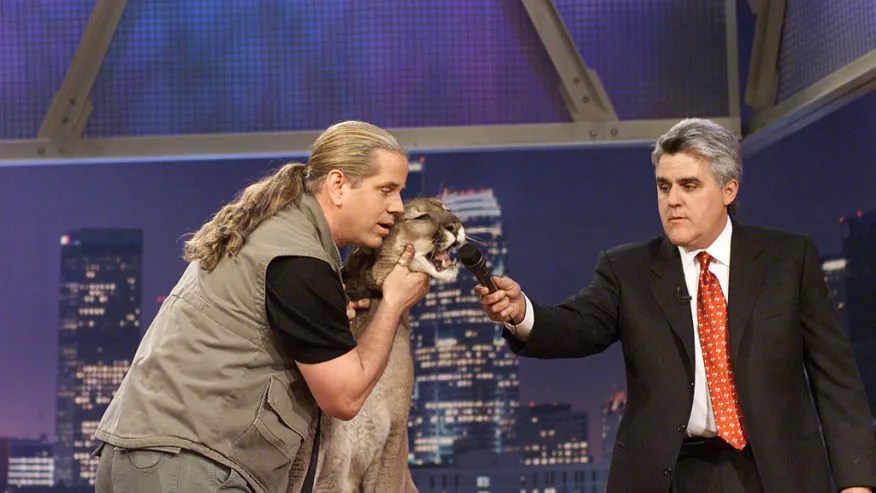
Antle On The Tonight Show Credit: Paul Drinkwater

Antle faces a maximum of five years’ imprisonment, fines up to $250,000 and three years of supervised release for each count. He is also the owner and operator of the Myrtle Beach Safari, which is also known as The Institute for Greatly Endangered and Rare Species, or T.I.G.E.R.S., prosecutors said. The safari is a 50-acre nature preserve that offers tours and the chance for private encounters with wildlife, prosecutors said.

Antle faces a maximum of five years’ imprisonment, fines up to $250,000 and three years of supervised release for each count. 

Investigators found evidence that Antle and a coconspirator had also used cash acquired through the transportation and harboring of immigrants who illegally entered the country.

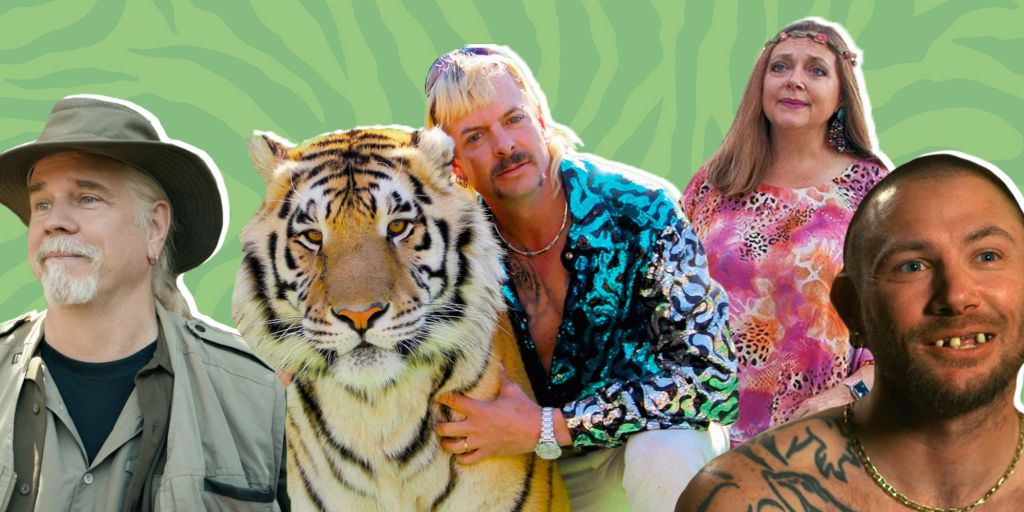
It’s the latest fallout for the subjects of “Tiger King: Murder, Mayhem and Madness.” Joe Exotic, the show’s star, is serving a 21-year prison sentence for trying to hire two different men to kill animal welfare activist Carol Baskin. The ongoing feud between Joe Exotic — whose real name is Joseph Maldonado-Passage — and Baskin featured prominently in the show. Maldonado-Passage had one year shaved off his penalty last year as he began treatment for early-stage cancer.

“Tiger King: Murder, Mayhem and Madness.” 

WHAT YOU CAN DO TO HELP ANIMALS IN NEED

You can support our work by donating as little as £5 – It only takes a minute but it can last a lifetime for an animal in need.

PLEASE DONATE HERE

PLEASE HELP ANIMALS IN NEED

Everyone who donates will receive a Certificate of Appreciation as a thank you for helping animals in need.

The Mission of Protect All Wildlife is to prevent cruelty and promote the welfare of ALL animals.

We believe EVERY animal should be treated with respect, empathy, and understanding. We raise awareness to protect and conserve wild, captive, companion and farm animals.

It is vital that we protect animals against acts of cruelty, abuse, and neglect by enforcing established animal welfare laws and, when necessary, take action to ensure that those who abuse animals are brought to justice.

Protect All Wildlife are involved in many projects to protect animals’ rights, welfare, and habitats. Money contributed to Protect All Wildlife supports ALL of our worthy programmes and gives us the flexibility to respond to emerging needs. Your donations make our work possible.

As The Internet Went Into Meltdown Over The Killing Of Cecil The Lion By Minnesota Trophy Hunter Walter Palmer, Another Man Was Causing A Stir After A Photo Published In National Geographic Went Viral At The Same Time.

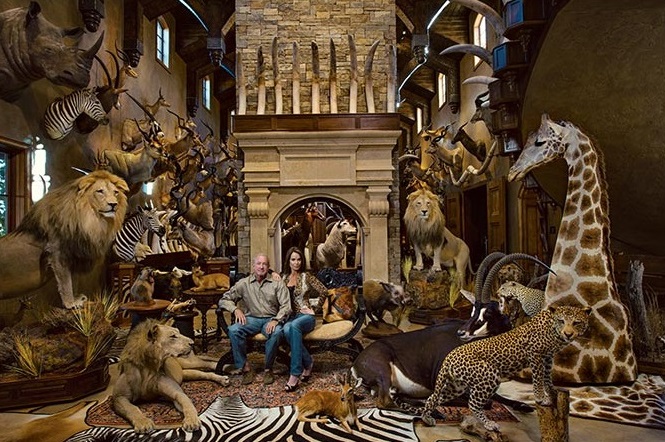
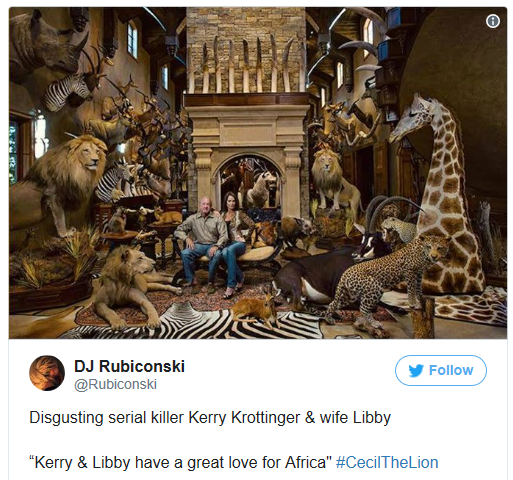
Kerry and Libby Krottinger in their ‘Wall Of Death’ room

Kerry Krottinger, a wealthy Texas hunter and businessman, has slaughtered so much African wildlife over the years that he amassed a veritable “wall of death” in his Dallas home. The National Geographic portrait depicts him sitting with his wife among the taxidermied bodies of Lions, Rhinos, Cheetah, Giraffes and enough Elephant tusks to open a traditional Chinese hospital.

The British-based charity LionAID, which uploaded the photo to their Facebook page, took a markedly dim view. “This is just one Texas trophy hunter with a ‘love’ of Africa,” they write. “Is it any wonder that Africa’s wildlife is disappearing? Just have a count of the various species displayed. Three Lions? So many Elephant tusks? A Giraffe? A Rhino? Kerry must be one of the leading CONservation hunters on the planet!”

Little is known about Krottinger’s personal life. Aside from being an energy millionaire with multiple companies to his name, he and his wife Libby operate a Gypsy horse farm called Ndugu Ranch. A website about the property had been taken offline, but a cache copy can be viewed here. A Facebook page also associated with the ranch was also taken down. Next to a smiling photo of the pair, Krottinger wrote he named the ranch after the Swahili word for “brother” or “family member,” and that the couple has “a great love for Africa.”

Krottinger’s kingly haul of animal carcasses was acquired through what’s known as “conservation hunting,” a practice that is supposedly designed to protect species by allowing people to hunt animals for a high fee that’s then to be used for other conservation efforts.

Far from poachers, conservations hunters — and the websites that promote them — see themselves as environmentalists. LionAID’s director Pieter Kat said the whole premise was nonsense.

“Conservation hunting is a complete myth,” he told Mic. “If conservation hunting had been effective, Cecil the Lion would not have to have been poached out of a national park, because conservation hunting would have maintained a viable and sustainable Lion population within their own trophy hunting concession.” According to Kat, steep fees like the more than $50,000 Palmer paid to kill Cecil typically end up in the pockets of tour operators. “Sustainable hunting does not sustain anything,” he said.

PETA president Ingrid Newkirk was blunter still. “The idea of killing animals to ‘protect’ their species is like having 5-year-olds build a child-labor museum,” she said in a statement to Mic. “True conservationists are the people who pay to keep animals alive through highly lucrative eco-tourism, not the power-hungry people who pay for the cheap thrill of taking magnificent animals’ lives and putting their heads on a wall.”

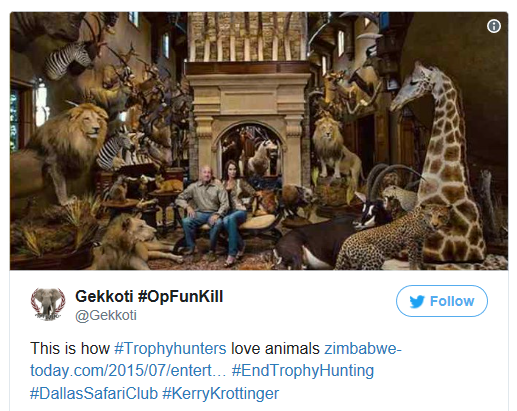
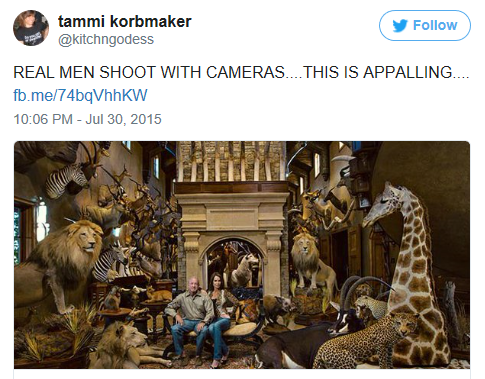
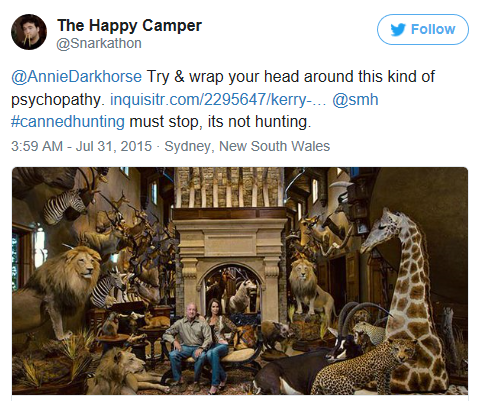
On Twitter, the response was one of almost universal disgust, with the photo generating near Cecil-levels of rage.

Screenshot (5)
Screenshot (6)
Screenshot (4)
Screenshot (7)

Kat was unapologetic about the Krottinger-shaming on LionAID’s Facebook page. “What we were trying to do there is to alert people to the fact that trophy hunters have this sort of enjoyment of their activity, and what we would like to expose to people is these sorts of people belong in the 19th century,” he said.

WHAT YOU CAN DO TO HELP ANIMALS IN NEED

You can support our work by donating as little as £5 – It only takes a minute but it can last a lifetime for an animal in need.

PLEASE DONATE HERE

PLEASE HELP ANIMALS IN NEED

Everyone who donates will receive a Certificate of Appreciation as a thank you for helping animals in need.

The Mission of Protect All Wildlife is to prevent cruelty and promote the welfare of ALL animals.

We believe EVERY animal should be treated with respect, empathy, and understanding. We raise awareness to protect and conserve wild, captive, companion and farm animals.

It is vital that we protect animals against acts of cruelty, abuse, and neglect by enforcing established animal welfare laws and, when necessary, take action to ensure that those who abuse animals are brought to justice.

Protect All Wildlife are involved in many projects to protect animals’ rights, welfare, and habitats. Money contributed to Protect All Wildlife supports ALL of our worthy programmes and gives us the flexibility to respond to emerging needs. Your donations make our work possible.

Chris Packham Wins Libel Action Against Fieldsports Channel Ltd & Andrew (Ben) O’Rourke

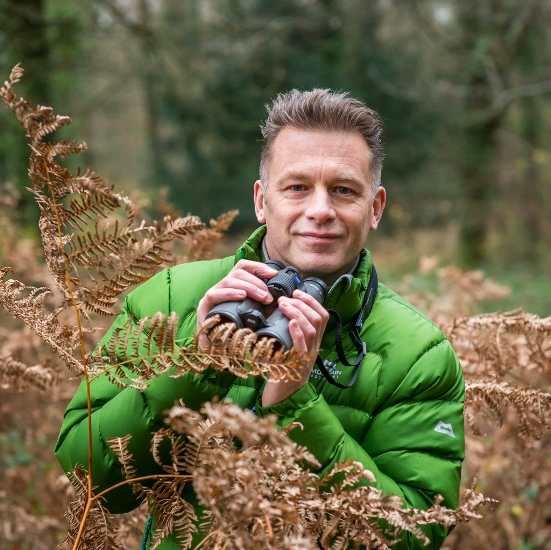
Chris Packham outside the Royal Courts of Justice complex in London

Press release from Leigh Day (6 November 2023)

Chris Packham settles defamation claim with Fieldsports Channel after it admits death threat claims were untrue.

Environmental campaigner and naturalist Chris Packham CBE has settled a defamation claim against the website Fieldsports Channel after it falsely accused him of writing a fake death threat letter to himself.

The online shooting and hunting channel has agreed to pay Mr Packham substantial damages and contribute to his legal costs as well as provide an undertaking never to repeat the allegation.

In June 2022, Fieldsports Channel and one of its journalists, Ben O’Rourke, published an online video and article alleging the TV presenter had written a fake death threat letter to himself and lied about it being sent by an anonymous third party. The serious allegation was not put to Mr Packham directly to offer him right of reply.

Chris Packham with his legal team. Credit: Ruth Tingay.

In bringing the claim against Fieldsports Channel Ltd and Mr O’Rourke, Mr Packham’s lawyers argued the allegations were plainly baseless and had caused him enormous reputational damage and distress. They pointed out that the only possible basis for the allegation was handwriting analysis of the letter which has since been comprehensively discredited.

Of particular concern to Mr Packham was the implication he had lied to his family about the death threat, knowing it would cause them considerable anxiety. Also, that he had lied to, and knowingly wasted the time of, Hampshire Police, who investigated the letter and on whom he relies for his and his family’s safety.

Mr Packham’s distress was later compounded by Fieldsports Channel’s derisive response to his claim, in particular mounting caricatures of his head on a “trophy wall” at the British Shooting Show in February 2023. Mr Packham has been the victim of arson attacks and has received numerous death threats, and he considers its actions to have been utterly reckless and irresponsible in that context.

As well as paying Mr Packham substantial damages and contributing to his legal costs, Fieldsports Channel and Mr O’Rourke have agreed never to repeat the allegation and will publish a legal statement, which is also to be read in the High Court on 6 November 2023, explaining the matter on its platforms.

Mr Packham was represented by Mr Jonathan Price and Ms Claire Overman of Doughty Street Chambers, who are instructed by partner Tessa Gregory and solicitor Carol Day of law firm Leigh Day.

Chris Packham, naturalist, television presenter, writer, photographer, conservationist, campaigner and filmmaker.

Chris Packham said:

Fieldsports TV displayed a complete contempt of even the basic codes of real journalism. They allowed a vicious vendetta to drive a targeted catalogue of lies in an attempt to destroy my credibility, integrity and reputation. Further, even when involved in this litigation they recklessly posted images of myself contrived to fuel hatred amongst fire-arms owners when they knew I was already the victim of targeted attacks from members of this community. They also failed to show any respect for the legal process. As a consequence, Fieldsports TV have now issued a full apology and agreed to pay substantial costs and damages. My message is clear – if anyone publishes or perpetuates lies about me or my conduct I will challenge them and I will win.”

Carol Day, solicitor at law firm Leigh Day said:

Our client Mr Packham was the subject of an egregious slur against his reputation based on the flimsiest of evidence that failed to stand up to even the most basic form of scrutiny. To be accused of writing a fake death threat to himself, with all the consequences that brings for his family and the authorities, was a highly damaging attack on Mr Packham’s integrity. The fact he was then mocked publicly for objecting to these defamatory remarks shows how little regard the defendants had for the reputation of others. Our client can only hope that lessons have been learned from this sorry episode and it brings an end to these gratuitous attacks on Mr Packham’s character by people who simply disagree with his views.

WHAT YOU CAN DO TO HELP ANIMALS IN NEED

You can support our work by donating as little as £5 – It only takes a minute but it can last a lifetime for an animal in need.

PLEASE DONATE HERE

PLEASE HELP ANIMALS IN NEED

Everyone who donates will receive a Certificate of Appreciation as a thank you for helping animals in need.

The Mission of Protect All Wildlife is to prevent cruelty and promote the welfare of ALL animals.

We believe EVERY animal should be treated with respect, empathy, and understanding. We raise awareness to protect and conserve wild, captive, companion and farm animals.

It is vital that we protect animals against acts of cruelty, abuse, and neglect by enforcing established animal welfare laws and, when necessary, take action to ensure that those who abuse animals are brought to justice.

Protect All Wildlife are involved in many projects to protect animals’ rights, welfare, and habitats. Money contributed to Protect All Wildlife supports ALL of our worthy programmes and gives us the flexibility to respond to emerging needs. Your donations make our work possible.

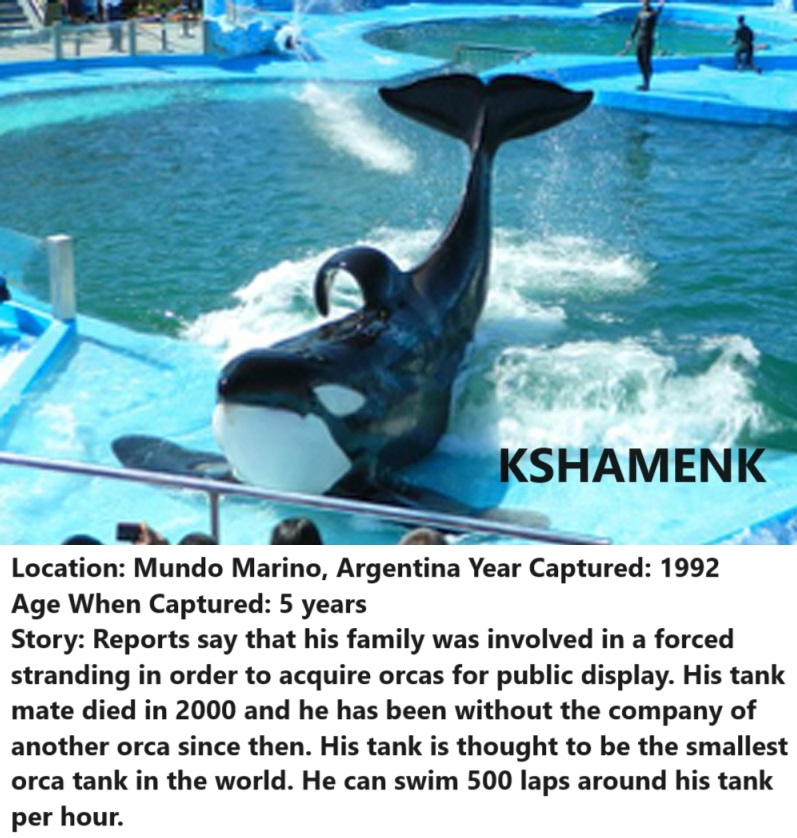
‘World’s Loneliest Orca’ Kshamenk Seen Swimming Alone And Barely Moving In Tiny Pool TWENTY Years After Partner’s Death

A LONELY orca has been filmed swimming by itself in captivity – barely able to move in a tiny pool.

Kshamenk has lived in captivity at Mundo Marino since 1992 Credit: UrgentSeas, Phil Demers

The 35-year-old whale, known as Kshamenk, has lived in captivity at Mundo Marino since 1992 when he was caught in the wild. He had a mate, known as Belen, but she died in 2000, leaving the lonely orca alone. Now a new video shared online shows the orca in a tiny pool at the marine site.

The devastating video shared to social media has gone viral 20 years after the heartbroken orca’s partner died.

Kshamenk has lived in captivity at Mundo Marino since 1992 Credit: UrgentSeas, Phil Demers

He appears very still, floating in the middle of the pool, as a Dolphin swims around him. In the wild, Kshamenk would swim anywhere up to 140 miles in a single day as they swim huge distances over the course of a year.

Animal activist and co-founder of UrgentSeas, Phil Demers, visited the park where he filmed the footage to share knowledge of the lonely Orca’s troubling existence. Phil from Canada, said: “Kshamenk was captured from the wild and brought to the park to accompany another Orca, Belen Sadly, Belen died in 2000 after pregnancy complications, leaving Kshamenk to live with only two Dolphins.

“His sperm has been sold several times to SeaWorld to impregnate orcas. The Argentina government refuses to release Kshamenk or export him out of the country. He appears to be losing weight and is more lethargic in recent videos causing growing concerns for his well-being. Unless Kshamenk is rescued soon, he too will die tragically and senselessly. We must fight for Kshamenk!”

Phil put the video up on his Instagram page. The post has had more than 13,135 likes, as well as 1,290 comments from shocked users.

One said: “This is horrifying. No animal should live like this.”

As another commented: “Imagine being locked in a white padded room for 50 years since you were a baby.

“No education. This is a jail. Solitary confinement.”

Other posts called the treatment “so awful”,  as he can’t even move around while some called it “so sad and heartbreaking”.

A final man went on a passionate cry for help on behalf of nit only Kshamenk but all orcas trapped in captivity.

The man known as Mickey said: “Immoral to the highest degree. #FreeKshamenk and GLOBAL BAN these damn parks, already.

“There are literally thousands on thousands of other things to do than spend ticket money on these hell holes.”

Many agreed with Mickey and labelled it as “complete torture”.

A woman said: “These animals are meant to live in the ocean, not in that damn tank.”

Phil added: “A campaign to outlaw his current captivity is gaining momentum in Argentina by local activists, so bringing awareness and sharing his story surely supports their efforts. It breaks my heart to see Kshamenk’s conditions. He needs to be rescued.”

WHAT YOU CAN DO TO HELP ANIMALS IN NEED

You can support our work by donating as little as £5 – It only takes a minute but it can last a lifetime for an animal in need.

CLICK HERE TO DONATE PLEASE HELP ANIMALS IN NEED
Everyone who donates will receive a Certificate of Appreciation as a thank you for helping animals in need.

The Mission of Protect All Wildlife is to prevent cruelty and promote the welfare of ALL animals.

We believe EVERY animal should be treated with respect, empathy, and understanding. We raise awareness to protect and conserve wild, captive, companion and farm animals.

It is vital that we protect animals against acts of cruelty, abuse, and neglect by enforcing established animal welfare laws and, when necessary, take action to ensure that those who abuse animals are brought to justice.

Protect All Wildlife are involved in many projects to protect animals’ rights, welfare, and habitats. Money contributed to Protect All Wildlife supports ALL of our worthy programmes and gives us the flexibility to respond to emerging needs. Your donations make our work possible.

Help Save Baloo: A Bear Trapped In A Cage For The Last 23-YEARS!

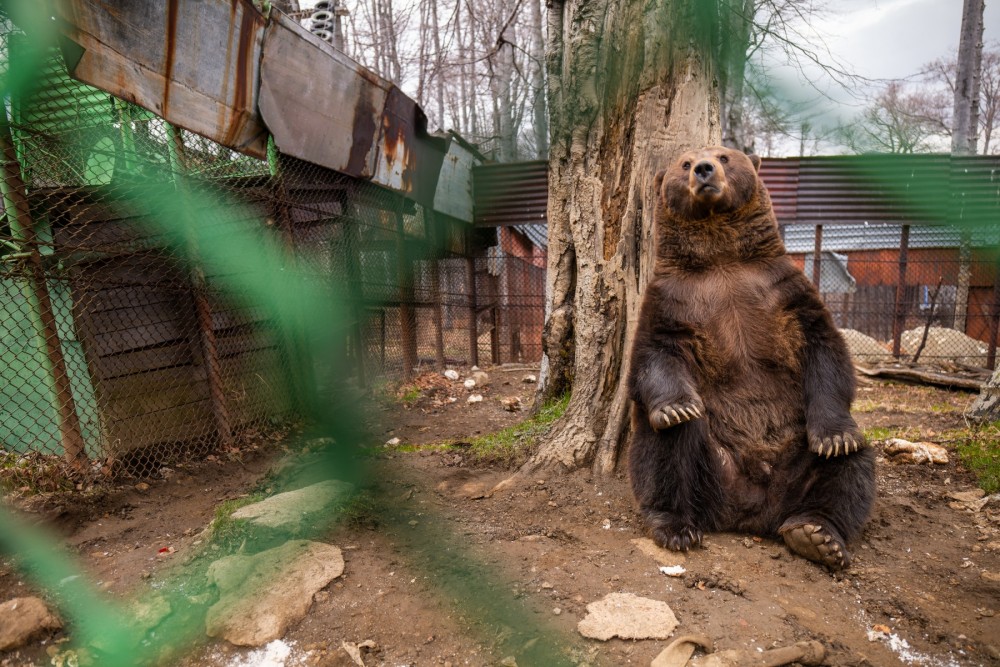
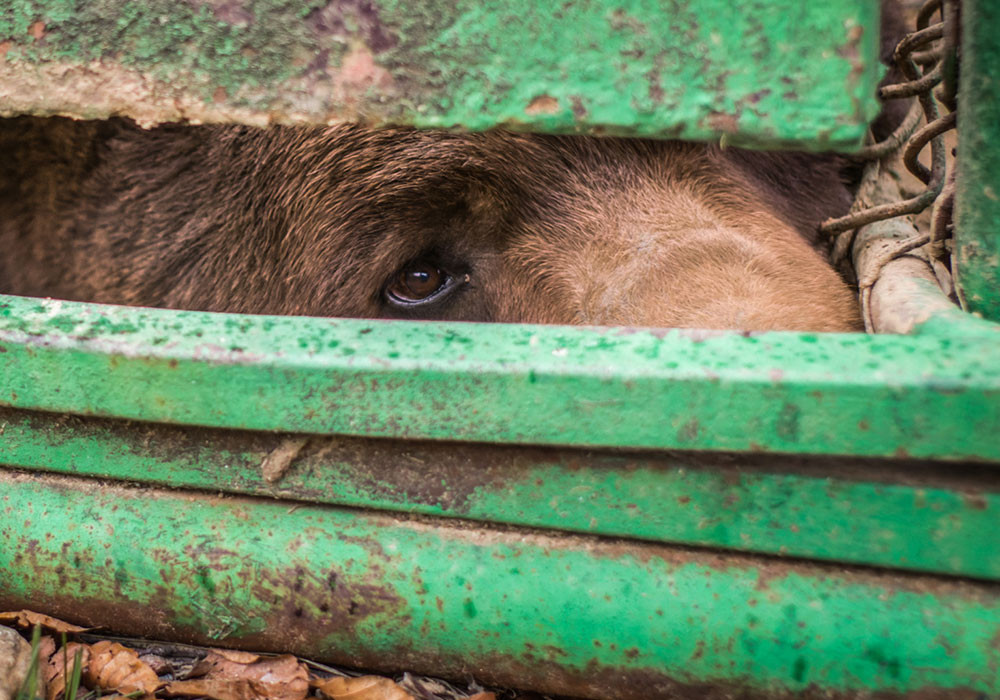
BALOO THE BEAR HAS BEEN LOCKED UP IN A CAGE FOR 23 YEARS CREDIT: JASPER DOEST

Baloo the Bear has been locked up in a cage at a ski resort in Romania under horrific conditions for 23 years. But together with our supporters around the world, we are working to rescue Baloo from this nightmare.

Baloo was found injured as a cub in the Romanian wilderness and was taken in by park rangers for medical care. However, instead of being released back into the wild, Baloo ended up as private property of a ski resort. Despite a 2005 ban by the Romanian government on private individuals keeping Bears, enforcement of the law has been lax, resulting in the bear’s ongoing confinement.

Baloo has been living on display in a tiny cage next to a ski lift and is poorly cared for. He is fed cornflakes and lemonade, sometimes even alcohol to drink, and children frequently poke him through the bars of the cage with sticks. This is no life for a bear.

HELL ON EARTH! CREDIT: JASPER DOEST

23 years ago, Baloo was found wounded in the mountains and he was taken to a hospital by the mountain rescuers from Straja. When he recovered, he came into the care of the businessman Emil Părău, who turned him into the resort’s mascot and has refused to give him up under any circumstances. Although it is obvious that it would be better for him to live among the old oaks of the Bear Sanctuary in Zărnești.

Two other Bears, Puppy and Pamy, would have tasted the same cake of frustration if they hadn’t been confiscated and released in the sanctuary at Zarnesti. They grew big and handsome, while poor Baloo remains to serve his punishment.

Animal protection organisations have been trying for years to free Baloo with no success. But fortunately, a petition started by Dutch television host, Floortje Dessing, is drawing much needed global attention to his cause. Floortje’s show “Floortje gaat mee” (“Floortje Goes Along” in English), explores the complex relationships between humans and animals. In the episode, she shows first-hand the distressing conditions Baloo faces. 

BALOO THE BEAR: AN UNWILLING MASCOT!

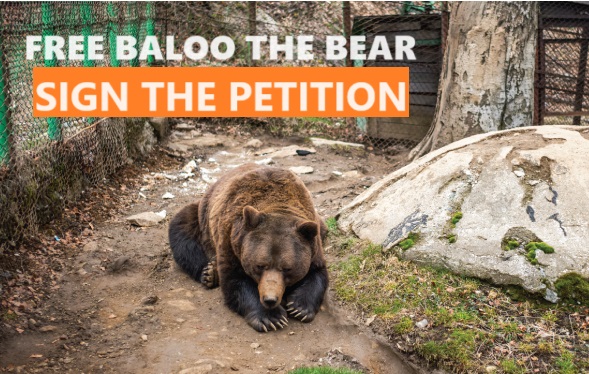
Join us in our efforts to liberate Baloo from a lifetime of misery by signing the petition now!

23 years in an undeserved prison!

23 years of stress, inappropriate food, even alcohol given to him through steel bars!

23 years of objects thrown at him, noise, and lack of hibernation!

A mascot in a European resort, for selfish “love”… This is how Baloo lives his life in Straja, Hunedoara county.

HELP FREE BALOO FROM HIS LIVING HELL! CREDIT: JASPER DOEST

Please The Petition Here: FREE BALOO FROM A LIFE OF SUFFERING!

WHAT YOU CAN DO TO HELP ANIMALS IN NEED

You can support our work by donating as little as £5 – It only takes a minute but it can last a lifetime for an animal in need.

CLICK HERE TO DONATE PLEASE HELP ANIMALS IN NEED
Everyone who donates will receive a Certificate of Appreciation as a thank you for helping animals in need.

The Mission of Protect All Wildlife is to prevent cruelty and promote the welfare of ALL animals.

We believe EVERY animal should be treated with respect, empathy, and understanding. We raise awareness to protect and conserve wild, captive, companion and farm animals.

It is vital that we protect animals against acts of cruelty, abuse, and neglect by enforcing established animal welfare laws and, when necessary, take action to ensure that those who abuse animals are brought to justice.

Protect All Wildlife are involved in many projects to protect animals’ rights, welfare, and habitats. Money contributed to Protect All Wildlife supports ALL of our worthy programmes and gives us the flexibility to respond to emerging needs. Your donations make our work possible.

The Emotional Moment Giraffes Hold ‘Funeral’ To Mourn For Member Of Their Herd Who Died During Childbirth That Drove Tourist To Tears

Photographer Callum Perry said: ‘It brought tears to my eyes – seeing the Giraffes’ journey to their fallen friend was one of the most emotional scenes I have ever seen.

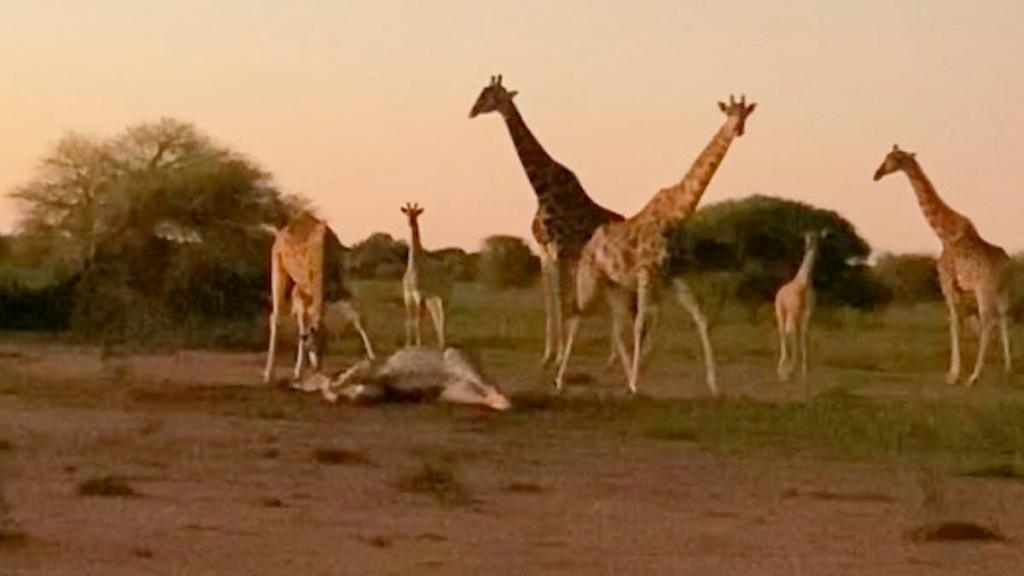
Incredible footage shows the moment a group of Giraffes come to pay their respects to one of their own who died during childbirth. Credit: Callum Perry.

This incredible footage shows the moment a group of Giraffes come to pay their respects to one of their own who died during childbirth.

The group of Giraffes were captured on camera walking towards the corpse in a gathering filled with human emotions as they mourned and said goodbye to a member of their audience.

Photographer Callum Perry, 28, from Britain, who is currently traveling in South Africa, captured the rare moment in the Marataba Contractual National Park.

“The giraffe’s funeral made me take a step back and look at the beauty I’ve seen in my life, and that even in life’s most difficult moments, there can be silver linings.

One by one the Giraffes pay their respects. Credit: Callum Perry.

‘I was really fascinated by the emotion of this whole scene; words can hardly do it justice. I feel honored to have been there as they all paid their respects.

“Most of the people I know in the safari industry had never seen this happen before, so they were amazed and a little jealous.”

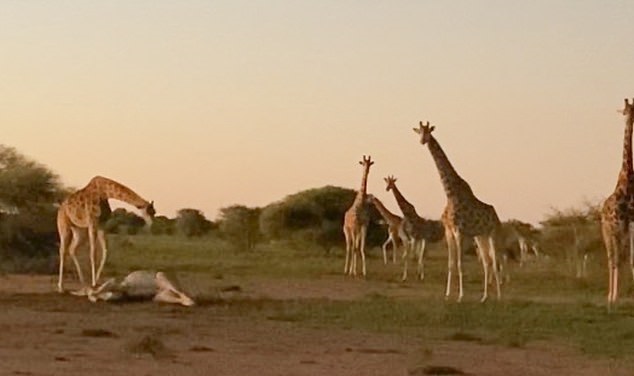
Photos show a group of more than five Giraffes examining the dead body as it lay on the ground.

In the video, a Giraffe is seen walking towards the dead member of their pack before being followed by others.

Giraffes Mourn The Death Of One Of Their Own Credit: Callum Perry.

One by one, each Giraffe bowed to send its beloved friend away.

Giraffes are thought to mourn their dead, as Zoe Muller, a wildlife biologist from the University of Bristol who founded the Rothschild’s Giraffe Project in Kenya, recalled a moment she witnessed more than a decade ago.

Muller said she saw 17 female Giraffes looking sad and that the pack traveled to a part of the savannah they don’t normally visit.

It turned out that a calf had died and Muller witnessed the group of Giraffes gathering at its mother and staying with her for two days after death.

She interpreted the Giraffes’ behavior as sadness, but she was afraid to say this because some scientists believe the opposite.

She said, as quoted in The National Wildlife Federation: “My personal position has changed. I would now be much more open about acknowledging non-human grief. Giraffes, humans, we are all mammals.

‘Our emotion system is largely driven by hormones, and hormones have probably evolved in the same way in all mammals.’

A similar incident happened to photographer Edward Selfe while tracking Thornicroft’s Giraffes in South Luangwa National Park, Zambia.

He watched over a few days as a herd appeared to ‘mourn’ the loss of one of their number. A female died over complications with pregnancy and was quickly exploited by scavengers. But each day, the rest of the herd would stop and watch as the vultures squabbled and the hyaenas chewed on the remains. It’s anthropomorphism to suggest that it was mourning, but their curiosity certainly extended beyond simply observing something that caught their eye.

A herd of Thornicroft’s Giraffes mourn the loss of one of their number. Credit: Edward Selfe.

WHAT YOU CAN DO TO HELP ANIMALS IN NEED

You can support our work by donating as little as £5 – It only takes a minute but it can last a lifetime for an animal in need.

CLICK HERE TO DONATE PLEASE HELP ANIMALS IN NEED
Everyone who donates will receive a Certificate of Appreciation as a thank you for helping animals in need.

The Mission of Protect All Wildlife is to prevent cruelty and promote the welfare of ALL animals.

We believe EVERY animal should be treated with respect, empathy, and understanding. We raise awareness to protect and conserve wild, captive, companion and farm animals.

It is vital that we protect animals against acts of cruelty, abuse, and neglect by enforcing established animal welfare laws and, when necessary, take action to ensure that those who abuse animals are brought to justice.

This image has an empty alt attribute; its file name is aa-2.webp

Protect All Wildlife are involved in many projects to protect animals’ rights, welfare, and habitats. Money contributed to Protect All Wildlife supports ALL of our worthy programmes and gives us the flexibility to respond to emerging needs. Your donations make our work possible.

Over 150 Endangered Pink and Tucuxi River Dolphins Have Died As Drought Intensifies In The Amazon

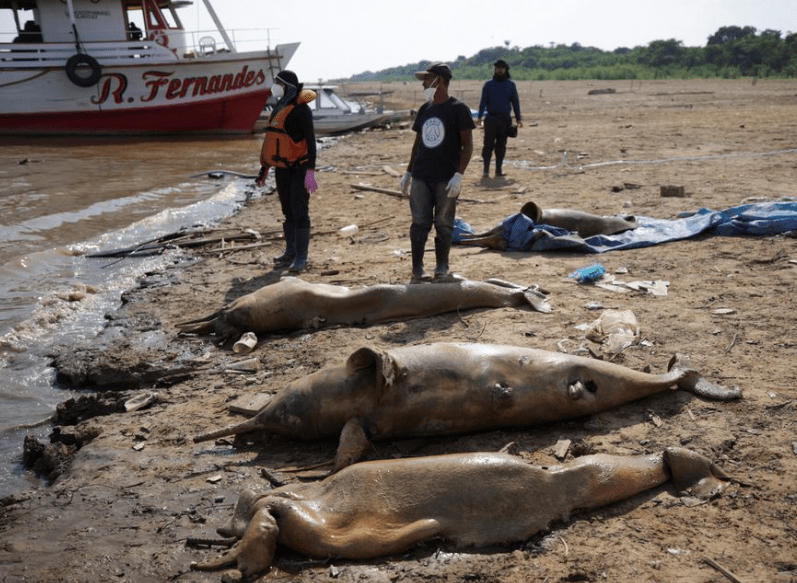
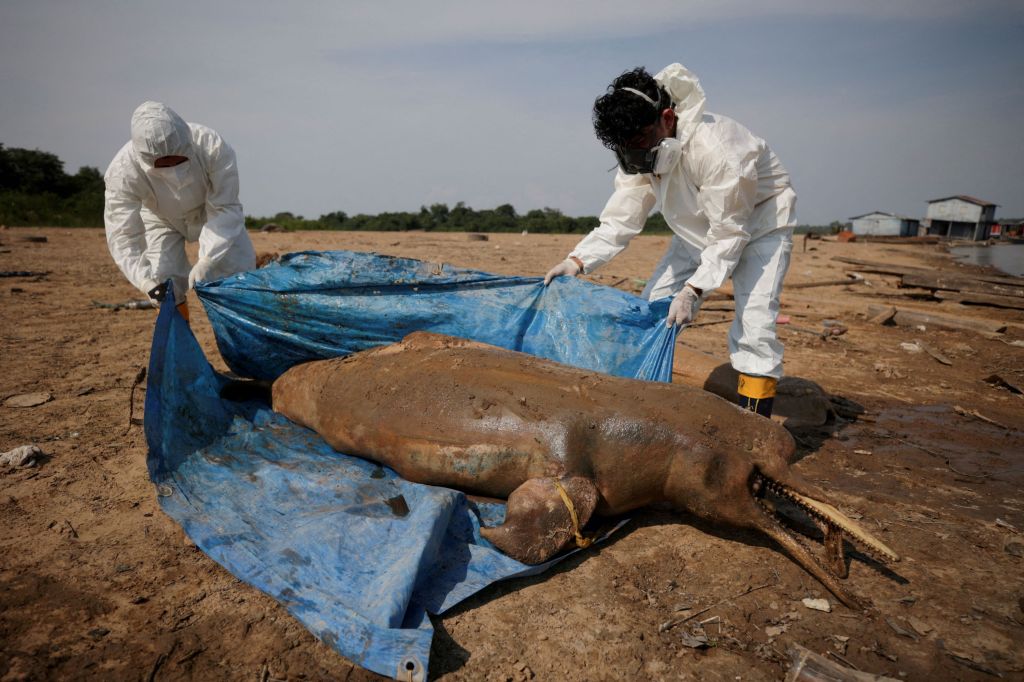
Researchers from the Mamiraua Institute for Sustainable Development retrieve dead dolphins from Tefe lake, which flows into the Solimoes river, that has been affected by the High temperatures and drought in Tefe, Amazonas state, Brazil, October 2, 2023. Credit: Bruno Kelly

Researchers from the Mamirauá Sustainable Development Institute (IDSM) and other organisations are racing against time to mitigate the impacts of the environmental emergency in and around Lake Tefé in the Brazilian state of Amazonas.

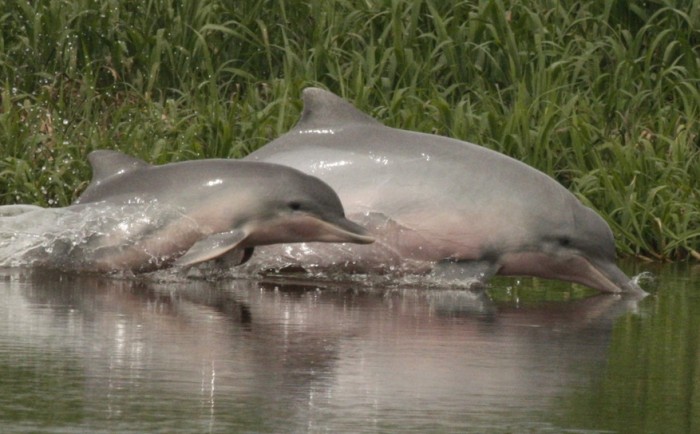
Since September 23, as the drought has worsened and water temperatures have risen, 153 River Dolphins have been found dead in the region: 130 Pink River Dolphins and 23 Tucuxi. In one week, the loss was around 10% of the local river Dolphins population. On the 28th of September alone, when the water temperature exceeded 39ºC, 70 River Dolphin carcasses were recorded, in addition to hundreds of fish.

The crisis, however, goes far beyond the loss of River Dolphins. There is an increase in mortality of fish species in the region, which are essential for the food security and livelihoods of local communities. The drought is also impacted water supplies and transportation, isolating some communities. Overall, 500,000 people have already been impacted.

Researchers are still trying to confirm the cause of death, but they suspect the high water temperatures are to blame.  Image Credit: Bruno Kelly 

“What is happening at Lake Tefé is terrifying. The impact of the loss of these animals is enormous and affects the entire local ecosystem”, warns Mariana Paschoalini Frias, Conservation analyst at WWF-Brazil. “River Dolphins are considered ‘sentinels’. In other words: they are indicative of the health of the environment where they live. What happens to them is reflected in the other species that live around them, including humans.”

“In our studies on Amazonian Dolphins, we found that they suffer from several pressures, such as fishing, mercury contamination and the impact of hydropower plants. But these events in Tefé show that more research needs to be carried out on how they will be affected by worsening climate change,” she added.

The deaths highlight the urgent need to scale up efforts to conserve the world’s River Dolphins – and the importance of the Global Declaration for River Dolphins, which will be signed by South American and Asian range states in Colombia on October 24th.

The operation was divided into different fronts. One of them, called Alive Operation Sector, monitors groups of Pink and Tucuxi River Dolphins along Lake Tefé, an isolated environment that is home to a large population of these two endangered species. When the team finds an individual with signs of abnormality, they are able to rescue them and take them to the Rehabilitation Float. The Operation Dead Sector, in turn, aims to identify and search for carcasses in the region and perform necropsies to collect samples for laboratory analysis. And the Environmental Operation Sector works to monitor water, fish and phytoplankton, organisms composed of microalgae and photosynthetic bacteria.

Tucuxi Amazon river dolphins (Sotalia fluviatilis). Image Credit: Projeto Boto

Of all the variables analysed so far by experts, the one that has shown discrepant changes is water temperature, reinforcing that River Dolphins mortality is related to climate change, the effects of El Niño and extreme drought. The water temperature of Lake Tefé reached close to 40°C, says oceanographer Miriam Marmontel, leader of the Amazon Aquatic Mammals research group at IDSM, when the maximum average over time has been 32 degrees, a fact that certainly generated thermal stress in animals.

Members of the environmental consultancy Aqua Viridi also identified in one of the lake’s points an unusual number of alga Euglena sanguinea, which produces a toxin that can cause mortality in fish. The assessment carried out on the river Dolphins, however, did not confirm that the animals have been affected by possible toxins produced by these organisms. Other analyses are underway to help understand the algae’s possible role in the current environmental and health emergency.

Since the beginning of the crisis, 104 River Dolphins have been necropsied and tissue and organ samples have been sent to specialised laboratories. Seventeen individuals have already been assessed and, to date, there is no evidence of an infectious agent as the primary cause of deaths. Molecular diagnostics of 18 individuals also tested negative for infectious agents, such as viruses and bacteria, associated with mass deaths.

In Lake Tefé, there is a stretch called Enseada do Papucu, which has been critical for animals due to the water temperature. Even so, many Dolphins continue to frequent the area due to the abundance of fish, their basic diet. To prevent further deaths, the area is being isolated with a physical barrier called “pari”, which is made of wooden stakes and is based on traditional riverside knowledge. Subsequently, the species will be moved to deeper, less hot areas.

The International Union for Conservation of Nature lists the species as endangered and reports that its numbers are shrinking. The Dolphins are susceptible to numerous threats, ranging from industrial and agricultural pollution to drilling for oil and gas.

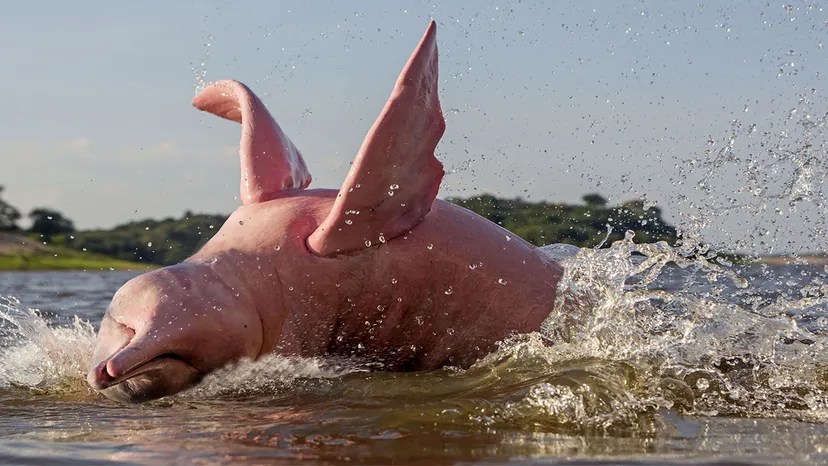
The Amazon River Dolphin (Inia geoffrensis), or boto, acquires its pink hue from repeated abrasion of the skin surface. Males are typically pinker than females because of more frequent trauma due to aggression. Image Credit: Sylvain Cordier

Pink River Dolphins are a source of tourism income for some local communities, which call them “boto” or “bufeo,” per the New York Times. They are part of Amazonian legends and stories, including one in which the Dolphins turn into handsome men to seduce young women. The animals’ well-being is thought to be an indicator of the health of the river ecosystem.

“The past month in Tefé has seemed like a science-fiction climate change scenario,” says Daniel Tregidgo, a British researcher who lives in the region, to the Guardian’s Jonathan Watts. “To know that one [Dolphin] has died is sad, but to see piles of carcasses, knowing that this drought has killed over 100, is a tragedy.”

WHAT YOU CAN DO TO HELP ANIMALS IN NEED

You can support our work by donating as little as £5 – It only takes a minute but it can last a lifetime for an animal in need.

PLEASE DONATE HERE

Everyone who donates will receive a Certificate of Appreciation as a thank you for helping animals in need.

The Mission of Protect All Wildlife is to prevent cruelty and promote the welfare of ALL animals.

We believe EVERY animal should be treated with respect, empathy, and understanding. We raise awareness to protect and conserve wild, captive, companion and farm animals.

It is vital that we protect animals against acts of cruelty, abuse, and neglect by enforcing established animal welfare laws and, when necessary, take action to ensure that those who abuse animals are brought to justice.

Protect All Wildlife are involved in many projects to protect animals’ rights, welfare, and habitats. Money contributed to Protect All Wildlife supports ALL of our worthy programmes and gives us the flexibility to respond to emerging needs. Your donations make our work possible.

Was Namibia’s Collared Black Maned Desert Lion Mwezi Illegally Killed By Trophy Hunters Aided By The Ministry of Environment, Forestry and Tourism?

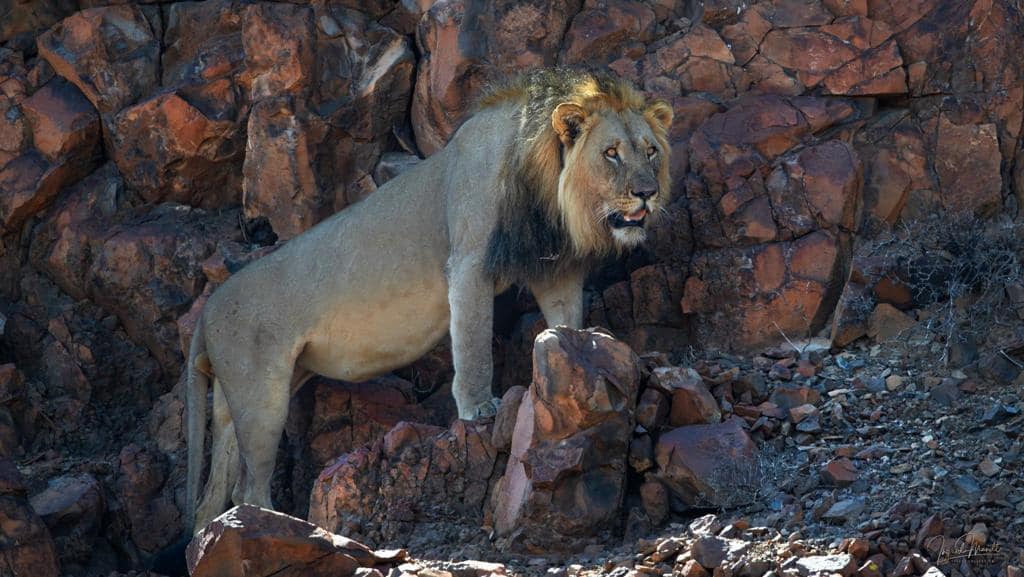
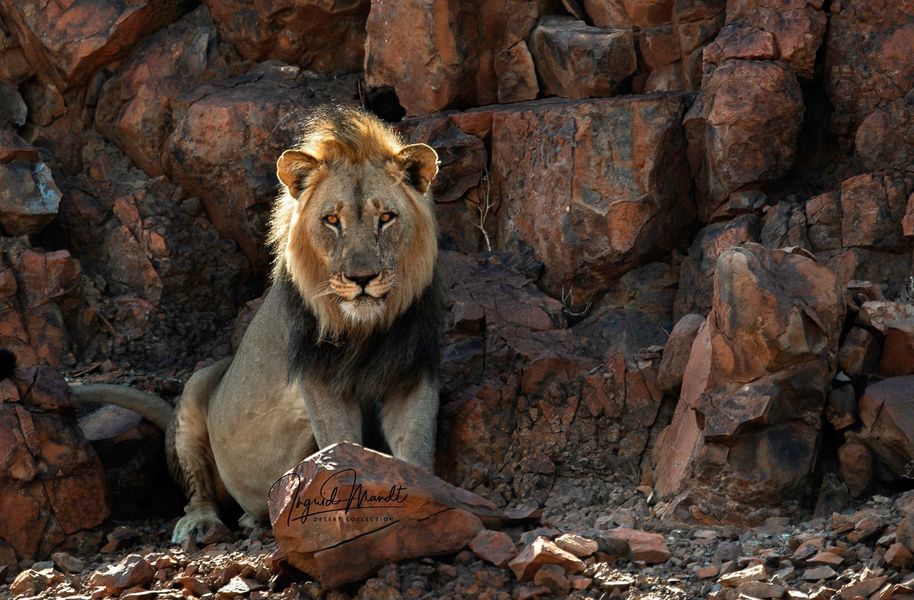
Black Maned Desert Lion Mwezi (XPL 107) Image Credit: Ingrid Mandt

According to the Desert Lion conservation organization DELHRA (Desert Lions Human Relations Aid), it can be assumed that one of the last black-maned male desert lions, “Mwezi” or “XPL 107”, was ‘harvested’ as a trophy on Wednesday, October 11.

In a letter to the Ministry of Environment, Forestry and Tourism (MEFT), DELHRA writes: “Having learned from reliable sources and informants that the male Lion, known as ‘Mwezi’, was allegedly shot, we would like to contact the ministry to know the circumstances and justification for such an alleged killing.”

According to the report, the tracking system of the satellite collar (which is supposed to protect her) was abused to locate the Lion in a protected area. “That is, in the Palmwag concession or, more likely, in the adjacent Skeleton Coast Park, by trophy hunters who were allegedly accompanied by MEFT officials.”

The Desert Lion Conservation Organization further states: “On October 12, we received a report from our informant in Khowarib that the Lion Rangers had received a warning SMS (this happens when a collared lion breaks through a geo-fence) indicating a Lion near the Wild Veld Safaris hunting camp in Khowarib village.” The investigation revealed that it was a dead Lion that had allegedly been kept in the hunting camp since the early evening of October 11.

Black Maned Desert Lion Mwezi (XPL 107) Image Credit: Desert Lion Conservation

According to Desert Lion Conservation, “Mwezi” was still observed and photographed on Sept. 27 when he mated with a lone Lioness, XPL 108, the last survivor of the Obab pride, and followed her into the Skeleton Coast Park, the tracks suggested.

According to DELAHRA, the investigation revealed that two vehicles – one from the MEFT and the other allegedly a hunting vehicle – had entered the Palmwag concession area, with the crew citing “police action” as the reason for the entry. “This coincided with the report coming out of Khowarib later that day, and we learned from a source that the dead lion in the Khowarib hunting camp was the beautiful black-maned desert Lion Mwezi, which had been sought as a trophy for some time.”

DELHRA is of the opinion that a criminal investigation that compels the release of the information will clear up this case and that the parties involved, if warranted, should be prosecuted, as a permit to hunt in the Palmwag concession or in the Skeleton Coast Park cannot have been lawfully granted, and that if it is granted for a hunt in a concession area, but is hunted in the Palmwag or Skeleton Coast Protected Areas, such a permit would be considered null and void.

Black Maned Desert Lion Mwezi (XPL 107) Image Credit: Ingrid Mandt

The letter to MEFT further states: “Based on our information, we would welcome answers to our questions or even a joint and transparent investigation. We ask you to inform us of the following: Has the MEFT issued a trophy permit for hunting XPL 107? If so, could the MEFT please justify this? We ask for a copy of the hunting permit and a copy of the report of the MEFT officer who accompanied the hunting party. We also ask for a copy of the protocol of the website concerning the downloads of the positions of this Lion between September 1 and now by all users. Finally, we are asking for copies of reports of incidents in which XPL 107 may have been involved.”

It goes on to say: “We intend to file a complaint and contact the Information Access Officer and the Ombudsman, as the destruction of natural resources falls within the remit of these bodies in the event that the MEFT does not respond. In such a case, those who have access to the relevant information may be summoned as witnesses.”

The Ministry of the Environment had not responded to questions at the time of going to press.

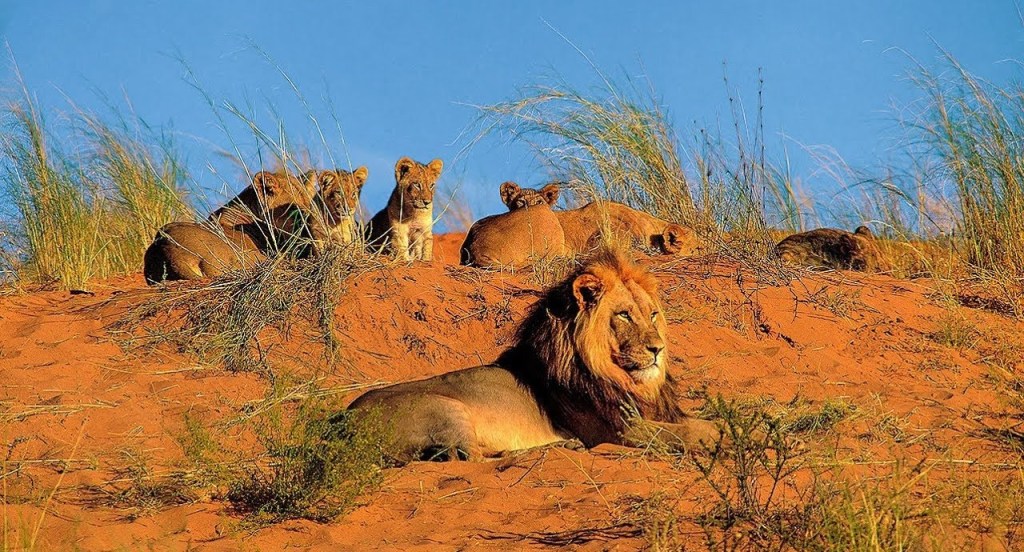
The Desert Lions Of Namibia Image Credit: Wilderness Travel

WHAT YOU CAN DO TO HELP ANIMALS IN NEED

You can support our work by donating as little as £5 – It only takes a minute but it can last a lifetime for an animal in need.

PLEASE DONATE HERE

Everyone who donates will receive a Certificate of Appreciation as a thank you for helping animals in need.

The Mission of Protect All Wildlife is to prevent cruelty and promote the welfare of ALL animals.

We believe EVERY animal should be treated with respect, empathy, and understanding. We raise awareness to protect and conserve wild, captive, companion and farm animals.

It is vital that we protect animals against acts of cruelty, abuse, and neglect by enforcing established animal welfare laws and, when necessary, take action to ensure that those who abuse animals are brought to justice.

Protect All Wildlife are involved in many projects to protect animals’ rights, welfare, and habitats. Money contributed to Protect All Wildlife supports ALL of our worthy programmes and gives us the flexibility to respond to emerging needs. Your donations make our work possible.

Animal Welfare Groups Urge The Sint Maarten Government To Stop The Vervet Monkey Cull Immediately.

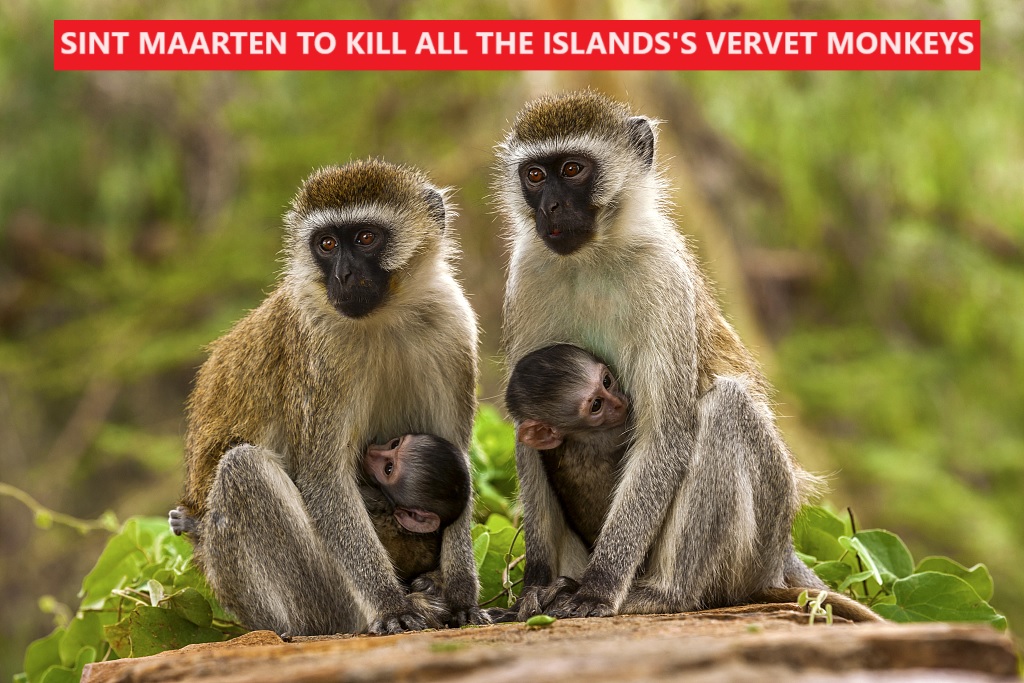
SINT MAARTEN PLAN TO CULL ALL THE ISLAND’S VERVET MONKEYS

Seventy-five animal welfare organisations and experts have called on the government of Sint Maarten in the Caribbean to immediately stop its attempt to cull the territory’s entire population of Vervet monkeys.

The international protest comes after the Guardian revealed in January that the Dutch territory is funding a non-profit organisation to eradicate the “nuisance” species over the next three years.

The animal advocacy non-profit Born Free USA, which coordinated the protest, says experts are ready and willing to support the government with a more humane sterilisation programme. But they say they have not received a reply to their offer.

However, the Nature Foundation Sint Maarten, which is carrying out the cull, has said that while the project is “painful and controversial”, it remains a necessity.

“Given the current significant but manageable size of the vervet monkey population, there is a window of opportunity to ensure that the issue does not worsen in coming decades,” it said in a statement.

Vervet monkeys were introduced to the region from Africa sometime around the 17th century and the first sightings on Sint Maarten date back to the early 1970s.

Research carried out by the Nature Foundation St Maarten found in 2020 that about 450 were living on the Dutch side of the island. By 2022, that number had increased to about 2,000.

“Given the current significant but manageable size of the vervet monkey population, there is a window of opportunity to ensure that the issue does not worsen in coming decades,” it said.

The monkeys have been blamed for eating crops, destroying gardens, entering schools and acting aggressively.

Last December, the territory’s ministry of tourism, economic affairs, transportation and telecommunication approved 100,000 Netherlands Antillean guilders (US$55,000) funding to control the species.

The foundation said this was enough to pay for a single full-time ranger to carry out the cull along with equipment, but not for a sterilisation programme.

Born Free USA says the information on which the cull is based is “fundamentally flawed”.

The group offered its “expertise, including voluntary veterinary services” for alternative humane species management, and said it will also provide training to neighbouring territories.

“In this way, Sint Maarten could lead the way on humane primate population management in the Caribbean region,” the group wrote in a letter to the Sint Maarten government.

“We would be grateful if you would consider postponing plans to cull the animals and working with us to explore truly humane alternatives.”

In its statement, Nature Foundation Sint Maarten said local law prevents anyone from releasing non-native species – so setting monkeys free after sterilisation would be a violation of the law.

It added: “In the face of substantial monkey overpopulation, neighbouring islands have turned to more desperate means of population control.”

The foundation said that among those are consumption, poisoning, hunting and shipping monkeys away for biomedical research.

“These are all invasive species management strategies that St Maarten would like to avoid by preventing the situation here from reaching that point at all,” it concluded.

The cull is projected to end in 2026, at which point the foundation says it plans to thoroughly assess its impact and review alternative, long-term management options within local law.

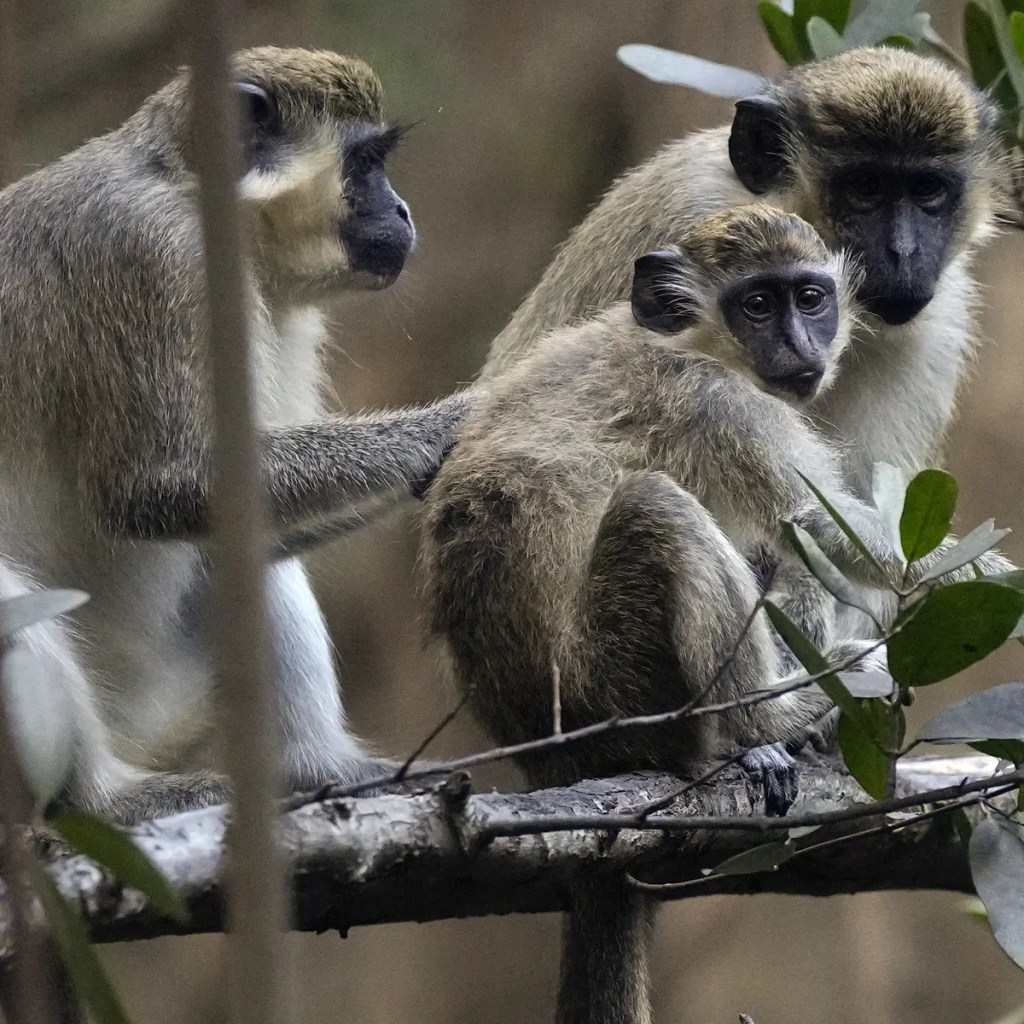
Some of the island’s Vervet Monkeys

Born Free USA has also launched a public petition asking for non-lethal measures to control the invasive primate population which you can sign here: STOP THE MONKEY CULL!

WHAT YOU CAN DO TO HELP ANIMALS IN NEED

You can support our work by donating as little as £5 – It only takes a minute but it can last a lifetime for an animal in need.

PLEASE DONATE HERE

Everyone who donates will receive a Certificate of Appreciation as a thank you for helping animals in need.

The Mission of Protect All Wildlife is to prevent cruelty and promote the welfare of ALL animals.

We believe EVERY animal should be treated with respect, empathy, and understanding. We raise awareness to protect and conserve wild, captive, companion and farm animals.

It is vital that we protect animals against acts of cruelty, abuse, and neglect by enforcing established animal welfare laws and, when necessary, take action to ensure that those who abuse animals are brought to justice.

Protect All Wildlife are involved in many projects to protect animals’ rights, welfare, and habitats. Money contributed to Protect All Wildlife supports ALL of our worthy programmes and gives us the flexibility to respond to emerging needs. Your donations make our work possible.