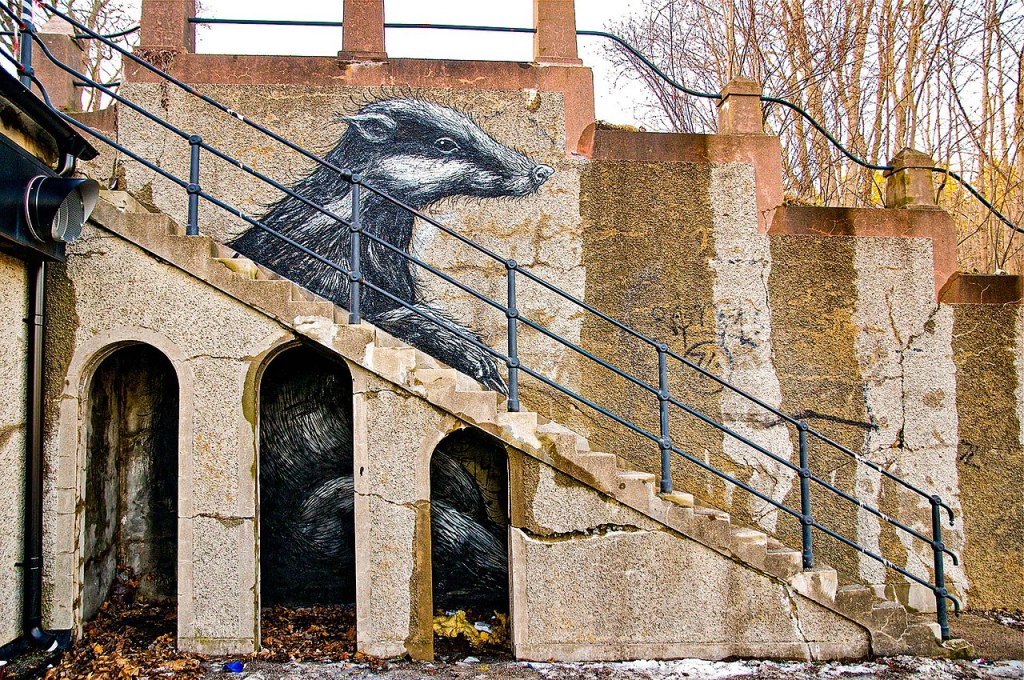
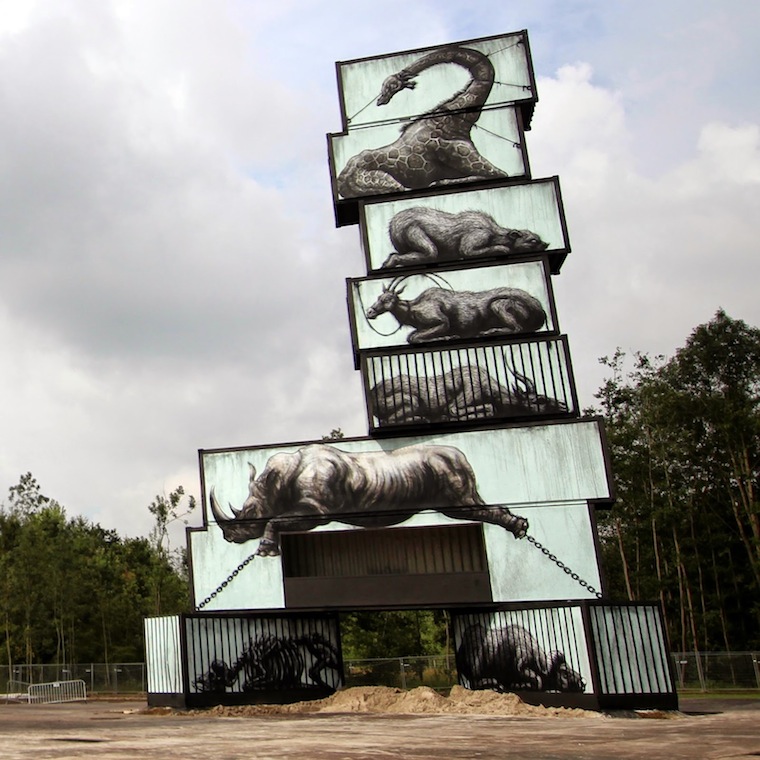
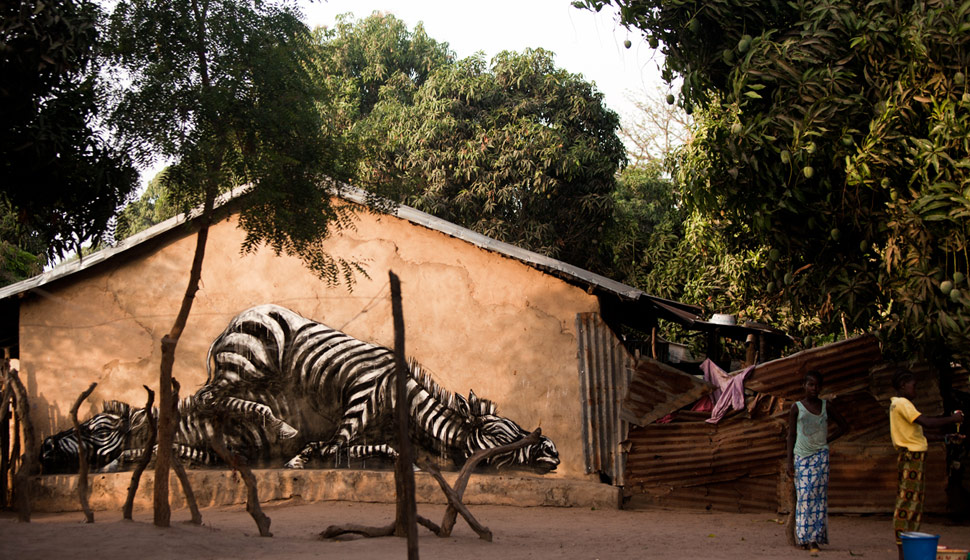
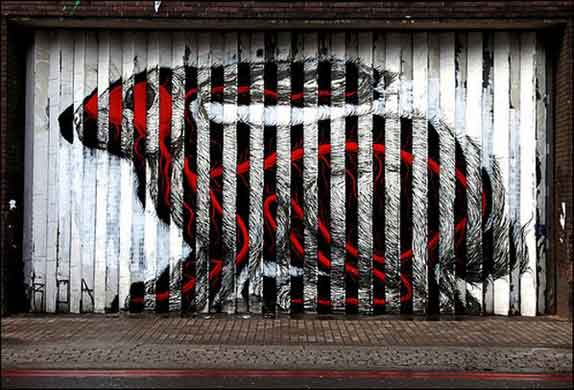
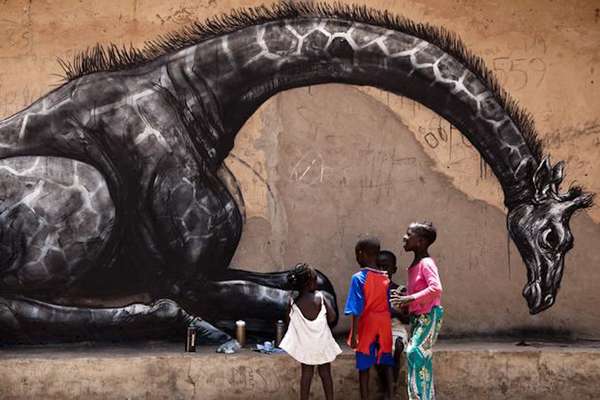
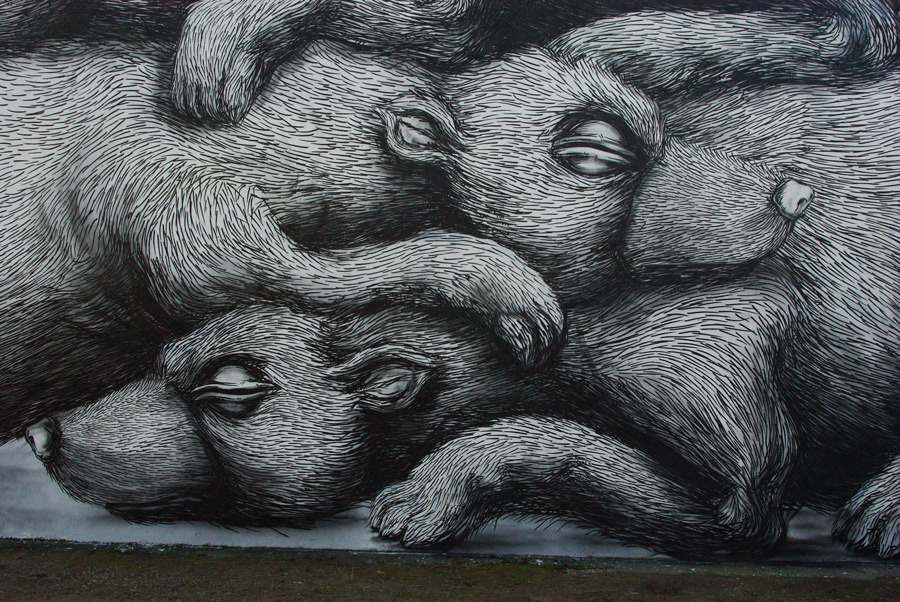
Roa, a hugely talented Belgian street artist from Ghent, is renowned for his giant black and white animal street art. Roa started off in the street art scene painting animals on abandoned buildings and warehouses in the isolated industrial areas of his hometown. Today, Roa’s animals may be found slumbering on the sides of semi derelict buildings and peering out from shop shutters in city streets all across the world from New York to Berlin and Warsaw to Paris.
Stockholm, Sweden.ANONYMITYRoa Lets His Work Do The talking
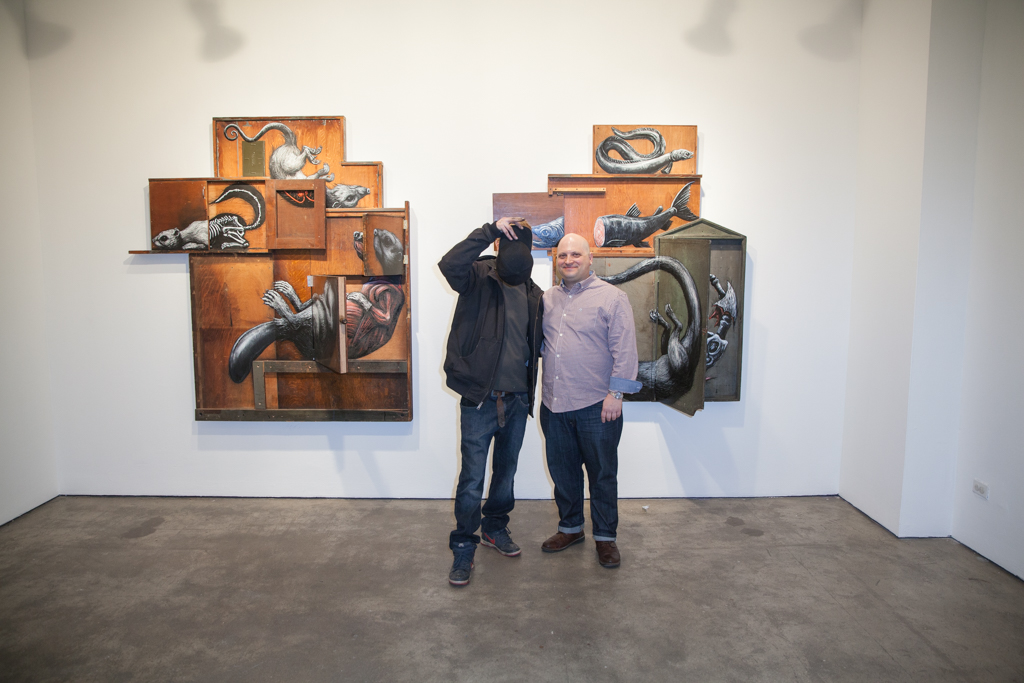
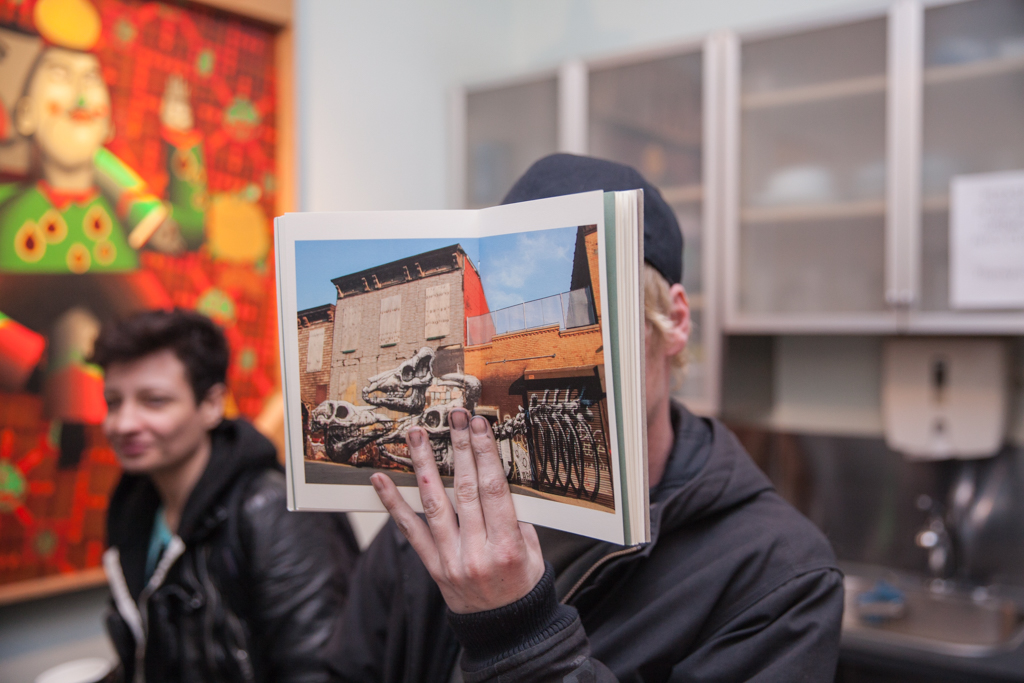
Street artist Roa is a muralist from Ghent, Belgium sprays beautiful illustrations of animals on buildings, walls and anything he can find in cities around the World. His work has often been recorded and photographed, but very little is known about the artist and even less is documented.
Renowned for his monumental black and white paintings of wildlife, ROA is a pseudonym of a Belgian street artist that has been leaving both accidental and intentional viewers in awe for years now. His hand painted, large scale and unique portrayals of rabbits, birds, rats, fish and other animals disquietly cohabit city streets, whilst his more disturbing images of skeletal or dead creatures directly reflect ROA’s pessimistic opinions of society. Although this street artist’s work is definitely a contender when discussing the most famous and recorded urban pieces in recent history, not much is known about this mysterious painter from Ghent who uses this anonymity to make sure both his artwork and spirit remain uncompromised.
At a very young age Roa remembers wanting to be an archaeologist or something adventurous and collecting little skulls from birds and rodents to draw at home. He grew up in the eighties and naturally was inspired by the American life; music, skating and so forth. The love for music, more in particular hip-hop, quickly joined his curiosity in graffiti. Like most muralists, he began by spraying throw-ups under bridges and walls. During his early years, Roa expressed an active, eclectic mix of styles. At the time, there was not prevailing movement in Belgium. As time went on, the scene’s evolution further evolved as foreign visitors left behind an assorted collection of talents and skills. Slowly but sure Roa became addicted to the nature of urban art.
Roa is primarily known for his strong obsession for animals and rodents. He often combines life, death, and life after death in his murals, which quickly distinguishes him amongst traditional muralists. His animals are painted to include skeleton and internal organs, making the sight even more realistic. The artist states, “Organs are the vital substances of our body and they represent a lot of the symbolism which I like!” One’s love for animals could not be expressed nearly as much as our artist Roa. This mysterious Belgian muralist has created hundreds of murals through Europe. He has also travelled to other locations around the world.
His preferred forms of methods to paint are by using spray paint or acrylic paint. In fact, most of his work is created through a mixture of black, white, and grey scale colours. At times, the muralist prefers to sketch, especially those large murals. He first began his artistic career by paining buildings and warehouses in his hometown. Nowadays, his distinctive black and white style street artwork can be found worldwide.
Some major cities, where his work can be found include London, New York, Berlin, Warsaw, Madrid, Moscow, Los Angeles, Mexico City and Paris.
Muralist Roa’s true obsession for animals is unparalleled and he uses this obsession to paint for inspiration. Roa uses native animals based on the location he is painting in. For example, if he goes to a specific location filled with roosters, like Mexico, then he will paint a rooster. Not only does this make him a standout artist, but his attention to detail is phenomenal. He truly has a pure passion for painting. Roa simply paints to paint- no other reason.
Carefully using the placement and the enlarging of the graffiti subject, ROA implies the cruelty and absurd relationship of humans and animals, as well as displaying the roots and origins of the depicted beings – this is what’s his art all about.
Roa’s work has been turning heads across the street art community by bringing birds, rodents, and other animals back into the consciousness in the areas they once inhabited. Although the street art is generally conveyed in a very natural matter, even his dead animal paintings seem at peace. Not only that, but his extra-large scale black and while local rodents may be viewing the image at work from nearby.
Roa’s anonymity has kept his work and his spirit free.
Enjoy Some Of Roa’s Art From Around The World
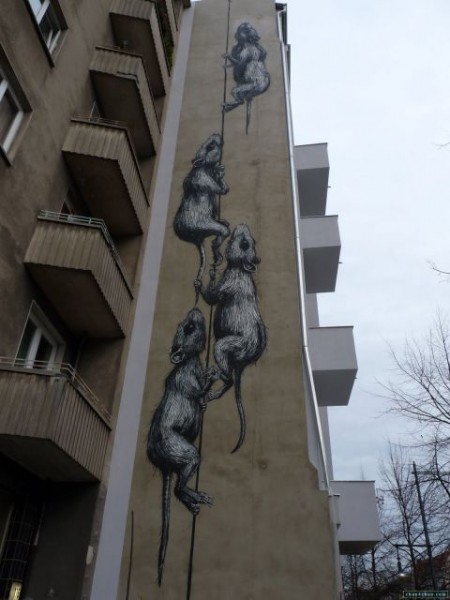
BERLIN, GERMANY
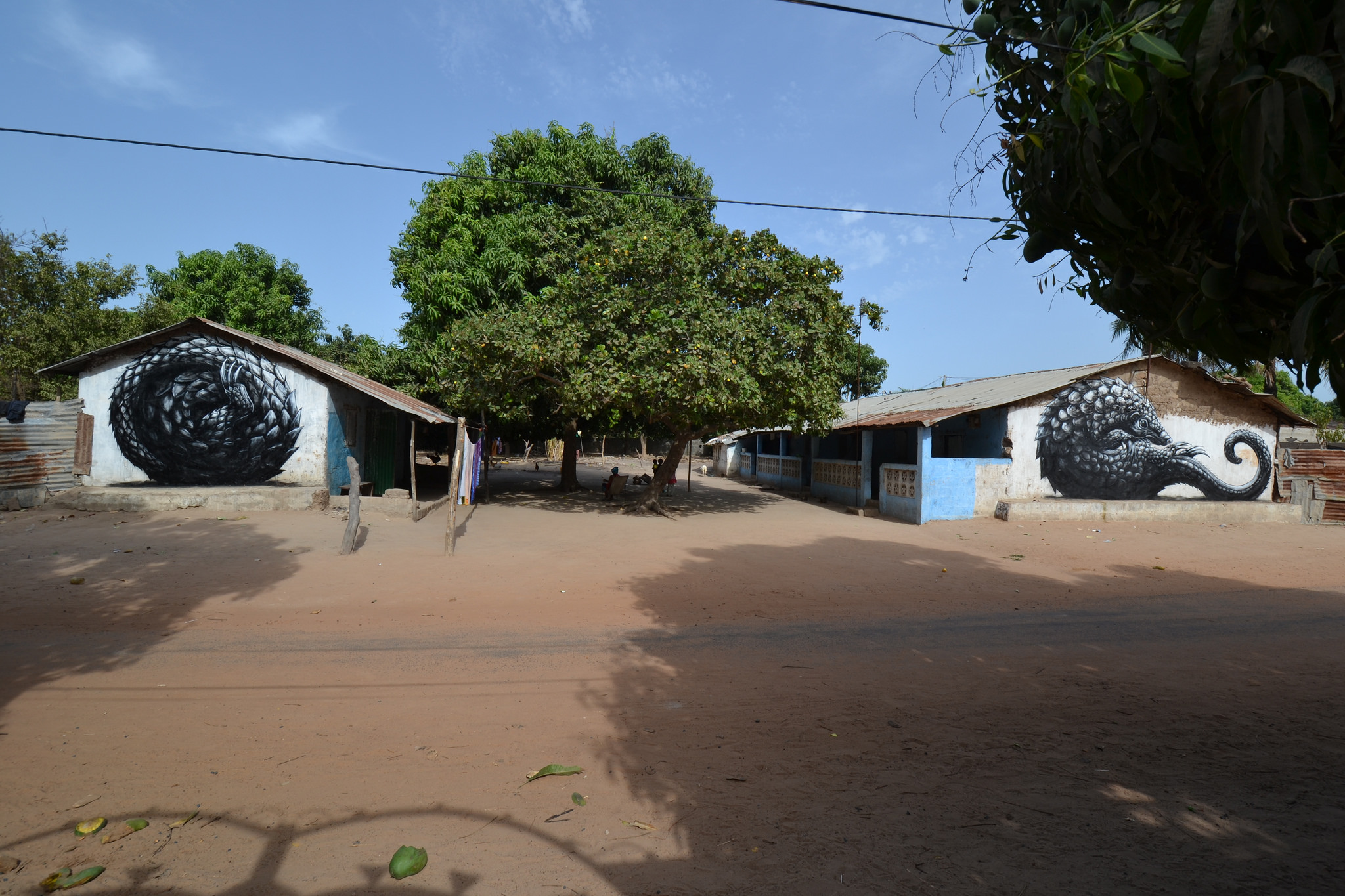
MAKASUTA, THE GAMBIA
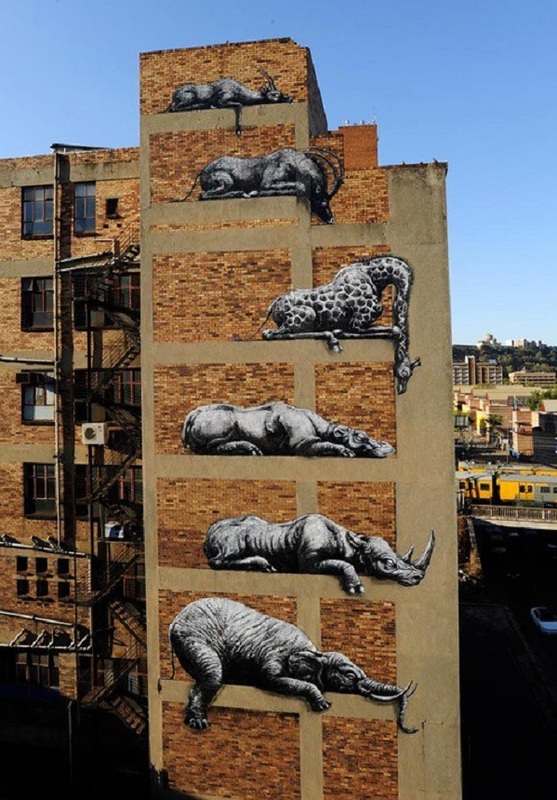
JOHANNESBURG, SOUTH AFROCA
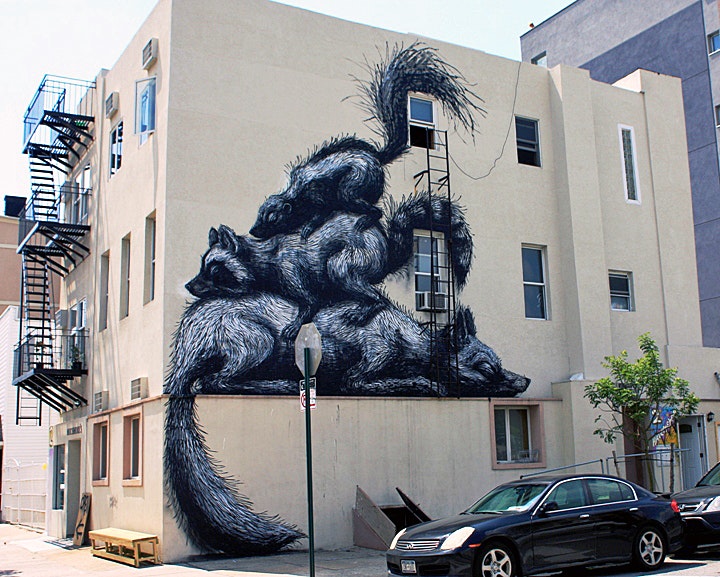
BROOKLYN, USA
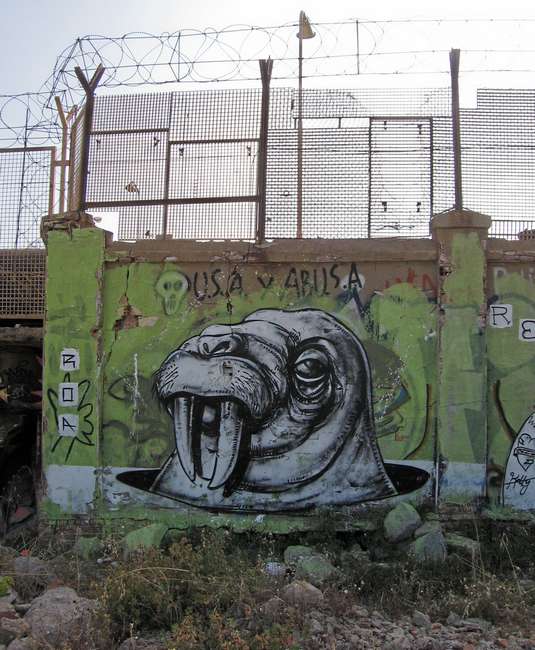
BARCELONA, SPAIN
WERCHTER, BELGIUMMAKASUTU, THE GAMBIALONDON, UKMAKASUTU, THE GAMBIAWARSAW, RUSSIA
OREBRO, SWEDEN
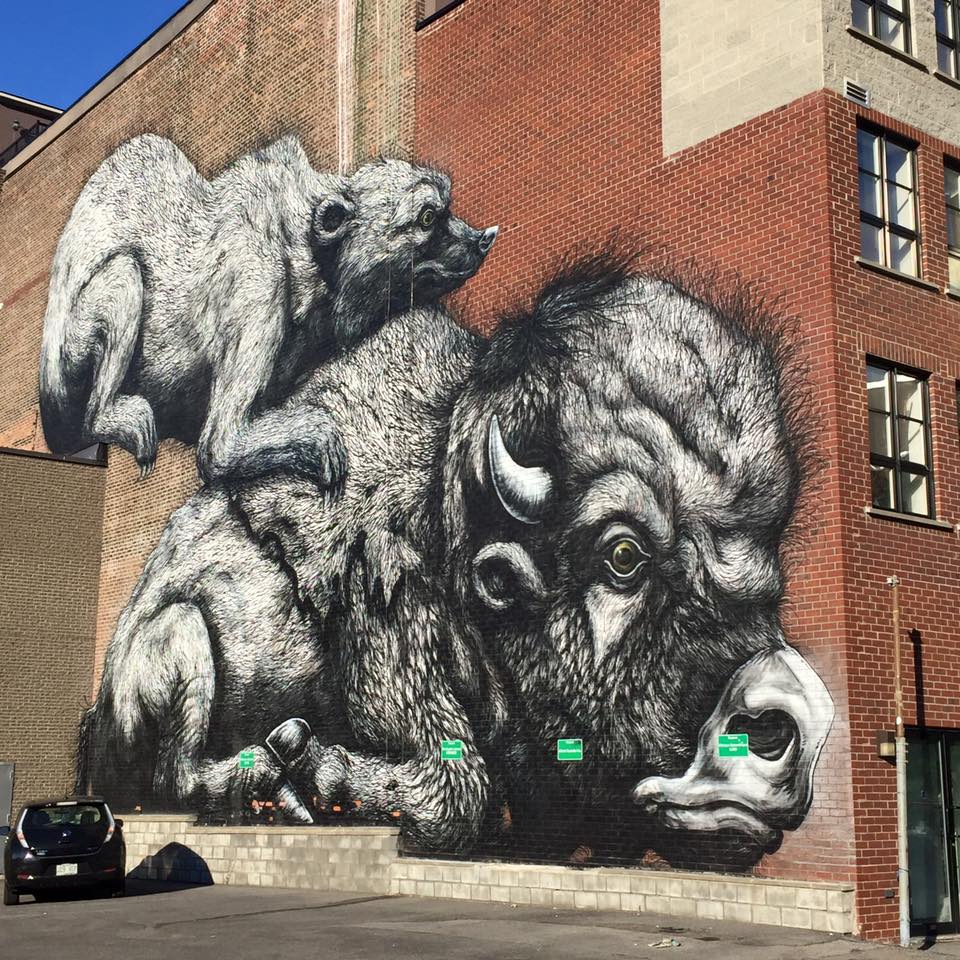
MONTREAL, CANADA
These are just SOME of the vast amount of murals that Roa has created. You can visit his Facebook page at Roa Street Artist.
Please let others see Roa’s amazing work by SHARING far and wide. Please SUBSCRIBE to receive regular new and updates straight to your inbox.
As thousands of disabled animals are put to sleep across the UK, animal welfare charity Miracle’s Mission is looking for help to build the UK’s first centre for disabled animals – where they can be rehabilitated before finding their forever homes.
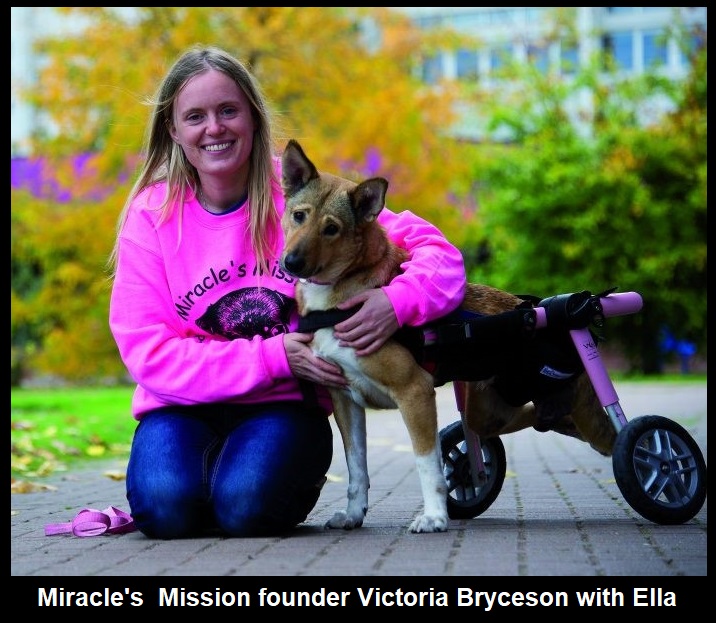
Victoria Bryceson, founder of Miracle’s Mission, says that countless disabled dogs are euthanased unnecessarily, despite the fact they could have a good quality of life with the right physical therapy and prosthetics.
She says, “At the moment amputation of one leg is common practice with UK vets, as dogs can live very well and still be very active with three legs, especially if it is a back leg, as most of the weight is on the front legs.
“However, when it comes to a double amputation leaving the dog with two legs, the general vets that I have seen in the UK have said it’s definitely not possible to do this as the dogs won’t be left with a good quality of life.”
As thousands of disabled animals are put to sleep across the UK, animal welfare charity Miracle’s Mission is looking for help to build the UK’s first centre for disabled animals – where they can be rehabilitated before finding their forever homes.
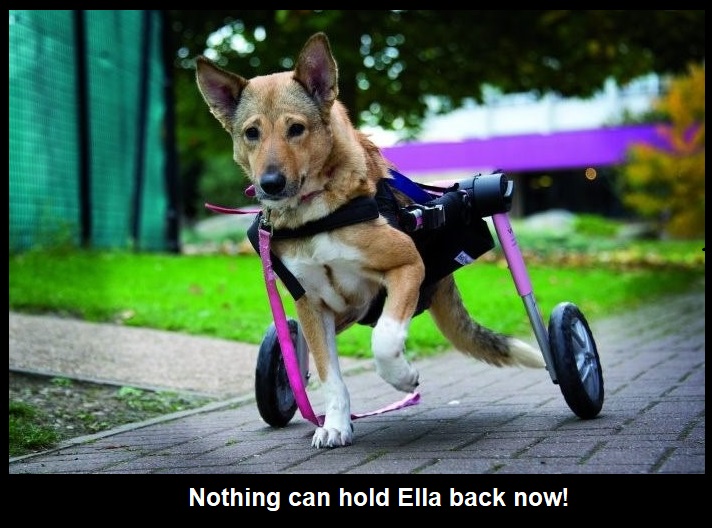
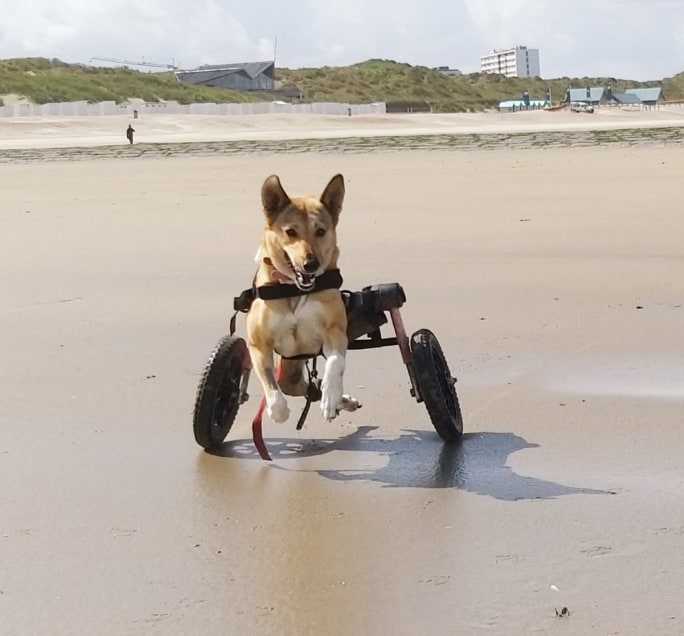
Many people may not be aware that dogs who have wheels and prosthetics can live as good a life as a fully able bodied dogs – much like Ella, who was found wandering the streets of Egypt, paralysed from the back down after being thrown off the top of a building.
Miracles’ Mission brought her to the UK, giving her a second chance. A wheelchair for dogs was made so she could get around, and soon Ella was running around with other dogs, living life to the fullest. Victoria is looking to let owners know that their disabled dogs could live happily, too, if only given a chance.
She adds, “The specialist hospitals seem more open to it as they have more experience in the area, but even they have problems where most of their dogs in these conditions are euthanased – not because they need to be but because, in their words, it is the owners of the dogs who can’t cope with the thought of a two legged dog. So there is a huge need for education in this area, amongst the public, dog owners and vets.
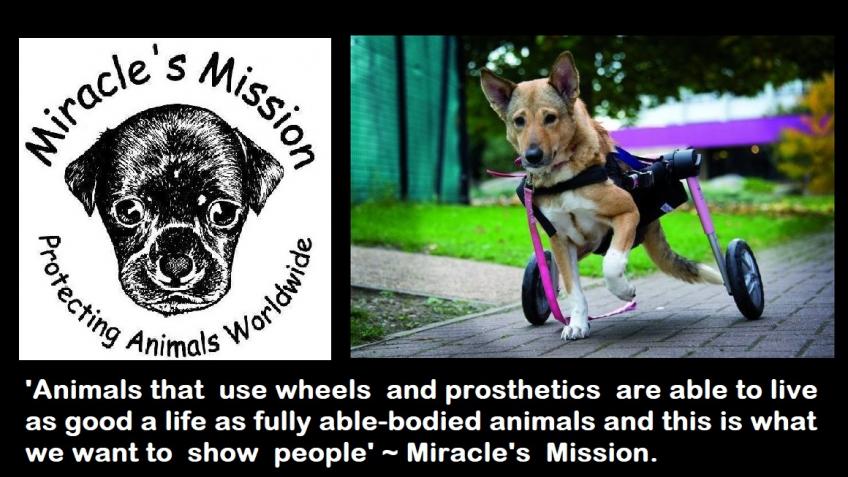
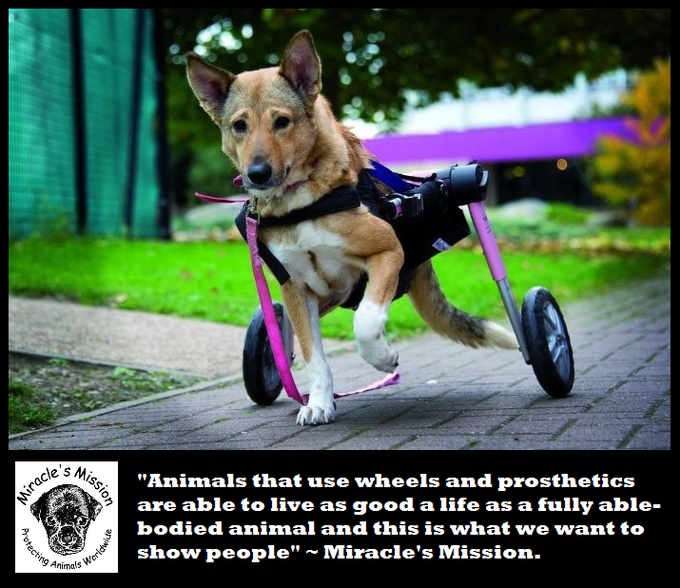
“General practice vets that have seen my journey with double amputee dogs have said that they have had a huge education on disabled animals and they can now see the possibilities and potential of a disabled dog. They are now much more open to using wheels and prosthetics. Dogs using wheels and prosthetics can live as good a life as a fully able-bodied dog and this is what I want to show people.
“I was stopped so many times when I was with a double amputee dog, to ask about her wheels as people hadn’t seen them before. They told me stories about their dogs back legs deteriorating and they thought the only option was euthanasia, but now they would look into wheels.”
The new centre will provide dedicated care for the most vulnerable dogs and cats. Animals under its care will receive thorough veterinary assessments, MRIs, surgeries, the fitting of prosthetics, and doggy wheels. Their personalised rehabilitation plan will include physiotherapy and hydrotherapy as well as daily massage and TENS machine stimulation.
Victoria says, “The animals coming into our care will initially all be stray dogs with nowhere else to go and no one else to help them. They will either have been born with some sort of condition, such as a bent leg that they can’t walk on or they will have been in an accident – for example hit by a car or they will have been abused.”
Once the patients have been emotionally and physically rehabilitated as much as possible, Miracle’s Mission get to work to find them all forever homes.
Victoria explains, “We will offer a full rehabilitation programme right through from assessment to surgery to rehabilitation, recovery and re-homing. This is again why education is so important, so that people become open to adopting disabled dogs.
“If we don’t re-home the dogs the centre will be full on day one and then we won’t be able to help anymore, so it is really desperately needed that the dogs be re-homed.”
There already is a waiting list of disabled dogs, but Victoria cannot accept them until she is able to finance the centre. She is currently crowd funding to raise £20,000 to secure a deposit for the centre, which if secured will be built in Yorkshire in 2020.
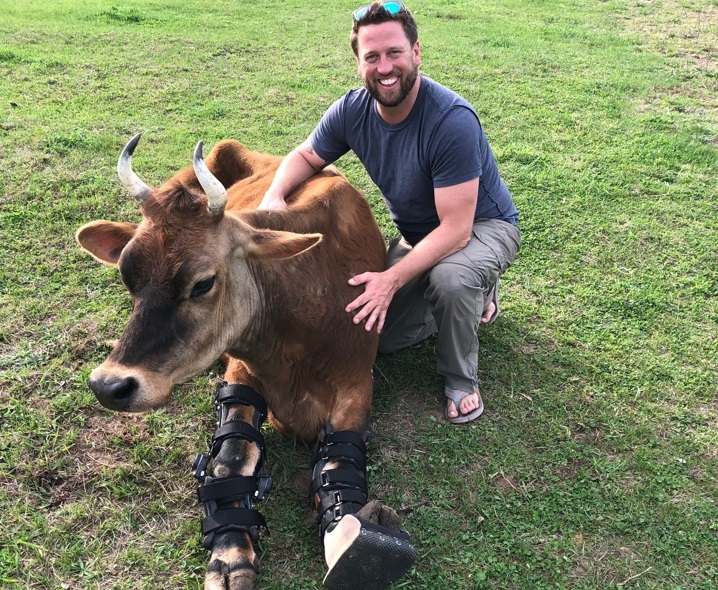
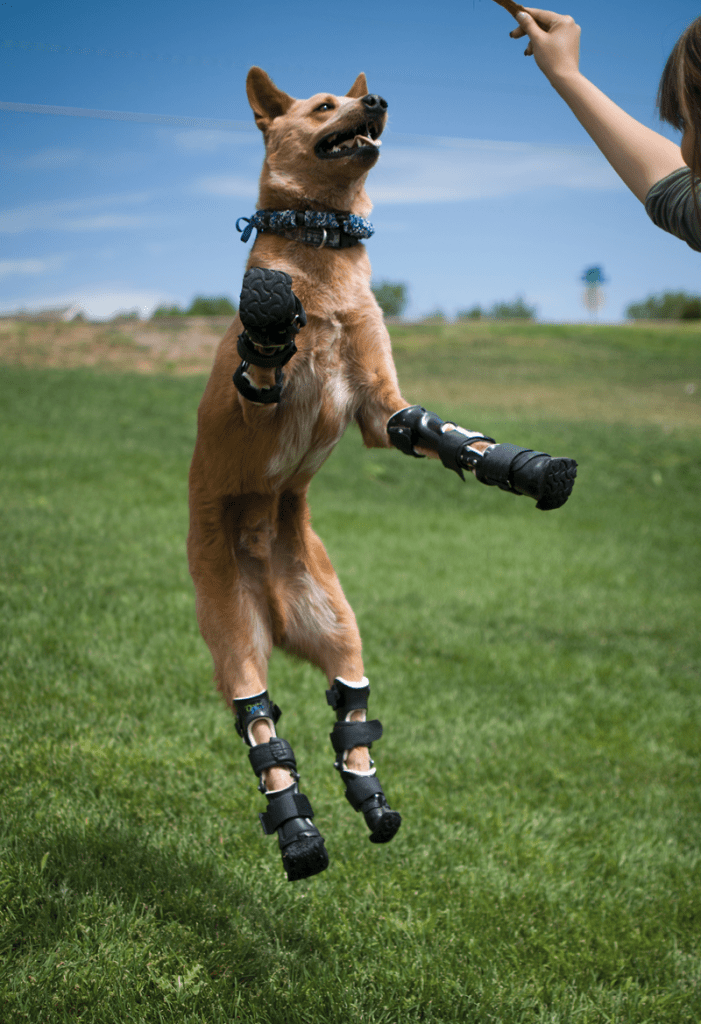
Derrick Campana is an animal orthotist who creates braces and artificial limbs to help increase animals’ mobility and improve their lives. Campana is one out of ten people in the world who make custom animal prosthetics, according to the Washington Business Journal. It’s amazing just how mobile animals with prosthetics can be, these few people are making a profound impact.
In 2004, Derrick founded the Animal Ortho Care in Sterling, Virginia, and since then, he has helped over 20,000 animals. The company sends out kits to pet owners and veterinarians so they can cast molds of their pets or patients. Then, they send back the casting kits, where Derrick crafts a personalized prosthetic, or brace, out of thermoplastic material.
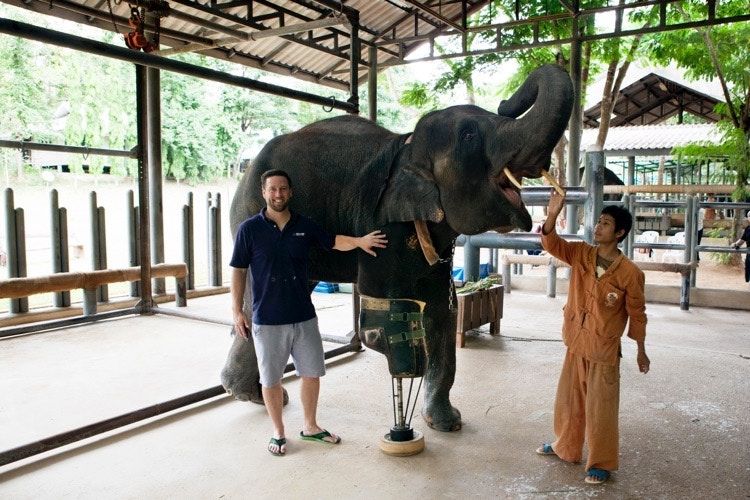
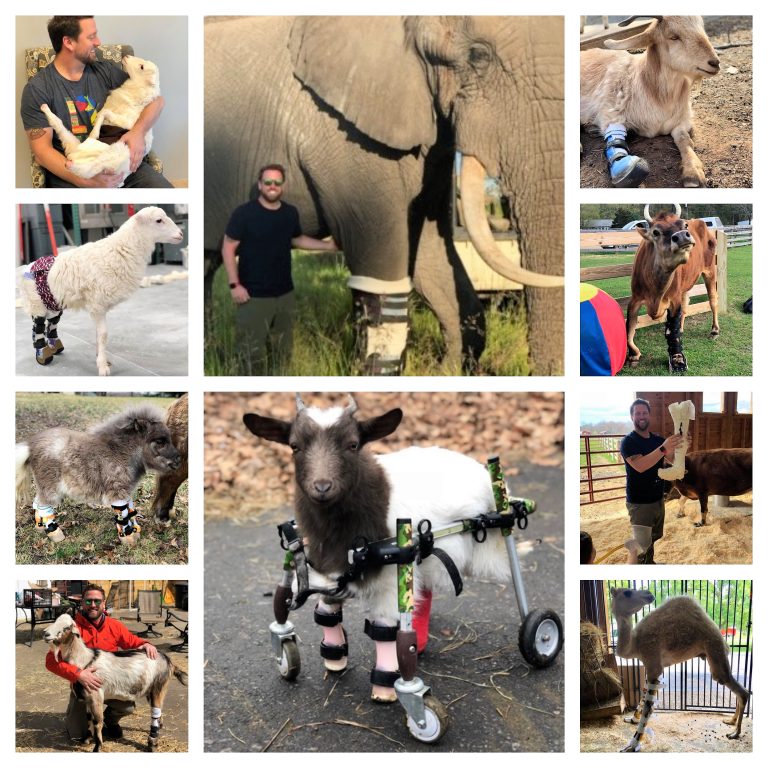
Since he started, his client base has grown dramatically. Now, he doesn’t only treat dogs or cats, he’s also making prosthetics for camels, horses, gazelles, sheep, birds, and elephants. “Now we’re seeing people caring about animals more, and we’re showing the world that things like dog prosthetics exist, and you can give your animals a second chance,” Campana proclaimed.
Receiving his undergraduate degree in Kinesiology/Biomechanics from Penn State University and Masters Degree in Orthotics and Prosthetics from Northwestern University, Derrick has pioneered the field of Veterinary Orthotics and Prosthetics (V-OP) into what it is today. Since that first dog, Derrick has treated nearly 20,000 furry patients with mobility devices. Derrick’s Goal is to help as many animals as he can while in his lifetime and even the playing field between animals and humans as far as treatment options available.
Currently, Derrick turns to medical grade plastic, foam, and sometimes even thermoplastic material for most of his projects. There is a specific reason that he chooses plastic for his efforts:
“These plastics enable him to craft and mold prostheses that contour to the shape of an animal’s body, while being sturdy enough to provide reliable support for many years. The plastics also help make prostheses more affordable, which is important to many pet owners without insurance to cover veterinarian care.”
One thing also noted is that sadly the need for veterinary doctors to help animals who require prosthetics is high, and there are roughly 200 animals a month that need his help.
“I’m always so excited about everything I do—from helping animals and developing new products to flying around the world and seeing different countries,” he says.
Campana considers seeing new parts of the world as a huge job perk, but he says the most rewarding part of his career will always be seeing animals walk again for the first time and watching their owners break down and cry.
“There’s never a dull moment,” he says. “It’s the best career in the world.”
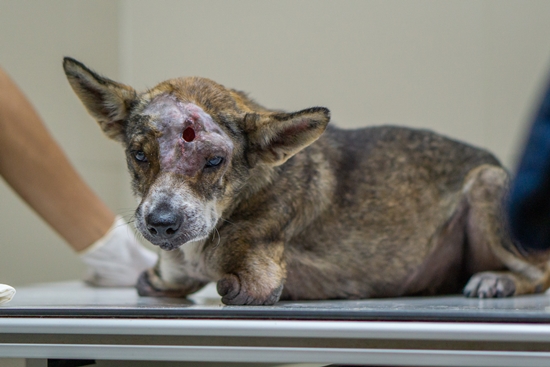
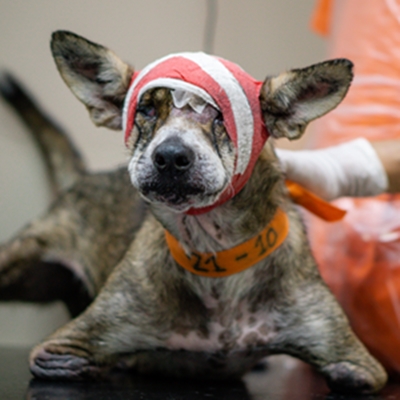
A two-legged street dog from Thailand that was shot in the head and left to die has been rescued by a Canadian family – and now even has her own wheelchair. Lara Pleasence, 51, from Montreal, Canada, first heard about Amira’s tragic story through the Soi Dog Foundation, based in Asia. Administrator and personal trainer Lara first saw Amira in a video posted by the rescue centre in Thailand in October 2020. “This poor dog who was born without legs, lived on the streets having litter after litter, then after nine years of struggling to survive, someone shoots her in the head,” Lara told Jam Press. “I just broke down and cried.”
Amira was treated for her head wound by the Soi Dog rescue centre who shared regular updates of her progress on social media. “Sweet Amira was always wagging her tail; it just broke my heart that she still trusted humans even after everything she’d been through. “I knew I had to contact the rescue to see if I could help in any way, maybe even offer to be her forever family, although they doubted that she would ever be well enough to travel.” After a tense wait, the Soi Dog Foundation contacted Lara to tell her that Amira had recovered enough to be put up for adoption. “I was so stoked and so worried about what my husband was going to say, since we already had three dogs,” Lara admitted. “There was something about Amira, this incredible connection I felt for her from the very first time I saw her. “I wanted to right all the wrongs that were done to her, I just felt compelled to try. “I wanted desperately to show her all the love, security, happiness that she deserved, that every dog deserves, and that this poor sweetie had been denied for so many years.”
AMIRA’S LOVING AND LIVING LIFE TO THE FULL
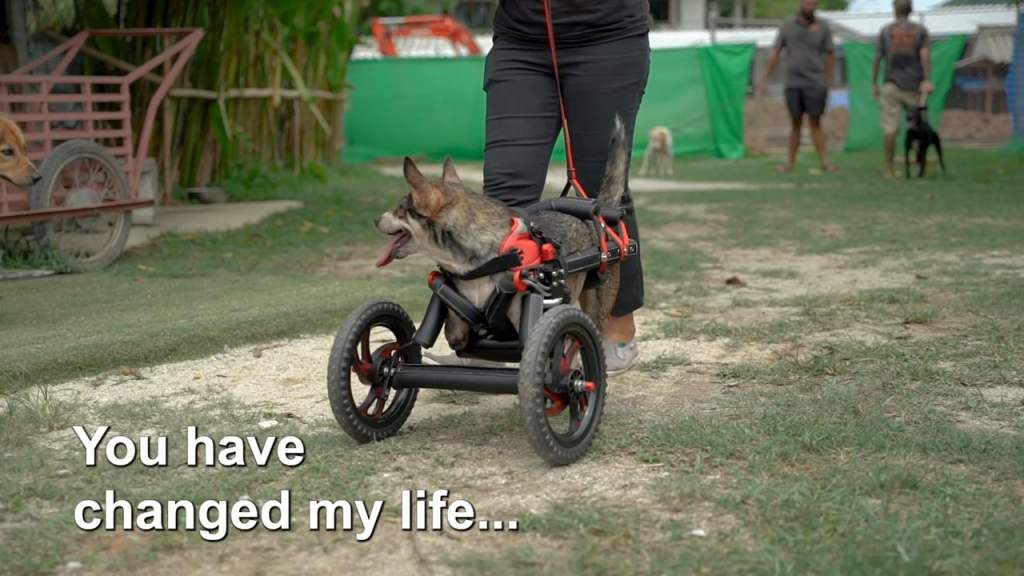
To qualify to adopt Amira, Lara and her family had to go through a strict application procedure – including a virtual home visit, interview process and form-filling. “I was made aware that we would have to pay for her to be flown to Canada since, because of Covid, they didn’t have travellers who could take her on the plane for free.” “I think I would have mortgaged the house to get this sweet girl here.” When Amira touched down in Montreal in April 2021 after a 22-hour journey – which cost $2,000 – it was love at first sight. Lara said: “My husband was none too happy about even the idea of another dog since we already had three, but I told him that I had never felt this way about any rescues that I had seen. “I was so excited that we were getting her, I was practically bursting, and he knew that fighting it was a lost cause – happy wife, happy life.” Amira came with her wheelchair, after a man in Vietnam made a custom one for her and it was gifted to the pup by Soi Dog. “She literally came bouncing out of her crate and jumped all over us like the happiest kangaroo you’ve ever seen.” “She’d been in it for over 22 hours and didn’t even have an accident!” “We couldn’t believe the joy she exudes.
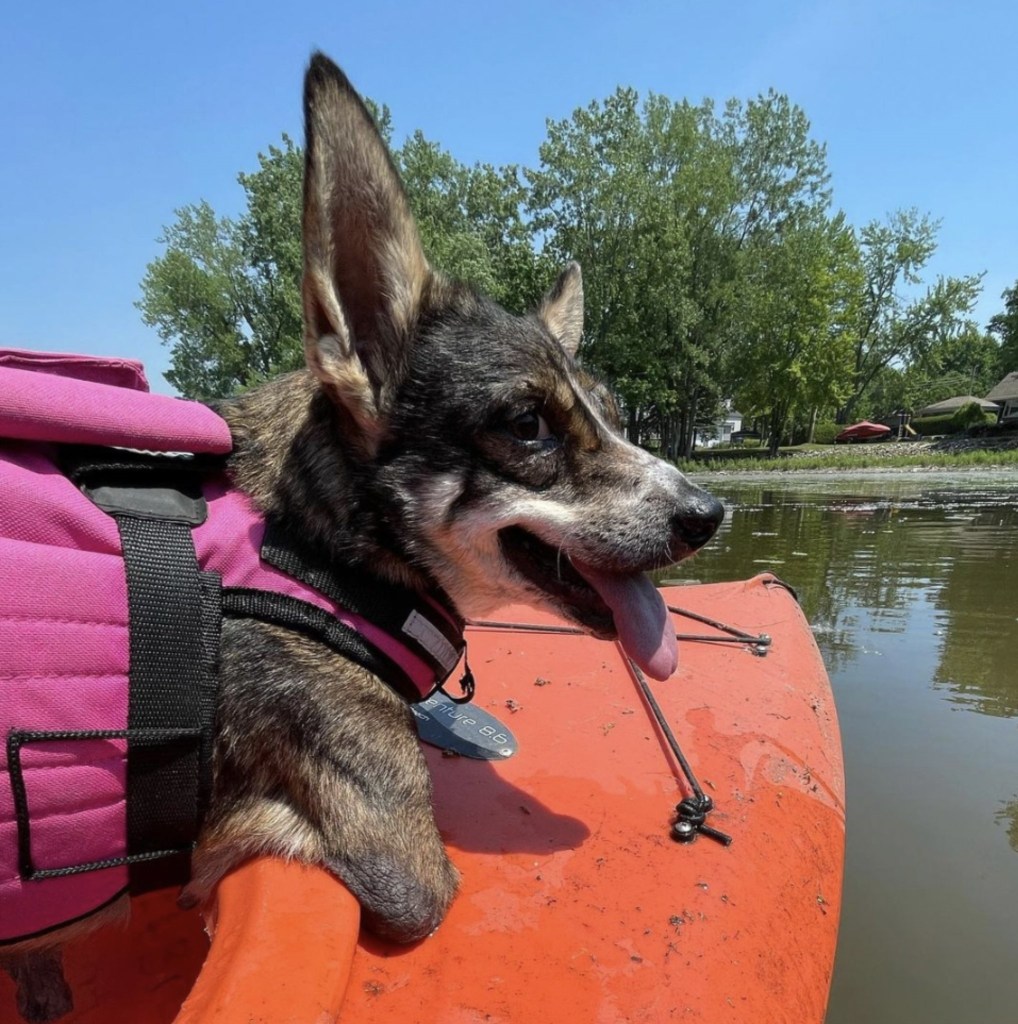
She is a true miracle. After everything she’s been through, Amira is fun-loving and outgoing. “She’s so trusting, she loves everyone she meets. “She absolutely loves to be held in your lap and will sleep there for as long as you will let her. “She is resilient and doesn’t let her past hold her back from trying new things or doing something a bit scary like canoeing or going on our paddleboard. “She is obsessed with our bed… If we’re not home, we have to block the stairs because we can’t risk her falling. “How a street dog, with no front legs, knows how to climb stairs is just one of Amira’s many mysteries. “She’ll let me kiss her nose 50 times in a row, my other three dogs will eventually pull their head away, but not Miss Amira, she loves it. “She gets these crazy puppy moments where she runs around on her nubs and jumps up on the furniture then flies right back off it. “These moments make my heart smile because it’s like she finally doesn’t have a care in the world and can just be a dog. “No more struggling for food or to keep her puppies safe and fed or hiding from bad people.”
AMIRA IN HER WHEELS
Now, Amira enjoys a happy life spending her days with her family and playing at her favourite spot. Lara added: “She loves going to the dog park, even though many of the dogs get freaked out by the “transformer dog” with wheels and just bark at her.”
FROM STREET DOG TO CRUISING THE STREETS
In videos posted to Instagram (@amira.amiracle), Lara shares Amira’s adventures with her new set of wheels. In one comical clip, which has been viewed over 725,000 times, Amira runs after a cat and ends up doing a headstand when she hits a curb. “She just waits for me to pick her back up and she keeps on going like it’s no big deal,” said Lara. Another video shows her gradually getting better at walking in a straight line with her wheels. Followers of Amira’s page are in love with the pup, and she regularly receives gushing comments. One person commented: “So beautiful to see this! You’re amazing, sweet and strong Amira.” “Love u Amira very much,” said another viewer. “She’s amazing and you’re amazing with her,” added another person. Lara is grateful for all the support and says she is touched by the comments she receives. “The people who follow Amira on Instagram are the sweetest,” she said. “They are so happy that she has a family that loves her now. “Some say Amira’s posts are their daily dose of ‘good feels’ or that her videos are ‘good for the soul’. “People feel they need to thank me for taking her, which is so kind, but I always tell them that it is my privilege to give her the best life that I possibly can,” “It’s the least I can do for such an angel. “I can only hope that her page may inspire someone else to help a special needs dog or donate to an organisation like Soi Dog Foundation so they can continue their amazing work.”
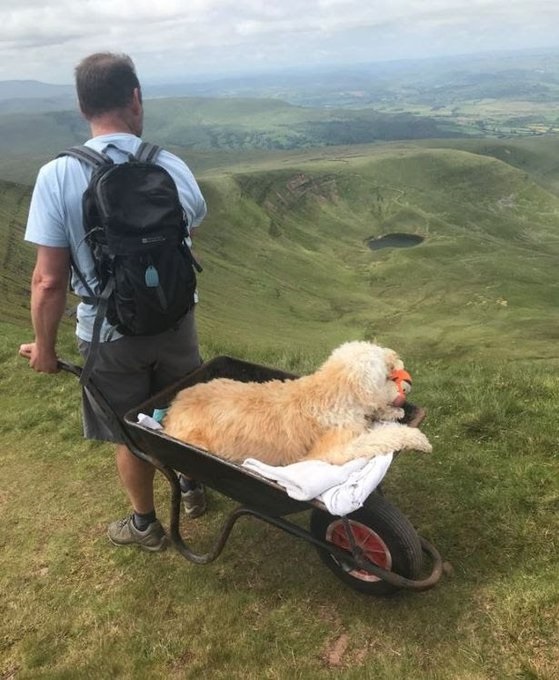
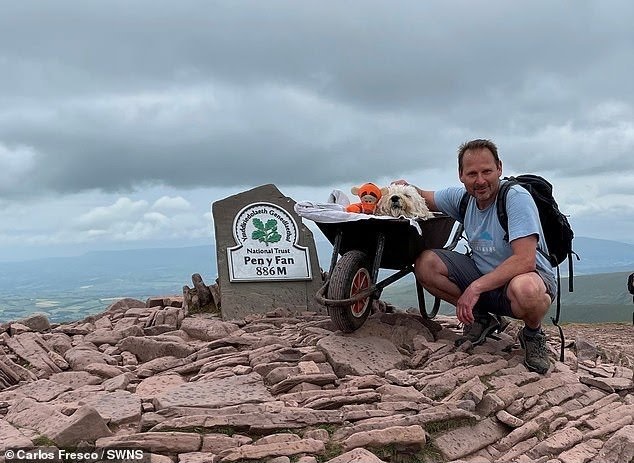
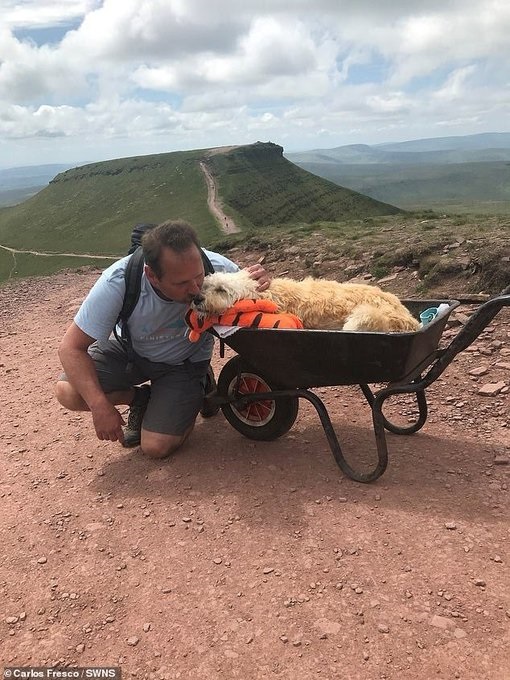
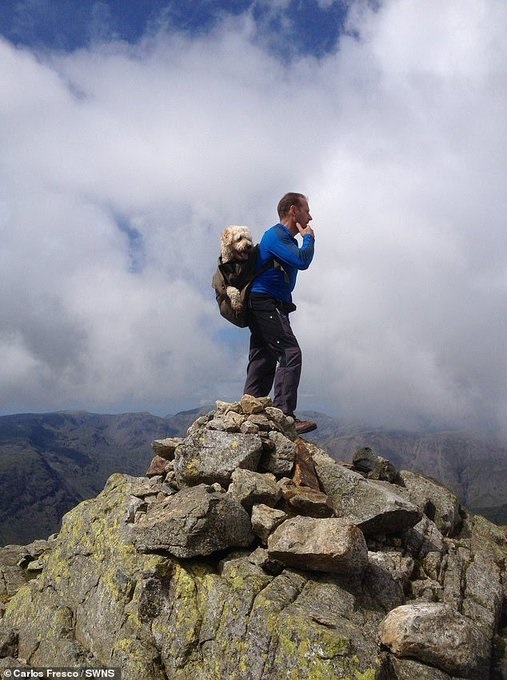
A dog owner whose pet dog was dying from leukaemia pushed him to the top of Pen y Fan in a wheelbarrow for “one final adventure together”.Carlos Fresco, a hotelier from London, had owned 10-year-old Monty since he was a puppy and the pair had always loved going on long walks together all around the UK.But, after the Labradoodle fell ill 18-months ago, he realised they only had a certain amount of time left and knew exactly what he had to do.
“At first Monty responded well to the chemotherapy, but sadly the leukaemia returned several weeks ago and he started fading fast,” said the 57-year-old.
“Then, at the end of last month, a mate of mine who lives in Brecon detached the retina in his eye and needed to get home from London. So I offered to drive him and took Monty with us. “We ended up staying there for a week and Monty loved having a big beautiful back garden to stretch out in – which is where I stumbled across a rusty old wheelbarrow which I decided to dust off and oil up.
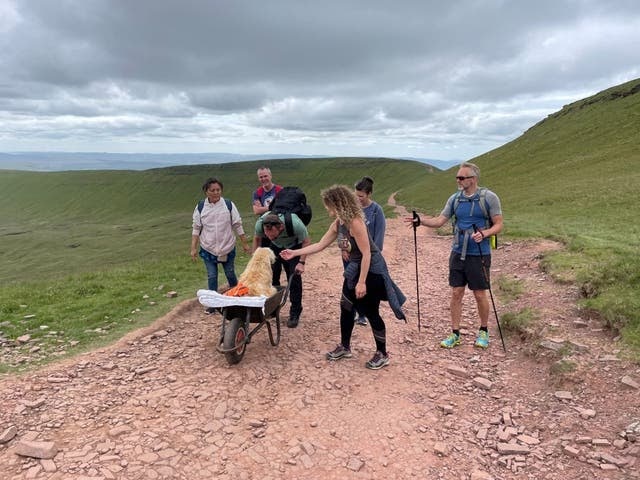
“The next day I put Monty in it on top of a load of blankets and started wheeling him to the top of Pen y Fan. He loved it and the reaction he got from other walkers was amazing. They all took turns in helping to push the barrow, and Monty really enjoyed that because he’d always adored people and being made a fuss of.
“I was bowled over by the kindness we were shown, to be honest – total strangers taking the time out to say ‘hello’ and lend a hand in getting him to the summit. “However, Monty’s health continued to decline during their stay in Brecon and he finally passed away at the foot of Carlos’ bed a few days later.
“He hung on until the morning after Father’s Day – I peered over the mattress and he’d gone,” Carlos said. “He looked so peaceful though and I’m glad we got to go on one last adventure together. “He was a lovely little lad.”
This is your chance to bid on beautiful original artworks and signed memorabilia in our ‘Charity Auction To Help Disabled Animals’.
This is a sealed bid auction, so all you need to do is decide which item you would like to bid for – noting the reserve price for each – and send us your bid with the lot number and name by email to protectallwildlife@btinternet.com by 21:00 on the 17th of April . We will email you to let you know if your bid is the highest. Postage costs will be calculated when the auction ends. Good luck!
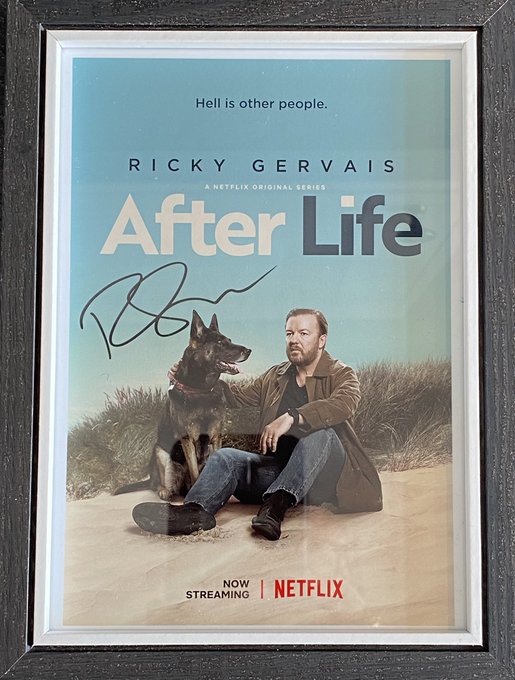
This signed After Life image has been very kindly donated by animal welfare great Ricky Gervais.
Reserve £100
RICKY GERVAIS AFTER LIFE 1
Lot 2
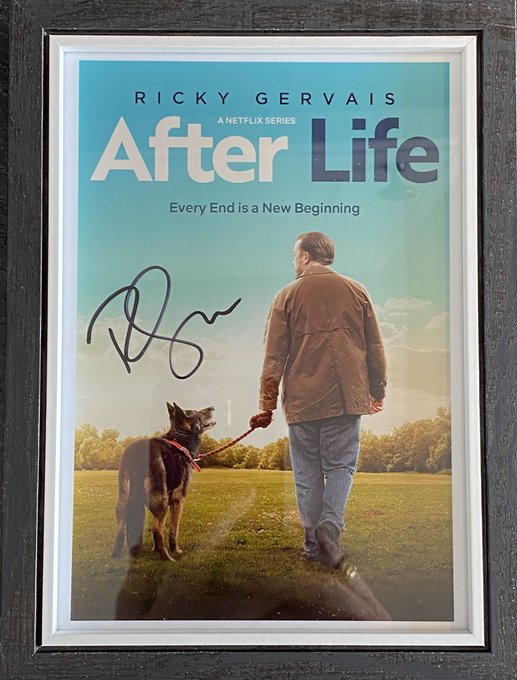
This signed After Life image has been very kindly donated by animal welfare great Ricky Gervais.
Reserve £100
RICKY GERVAIS AFTER LIFE 2
Lot 3
This is an ORIGINAL watercolour, pastel and pencil study of a Badger by wildlife artist Milo. This STUNNING piece measures 54 x 41 cms
Reserve: £100
BADGER
Lot 4
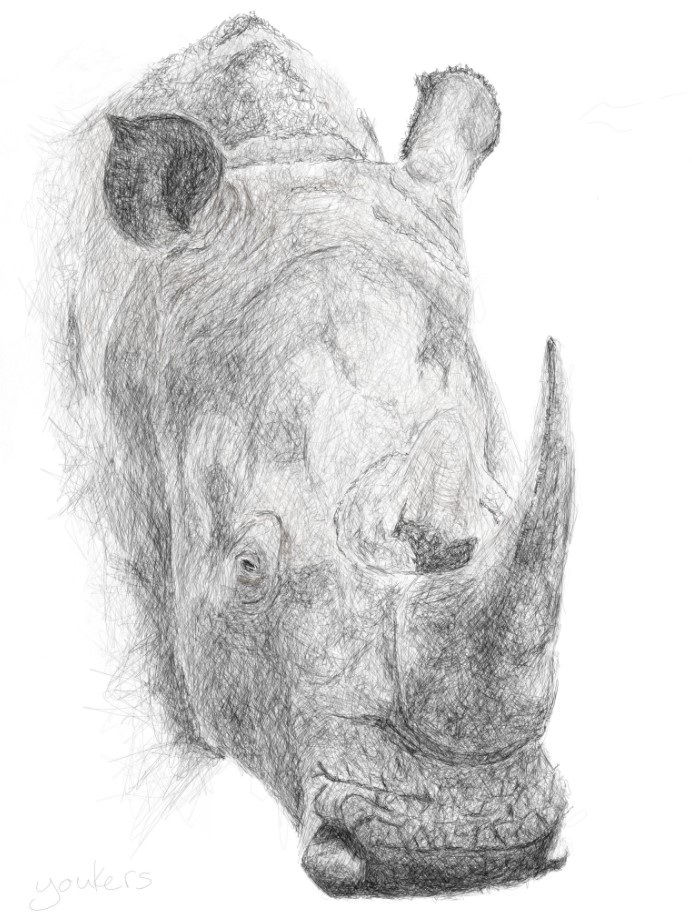
This is an ORIGINAL pencil study of a Rhino by Dane Youkers . This STUNNING piece measures 28 x 36 cms .
Reserve: £100
RHINO
Lot 5
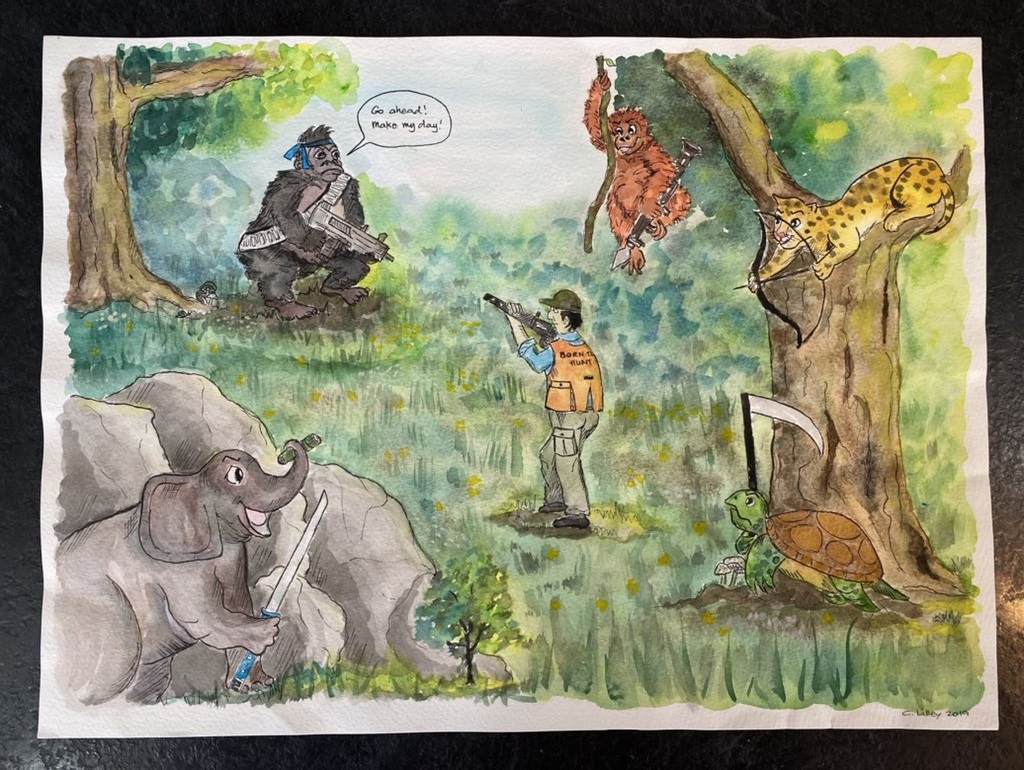
‘The Animals Fight Back’ original watercolour by Charito Lilley. This thought-provoking piece measures 40 x 30 cms
Reserve: £50
THE ANIMALS FIGHT BACK
Lot 6
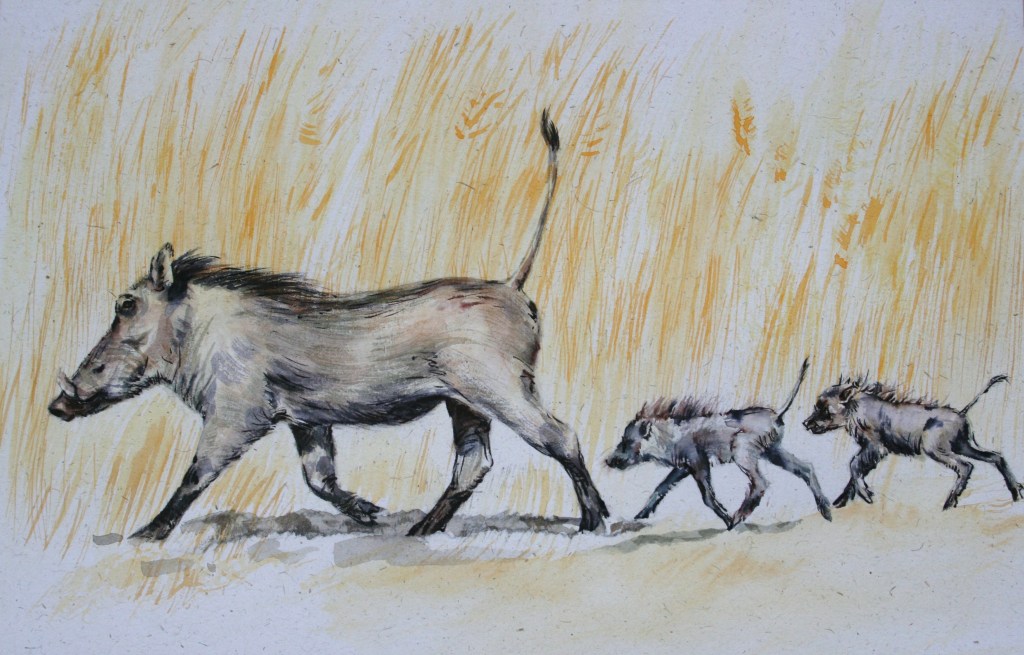
‘Tails Erect’ by Wildlife Artist Carol Barrett. This ORIGINAL study of Warthogs is in watercolour and ink and is on Rhino Dung Paper! It is mounted and measures 40 x 30 cms.
Reserve: £200
TAILS ERECT
Lot 7
A ‘Dazzle Of Zebras’ by Jan Ferguson. This stunning print measures 41 x 30 cms
Reserve: £30
A DAZZLE OF ZEBRAS
Lot 8
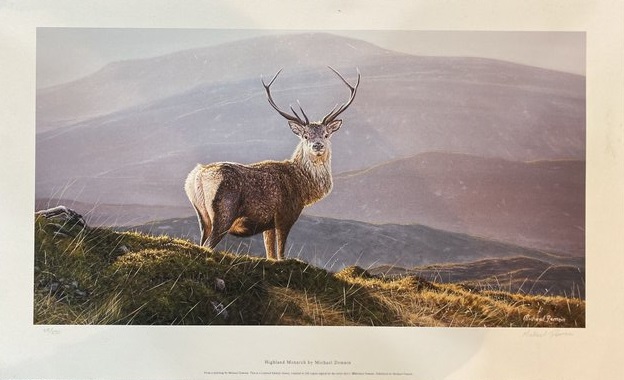
Limited Edition print titled ‘Highland Monarch’ Michael Demain. This stunning measures 56 x 34 cms.
Reserve: £40
HIGHLAND MONARCH
Lot 9
This is an ORIGINAL watercolour, pastel and pencil study of a Cheetah by wildlife artist Milo. This STUNNING piece measures 57 x 42 cms.
Reserve: £100
CHEETAH
Lot 10
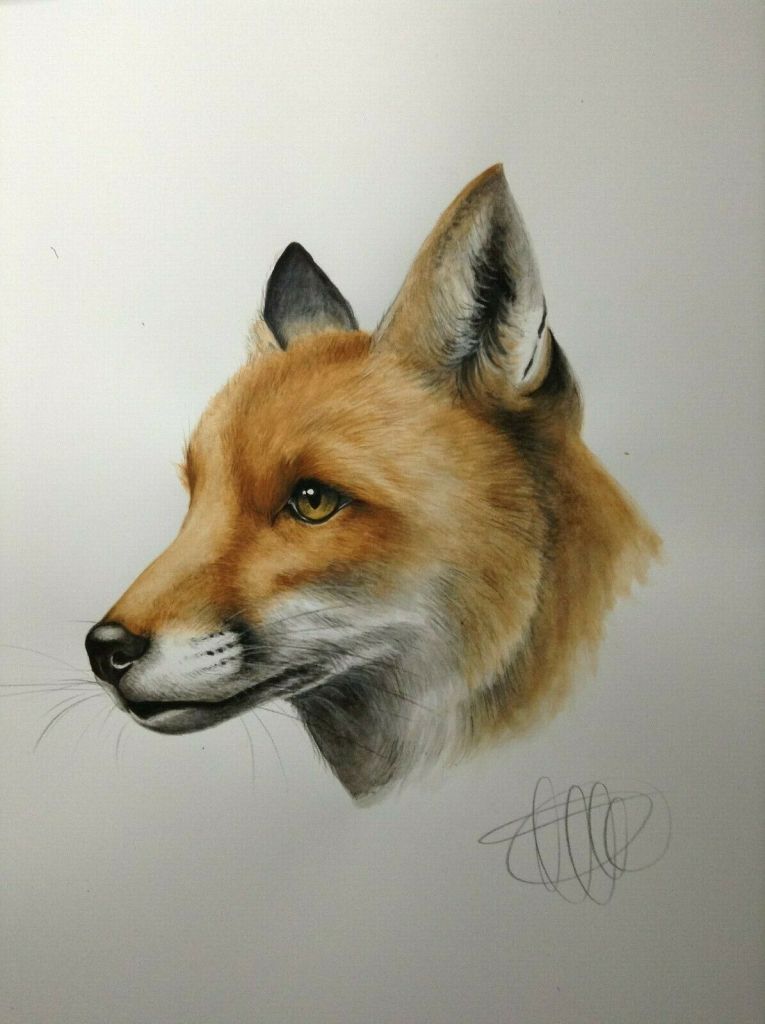
This is an ORIGINAL watercolour, pastel and pencil study of a Fox by wildlife artist Milo. This STUNNING piece measures 58 x 42 cms.
Reserve: £100
FOX
Lot 11
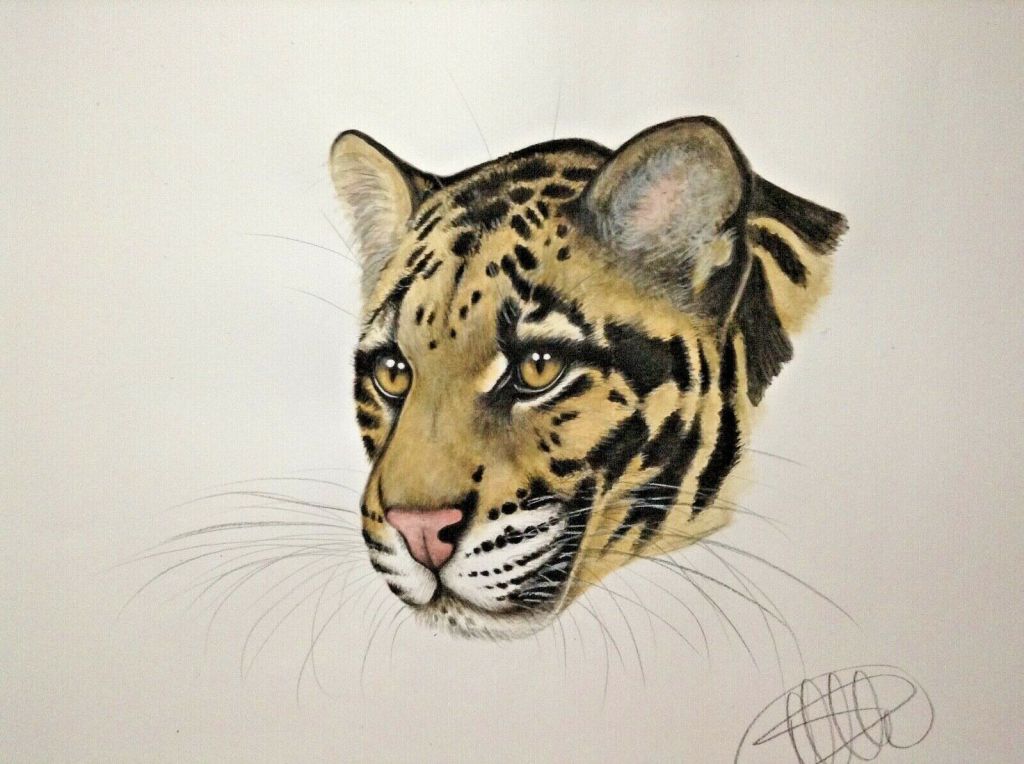
This is an ORIGINAL watercolour, pastel and pencil study of a Clouded Leopard by wildlife artist Milo. This STUNNING piece measures 57 x 42 cms
Reserve: £100
CLOUDED LEOPARD
Lot 12
A beautiful print of Tiger cubs by Jan Ferguson. This piece measures 41 x 31 cms.
Reserve: £30
TIGER CUBS
Lot 13
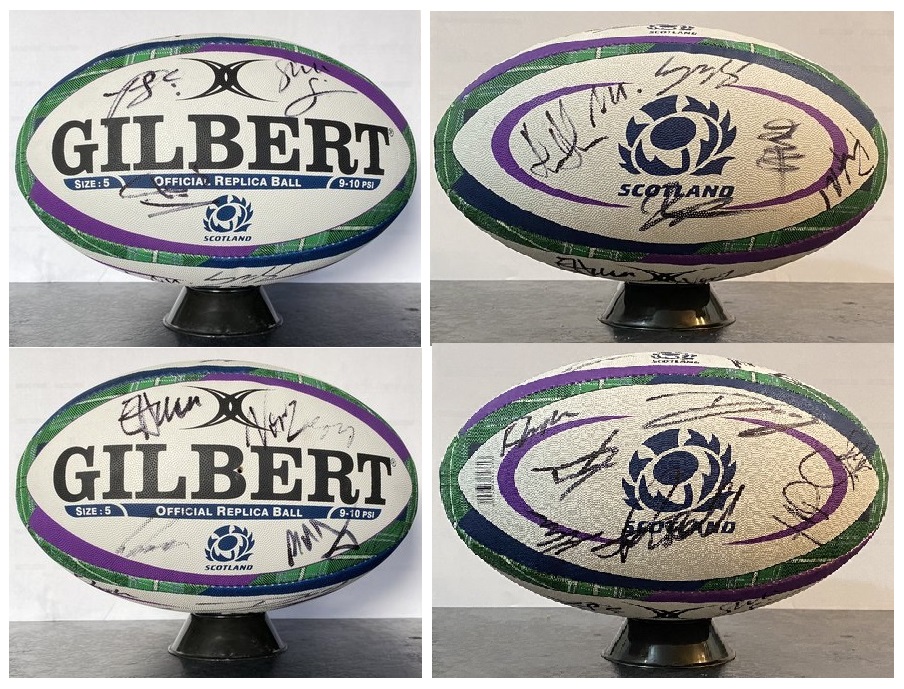
This lot is for an official Scottish Rugby ball signed by the 2021/2022 squad.
Reserve: £75
OFFICIAL SIGNED SCOTTISH RUGBY BALL 2021/2022 SQUAD
Lot 14
This is a stunning ORIGINAL watercolour, pastel and pencil study of a Jaguar by wildlife artist Milo. This STUNNING piece measures 57 x 42 cms.
Reserve: £100
JAGUAR
Lot 15
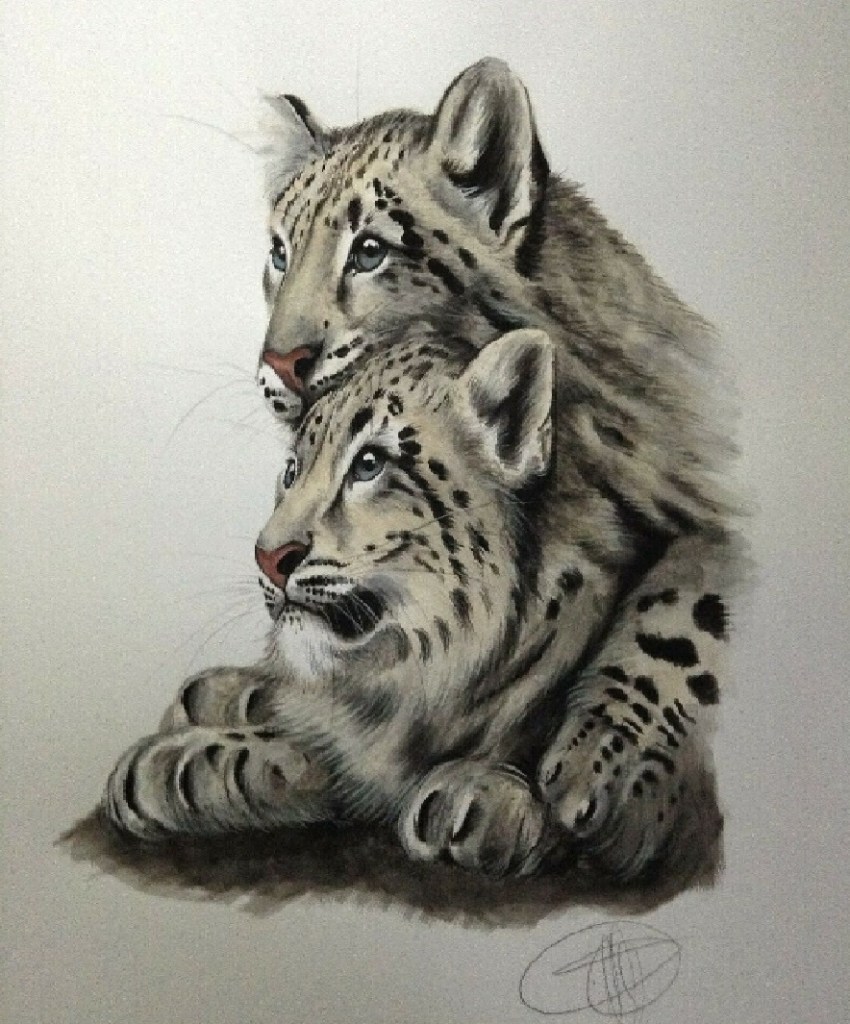
This is a stunning ORIGINAL watercolour, pastel and pencil study of a pair of baby Snow Leopards by wildlife artist Milo. This STUNNING piece measures 59 x 42 cms.
Reserve: £100
A PAIR OF BABY SNOW LEOPARDS
Lot 16
This is a stunning ORIGINAL watercolour, pastel and pencil study of a Snow Leopard by wildlife artist Milo. This STUNNING piece measures 59 x 42 cms.
Reserve: £100
SNOW LEOPARD
Lot 17
A stunning Limited Edition print titled ‘Endangered Nobility’ by Kim Thompson. This beautiful study of the noble Lion measures 60 x 42 cms.
Reserve: £75
ENDANGERED NOBILITY
Lot 18
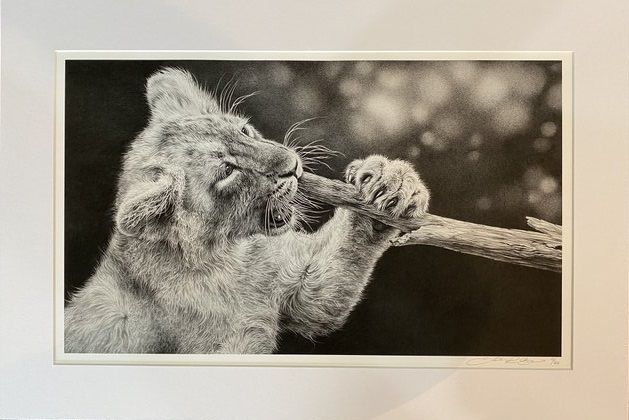
‘Mischief Maker’ is a beautiful Ltd Edition study of a Lion cub by Julie Rhodes. It is mounted and measures 560 x 380mm.
Reserve: £50
MISCHIEF MAKER
Lot 19
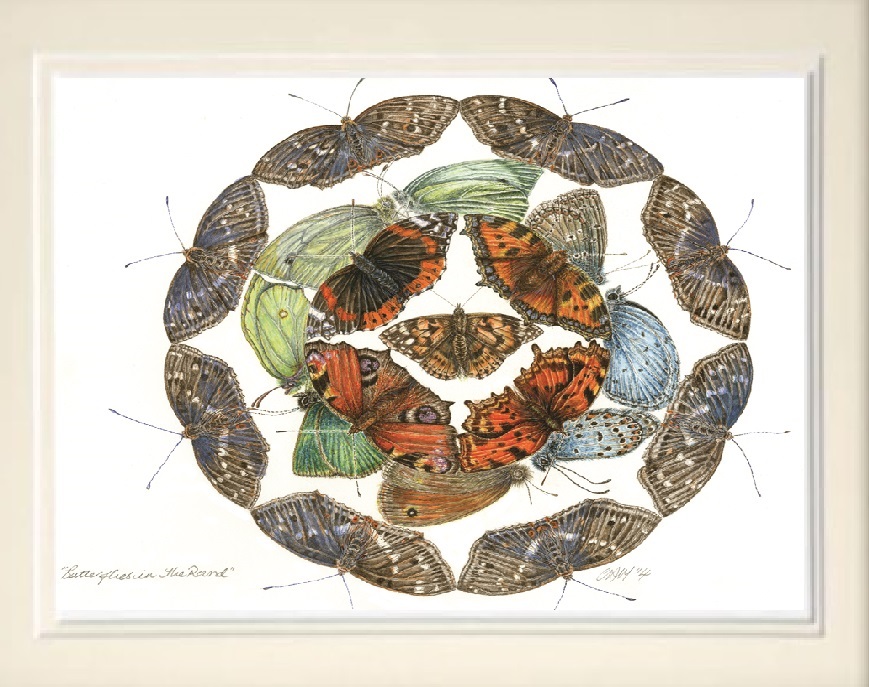
The beautiful Butterflies In The Round by Cath Hodsman. This Limited Print measures 51 x 41 cms.
Reserve: £50
BUTTERFLIES IN THE ROUND
Lot 20
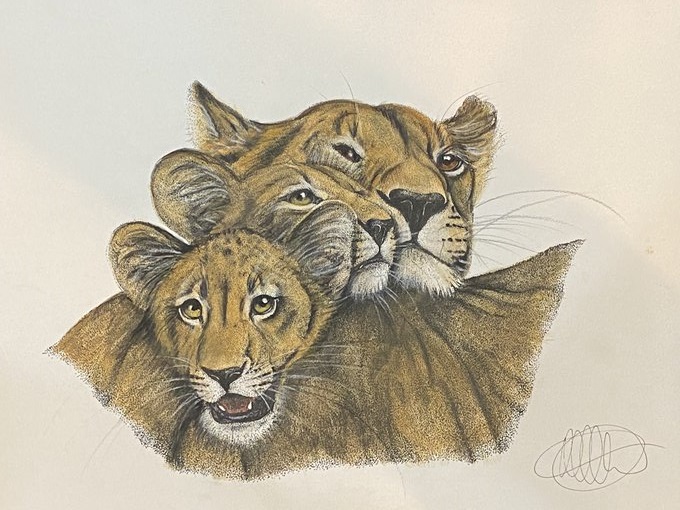
This lot is ‘A Mother’s Love’, an adorable original watercolour, pastel and pencil of a Lioness and her cubs by wildlife artist Milo. This beautiful piece measures 30 x 28 cms.
Reserve: £75
A MOTHER’S LOVE
Lot 21
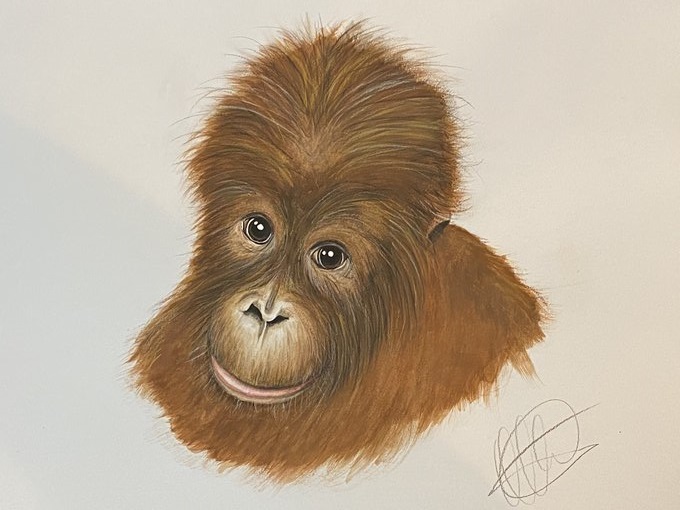
Who can resist ‘Those Eyes’? This delightful original watercolour, pastel and pencil study of a baby Orangutan is by Milo and measures 59 x 42 cms.
Reserve: £100
ORANGUTAN
Lot 22
A custom made digital pet portraits makes a wonderful keepsake or present for your loved ones and are ideal for framing.
Reserve: £25
DIGITAL PET PORTRAIT
Thank you for taking the time to look at our auction and happy bidding.
If you would like to make a donation to our fundraiser to help support our work you can do so at Fundraiser To Help Disabled Animals. Thank you.
Some of the dogs that Victoria has saved (Picture: Victoria Bryceson)
When lockdown struck, Victoria Bryceson was in the process of pulling together funds to build an animal centre for disabled dogs and cats. The founder of the animal welfare charity, Miracle’s Mission, had planned a series of vegan festivals in the UK, with the aim to use the profits to launch her latest project. Unfortunately, as the pandemic has put a halt to all events, the charity is quickly running out of money – and all plans for the centre have been put on hold. This means that canines across the country are currently at risk of dying from disease, abandonment or due to vets being forced to put them down.
‘Ninety per cent of disabled dogs that are seen by vets are euthanised unnecessarily so there must be literally thousands of dogs killed like this in the UK,’ Victoria said. To save their lives, the charity founder is now turning to the public with a campaign to raise £20,000 – the equivalent of the centre’s property deposit.
Miracle’s Mission already has a waiting list of dogs in urgent need of help, such as those with missing limbs or who are paralysed. Once open, the centre will provide care for the vulnerable dogs and cats, offering veterinary assessments, MRIs, surgeries, the fitting of prosthetics and doggy wheels. Each pup will also be given a personalised rehabilitation plan with physiotherapy and hydrotherapy, as well as daily massages and TENS machine stimulation. Additionally, they will be able to play with each other in a sensory garden and given educational toys for mental and physical stimulation. Victoria said: ‘At the moment amputation of one leg is common practice with UK vets, as dogs can live very well and still be very active with three legs, especially if it is a back leg, as most of the weight is on the front legs. ‘However, when it comes to a double amputation, leaving the dog with two legs, the general vets that I have seen in the UK have said it’s definitely not possible to do this as the dogs won’t be left with a good quality of life.
‘The specialist hospitals seem more open to it as they have more experience in the area, but even they have problems where most of their dogs in these conditions are euthanised, not because they need to be but because in their words it is the owners of the dogs who can’t cope with the thought of a two legged-dog. ‘So there is a huge need for education in this area, amongst the public, dog owners and vets. ‘The animals coming into our care will initially all be stray dogs with nowhere else to go and no one else to help them. ‘They will either have been born with some sort of condition, such as a bent leg that they can’t walk on or they will have been in an accident – for example hit by a car or they will have been abused.’ Once the dogs (and cats) have recovered, Miracle’s Mission will then find them a forever home – but to be able to do this, people’s attitudes towards disabled animals need to change, explained Victoria.
She said: ‘We will offer a full rehabilitation programme right through from assessment to surgery to rehabilitation, recovery and re-homing. ‘This is again why education is so important, so that people become open to adopting disabled dogs. ‘If we don’t re-home the dogs, the centre will be full on day one and then we won’t be able to help any more, so it is really desperately needed that the dogs be re-homed.’ So far, the campaign has raised £5,355. Once she reaches her goal, Victoria can build the centre in Yorkshire, which she hopes to open in 2020.
Here is the amazing transformation of some of the dogs that Victoria has already saved.
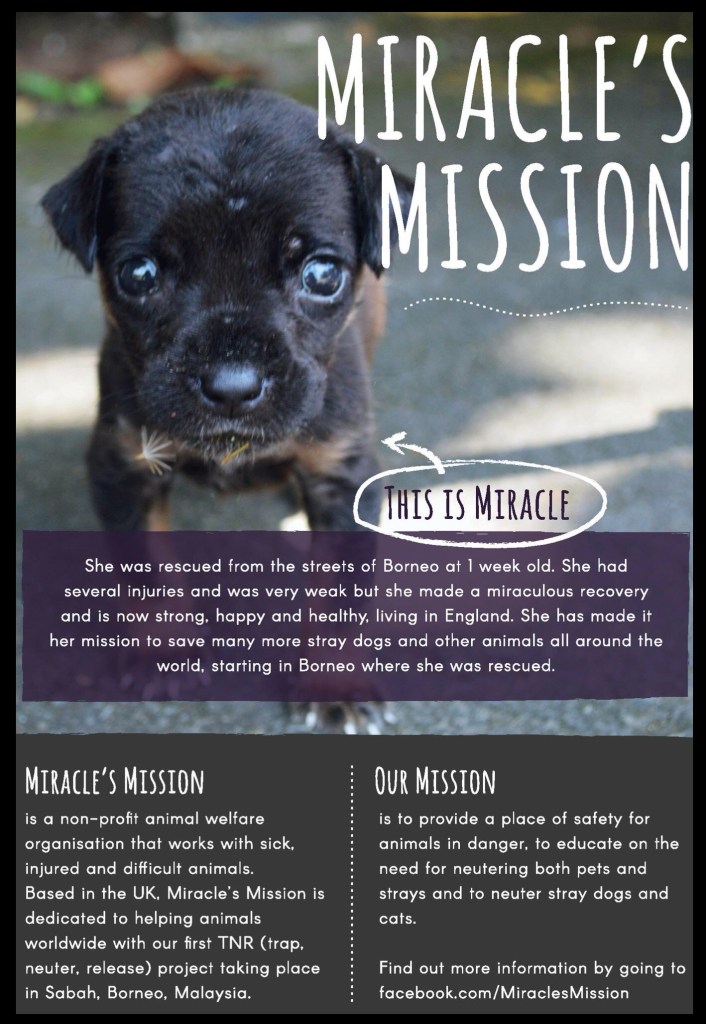
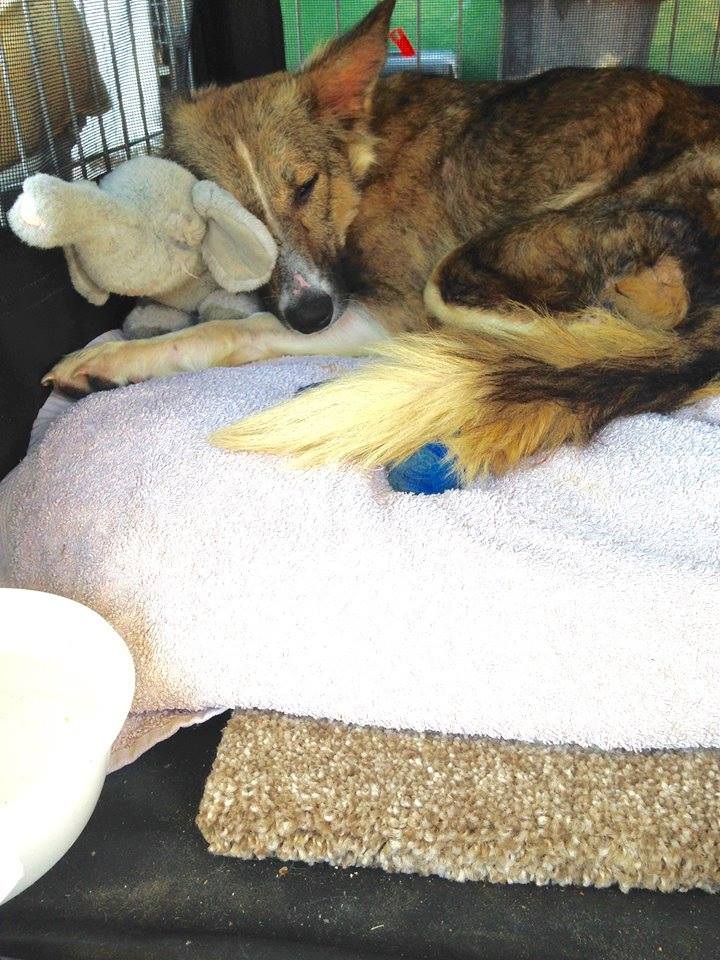
Miracle, who inspired the charity’s name (Picture: Victoria Bryceson) Look at Miracle now (Picture: Victoria Bryceson)
Many disabled dogs are euthanised but thankfully Nacho was saved (Picture: Victoria Bryceson)
Look at Nacho now – furry beauty (Picture: Victoria Bryceson) Prince was badly malnourished when Victoria first met him (Picture: Victoria Bryceson) Look at Prince’s happy face (Picture: Victoria Bryceson)
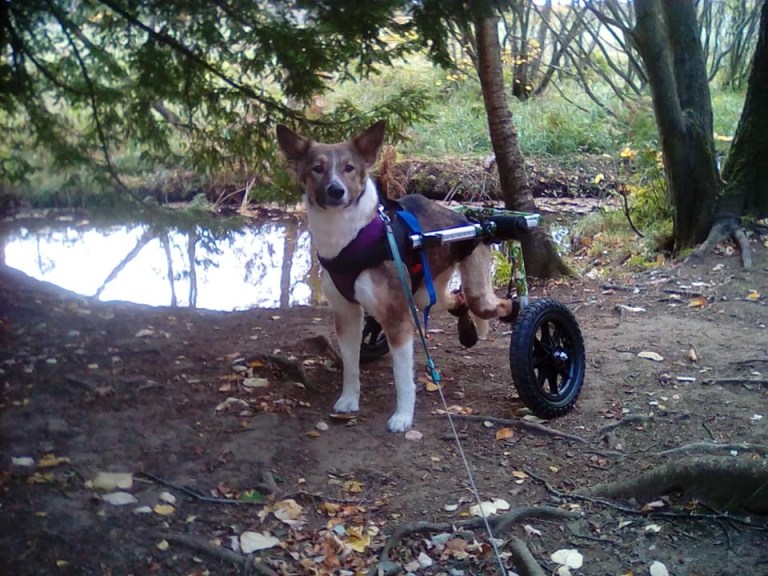
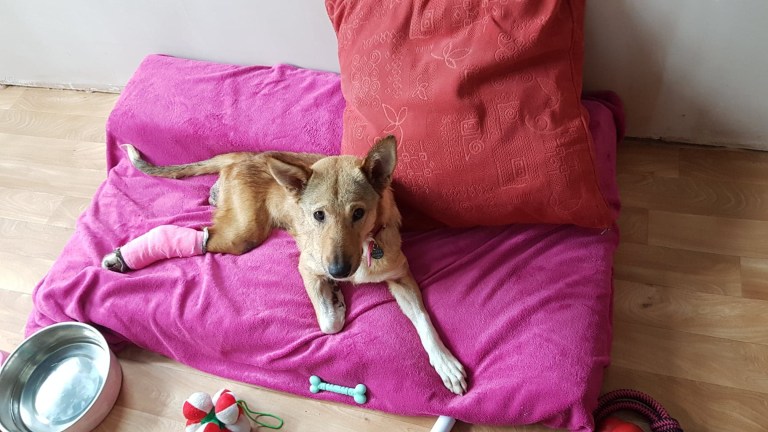
Willow had injured her legs (Picture: Victoria Bryceson)
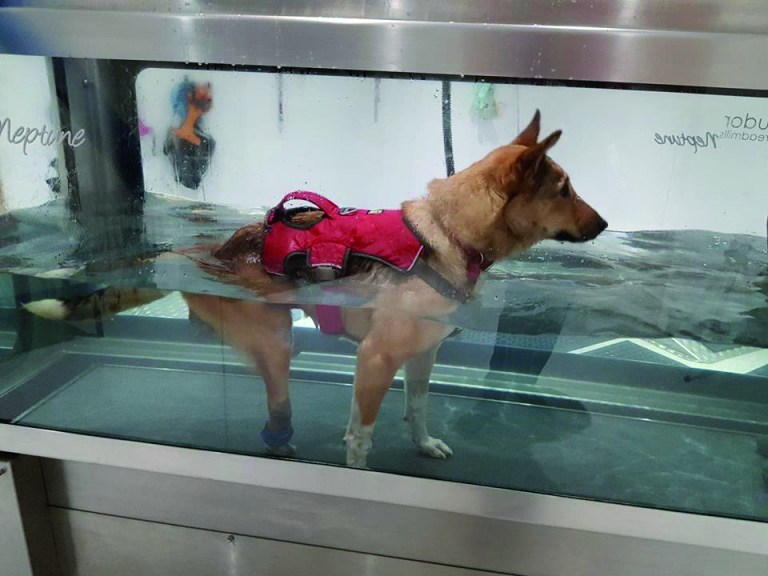
Willow now has a wheelchair so she can be more independent on her walks (Picture: Victoria Bryceson)Ella has lost one of her legs (Picture: Victoria Bryceson) Ella in the hydrotherapy pool (Picture: Victoria Bryceson) Ella proving that dogs can still live a full life on three legs (Picture: Victoria Bryceson)
If you would like to donate to this wonderful cause, you can do so on the Miracle’s Mission GoFundMe page.
Alternatively, if you want to host a fundraising event of your own, email Victoria for more information.
DAISY NEVER LETS HER DISABILITY STOP HER LOVING LIFE
Sheena was looking for a special needs dog to adopt and found Daisy in the summer of 2011. Daisy was born with a congenital deformity in her front legs and uses a wheelchair to assist her walk. After learning that disabled dogs have a difficult time finding a forever home and are usually the first ones to be listed to euthanize at the shelter, Sheena was heartbroken.
DAISY MUST BE ONE OF THE HAPPIETS DOGS YOU WILL EVER SEE
In Sheena’s eyes, Daisy is a strong girl and she doesn’t pity her disability and feel the same way about all disabled dogs. She decided to use social media platforms to share Daisy’s story and raise positive awareness for all disabled dogs.
HITCHING A RIDE
With Daisy’s sweet nature, spunky attitude, and underbite smile, she has gained many fans from all around the world and I am beyond grateful. I hope that Daisy’s story and photos will continue to spread, and more people will open their hearts to dogs with special needs.
You can help dogs just like Daisy and other disabled animals by supporting Miracle’s Mission who are opening a UK centre to help rescue, care for, and rehabilitate sick, injured and disabled animals worldwide. For more details about the work of Miracle’s Mission and how to help them go to Help Build The Disabled Animal Centre.
“Animals using wheelchairs and prosthetics can live as good a life as fully able-bodied animals and that is what we want to show people” ~ Victoria Bryson, Miracle’s Mission founder.
Please SHARE so that others can enjoy this happy-ending story and perhaps encourage others to adopt disabled animals. Thank You.
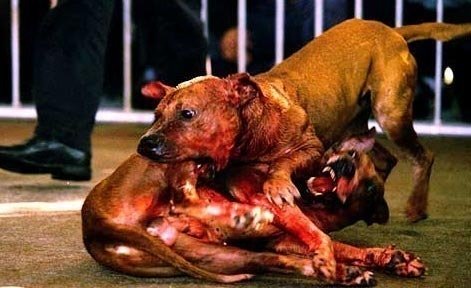
Dogs are being mauled and left for dead as the blood ‘sport’ of dog fighting grips Britain.
Dog fighting was outlawed in England in 1835, but carries on in a secret underground world run by organised criminals.
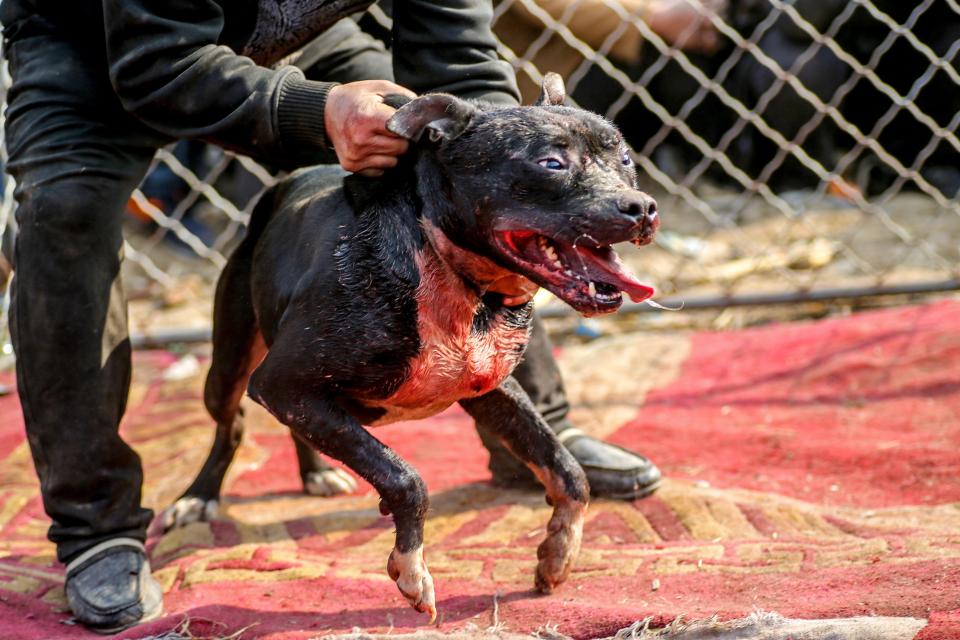
The dog fights usually take place in backwater car parks, industrial units or farm buildings where grown men take bets while goading their pets to rip each other apart.
A Typical Dog-Fighting ‘Event’
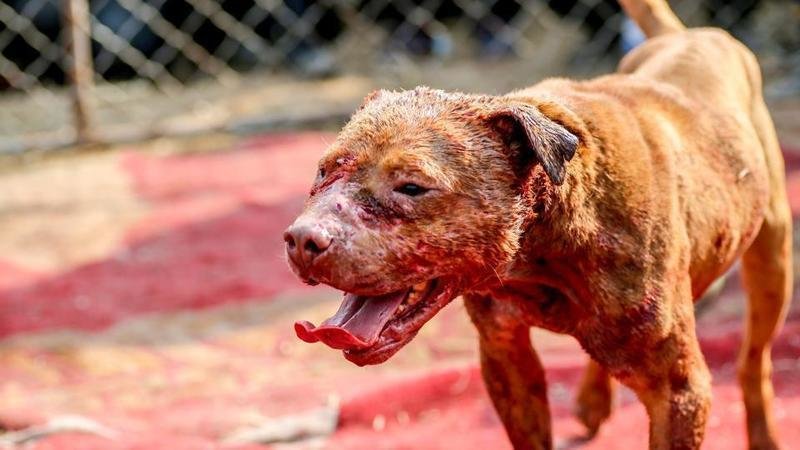
Many of the dogs used in fighting will have broken bones, missing teeth and serious injuries to their head, ears, front legs and chest as they are forced to fight to the death, going head-to-head in a pit. Many, including Staffordshire Terriers, English bull terriers and American Pitbulls among some banned breeds, are forced to fight and then left to die, never receiving proper veterinary treatment in case their owners get rumbled.
Some pets have even been found to be pumped up with steroids to make them more aggressive. Smaller, weaker dogs named bait dogs are used to teach fighting dogs the ropes and get severely injured in the process.
Street rolling is when dogs are forced into spontaneous fights in parks and housing estates.
Then there is the amateur rings, often involving lower level criminals.
Meanwhile professional dog fighters are often dangerous hard men with links to serious organised crime.
Strict training regimes and rules apply and large sums of cash are wagered on the outcome of fights that typically last from 30 minutes to two hours.
In all these cases, the animal’s interests are put last.
A Dog Covered In The Blood Of Its ‘Opponent’
Sadly, many of the dogs used by dog fighters are never found and those who are rescued are often found to be banned breeds under the Dangerous Dogs Act and cannot legally be rehomed.
Others need experienced dog owners to give them a second chance at life.
The League Against Cruel Sports (LACS) has also been leading work in the UK and Europe into tackling this barbaric blood sport.
In 2018 the LACS received around dogfighting to a confidential hotline alone, while the RSPCA had a shocking 8,000 reports in just four years from 2015 to 2018.
A Dog Is held By It’s ‘Trainer’
Greater London has the highest number of reported crimes, followed by the West Midlands and Greater Manchester.
Mike Butcher, the RSPCA‘s dog fighting expert said: “Dog fighting is a cruel and barbaric practice that has no place in modern day society.
“Dogs who win fights are prized and are often treated like Kings. But those who refuse to fight or lose are often abandoned or barbarically killed.
“The dog fighting world is a dark and frightening place. But it could be happening in an inner-city warehouse next door to your office or on a rural farm in your quiet village.
“We’d urge the public to be our eyes and ears and report anything suspicious to us to investigate.”
If you suspect dog fighting near you, call the RSPCA 24-hour cruelty line on 0300 1234 999, or The League Against Cruel Sports’ animal crimewatch line on 01483 361 108.
Please SHARE to raise awareness to this issue. You can also SUBSCRIBE to receive news and updates straight to your inbox.
A Victim Of Dog-Fighting Recovering From His Injuries
It’s been proven by science — dogs are good for your health.
The beneficial affects of dogs on people with depression has been well documented, and is it really any surprise?
Those furry, four-legged, tail-wagging dogs bring tons of joy into our lives, and for those coping with depression, the unconditional love of a dog can have tremendous power.
Dogs can help with anxiety, depression, PTSD, and many other mental health issues that affect your day-to-day life. Some dogs even provide emotional support as a full-time gig, working as service animals that are placed in schools, hospitals, nursing homes, and other locations.
While the advantages of dog ownership are huge, it’s worth asking – what are the best dogs for depression? You’ll want to find the right dog for you.
Picking the wrong dog for your lifestyle can increase stress and anxiety, so finding a dog that’s a good fit is essential for reaping the mood-boosting benefits of canine ownership.
In separate studies conducted by the “Journal of Psychiatric Research” and the “Journal of Applied Developmental Science,” researchers found that owning a dog not only made people suffering from mental health issues feel better, but it also made them more likely to help others. Additional research has shown that dog ownership also lowers blood pressure, elevates serotonin and dopamine in the brain, and even lowers triglycerides and cholesterol.
If you’re already a dog owner, some of these things may already be a given. You know what it means to have a dog and how it’s impacted your life. But if you’re still on the fence about dog ownership and are also experiencing mental health issues, dogs offer companionship and comfort, and can help ease loneliness, depression and anxiety. Check out or list of the best purebred and hybrid dog breeds to choose from if you need a loving best friend to brighten your day.
It’s also worth noting that you by no means need to get a purebred dog – make sure to consider adopting a rescue dog from a shelter.
These dogs tend to have boundless love to give, and are often especially appreciative of finding their new forever home. Mixed breed dogs, often found in shelters, can have the best of multiple breeds, so make sure to consider them for your canine companion!
The Best Dogs For Depression: Canines That Can Cure the Blues
Cavalier King Charles Spaniel
The Cavalier King Charles spaniel is on practically everyone’s list as a great support dog because of its rep as a “cuddlebug.” These super affectionate pups are true companion dogs and are quick to learn and eager to please.
Loving and gentle, the King Charles was a top dog in royal circles back in the day, but they don’t have the attitude of a monarch; they’re happy just to be in your presence, whether you’re on a long walk or snuggling on a couch. They are excellent companions for those with depression or PTSD.
Pug
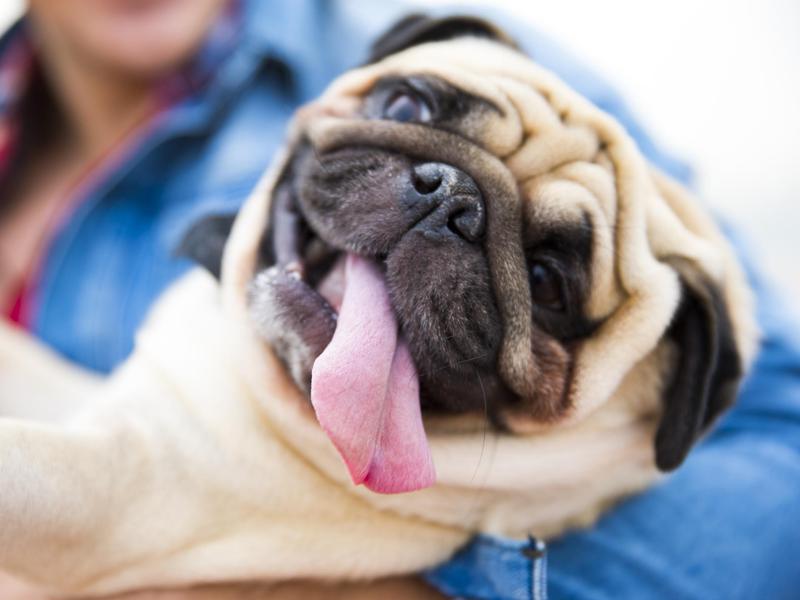
The “clowns” of the dog world, pugs delight nearly everyone they come across with their human-like facial expressions and friendly, fun demeanor. Pugs are extremely sociable and make great emotional support animals for almost any affliction.
These small, charming companions are well mannered, even tempered and do especially well with children.
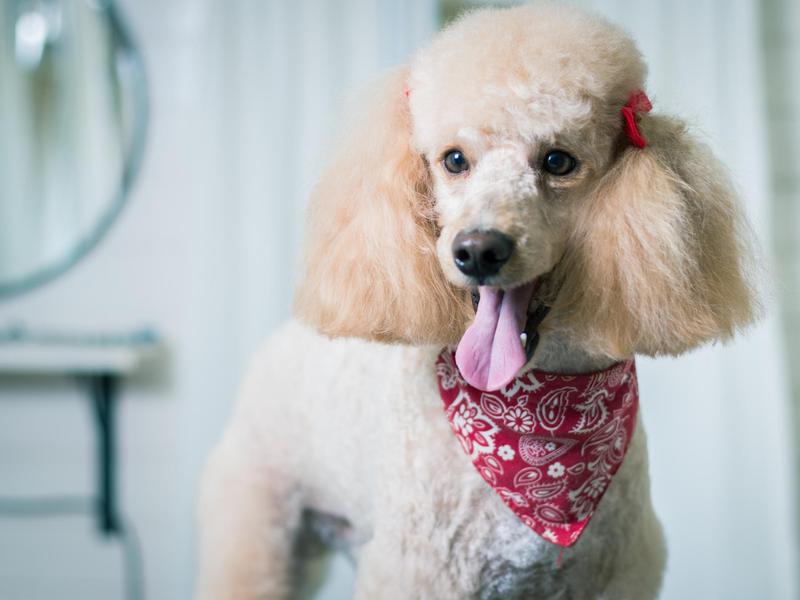
Standard Poodle
These medium-sized, regal dogs are not just for show — they’re smart, obedient, easy to train and are valued as a wonderful mental health companion. Standard poodles are working dogs that love a good challenge, physical activity and that thrive in any environment.
They are friendly and do well around humans and animal companions alike, but their top priority is their compassion and responsibility toward their owner.
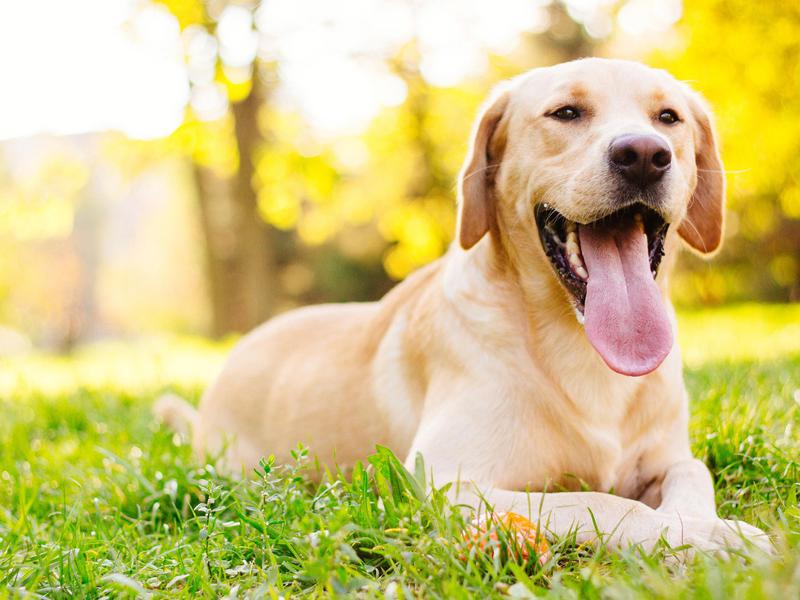
Labrador Retriever
The labrador retriever is an energetic, sturdy companion dog who lives up to the name “retriever” as that’s what he was bred to do — find things, carry them and ultimately drop them at the feet of his cherished human.
The lab is smart and obedient with a calm demeanor, which makes for a top-notch emotional support animal for any mental health issue. Those with ADD or autism often feel more grounded and settled in the presence of a loving lab.
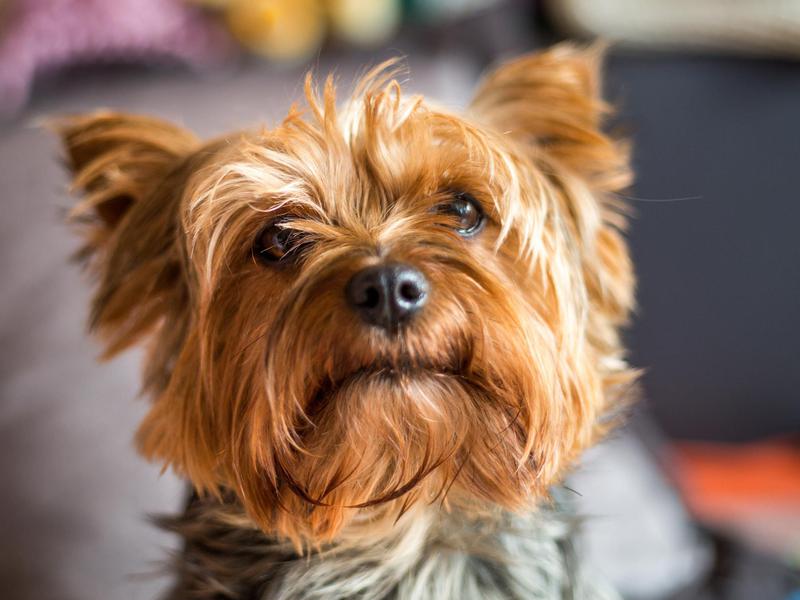
Yorkshire Terrier
You’ll see many Yorkies as service or support animals and there are several reasons as to why that is. Yorkies are small enough that they fall under most rental policies and they can be taken anywhere dogs are welcome, which, as the Psychiatric Service Dog Society claims, is vital to specific mental health issues.
Yorkies also rise to the occasion for lap duty, providing caregivers the opportunity to physically embrace them when needed. These tiny wonderdogs can also be taught myriad tasks, from pulling open cabinet doors to alerting their owners to specific sounds.
Border Collie
Breeds don’t come much smarter than this! The border collie is a devoted, friendly companion that is easily trainable, affectionate and a people pleaser. A herding dog by nature, the border collie will motivate and inspire you to get moving even when you don’t feel like it.
This trait makes them an excellent dog for those who deal with depression. Additionally, if you suffer from anxiety, this calm, content canine will provide plenty of grounding and physical comfort.
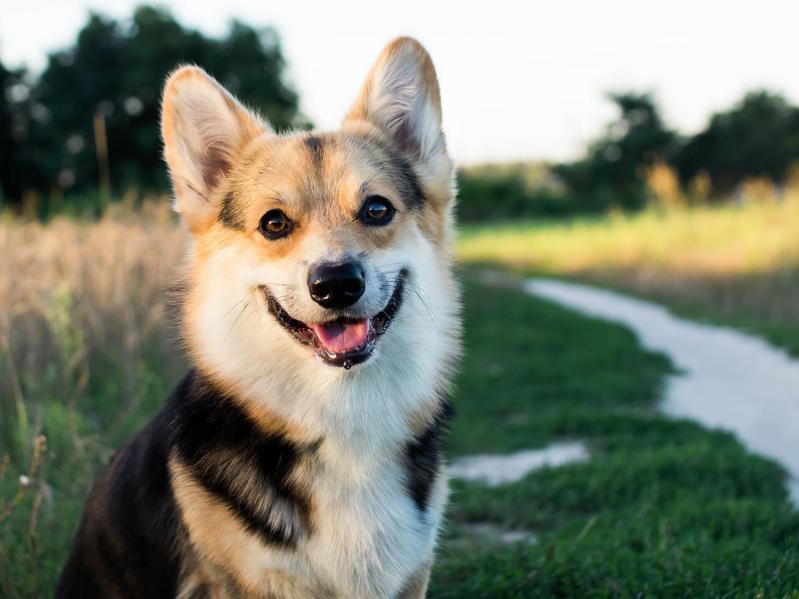
Corgi
While their height makes them unsuited for some service dog jobs, Corgis were also bred for herding and make wonderful guide dogs. They have a strong instinct for picking up on their owners’ emotions and helping them accordingly. These energetic working dogs are smart, curious, eager and easy to train.
Corgis are also known for being aware of their surroundings at all times, which makes them perfect for people who need constant emotional support.
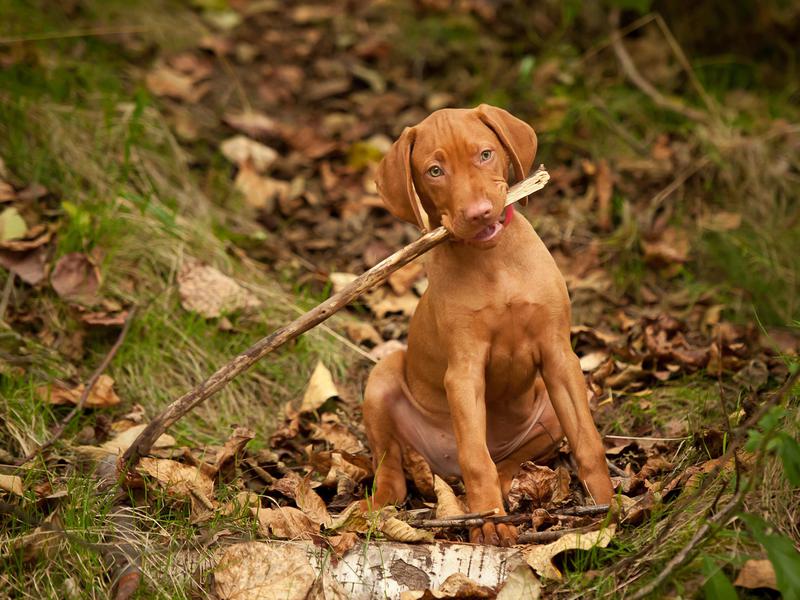
Vizsla
The vizsla is a lesser-known breed in the U.S. but is gaining popularity as a companion pet and emotional support animal. Bred for hunting, these Hungarian pointers are joyful and people-focused. Vizslas have a ton of energy and do need outdoor exercise, so if you’re not a person that gets out much, this may not be the dog for you.
Vizslas are intelligent, quick learners that carry out any task put before them, and their cheerful disposition makes them an excellent choice of support dog. Like pugs, vizslas bond with nearly everyone and do well in a home with children.
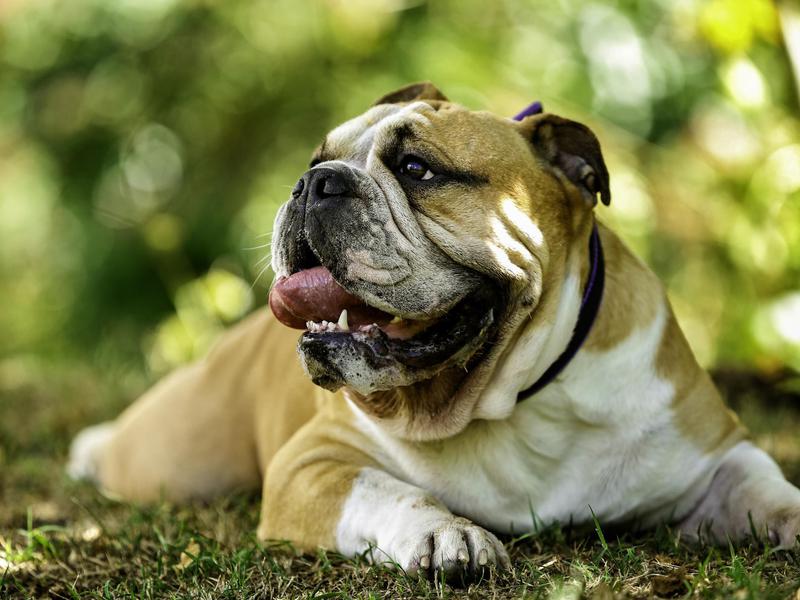
English Bulldog
The English bulldog is delightful emotional support companion that is perfect for apartment living and also for those who don’t spend much time exercising or doing other outdoor activities. They are kind, affectionate dogs that are low key and offer a sense of calm to whoever they come in contact with.
If you’re interested in a brachycephalic (short-nosed) breed as a companion animal, it’s best if you don’t travel by plane much. Many of them, particularly bulldogs, have been banned from flying as they can have breathing issues due to the change in air pressure.
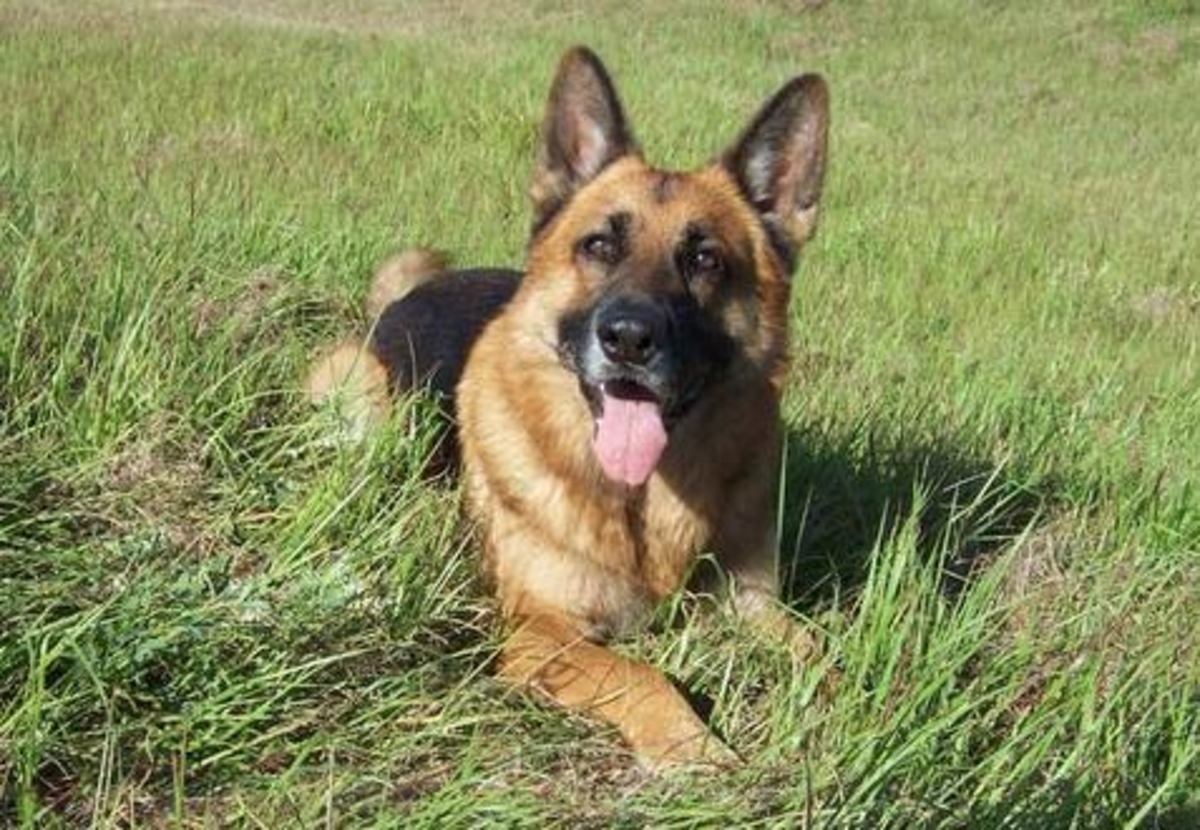
German Shephard
Germans shepherds have strong protective instincts, which can lead to aggression if they are not carefully trained. If you are interested in this breed, make sure you have the upper hand in your dynamic. Germans are smart, responsible and love a good challenge — all of which makes them highly trainable for a variety of jobs.
They are also herders by nature and tend to lead the way, which is good for someone who needs a little motivation. The breed’s size also lends itself to strength and physical support if needed.
Golden Retriever
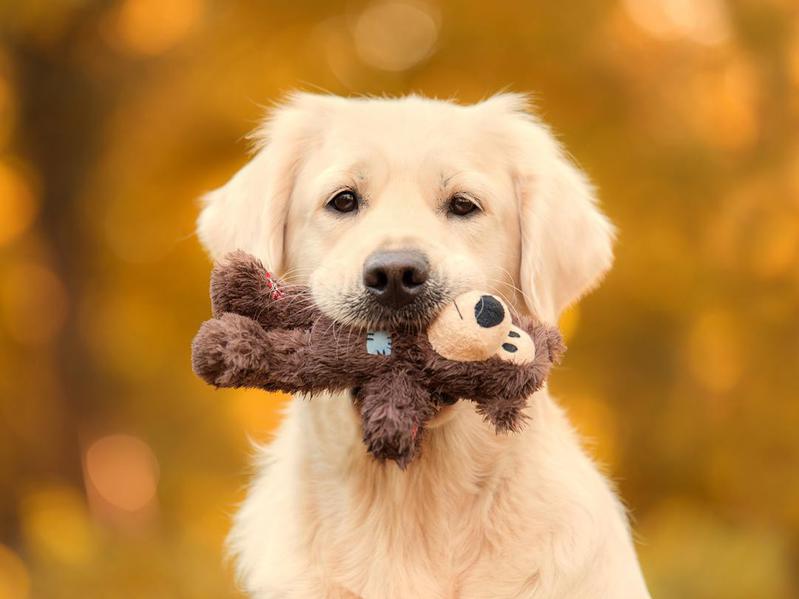
Goldens are one of the most popular breeds around overall and are considered one of the best mental health support dogs out there. They are energetic, loving and comforting to those who need it, and are super social with other animals and people.
These intelligent, gentle giants are loyal companions that are easy to train and are willing to perform nearly any task put before them.
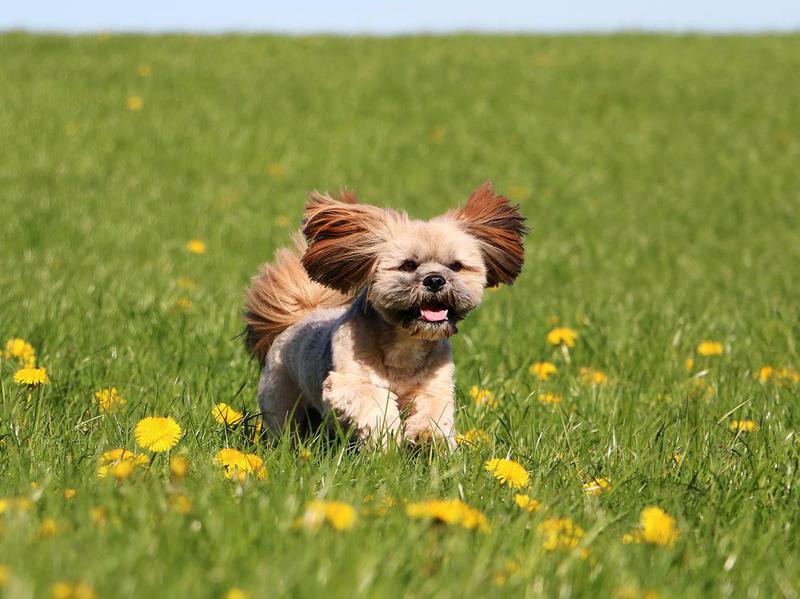
Lhasa Apso
This little dog has a warm disposition and is excellent for those suffering from with PTSD, depression or bipolar disorder. They, too, are “mood readers” and are known to “nudge” their owners toward the right course of action in certain situations.
Lhasa apsos are easily trainable, highly demonstrative and are perfect for individuals in need of uplifting companionship.
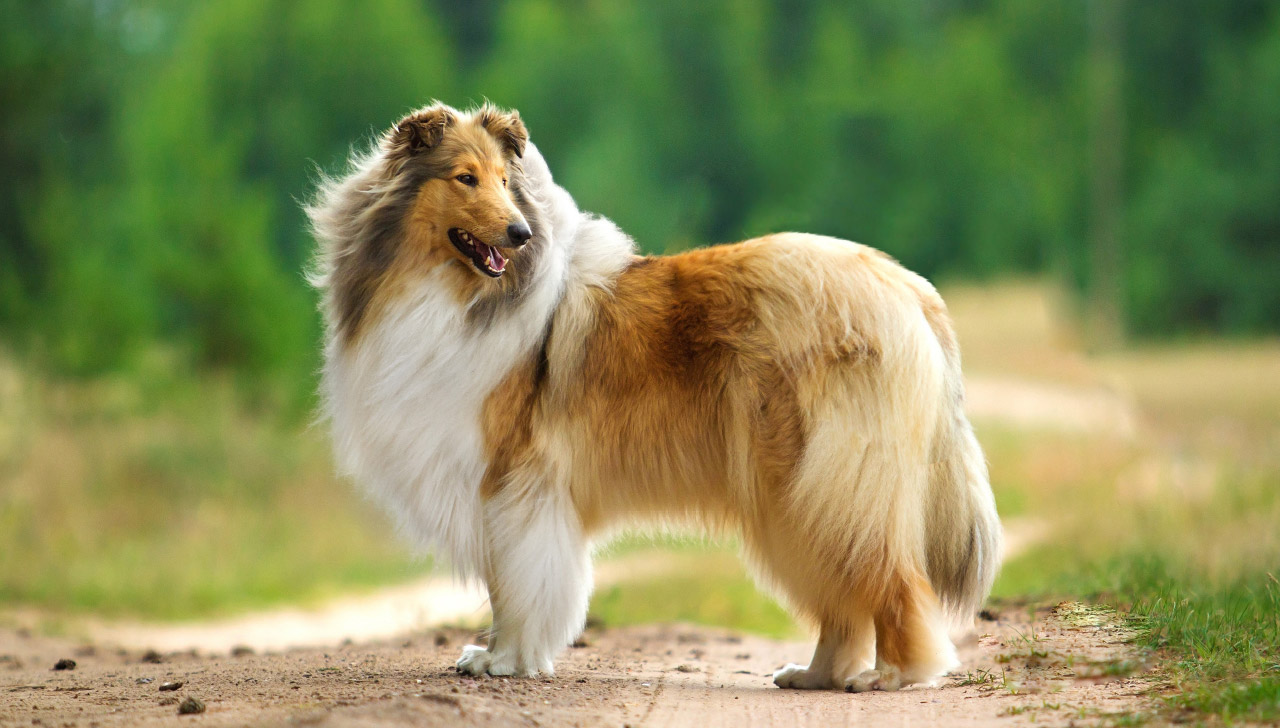
Collie
If you remember the television show “Lassie,” you’ll remember the Collie that comes to the rescue of her family in every episode. Collies are known to make great support dogs for many mental health ailments, including PTSD, as they are highly intuitive to human feelings. They are extremely intelligent, easy to train and gentle, all of which are great qualities for an emotional support animal or psychiatric therapy dog.
Collies are also very protective of their families and have a large bark to prove it. The very act of petting a dog lowers stress hormones, and the Collie, with its soft and fluffy fur, seems to have been created just for this purpose.
Rottweiler
Known for its strength and guarding abilities, the rottie also makes for a great mental health support companion. A breed must have a good disposition and temperament, and be friendly, patient and at ease in all situations to be a psychiatric or emotional therapy dog. Rotties indeed fit this bill.
While some people believe rotties to be vicious, that is not the case at all. They are lovable cuddlers who are fiercely loyal to their owners. You can lean on a rottie for help, both figuratively and literally.
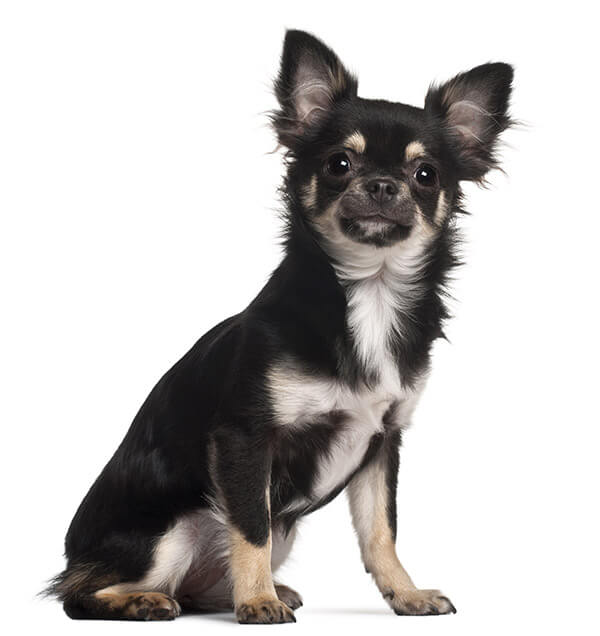
Chihuahua
The Chihuahua proves you don’t have to be big to be a loving, responsible support animal. These small dogs win big in intelligence and loyalty and are highly alert to verbal and visual cues and commands.
Like most smaller dogs, Chihuahuas can live or travel anywhere, and for those who have 24/7 emotional support and mental health needs, a Chihuahua will never need to leave your side. This breed can also live to 15 years old or longer.
French Bulldog
Frenchies are cute, friendly clowns with happy dispositions who can tackle any mental health need from anxiety to depression, stress and emotional trauma. They are both a stress reliever and a shoulder to cry on for anyone needing a friend.
Frenchies are low maintenance, love people, are OK with being handled and have good manners. They are also especially loving toward kids. As with any brachycephalic breed, Frenchies don’t do well in hot weather — so be sure to keep them cool!
Dachshund
This low-to-the-ground pup is one of the most adorable emotional support animals out there, but don’t let the breed’s diminutive size fool you — it packs a punch in beating back the blues. Dachshunds are born hunters with a keen sense of smell and are emotionally intuitive. They are friendly, loyal and do exceptionally well with kids.
You can also prepare to have this loyal breed around for the long haul because they live, on average, about 15 years, sometimes even up to 20 years.
Borzoi
Borzois have such a keen intellect, independent streak and protection instinct — so much so that they are one of the chosen breeds of the non-profit Operation Wolfhound. The organization places dogs with vets suffering from PTSD.
Borzois can live to the ripe old age of 15, and are quiet, loyal and able to physically support a person if needed. They, like Irish wolfhounds, are gentle giants and enjoy spending time at their owner’s side. Remember, however, they need proper training and plenty of exercise to keep them well behaved and happy.
Australian Labradoodle
This mixed breed is a popular mental and physical therapy dog. It can answer to several different mental health needs, depending on the dog’s personality.
Australian labradoodles are specifically bred for companionship and guidance. They have an even keel temperament and are loving and highly intelligent. Australians can “pick up” on human emotions and can answer your needs accordingly. They’re happy, love to play and will bring a smile to just about any face.
Do you have an emotional support pet, official or unofficial? How does your dog help you through the day? Share your experience in the comments!
Please SHARE to raise awareness to mental health therapy dogs. You can also SUBSCRIBE to receive news and updates straight to your inbox.


























 PROTECT ALL WILDLIFE