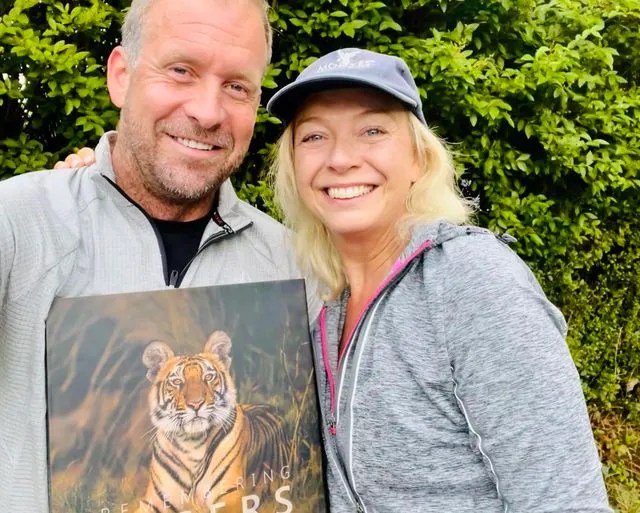
Remembering Tigers: The 9th Book In The Critically Acclaimed Remembering Wildlife Series.

The Mission Is To Raise Awareness Of The Threats Facing Tigers Through The Stunning Images From Many Of The World’s Top Wildlife Photographers
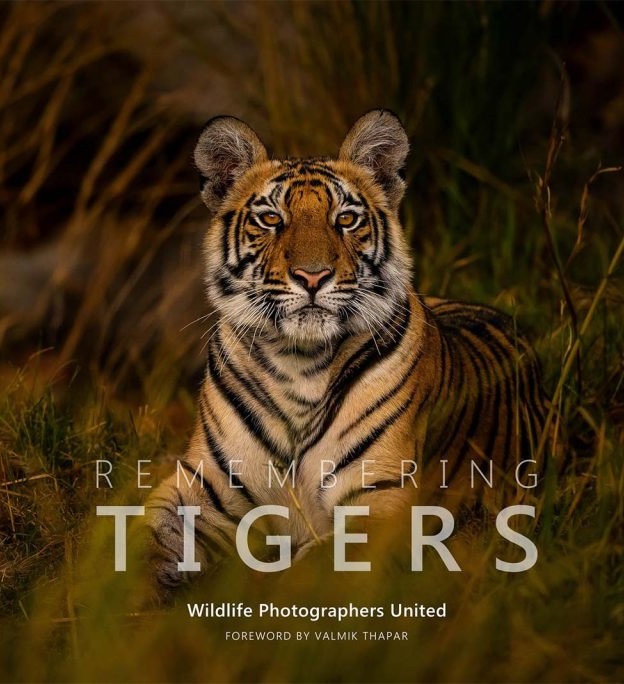
Front Cover: Bengal Tiger in Bandhavgarh National Park, India by Sarah Skinner.

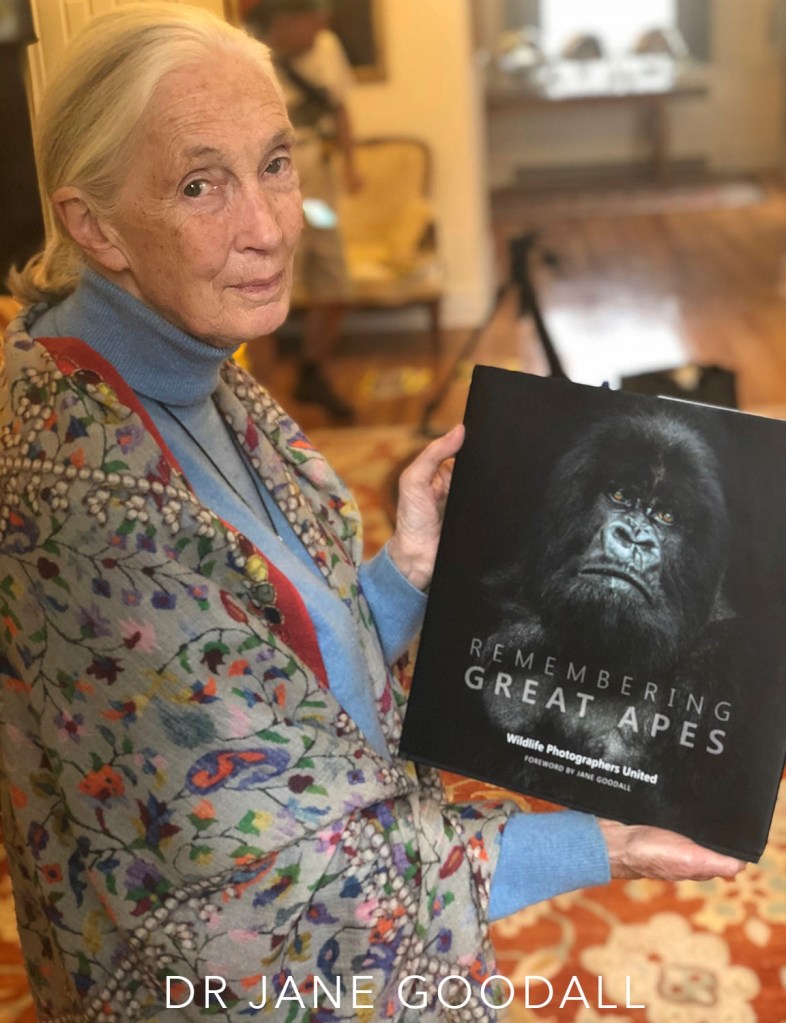
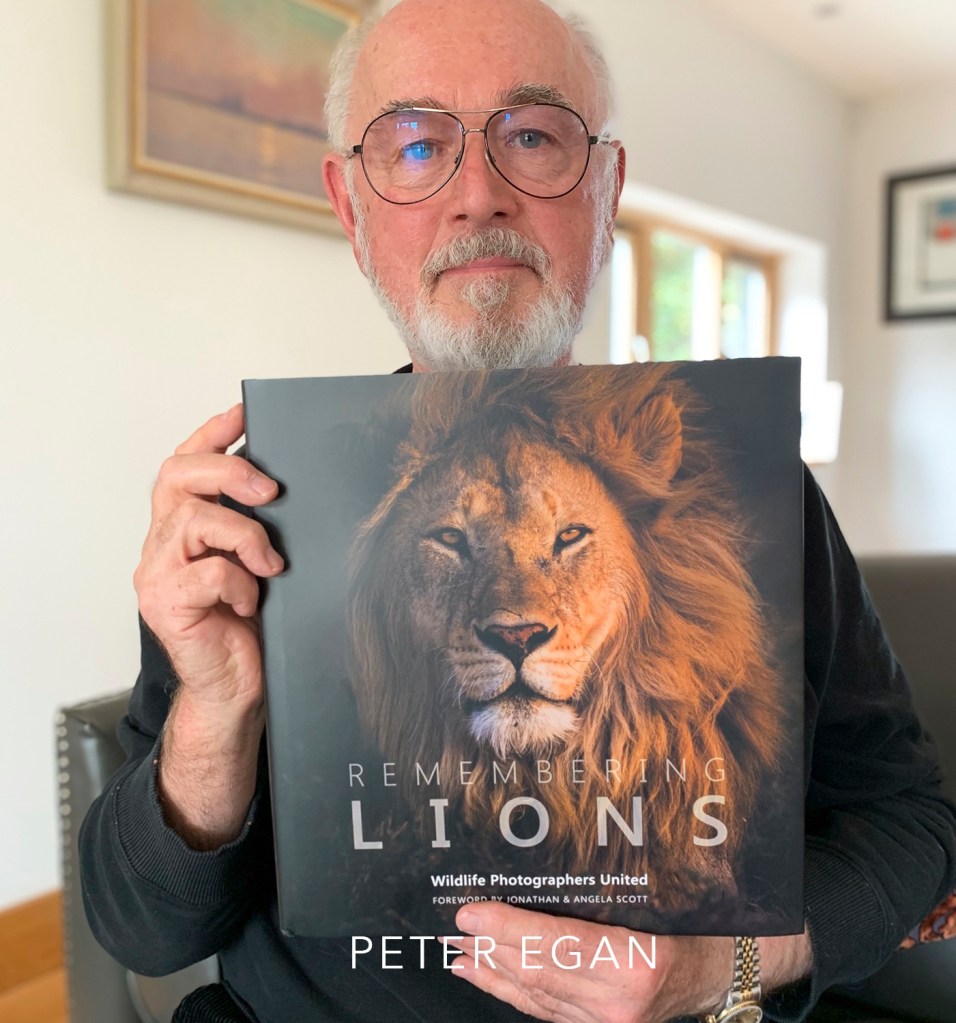
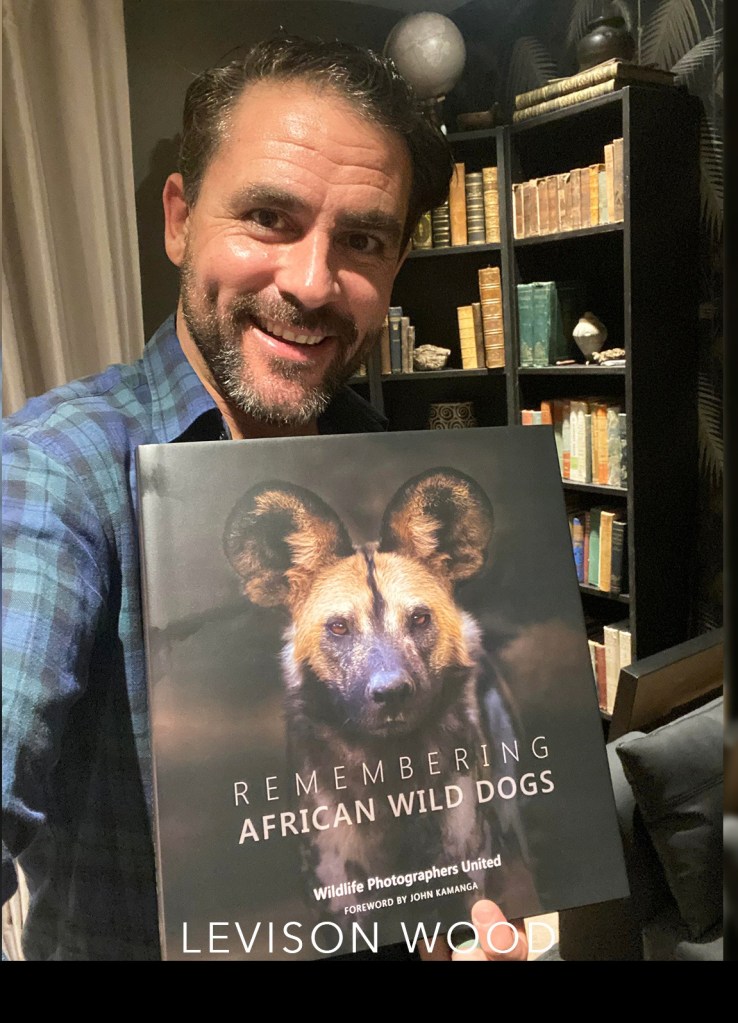
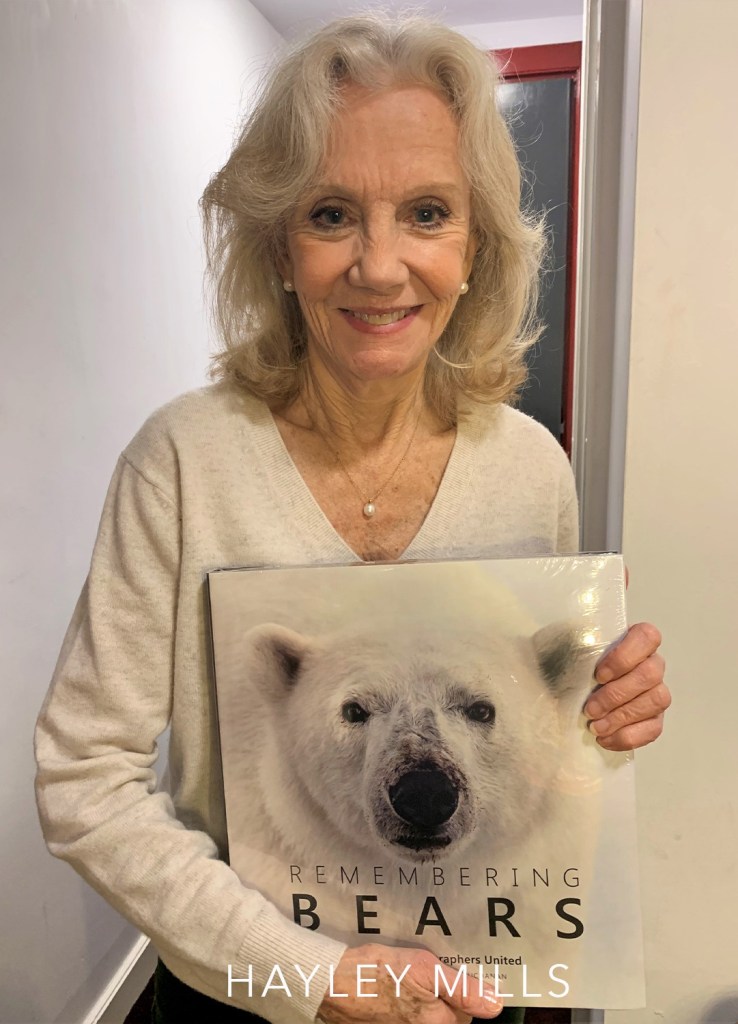
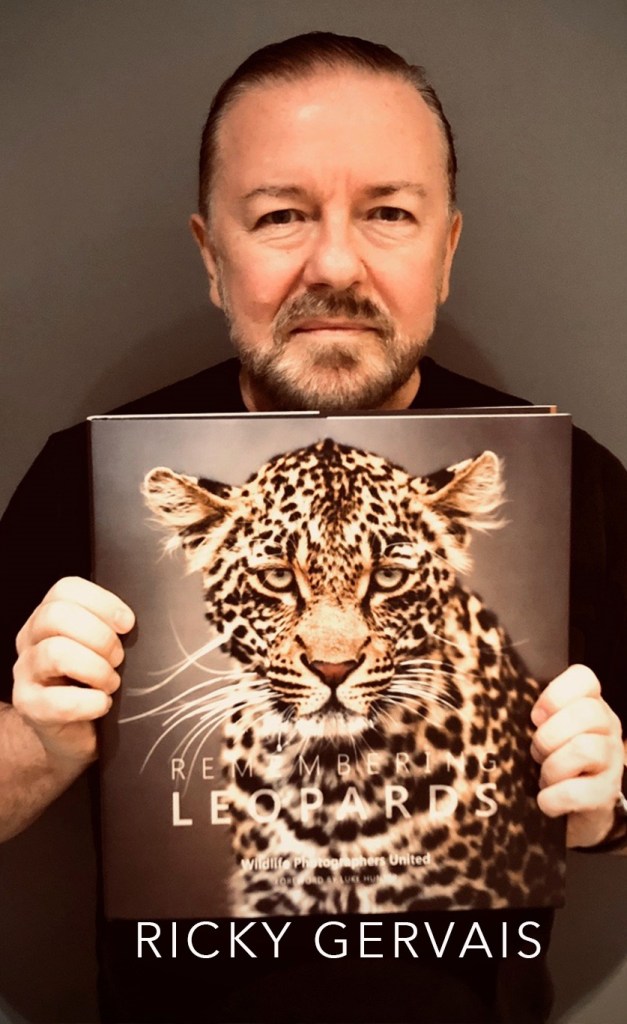
Remembering Wildlife has launched several charity photo books over the years that highlight endangered species and act to raise funds for the protection of the animals featured with the help of famous supporters and talented photographers around the world. Remembering Elephants, Remembering Rhinos, Remembering Great Apes, Remembering Lions, Remembering Cheetahs, Remembering African Wild Dogs, Remembering Bears have already been produced, and Remembering Leopards was funded and delivered last year. Remembering Tigers is the latest release in the series and will bring attention to Tiger species that are threatened around the world with the help of beautiful images of Tigers generously donated by many of the world’s top wildlife photographers.

The aim of the book is to raise awareness of the plight facing Tigers and to raise money to protect them, with all profits from book sales going to conservation.

Fighting Bengal tigers in Bandhavgarh National Park, India. Credit: Andy Parkinson/Remembering Tigers)

Weighing up to 260kg and measuring up to 3 metres in length, the Tiger is the largest of the big cats. It is found in Asia, from India – where two-thirds of all wild Tigers live – through to the Russian Far East and into China. Its habitat ranges from sub-tropical forests to snow-covered mountainous terrain. Numbers are increasing in some areas, thanks to conservation efforts, yet the Tiger is the least numerous of all the large wild cats and is listed as ‘endangered’ by the International Union for Conservation of Nature (IUCN).
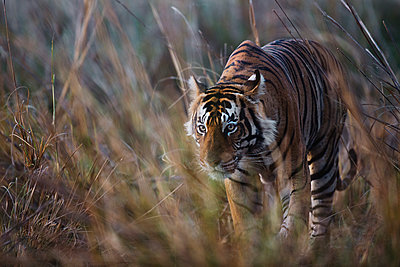
The stunning colours of a Bengal Tiger superbly captured by Jami Tarris. Credit: Jami Tarris/Remembering Tigers.

Threats include loss of habitat, illegal hunting for the Chinese medicinal trade (Traditional Chinese Medicine), widespread killing of their prey for bushmeat, and retaliation for attacks on humans and livestock.

Founder and Producer of Remembering Wildlife Margot Raggett MBE said: “It’s an oft-quoted fact that there are more Tigers in captivity in the US than there are left in the world, a stark reminder of how the future of Tigers might end if conservationists do not continue their focus and their fight. Tigers are a bellwether for the health of an ecosystem. For every Tiger protected in the forest, there are plants, trees, insects, birds and other mammals who thrive.”

The book is endorsed by cricketing legend and conservation champion Kevin Pietersen MBE, who says on the back cover: “The Remembering Wildlife series goes from strength to strength, with Remembering Tigers sure to be another huge hit.”

The foreword for the book is by Tiger conservationist and author Valmik Thapar, who will also speak at the official book launch and whose brilliant documentary, My Tiger Family, was broadcast on the BBC in August. 

He said: “I hope Remembering Tigers, with its wonderful pictures, inspires a passion in those who see it and stirs them to new heights in order that this magnificent predator continues to walk our planet.”

The afterword is by Amit Sankhala, Trustee of the Tiger Trust, who said: “Seeing a Tiger in its natural habitat is a mesmerising encounter and I am thankful for Margot Raggett’s book which not only shows the beauty of the Tiger, but will also inspire the next generation of conservationists.”

Speaking alongside Margot Raggett MBE at the official launch event for Remembering Tigers at the Royal Geographical Society on 9 October will be Executive Director of Wildlife Protection Society of India (WPSI) Belinda Wright OBE; Tiger conservationist and author Valmik Thapar, and wildlife photographer and guide Paul Goldstein, who has raised hundreds of thousands of pounds by running 25 marathons dressed as a Tiger.
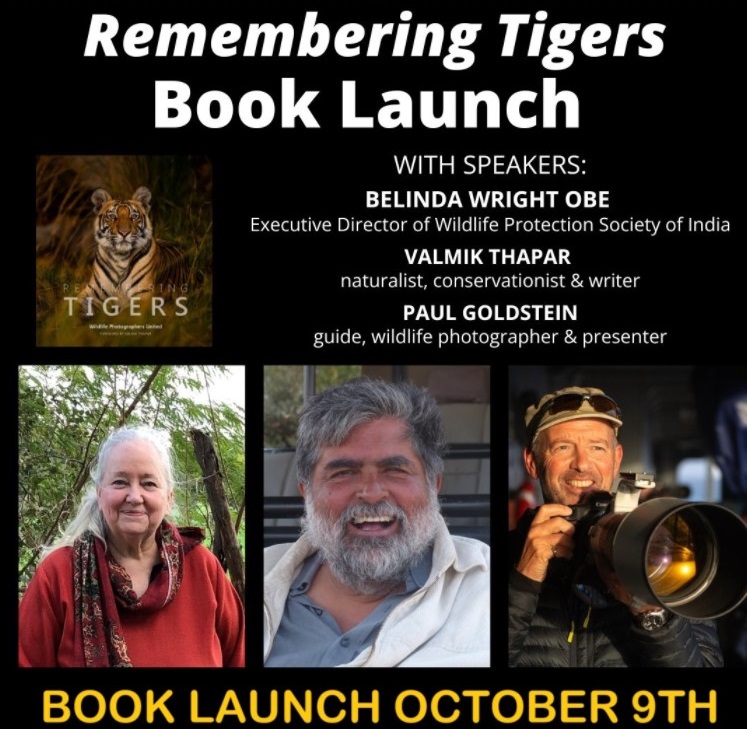
Remembering Tigers official book launch is in October 9th. Credit: Remembering Wildlife

It is estimated that there are around 10,000 captive Tigers in the US, more than the approximately 5,500 remaining in the wild. A vast majority of these captive Tigers are privately owned and living in people’s backyards, roadside attractions, and private breeding facilities. Only an estimated 6% of the US captive Tiger population resides in zoos and other facilities accredited by the Association of Zoos and Aquariums. Many of these private Tiger owners aren’t properly trained to care for wild animals, making the animals vulnerable to mistreatment and exploitation. Often these facilities will allow public contact with the Tigers, including photo ops and playtimes with tiger cubs. Not only is the welfare of these Tigers compromised, but public health and safety is at risk during these encounters.
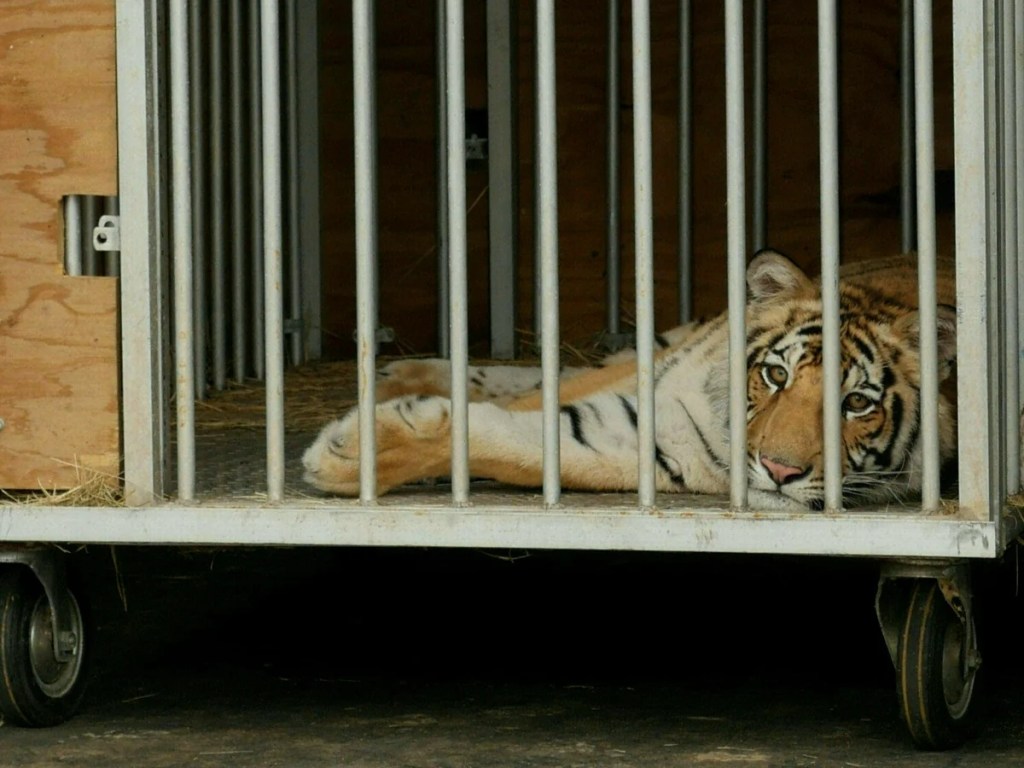
A nine-month-old Bengal Tiger, which was seen roaming the lawns of suburban Houston, in a cage after being captured by authorities. Credit: Francois Picard

More than 280 wildlife photographers have contributed to the Remembering Wildlife series since it started in 2016, working under the banner Wildlife Photographers United. It has now raised over £1.15m GBP/$1.5m USD for 74 conservation projects in 33 countries. 

The photographers who have donated their images for this edition are: Harmit Ahuja, Theo Allofs, Daryl & Sharna Balfour, Adam Bannister, Chris Brunskill, Clive Burns, Will Burrard-Lucas, Alison Buttigieg, Vladimir Cech, Vladimir Cech Jr., Sandra Clayton, Marius J Coetzee, Shem Compion, Ben Cranke, Nick Dale, Tristan Dicks, Kevin Dooley, Kairav Engineer, Suzi Eszterhas, Mark Farrington, Sascha Fonseca, Arijeet Ghosh, Paul Goldstein, Sergey Gorshkov, Sagar Gosavi, Jan van der Greef, Todd Gustafson, Andrew Holt, Sebastian Kennerknecht, Suyash Keshari, Tim Laman, Anirudh Laxmipathy, Chien C. Lee, Tin Man Lee, Russell MacLaughlin & Shannon Wild, Nitish Madan, Thomas D. Mangelsen, Anuradha Marwah, Shivang Mehta, Dale R Morris, Dhritiman Mukherjee, Sunil V. Nair, Latika Nath, Tom Nicholson, Pete Oxford, Parinya Padungtin, Sarah Parker, Andy Parkinson, Graeme Purdy, Margot Raggett, Sachin Rai, Gaurav Ramnarayanan, Aly Rashid, Yashpal Rathore, Andy Rouse, Sabrina Schumann, Jonathan & Angela Scott, Khushboo Rahul Sharma, Anjali Singh, Archna Singh, Dicky Singh, Jaisal Singh, Andy Skinner, Sarah Skinner, Kim Sullivan, Tom Svensson, Jami Tarris, Valmik Thapar, Greg du Toit, Marlon du Toit, Turgay Uzer, Francesco Veronesi, Thomas Vijayan, Lance van de Vyver, James Warwick, Steve Winter, Art Wolfe

A stunning image of a Sumatran Tiger in Aceh Province, Northern Sumatra by Steve Winter. Credit: Steve Winter/Remembering Tigers.

Sales from Remembering Tigers will be used to fund conservation projects in areas where they are vulnerable.

Further information about Remembering Wildlife can be found here .

To find out more about the projects that Remembering Wildlife has already funded, click here

Each book costs £49.50 GBP (approximately $60 USD) and copies can be ordered at www.rememberingwildlife.com

How have the Remembering Wildlife books helped conservation

Together, the series has now sold more than 50,000 books and distributed more than £1.15 million GBP / $1.5 million USD to 74 different conservation projects in 33 countries across Africa, North and South America, Asia and Europe.

All books were prefunded by successful Kickstarter campaigns, meaning that all profits can be given straight to projects protecting the species that the book is focused on. 

Since the launch of Remembering Elephants in 2016, over 270 of the world’s best wildlife photographers have generously contributed to the series. Here is the full list of those whose images have appeared in one or more of the Remembering Wildlife titles so far:

Jane Addey, Karine Aigner, Oriol Alamany, Taylor Thomas Albright, Neil Aldridge, Maxime Aliaga, Theo Allofs, Matt Armstrong-Ford, Grant Atkinson, Andrew Aveley, Daniel Bailey, Daryl & Sharna Balfour, Adam Bannister, Brooke Bartleson, Stephen Belcher, Rick Beldegreen, Patrick Bentley, Sabine Bernert, Andy Biggs, Giorgio Bighi, Jayaprakash Bojan, Donal Boyd, Sean Brogan, Kate Brooks, Seyms Brugger, Volodymyr Burdiak, Matt Burrard-Lucas, Will Burrard-Lucas, Benoit Bussard, Alison Buttigieg, Marina Cano, Ayesha Cantor, Mark Cawardine, David Cayless, Vladimir Cech, Vladimir Cech Jr., Peter Chadwick, Paras Chandaria, Sam Clark, Alwyn Coates, Chad Cocking, Marius Coetzee, Martyn Colbeck, Marco Colombo, Shem Compion, Alain Compost, Keith Connelly, Rob Cottle, Ross Couper, Ben Cranke, Brendon Cremer, Mark Deeble & Victoria Stone, Tanja Dekker, Willem Dekker, Melanie Delamare, Peter Delaney, M & C Denis-Huot, Anja Denker, Richard Denyer, Tristan Dicks, Sebastián Di Doménico, Billy Dodson, Kevin Dooley, Mark Dumbleton, Julie Duncan, Michelle & Ken Dyball, Nicholas Dyer, Andy Edge, Kairav Engineer, Morkel Erasmus, Denise Eriksson, Amit Eshel, Suzi Eszterhas, Chris Fallows, Sascha Fonseca, James Gifford, Daisy Gilardini, Paul Goldstein, Sergey Gorshkov, Marc Graf, Fredrik Granath, Chris Grech, Jan van der Greef, Kim Griffin, Owen Grobler, Melissa Groo, Fabrice Guerin, Richard Guijt, Amy Gulick, Todd Gustafson, Josh Guyan, Drew Hamilton, Charlie Hamilton James, Thorsten Hanewald, Hilary Hann, Peter Haygarth, Tony Heald, Harman Singh Heer, Trish Hennessy, Naudé Heunis, Torie Hilley, Joshua Holko, Roger Hooper, Friedrich von Horsten, Andy Howe, Jabruson, Britta Jaschinski, Vicki Jauron, Brendon Jennings, Arnfinn Johansen, Morten Jørgensen, Paul Joynson-Hicks, Jocelin Kagan, Lakshitha Karunarathna, Kyriakos Kaziras, Steven Kazlowski, Sebastian Kennerknecht, Bob Keyser, Clement Kiragu, Agung Ganthar Kusumanto, Tim Laman, Lisa A. Langell, Frans Lanting, Behzad J. Larry, Chien Lee, Ole J Liodden, David Lloyd, Hannes Lochner, George Logan, Michael Lorentz, Nick Lyon, Piper Mackay, Russell MacLaughlin, Kate Malone, Thomas D. Mangelsen, Suhail Manji, Tin Man Lee, Johan Marais, Matt Maran, Tom Mason, Jo-Anne McArthur, Molly McCormick, Phil McFadden, Paul McKenzie, Shivang Mehta, Garry Mills, Sumeet Moghe, Marc Mol, Dale R Morris, Sue Morris, Margot Muir, Mike Muizebelt, Dhritiman Mukherjee, Yashas Narayan, Shareen Nash, Latika Nath, Elliott Neep, Heinrich Neumeyer, Nick Newman, Thomas Nicolon, Kyle de Nobrega, Jules Oldroyd, Hilary O’Leary, Marsel van Oosten, Xavier Ortega, Ben Osborne, Prelena Soma Owen, Pete Oxford, Chris Packham, Richard Packwood, Parinya Padungtin, Andy Parkinson, Dawn Perkins, Richard Peters, Mevan Piyasena, Julien Polet, Michael Poliza, Jacha Potgieter, Isak Pretorius, Graeme Purdy, Nick Rabjohn, Cameron Raffan, Margot Raggett, Abdul Rashid, Ian Redmond, Pierluigi Rizzato, Gregg Robinson, Dee Roelofsz, Fiona Rogers, Gurcharan Roopra, Matthew Roper, Daniel Rosengren, Andy Rouse, David Sandford, Nima Sarikhani, Joel Sartore, Melissa Schäfer, Chris Schmid, Yaron Schmid, Sabrina Schumann, Jonathan & Angela Scott, Pasan Senevirathne, Anup Shah, Ismail Shariff, Amy Shutt, Anjali Singh, Andy Skillen, Andy Skinner, Sarah Skinner, Paul Souders, Kathryn Sowerbutts, Brent Stapelkamp, William Steel, Jonas Stenqvist, Brent Stirton, Charl Stols, Sabine Stols, James Suter, Tom Svensson, Jami Tarris, Austin Thomas, Jessica Tingley Dunn, Roy Toft, Greg du Toit, Marlon du Toit, Steve & Ann Toon, Paolo Torchio, R.J. Turner, Christophe Vasselin, Albie Venter, Bertus Venter, Hendri Venter, Federico Veronesi, Francesco Veronesi, Thomas Vijayan, Fred Vogt, Marion Vollborn, Pim Volkers, Lance van de Vyver, Tami Walker, James Warwick, Tom Way, Marcus Westberg, Christopher Whittier, Staffan Widstrand, Shannon Wild, Jon Wilson, Steve Winter, Shannon Witz, Art Wolfe, Kim Wolhuter, Nelis Wolmarans, Ian Wood, and Jeffrey Wu.

All of the stunning images used in the books and exhibitions have been generously donated by the photographers, as their way to give back to the species they make their livings from photographing.

Margot Raggett, founder of Remembering Wildlife

I fell in love with wildlife and safaris many years before picking up a camera! In the 2000s, I worked in PR in London and used all my spare cash to book safaris to Africa, as I had become totally addicted to being in nature. It was when I inadvertently signed up to a photography-based safari in 2010 that everything changed for me. It was a trip to see Kenya’s ‘Great Migration’ led by Jonathan & Angela Scott and it was only a few days before I went, that I realised I was supposed to bring a camera. I bought a cheap kit camera & lens and headed to Kenya. It turned out that camera was no good at all for wildlife (it was a very short lens) but nonetheless, I was totally inspired by Jonathan & Angela’s photography. When I got home, I immediately upgraded my gear and signed up for a course at the London School of Photography to learn the basics and I’ve never looked back. For a few years I went on as many photographer-led trips as I could, to learn from the best and then in 2012, agreed a deal to work as a Photographer in Residence at a camp in the Maasai Mara called Entim Camp. At that point I started selling my photos and attracting followers on social media.  

It was in 2014 that everything changed for me once again. I had been working as a resident photographer in Kenya at that point for about three months a year, for three years, and it was at the end of one of those stays that I travelled to Laikipia to visit a friend. We were woken very early in camp by the sound of Hyenas going crazy and at first light, went to investigate. What I saw changed my life, It was an Elephant who had died from a poisoned arrow, likely  poachers had shot him but he’d got away, only to die a slow, painful death over the next few days. The Hyenas had started to eat his body and the sight – and the smell – was so shocking. I came to realise that poaching and the many other threats that wildlife faces are often hidden away from tourists and as a result, many like me at that point, had any idea how bad things really are. I was incredibly angry and upset and resolved to channel those emotions into something positive. That was the trigger for me to start work on what I thought would be a one-off book on Elephants, to raise awareness about poaching and funds for projects working to protect Elephants. I started to approach wildlife photographers I’d met in the field and invited them to donate an image each and it took off from there. 18 months later, Remembering Elephants was published. It sold out in 2 months and raised more than £100,000 and without me knowing it, a series was born. We’ve published seven more books since (Remembering Rhinos, Remembering Great Apes, Remembering Lions, Remembering Cheetahs , Remembering African Wild Dogs, Remembering Bears, Remembering Leopards) and Remembering Tigers will be published in October 2024. Nowadays I spend far less time in the field taking traditional wildlife pictures like before but rather, I spend more time visiting the projects we are able to support with our funds, so I can see how our money is making a difference.  

Margot was awarded an MBE in the The King’s Birthday Honours 2023 for services to International Wildlife Conservation.

This image has an empty alt attribute; its file name is margotraggott_gitzo_profile-pic_350.jpeg_1.jpg
Margot Raggett MBE

Celebrity supporters of Remembering Wildlife


Remembering Wildlife Founder Margot Raggett with actor, filmmaker and animal conservationist Dan Richardson. Credit: Dan Richardson
Best Animal And Nature Images 0f 2022 Revealed As Wildlife Photographer Of The Year Announced

A buzzing ball of cactus bees was awarded the top prize at the prestigious Wildlife Photographer of the Year competition.

The winners of the Natural History Museum’s prestigious Wildlife Photographer of the Year competition were announced at an awards ceremony in London today.

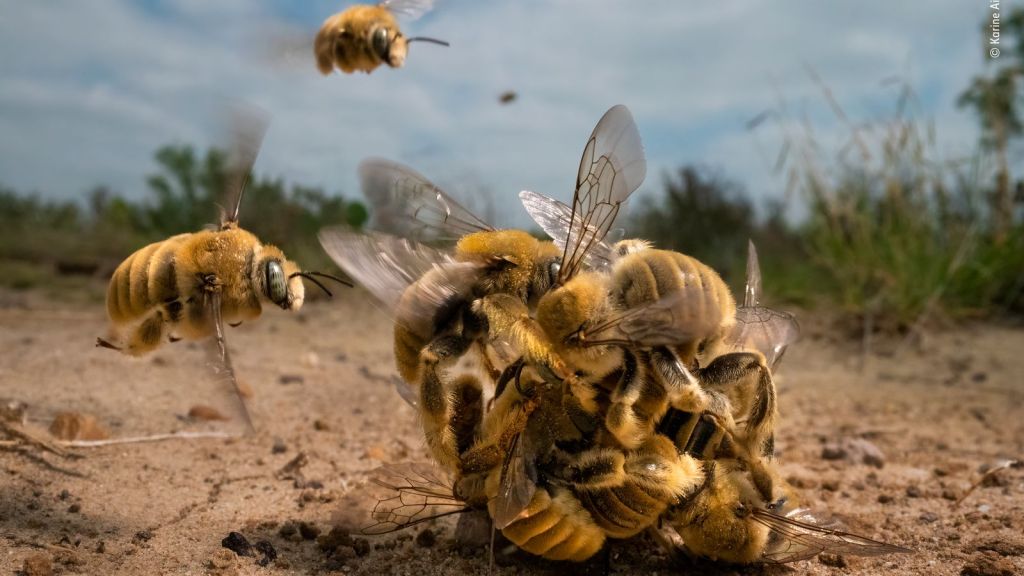
American photographer Karine Aigner was announced as this year’s Wildlife Photographer of the Year for her remarkable image of a buzzing ball of cactus bees spinning over the hot sand on a Texas ranch (top image).

Entitled “The Big Buzz”, her winning shot was taken close up at bee-level and shows all except one of the male insects intent on mating with the single female at the centre.

Organisers of the contest pointed out that, like most bees, the insects pictured are threatened by habitat loss, pesticides and climate change, along with farming practices that disrupt their nesting grounds.

All The Winners Of Wildlife Photographer Of The Year 2022

10 Years and under winner

Battle stations by Ekaterina Bee, Italy

Ekaterina Bee, Wildlife Photographer of the Year

Ekaterina Bee watches as two Alpine ibex spar for supremacy. It was near the end of a spring day trip with her family that Ekaterina spotted the fight. The two ibex clashed horns and continued to trade blows while standing on their hind legs like boxers in a ring. In the early 1800s, following centuries of hunting, fewer than 100 Alpine ibex survived in the mountains on the Italy–France border. Successful conservation measures mean that, today, there are more than 50,000.

Location: Pian della Mussa, Piedmont, Italy

11-14 Years Winner

Out of the fog by Ismael Domínguez Gutiérrez, Spain

Ismael Domínguez Gutiérrez reveals a monochromatic scene as an osprey sits on a dead tree, waiting for the fog to lift. When Ismael arrived at the wetland, he was disappointed not to be able to see beyond a few metres – and certainly he had no hope of glimpsing the grebes he wanted to photograph.

But as the fog began to lift, it revealed the opportunity for this striking composition. Ospreys are winter visitors to the province of Andalucía. Here the many reservoirs offer these widespread fish-eating raptors shallow, open water that is clearer than many rivers and lakes.

Location: Embalse de Los Hurones, Cádiz, Spain

15-17 Years Winner

The beauty of baleen by Katanyou Wuttichaitanakorn, Thailand

Katanyou Wuttichaitanakorn, Wildlife Photographer of the Year

Katanyou Wuttichaitanakorn is intrigued by the contrasting colours and textures of a Bryde’s whale, which surfaces close by. Following government tourism guidelines, the tour boat Katanyou was travelling on turned off its engine as the whale appeared close by.

This meant that Katanyou had to steady his hands to capture this close-up composition as the boat rocked in the swell. Bryde’s whales have up to 370 pairs of grey-coloured plates of baleen growing inside their upper jaws. The plates are made of keratin, a protein that also forms human hair and nails, and are used to filter small prey from the ocean.

Location: Upper Gulf of Thailand, Phetchaburi, Thailand

Animals in their Environment winner

Spectacled bear’s slim outlook by Daniel Mideros

Daniel Mideros takes a poignant portrait of a disappearing habitat and its inhabitant. Daniel set up camera traps along a wildlife corridor used to reach high-altitude plateaus. He positioned the cameras to show the disappearing natural landscape with the bear framed at the heart of the image.

These bears, found from western Venezuela to Bolivia, have suffered massive declines as the result of habitat fragmentation and loss. Around the world, as humans continue to build and farm, space for wildlife is increasingly squeezed out.

Location: Peñas Blancas, Quito, Ecuador

Animal Portraits winner

Puff perfect by José Juan Hernández Martinez, Spain

José Juan Hernández Martinez witnesses the dizzying courtship display of a Canary Islands houbara.

José arrived at the houbara’s courtship site at night. By the light of the moon, he dug himself a low hide. From this vantage point he caught the bird’s full puffed-out profile as it took a brief rest from its frenzied performance. A Canary Islands houbara male returns annually to its courtship site to perform impressive displays.

Raising the plumes from the front of its neck and throwing its head back, it will race forward before circling back, resting just seconds before starting again.

Location: La Oliva, Fuerteventura, Spain

Behaviour: Invertebrates Winner

The big buzz by Karine Aigner

Karine Aigner gets close to the action as a group of bees compete to mate. Using a macro lens, Karine captured the flurry of activity as a buzzing ball of cactus bees spun over the hot sand. After a few minutes, the pair at its centre – a male clinging to the only female in the scrum – flew away to mate. The world’s bees are under threat from habitat loss, pesticides and climate change. With 70% of bee species nesting underground, it is increasingly important that areas of natural soil are left undisturbed.

Location: South Texas, USA

Behaviour: Birds Winner

The listening bird by Nick Kanakis, USA

Nick Kanakis gains a glimpse into the secret life of wrens. Nick spotted the young grey-breasted wood wren foraging. Knowing it would disappear into the forest if approached, he found a clear patch of leaf litter and waited. Sure enough, the little bird hopped into the frame, pressing its ear to the ground to listen for small insects. This prey-detecting technique is used by other birds, including the Eurasian blackbird. Grey-breasted wood wrens are ground-dwelling birds, often heard but not seen. They broadcast loud, melodious songs and rasping calls while hidden in the undergrowth.

Location: Tatamá National Park, Risaralda, Colombia

Behaviour: Mammals winner

The great cliff chase by Anand Nambiar, India

Anand Nambiar captures an unusual perspective of a snow leopard charging a herd of Himalayan ibex towards a steep edge. From a vantage point across the ravine, Anand watched the snow leopard manoeuvre uphill from the herd. It was perfectly suited for the environment – unlike Anand, who followed a fitness regime in preparation for the high altitude and cold temperatures. Snow leopards live in some of the most extreme habitats in the world. They are now classed as vulnerable. Threats include climate change, mining, and hunting of both the snow leopards and their prey.

Location: Kibber Wildlife Sanctuary, Himachal Pradesh, India

Oceans: The Bigger Picture Winner

New life for the tohorā by Richard Robinson, New Zealand

Richard Robinson captures a hopeful moment for a population of whales that has survived against all odds. Hindered by poor visibility, Richard used a polecam to photograph the whales gradually moving towards his boat. Pushing his camera to its limits in the dark water, he was relieved to find the image pin-sharp and the moment of copulation crystallised in time.

When ready to mate, the female southern right whale rolls onto its back, requiring the male to reach its penis across the female’s body. Known by the Māori as tohorā, the New Zealand population was hunted to near extinction in the 1800s, so every new calf offers new hope. Shot under New Zealand Department of Conservation permit #84845-MAR

Location: Deas Head, Auckland Islands, New Zealand

Plants and Fungi Winner

The magical morels by Agorastos Papatsanis, Greece

Agorastos Papatsanis composes a fairy tale scene in the forests of Mount Olympus. Enjoying the interplay between fungi and fairy tales, Agorastos wanted to create a magical scene. He waited for the sun to filter through the trees and light the water in the background, then used a wide-angle lens and flashes to highlight the morels’ labyrinthine forms. Morels are regarded as gastronomic treasures in many parts of the world because they are difficult to cultivate, yet in some forests they flourish naturally.

Location: Mount Olympus, Pieria, Greece

Natural Artistry winner

Heavenly flamingos by Junji Takasago, Japan

Junji Takasago powers through altitude sickness to produce a dream-like scene. Junji crept towards the preening group of Chilean flamingos. Framing their choreography within the reflected clouds, he fought back his altitude sickness to capture this dream-like scene. High in the Andes, Salar de Uyuni is the world’s largest salt pan. It is also one of Bolivia’s largest lithium mines, which threatens the future of these flamingos.

Lithium is used in batteries for phones and laptops. Together we can help decrease demand by recycling old electronics.

Location: Salar de Uyuni, Daniel Campos Province, Bolivia

Behaviour: Amphibians and Reptiles Winner

The bat-snatcher by Fernando Constantino Martínez Belmar, Mexico

Fernando Constantino Martínez Belmar waits in darkness as a Yucatan rat snake snaps up a bat. Using a red light to which both bats and snakes are less sensitive, Fernando kept an eye on this Yucatan rat snake poking out of a crack. He had just seconds to get the shot as the rat snake retreated into its crevice with its bat prey. Every evening at sundown in the Cave of the Hanging Snakes, thousands of bats leave for the night’s feeding. It is also when hungry rat snakes emerge, dangling from the roof to snatch their prey in mid-air.

Location: Kantemo, Quintana Roo, Mexico winner

Underwater Winner

Shooting star by Tony Wu, USA/Japan

Tony Wu watches the electrifying reproductive dance of a giant sea star. As the surrounding water filled with sperm and eggs from spawning sea stars, Tony faced several challenges. Stuck in a small, enclosed bay with only a macro lens for photographing small subjects, he backed up to squeeze the undulating sea star into his field of view, in this galaxy-like scene. The ‘dancing’ posture of spawning sea stars rising and swaying may help release eggs and sperm, or may help sweep the eggs and sperm into the currents where they fertilise together in the water.

Location: Kinko Bay, Kagoshima Prefecture, Japan

Urban Wildlife Winner

House of bears by Dmitry Kokh, Russia

Dmitry Kokh presents this haunting scene of polar bears shrouded in fog at the long-deserted settlement on Kolyuchin. On a yacht, seeking shelter from a storm, Dmitry spotted the polar bears roaming among the buildings of the long-deserted settlement.

As they explored every window and door, Dmitry used a low-noise drone to take a picture that conjures up a post-apocalyptic future. In the Chukchi Sea region, the normally solitary bears usually migrate further north in the summer, following the retreating sea ice they depend on for hunting seals, their main food. If loose pack ice stays near the coast of this rocky island, bears sometimes investigate.

Location: Kolyuchin Island, Chukotka, Russia

Wetlands – The Bigger Picture Winner

The dying lake by Daniel Núñez, Guetamala

Daniel Núñez uses a drone to capture the contrast between the forest and the algal growth on Lake Amatitlán. Daniel took this photograph to raise awareness of the impact of contamination on Lake Amatitlán, which takes in around 75,000 tonnes of waste from

Guatemala City every year. “It was a sunny day with perfect conditions,” he says, “but it is a sad and shocking moment.” Cyanobacteria flourishes in the presence of pollutants such as sewage and agricultural fertilisers forming algal blooms. Efforts to restore the Amatitlán wetland are underway but have been hampered by a lack of funding and allegations of political corruption.

Location: Lake Amatitlán, Villa Canales, Guatemala

Photojournalism Winner

Ndakasi’s passing by Brent Stirton, South Africa

Brent Stirton shares the closing chapter of the story of a much-loved mountain gorilla. Brent photographed Ndakasi’s rescue as a two-month-old after her troop was brutally killed by a powerful charcoal mafia as a threat to park rangers. Here he memorialised her passing as she lay in the arms of her rescuer and caregiver of 13 years, ranger Andre Bauma. As a result of unrelenting conservation efforts focusing on the daily protection of individual gorillas, mountain gorilla numbers have quadrupled to over 1,000 in the last 40 years.

Location: Senkwekwe Center, Virunga National Park, Democratic Republic of the Congo

Photojournalist Story Award Winner

The Cuban connection by Karine Aigner

A Cuban bullfinch is positioned alongside a road so that it becomes accustomed to the hubbub of street life and therefore less likely to be distracted during a competition. These birds are highly prized for their sweet voice and feisty spirit. Karine Aigner explores the relationship between Cuban culture and songbirds, and the future of a deep-rooted tradition. For hundreds of years, some Cubans have caught and kept songbirds and held bird-singing contests.

Throughout a turbulent period of economic sanctions and political unrest, these small, beautiful birds have provided companionship, entertainment and friendly competition within the community. Now with regular travel and emigration between Cuba and North America, the tradition of songbird contests has crossed an ocean. As songbird populations plummet, US law enforcement is cracking down on the trapping, trading and competing of these birds.

Location: USA and Cuba

Rising Star Portfolio Award Winner

A theatre of birds by Mateusz Piesiak, Poland

Placing his remote camera on the mud of the reed bed, Mateusz seized the opportunity to capture the moment when a passing peregrine falcon caused some of the dunlins to fly up. Mateusz carefully considered camera angles to produce a series of intimate photographs exploring the behaviour of birds.

Winner of the Young Wildlife Photographer of the Year award when he was 14, Mateusz explored his locality during the Covid-19 lockdown. “Even a small pond or park in the city centre turned out to be a very good place for photographing wildlife.” Throughout this portfolio Mateusz focuses on local birds, researching and preparing for images that were in his mind “for days, months or even years” before he finally managed to realise them.

Location: Poland

Portfolio Award Winner

Under Antarctic ice by Laurent Ballesta, France

Laurent Ballesta endures below-freezing dives to reveal the diversity of life beneath Antarctica’s ice. An underwater photographer and biologist, Laurent has led a series of major expeditions, all involving scientific mysteries and diving challenges, and all resulting in unprecedented images. He has won multiple prizes in Wildlife Photographer of the Year, including the grand title award in 2021. His expedition to Antarctica, exploring its vast underwater biodiversity, took two years to plan, a team of expert divers, and specially developed kit. His 32 dives in water temperature down to -1.7˚C (29°F) included the deepest, longest dive ever made in Antarctica.

Living towers of marine invertebrates punctuate the seabed off Adelie Land, 32 metres (105 feet) under East Antarctic ice.

Here, at the centre, a tree-shaped sponge is draped with life, from giant ribbon worms to sea stars.

Location: Adélie Land, Antarctica

Protect All Wildlife, Wednesday 12 October 2022.

How you can help animals in need:

Support ‘Protect All Wildlife’ by donating as little as £1 – It only takes a minute but it can last a lifetime for an animal in need.

CERTIFICATE OF APPRECIATION