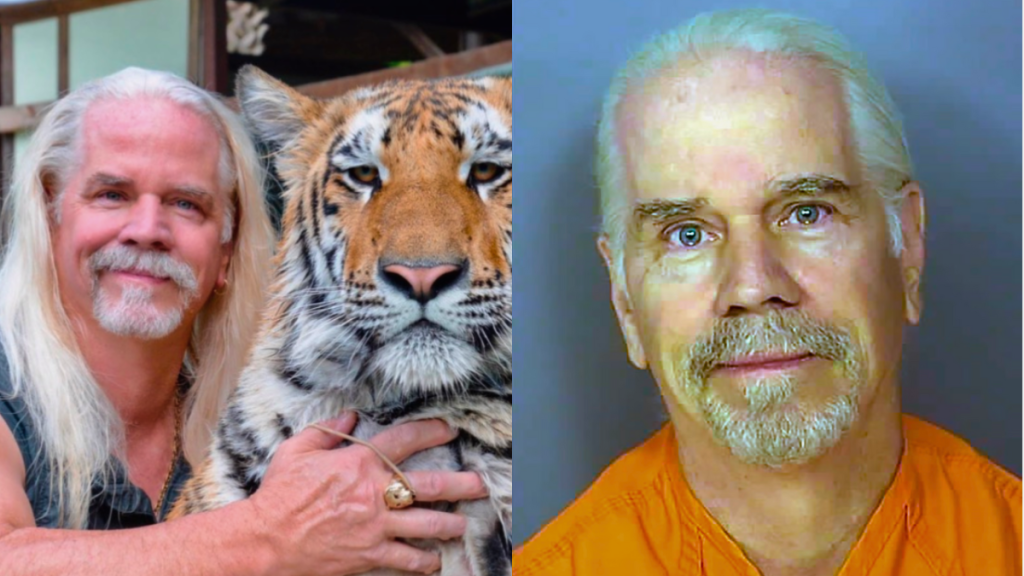
Bhagavan ‘Doc’ Antle Of Netflix’s ‘Tiger King’ Pleads Guilty To Wildlife Trafficking And Money Laundering.

Bhagavan ‘Doc’ Antle Of Netflix’s ‘Tiger King’

An exotic wildlife preserve owner who gained notoriety on the popular Netflix series “Tiger King” pled guilty on Monday to animal trafficking and money laundering, the U.S. Justice Department announced.

Bhagavan “Doc” Antle oversaw the sale or purchase of Cheetah cubs, Lion cubs, Tigers and a juvenile Chimpanzee that were all protected as endangered species, according to a Justice Department release. Officials said the 63-year-old man featured in a documentary mini-series about the Tiger trade tried to hide animal payments as “donations” to his nonprofit organization.

“The defendant held himself out as a conservationist, yet repeatedly violated laws protecting endangered animals and then tried to cover up those violations,” Assistant Attorney General Todd Kim of the Justice Department’s Environment and Natural Resources Division said in a statement.
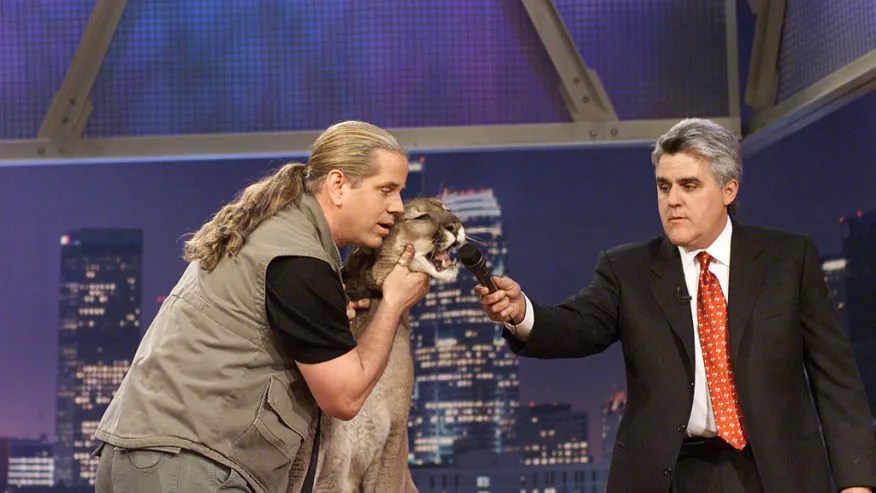
Antle On The Tonight Show Credit: Paul Drinkwater

Antle faces a maximum of five years’ imprisonment, fines up to $250,000 and three years of supervised release for each count. He is also the owner and operator of the Myrtle Beach Safari, which is also known as The Institute for Greatly Endangered and Rare Species, or T.I.G.E.R.S., prosecutors said. The safari is a 50-acre nature preserve that offers tours and the chance for private encounters with wildlife, prosecutors said.

Antle faces a maximum of five years’ imprisonment, fines up to $250,000 and three years of supervised release for each count. 

Investigators found evidence that Antle and a coconspirator had also used cash acquired through the transportation and harboring of immigrants who illegally entered the country.

It’s the latest fallout for the subjects of “Tiger King: Murder, Mayhem and Madness.” Joe Exotic, the show’s star, is serving a 21-year prison sentence for trying to hire two different men to kill animal welfare activist Carol Baskin. The ongoing feud between Joe Exotic — whose real name is Joseph Maldonado-Passage — and Baskin featured prominently in the show. Maldonado-Passage had one year shaved off his penalty last year as he began treatment for early-stage cancer.
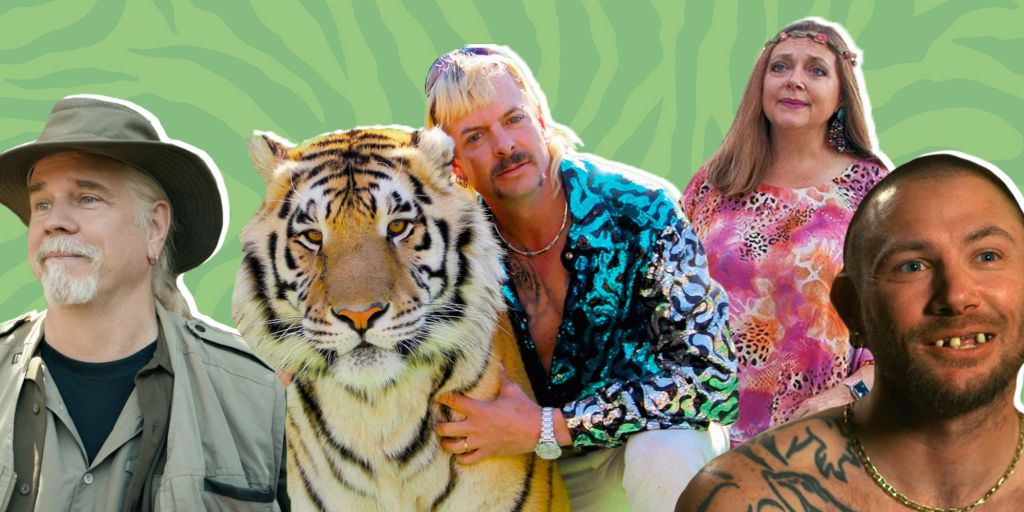
“Tiger King: Murder, Mayhem and Madness.” 

WHAT YOU CAN DO TO HELP ANIMALS IN NEED

You can support our work by donating as little as £5 – It only takes a minute but it can last a lifetime for an animal in need.

PLEASE DONATE HERE

PLEASE HELP ANIMALS IN NEED

Everyone who donates will receive a Certificate of Appreciation as a thank you for helping animals in need.

The Mission of Protect All Wildlife is to prevent cruelty and promote the welfare of ALL animals.

We believe EVERY animal should be treated with respect, empathy, and understanding. We raise awareness to protect and conserve wild, captive, companion and farm animals.

It is vital that we protect animals against acts of cruelty, abuse, and neglect by enforcing established animal welfare laws and, when necessary, take action to ensure that those who abuse animals are brought to justice.

Protect All Wildlife are involved in many projects to protect animals’ rights, welfare, and habitats. Money contributed to Protect All Wildlife supports ALL of our worthy programmes and gives us the flexibility to respond to emerging needs. Your donations make our work possible.
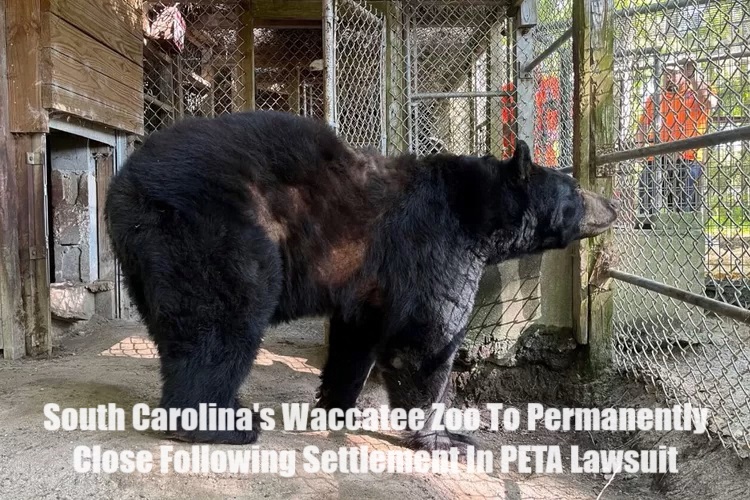
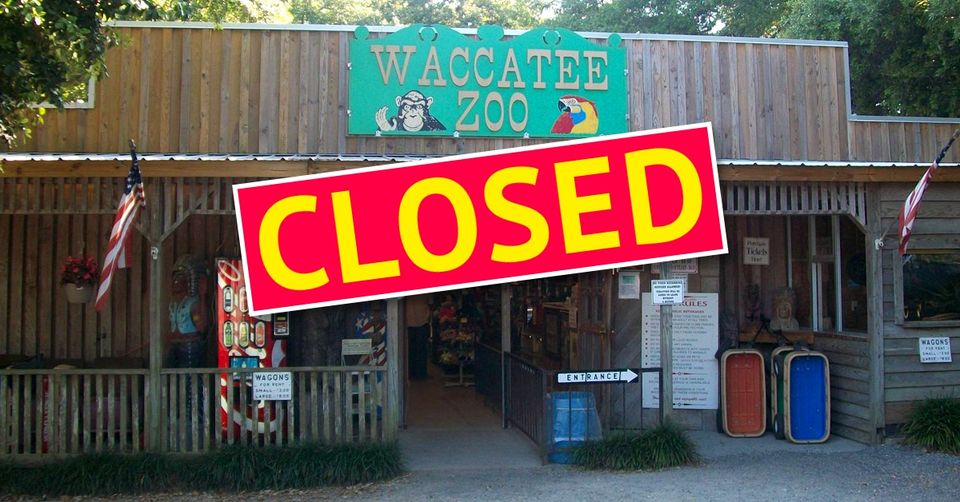
South Carolina’s Waccatee Zoo To Permanently Close Following Settlement In PETA Lawsuit

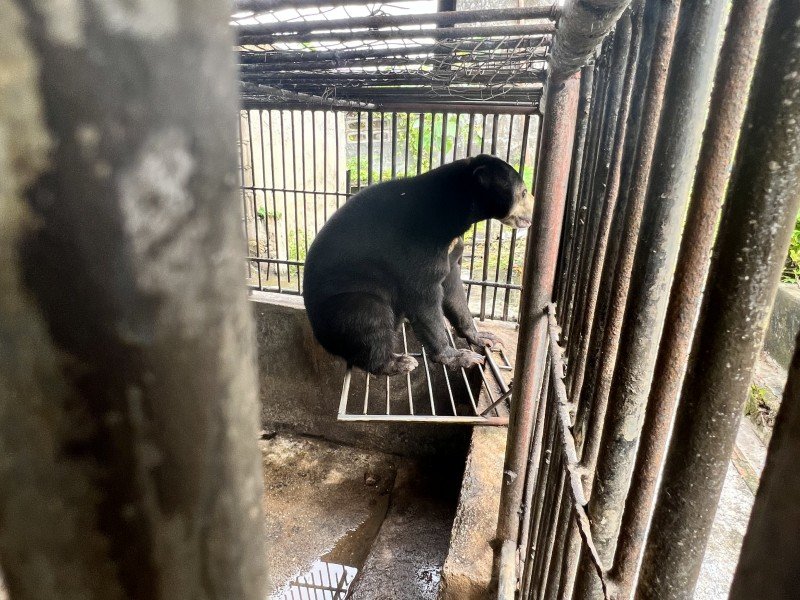
A Bear removed from the Waccatee Zoo.  PHOTO: PETA

In its complaint, the animal rights organization described Waccatee Zoo as “one of the worst roadside zoos in America”

A South Carolina roadside zoo will permanently close following the settlement of a federal lawsuit brought on by People for the Ethical Treatment of Animals (PETA).

In a press statement Thursday, the animal rights organization said the Waccatee Zoo in Horry County will be permanently closed. Additionally, as part of the settlement, per PETA, the operators of the South Carolina facility are banned from owning or exhibiting wild or exotic animals, breeding domestic animals, exploiting domestic animals for profit, and working or volunteering at other roadside zoos.

In its lawsuit filed under the federal Endangered Species Act and South Carolina’s public nuisance law in April 2022, PETA described Waccatee Zoo as “one of the worst roadside zoos in America.” The complaint alleged the zoo’s operators confined and exhibited more than 460 animals and that the facility’s conditions deprived them of “adequate veterinary care, shelter, food, and water.”

An attorney for the Waccatee Zoo and the defendants, Reese Boyd III, told the Myrtle Beach Sun News that the lawsuit has been settled and the facility will be shut down. He said that his client’s agreement to the settlement terms was not an admission “to the exploitation of animals in their care” – adding that a number of PETA’s accusations were “factually untrue,” per the newspaper.

PETA also said in the lawsuit that it regularly received complaints about Waccatee from zoo visitors.

“Day after day, animals at Waccatee sway and pace back and forth—unnatural behaviors that signify the animals’ needs are not being met,” read PETA’s lawsuit. “Many animals experience negative stress due to small, insufficiently enriched spaces that provide little to do, offer inadequate opportunities to socialize, and are affirmatively dangerous.”

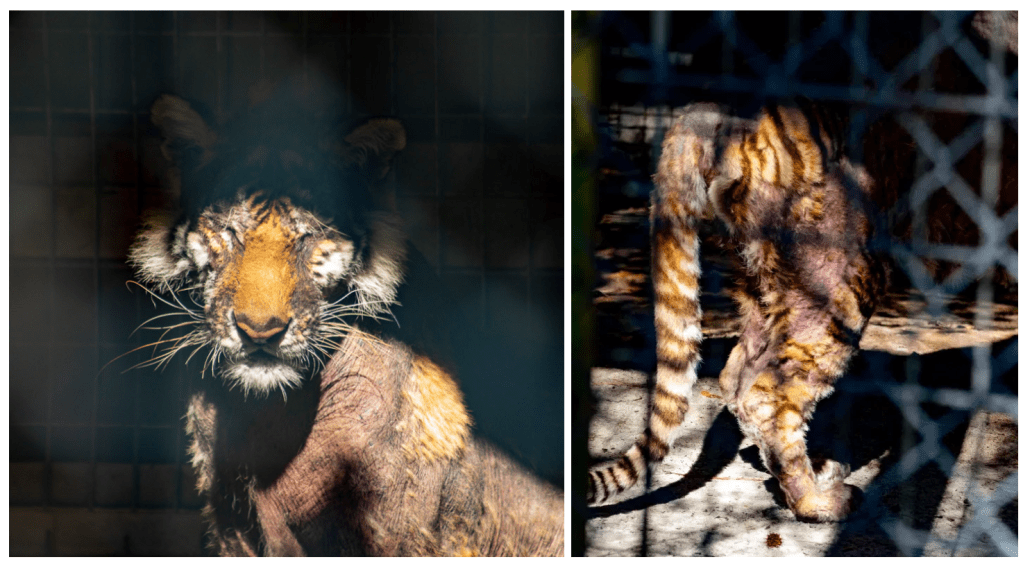
The lawsuit cited the case of Lila, a tiger who either died in late 2020 or 2021, saying that she “became so emaciated that much of her skeleton—including her vertebrae, scapula, shoulder, hip, and other joints—was visible through her skin.” The complaint also alleged that other animals at the zoo experienced hair loss and emaciation—adding that “isolated, frustrated, and bored animals exhibit alarming and repetitive behavior, indicating that they are experiencing psychological distress.”

Emaciated Lila suddenly disappeared resulting in PETA asking for a necropsy report.

Lila passed away after a fall from old age, zoo owner Jeff Futrell said.

According to a letter PETA sent to Waccatee Zoo on Feb. 25, the organization wanted answers to the whereabouts of Lila after she was the subject of a PETA campaign because of her ill health.

“After months of wasting away, losing fur, and turning in endless circles in her dismal cage, Lila has disappeared—and PETA is asking whether she died, in pain and in the cold, and if her death is being covered up,” says PETA Foundation Associate Director of Captive Animal Law Enforcement Michelle Sinnott. “Nothing can undo Lila’s suffering, and PETA is calling on Waccatee Zoo to release the other big cats before they suffer as she did.”

And now, PETA is asking the owners of the zoo to release the necropsy report.

In a press statement, Brittany Peet, PETA’s general counsel for captive animal law enforcement, responded to the settlement: “This victory blocks Waccatee’s operators from ever again mistreating wild animals as they did for decades. PETA is delighted to see the survivors thriving in their new sanctuary home and will continue to ask everyone to help us advocate for all animals still trapped in roadside zoos by never patronizing such operations.

In May, PETA and The Wild Animal Sanctuary (TWAS) rescued nine remaining animals left at the Waccatee Zoo. Among the animals retrieved were a llama, two North American black bears, and six emus. PETA said the rescued animals would head to a TWAS sanctuary in Colorado.

WHAT YOU CAN DO TO HELP WILDLIFE

You can support ‘Protect All Wildlife’ by donating as little as £1 – It only takes a minute but it can last a lifetime for an animal in need. Please donate below.

Everyone who donates will receive a Certificate of Appreciation as a thank you for helping animals in need.

The Mission of Protect All Wildlife is to prevent cruelty and promote the welfare of ALL animals.

We believe EVERY animal should be treated with respect, empathy, and understanding. We raise awareness to protect and conserve wild, captive, companion and farm animals.

It is vital that we protect animals against acts of cruelty, abuse, and neglect by enforcing established animal welfare laws and, when necessary, take action to ensure that those who abuse animals are brought to justice.

Protect All Wildlife are involved in many projects to protect animals’ rights, welfare, and habitats. Money contributed to Protect All Wildlife supports ALL of our worthy programmes and gives us the flexibility to respond to emerging needs. Your donations make our work possible.
Royal Bengal Tiger Caught On Trap Camera In Neora Valley National Park

Royal Bengal Tiger In The Neora Valley National Park

The Royal Bengal Tiger Seen in Neora Valley National Park was caught on camera. The picture of the Royal Bengal Tiger was captured in Neora valley national park. For the past few years, the Royal Bengal Tiger has been found in the Neora Valley National Park in the Gorumara wildlife division. Once again, the Royal Bengal Tiger can be seen roaming in the forest. Some of these images were captured on The Trap Camera on Sunday. Once again the wildlife department is excited that the picture of the Royal Bengal Tiger has been captured on the trap camera.

The state’s principal chief conservator of forests, Deval Roy, said, “We have received pictures of the Royal Bengal Tiger in the forests of Neora before. But this time the picture was caught on the trap camera several times. Earlier in the winter, pictures of the Royal Bengal Tiger were captured on camera. This time the picture has been taken from December to March. It is being investigated whether the pictures taken are of the same Tiger. “

Earlier there was a lot of evidence that there were Tigers in the jungles of Neora Valley. Once upon a time, there was a Tiger in the Neora Valley, but it was not seen for several years. The foresters thought that some of the places in the forest, which are still unfit for human transport, are suitable for Tigers to live in. At times, the Tiger seems to be scratched at the base of the tree, but no forester has seen the Tiger. On January 18, a Tiger was first spotted on the side of the road from Pedong to Lava. On January 18, a driver in the hills, Anmol Chhetri, caught him on camera.

On December 19, 2017, an automobile driver named Anmol Chhetri captured the first picture of the Tiger on his way from Lava to Rishop on his mobile camera. After that, the trap camera was created by the forest department. The camera captured pictures of the Royal Bengal Tiger several times. And that’s why they guessed that there were more than one number of Tigers in the forests of The Neora Valley. Since then, more or less pictures of Tigers have been captured every year. Even last year, the Tiger was captured on camera. And once again the picture of the Tiger was caught on the trap camera kept in the forest. Ensuring the safety of the Tigers is now the only aim of the forest department. For this, the security of the forests of Nawara is being strengthened, said an official of the concerned department.

The Buxa forest has the recognition of the Tiger Project in the North East. However, there has been a debate over whether there are Tigers or not for the past few years. Meanwhile, there is a rush to bring Tigers from Vin state to Buxa. And in the meantime, the Tiger was seen in the Neora Valley. Not once, but several times.

A Tiger was first spotted in the region in January 2017 by a car driver who took photos of the big cat. Later, the same Tiger was caught on a trail camera installed by the forest department across the 88-sq km the national park in January 2018.

The Tiger Was Earlier Caught On A Trail Camera In The 88-Sq Km Neora Valley National Park

“On December 18, 2019, a trail camera captured a tiger. We are yet to analyse the image. We cannot say right now if it is a male or a female,” said Ravi Kant Sinha, principal chief conservator of forests and chief wildlife warden of West Bengal.

“A thorough analysis of all images captured in the past three years is yet to be done. So, it is not possible for us to say if there are multiple tigers or the same one is being spotted,” Sinha added.

The Mission of Protect All Wildlife is to prevent cruelty, promote the welfare of ALL animals EVERYWHERE, and help END animal abuse.

Please support our work by donating ANY amount, large or small. It only takes a minute and your donations make it all possible. Thank you for your support.

Go back

Your message has been sent

Warning
Warning
Warning
Warning
Warning
Warning.

The Wildlife Friends Foundation Launches Largest Tiger Rescue In Thailand As Phuket Zoo Closes

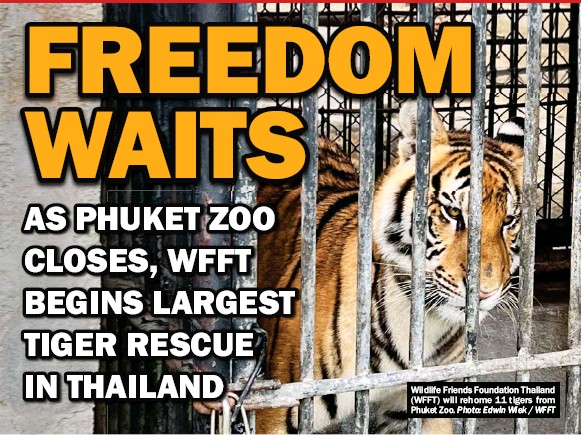
The Wildlife Friends Foundation Thailand (WFFT) is carrying out the largest tiger rescue in Thailand’s history as the renowned wildlife animal welfare and rescue organisation prepares to take custody of 11 tigers and two bears handed over by Phuket Zoo.

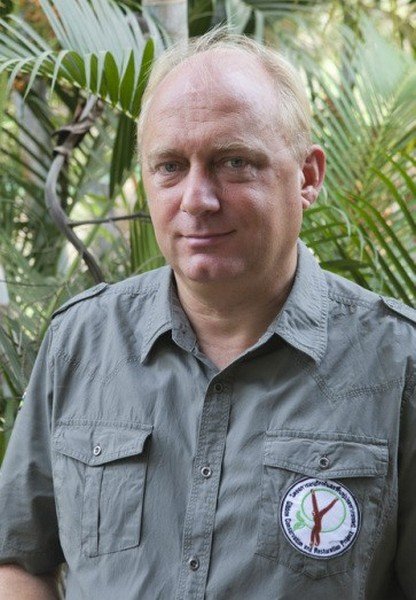
WFFT founder and director Edwin Wiek confirmed the news.

Edwin Wiek of the Wildlife Friends Foundation

“We are finishing off the new side enclosures for the Tigers right now, and we will be ready to pick up the first 4-6 in the coming week. We are still waiting for documents to move the Tigers, but I am pretty sure this ill be done by the end of the week.” Mr Wiek told Protect All Wildlife.

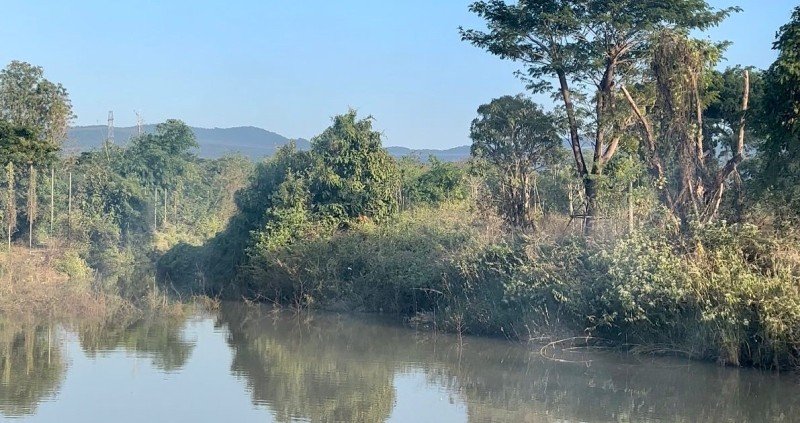
Part of the area at the WFFT site in Phetchaburi that the tigers and bears from Phuket Zoo will soon call home. Photo: Edwin Wiek / WFFT

Mr Wiek explained that he and Sangduen “Lek” Chailert, founder of the Elephant Nature Park, discussed the handover of the animals with the Phuket Zoo owners.

The zoo has been hard hit by the financial crisis brought on by the COVID-19 pandemic, leaving the facility without tourist visitors for nearly two years.

Despite previous encounters between WFFT and Phuket Zoo over the conditions many of the animals were kept in at the zoo, the parties set aside any animosity in order to determine the safe future for the animals, Mr Wiek noted.

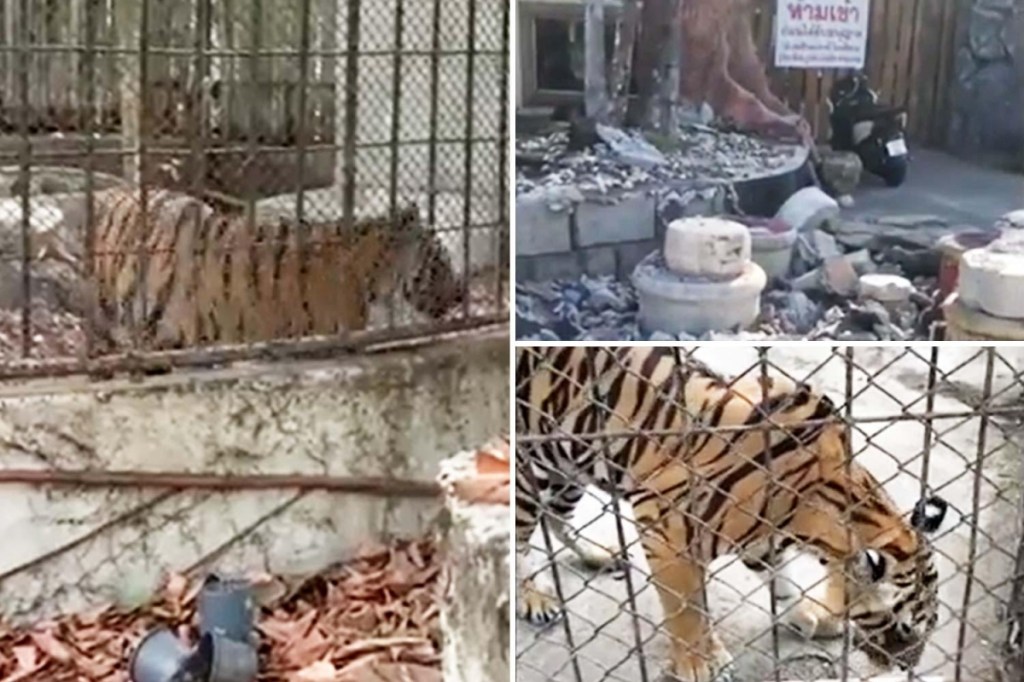
Horrifying scenes inside abandoned Phuket zoo where starving animals are forced to live in squalor

“They were genuinely very concerned about the animals. They said they had refused offers for the animals’ skins and bones,” he said.

“As WFFT has the facilities and expertise to take care of large carnivores and currently houses more than 30 other bears, it was concluded that WFFT could provide the best life-long care for these animals which require urgent rehoming,” Mr Wiek explained. 

Wildlife Friends Foundation Thailand (WFFT) will also rehome two bears from Phuket Zoo. Photo: Edwin Wiek / WFFT

The rescue and rehoming of 11 Tigers to a sanctuary will be the biggest Tiger rescue in Thailand’s history. However, due to the financial impact of COVID-219, WFFT must first raise the funds required to rescue these 13 animals. As such WFFT is asking for financial support to undertake this historic rescue, he noted.

“This rescue will be no small feat for WFFT. The financial resources required to rescue and transport 13 large animals from Phuket to WFFT alone will be significant,” Mr Wiek said.

“Throughout the COVID-19 pandemic we have received more calls than ever from entertainment venues who cannot afford to feed their animals anymore. We try to help as many as we can. The fact is, though, that without financial support, we cannot help more.

“We are urging our friends in Phuket, in Thailand and around the world to please help with what will be a huge rescue, not only for WFFT, but for Tigers in Thailand,” he said.

WFFT is a registered foundation in Thailand. 

“In Thailand, like in every country in the world, animals are abused and exploited for profit and human gratification. There are many examples of animal exploitation within the tourist industry, for example, photo prop animals, animals performing in degrading shows, and elephant camps. Furthermore, there is still a thriving illegal trade in wild animals for pets and medicine,” the organisation explains on its website.

The top three major goals of the organisation are:

  • To rescue and rehabilitate captive wild animals and provide high-quality care and a safe environment for them to live for the rest of their lives, in a setting as close to nature as possible.
  • To campaign against all forms of animal abuse and exploitation in Thailand, work towards ending the illegal pet trade and discourage people from keeping all wild animals as pets. WFFT actively seeks to combat the illegal wildlife trade and to rescue animals from poor conditions or exploitation from human entertainment.
  • To provide veterinary assistance to any sick or injured animal; wild or domestic.

To learn more about Wildlife Friends Foundation Thailand (WFFT), visit the official website here: https://www.wfft.org/

This video shows various animals including Tigers, Bears, and Alligators left for dead at Phuket Zoo due to the Coronavirus pandemic. The tourism industry all over the world has definitely been brought to a sudden halt but the animals who played a major role in that have also been abandoned. The clip was originally uploaded on YouTube and was shot by an Australian named Minh Nguyen, who lives and works in Thailand. 

“We are still fundraising for the tigers, and hopefully we will get some more much needed financial support in the weeks to come.” told Protect All Wildlife.

If you like to help fund this amazing rescue operation please donate ANY amount, large or small, at Phuket Zoo Animal Rescue.

Please SHARE to raise awareness to this urgent rescue. You can also SIGN UP to receive News and Updates straight to your inbox.