Remembering Tigers: The 9th Book In The Critically Acclaimed Remembering Wildlife Series.

The Mission Is To Raise Awareness Of The Threats Facing Tigers Through The Stunning Images From Many Of The World’s Top Wildlife Photographers
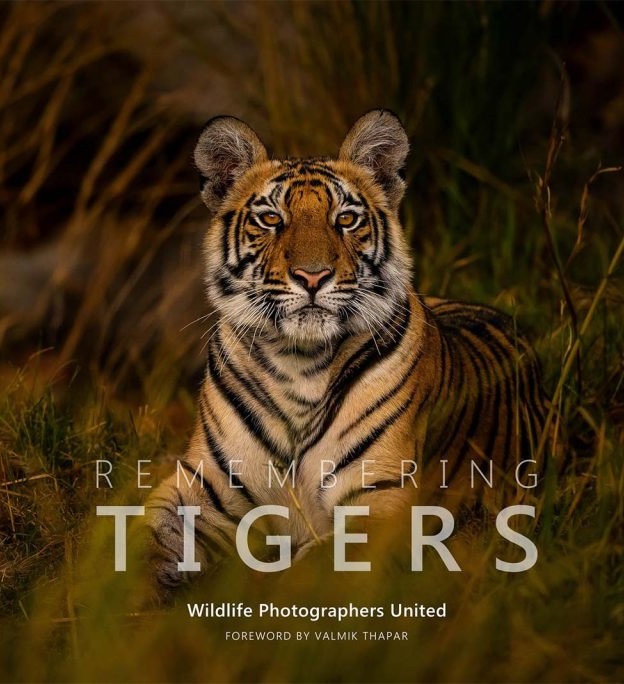
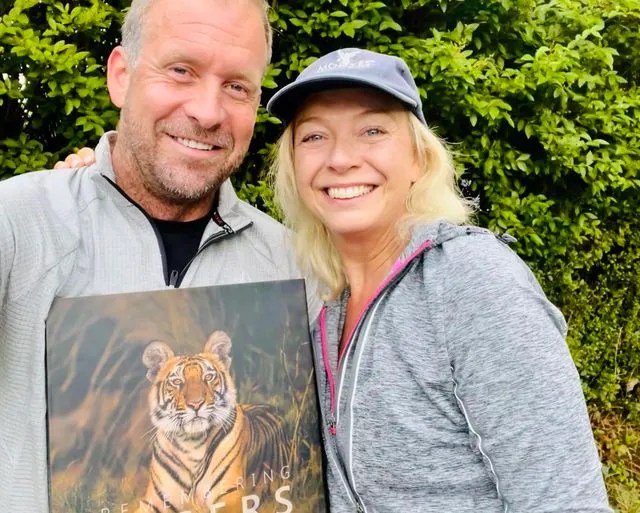
Front Cover: Bengal Tiger in Bandhavgarh National Park, India by Sarah Skinner.

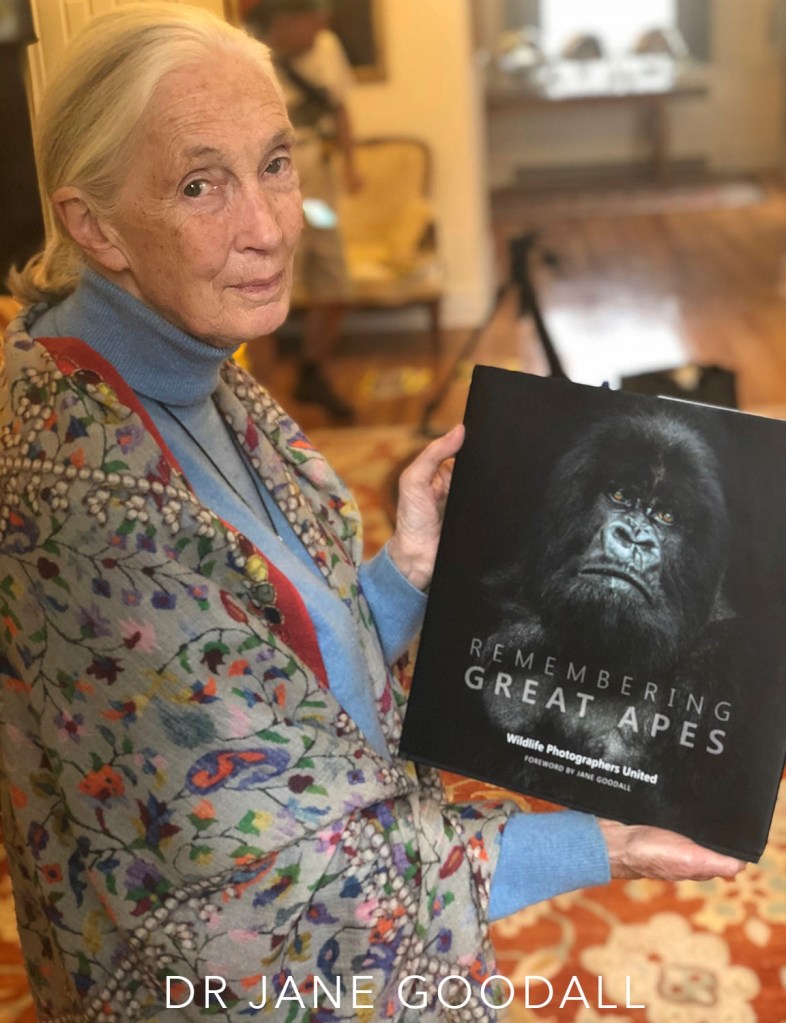
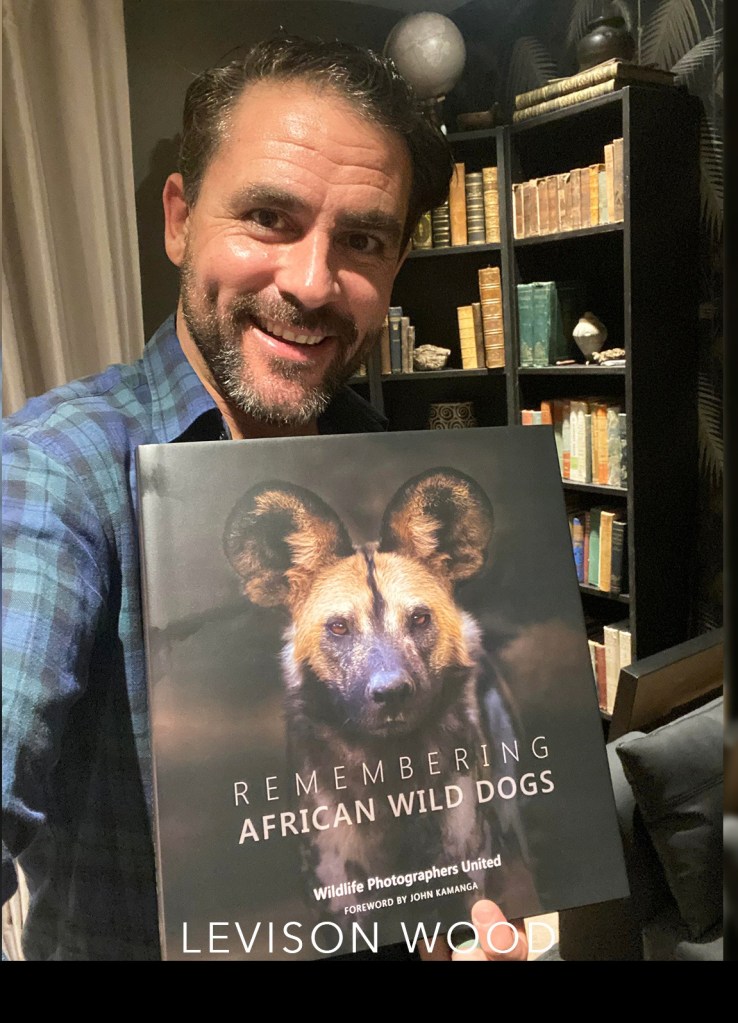
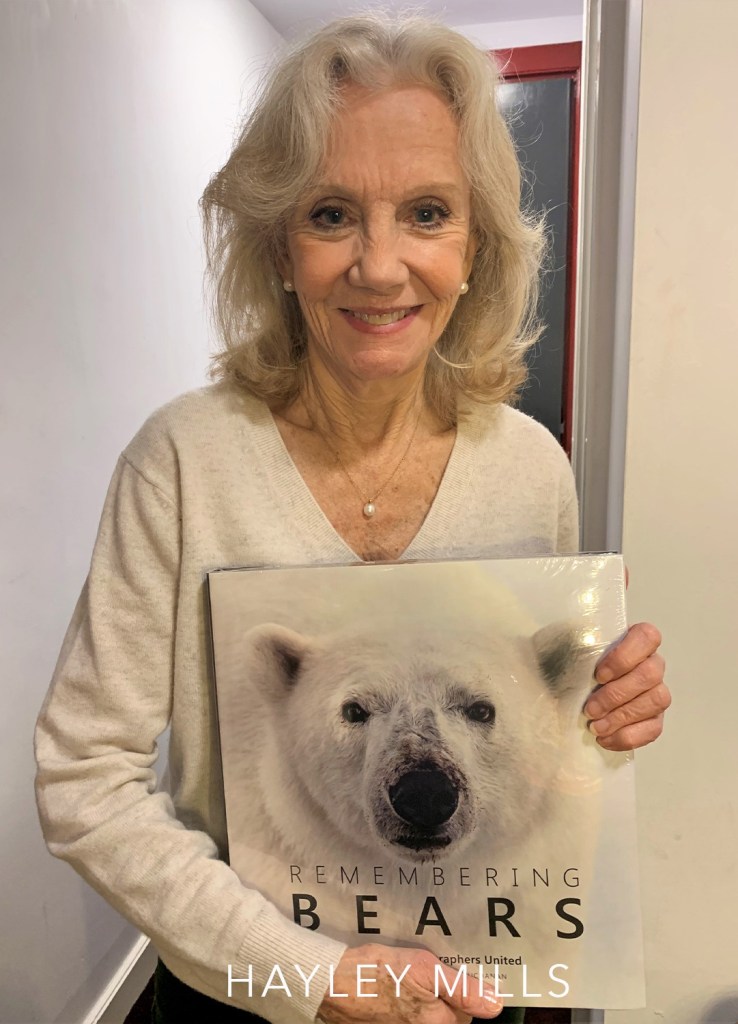
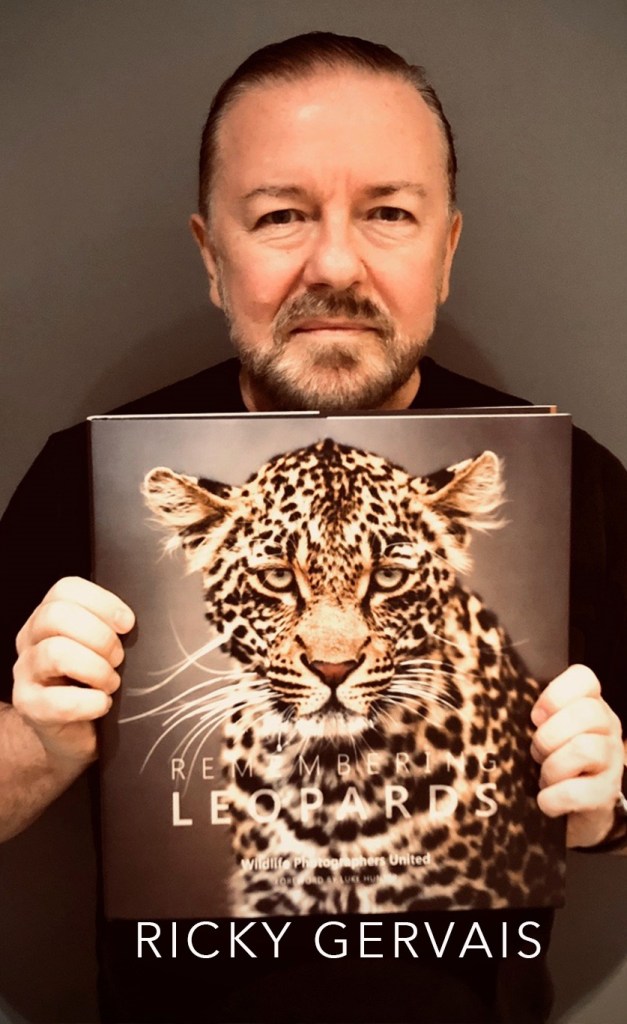
Remembering Wildlife has launched several charity photo books over the years that highlight endangered species and act to raise funds for the protection of the animals featured with the help of famous supporters and talented photographers around the world. Remembering Elephants, Remembering Rhinos, Remembering Great Apes, Remembering Lions, Remembering Cheetahs, Remembering African Wild Dogs, Remembering Bears have already been produced, and Remembering Leopards was funded and delivered last year. Remembering Tigers is the latest release in the series and will bring attention to Tiger species that are threatened around the world with the help of beautiful images of Tigers generously donated by many of the world’s top wildlife photographers.

The aim of the book is to raise awareness of the plight facing Tigers and to raise money to protect them, with all profits from book sales going to conservation.

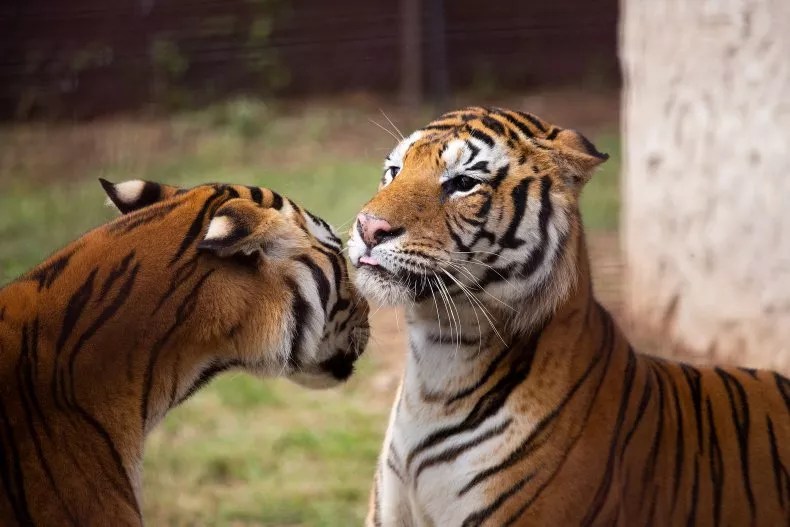
Fighting Bengal tigers in Bandhavgarh National Park, India. Credit: Andy Parkinson/Remembering Tigers)

Weighing up to 260kg and measuring up to 3 metres in length, the Tiger is the largest of the big cats. It is found in Asia, from India – where two-thirds of all wild Tigers live – through to the Russian Far East and into China. Its habitat ranges from sub-tropical forests to snow-covered mountainous terrain. Numbers are increasing in some areas, thanks to conservation efforts, yet the Tiger is the least numerous of all the large wild cats and is listed as ‘endangered’ by the International Union for Conservation of Nature (IUCN).
The stunning colours of a Bengal Tiger superbly captured by Jami Tarris. Credit: Jami Tarris/Remembering Tigers.

Threats include loss of habitat, illegal hunting for the Chinese medicinal trade (Traditional Chinese Medicine), widespread killing of their prey for bushmeat, and retaliation for attacks on humans and livestock.

Founder and Producer of Remembering Wildlife Margot Raggett MBE said: “It’s an oft-quoted fact that there are more Tigers in captivity in the US than there are left in the world, a stark reminder of how the future of Tigers might end if conservationists do not continue their focus and their fight. Tigers are a bellwether for the health of an ecosystem. For every Tiger protected in the forest, there are plants, trees, insects, birds and other mammals who thrive.”

The book is endorsed by cricketing legend and conservation champion Kevin Pietersen MBE, who says on the back cover: “The Remembering Wildlife series goes from strength to strength, with Remembering Tigers sure to be another huge hit.”

The foreword for the book is by Tiger conservationist and author Valmik Thapar, who will also speak at the official book launch and whose brilliant documentary, My Tiger Family, was broadcast on the BBC in August. 

He said: “I hope Remembering Tigers, with its wonderful pictures, inspires a passion in those who see it and stirs them to new heights in order that this magnificent predator continues to walk our planet.”

The afterword is by Amit Sankhala, Trustee of the Tiger Trust, who said: “Seeing a Tiger in its natural habitat is a mesmerising encounter and I am thankful for Margot Raggett’s book which not only shows the beauty of the Tiger, but will also inspire the next generation of conservationists.”

Speaking alongside Margot Raggett MBE at the official launch event for Remembering Tigers at the Royal Geographical Society on 9 October will be Executive Director of Wildlife Protection Society of India (WPSI) Belinda Wright OBE; Tiger conservationist and author Valmik Thapar, and wildlife photographer and guide Paul Goldstein, who has raised hundreds of thousands of pounds by running 25 marathons dressed as a Tiger.

Remembering Tigers official book launch is in October 9th. Credit: Remembering Wildlife

It is estimated that there are around 10,000 captive Tigers in the US, more than the approximately 5,500 remaining in the wild. A vast majority of these captive Tigers are privately owned and living in people’s backyards, roadside attractions, and private breeding facilities. Only an estimated 6% of the US captive Tiger population resides in zoos and other facilities accredited by the Association of Zoos and Aquariums. Many of these private Tiger owners aren’t properly trained to care for wild animals, making the animals vulnerable to mistreatment and exploitation. Often these facilities will allow public contact with the Tigers, including photo ops and playtimes with tiger cubs. Not only is the welfare of these Tigers compromised, but public health and safety is at risk during these encounters.
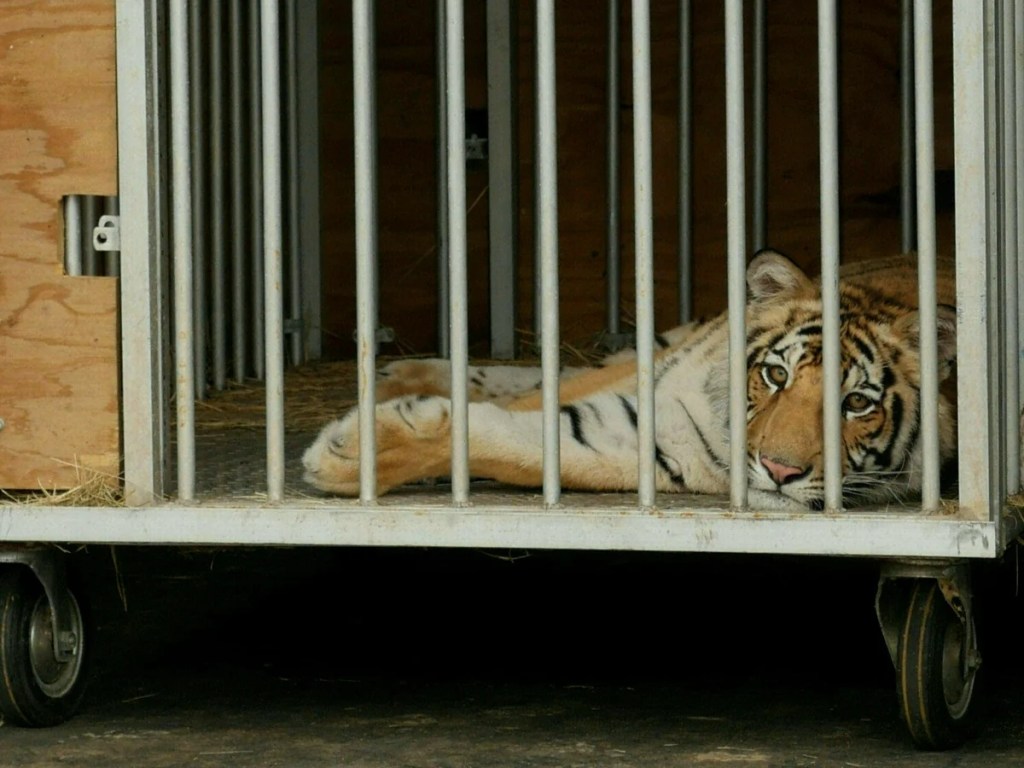
A nine-month-old Bengal Tiger, which was seen roaming the lawns of suburban Houston, in a cage after being captured by authorities. Credit: Francois Picard

More than 280 wildlife photographers have contributed to the Remembering Wildlife series since it started in 2016, working under the banner Wildlife Photographers United. It has now raised over £1.15m GBP/$1.5m USD for 74 conservation projects in 33 countries. 

The photographers who have donated their images for this edition are: Harmit Ahuja, Theo Allofs, Daryl & Sharna Balfour, Adam Bannister, Chris Brunskill, Clive Burns, Will Burrard-Lucas, Alison Buttigieg, Vladimir Cech, Vladimir Cech Jr., Sandra Clayton, Marius J Coetzee, Shem Compion, Ben Cranke, Nick Dale, Tristan Dicks, Kevin Dooley, Kairav Engineer, Suzi Eszterhas, Mark Farrington, Sascha Fonseca, Arijeet Ghosh, Paul Goldstein, Sergey Gorshkov, Sagar Gosavi, Jan van der Greef, Todd Gustafson, Andrew Holt, Sebastian Kennerknecht, Suyash Keshari, Tim Laman, Anirudh Laxmipathy, Chien C. Lee, Tin Man Lee, Russell MacLaughlin & Shannon Wild, Nitish Madan, Thomas D. Mangelsen, Anuradha Marwah, Shivang Mehta, Dale R Morris, Dhritiman Mukherjee, Sunil V. Nair, Latika Nath, Tom Nicholson, Pete Oxford, Parinya Padungtin, Sarah Parker, Andy Parkinson, Graeme Purdy, Margot Raggett, Sachin Rai, Gaurav Ramnarayanan, Aly Rashid, Yashpal Rathore, Andy Rouse, Sabrina Schumann, Jonathan & Angela Scott, Khushboo Rahul Sharma, Anjali Singh, Archna Singh, Dicky Singh, Jaisal Singh, Andy Skinner, Sarah Skinner, Kim Sullivan, Tom Svensson, Jami Tarris, Valmik Thapar, Greg du Toit, Marlon du Toit, Turgay Uzer, Francesco Veronesi, Thomas Vijayan, Lance van de Vyver, James Warwick, Steve Winter, Art Wolfe

A stunning image of a Sumatran Tiger in Aceh Province, Northern Sumatra by Steve Winter. Credit: Steve Winter/Remembering Tigers.

Sales from Remembering Tigers will be used to fund conservation projects in areas where they are vulnerable.

Further information about Remembering Wildlife can be found here .

To find out more about the projects that Remembering Wildlife has already funded, click here

Each book costs £49.50 GBP (approximately $60 USD) and copies can be ordered at www.rememberingwildlife.com

How have the Remembering Wildlife books helped conservation

Together, the series has now sold more than 50,000 books and distributed more than £1.15 million GBP / $1.5 million USD to 74 different conservation projects in 33 countries across Africa, North and South America, Asia and Europe.

All books were prefunded by successful Kickstarter campaigns, meaning that all profits can be given straight to projects protecting the species that the book is focused on. 

Since the launch of Remembering Elephants in 2016, over 270 of the world’s best wildlife photographers have generously contributed to the series. Here is the full list of those whose images have appeared in one or more of the Remembering Wildlife titles so far:

Jane Addey, Karine Aigner, Oriol Alamany, Taylor Thomas Albright, Neil Aldridge, Maxime Aliaga, Theo Allofs, Matt Armstrong-Ford, Grant Atkinson, Andrew Aveley, Daniel Bailey, Daryl & Sharna Balfour, Adam Bannister, Brooke Bartleson, Stephen Belcher, Rick Beldegreen, Patrick Bentley, Sabine Bernert, Andy Biggs, Giorgio Bighi, Jayaprakash Bojan, Donal Boyd, Sean Brogan, Kate Brooks, Seyms Brugger, Volodymyr Burdiak, Matt Burrard-Lucas, Will Burrard-Lucas, Benoit Bussard, Alison Buttigieg, Marina Cano, Ayesha Cantor, Mark Cawardine, David Cayless, Vladimir Cech, Vladimir Cech Jr., Peter Chadwick, Paras Chandaria, Sam Clark, Alwyn Coates, Chad Cocking, Marius Coetzee, Martyn Colbeck, Marco Colombo, Shem Compion, Alain Compost, Keith Connelly, Rob Cottle, Ross Couper, Ben Cranke, Brendon Cremer, Mark Deeble & Victoria Stone, Tanja Dekker, Willem Dekker, Melanie Delamare, Peter Delaney, M & C Denis-Huot, Anja Denker, Richard Denyer, Tristan Dicks, Sebastián Di Doménico, Billy Dodson, Kevin Dooley, Mark Dumbleton, Julie Duncan, Michelle & Ken Dyball, Nicholas Dyer, Andy Edge, Kairav Engineer, Morkel Erasmus, Denise Eriksson, Amit Eshel, Suzi Eszterhas, Chris Fallows, Sascha Fonseca, James Gifford, Daisy Gilardini, Paul Goldstein, Sergey Gorshkov, Marc Graf, Fredrik Granath, Chris Grech, Jan van der Greef, Kim Griffin, Owen Grobler, Melissa Groo, Fabrice Guerin, Richard Guijt, Amy Gulick, Todd Gustafson, Josh Guyan, Drew Hamilton, Charlie Hamilton James, Thorsten Hanewald, Hilary Hann, Peter Haygarth, Tony Heald, Harman Singh Heer, Trish Hennessy, Naudé Heunis, Torie Hilley, Joshua Holko, Roger Hooper, Friedrich von Horsten, Andy Howe, Jabruson, Britta Jaschinski, Vicki Jauron, Brendon Jennings, Arnfinn Johansen, Morten Jørgensen, Paul Joynson-Hicks, Jocelin Kagan, Lakshitha Karunarathna, Kyriakos Kaziras, Steven Kazlowski, Sebastian Kennerknecht, Bob Keyser, Clement Kiragu, Agung Ganthar Kusumanto, Tim Laman, Lisa A. Langell, Frans Lanting, Behzad J. Larry, Chien Lee, Ole J Liodden, David Lloyd, Hannes Lochner, George Logan, Michael Lorentz, Nick Lyon, Piper Mackay, Russell MacLaughlin, Kate Malone, Thomas D. Mangelsen, Suhail Manji, Tin Man Lee, Johan Marais, Matt Maran, Tom Mason, Jo-Anne McArthur, Molly McCormick, Phil McFadden, Paul McKenzie, Shivang Mehta, Garry Mills, Sumeet Moghe, Marc Mol, Dale R Morris, Sue Morris, Margot Muir, Mike Muizebelt, Dhritiman Mukherjee, Yashas Narayan, Shareen Nash, Latika Nath, Elliott Neep, Heinrich Neumeyer, Nick Newman, Thomas Nicolon, Kyle de Nobrega, Jules Oldroyd, Hilary O’Leary, Marsel van Oosten, Xavier Ortega, Ben Osborne, Prelena Soma Owen, Pete Oxford, Chris Packham, Richard Packwood, Parinya Padungtin, Andy Parkinson, Dawn Perkins, Richard Peters, Mevan Piyasena, Julien Polet, Michael Poliza, Jacha Potgieter, Isak Pretorius, Graeme Purdy, Nick Rabjohn, Cameron Raffan, Margot Raggett, Abdul Rashid, Ian Redmond, Pierluigi Rizzato, Gregg Robinson, Dee Roelofsz, Fiona Rogers, Gurcharan Roopra, Matthew Roper, Daniel Rosengren, Andy Rouse, David Sandford, Nima Sarikhani, Joel Sartore, Melissa Schäfer, Chris Schmid, Yaron Schmid, Sabrina Schumann, Jonathan & Angela Scott, Pasan Senevirathne, Anup Shah, Ismail Shariff, Amy Shutt, Anjali Singh, Andy Skillen, Andy Skinner, Sarah Skinner, Paul Souders, Kathryn Sowerbutts, Brent Stapelkamp, William Steel, Jonas Stenqvist, Brent Stirton, Charl Stols, Sabine Stols, James Suter, Tom Svensson, Jami Tarris, Austin Thomas, Jessica Tingley Dunn, Roy Toft, Greg du Toit, Marlon du Toit, Steve & Ann Toon, Paolo Torchio, R.J. Turner, Christophe Vasselin, Albie Venter, Bertus Venter, Hendri Venter, Federico Veronesi, Francesco Veronesi, Thomas Vijayan, Fred Vogt, Marion Vollborn, Pim Volkers, Lance van de Vyver, Tami Walker, James Warwick, Tom Way, Marcus Westberg, Christopher Whittier, Staffan Widstrand, Shannon Wild, Jon Wilson, Steve Winter, Shannon Witz, Art Wolfe, Kim Wolhuter, Nelis Wolmarans, Ian Wood, and Jeffrey Wu.

All of the stunning images used in the books and exhibitions have been generously donated by the photographers, as their way to give back to the species they make their livings from photographing.

Margot Raggett, founder of Remembering Wildlife

I fell in love with wildlife and safaris many years before picking up a camera! In the 2000s, I worked in PR in London and used all my spare cash to book safaris to Africa, as I had become totally addicted to being in nature. It was when I inadvertently signed up to a photography-based safari in 2010 that everything changed for me. It was a trip to see Kenya’s ‘Great Migration’ led by Jonathan & Angela Scott and it was only a few days before I went, that I realised I was supposed to bring a camera. I bought a cheap kit camera & lens and headed to Kenya. It turned out that camera was no good at all for wildlife (it was a very short lens) but nonetheless, I was totally inspired by Jonathan & Angela’s photography. When I got home, I immediately upgraded my gear and signed up for a course at the London School of Photography to learn the basics and I’ve never looked back. For a few years I went on as many photographer-led trips as I could, to learn from the best and then in 2012, agreed a deal to work as a Photographer in Residence at a camp in the Maasai Mara called Entim Camp. At that point I started selling my photos and attracting followers on social media.  

It was in 2014 that everything changed for me once again. I had been working as a resident photographer in Kenya at that point for about three months a year, for three years, and it was at the end of one of those stays that I travelled to Laikipia to visit a friend. We were woken very early in camp by the sound of Hyenas going crazy and at first light, went to investigate. What I saw changed my life, It was an Elephant who had died from a poisoned arrow, likely  poachers had shot him but he’d got away, only to die a slow, painful death over the next few days. The Hyenas had started to eat his body and the sight – and the smell – was so shocking. I came to realise that poaching and the many other threats that wildlife faces are often hidden away from tourists and as a result, many like me at that point, had any idea how bad things really are. I was incredibly angry and upset and resolved to channel those emotions into something positive. That was the trigger for me to start work on what I thought would be a one-off book on Elephants, to raise awareness about poaching and funds for projects working to protect Elephants. I started to approach wildlife photographers I’d met in the field and invited them to donate an image each and it took off from there. 18 months later, Remembering Elephants was published. It sold out in 2 months and raised more than £100,000 and without me knowing it, a series was born. We’ve published seven more books since (Remembering Rhinos, Remembering Great Apes, Remembering Lions, Remembering Cheetahs , Remembering African Wild Dogs, Remembering Bears, Remembering Leopards) and Remembering Tigers will be published in October 2024. Nowadays I spend far less time in the field taking traditional wildlife pictures like before but rather, I spend more time visiting the projects we are able to support with our funds, so I can see how our money is making a difference.  

Margot was awarded an MBE in the The King’s Birthday Honours 2023 for services to International Wildlife Conservation.

This image has an empty alt attribute; its file name is margotraggott_gitzo_profile-pic_350.jpeg_1.jpg
Margot Raggett MBE

Celebrity supporters of Remembering Wildlife


Remembering Wildlife Founder Margot Raggett with actor, filmmaker and animal conservationist Dan Richardson. Credit: Dan Richardson

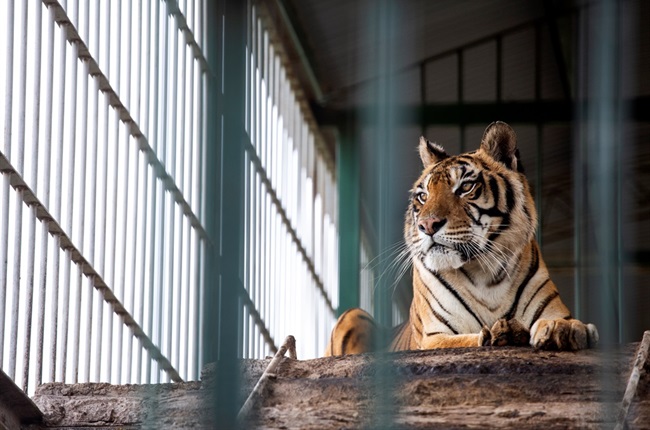
They Spent Years Locked In A Train Carriage In Argentina. Now The Four Tigers, Known As The ‘Train Tigers’, Can Feel The Grass Beneath Their Feet.

The train carriage that was ‘home’ to four Bengal Tigers. Credit: Four Paws/Nicolas Cabona.

The four Bengal Tigers, who lived 15 years in a train carriage in Argentina, have now been at their new home in South Africa for two years.

FAMILY OF FOUR

In 2007, a travelling circus abandoned the 18-year-old male and 15-year-old female Tiger in a train carriage in San Luis province in the west of Argentina. The circus asked a local farmer to temporarily take care of them, but never returned. The animals remained in the train carriage and had two babies.

The farmer didn’t inform the authorities of the situation given that it is illegal to keep wild animals privately in Argentina and simply tried to take care of them as best he could.

PRISON. Credit: Four Paws/Hristo Vladev

In 2021, Argentinian authorities became aware of the bad living conditions of the Tigers and began looking for solutions for the animals.

FOUR PAWS TO THE RESCUE

By February 2022, through the bars of their cages, the four Tigers had watched the sunrise over the meadow more than 5,000 times. Freedom had always been right in front of them, yet so far away.

The cages were barely larger than the size of two parking spaces and were part of an old train carriage – unfit for any animal. In the beginning, it was only two of them. Then two cubs were born, who are 10 years old today. They were trapped behind bars in dirty conditions, with little space to move on a train wagon – which has been stood still since then.

Animal welfare organization Four Paws rescued Sandro, Mafalda, Messi and Gustavo from their cages and transferred them to LionsRock Big Cat Sanctuary.

Veterinarians of Four Paws spent weeks on-site to prepare the Tigers with positive reinforcement so that the transfer would be as safe as possible for the animals.

“These Tigers spent over 15 years in the same 75m² space, surrounded by the same landscape and without any stimulation of their instincts or natural behaviour. Our team needed to be around them so they would stay calm in our presence and during the transfer,” Four Paws veterinarian Amir Khalil, who led the rescue mission, said.

The Tigers had to be taken out of their cages, moved into transport crates and on a truck to the airport, flown from Argentina to South Africa, and taken off the airport on trucks to their new home. The total journey took more than 70 hours.

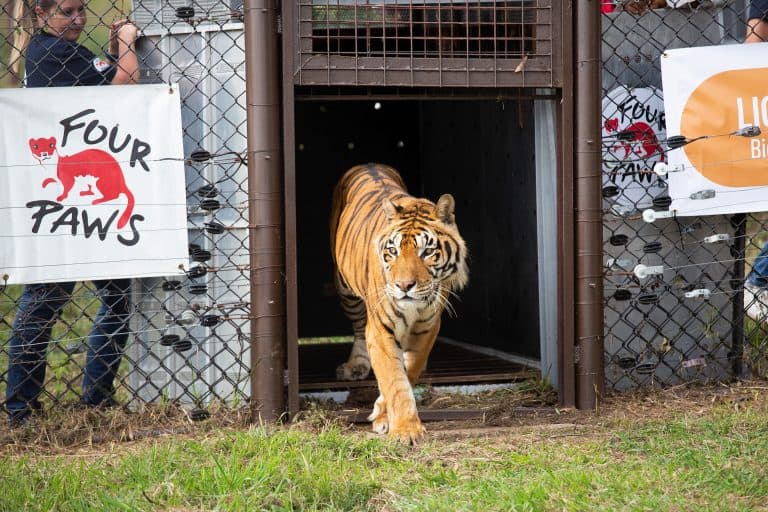
At LionsRock, Mafalda took a little time before leaving her transport crate, but the three other Tigers started to explore the new surroundings almost immediately, Four Paws said.

Mafalda hesitantly enters her new life of freedom. Credit: Four Paws

“These Tigers have never felt grass or earth under their paws. It’s the first time they can see the sky above them, not just metal bars and a roof,” Khalil said.

“Now they have hundreds of square meters full of new feelings, tastes and smells. It is overwhelming for them to be in a completely new environment, but animals are quick at adapting to better living conditions,” he added.

Messi and Sandro enjoying their freedom. Credit: Four Paws/Daniel Born

“The road to rehabilitation for these animals now begins,” Hildegard Pirker, who manages LionsRock Big Cat Sanctuary, said

There are only around 3,900 Tigers left in the wild, Four Paws said, adding that due to a lack of regulations, Tigers are kept in captivity and traded around the world for human entertainment and killed for their skin, fur, bones, and teeth.

The Train Tigers of Argentina – two years on. Credit: Four Paws.

WHAT YOU CAN DO TO HELP WILDLIFE

You can support ‘Protect All Wildlife’ by donating as little as £1 – It only takes a minute but it can last a lifetime for an animal in need. Please donate below.

Everyone who donates will receive a Certificate of Appreciation as a thank you for helping animals in need.

The Mission of Protect All Wildlife is to prevent cruelty and promote the welfare of ALL animals.

We believe EVERY animal should be treated with respect, empathy, and understanding. We raise awareness to protect and conserve wild, captive, companion and farm animals.

It is vital that we protect animals against acts of cruelty, abuse, and neglect by enforcing established animal welfare laws and, when necessary, take action to ensure that those who abuse animals are brought to justice.

Protect All Wildlife are involved in many projects to protect animals’ rights, welfare, and habitats. Money contributed to Protect All Wildlife supports ALL of our worthy programmes and gives us the flexibility to respond to emerging needs. Your donations make our work possible.

Tiger King Star Carole Baskin To Close Big Cat Rescue And Move Wildlife To Arkansas Refuge

Baskin, who shot to fame in 2020 when her feud with Joe Exotic became a Netflix hit, has decided to close her Big Cat Rescue centre and transfer most of its wildlife from Florida to a sanctuary in Arkansas.

“The win-win solution both for our captive cats and the cats in the wild is for us to merge our cat population with the population at another existing accredited sanctuary.”  

In a memo published on the sanctuary’s website, her husband, Howard Baskin, announced that the 30-year-old center in Tampa has agreed to move most of its cats to the Turpentine Creek Wildlife Refuge.

“We will continue to fund their care for the rest of their lives,” the statement said.

The Big Cat Rescue has provided a safe haven for exotic cats that people have abandoned, mistreated, or retired from performing since 1992. Locals and tourists alike have frequented the rescue, located at 12802 Easy Street.

However, due to the COVID-19 pandemic, the rescue center closed its doors to the public and has not reopened to visitors.

 BCPSA Has Led To A Decrease In Tiger Rescues

The decision to close the center comes after the federal Big Cat Public Safety Act, or BCPSA, was passed, which prohibits cub petting and the private ownership of big cats, including Lions, Tigers, Leopards, Cheetahs, Jaguars, Cougars, or any hybrid of these species.

Howard and Carole Baskin at their Big Cat Rescue sanctuary

“With the passage of the BCPSA, we expect the need for rescues to decline over the coming decade. If the need were going to continue at the pace we saw up until a few years ago, we would be making a different decision,” read the statement.

“Having ended most of the abuse of big cats via the BCPSA, focusing on the third prong of our mission, i.e., maximizing the amount we can donate to in situ projects to save the cats from extinction, is the best way to fulfill our mission and impact the most cats going forward.”

A financial liability

Moreover, mounting expenses have also placed considerable financial pressure on the estate.

According to the Baskins, currently the property’s overhead costs are $1.5 million per year, or over $36,000 per cat.

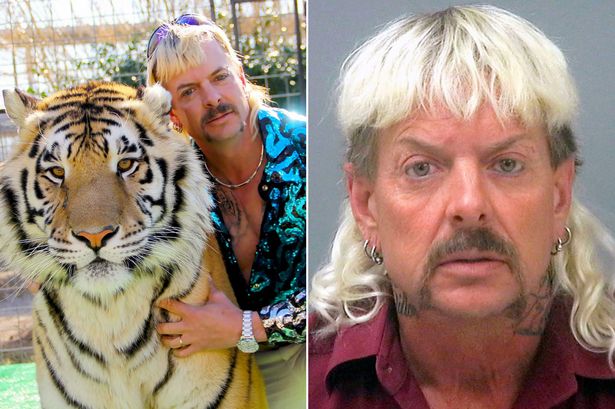
Carol Baskin, pictured in Tiger King, has announced her Florida property is closing, with 2023 expected to be ‘the most challenging financial year in the sanctuary’s history’.

“As the population declines, it becomes an increasingly inefficient use of donor funds per cat to operate a facility like ours,” Mr. Baskin explained.

“The win-win solution both for our captive cats and the cats in the wild is for us to merge our cat population with the population at another existing accredited sanctuary.”  

He added: “Supporting our cats in larger enclosures at Turpentine Creek, at a much lower cost per cat than we incur by continuing to operate Big Cat Rescue, will free up resources to let us do much more to save big cats in the wild.”

New home for the big cats

Turpentine’s founder and president, Tanya Smith, said that her organization and Big Cat Rescue “share similar ideologies and core values, so it seemed quite logical that Carole and Howard would approach us.”

According to Smith, the sanctuary has already taken measures to accommodate the incoming cats.

“In 2021, [Turpentine] launched a capital campaign initiative to build a visitor education center and museum,” Smith said.

“Part of that project includes a five-year plan to develop another 13 acres on our 459-acre property to provide additional habitats.

“We anticipate the construction will be completed within the next six months. This increased space will not only accommodate the remaining cats at Big Cat Rescue but some additional space for other rescue needs.”

The memo also mentioned that once all the cats at the sanctuary have been moved, the Hillsborough County sanctuary property will be sold, and the proceeds will be used to “fund these species-saving projects in the wild.”

Moreover, Big Cat Rescue will also help fund the building of the enclosures at Turpentine Creek, which “is expected to cost $1.8 million.”

Tiger King

Tiger King ‘star’ Joe Exotic was sentenced to 22 years in prison for hiring a hitman to kill Bastin.

Big Cat Rescue and Carole Baskin caught global attention three years ago when Netflix released its popular Tiger King docuseries.

As well as focusing on the illegal wildlife trade, the documentary followed Baskin’s feud with Joe Exotic, an eccentric zookeeper serving a 21-year sentence for hiring hitmen to kill her.

Exotic accused Baskin of murdering her ex-husband, Don Lewis, and feeding him to their Tigers

In the documentary, Exotic accused Baskin of murdering her ex-husband, Don Lewis, and feeding him to their Tigers. However, Baskin denies these accusations. Don Lewis disappeared without a trace in 1997, and authorities are still investigating his disappearance.

——–((((((()))))))——–

WHAT YOU CAN DO TO HELP WILDLIFE:

You can support ‘Protect All Wildlife’ by donating as little as £1 – It only takes a minute but it can last a lifetime for an animal in need. Please donate below.

Everyone who donates will receive a Certificate of Appreciation as a thank you for helping animals in need.

The Mission of Protect All Wildlife is to prevent cruelty and promote the welfare of ALL animals.

We believe EVERY animal should be treated with respect, empathy, and understanding. We raise awareness to protect and conserve wild, captive, companion and farm animals.

It is vital that we protect animals against acts of cruelty, abuse, and neglect by enforcing established animal welfare laws and, when necessary, take action to ensure that those who abuse animals are brought to justice.

Protect All Wildlife are involved in many projects to protect animals’ rights, welfare, and habitats. Money contributed to Protect All Wildlife supports ALL of our worthy programmes and gives us the flexibility to respond to emerging needs. Your donations make our work possible.

Should Wildlife Tourism Be Banned In India?

Tiger T42 – Fateh. A dominant tiger of Ranthambhore Tiger Reserve, he rules over Qualiji area. He is named after the legendary conservationist, synonymous with Ranthambhore, Fateh Singh Rathore-A tribute to a great man.

Wildlife Tourism in India has always been a controversial matter. In 2010, a Public Interest Litigation was filed by tiger activist Ajay Dubey, claiming that the industry was becoming unsustainable and exploitative. As per the 2006 Amendment of the Wildlife (Protection) Act of 1972, “critical Tiger and wildlife habitats” must be inviolate for the vital growth of tiger populations. Any form of human activity was deemed a threat to Tiger conservation. It was on this basis that, on the 24th of July 2012, the Supreme Court ordered a temporary ban on tourism in the core zone of Tiger reserves. The ban stirred significant debate amongst conservationists.

More about the wildlife tourism ban

The underlying principle of the order was questionable. Tiger populations grew remarkably in reserves such as Kahna, Bandhavgarh and Ranthambore, despite substantial amounts of wildlife tourism. Contrastingly, Tiger populations in less popular Protected Areas, such as Buxa and Palamu Tiger Reserve, have depleted immensely despite a lack of tourism. Associating wildlife tourism to the depletion of Tiger populations remains a baseless claim.

The Supreme Court hoped that the ban would instigate the establishment of buffer zones in Protect Areas for wildlife tourism, in accordance with the November 2011 NTCA guidelines. However, despite the Supreme Court mandate, numerous states were reluctant to comply with the guidelines. Tourism in buffer zones was not the most practical alternative. These regions are used extensively by bordering villages for cattle grazing and the collection of forest produce. Habitat degradation would lead to inferior wildlife sightings, hence attenuating the attractiveness of wildlife safaris. 

Wildlife Tourism In India

Fortunately the MoEFCC and NTCA redrafted guidelines, allowing for wildlife tourism in up to 20% of the critical Tiger habitat of a reserve. The revised guidelines encouraged states to form their own ecotourism policies. Following this, on the 16th of October 2012, the Supreme Court allowed for the recommencement of tourism in core areas

Are there any benefits of wildlife tourism?

There are numerous benefits to wildlife tourism, particularly for the local communities. Following proper practices, ecotourism brings substantial economic benefits. With over 1 million people visiting tiger reserves annually, a lot of revenue is generated in the form of entry fees, guide salary, lodge bookings amongst others. This provides significant employment opportunities for the local communities and has ripple effects as locals will associate a monetary value with wildlife. This would increase the general acceptance of wildlife, hence reducing human-wildlife conflict. Furthermore, this would prevent locals from turning to game hunting for sustenance. Entry fees would also provide the Forest Department with much required funding for conservation works! It is estimated that in the Fiscal Year of 2019, wildlife tourism in Madhya Pradesh attracted nearly 2 million visitors, generating 27 crore rupees. An organization, TOFTigers, estimated that nearly a quarter of the state’s Forest Department Budget consists of park entry fees in 2017. Moreover, the industry generated an additional 2,500 full time jobs out of which 82% were given to locals. With the industry growing at a healthy 15% annually, local economies stand to benefit immensely, particularly in the North East where the wild wonders are relatively unexplored.

Tourism also has a plethora of benefits in the management of the reserve. With the Forest Departments heavily under resources and understaffed, patrolling Protected Areas is a daunting task. Parks certainly benefit from watchful tourists. Detection of forest fires, illegal activities and injured animals improves with the participation of tourists. In fact, with the development of citizen science software, tourists can contribute even further towards wildlife research. It is no surprise therefore, that within 6 weeks of wildlife tourism shutting down due to the pandemic in 2020, the cases of poaching increased by 151% across India.

Unethical Practices Cloud wildlife tourism

However, in the past, there have been concerns regarding whether the economic benefits of wildlife tourism actually reach local communities.  Wildlife tourism may also lead to some atrocious practices. For example, both captive elephants, and dancing bears, undergo immense torture while being trained for tourist purposes. Similarly, Kopi Luwark, the world’s most expensive coffee, is a major attraction in Indonesia. However, most people are oblivious to the fact that it sponsors the illegal wildlife tradeSnake charming also is equally diastorous.

Unruly visitors are not avoidable

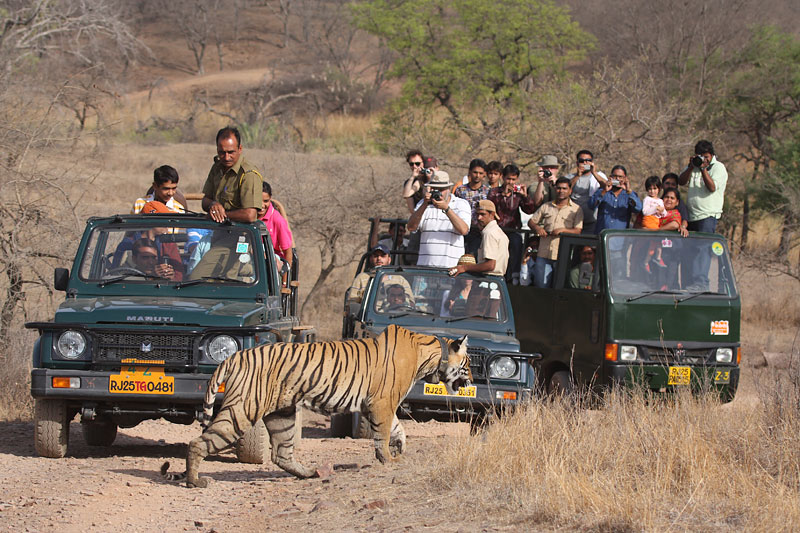
Enforcement of rules and regulation also remains a dark spot in the wildlife industry. I personally have witnessed numerous accounts of wildlife harassment. Unruly tourists littering, wearing excessively bright colours and making excessive noise has made a few safaris unpleasant. Furthermore, in the lure of tips, guides are often overly enthusiastic during a safari. A critical protocol which is frequently ignored during a direct sighting is the minimum distance requirement between two jeeps. Though legally, animals have the right of way in forest roads, this behaviour by jeeps often obstructs their paths and causes distress to the animals. I witnessed this with the dominant male Rudra in Tadoba Tiger Reserve in October 2020 and in my first visit to the park in 2017, where a jeep did some off-roading to show the guests tiger cubs feeding on a kill. Not only did the family flee, the jeeps shamelessly continued chasing them off-roading. Littering is also a prominent issue. On the same trip, I visited the Tipeshwar Tiger Reserve where visitors, despite being confronted by both forest staff and guests, continued to litter in the park. I can name plenty of such personal anecdotes from forests all over India! Seeing the popular tiger of the park overwhelms tourist and guide alike!

The impact of such behaviour has had an observed impact on wildlife. Tigers and other wildlife of popular parks are far more accustomed to jeeps than in the smaller reserves. Despite this, tigers do witness increased stress levels. This is proved by a study of 341 samples of tiger scats by the Centre for Cellular and Molecular Biology (CCMB) in Bandhavgarh and Kanha National Park. The study found that tigers had higher concentrations of the stress hormone, faecal glucocorticoid metabolite (fGCM), during the tourism season than prior. 

This behaviour could be rectified by improved education. While an underlying purpose of ecotourism is education, only 30% of India’s Protected Areas have visitor orientation centres. Private lodges also are not very proactive in the field. 

Wildlife tourism has to become more sustainable

Another issue with wildlife tourism is that lodges are not truly eco-friendly. A nationwide study of 10 of India’s major wildlife tourist destinations was alarming. 85% of tourist facilities were within 5km of the park. 93% of the lodges used local wood while the dependency on local borewells varied from 40% to 100%. Swimming pools in the lodges of Central India prove costly for local communities in the dry summer months. The fragile ecosystem of Ladakh is witnessing widespread decimation in recent years due to scores of tourists flocking to the state following the release of the movie “3 Idiots”.

The same study found that in the 10 parks, 95% of the revenue went to private operators. Only 4.5% and 0.5% went to the park and locals respectively. In fact, only 0.001% of the locals within a 10km buffer of PA were employed. This accentuates the fallacies of India’s wildlife industries! 

Larger mammals steal the limelight

Although only 10% of India’s 500 Protected Areas are Tiger Reserves, they account for 32% of wildlife tourism. Spotting charismatic species such as Tigers, Elephants, Rhinos and Lions still remains the sole interest for most visitors. Much of India’s natural beauties are unheard of by the general public. This is in sharp contrast with countries such as Australia, US, South Africa and Europe. Unlike India, ecotourism is not limited to safaris solely. These countries offer a wide array of sustainable activities across their natural landscapes including bird watching, camping, adventure sports, and natural history museums. Although it is essential to not damage the natural ecosystem, the ecotourism industry in India could be further developed. In fact, developing more activities in the lesser known parks could help distribute tourism more evenly across the country. There is much scope to expand. India could also adopt a private-public partnership in a few regions, much like the Private Game Reserves of South Africa!

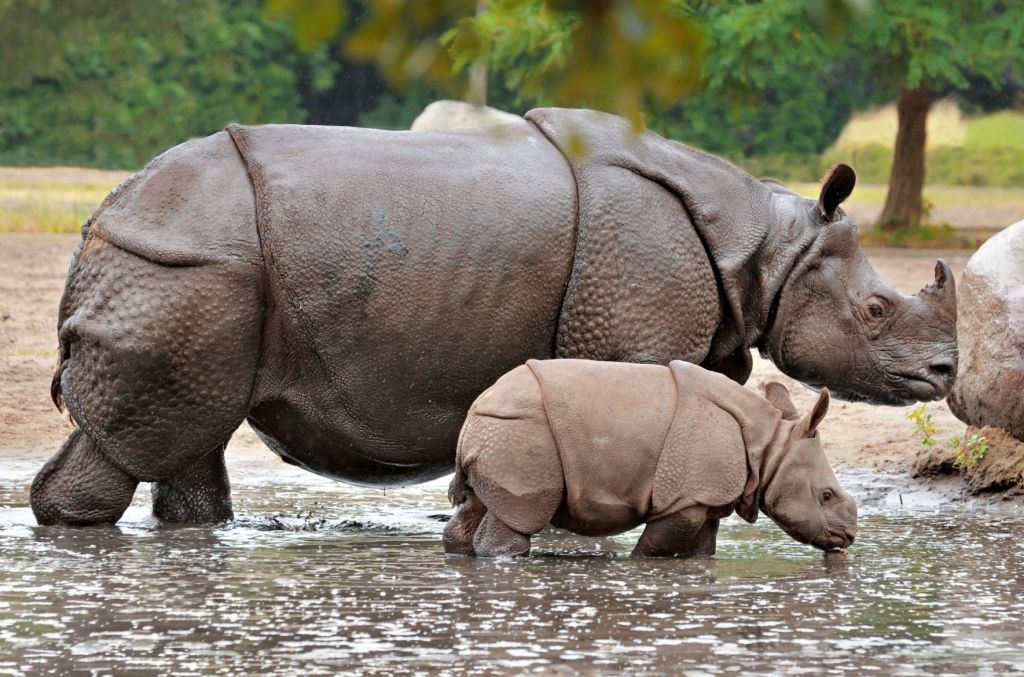
The Greater One-Horned Rhino

All in all, the wildlife tourism industry is still fairly young and has much growth left. It has various benefits to wildlife but there are many issues for India to iron out such that the industry can bolster conservation efforts.

This article was first published on Think Wildlife Foundation. 

How you can help animals in need:

You can support animals in need by donating as little as £1 – It only takes a minute but it can last a lifetime for an animal in need.

Certificate of Appreciation

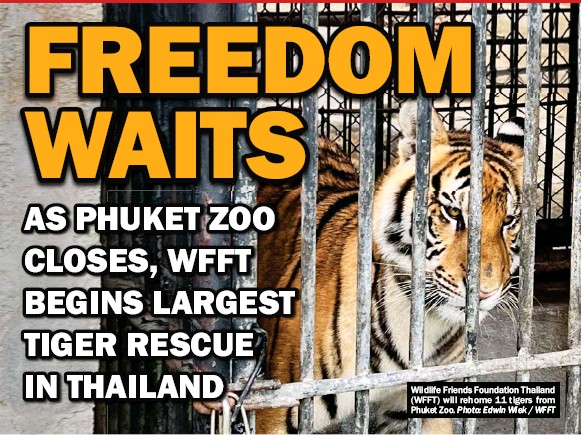
The Wildlife Friends Foundation Launches Largest Tiger Rescue In Thailand As Phuket Zoo Closes

The Wildlife Friends Foundation Thailand (WFFT) is carrying out the largest tiger rescue in Thailand’s history as the renowned wildlife animal welfare and rescue organisation prepares to take custody of 11 tigers and two bears handed over by Phuket Zoo.

WFFT founder and director Edwin Wiek confirmed the news.

Edwin Wiek of the Wildlife Friends Foundation

“We are finishing off the new side enclosures for the Tigers right now, and we will be ready to pick up the first 4-6 in the coming week. We are still waiting for documents to move the Tigers, but I am pretty sure this ill be done by the end of the week.” Mr Wiek told Protect All Wildlife.

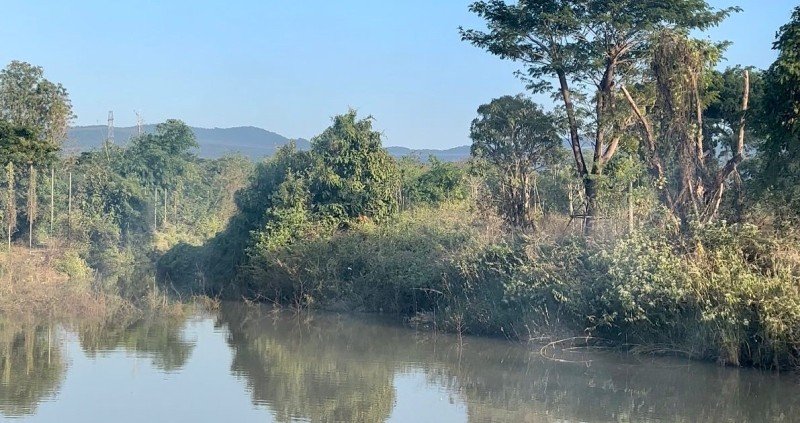
Part of the area at the WFFT site in Phetchaburi that the tigers and bears from Phuket Zoo will soon call home. Photo: Edwin Wiek / WFFT

Mr Wiek explained that he and Sangduen “Lek” Chailert, founder of the Elephant Nature Park, discussed the handover of the animals with the Phuket Zoo owners.

The zoo has been hard hit by the financial crisis brought on by the COVID-19 pandemic, leaving the facility without tourist visitors for nearly two years.

Despite previous encounters between WFFT and Phuket Zoo over the conditions many of the animals were kept in at the zoo, the parties set aside any animosity in order to determine the safe future for the animals, Mr Wiek noted.

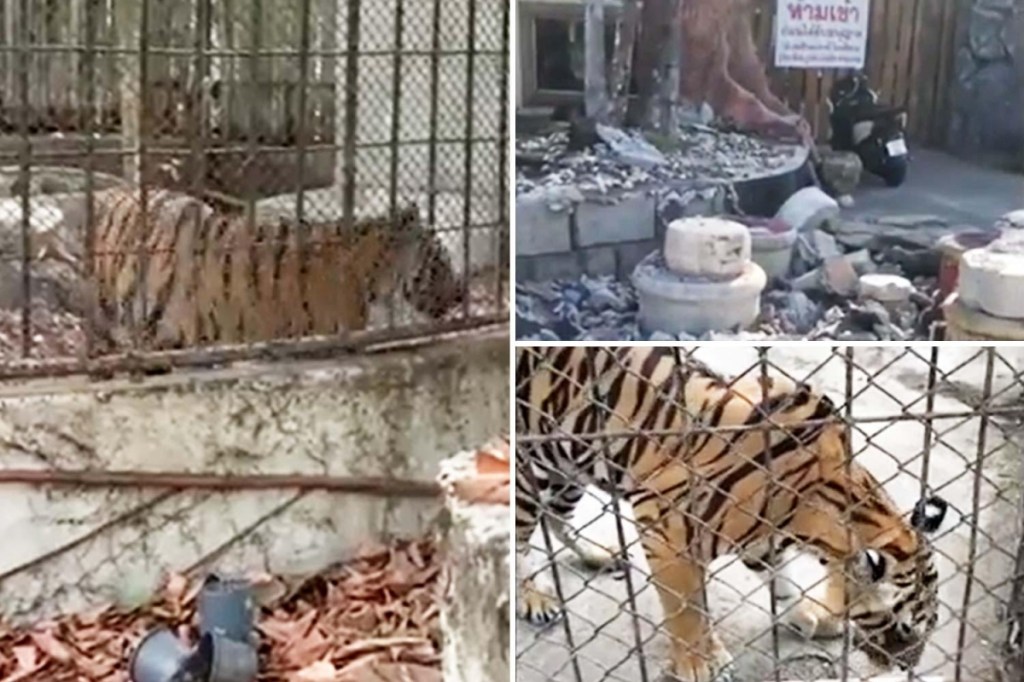
Horrifying scenes inside abandoned Phuket zoo where starving animals are forced to live in squalor

“They were genuinely very concerned about the animals. They said they had refused offers for the animals’ skins and bones,” he said.

“As WFFT has the facilities and expertise to take care of large carnivores and currently houses more than 30 other bears, it was concluded that WFFT could provide the best life-long care for these animals which require urgent rehoming,” Mr Wiek explained. 

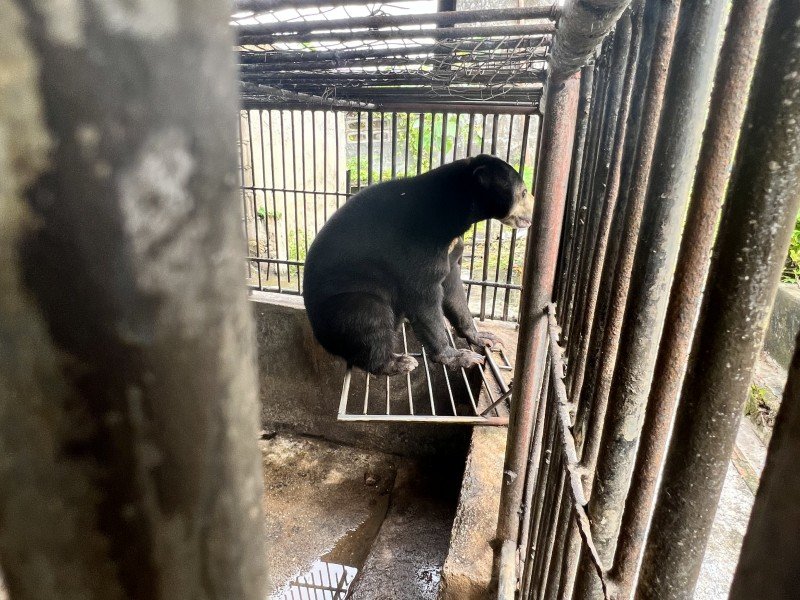
Wildlife Friends Foundation Thailand (WFFT) will also rehome two bears from Phuket Zoo. Photo: Edwin Wiek / WFFT

The rescue and rehoming of 11 Tigers to a sanctuary will be the biggest Tiger rescue in Thailand’s history. However, due to the financial impact of COVID-219, WFFT must first raise the funds required to rescue these 13 animals. As such WFFT is asking for financial support to undertake this historic rescue, he noted.

“This rescue will be no small feat for WFFT. The financial resources required to rescue and transport 13 large animals from Phuket to WFFT alone will be significant,” Mr Wiek said.

“Throughout the COVID-19 pandemic we have received more calls than ever from entertainment venues who cannot afford to feed their animals anymore. We try to help as many as we can. The fact is, though, that without financial support, we cannot help more.

“We are urging our friends in Phuket, in Thailand and around the world to please help with what will be a huge rescue, not only for WFFT, but for Tigers in Thailand,” he said.

WFFT is a registered foundation in Thailand. 

“In Thailand, like in every country in the world, animals are abused and exploited for profit and human gratification. There are many examples of animal exploitation within the tourist industry, for example, photo prop animals, animals performing in degrading shows, and elephant camps. Furthermore, there is still a thriving illegal trade in wild animals for pets and medicine,” the organisation explains on its website.

The top three major goals of the organisation are:

  • To rescue and rehabilitate captive wild animals and provide high-quality care and a safe environment for them to live for the rest of their lives, in a setting as close to nature as possible.
  • To campaign against all forms of animal abuse and exploitation in Thailand, work towards ending the illegal pet trade and discourage people from keeping all wild animals as pets. WFFT actively seeks to combat the illegal wildlife trade and to rescue animals from poor conditions or exploitation from human entertainment.
  • To provide veterinary assistance to any sick or injured animal; wild or domestic.

To learn more about Wildlife Friends Foundation Thailand (WFFT), visit the official website here: https://www.wfft.org/

This video shows various animals including Tigers, Bears, and Alligators left for dead at Phuket Zoo due to the Coronavirus pandemic. The tourism industry all over the world has definitely been brought to a sudden halt but the animals who played a major role in that have also been abandoned. The clip was originally uploaded on YouTube and was shot by an Australian named Minh Nguyen, who lives and works in Thailand. 

“We are still fundraising for the tigers, and hopefully we will get some more much needed financial support in the weeks to come.” told Protect All Wildlife.

If you like to help fund this amazing rescue operation please donate ANY amount, large or small, at Phuket Zoo Animal Rescue.

Please SHARE to raise awareness to this urgent rescue. You can also SIGN UP to receive News and Updates straight to your inbox.

A Critically Endangered Sumatran Tiger Has Been Found Dead In An Animal Trap In Indonesia

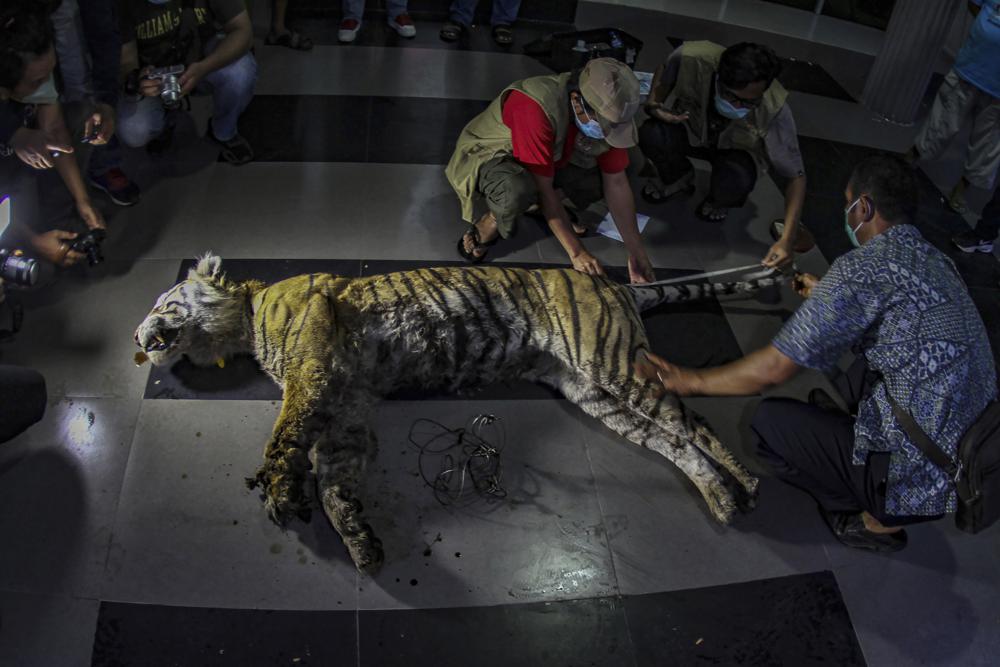
MEMBERS OF NATURAL RESOURCES CONSERVATION AGENCY INSPECT A SUMATRAN TIGER FOUND DEAD AFTER BEING CAUGHT IN A SNARE TRAP IN PEKANBARU, RIAU

A critically endangered Sumatran Tiger was found dead after being caught in a trap on Indonesia’s Sumatra island, authorities said on Monday, in the latest setback for a species whose numbers are estimated to have dwindled to about 400.

A STUNNING SUMATRAN TIGER

The female Tiger, aged between 4 and 5 years, was found dead Sunday near Bukit Batu Wildlife Reserve in the Bengkalis district of Riau province, said Fifin Arfiana Jogasara, the head of Riau’s conservation agency.

Jogasara said an examination determined the Tiger died from dehydration five days after being caught in the snare trap, apparently set by a poacher, which broke one of its legs.

She said her agency will cooperate with law enforcement agencies in an investigation.

Sumatran Tigers, the most critically endangered Tiger subspecies, are under increasing pressure due to poaching as their jungle habitat shrinks, according to the IUCN Red List of Threatened Species. It estimated fewer than 400 Sumatran Tigers remain in the wild.

It was the latest killing of endangered animals on Sumatra island. Conservationists say the coronavirus pandemic has led to increased poaching as villagers turn to hunting for economic reasons.

Three Sumatran Tigers, including two cubs, were found dead in late August after being caught in traps in the Leuser Ecosystem Area, a region for tiger conservation in Aceh province.

In early July, a female Tiger was found dead with injuries caused by a snare trap in South Aceh district.

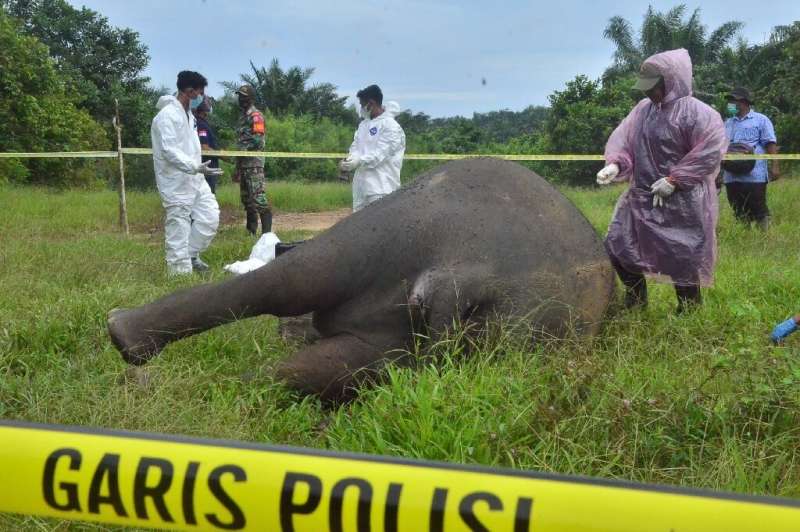
An Elephant was found without its head on July 11 in a palm plantation in East Aceh. Police arrested a suspected poacher along with four people accused of buying ivory from the dead animal.

AN ELEPHANT FOUND WITHOUT ITS HEAD AFTER BEING KILLED BY POACHERS

Aceh police also arrested four men in June for allegedly catching a Tiger with a snare trap and selling its remains for 100 million rupiah ($6,900). Days later, another Sumatran Tiger died after it ate a goat laced with rat poison in neighbouring North Sumatra province.

Via A P News

Please SHARE this article to raise awareness to this issue. You can also SIGN UP to receive latest news and new articles directly to your inbox.